PathMap Literature Based Discovery Engine
Share your Discovery:
Guaranteed to find unpublished literature based discoveries.
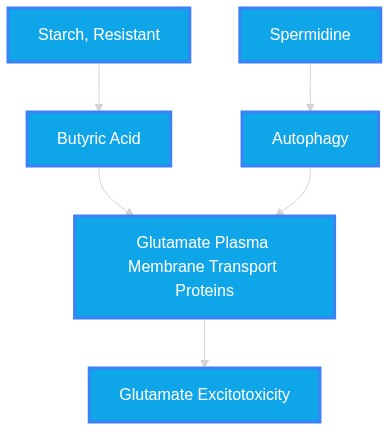
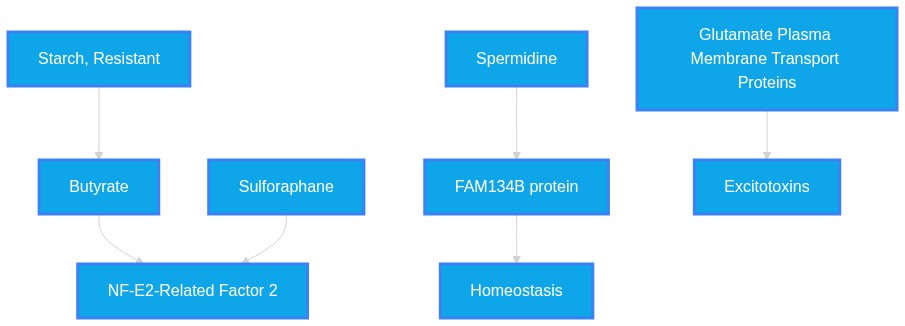
Dietary strategy: High amylose maize starch may be identified as a non-invasive tool to improve outcomes in TBI, and potentially hypoxic neurovascular damage, suggesting it could be repurposed for high-altitude workers or elderly patients with cognitive frailty.
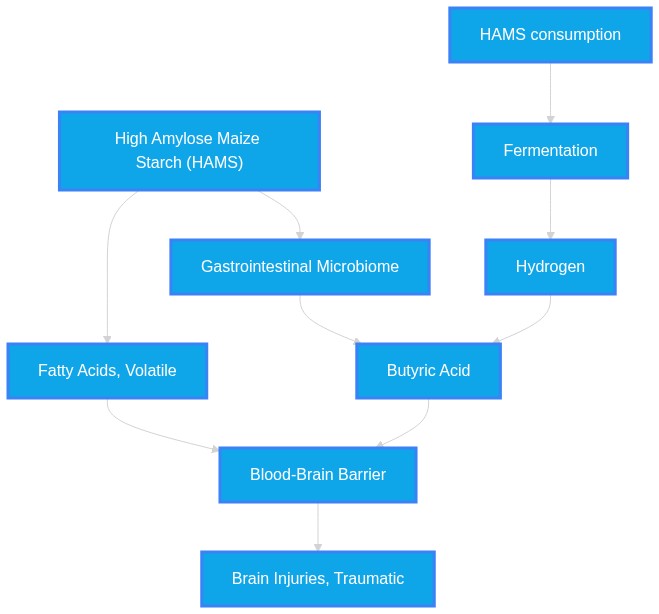

High Amylose Maize Starch (HAMS)
_gates_from_high_amylose_maize_starch__hams_
Fatty Acids, Volatile
_gates_to_fatty_acids__volatile
_gates_from_fatty_acids__volatile
Blood-Brain Barrier
_gates_to_blood_brain_barrier
_gates_from_blood_brain_barrier
Brain Injuries, Traumatic
_gates_to_brain_injuries__traumatic
The ALS-T2D comorbidity is driven by a bidirectional, exosome-mediated proteostatic collapse. Peripheral tissues (muscle, pancreas) dictate CNS TDP-43 stability via exosomal miRNAs (miR-126a-5p) and glucose-dependent modifications (O-GlcNAcylation). Conversely, pharmacological activation of ubiquitin-peptidases (e.g., Acarbose targeting USP46) or restitution of glycolytic cofactors (F2,6BP) represent novel, cross-disciplinary therapeutic targets capable of halting systemic proteinopathy.


Diabetes Mellitus, Type 2
_gates_from_diabetes_mellitus__type_2
Extracellular Vesicles
_gates_to_extracellular_vesicles
_gates_from_extracellular_vesicles
DNA-Binding Proteins
_gates_to_dna_binding_proteins
_gates_from_dna_binding_proteins
Amyotrophic Lateral Sclerosis
_gates_to_amyotrophic_lateral_sclerosis
How does eating legumes and vegetables help restore gut-brain axis homeostasis?