PathMap Literature Based Discovery Engine
Share your Discovery:
Guaranteed to find unpublished literature based discoveries.
Discovery: Considering PubMed #41177462, intranasal S-GEVs co-functionalized with ApoE peptides may bypass the cribriform plate and target astrocytic LRP1 receptors in order to suppress NF-κB and may resolve some neuroinflammation in Alzheimer's and ALS.

Administration, Intranasal
_gates_from_administration__intranasal
Blood-Brain Barrier
_gates_to_blood_brain_barrier
Apolipoproteins E
_gates_from_apolipoproteins_e
Low Density Lipoprotein Receptor-Related Protein-1
_gates_to_low_density_lipoprotein_receptor_related_protein_1
Signal Transduction
_gates_from_signal_transduction
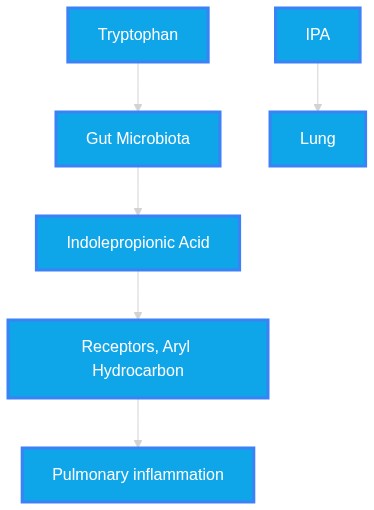
Hypothesis: If Botox were injected into the nerve ending on the third toe on the left foot, the toxin can "climb" retrograde from toe through motor neurons eventually to the brain and temporarily inhibit vesicular docking "from toe to head", potentially allowing a timed pharmacological therapeutic window for toxic EV clearance through the lymph system instead of docking and seeding.
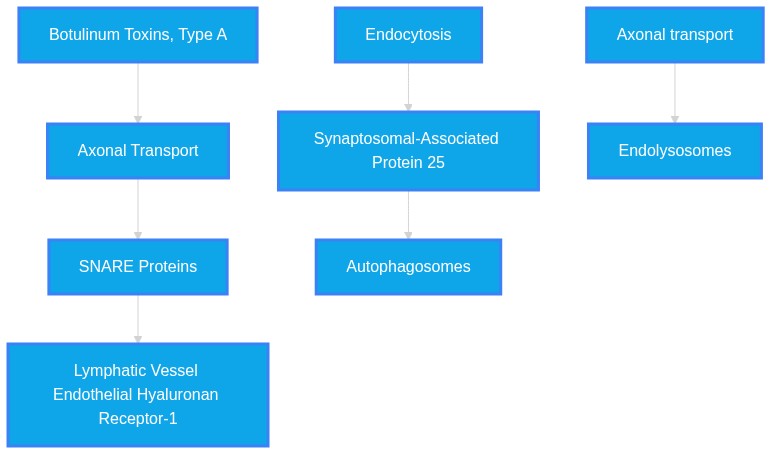
Botulinum Toxins, Type A
_gates_from_botulinum_toxins__type_a
Axonal Transport
_gates_to_axonal_transport
_gates_from_axonal_transport
SNARE Proteins
_gates_to_snare_proteins
_gates_from_snare_proteins
Lymphatic Vessel Endothelial Hyaluronan Receptor-1
_gates_to_lymphatic_vessel_endothelial_hyaluronan_receptor_1
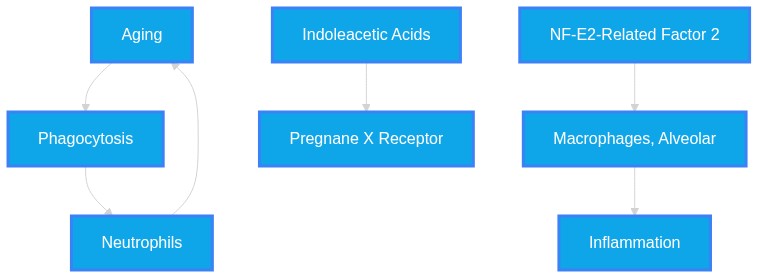
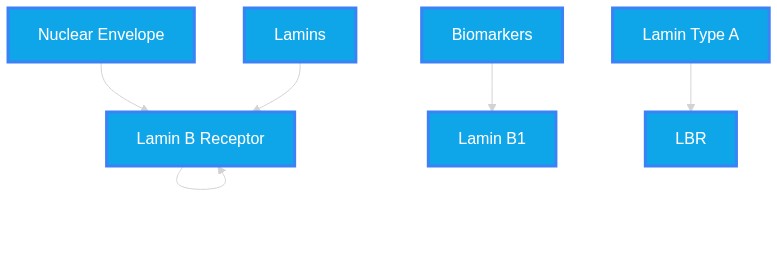
anti-lamin b1 (phospho t575) antibody - nuclear envelope marker
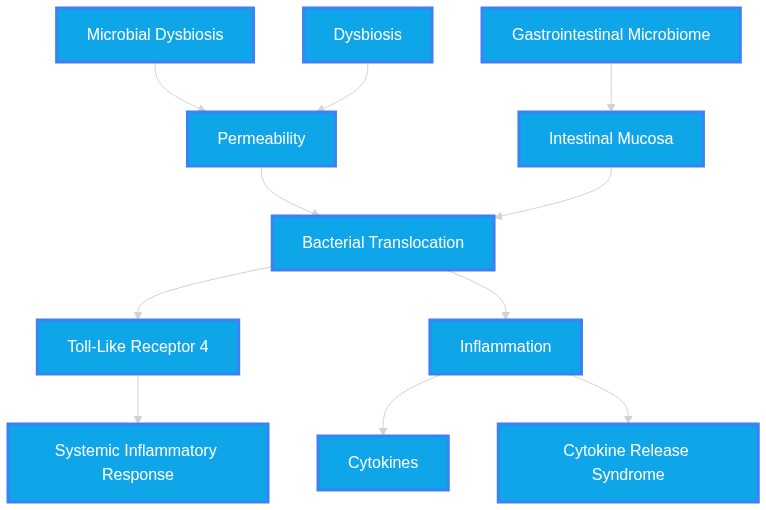
How does the gut microbiome modulate inflammation?
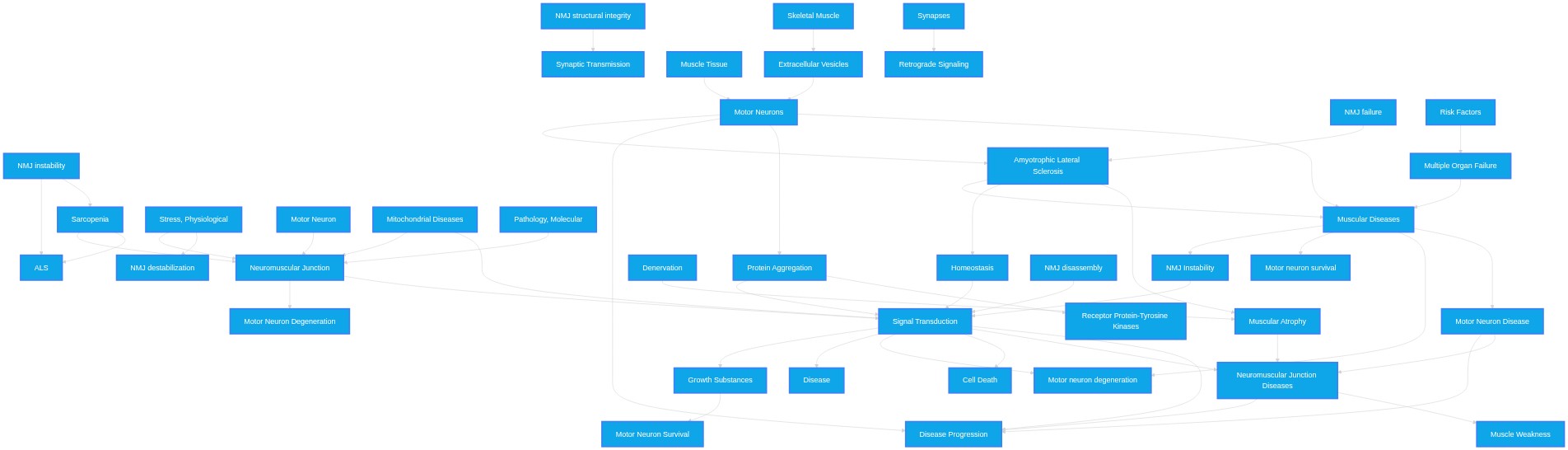
Sarcopenia and Amyotrophic Lateral Sclerosis: Biological Pathways and Analysis
Can fatty liver disease be treated in order to restore gut health?
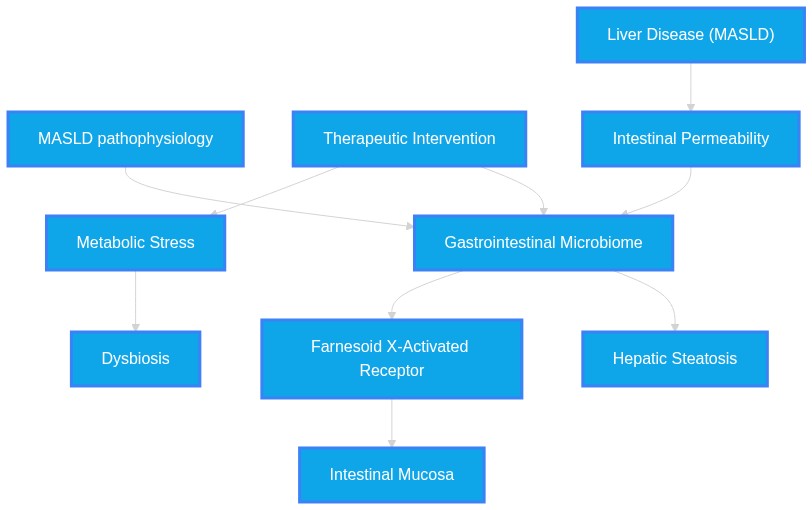
MASLD pathophysiology
_gates_from_masld_pathophysiology
Gastrointestinal Microbiome
_gates_to_gastrointestinal_microbiome
_gates_from_gastrointestinal_microbiome
Farnesoid X-Activated Receptor
_gates_to_farnesoid_x_activated_receptor
_gates_from_farnesoid_x_activated_receptor
Intestinal Mucosa
_gates_to_intestinal_mucosa