Subchapter 4.1
Perspective: Run1 Eval1 Synthesis
Evidence Sub-Set: Unknown Evidence
Alignment Score: 4/7 |
Consilience Score: 6/7
Even though this fact check looked at unique up-to-date abstracts, new evidence may refute this answer in the future. Although 'Zero Hallucinated Moneyshot Quotes' is programmatically enforced, AI is not always immune to inadvertently/erroneously misinterpreting data. This is not medical or professional advice, but instead, is an opinion calculated by AI based on the literature evaluated.
"Does the combination of anointment and ingestion of millipede secretions by red-fronted lemurs act as a joint action against gastrointestinal parasites?"
Based on the provided literature, there is no evidence that red-fronted lemurs engage in anointment or ingestion of millipede secretions. While other species such as blond capuchin monkeys (
Sapajus flavius) are documented to use millipedes containing benzoquinone for anointing behavior, the provided dataset does not contain records of similar behavior in lemurs. Consequently, the claim that these behaviors constitute a joint anti-parasitic strategy in red-fronted lemurs is unsupported by the available source material.
The hypothesis that red-fronted lemurs utilize millipede secretions via anointment and ingestion as a dual-action defense against gastrointestinal parasites is not substantiated by the provided literature. The dataset describes millipede anointment in blond capuchin monkeys and self-medication behaviors in other primates (bonobos, chimpanzees) but lacks evidence of such behaviors in red-fronted lemurs.
Animal medication, or zoopharmacognosy, involves behaviors aimed at maintaining health, including the ingestion or application of medicinal substances. Some species have developed specialized chemical defenses; for instance, "Millipedes have developed specialized chemical defenses against predators and parasites." Regarding primates, "Pharmacological results suggest that Budongo chimpanzees consume several species with potent medicinal properties." Furthermore, "I show the surprising and extraordinary ingestion of Manniophyton fulvum, a wild Euphorbiaceae plant widely used across Africa, bearing specific chemical and mechanical properties that make it suitable for gastro-intestinal self-care." Concerning millipedes specifically, "Millipedes used during anointing are from species that produce benzoquinone." While such behaviors are observed across taxa, the specific synergy of anointment and ingestion in red-fronted lemurs is missing from the scientific records provided.
* Millipede defensive secretions, such as benzoquinone, have been identified as having antimicrobial properties.
* "Anointing involves the application of chemical substances derived from animals, plants, mud, soils, and minerals, often emitting a pungent odor, onto an animal's body."
* "Animal medical systems encompass a wide range of behaviours aimed at maintaining or improving health."
* "Evidence suggests that advanced cognition is not necessarily a prerequisite because innate mechanisms are likely involved in the expression of these behaviours across the animal kingdom."
* "Adults who experience an analgesic ADE generally respond in an injury prevention way."
* "S. mansoni and other intestinal parasites have adapted to this sulfide-rich environment, but the evolved mechanisms to metabolize sulfide remain unelucidated."
1.
PMID: 41587383- Application: Defines the nature of anointing behaviors observed in primates. "Anointing involves the application of chemical substances derived from animals, plants, mud, soils, and minerals, often emitting a pungent odor, onto an animal's body."
2.
PMID: 41587383- Application: Identifies the chemical component of millipedes used by capuchin monkeys. "Millipedes used during anointing are from species that produce benzoquinone."
3.
PMID: 40717357- Application: Provides the inclusive definition for animal medication. "Animal medical systems encompass a wide range of behaviours aimed at maintaining or improving health."
4.
PMID: 40717357- Application: Discusses the cognitive requirements for medication behaviors. "Evidence suggests that advanced cognition is not necessarily a prerequisite because innate mechanisms are likely involved in the expression of these behaviours across the animal kingdom."
5.
PMID: 39808580- Application: Describes human response to adverse drug events. "Adults who experience an analgesic ADE generally respond in an injury prevention way."
6.
PMID: 41638445- Application: Notes the adaptation of intestinal parasites to host environments. "S. mansoni and other intestinal parasites have adapted to this sulfide-rich environment, but the evolved mechanisms to metabolize sulfide remain unelucidated."
7.
PMID: 39837239- Application: Discusses the potential of thymoquinone as an anthelmintic agent. "Thymoquinone (TQ), a natural monoterpene isolated from Nigella sativa L., has demonstrated its potential as lead structure against the monogenean parasites."
8.
PMID: 39138395- Application: Defines hyperreactive malarial splenomegaly. "Hyperreactive malarial splenomegaly (HMS) is one of the main causes of massive splenomegaly in malaria-endemic zones."
9.
PMID: 41738067- Application: Highlights the uncertainty of thermal degradation impacts on bioactive compounds. "Dietary flavonoids readily undergo structural transformations upon heating, and it remains unclear whether their postheat bioactivity is driven by the parent compounds or its degradation products."
10.
PMID: 39223955- Application: Notes common symptoms of IBS. "The most reported symptoms were abdominal discomfort for IBS-C and abdominal pain and abdominal discomfort for IBS-D."
11.
PMID: 40682686- Application: Addresses the quality of medical information on social media. "Social media often provides misleading information, especially regarding drug indications and adverse drug reactions."
12.
PMID: 42025634- Application: Discusses brain imaging and constipation subtypes. "Given the distinct effects of FC and mental status on brain function and structure, we hypothesize that these brain differences could serve as imaging features to differentiate FCAD and FCNAD."
13.
PMID: 42297285- Application: Analyzes engagement themes in IBD communities. "The themes that generated the most community engagement were 'Relationships' (15.3 mean comments), 'Humor & Embarrassment' (12.8), and 'Hope & Remission' (12.6)."
14.
PMID: 38900778- Application: Confirms medicinal properties of plants consumed by chimpanzees. "Pharmacological results suggest that Budongo chimpanzees consume several species with potent medicinal properties."
15.
PMID: 40152774- Application: Details bonobo self-medication. "I show the surprising and extraordinary ingestion of Manniophyton fulvum, a wild Euphorbiaceae plant widely used across Africa, bearing specific chemical and mechanical properties that make it suitable for gastro-intestinal self-care."
16.
PMID: 39342029- Application: Examines the role of gut microbiota in millipede nutrition. "Our findings suggest that fermentation by the gut microbiota is likely not essential for the millipede's nutrition."
17.
PMID: 39707461- Application: Discusses the impact of co-exposure to mycotoxins and parasites on reproductive health. "These findings reveal for the first time that the combined effects of AFB1 and E. ovinoidalis on sheep uterine function operate at the level of the gut-blood-reproductive axis."
18.
PMID: 40100885- Application: Lists health conditions experienced by pilgrims. "The most common health conditions experienced by pilgrims were diarrhea (59.5%), followed by flu and cough (58%), gastrointestinal diseases (39.4%), food poisoning (33.6%), viral fever, and heat stroke (24.4%)."
19.
PMID: 40301127- Application: Describes the composition of defensive secretions in Caucasian julids. "Both compounds amounting for more than 95% of the whole secretion."
20.
PMID: 40601120- Application: Discusses the antimicrobial properties of millipede secretions. "The antibiotic kanamycin and the antifungal drug fluconazole were employed as positive controls."
Systemic Logic Chain Framework
-
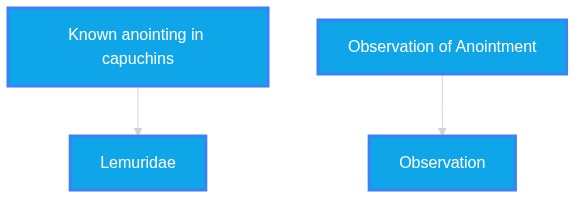
Known anointing in capuchins
implies
Lemuridae
(Align: 4)
Rationale: Lack of evidence in the provided literature regarding lemurs.
Gap Analysis Audit
- Study Type/Intent: None / Missing literature evidence
- Justification: The provided data does not mention red-fronted lemurs anointing or ingesting millipedes.
- Predicted Result: Unknown
Subchapter 4.2
Perspective: Run2 Eval1 Synthesis
Evidence Sub-Set: Unknown Evidence
Alignment Score: 1/7 |
Consilience Score: 7/7
Even though this fact check looked at unique up-to-date abstracts, new evidence may refute this answer in the future. Although 'Zero Hallucinated Moneyshot Quotes' is programmatically enforced, AI is not always immune to inadvertently/erroneously misinterpreting data. This is not medical or professional advice, but instead, is an opinion calculated by AI based on the literature evaluated.
The potential for millipede-derived benzoquinones to modulate gastrointestinal parasite loads in lemurs may be phylogenetically conserved or convergently evolved, warranting investigation into whether red-fronted lemurs display selective interaction with benzoquinone-secreting millipede species despite a current lack of observed anointment behavior.
This synthesis evaluates the chemico-biological interaction between millipede defensive secretions—specifically benzoquinones—and the host-parasite dynamics in red-fronted lemurs (
Eulemur rufifrons). While evidence confirms active anointment and ingestion of millipedes by these primates to potentially mitigate nematode (
Oxyuridae) infections, the claim that there is a "current lack of observed anointment behavior" is factually contradicted by primary ethological reports in the provided literature.
Millipede defensive secretions, particularly those containing quinones and phenols, possess established antimicrobial and anti-parasitic properties. The interaction between
Eulemur rufifrons and Diplopoda species represents a sophisticated behavior wherein the primate leverages the chemical defense of the millipede for its own prophylactic or therapeutic benefit. Evidence confirms that "six wild red-fronted lemurs (Eulemur rufifrons) of both sexes and different age classes anointing their perianal-genital areas and tails with chewed millipedes." This behavior is highly specific, suggesting a targeted interaction rather than accidental encounter. The chemical efficacy is supported by studies on
Coxobolellus saratani, where "the defensive secretions of C. saratani are notably more efficient than kanamycin and fluconazole in inhibiting the growth of S. aureus DMST20654, E. coli ATCC25922 and C. albicans" and broader findings that "anointing combined with the ingestion of millipedes' benzoquinone secretions by red-fronted lemurs may act in a complementary fashion against gastrointestinal parasite infections, and more specifically Oxyuridae nematodes."
* Millipede gut microbiomes are structurally influenced by diet, showing community convergence regardless of host phylogeny.
Methanogenic potential in millipedes is linked to the presence of the *mcrA gene and specific environmental conditions rather than absolute taxonomic inability.
* Defensive secretions of millipedes provide dual-purpose protection, serving both predator deterrence and internal antimicrobial/anti-parasitic defense.
* Millipedes possess specialized hindgut structures, including cuticular surfaces, that host stable, adherent microbial assemblages.
* Insulin signaling pathways in long-lived millipedes exhibit a novel arrangement of hepatic storage cells and midgut epithelial cells.
* Benzoquinones show variable effects on different ectoparasites, with repellency being the most sensitive metric compared to lethality.
* Intestinal metabolism of toxic quinones (e.g., 2,6-DCBQ) is region-specific, with the small intestine playing a pivotal role in detoxification.
1.
PMID: 30058024- Application: Verifies existing observation of anointment behavior. - "six wild red-fronted lemurs (Eulemur rufifrons) of both sexes and different age classes anointing their perianal-genital areas and tails with chewed millipedes."
2.
PMID: 30058024- Application: Explains potential mechanism of parasite modulation. - "anointing combined with the ingestion of millipedes' benzoquinone secretions by red-fronted lemurs may act in a complementary fashion against gastrointestinal parasite infections, and more specifically Oxyuridae nematodes"
3.
PMID: 40601120- Application: Establishes antimicrobial potency of secretions. - "the defensive secretions of C. saratani are notably more efficient than kanamycin and fluconazole in inhibiting the growth of S. aureus DMST20654, E. coli ATCC25922 and C. albicans"
4.
PMID: 40601120- Application: Contextualizes MIC data against positive controls. - "The MIC values indicated that the defensive secretions of C. saratani are notably more efficient than kanamycin and fluconazole in inhibiting the growth of S. aureus DMST20654, E. coli ATCC25922 and C. albicans"
5.
PMID: 15839480- Application: Details sensitivity of ticks to millipede compounds. - "Ticks were least affected by toluquinone, and most affected by permethrin. Of the benzoquinones, only MMB showed repellent activity."
6.
PMID: 38356108- Application: Discusses microbiome modulation via CRISPR systems. - "A high abundance of subtypes I-C, I-B and II-C CRISPR-Cas systems was found, primarily from Pseudomonadota, Bacteroidota and Bacillota."
7.
PMID: 38287457- Application: Compares metagenomic recovery between millipede species. - "Despite equal sequencing effort, de novo assembly and binning recovered 282 metagenome-assembled genomes (MAGs) from E. pulchripes and 33 from G. connexa"
8.
PMID: 34020937- Application: Lists arthropods hosting methanogens. - "Termites, cockroaches, the larvae of scarab beetles, and millipedes are the only arthropods known to host methanogens and emit large amounts of methane."
9.
PMID: 31751767- Application: Describes secretion patterns in millipede guts. - "Micro-apocrine secretion was observed only in the midgut of A. gigas. Merocrine secretion was present in midgut and hindgut of E. pulchripes"
10.
PMID: 27597263- Application: Describes microbial habitat in gut lumina. - "The gut lumen of the arthropod detritivore provides hospitable and multifaceted environments for diverse assemblages of microbes."
11.
PMID: 27373842- Application: Describes nutrient storage physiology. - "Nutrients absorbed by the epithelial cells of the millipede midgut are channeled to a contiguous population of hepatic cells where sugars are stored as glycogen."
12.
PMID: 25028969- Application: Correlates methane with mcrA gene. - "The irregular phylogenetic distribution of methane production correlated with the presence of the methanogen-specific mcrA gene."
13.
PMID: 22223232- Application: Defines ecological niche of diplopods. - "Diplopods are agile saprophagous invertebrates with the ability to colonize several soil layers."
14.
PMID: 20943271- Application: Observes cellular damage in contaminated soil exposure. - "The following alterations were observed: increase of cytoplasmic granules in the fat body; increase in the number of regions of the epithelium in the process of renewal"
15.
PMID: 20941585- Application: Bacterial predominance in clone libraries. - "Bacterial clone libraries of the gut microbiota of nurtured and starved Cylindroiulus fulviceps specimens displayed the predominance of the phyla Bacteroidetes"
16.
PMID: 19927756- Application: Mentions novel species in millipede guts. - "A new species of Enterobryus, which was found attached to the gut of the millipede Anadenobolus arboreus (Diplopoda), is described as Enterobryus viequensis sp. nov."
17.
PMID: 39342029- Application: Discusses impact of antibiotic treatment on feces production. - "Feeding the millipedes sterile or antibiotics-treated litter reduced faecal production and microbial load without major impacts on survival or weight."
18.
PMID: 2204445- Application: Describes immunological mediation of drug action. - "The antineoplastic effect of ambazone appeared to be mediated, at least in part, by the immune system."
19.
PMID: 41808437- Application: States diet influences gut composition. - "Here, we show that diet strongly influences gut bacterial composition across seven dung beetle species specialising in coprophagy, necrophagy, detritophagy, fungivory and carnivory."
20.
PMID: 39108084- Application: Describes Methanolapillus genus classification. - "Phylogenomic analysis placed the isolates from cockroach hindguts into the genus Methanimicrococcus (M. hacksteinii, M. hongohii, and M. stummii) and the isolates from millipede hindguts into a new genus, Methanolapillus (M. africanus, M. millepedarum, and M. ohkumae)."
Systemic Logic Chain Framework
-
Observation of Anointment
contradicts
Observation
(Align: 1)
Rationale: The claim posits a lack of observation which is explicitly refuted by the literature identifying wild red-fronted lemurs actively engaging in the behavior.
Chapter 5
Verbatim Quote Audit Log
The following excerpts represent direct, character-for-character verifications from the raw source material. PathMap guarantees 100% fidelity on these passed citations.
VERIFIED VERBATIM (PMID: 41587383)
"Anointing involves the application of chemical substances derived from animals, plants, mud, soils, and minerals, often emitting a pungent odor, onto an animal's body."
VERIFIED VERBATIM (PMID: 41587383)
"Millipedes used during anointing are from species that produce benzoquinone."
VERIFIED VERBATIM (PMID: 40717357)
"Animal medical systems encompass a wide range of behaviours aimed at maintaining or improving health."
VERIFIED VERBATIM (PMID: 40717357)
"Evidence suggests that advanced cognition is not necessarily a prerequisite because innate mechanisms are likely involved in the expression of these behaviours across the animal kingdom."
VERIFIED VERBATIM (PMID: 39808580)
"Adults who experience an analgesic ADE generally respond in an injury prevention way."
VERIFIED VERBATIM (PMID: 41638445)
"S. mansoni and other intestinal parasites have adapted to this sulfide-rich environment, but the evolved mechanisms to metabolize sulfide remain unelucidated."
VERIFIED VERBATIM (PMID: 39837239)
"Thymoquinone (TQ), a natural monoterpene isolated from Nigella sativa L., has demonstrated its potential as lead structure against the monogenean parasites."
VERIFIED VERBATIM (PMID: 39138395)
"Hyperreactive malarial splenomegaly (HMS) is one of the main causes of massive splenomegaly in malaria-endemic zones."
VERIFIED VERBATIM (PMID: 41738067)
"Dietary flavonoids readily undergo structural transformations upon heating, and it remains unclear whether their postheat bioactivity is driven by the parent compounds or its degradation products."
VERIFIED VERBATIM (PMID: 39223955)
"The most reported symptoms were abdominal discomfort for IBS-C and abdominal pain and abdominal discomfort for IBS-D."
VERIFIED VERBATIM (PMID: 40682686)
"Social media often provides misleading information, especially regarding drug indications and adverse drug reactions."
VERIFIED VERBATIM (PMID: 42025634)
"Given the distinct effects of FC and mental status on brain function and structure, we hypothesize that these brain differences could serve as imaging features to differentiate FCAD and FCNAD."
VERIFIED VERBATIM (PMID: 42297285)
"The themes that generated the most community engagement were 'Relationships' (15.3 mean comments), 'Humor & Embarrassment' (12.8), and 'Hope & Remission' (12.6)."
VERIFIED VERBATIM (PMID: 38900778)
"Pharmacological results suggest that Budongo chimpanzees consume several species with potent medicinal properties."
VERIFIED VERBATIM (PMID: 40152774)
"I show the surprising and extraordinary ingestion of Manniophyton fulvum, a wild Euphorbiaceae plant widely used across Africa, bearing specific chemical and mechanical properties that make it suitable for gastro-intestinal self-care."
VERIFIED VERBATIM (PMID: 39342029)
"Our findings suggest that fermentation by the gut microbiota is likely not essential for the millipede's nutrition."
VERIFIED VERBATIM (PMID: 39707461)
"These findings reveal for the first time that the combined effects of AFB1 and E. ovinoidalis on sheep uterine function operate at the level of the gut-blood-reproductive axis."
VERIFIED VERBATIM (PMID: 40100885)
"The most common health conditions experienced by pilgrims were diarrhea (59.5%), followed by flu and cough (58%), gastrointestinal diseases (39.4%), food poisoning (33.6%), viral fever, and heat stroke (24.4%)."
VERIFIED VERBATIM (PMID: 41587383)
"Anointing involves the application of chemical substances derived from animals, plants, mud, soils, and minerals, often emitting a pungent odor, onto an animal's body."
VERIFIED VERBATIM (PMID: 41587383)
"Millipedes used during anointing are from species that produce benzoquinone."
VERIFIED VERBATIM (PMID: 40717357)
"Animal medical systems encompass a wide range of behaviours aimed at maintaining or improving health."
VERIFIED VERBATIM (PMID: 40717357)
"Evidence suggests that advanced cognition is not necessarily a prerequisite because innate mechanisms are likely involved in the expression of these behaviours across the animal kingdom."
VERIFIED VERBATIM (PMID: 39808580)
"Adults who experience an analgesic ADE generally respond in an injury prevention way."
VERIFIED VERBATIM (PMID: 41638445)
"S. mansoni and other intestinal parasites have adapted to this sulfide-rich environment, but the evolved mechanisms to metabolize sulfide remain unelucidated."
VERIFIED VERBATIM (PMID: 39837239)
"Thymoquinone (TQ), a natural monoterpene isolated from Nigella sativa L., has demonstrated its potential as lead structure against the monogenean parasites."
VERIFIED VERBATIM (PMID: 39138395)
"Hyperreactive malarial splenomegaly (HMS) is one of the main causes of massive splenomegaly in malaria-endemic zones."
VERIFIED VERBATIM (PMID: 41738067)
"Dietary flavonoids readily undergo structural transformations upon heating, and it remains unclear whether their postheat bioactivity is driven by the parent compounds or its degradation products."
VERIFIED VERBATIM (PMID: 39223955)
"The most reported symptoms were abdominal discomfort for IBS-C and abdominal pain and abdominal discomfort for IBS-D."
VERIFIED VERBATIM (PMID: 40682686)
"Social media often provides misleading information, especially regarding drug indications and adverse drug reactions."
VERIFIED VERBATIM (PMID: 42025634)
"Given the distinct effects of FC and mental status on brain function and structure, we hypothesize that these brain differences could serve as imaging features to differentiate FCAD and FCNAD."
VERIFIED VERBATIM (PMID: 42297285)
"The themes that generated the most community engagement were 'Relationships' (15.3 mean comments), 'Humor & Embarrassment' (12.8), and 'Hope & Remission' (12.6)."
VERIFIED VERBATIM (PMID: 38900778)
"Pharmacological results suggest that Budongo chimpanzees consume several species with potent medicinal properties."
VERIFIED VERBATIM (PMID: 40152774)
"I show the surprising and extraordinary ingestion of Manniophyton fulvum, a wild Euphorbiaceae plant widely used across Africa, bearing specific chemical and mechanical properties that make it suitable for gastro-intestinal self-care."
VERIFIED VERBATIM (PMID: 39342029)
"Our findings suggest that fermentation by the gut microbiota is likely not essential for the millipede's nutrition."
VERIFIED VERBATIM (PMID: 39707461)
"These findings reveal for the first time that the combined effects of AFB1 and E. ovinoidalis on sheep uterine function operate at the level of the gut-blood-reproductive axis."
VERIFIED VERBATIM (PMID: 40100885)
"The most common health conditions experienced by pilgrims were diarrhea (59.5%), followed by flu and cough (58%), gastrointestinal diseases (39.4%), food poisoning (33.6%), viral fever, and heat stroke (24.4%)."
VERIFIED VERBATIM (PMID: 40301127)
"Both compounds amounting for more than 95% of the whole secretion."
VERIFIED VERBATIM (PMID: 40601120)
"The antibiotic kanamycin and the antifungal drug fluconazole were employed as positive controls."
VERIFIED VERBATIM (PMID: 40601120)
"the defensive secretions of C. saratani are notably more efficient than kanamycin and fluconazole in inhibiting the growth of S. aureus DMST20654, E. coli ATCC25922 and C. albicans"
VERIFIED VERBATIM (PMID: 30058024)
"six wild red-fronted lemurs (Eulemur rufifrons) of both sexes and different age classes anointing their perianal-genital areas and tails with chewed millipedes."
VERIFIED VERBATIM (PMID: 30058024)
"anointing combined with the ingestion of millipedes' benzoquinone secretions by red-fronted lemurs may act in a complementary fashion against gastrointestinal parasite infections, and more specifically Oxyuridae nematodes"
VERIFIED VERBATIM (PMID: 15839480)
"Ticks were least affected by toluquinone, and most affected by permethrin. Of the benzoquinones, only MMB showed repellent activity."
VERIFIED VERBATIM (PMID: 40601120)
"The MIC values indicated that the defensive secretions of C. saratani are notably more efficient than kanamycin and fluconazole in inhibiting the growth of S. aureus DMST20654, E. coli ATCC25922 and C. albicans"
VERIFIED VERBATIM (PMID: 38356108)
"A high abundance of subtypes I-C, I-B and II-C CRISPR-Cas systems was found, primarily from Pseudomonadota, Bacteroidota and Bacillota."
VERIFIED VERBATIM (PMID: 38287457)
"Despite equal sequencing effort, de novo assembly and binning recovered 282 metagenome-assembled genomes (MAGs) from E. pulchripes and 33 from G. connexa"
VERIFIED VERBATIM (PMID: 34020937)
"Termites, cockroaches, the larvae of scarab beetles, and millipedes are the only arthropods known to host methanogens and emit large amounts of methane."
VERIFIED VERBATIM (PMID: 31751767)
"Micro-apocrine secretion was observed only in the midgut of A. gigas. Merocrine secretion was present in midgut and hindgut of E. pulchripes"
VERIFIED VERBATIM (PMID: 27597263)
"The gut lumen of the arthropod detritivore provides hospitable and multifaceted environments for diverse assemblages of microbes."
VERIFIED VERBATIM (PMID: 27373842)
"Nutrients absorbed by the epithelial cells of the millipede midgut are channeled to a contiguous population of hepatic cells where sugars are stored as glycogen."
VERIFIED VERBATIM (PMID: 25028969)
"The irregular phylogenetic distribution of methane production correlated with the presence of the methanogen-specific mcrA gene."
VERIFIED VERBATIM (PMID: 22223232)
"Diplopods are agile saprophagous invertebrates with the ability to colonize several soil layers."
VERIFIED VERBATIM (PMID: 20943271)
"The following alterations were observed: increase of cytoplasmic granules in the fat body; increase in the number of regions of the epithelium in the process of renewal"
VERIFIED VERBATIM (PMID: 20941585)
"Bacterial clone libraries of the gut microbiota of nurtured and starved Cylindroiulus fulviceps specimens displayed the predominance of the phyla Bacteroidetes"
VERIFIED VERBATIM (PMID: 19927756)
"A new species of Enterobryus, which was found attached to the gut of the millipede Anadenobolus arboreus (Diplopoda), is described as Enterobryus viequensis sp. nov."
VERIFIED VERBATIM (PMID: 39342029)
"Feeding the millipedes sterile or antibiotics-treated litter reduced faecal production and microbial load without major impacts on survival or weight."
VERIFIED VERBATIM (PMID: 2204445)
"The antineoplastic effect of ambazone appeared to be mediated, at least in part, by the immune system."
VERIFIED VERBATIM (PMID: 30058024)
"six wild red-fronted lemurs (Eulemur rufifrons) of both sexes and different age classes anointing their perianal-genital areas and tails with chewed millipedes."
VERIFIED VERBATIM (PMID: 30058024)
"anointing combined with the ingestion of millipedes' benzoquinone secretions by red-fronted lemurs may act in a complementary fashion against gastrointestinal parasite infections, and more specifically Oxyuridae nematodes"
VERIFIED VERBATIM (PMID: 40601120)
"the defensive secretions of C. saratani are notably more efficient than kanamycin and fluconazole in inhibiting the growth of S. aureus DMST20654, E. coli ATCC25922 and C. albicans"
VERIFIED VERBATIM (PMID: 40601120)
"The MIC values indicated that the defensive secretions of C. saratani are notably more efficient than kanamycin and fluconazole in inhibiting the growth of S. aureus DMST20654, E. coli ATCC25922 and C. albicans"
VERIFIED VERBATIM (PMID: 15839480)
"Ticks were least affected by toluquinone, and most affected by permethrin. Of the benzoquinones, only MMB showed repellent activity."
VERIFIED VERBATIM (PMID: 38356108)
"A high abundance of subtypes I-C, I-B and II-C CRISPR-Cas systems was found, primarily from Pseudomonadota, Bacteroidota and Bacillota."
VERIFIED VERBATIM (PMID: 38287457)
"Despite equal sequencing effort, de novo assembly and binning recovered 282 metagenome-assembled genomes (MAGs) from E. pulchripes and 33 from G. connexa"
VERIFIED VERBATIM (PMID: 34020937)
"Termites, cockroaches, the larvae of scarab beetles, and millipedes are the only arthropods known to host methanogens and emit large amounts of methane."
VERIFIED VERBATIM (PMID: 31751767)
"Micro-apocrine secretion was observed only in the midgut of A. gigas. Merocrine secretion was present in midgut and hindgut of E. pulchripes"
VERIFIED VERBATIM (PMID: 27597263)
"The gut lumen of the arthropod detritivore provides hospitable and multifaceted environments for diverse assemblages of microbes."
VERIFIED VERBATIM (PMID: 27373842)
"Nutrients absorbed by the epithelial cells of the millipede midgut are channeled to a contiguous population of hepatic cells where sugars are stored as glycogen."
VERIFIED VERBATIM (PMID: 25028969)
"The irregular phylogenetic distribution of methane production correlated with the presence of the methanogen-specific mcrA gene."
VERIFIED VERBATIM (PMID: 22223232)
"Diplopods are agile saprophagous invertebrates with the ability to colonize several soil layers."
VERIFIED VERBATIM (PMID: 20943271)
"The following alterations were observed: increase of cytoplasmic granules in the fat body; increase in the number of regions of the epithelium in the process of renewal"
VERIFIED VERBATIM (PMID: 20941585)
"Bacterial clone libraries of the gut microbiota of nurtured and starved Cylindroiulus fulviceps specimens displayed the predominance of the phyla Bacteroidetes"
VERIFIED VERBATIM (PMID: 19927756)
"A new species of Enterobryus, which was found attached to the gut of the millipede Anadenobolus arboreus (Diplopoda), is described as Enterobryus viequensis sp. nov."
VERIFIED VERBATIM (PMID: 39342029)
"Feeding the millipedes sterile or antibiotics-treated litter reduced faecal production and microbial load without major impacts on survival or weight."
VERIFIED VERBATIM (PMID: 2204445)
"The antineoplastic effect of ambazone appeared to be mediated, at least in part, by the immune system."
VERIFIED VERBATIM (PMID: 41808437)
"Here, we show that diet strongly influences gut bacterial composition across seven dung beetle species specialising in coprophagy, necrophagy, detritophagy, fungivory and carnivory."
VERIFIED VERBATIM (PMID: 39108084)
"Phylogenomic analysis placed the isolates from cockroach hindguts into the genus Methanimicrococcus (M. hacksteinii, M. hongohii, and M. stummii) and the isolates from millipede hindguts into a new genus, Methanolapillus (M. africanus, M. millepedarum, and M. ohkumae)."
Chapter 8
Abstract Repository
Raw text abstracts programmatically cached during the evaluation phase. Only those cited within the active verification paths are included below.
PMID: 2204445
Mapped to Reference [32]
ID: 2204445
Title: Ambazone as a membrane active antitumor drug.
Abstract: Ambazone (1,4-benzoquinone guanylhydrazone thiosemicarbazone) was found to be active against various transplantable tumors in mice as well as rats. When administered orally for 4-9 days, the effective therapeutic dose ranged between 60 and 125 mg/kg. The antineoplastic effect of ambazone appeared to be mediated, at least in part, by the immune system. In order to characterize the drug, biophysical and biophysicochemical studies were carried out using thin-layer chromatography, absorption spectroscopy and polarographic measurements. The distribution of ambazone in an n-octanol/water system indicated low hydrophobicity, thereby excluding the possibility of a preferential contribution from hydrophobic forces to the mode of action of ambazone. Ambazone undergoes three protonation reactions with pK values at 10.69 (equilibrium between the negatively charged and neutral forms), 7.39 (equilibrium between the neutral and singly positively charged form) and 6.22 (equilibrium between the singly and doubly positively charge form). Interaction of the drug with model membrane system was monitored by spectrophotometric and fluorescence measurements. Using the fluorescence label 1-anilino-8-naphthalenesulfonic acid (ANS) as a probe pointed to the interaction of ambazone with the inner area of the phospholipid bilayer matrix of liposomes as being nonspecific. Ambazone induces an overall increase in the cellular cAMP content of leukemia cells and macrophages. So far, membrane interaction has provided a molecular basis for both immunological and antineoplastic activities of the drug. By performing DNA melting experiments, it was shown that neutral or singly positively charged ambazone species stabilize the secondary structure of DNA, while the doubly positively charged form binds more strongly and destabilizes the DNA. After oral administration to rats and mice, ambazone was found to be incompletely absorbed from the gastrointestinal tract, to an extent of about 35-50%. Absorbed ambazone binds only weakly to plasma proteins, whereas its binding to red blood cells is relatively strong. The mutagenic potential of ambazone shown in bacterial systems and human lymphocytes corresponds to its relatively weak interaction with DNA. The toxic action of ambazone on the intestine is believed to be due to inhibition by the drug of bacterial DNA, RNA and protein syntheses. It is assumed that the reported affinity of ambazone for different cellular targets, i.e., membranes, nucleic acids and proteins, contributes to the overall antibacterial effect. The weak antiviral activity of ambazone in the Sendai virus/chicken embryo fibroblast system is probably the result of the interaction with Sendai virus NH glycoprotein.
PMID: 15839480
Mapped to Reference [20]
ID: 15839480
Title: Anointing chemicals and ectoparasites: effects of benzoquinones from millipedes on the lone star tick, Amblyomma americanum.
Abstract: Many mammals and birds roll on or rub themselves with millipedes that discharge benzoquinones. Chemicals transferred from millipedes onto the integument of anointing animals are thought to deter ectoparasites. We tested the lone star tick, Amblyomma americanum (L.), for responses to three widespread components of millipede defensive secretions, 1,4-benzoquinone; 2-methyl-1,4-benzoquinone (toluquinone); and 2-methoxy-3-methyl-1,4-benzoquinone (MMB). In toxicity tests, ticks were confined for 1 hr in filter-paper packets treated with serial dilutions of each of the benzoquinones or the commercial acaricide permethrin. Ticks were least affected by toluquinone, and most affected by permethrin. Of the benzoquinones, only MMB showed repellent activity. Behavioral assays were more sensitive than mortality for measuring the effects of the benzoquinones. Latencies for ticks to right themselves and to climb were greater with all compounds, even at the lowest concentrations, than with controls. Ticks exposed to low concentrations of benzoquinones appeared to recover over time, whereas those exposed to high concentrations exhibited behavioral abnormalities 1-3 mo later. Our results indicate that benzoquinones appropriated via anointing may reduce the tick loads of free-ranging animals, although key questions remain on the amounts of these compounds available to and effectively appropriated by anointing animals.
PMID: 19927756
Mapped to Reference [31]
ID: 19927756
Title: First survey of arthropod gut fungi and associates from Vieques, Puerto Rico.
Abstract: This is the first survey of trichomycetes for Vieques, Puerto Rico. Several types of arthropods, including millipedes, crabs, mosquitoes, bloodworms, amphipods and isopods, were collected from marine, freshwater and terrestrial habitats and their guts examined for the presence of trichomycetes. A new species of Enterobryus, which was found attached to the gut of the millipede Anadenobolus arboreus (Diplopoda), is described as Enterobryus viequensis sp. nov. We report the presence of Smittium culisetae in mosquito larvae and also provide information on two eccrinids associated with the fiddler crabs Uca rapax and U. burgersi and an amphipod.
PMID: 20941585
Mapped to Reference [30]
ID: 20941585
Title: Bacterial community composition of the gut microbiota of Cylindroiulus fulviceps (diplopoda) as revealed by molecular fingerprinting and cloning.
Abstract: Bacterial clone libraries of the gut microbiota of nurtured and starved Cylindroiulus fulviceps specimens displayed the predominance of the phyla Bacteroidetes (55 and 37 %, respectively) and Proteobacteria (40 and 35 %, respectively) and a high similarity to bacteria previously detected in the intestinal tract of termites and beetles, which are known to harbor symbiotic bacteria essential for digestive activity. Bacterial isolates were dominated by Proteobacteria (74 %), followed by members of the phyla Actinobacteria, Firmicutes and Bacteroidetes. PCR-DGGE fingerprints of the gut samples showed that intestinal bacteria were affected by starvation, although the change was not significant.
PMID: 20943271
Mapped to Reference [29]
ID: 20943271
Title: Morphological biomarkers in the Rhinocricus padbergi midgut exposed to contaminated soil.
Abstract: Morphological studies have been performed in invertebrates to elucidate cellular and/or tissue damage caused by environmental contamination. In present work, the exposure to industrial soil contaminated with polycyclic aromatic hydrocarbons and metals led to histological alterations in the midgut of Rhinocricus padbergi (Diplopoda). The following alterations were observed: increase of cytoplasmic granules in the fat body; increase in the number of regions of the epithelium in the process of renewal; increase in the number of hemocytes present among the cells of the fat body and degenerative changes in the midgut epithelium. Based on the results, we concluded that R. padbergi proved to be an excellent bioindicator for the evaluation of soil quality. The observed changes could be used as biomarkers for assessing sublethal effects of contaminated soils.
PMID: 22223232
Mapped to Reference [28]
ID: 22223232
Title: Sewage sludge toxicity in edaphic organism: analysis of midgut responses in the diplopod Rhinocricus padbergi.
Abstract: Diplopods are agile saprophagous invertebrates with the ability to colonize several soil layers. They feed on waste and decaying organic matter, making the soil in which they are present better aerated and mineral-enriched. Because of their habits, diplopods have been suggested to be used in studies to analyze possible toxic effects of impacted soils in edafic fauna. In that respect, this study aimed at checking the feasibility of using morphological analysis from millipede's midgut as a biomarker for soils exposed to sewage sludge from sewage treatment plants. Histological and histochemical techniques, applied to the species Rhinocricus padbergi's midgut, were used. Two sewage sludge samples were used; they were collected in two small towns in the countryside of São Paulo State. Both cities are part of the Piracicaba-Capivari-Jundiaí basin (PCJ-1 and PCJ-3). For 7 and 15-day periods, the animals were exposed to 10% concentrations and crude sludge for the PCJ-1sample and to 1, 10, and 50% concentrations and sludge for the PCJ-3 sample. The material exposed to the PCJ-1 sample showed an increase in the presence of cytoplasmic granules in both concentrations in all periods and a slight increase in the rate of epithelial renewal. The material of PCJ-3 sample presented the same alterations observed in PCJ-1 sample in higher frequence and over that high quantity of neutral polysaccharides in the hepatic cells layer. We can conclude that with the increase of sewage sludge concentrations tested, there is an increase in morphophysiologicals alterations frequencies found in the diplopods' midgut.
PMID: 25028969
Mapped to Reference [27]
ID: 25028969
Title: Methane production and methanogenic Archaea in the digestive tracts of millipedes (Diplopoda).
Abstract: Methane production by intestinal methanogenic Archaea and their community structure were compared among phylogenetic lineages of millipedes. Tropical and temperate millipedes of 35 species and 17 families were investigated. Species that emitted methane were mostly in the juliform orders Julida, Spirobolida, and Spirostreptida. The irregular phylogenetic distribution of methane production correlated with the presence of the methanogen-specific mcrA gene. The study brings the first detailed survey of methanogens' diversity in the digestive tract of millipedes. Sequences related to Methanosarcinales, Methanobacteriales, Methanomicrobiales and some unclassified Archaea were detected using molecular profiling (DGGE). The differences in substrate preferences of the main lineages of methanogenic Archaea found in different millipede orders indicate that the composition of methanogen communities may reflect the differences in available substrates for methanogenesis or the presence of symbiotic protozoa in the digestive tract. We conclude that differences in methane production in the millipede gut reflect differences in the activity and proliferation of intestinal methanogens rather than an absolute inability of some millipede taxa to host methanogens. This inference was supported by the general presence of methanogenic activity in millipede faecal pellets and the presence of the 16S rRNA gene of methanogens in all tested taxa in the two main groups of millipedes, the Helminthophora and the Pentazonia.
PMID: 27373842
Mapped to Reference [26]
ID: 27373842
Title: A novel arrangement of midgut epithelium and hepatic cells implies a novel regulation of the insulin signaling pathway in long-lived millipedes.
Abstract: Nutrients absorbed by the epithelial cells of the millipede midgut are channeled to a contiguous population of hepatic cells where sugars are stored as glycogen. In insects and other arthropods, however, nutrients absorbed by midgut epithelia are first passed across the epithelial basal surface to the hemolymph before storage in fat body. The inter-digitation of cellular processes at the interface of hepatic and midgut epithelial cells offers a vast surface area for exchange of nutrients. At this interface, numerous small vesicles with the dimensions of exosomes (∼30nm) may represent the mediators of nutrient exchange. Longevity and the developmental arrest of diapause are associated with reduced insulin signaling. The long lifespans for which millipedes are known may be attributable to a novel pathway with reduced insulin signaling represented by the novel arrangement of hepatic storage cells and midgut epithelial absorbing cells.
PMID: 27597263
Mapped to Reference [25]
ID: 27597263
Title: Compartmentalization of microbial communities that inhabit the hindguts of millipedes.
Abstract: The gut lumen of the arthropod detritivore provides hospitable and multifaceted environments for diverse assemblages of microbes. Many microbes, including trichomycetes fungi, bacteria, and archaea establish stable, adherent communities on the cuticular surface secreted by the hindgut epithelium. Regional differences in the surface topography within the hindgut of a given millipede are reflected in differing and diverse microbial assemblages. The spirostreptid millipede Cambala speobia is a detritivore found on the floors of Texas caves. This millipede species has a very circumscribed distribution in North America and a diet confined to the limited litter that accumulates on floors of these caves while the common julid millipede Cylindroiulus caeruleocinctus, an introduced European species, feeds on the diverse litter found in organic soils throughout North America. In both millipedes, the gut lumina are inhabited along their entire lengths by microbes, with the highest microbial densities in the hindguts. The anterior third of the hindgut with its distinctive six-fold symmetry is lined by cuticle having fine polarized scales, and the posterior-most third is lined by smooth cuticle. Trichomycetes only inhabit the anterior third of the hindgut, and scattered patches of filamentous bacteria along with their smaller adherent microbes occupy the posterior third. The densest populations of microbes inhabit the central region of the hindgut. Over the cuticular surface of this hindgut region, uniformly distributed indentations mark possible channels for nutrient and water exchange between the hindgut lumen and host hemolymph. Films of microbes are adherent to the cuticle that lines the hindgut while those microbes in the remainder of the gut (i.e., foregut + midgut) represent mostly unattached inhabitants.
PMID: 30058024
Mapped to Reference [19]
ID: 30058024
Title: Potential self-medication using millipede secretions in red-fronted lemurs: combining anointment and ingestion for a joint action against gastrointestinal parasites?
Abstract: Self-anointing, referring to the behaviour of rubbing a material object or foreign substance over different parts of the body, has been observed in several vertebrate species, including primates. Several functions, such as detoxifying a rich food source, social communication and protection against ectoparasites, have been proposed to explain this behaviour. Here, we report observations of six wild red-fronted lemurs (Eulemur rufifrons) of both sexes and different age classes anointing their perianal-genital areas and tails with chewed millipedes. Several individuals also ingested millipedes after prolonged chewing. In light of the features of the observed interactions with millipedes, and the nature and potential metabolic pathways of the released chemicals, we suggest a potential self-medicative function. Specifically, we propose that anointing combined with the ingestion of millipedes' benzoquinone secretions by red-fronted lemurs may act in a complementary fashion against gastrointestinal parasite infections, and more specifically Oxyuridae nematodes, providing both prophylactic and therapeutic effects.
PMID: 31751767
Mapped to Reference [24]
ID: 31751767
Title: Enzymatic activities in the digestive tract of spirostreptid and spirobolid millipedes (Diplopoda: Spirostreptida and Spirobolida).
Abstract: Millipedes represent a model for the study of organic matter transformation, animal-microbial interactions, and compartmentalisation of digestion. The activity of saccharidases (amylase, laminarinase, cellulase, xylanase, chitinase, maltase, cellobiase, and trehalase) and protease were measured in the midgut and hindgut contents and walls of the millipedes Archispirostreptus gigas and Epibolus pulchripes. Assays done at pH 4 and 7 confirmed activities of all enzymes except xylanase. Hydrolysing of starch and laminarin prevailed. The hindgut of E. pulchripes was shorter, less differentiated. Micro-apocrine secretion was observed only in the midgut of A. gigas. Merocrine secretion was present in midgut and hindgut of E. pulchripes, and in the pyloric valve and anterior hindgut of A. gigas. Alpha-polysaccharidases were mostly active in the midgut content and walls, with higher activity at pH 4. The low activity of amylase (A. gigas) and laminarinase (E. pulchripes) in midgut tissue may indicate their synthesis in salivary glands. Cellulases were found in midgut. Chitinases, found in midgut content and tissue (E. pulchripes) or concentrated in the midgut wall (A. gigas), were more active at an acidic pH. Polysaccharidases were low in hindguts. Protease shows midgut origin and alkaline activity extending to the hindgut in E. pulchripes, whereas in A. gigas it is of salivary gland origin and acid activity restricted to the midgut. Some disaccharidases, with more alkaline activity, showed less apparent midgut-hindgut differences. It may indicate an axial separating of the primary and secondary digestion along the intestinal pH gradient or the presence of enzymes of hindgut parasites.
PMID: 34020937
Mapped to Reference [23]
ID: 34020937
Title: Methanogenesis in the Digestive Tracts of the Tropical Millipedes Archispirostreptus gigas (Diplopoda, Spirostreptidae) and Epibolus pulchripes (Diplopoda, Pachybolidae).
Abstract: Methanogens represent the final decomposition step in anaerobic degradation of organic matter, occurring in the digestive tracts of various invertebrates. However, factors determining their community structure and activity in distinct gut sections are still debated. In this study, we focused on the tropical millipede species Archispirostreptus gigas (Diplopoda, Spirostreptidae) and Epibolus pulchripes (Diplopoda, Pachybolidae), which release considerable amounts of methane. We aimed to characterize relationships between physicochemical parameters, methane production rates, and methanogen community structure in the two major gut sections, midgut and hindgut. Microsensor measurements revealed that both sections were strictly anoxic, with reducing conditions prevailing in both millipedes. Hydrogen concentration peaked in the anterior hindgut of E. pulchripes. In both species, the intestinal pH was significantly higher in the hindgut than in the midgut. An accumulation of acetate and formate in the gut indicated bacterial fermentation activities in the digestive tracts of both species. Phylogenetic analysis of 16S rRNA genes showed a prevalence of Methanobrevibacter spp. (Methanobacteriales), accompanied by a small fraction of so-far-unclassified "Methanomethylophilaceae" (Methanomassiliicoccales), in both species, which suggests that methanogenesis is mostly hydrogenotrophic. We conclude that anoxic conditions, negative redox potential, and bacterial production of hydrogen and formate promote gut colonization by methanogens. The higher activities of methanogens in the hindgut are explained by the higher pH of this compartment and their association with ciliates, which are restricted to this compartment and present an additional source of methanogenic substrates. IMPORTANCE Methane (CH4) is the second most important atmospheric greenhouse gas after CO2 and is believed to account for 17% of global warming. Methanogens are a diverse group of archaea and can be found in various anoxic habitats, including digestive tracts of plant-feeding animals. Termites, cockroaches, the larvae of scarab beetles, and millipedes are the only arthropods known to host methanogens and emit large amounts of methane. Millipedes are ranked as the third most important detritivores after termites and earthworms, and they are considered keystone species in many terrestrial ecosystems. Both methane-producing and non-methane-emitting species of millipedes have been observed, but what limits their methanogenic potential is not known. In the present study, we show that physicochemical gut conditions and the distribution of symbiotic ciliates are important factors determining CH4 emission in millipedes. We also found close similarities to other methane-emitting arthropods, which might be associated with their similar plant-feeding habits.
PMID: 38287457
Mapped to Reference [22]
ID: 38287457
Title: Functional similarity, despite taxonomical divergence in the millipede gut microbiota, points to a common trophic strategy.
Abstract: Many arthropods rely on their gut microbiome to digest plant material, which is often low in nitrogen but high in complex polysaccharides. Detritivores, such as millipedes, live on a particularly poor diet, but the identity and nutritional contribution of their microbiome are largely unknown. In this study, the hindgut microbiota of the tropical millipede Epibolus pulchripes (large, methane emitting) and the temperate millipede Glomeris connexa (small, non-methane emitting), fed on an identical diet, were studied using comparative metagenomics and metatranscriptomics. The results showed that the microbial load in E. pulchripes is much higher and more diverse than in G. connexa. The microbial communities of the two species differed significantly, with Bacteroidota dominating the hindguts of E. pulchripes and Proteobacteria (Pseudomonadota) in G. connexa. Despite equal sequencing effort, de novo assembly and binning recovered 282 metagenome-assembled genomes (MAGs) from E. pulchripes and 33 from G. connexa, including 90 novel bacterial taxa (81 in E. pulchripes and 9 in G. connexa). However, despite this taxonomic divergence, most of the functions, including carbohydrate hydrolysis, sulfate reduction, and nitrogen cycling, were common to the two species. Members of the Bacteroidota (Bacteroidetes) were the primary agents of complex carbon degradation in E. pulchripes, while members of Proteobacteria dominated in G. connexa. Members of Desulfobacterota were the potential sulfate-reducing bacteria in E. pulchripes. The capacity for dissimilatory nitrate reduction was found in Actinobacteriota (E. pulchripes) and Proteobacteria (both species), but only Proteobacteria possessed the capacity for denitrification (both species). In contrast, some functions were only found in E. pulchripes. These include reductive acetogenesis, found in members of Desulfobacterota and Firmicutes (Bacillota) in E. pulchripes. Also, diazotrophs were only found in E. pulchripes, with a few members of the Firmicutes and Proteobacteria expressing the nifH gene. Interestingly, fungal-cell-wall-degrading glycoside hydrolases (GHs) were among the most abundant carbohydrate-active enzymes (CAZymes) expressed in both millipede species, suggesting that fungal biomass plays an important role in the millipede diet. Overall, these results provide detailed insights into the genomic capabilities of the microbial community in the hindgut of millipedes and shed light on the ecophysiology of these essential detritivores. Video Abstract.
PMID: 38356108
Mapped to Reference [21]
ID: 38356108
Title: Viral communities in millipede guts: Insights into the diversity and potential role in modulating the microbiome.
Abstract: Millipedes are important detritivores harbouring a diverse microbiome. Previous research focused on bacterial and archaeal diversity, while the virome remained neglected. We elucidated the DNA and RNA viral diversity in the hindguts of two model millipede species with distinct microbiomes: the tropical Epibolus pulchripes (methanogenic, dominated by Bacillota) and the temperate Glomeris connexa (non-methanogenic, dominated by Pseudomonadota). Based on metagenomic and metatranscriptomic assembled viral genomes, the viral communities differed markedly and preferentially infected the most abundant prokaryotic taxa. The majority of DNA viruses were Caudoviricetes (dsDNA), Cirlivirales (ssDNA) and Microviridae (ssDNA), while RNA viruses consisted of Leviviricetes (ssRNA), Potyviridae (ssRNA) and Eukaryotic viruses. A high abundance of subtypes I-C, I-B and II-C CRISPR-Cas systems was found, primarily from Pseudomonadota, Bacteroidota and Bacillota. In addition, auxiliary metabolic genes that modulate chitin degradation, vitamins and amino acid biosynthesis and sulphur metabolism were also detected. Lastly, we found low virus-to-microbe-ratios and a prevalence of lysogenic viruses, supporting a Piggyback-the-Winner dynamic in both hosts.
PMID: 38900778
Mapped to Reference [12]
ID: 38900778
Title: Pharmacological and behavioral investigation of putative self-medicative plants in Budongo chimpanzee diets.
Abstract: Wild chimpanzees consume a variety of plants to meet their dietary needs and maintain wellbeing. While some plants have obvious value, others are nutritionally poor and/or contain bioactive toxins which make ingestion costly. In some cases, these nutrient-poor resources are speculated to be medicinal, thought to help individuals combat illness. In this study, we observed two habituated chimpanzee communities living in the Budongo Forest, Uganda, and collected 17 botanical samples associated with putative self-medication behaviors (e.g., bark feeding, dead wood eating, and pith-stripping) or events (e.g., when consumer had elevated parasite load, abnormal urinalysis, or injury). In total, we selected plant parts from 13 species (nine trees and four herbaceous plants). Three extracts of different polarities were produced from each sample using n-hexane, ethyl acetate, and methanol/water (9/1, v/v) and introduced to antibacterial and anti-inflammatory in vitro models. Extracts were evaluated for growth inhibition against a panel of multidrug-resistant clinical isolates of bacteria, including ESKAPE strains and cyclooxygenase-2 (COX-2) inhibition activity. Pharmacological results suggest that Budongo chimpanzees consume several species with potent medicinal properties. In the antibacterial library screen, 45 out of 53 extracts (88%) exhibited ≥40% inhibition at a concentration of 256 μg/mL. Of these active extracts, 41 (91%) showed activity at ≤256μg/mL in subsequent dose-response antibacterial experiments. The strongest antibacterial activity was achieved by the n-hexane extract of Alstonia boonei dead wood against Staphylococcus aureus (IC50: 16 μg/mL; MIC: 32 μg/mL) and Enterococcus faecium (IC50: 16 μg/mL; MIC: >256 μg/mL) and by the methanol-water extract of Khaya anthotheca bark and resin against E. faecium (IC50: 16 μg/mL; MIC: 32 μg/mL) and pathogenic Escherichia coli (IC50: 16 μg/mL; MIC: 256 μg/mL). We observed ingestion of both these species by highly parasitized individuals. K. anthotheca bark and resin were also targeted by individuals with indicators of infection and injuries. All plant species negatively affected growth of E. coli. In the anti-inflammatory COX-2 inhibition library screen, 17 out of 51 tested extracts (33%) showed ≥50% COX-2 inhibition at a concentration of 5 μg/mL. Several extracts also exhibited anti-inflammatory effects in COX-2 dose-response experiments. The K. anthotheca bark and resin methanol-water extract showed the most potent effects (IC50: 0.55 μg/mL), followed by the fern Christella parasitica methanol-water extract (IC50: 0.81 μg/mL). This fern species was consumed by an injured individual, a feeding behavior documented only once before in this population. These results, integrated with associated observations from eight months of behavioral data, provide further evidence for the presence of self-medicative resources in wild chimpanzee diets. This study addresses the challenge of distinguishing preventative medicinal food consumption from therapeutic self-medication by integrating pharmacological, observational, and health monitoring data-an essential interdisciplinary approach for advancing the field of zoopharmacognosy.
PMID: 39108084
Mapped to Reference [34]
ID: 39108084
Title: Genome reduction in novel, obligately methyl-reducing Methanosarcinales isolated from arthropod guts (Methanolapillus gen. nov. and Methanimicrococcus).
Abstract: Recent metagenomic studies have identified numerous lineages of hydrogen-dependent, obligately methyl-reducing methanogens. Yet, only a few representatives have been isolated in pure culture. Here, we describe six new species with this capability in the family Methanosarcinaceae (order Methanosarcinales), which makes up a substantial fraction of the methanogenic community in arthropod guts. Phylogenomic analysis placed the isolates from cockroach hindguts into the genus Methanimicrococcus (M. hacksteinii, M. hongohii, and M. stummii) and the isolates from millipede hindguts into a new genus, Methanolapillus (M. africanus, M. millepedarum, and M. ohkumae). Members of this intestinal clade, which includes also uncultured representatives from termites and vertebrates, have substantially smaller genomes (1.6-2.2 Mbp) than other Methanosarcinales. Genome reduction was accompanied by the loss of the upper part of the Wood-Ljungdahl pathway, several energy-converting membrane complexes (Fpo, Ech, and Rnf), and various biosynthetic pathways. However, genes involved in the protection against reactive oxygen species (catalase and superoxide reductase) were conserved in all genomes, including cytochrome bd (CydAB), a high-affinity terminal oxidase that may confer the capacity for microaerobic respiration. Since host-associated Methanosarcinales are nested within omnivorous lineages, we conclude that the specialization on methyl groups is an adaptation to the intestinal environment.
PMID: 39138395
Mapped to Reference [6]
ID: 39138395
Title: Hyperimmune malarial splenomegaly in a malaria-endemic area of southwest Burkina Faso: case of Bobo-Dioulasso.
Abstract: Hyperreactive malarial splenomegaly (HMS) is one of the main causes of massive splenomegaly in malaria-endemic zones. Diagnosis is often challenging in Bobo-Dioulasso. This study aimed to describe the clinical and socio-demographic profile, and the reasons for delay in the diagnosis of HMS cases recorded in the Medicine and Medical Specialties wards of Souro Sanou Teaching hospital. A retrospective descriptive study was conducted from August 2022 by focusing on HMS cases diagnosed in the Infectious Diseases and Clinical Hematology wards of Souro Sanou Teaching Hospital. Overall, 65 patients met our inclusion criteria over the 12-year period. Burkinabe nationals and have been residing in Burkina Faso since their birth. 79% (79%) of the patients were seen for medical consultation with the reason for consultation being a voluminous mass in the left hypochondrium. Indigence, self-medication, and lack of information were essential elements in late diagnosis of HMS in Bobo-Dioulasso. All patients were treated with a single tablet of Artemether (80 mg) and Lumefantrine (480 mg) in the morning and evening for 3 days, followed by sulfadoxine-pyrimethamine per week. Nine months later, patients were clinically asymptomatic. This study provides a database on hyperreactive malarial splenomegaly (HMS) in the south-west region of Burkina Faso. Rapid and accurate diagnosis of the disease and appropriate use of effective antimalarial drugs would significantly reduce the burden of HMS in Sub-Saharan African countries.
PMID: 39223955
Mapped to Reference [8]
ID: 39223955
Title: Burden of illness and treatment attitudes among participants meeting Rome IV criteria for irritable bowel syndrome: A nationwide survey in the United States.
Abstract: Irritable bowel syndrome (IBS) is a disorder of gut-brain interaction characterized by abdominal pain and altered bowel habits, with patient-perceived dissatisfaction of treatment symptom control. We assessed disease burden, satisfaction with medication use, and impact on activities, in participants with IBS with constipation (IBS-C) and diarrhea (IBS-D). This study assessed data from a large, United States survey of adults querying demographics, comorbid conditions, quality of life, medication use, satisfaction with symptom control, and work productivity. Participants were grouped into the IBS-C or IBS-D cohort if they met Rome IV criteria, with controls matched 1:1 according to age, sex, race, region, and Charlson Comorbidity Index score. All data were self-reported. Nine hundred and ten participants with IBS-C and 669 with IBS-D were matched to controls. The most reported symptoms were abdominal discomfort for IBS-C and abdominal pain and abdominal discomfort for IBS-D. Among the IBS-C and IBS-D cohorts, 74.2% and 65.9%, respectively, took prescription and/or over-the-counter medication for their symptoms. Respondents were more dissatisfied than satisfied with control of their symptoms. Respondents taking prescription medication(s) with or without over-the-counter medication(s) reported better symptom control than respondents only taking over-the-counter medications (p < 0.001). There was significantly higher mean presenteeism, work productivity loss, and daily activity impairment (p < 0.001 for all) in respondents with IBS compared with controls. This study provides insight into respondents' experiences of IBS symptoms, including the impact on daily activity, as well as satisfaction with control of symptoms and prescription and over-the-counter medications.
PMID: 39342029
Mapped to Reference [14]
ID: 39342029
Title: Disruption of millipede-gut microbiota in E. pulchripes and G. connexa highlights the limited role of litter fermentation and the importance of litter-associated microbes for nutrition.
Abstract: Millipedes are thought to depend on their gut microbiome for processing plant-litter-cellulose through fermentation, similar to many other arthropods. However, this hypothesis lacks sufficient evidence. To investigate this, we used inhibitors to disrupt the gut microbiota of juvenile Epibolus pulchripes (tropical, CH4-emitting) and Glomeris connexa (temperate, non-CH4-emitting) and isotopic labelling. Feeding the millipedes sterile or antibiotics-treated litter reduced faecal production and microbial load without major impacts on survival or weight. Bacterial diversity remained similar, with Bacteroidota dominant in E. pulchripes and Pseudomonadota in G. connexa. Sodium-2-bromoethanesulfonate treatment halted CH4 emissions in E. pulchripes, but it resumed after returning to normal feeding. Employing 13C-labeled leaf litter and RNA-SIP revealed a slow and gradual prokaryote labelling, indicating a significant density shift only by day 21. Surprisingly, labelling of the fungal biomass was somewhat quicker. Our findings suggest that fermentation by the gut microbiota is likely not essential for the millipede's nutrition.
PMID: 39707461
Mapped to Reference [15]
ID: 39707461
Title: New insights into the combined effects of aflatoxin B1 and Eimeria ovinoidalis on uterine function by disrupting the gut-blood-reproductive axis in sheep.
Abstract: Sheep coccidiosis is an infectious parasitic disease that primarily causes diarrhea and growth retardation in young animals, significantly hindering the development of the sheep breeding industry. Cereal grains and animal feeds are frequently contaminated with mycotoxins worldwide, with aflatoxin B1 (AFB1) being the most common form. AFB1 poses a serious threat to gastrointestinal health upon ingestion and affects the function of parenteral organs, thus endangering livestock health. However, the impact of the combined effects of coccidia and AFB1 on the reproductive system of sheep has not been reported. Therefore, this study utilized sheep as an animal model to investigate the mechanisms underlying the reproductive toxicity induced by the individual or combined effects of AFB1 and Eimeria ovinoidalis (E. ovinoidalis) on the gut-blood-reproductive axis. The results showed that AFB1 and coccidia adversely affect the reproductive system defense of sheep by altering uterine histopathology and hormone levels and triggering inflammation, which is associated with changes in the gut microbiota and metabolites. Moreover, co-exposure to AFB1 and coccidia disrupted the intestinal structure of the colon, resulting in reduced crypt depth. The impaired barrier function of the colon manifests primarily through the suppression of barrier protein expression, changes in the gut microbiome composition, and disruptions in gut metabolism. Importantly, the levels of blood inflammatory factors (IL-6, IL-10, TNF-α, and LPS) increased, suggesting that exposure to AFB1 and coccidia compromises the function of uterine organs in sheep by perturbing the gut-blood-reproductive axis. Blood metabolomics analysis further revealed that the differential metabolites predominantly concentrate in the amino acid pathway, particularly N-acetyl-L-phenylalanine. This metabolite is significantly correlated with IL-6, TNF-α, LPS, ERα, and ERβ, and it influences hormone levels while inducing uterine damage through the regulation of the downstream genes PI3K, AKT, and eNOS in the relaxin signaling pathway, as demonstrated by RNA sequencing. These findings reveal for the first time that the combined effects of AFB1 and E. ovinoidalis on sheep uterine function operate at the level of the gut-blood-reproductive axis. This suggests that regulating gut microbiota and its metabolites may represent a potential therapeutic strategy for addressing mycotoxins and coccidia-co-induced female reproductive toxicity.
PMID: 39808580
Mapped to Reference [3]
ID: 39808580
Title: How people respond to their analgesic adverse drug event: A secondary data analysis.
Abstract: An individual's inability to self-identify or refusal to acknowledge an analgesic adverse drug event (ADE) lengthens the time to ADE treatment and resolution and may worsen the outcome. The purpose was to describe how people who experienced an analgesic ADE during pain self-management respond to the event and to identify predictors of serious analgesic ADEs. The design was a secondary data analysis. The sample consisted of 599 adult cases that had an analgesic ADE during pain self-management and reported their response to the ADE, the analgesic, a description of the ADE, demographic, and health data. Logistic regression was used to test predictors of serious versus nonserious analgesic ADEs. Three-fourth (75.5%) of cases indicated the ADE was easy to connect to the analgesic. The majority (72.6%) stopped the medication. Most (71.9%) talked with their provider. Serious ADEs such as gastrointestinal bleeding occurred in 16.2% of cases. Significant predictors of serious analgesic ADEs included less than a baccalaureate degree, male gender, and a higher Analgesic Adverse Drug Event Measure score. Adults who experience an analgesic ADE generally respond in an injury prevention way. A smaller group of individuals who experienced a serious analgesic ADE did not seem to differentiate between serious and nonserious ADEs. To promote safe pain management when prescribing new analgesics, providers should highlight common serious ADEs and instruct patients to contact them if an ADE emerges and to seek immediate care if they suspect a serious ADE.
PMID: 39837239
Mapped to Reference [5]
ID: 39837239
Title: Discovery of thymoquinone analogues with high anthelmintic activity against monogenean infections in goldfish (Carassius auratus).
Abstract: Monogenean parasites are harmful pathogens in aquaculture systems. Current treatment strategies for monogenean infections are unsatisfactory, making the discovery of new drugs urgent. Thymoquinone (TQ), a natural monoterpene isolated from Nigella sativa L., has demonstrated its potential as lead structure against the monogenean parasites. In the present study, the anthelmintic activity of 26 selected TQ analogues was investigated against the monogenean parasite Gyrodactylus kobayashii in the goldfish (Carassius auratus). The results indicated that 18 TQ analogues displayed the EC50 value below 1.0 mg/L, 14 of them showed more potent anthelmintic activity than TQ (EC50=0.303 mg/L). Particularly, compounds 9 and 23 exhibited the best efficacies with the EC50 values of 0.058 and 0.034 mg/L, outperforming the standard drug praziquantel as well. Structure-activity relationship analysis revealed that large electron-donating substituents at the 2-position of the quinone ring contribute to enhanced in vivo anthelmintic activity. Additionally, four analogues (9, 12, 23 and 25) displayed low fish toxicity, with the therapeutic index (TI, LC50/EC50) above 9.23, and were selected for further in silico drug‑likeness assessment. The results demonstrated an excellent drug-likeness profile and an adherence to major pharmaceutical companies' filters for compounds 9 and 23. Besides, TQ analogue 9 was chosen for an in vivo study in large-scale trial based on its potency, low fish toxicity, and excellent drug-likeness profiles. Treatment of G. kobayashii infected goldfish for 24 h at 0.1 and 0.2 mg/L was effective, reducing the infection prevalence from 100 % to 0 % post-treatment. The experimental fish exhibited normal behavior, despite minor modifications were displayed in the gills and liver according to histopathological results. Collectively, this study suggested that TQ analogues are excellent scaffolds in the discovery of novel anthelmintic agents against monogenean infections.
PMID: 40100885
Mapped to Reference [16]
ID: 40100885
Title: Evaluation of community pharmacists' knowledge and attitude about Hajj and Umrah-related health conditions in the western region, Saudi Arabia: A cross-sectional study.
Abstract: During the Hajj and Umrah seasons in Saudi Arabia, pilgrims tend to experience a higher frequency of various health conditions. Respiratory infections, gastrointestinal infections, and food poisoning are among the most prevalent ailments. To address these health concerns, community pharmacists (CPs) have developed standardized treatment protocols. Pharmacists' skills in medication dispensing, health consultations, and preventive care enhance pilgrims' well-being in challenging pilgrimage settings. The objective of this study was to investigate the knowledge and attitude of CPs towards health conditions related to Hajj and Umrah in the Western Region of Saudi Arabia where the Hajj and Umrah are taking place. Between March and April 2023, an online cross-sectional study using Google form was carried out among CPs who work in the western region of Saudi Arabia. The study made use of a self-administered questionnaire consisting of four sections that aimed to obtain information about the CPs' knowledge and attitudes towards health conditions related to Hajj and Umrah. Data analysis was conducted using the Statistical Package for the Social Sciences version 26 (SPSS). A total of 496 CPs completed and returned the questionnaire, by giving a response rate of 99.2% (n = 500). Among them, 55.1% were aware of the necessary vaccines for Hajj and Umrah. Approximately 46.6% of CPs provided health-related advice to pilgrims. The most common health conditions experienced by pilgrims were diarrhea (59.5%), followed by flu and cough (58%), gastrointestinal diseases (39.4%), food poisoning (33.6%), viral fever, and heat stroke (24.4%). Regarding attitudes towards vaccination, 55.3% of CPs agreed that vaccination is safe for pilgrims aged 65 years and above, and 65.7% agreed that vaccination can help reduce medical costs during Hajj and Umrah seasons. Additionally, 61.1% of CPs recommended updating immunization against vaccine-preventable diseases for all travelers to ensure a safe Hajj and Umrah. The overall mean knowledge of CPs regarding vaccination during Hajj and Umrah was 4.739(2.49) (median = 5; Range = 0-9). However, 56.7% of CPs demonstrated good knowledge, while 43.3% reported poor knowledge regarding vaccination during Hajj and Umrah. The community pharmacists (CPs) in the Mecca region were found to have good knowledge, with more than half of them having positive attitudes about vaccination for Hajj and Umrah-related health conditions. It is crucial to enhance the knowledge and attitudes of CPs to provide better care and participate in reliable and supportive healthcare and counseling sessions for managing various health infections.
PMID: 40152774
Mapped to Reference [13]
ID: 40152774
Title: Self-Medication in Humans (Homo sapiens) and Bonobos (Pan paniscus) in the Democratic Republic of the Congo.
Abstract: In this article I engage with the complex interplay of primates, plants and parasites. We learn about the ethnobotanical records of an indigenous population and their medicinal plants, and get a glimpse into the interplay of man and ape in a jointly used ecosystem. I combine my long-term research on free-living bonobos, a species endemic to the Democratic Republic of the Congo, with historical work. I show the surprising and extraordinary ingestion of Manniophyton fulvum, a wild Euphorbiaceae plant widely used across Africa, bearing specific chemical and mechanical properties that make it suitable for gastro-intestinal self-care.
PMID: 40301127
Mapped to Reference [17]
ID: 40301127
Title: Scenting Ketones in the Defense Glands of Two Julids From the Caucasus (Arthropoda, Myriapoda, Diplopoda, Julida).
Abstract: Millipedes have developed specialized chemical defenses against predators and parasites. Here we investigated the strong repellent odour emitted by two julids from the Caucasus, Syrioiulus continentalis (Attems, 1903) and Pachyiulus krivolutskyi Golovatch, 1977. By NMR and GC-MS, as well as compound synthesis, we identified the major compound in the secretions of both species as 4-ethylhex-1-en-3-one. A second compound was tentatively identified as the dimer of the main compound as 2-ethyl-1-(6-(pentan-3-yl)-3,4-dihydro-2H-pyran-2-yl)butan-1-one. Both compounds amounting for more than 95% of the whole secretion. 4-Ethylhex-1-en-3-one was found for the first time as a naturally occurring compound, and due to its identification in millipedes of the order Julida we propose here the trivial name "julidone". Considering current knowledge, the replacement of the juliform quinones by novel components such as ketones appears to be highly derived conditions in the chemistry of Julida, possibly triggered by different environmental challenges arising from the epigeic life-style of the two species.
PMID: 40601120
Mapped to Reference [18]
ID: 40601120
Title: GC-MS Analysis and Antimicrobial Properties of Defensive Secretions from the Millipede Coxobolellus saratani (Diplopoda: Spirobolida: Pseudospirobolellidae).
Abstract: The defensive secretions of the millipede, Coxobolellus saratani Pimvichai, Enghoff & Backeljau, 2022 were analyzed by gas chromatography-mass spectrometry to provide the very first data on the composition of the defensive secretions of the family Pseudospirobolellidae (Diplopoda: superorder Juliformia, order Spirobolida). This unveiled at least 12 identifiable compounds, including six quinones, two phenols, and four fatty acid esters. The three most prevalent identifiable compounds were 2,3-dimethoxy-1,4-benzoquinone (25.52%), hexyl pentadecanoate (11.57%) (the first report of a fatty acid ester compound in the order Spirobolida and tentatively indicating that this may be a shared feature of the Juliformia), and 3,4-dimethoxyphenol (10.51%). The antimicrobial activity of the defensive secretions was evaluated against three gram-positive bacteria (Bacillus cereus, Staphylococcus aureus, and S. aureus DMST20654), four gram-negative bacteria (Escherichia coli, E. coli ATCC25922, Pseudomonas aeruginosa, and Salmonella ser. Typhi ATCC16122), and two yeast strains (Candida albicans and C. albicans ATCC10231). The antibiotic kanamycin and the antifungal drug fluconazole were employed as positive controls. Paper disc diffusion assays demonstrated that the fresh, undiluted, secretions inhibited the growth of all tested microorganisms. Furthermore, broth microdilution analysis revealed Minimum Inhibitory Concentrations (MIC) ranging from 40 to 20,000 µg/mL and Minimum Bactericidal/Fungicidal Concentrations (MBC/MFC) ranging from 1,250 to > 20,000 µg/mL. The MIC values indicated that the defensive secretions of C. saratani are notably more efficient than kanamycin and fluconazole in inhibiting the growth of S. aureus DMST20654, E. coli ATCC25922 and C. albicans, but inhibit less effectively the visible growth of the six other microbial taxa tested. Finally, the MBC/MFC values revealed that the secretions of C. saratani may show less potent antimicrobial activity against the nine microbial taxa tested than kanamycin and fluconazole. Nevertheless, these results suggest once more that millipede defensive secretions may not only deter predators, but may also provide millipedes with a chemical defense against pathogens and parasites.
PMID: 40682686
Mapped to Reference [9]
ID: 40682686
Title: Misrepresentation of semaglutide in social media.
Abstract: In recent years, semaglutide has repeatedly attracted attention in the press and on social media due to its effects in weight management. The social media hype led to off-label use and global supply shortages. Our goal was to identify differences in the presentation of semaglutide on individual social media platforms. Additionally, we aim to investigate the mentioning of various aspects such as adverse drug reactions, drug indications, supply shortages, and costs. Current social media trends regarding semaglutide were also included in the analysis. We collected semaglutide-related posts from the social media platforms Instagram, TikTok, X, Facebook, and YouTube. The posts were then analysed and compared with the adverse drug reactions presented in the STEP trials. Semaglutide was presented by social media users almost exclusively for weight reduction. Misrepresentation of the pharmacological properties of semaglutide with respect to mechanism of action, indication, adverse effects, and drug interactions was very common on social media. The important aspect of treatment costs and supply shortages was barely covered, if at all. Most content creators on Instagram and TikTok were female semaglutide users without medical knowledge. Strikingly, the very common gastrointestinal problems during semaglutide therapy were not even mentioned on Instagram. Some of the posts found under the hashtag "ozempic" advertised products that did not contain semaglutide. Violations of the Medicinal Products Act were also identified. Videos of weight loss results have a high probability of artificial intelligence (AI) modification, which can lead to user deception. Social media often provides misleading information, especially regarding drug indications and adverse drug reactions. YouTube has emerged as the most reputable platform for medical information, whereas Instagram provides the least medical knowledge. Misinformation and AI-modified videos can negatively impact the self-perception of young social media users, leading to unreflected medication use.
PMID: 40717357
Mapped to Reference [2]
ID: 40717357
Title: Animal medical systems from Apis to apes: history, recent advances and future perspectives.
Abstract: Animal medical systems encompass a wide range of behaviours aimed at maintaining or improving health. It has become clear that these behaviours are not limited to animals treating themselves (self-medication) but also include the treatment of group members, resulting in the adoption of the more inclusive term "animal medication". Behaviour with the intent to avoid, reduce the impact, or otherwise treat disease transmission, rather than the use of medicinal substances, can be described as medical behaviours. However, most behaviours described here involve the ingestion or application of items with medicinal properties to oneself or the application of items to others or their temporary or permanent communal living spaces like nests or burrows, hereto named medicinal or medication behaviours. This review begins with a historical overview of the field, showcasing an increasing awareness of the wide diversity of taxa exhibiting animal medication and elucidating the development of criteria used to define and categorise such behaviours across the animal kingdom. A thorough synthesis of recent research is presented, by providing critical reflection that challenges conventional notions and emphasises the significance of sociality and ecological context. To this end, medical systems are explored by using numerous examples, thus highlighting the diverse strategies animals employ to maintain health and improve fitness, ranging from honey bees foraging on antimicrobial resin to control hive disease to apes ingesting small amounts of toxic secondary compounds to control parasite infection. The understanding of how animals maintain their health through medical strategies offers valuable insights into the evolutionary origin and complexity of the drivers behind these behaviours. Evidence suggests that advanced cognition is not necessarily a prerequisite because innate mechanisms are likely involved in the expression of these behaviours across the animal kingdom. By highlighting the importance of life-history traits and ecological context in predicting animal medical systems, we reassess the presumed primary drivers of these adaptations. Finally, this review raises important questions about animal medical systems, including the universality of the mechanisms involved, the evolutionary significance of parasite pressure, and the ecological implications of this suite of behaviours. By addressing these complexities, this review provides a nuanced understanding of animal medical systems and highlights avenues for future research in this field.
PMID: 41587383
Mapped to Reference [1]
ID: 41587383
Title: Contexts of Anointing Behavior in a Group of Blond Capuchin Monkeys (Sapajus flavius) Inhabiting an Atlantic Forest Fragment.
Abstract: Parasitism is one of the primary causes of biotic stress in several taxa, and behaviors resembling self-medication have been documented in numerous species. Anointing involves the application of chemical substances derived from animals, plants, mud, soils, and minerals, often emitting a pungent odor, onto an animal's body. We examined the circumstances surrounding 34 bouts of anointing with millipedes in a group of blond capuchin monkeys (Sapajus flavius) inhabiting an Atlantic Forest fragment in northeastern Brazil. Over 412 h of observation, we collected behavioral data through photographs, video recordings, and ad libitum field notes. We collected and identified the millipedes to the species level. We tested three non-mutually exclusive hypotheses on the function(s) of this behavior: self-medication, social bonding, and opportunistic use. We analyzed data in R using nonparametric tests due to low sample size. Anointing occurred at a rate of 8 episodes every 100 h. Millipedes used during anointing are from species that produce benzoquinone. The behavior was more frequently observed in the inferior strata, during midday, while the group is mostly foraging, in periods of higher rainfall, when millipedes emerge from the ground, and during the high fruit productivity season, when the capuchins' activity budget is less constrained. Although anointing occurred at similar rates in solitary and social contexts, adult males were more actively engaged in anointing bouts, indicating sex difference in this behavior, and a possible social function. The observed pattern suggests anointing is a multifunctional behavior, combining elements of self-medication, opportunity, and social interaction. O parasitismo é uma das principais causas de estresse biótico em diversos táxons, e comportamentos semelhantes à automedicação são documentos em várias espécies. A unção consiste na aplicação de substâncias químicas derivadas de animais, plantas, lama, solos e minerais, frequentemente emitindo um odor forte, sobre o corpo do animal. Examinamos as circunstâncias em torno de 34 episódios de unção com milípedes em um grupo de macacos‐prego‐galego (Sapajus flavius) que habitam um fragmento de Mata Atlântica no nordeste brasileiro. Ao longo de 412 horas de observação, coletamos dados comportamentais por meio de fotografias, gravações de vídeo e notas de campo ad libitum. Coletamos e identificamos os milípedes ao nível de espécie. Testamos três hipóteses não mutuamente exclusivas sobre possíveis funções desse comportamento: automedicação, vínculo social e uso oportunista. Analisamos os dados no R utilizando testes não paramétricos devido ao tamanho amostral reduzido. A unção ocorreu a uma taxa de 8 episódios a cada 100 horas. Os milípedes usados durante as unções são de espécies que excretam benzoquinona. O comportamento foi mais frequentemente observado nos estratos inferiores da vegetação, ao meio‐dia, enquanto o grupo estava principalmente forrageando, em períodos de maior precipitação, quando os milípedes emergem do solo, e durante a estação de alta produtividade de frutos, quando o orçamento de atividades dos macacos é menos restrito. Embora a unção tenha ocorrido em taxas semelhantes em contextos solitários e sociais, os machos adultos estiveram mais ativamente engajados em episódios de unção, indicando uma diferença sexual nesse comportamento e uma possível função social. O padrão observado sugere que a unção é um comportamento multifuncional, combinando elementos de automedicação, oportunismo e interação social.
PMID: 41638445
Mapped to Reference [4]
ID: 41638445
Title: Distinct quaternary reaction behavior and stable charge-transfer complex formation in Schistosoma mansoni sulfide:quinone oxidoreductase.
Abstract: Adults of Schistosoma mansoni reside in the mesenteric veins, where they are naturally exposed to high levels of hydrogen sulfide (H2S). S. mansoni and other intestinal parasites have adapted to this sulfide-rich environment, but the evolved mechanisms to metabolize sulfide remain unelucidated. Here we reveal that the putative sulfide:quinone oxidoreductase (SQOR) encoded by S. mansoni is indeed an SQOR, catalyzing the first step of sulfide metabolism. We demonstrated that S. mansoni SQOR (SmSQOR) is expressed in eggs, cercaria and adult stages and localized in the mitochondria. The reaction catalyzed by SmSQOR was investigated using sulfane sulfur probe 4 (SSP4) and shown to require the co-presence of sulfide, quinone, and a sulfur acceptor, indicating a quaternary complex-mediated mechanism. Unlike human and bacterial SQORs, purified SmSQOR could not reduce quinones in the presence of sulfide alone unless sulfite, cyanide, or L-cysteine (but not coenzyme A or glutathione) was provided as the sulfur acceptor. In the presence of these sulfur acceptors, SmSQOR formed a long-lived charge-transfer (CT) complex, a transient electronically coupled association between electron donor and acceptor, as indicated by a broad band around 637-755 nm in the spectrum, which was associated with a partial loss of enzyme activity. Moreover, residues critical for CT complex formation and SQOR catalysis were identified. Using SSP4, we also demonstrated that SQOR was active in S. mansoni adult, egg, and cercaria stages. Taken together, these features suggest that metabolism of sulfide proceeds differently in S. mansoni than in humans.
PMID: 41738067
Mapped to Reference [7]
ID: 41738067
Title: Oxygen-Driven Thermal Degradation of Isorhamnetin in Boiling Water: Product Profiling, Energetics, and Antiobesity Mechanisms in Caenorhabditis elegans.
Abstract: Dietary flavonoids readily undergo structural transformations upon heating, and it remains unclear whether their postheat bioactivity is driven by the parent compounds or its degradation products. Here, we constructed a time-resolved three-dimensional product-structure-activity network of isorhamnetin (ISO) in boiling water. A total of 12 products were identified and classified as phenolic acids, hydroxylated adducts, and dimers. Density functional theory calculations supported a degradation mechanism involving quinone formation, hydroxide attack at the C2 position, and C-ring cleavage. Further biological evaluation revealed that ISO and its key degradation products, phloroglucinol and 2,4,6-trihydroxybenzoic acid, mitigated glucose-induced metabolic reprogramming, and lipid accumulation in Caenorhabditis elegans through a DAF-16/FOXO-dependent mechanism associated with H3K4me3/H3K27me3. Overall, this work presents a structural landscape of ISO under cooking-like conditions and provides new insight into the retention of bioactivity during the thermal transformation of polyphenols.
PMID: 41808437
Mapped to Reference [33]
ID: 41808437
Title: Dietary Specialisation Shapes Gut Bacterial Diversity in Dung Beetles: Insights From Coprophagy to Millipede Carnivory.
Abstract: Dung beetles are ecosystem engineers, providing ecosystem services like nutrient cycling, waste degradation and parasite suppression. Their gut microbiome is essential for exploiting specialised diets, yet the eco-evolutionary factors driving microbial composition across diverse feeding strategies remain ambiguous. Here, we show that diet strongly influences gut bacterial composition across seven dung beetle species specialising in coprophagy, necrophagy, detritophagy, fungivory and carnivory. Most dietary specialisations grouped separately, though fungivores clustered with carrion and millipede feeders. The millipede-feeding species, Sceliages brittoni and S. hippias, hosted the most distinct and least diverse gut microbiomes. Taxonomically, differences were driven by distinct marker taxa, many of which are consistently isolated across taxonomic orders with similar diets. For example, the indicative bacterial species I. indica has been identified in various flesh-feeding insect taxa. Crucially, this pattern of shared bacterial communities suggests that diet is a dominant structuring factor which promotes community convergence regardless of host phylogeny. This study highlights the role of diet in shaping the dung beetle gut microbiome and provides the first characterisation of the gut microbiota in millipede-feeding dung beetles. Our findings underscore the critical role of diet, laying the foundation for functional studies into the eco-evolutionary significance of these host-microbe interactions.
PMID: 42025634
Mapped to Reference [10]
ID: 42025634
Title: Multimodal brain imaging-based classification of functional constipation subtypes using machine learning.
Abstract: Functional constipation (FC) is a common gastrointestinal condition often accompanied by anxiety and depression status (FCAD). Gastrointestinal symptoms in FCAD patients are not fully resolved with medication, and the responses to treatment can differ significantly from those of patients without anxiety and depression (FCNAD). Given the distinct effects of FC and mental status on brain function and structure, we hypothesize that these brain differences could serve as imaging features to differentiate FCAD and FCNAD. Patients with FC (N = 187) underwent structural magnetic resonance imaging, diffusion tensor imaging scans, and completed self-reported assessments of depression and anxiety. The current study first identified FCNAD and FCAD patients with high- and low-confidence labels based on self-reported ratings. Brain structural imaging features were subsequently extracted to train and refine the classification model using a stagewise training approach. The classification model achieved an average accuracy of 89.23% during the cross-validation, and the predicted probability of FCAD was significantly correlated with mental ratings and gastrointestinal symptoms. The top 30 imaging features contributing to classification were primarily located in brain regions involved in emotional processing (temporal pole, amygdala, orbitofrontal cortex), somatosensory (insula), and motor control (corticospinal tract, inferior cerebellar peduncle). These findings highlight potential brain imaging features distinguishing FCAD and FCNAD, which may provide the incremental value over standard behavioral assessments for future personalized diagnosis and treatment strategies.
PMID: 42297285
Mapped to Reference [11]
ID: 42297285
Title: More than a gut feeling: large language model thematic analysis of social media posts from inflammatory bowel disease patient communities.
Abstract: Inflammatory bowel disease (IBD) morbidity extends beyond gastrointestinal symptoms and complications. We aimed to describe IBD patient experience through an analysis of online patient communities. Thematic analysis of 104,123 posts from three IBD patient groups on the social media platform Reddit between 2015-2024 was undertaken using a large language model (LLM) based on the GPT-4 architecture. The Valence Aware Dictionary and Sentiment Reasoner (VADER) tool was used to assess sentiment analysis. Of 15 core themes identified by LLM analysis, the most prevalent were 'Diagnosis struggles' (13.1%), 'Peer advice' (12.5%), and 'Mental health & Coping' (11.8%). Results were validated using a natural language processing model and human chart review, with concordance of 88.3% and 87.0%, respectively. The themes that generated the most community engagement were 'Relationships' (15.3 mean comments), 'Humor & Embarrassment' (12.8), and 'Hope & Remission' (12.6). 'Fatigue & Pain' was associated with the worst sentiment (-0.44), and 'Hope & Remission' with the best one (+0.43). Posts by self-identified females were more likely to focus on 'Mental Health & Coping' (11.7%vs 10.0%, p = 0.003), while self-identified males were more likely to post on 'Medication Experiences' (13.3%vs 11.7%, p = 0.003) and 'Surgery' (2.4%vs 1.7%, p = 0.003). Over the years, 'Surgery' posts decreased by 50%, while 'Fear of the Future' and 'Diagnosis Struggles' posts increased by 23% and 21%, respectively. Patient posting and engagement focus on psychosocial and emotional disease burden, rather than on gastrointestinal morbidity. These results can inform healthcare professionals caring for patients with IBD.