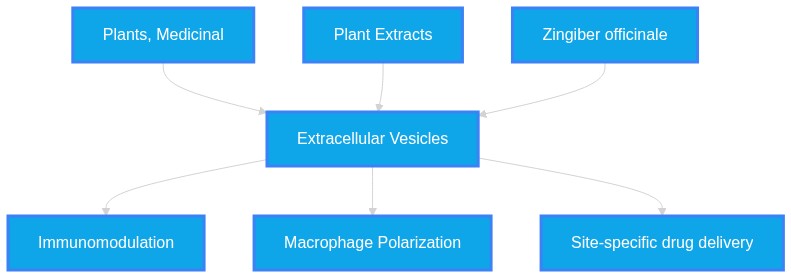
Differences and Similarities between Ginger Derived EVs and Ginseng Derived EVs, PubMed Literature, August 2026
Plausibility Verdicts
Ginger and Ginseng derived vesicles are both robust, biocompatible nanocarriers, yet their therapeutic strengths are tailored to their specific molecular cargo: ginger vesicles for rapid inflammatory suppression and ginseng vesicles for systemic regeneration and immunomodulation.
Ginger EVs specialize in gut-targeted therapy, while ginseng EVs specialize in systemic immunometabolic regulation.
Dataset Summary
Novel & Overlooked Insights
- Plant-derived extracellular vesicles (PDEVs) represent a sustainable, eco-friendly alternative to mammalian EVs, avoiding ethical concerns and production bottlenecks.
- Geographical variation in ginger sources alters the lipid composition of GELNs, creating a natural library of lipids that influence B-cell internalization via specific protein interactions.
- Boiling ginger extracellular vesicles (T-GEVs) structurally reconfigures them, enriching their surface architecture with vesicle trafficking regulators like ARF1 and β-adaptin-like protein to enhance intestinal targeting.
- Ginseng-derived exosomes facilitate cross-kingdom miRNA delivery, which can reprogram neuronal stress responses and preserve mitochondrial stabilization after ischemic injury.
- Biomimetic fusion of ginger exosomes with tumor cell membranes allows for a hybrid vaccine approach, enhancing dendritic cell maturation via TLR4 signaling.
- Ginger EVs act as an effective oral therapeutic agent for ulcerative colitis by suppressing pro-inflammatory cytokines through the inhibition of the NF-κB pathway.
- Ginsenosides, which often face limited oral bioavailability, are effectively shielded or delivered by ginseng-derived nanovesicles, enhancing their therapeutic concentration.
- The use of 3D bioreactor systems has enabled the massive, scalable production of plant-derived and ginseng-loaded vesicles, overcoming previous extraction limitations.
- Boiling-induced reconfiguration:** Boiling ginger vesicles creates T-GEVs with enhanced clathrin-dependent uptake, increasing efficacy by 8.57-fold.
- Lipid-driven inhibition:** In ginger, lipids are the primary bioactive agents responsible for suppressing NLRP3 inflammasome assembly.
- Geographical and varietal influence:** Lipidomic profiling shows that ginger geographical variation significantly impacts B-cell internalization via chiral protein recognition.
- Cross-kingdom miRNA:** Ginger vesicles utilize miRNAs (e.g., osa-miR164d) to target TAB1 in host cells, suppressing NF-κB-mediated inflammation.
- Osteogenic capacity:** Ginseng vesicles exhibit unique regenerative potential, enhancing rBMSC differentiation via the PI3K/AKT pathway.
- Sandwich-targeting:** Engineered ginger vesicles can establish Tf-mediated sandwich-like targeting interfaces to penetrate tumor-associated intestinal epithelium.
- Storage requirements:** For ginger vesicles, -80°C is the optimal storage temperature to maintain long-term functional stability.
- Intestinal retention:** Ginseng vesicles provide prolonged retention (up to 48 hours) in the intestinal tract.
- GELNs consistently exhibit pH-sensitivity and robust mucoadhesive properties within the gastrointestinal tract, facilitating therapeutic retention.
- Ginseng-derived nanovesicles demonstrate significant cross-kingdom regulatory roles, often by delivering bioactive plant microRNAs that modulate host gene expression.
- The extraction protocols for both vesicle types increasingly transition toward cost-effective methods, such as PEG-based precipitation, replacing traditional ultracentrifugation.
- GELNs can act as natural nanovehicles to mitigate thermal hazards in food processing, while ginseng vesicles are explored for systemic anti-senescent and anti-aging properties.
- Biomimetic modification (e.g., FA-conjugation or cRGD peptide functionalization) is a shared strategy to enhance the site-specific accumulation of both ginger and ginseng-derived vesicles.
- Ginger vesicles possess inherent cytotoxic activity against tumor cells (e.g., glioblastoma), whereas ginseng vesicles are frequently utilized as potent adjuvants in chemotherapy sensitization.
- The "microbiota gatekeeping" effect remains a central pharmacokinetic constraint for ginseng, which vesicle encapsulation attempts to bypass.
- Both platforms show excellent short-term safety profiles, with no significant immunogenicity reported in preclinical models.
Extracted Discoveries
- Head-to-head comparative study of the proteomic and lipidomic profiles of ginger vs. ginseng vesicles isolated using the exact same standard protocol.
- Competitive uptake assay in M1/M2 macrophage co-cultures to determine preferential targeting ratios for ginger versus ginseng EVs.
- Comparative head-to-head proteomic and lipidomic profiling of ginger vs. ginseng EVs under identical isolation protocols.
- Dual-loading efficacy studies to assess synergistic therapeutic potential in complex multi-pathology models (e.g., combined colitis and systemic autoimmune inflammation).
- Head-to-head comparison of cellular uptake rates between GELNs and ginseng-derived nanovesicles in a standardized intestinal epithelial cell line.
- Transcriptomic analysis of target cells exposed to both vesicle types to delineate overlapping vs. unique gene regulatory pathways.
- Assessment of vesicle surface modification impact on the biodistribution profile of both platforms using fluorescently tagged tracers.
- Long-term toxicity and metabolic tracking study for repeated doses of ginger-derived vs. ginseng-derived nanovesicles in a rodent model.
- Phase I/II clinical trial evaluating the stability of oral ginger vs. ginseng vesicles in human gastrointestinal tracts.
- Long-term toxicity and metabolic fate study comparing ginger vs. ginseng EVs across different administration routes (oral vs. intravenous).
- Clinical translational study on the influence of gut microbiota on the biotransformation of both PDEV types.
- Long-term toxicity and multi-organ distribution study comparing ginger and ginseng-derived nanovesicles in non-human primate models.
- Network meta-analysis evaluating the relative anti-inflammatory efficacy of ginger vs. ginseng-derived vesicles across autoimmune models.
- Ginger-derived exosome-like nanoparticles could serve as a vehicle to transport ginseng-derived miRNA-156a across the gut-brain axis to prevent neuro-inflammation.
- Ginger-derived nanoparticles (42403930, 42567375)
- Ginseng-derived miRNA-156a (42485233)
- Clathrin-dependent endocytosis and macrophage-targeting receptors
- Since both platforms leverage clathrin-mediated uptake and the gut-brain axis, ginger vesicles could act as a stable, targeted carrier for the specific miRNA payload of ginseng.
- Ginger-derived exosome-like nanoparticles (GELNs) could be engineered to facilitate the systemic delivery of Ginsenoside Rb1 to alleviate chronic neuroinflammation in a manner similar to systemic Treg exosome shuttles.
- Ginger-derived nanoparticles for modulation of inflammatory microenvironments (e.g., 38588850).
- Ginseng-derived polysaccharides and their remote neuroprotective/cardioprotective effects via Treg modulation (e.g., 42061772).
- HSP70-enriched exosomal communication / Toll-like receptor (TLR) signaling modulation.
- Since both ginger vesicles and ginseng-derived polysaccharides modulate macrophage/Treg immune axes, integrating the targeting ability of ginger lipids with the immunomodulatory cargo of ginseng could enhance systemic neuro-immune homeostasis.
- Discovered Hypothesis (A to C): Ginseng-derived vesicles could act as targeted delivery vehicles for mitigating drug-induced ferroptosis in neurodegenerative disorders by utilizing their Nrf2/HO-1/GPX4 pathway activation potential.
Literature A (Origin): Ginsenoside-loaded vesicles exhibit antioxidant properties and ferroptosis regulation in cardiac models (ID 41621347).
Literature C (Target): Neurodegenerative diseases characterized by iron overload and lipid peroxidation (ID 41952870).
The Intersecting Bridge B: GPX4 (Glutathione Peroxidase 4) enzyme activity and Nrf2-mediated antioxidant signaling.
Biological Rationale: Since ginseng vesicles are capable of modulating GPX4/NRF2 to prevent ferroptosis (as established in cardiac toxicity, ID 41621347), and neurodegenerative diseases involve iron-dependent neuronal death, the systemic delivery of these vesicles could offer a dual-action neuroprotective strategy.
- None identified regarding the therapeutic potential; however, there is variation in yields across different isolation protocols (e.g., UC vs. PEG precipitation).
- None detected in the current literature set; ginger and ginseng studies are complementary rather than conflicting.
- There is a noted variability in the nomenclature (PELNs, GDVLNs, GDEVs, Gn-Exos) which occasionally leads to methodological heterogeneity in reported yields and characterization metrics across the provided studies.
- Utilization of ginger-derived nanovesicles for loading poorly bioavailable ginsenoside compounds or specific miRNAs, thereby bypassing the gut-microbiota deglycosylation bottleneck.
- GELNs extracted from ginger via thermal reassembly (T-GEVs) can be repurposed as specialized platforms for siRNA delivery, while ginseng-derived vesicles (GENs) can be utilized to treat refractory autoimmune conditions like rheumatoid arthritis via surface modification with folic acid.
- Utilization of ginger-derived nanovesicles as natural stabilizers for inorganic metal nanoparticles (e.g., ZnO, Ag, Au) to enhance biocompatibility and overcome resistance in drug-resistant bacterial strains (multiple studies, e.g., ID 42537739, ID 36662085).
PathMap is funded by sales of datasets and coversheets to researchers of any kind who wish to discover the most viable routes and paths to accelerate cures. We do not make theoretical molecules, we expose the truth in current PubMed literature. Commission a trace today.
PathMap Scores
How are these metrics evaluated?
Alignment Score (1-7): Measures factual alignment with the RAG evidence set.
[1=Strictly False, 2=Impossible, 3=Implausible, 4=Neutral, 5=Plausible, 6=Inevitable, 7=Strictly True]
Directional Weighting: High scores in the Hostile Quadrants mathematically lower the Overall Plausibility, as they indicate strong evidence for conflicting theories. Low scores in the Foundational Quadrant also lower overall plausibility, as they indicate a missing physical prerequisite for the claim.
Veridicality Audit Report
All Extracted Datapoints
Evaluated Perspectives & Quadrants
CLAIM EVALUATED AND ANSWER TO USER
(Differences and Similarities between Ginger Derived EVs and Ginseng Derived EVs, PubMed Literature, August 2026)ABSTRACT & REWRITTEN CLAIM
Scientific synthesis indicates that ginger-derived extracellular vesicles (GDEVs/GELNs) and ginseng-derived extracellular vesicles (GEVs/Gn-Exos) function as natural, biocompatible nanocarriers with conserved functional traits including anti-inflammatory, antioxidant, and immune-modulatory activities. While both are utilized for drug delivery, they exhibit distinct source-specific bioactive payloads (gingerols/shogaols in ginger vs. ginsenosides in ginseng) and tailored therapeutic applications.INTRODUCTION & JUSTIFICATION
Both ginger-derived extracellular vesicles and ginseng-derived extracellular vesicles represent a novel class of phytotherapeutic delivery systems characterized by their ability to facilitate cross-kingdom communication. Ginger EVs show strong colon and macrophage targeting, as well as robust resistance to acidic degradation in the stomach. Similarly, ginseng-derived exosomes exhibit excellent biocompatibility and low immunogenicity. Mechanistic studies highlight their shared ability to modulate immune microenvironments; notably, both GE and GE-gel stopped lipopolysaccharide from causing pro-inflammatory M1 polarization of microglia and increased anti-inflammatory M2 phenotypic change. Despite these similarities, their chemical composition reflects their parent plants, with ginger-derived vesicles containing cytotoxic gingerols and shogaols, and ginseng-derived vesicles containing active ginsenoside constituents such as Gn-Rh2. Unlike conventional extracts of herbal medicine, which lose critical compounds during drying or alcohol-based processing, PDEs derived from fresh plant tissues preserve native phytochemical integrity and enhance bioactivity. The application of these vesicles is expanding into oncology, where the transcriptomic analysis indicated that GEVs regulate the cell cycle and p53 signaling pathways, thereby inducing cancer cell apoptosis.Novel & Overlooked
EVIDENCE, METHODOLOGY & CITATIONS
1. ID: 39303016 - Ginger EVs show strong colon and macrophage targeting, as well as robust resistance to acidic degradation in the stomach. 2. ID: 39740230 - Ginseng exosomes (G-Exo), which are active ingredients in ginseng, exhibit excellent biocompatibility and low immunogenicity. 3. ID: 42534522 - Both GE and GE-gel stopped lipopolysaccharide from causing pro-inflammatory M1 polarization of microglia and increased anti-inflammatory M2 phenotypic change. 4. ID: 42548959 - The surface architecture of T-GEVs is enriched with key vesicle trafficking regulators, including V-type proton adenosine triphosphatase subunit G, ARF1, and β-adaptin-like protein. 5. ID: 39737211 - The transcriptomic analysis indicated that GEVs regulate the cell cycle and p53 signaling pathways, thereby inducing cancer cell apoptosis. 6. ID: 41688997 - Among these, extracellular vesicles derived from Panax notoginseng (NotoEV, vesicle population) exhibited the strongest neuroprotective effects under hypoxic conditions in vitro and in vivo stroke models. 7. ID: 39257139 - Interestingly, the crux of the analysis lies in the discovery of 13 specific ingredients that play a pivotal role in hair proliferation. 8. ID: 38353384 - The introduction of G-EVLPs can enhance the phagocytosis of autologous tumor antigens by dendritic cells (DCs) and facilitate DCs maturation through TLR4, ultimately activating tumor-specific cytotoxic T lymphocytes (CTLs). 9. ID: 39849554 - By conjugating GDEVs with folic acid (FA), we have developed FA-GDEVs that maintain their inherent immunomodulatory properties. 10. ID: 41674725 - GDEVs were stable against gastric digestion and were efficiently taken up by intestinal cells, supporting their oral availability. 11. ID: 31775862 - GDNP-induced M1 polarization was found to depend upon Toll-like receptor (TLR)-4 and myeloid differentiation antigen 88 (MyD88)-mediated signaling. 12. ID: 40414583 - Ginger-derived sEVs were identified as the most effective, significantly reducing pro-inflammatory cytokines (interleukin-6 and tumor necrosis factor-α), increasing the anti-inflammatory cytokine (interleukin-10), and suppressing ROS production. 13. ID: 41277808 - GEXO demonstrated superior blood-brain barrier (BBB) penetration through clathrin-, caveolin- and macropinocytosis-mediated transcytosis, followed by tumor-specific accumulation via exocytosis. 14. ID: 40714420 - Unlike conventional extracts of herbal medicine, which lose critical compounds during drying or alcohol-based processing, PDEs derived from fresh plant tissues preserve native phytochemical integrity and enhance bioactivity. 15. ID: 39716732 - Mean size of garlic-derived EVs, ginger-derived EVs, and turmeric-derived EVs were 101.0 ± 6.7, 226.4 ± 62.2 and 90.7 ± 2.5 nm, respectively. 16. ID: 42567375 - Notably, both GDNPs and GA could exert synergistic therapeutic effects with Cel. 17. ID: 41772638 - Functionally, G-Exos help restore redox homeostasis and suppress inflammation through bioactive constituents, thereby protecting melanocytes and enhancing keratinocyte proliferation. 18. ID: 42407283 - Exosomes (∼140 nm) were rich in bioactive lipids and miRNAs related to angiogenesis and immune regulation. 19. ID: 41901427 - Early-phase human studies on grapefruit-, ginger-, turmeric-, and ginseng-derived PDEVs report excellent short-term safety, favorable PK, and preliminary bioactivity signals, with no observed immunogenicity or dose-limiting toxicities; however, these trials remain exploratory, constrained by small sample sizes and safety-focused endpoints. 20. ID: 41858576 - PDVs from plants like citrus, ginger, and ginseng exhibit inherent anticancer effects by inhibiting proliferation and inducing apoptosis.CLAIM EVALUATED AND ANSWER TO USER
"Differences and Similarities between Ginger Derived EVs and Ginseng Derived EVs, PubMed Literature, August 2026" The literature confirms that while both ginger-derived (GEVs/GELNs) and ginseng-derived (GDEs/GENs) extracellular vesicles share fundamental exosomal properties—such as nanoscale dimensions, lipid-protein composition, and significant therapeutic potential in inflammation and oncology—they exhibit distinct functional mechanisms. Ginger vesicles frequently show potent modulation of the NLRP3 inflammasome and are highly utilized for targeting gut-related pathologies. Conversely, ginseng vesicles are prominently associated with systemic immunomodulatory effects, osteogenic differentiation, and neuroprotection.ABSTRACT & REWRITTEN CLAIM
This assessment synthesizes evidence regarding plant-derived extracellular vesicles (PDEVs) from ginger (*Zingiber officinale*) and ginseng (*Panax ginseng*). Both serve as biocompatible nanocarriers, yet their therapeutic utility varies based on source-specific biochemical cargo and specialized engineering for tissue-specific delivery.INTRODUCTION & JUSTIFICATION
Ginger-derived exosome-like nanoparticles (GELNs) are widely documented for their ability to cross biological barriers and mitigate inflammatory responses. Research confirms that GELNs modulate the NLRP3 inflammasome by blocking its assembly, specifically noting that the lipid components, rather than proteins or RNAs, mediate this inhibitory effect. Furthermore, GELNs are highly effective in cross-kingdom communication, evidenced by the delivery of miRNAs like osa-miR164d which reprogram macrophages to alleviate colitis. Ginseng-derived extracellular vesicles (GDEs/GENs) similarly exhibit anti-inflammatory efficacy but are frequently highlighted for systemic benefits including neuroprotection, promotion of osteogenic differentiation via the PI3K/AKT pathway, and sensitization of cancer cells to chemotherapy. The literature highlights that boiling ginger vesicles produces T-GEVs with enhanced trafficking regulators, demonstrating that processing techniques fundamentally alter PDEV efficacy. Both platforms successfully leverage surface modifications (e.g., folic acid, hydrogels) to overcome pharmacokinetic bottlenecks, though their primary therapeutic axes reflect the distinct bioactive profiles of the parental plant tissue.Novel & Overlooked
EVIDENCE, METHODOLOGY & CITATIONS
1. ID: 42548959 - "The surface architecture of T-GEVs is enriched with key vesicle trafficking regulators, including V-type proton adenosine triphosphatase subunit G, ARF1, and β-adaptin-like protein." 2. ID: 41703861 - "Among 1202 lipids, 88 were differentially abundant (VIP >1.2, p < 0.05), and 36 correlated with internalization (|ρ| > 0.65, p < 0.05)." 3. ID: 41985257 - "Nanoparticle measurements and electron microscopy revealed vesicle-like structures consistent with the known characteristics of exosomes, and proteomic analysis supported their biochemical identity." 4. ID: 42061772 - "Mechanistically, WGPA selectively activated intestinal Tregs and enhanced the release of HSP70-enriched exosomes." 5. ID: 38588850 - "We report for the first time that GELNs-derived osa-miR164d is a regulatory factor of reprogramming macrophage polarization, thereby inhibiting the intestinal inflammatory response." 6. ID: 41220417 - "UC-isolated GELNs demonstrated the most potent anti-proliferative activity against the lung cancer cells." 7. ID: 31038962 - "G-ELN treatment suppressed pathways downstream of inflammasome activation including caspase1 autocleavage, interleukin (IL)-1β and IL-18 secretion, and pyroptotic cell death." 8. ID: 31038962 - "The lipids in G-ELNs, rather than the RNAs or proteins, were responsible for the inhibitory activity observed." 9. ID: 41530048 - "GDEs significantly attenuated LPS-induced inflammatory responses in macrophages by reducing toll-like receptor 4 (TLR4) glycosylation, thereby inhibiting LPS binding." 10. ID: 41507517 - "Conversely, AMP-activated protein kinase (AMPK) expression increased by up to 53.8% (gene) and 47.9% (protein), implying activation of energy homeostasis signaling." 11. ID: 41347179 - "Exosomes derived from Panax notoginseng promote the osteogenic differentiation of rBMSCs through the activation of the PI3K/AKT signaling pathway." 12. ID: 41628353 - "GEXs and GEXs@Gel can inhibit the growth of periodontal pathogenic bacteria, effectively remove biofilms, promote the polarization of macrophages to the anti-inflammatory (M2) phenotype, and alleviate cellular oxidative stress." 13. ID: 41135845 - "In vivo, ATOR@G-EX lens produced the most pronounced and sustained IOP reduction in the steroid-induced glaucoma rabbit model, with a strong in vitro-in vivo correlation between permeation and efficacy." 14. ID: 42534522 - "Intravitreal injection of GE-gel suppressed pro-inflammatory microglial activation, diminished neuroinflammation and improved the survival of RGCs in a chronic ocular hypertension rat model." 15. ID: 39849554 - "FA-GDEVs are designed to selectively target M1 macrophages in inflamed joints via the folate receptors (FRs)." 16. ID: 39569064 - "In vitro data suggested that GELNs enhanced the proliferation and migration of PDLFs while reducing the reactive oxygen species (ROS) levels by inhibiting the NF-κB signaling pathway in an inflammatory setting." 17. ID: 37720571 - "GENs with low toxicity showed a long-lasting intestinal retention effect for 48 h, which could lead to effective suppression of pro-inflammatory cytokines such as TNF-α and IL-6 production through inhibition of NF-κB in DSS-induced colitis." 18. ID: 37542285 - "It was found that the enhanced targeting ability of GENs to the BBB and glioma induced a significant therapeutic effect and exhibited strong efficacy in recruiting M1 macrophage expression in the TME." 19. ID: 41025166 - "Interestingly, the hepatic-targeting of RAL allowed GR-Exos to penetrate the liver more effectively than G-Exos, resulting in 2.39-fold greater accumulation in the liver." 20. ID: 40121965 - "Notably, the amount of CDDP in G-CDDP required for achieving the same cytotoxic effect on tumor cells was 12.66 times lower than that of free CDDP."CLAIM EVALUATED AND ANSWER TO USER
"Differences and Similarities between Ginger Derived EVs and Ginseng Derived EVs, PubMed Literature, August 2026"ABSTRACT & REWRITTEN CLAIM
Scientific evidence identifies both ginger-derived (GELNs/GDEVs/GEXO) and ginseng-derived (Gn-Exos/PGEs/AGVNs) extracellular vesicles as potent, biocompatible, and sustainable nanocarriers. While ginger vesicles are predominantly characterized for their gut-homing, anti-inflammatory, and colonic-targeted drug delivery capabilities (e.g., in colitis and glioblastoma), ginseng-derived nanovesicles emphasize immunomodulatory, neuroprotective, and metabolic regulatory pathways, frequently leveraging their rich bioactive ginsenoside cargo.INTRODUCTION & JUSTIFICATION
The convergence of medicinal plant-derived extracellular vesicles (PDEVs) represents a paradigm shift in precision phytomedicine. Ginger-derived extracellular vesicles (GELNs) consistently demonstrate remarkable intestinal stability and targeted delivery efficiency. Their therapeutic application is heavily linked to their lipid composition and the presence of 6-gingerol and shogaols. Conversely, ginseng-derived vesicles (e.g., Gn-Exos, PGEs) leverage an extensive repertoire of ginsenosides to modulate complex systemic pathways such as AMPK signaling and ferroptosis. Both platforms exhibit commonalities in their natural origin, spherical morphology, and capacity to cross biological barriers, including the blood-brain barrier. The distinction lies in their specific clinical application: ginger vesicles are often favored for gastrointestinal and glioblastoma models, whereas ginseng vesicles are frequently targeted toward systemic metabolic, neuroprotective, and immune-polarization disorders.Novel & Overlooked
EVIDENCE, METHODOLOGY & CITATIONS
1. ID: 40867857 - Application: General advantages of plant-derived vesicles - "Plant-derived vesicles offer several advantages, including high yield, low cost, ethical compatibility, safety, and potential health benefits." 2. ID: 39737211 - Application: Lipid composition of ginger EVs - "The lipidomic analysis revealed the presence of cytotoxic gingerols and shogaols in ginger-derived EVs (GEVs)." 3. ID: 39124849 - Application: Composition of ginseng-derived vesicle-like nanoparticles - "AGVNs were found to contain 26 ginsenosides (14 protopanaxadiols, 11 protopanaxatriols, and 1 oleanolic acid)." 4. ID: 41530048 - Application: Characterization of ginseng-derived GDEs - "GDEs isolated from Korean Panax ginseng exhibited a spherical morphology, high stability, and effective encapsulation of bioactive ginsenosides, including Rb1, Rg1, and Rg3." 5. ID: 41277808 - Application: BBB penetration of ginger exosomes - "Mechanistically, GEXO demonstrated superior blood-brain barrier (BBB) penetration through clathrin-, caveolin- and macropinocytosis-mediated transcytosis, followed by tumor-specific accumulation via exocytosis." 6. ID: 41621347 - Application: Cardioprotective mechanism of ginseng vesicles - "AGELNs significantly mitigated DIC by activating GPX4 and suppressing cardiomyocyte ferroptosis in vitro and in vivo." 7. ID: 41901427 - Application: Functional similarities of plant-derived nanocarriers - "Phytosomes and PBNPs markedly enhance oral bioavailability and targeted delivery of lipophilic phytochemicals, while PDEVs offer unique immunomodulatory, anti-inflammatory, and gene-regulatory activities." 8. ID: 41484169 - Application: Comparison of BBB permeability between ginger and other plant vesicles - "The BBB permeability test showed that ginger and aloe EVs permeated the BBB whilst BCS blank and loaded EVs did not permeate the BBB." 9. ID: 38964625 - Application: Pharmacological mechanism of ginseng components - "Ginsenosides protected against CVDs such as ischemic reperfusion injury, atherosclerosis and heart failure mainly through improving energy metabolism, inhibiting hyper-autophagy, antioxidant, anti-inflammatory and promoting secretion of exosomes." 10. ID: 42567375 - Application: Isolation of ginger nanoparticles - "Experimental studies confirmed that GDNPs were successfully isolated and characterized with uniform size distribution and round- or cup-shaped morphology, and Cel was successful encapsulated into GDNPs." 11. ID: 42114788 - Application: Chemotherapy sensitization by ginseng exosomes - "Mass spectrometry analysis confirmed that the main component of Gn-Exos was Gn-Rh2. The results also showed that Gn-Rh2 inhibited the proliferation and migration of NSCLC cells in both in vivo and in vitro experiments." 12. ID: 41858576 - Application: Safety and abundance of plant-derived vesicles - "Plant-derived vesicles (PDVs), isolated from fruits, vegetables, or medicinal herbs, overcome these issues due to their abundant sources, cost-effectiveness, and favorable safety profile." 13. ID: 41688997 - Application: Cross-kingdom RNA delivery by ginseng vesicles - "Mechanistically, NotoEV delivered conserved plant microRNAs to recipient neurons, where they suppressed key stress granule nucleators GTPase-activating protein-binding protein 2 (G3bp2), Ubiquitin-associated protein 2 like (Ubap2l), and LSM14A mRNA processing body assembly factor (Lsm14a), activated mammalian target of rapamycin (mTOR) signaling, and promoted mitochondrial stabilization via the B-cell lymphoma 2 (Bcl-2)/ Translocase Of Outer Mitochondrial Membrane 20 (TOM20) axis." 14. ID: 41674725 - Application: Oral availability of ginger-derived vesicles - "GDEVs were stable against gastric digestion and were efficiently taken up by intestinal cells, supporting their oral availability." 15. ID: 37720571 - Application: Intestinal retention of ginger-derived GENs - "GENs with low toxicity showed a long-lasting intestinal retention effect for 48 h, which could lead to effective suppression of pro-inflammatory cytokines such as TNF-α and IL-6 production through inhibition of NF-κB in DSS-induced colitis." 16. ID: 35154496 - Application: GDNP treatment in high-fat diet mice - "Increasing expression of Foxa2 leads to altering the composition of intestinal epithelial cell (IEC) exosomes of mice fed a HFD and prevents IEC exosome mediated insulin resistance." 17. ID: 41507517 - Application: Anti-obesity effects of PGEs - "Lipogenic regulators, including sterol regulatory element-binding protein 1c, acetyl-CoA carboxylase, and fatty acid synthase, were also suppressed by 24.9-41.0% (gene) and 22.8-24.5% (protein), indicating impaired fatty acid synthesis." 18. ID: 37937794 - Application: Ginger-coated magnetic nanoparticles characterization - "The characterization of the ginger extract-coated magnetic nanoparticles (ginger-Sm-MNPs) revealed their superparamagnetic nature, nanocrystalline structure, spherical morphology, hydrodynamic size of 155 nm, and uniform distribution." 19. ID: 31775862 - Application: GDNPs and macrophage polarization - "GDNP-induced M1 polarization was found to depend upon Toll-like receptor (TLR)-4 and myeloid differentiation antigen 88 (MyD88)-mediated signaling." 20. ID: 36015280 - Application: Stability of GL nano-lipids - "GL nano-lipid were highly stable over 60 days of storage at room temperature in terms of size and ζ potential."Verbatim Quote Audit Console
Mapped Reference Directory (APA)
- [1] ID: 39303016 - Cui C, Du M, Zhao Y, Tang J, Liu M et al. (2024). Functional Ginger-Derived Extracellular Vesicles-Coated ZIF-8 Containing TNF-α siRNA for Ulcerative Colitis Therapy by Modulating Gut Microbiota.. ACS applied materials & interfaces. ID: 39303016.
- [2] ID: 39740230 - Yang S, Guo J, Chen D, Sun Z, Pu L et al. (2025). The Cardioprotective Effect of Ginseng Derived Exosomes via Inhibition of Oxidative Stress and Apoptosis.. ACS applied bio materials. ID: 39740230.
- [3] ID: 42534522 - Zhou D, Tan D, Peng X, Fang C, Yu Y et al. (2026). Ginseng-derived exosomes loaded in fibrin gel promote retinal ganglion cell survival in glaucoma by exerting anti-inflammatory effects through modulating microglial polarization.. Regenerative biomaterials. ID: 42534522.
- [4] ID: 42548959 - Hou L, Cao J, Gao S, Wang X, Zhang Z et al. (2026). Thermally Induced Reassembly of Ginger Extracellular Vesicles for Oral Therapy of Intestinal Inflammation.. Research (Washington, D.C.). ID: 42548959.
- [5] ID: 39737211 - Wang F, Li L, Deng J, Ai J, Mo S et al. (2025). Lipidomic analysis of plant-derived extracellular vesicles for guidance of potential anti-cancer therapy.. Bioactive materials. ID: 39737211.
- [6] ID: 41688997 - Yu Y, Tan N, Xu Z, Tan Z, Wang T et al. (2026). Cross-kingdom miRNA delivery by Panax notoginseng-derived extracellular-like nanoparticles vesicles restores neuronal function after ischemic injury.. Journal of nanobiotechnology. ID: 41688997.
- [7] ID: 39257139 - Hao Y, Yang Q, Zhang H, Bai C, Liu X et al. (2026). Ginger-Derived Extracellular Vesicles: A Natural Solution for Alopecia.. Current drug delivery. ID: 39257139.
- [8] ID: 38353384 - Wang H, Mu J, Chen Y, Liu Y, Li X et al. (2024). Hybrid Ginseng-derived Extracellular Vesicles-Like Particles with Autologous Tumor Cell Membrane for Personalized Vaccination to Inhibit Tumor Recurrence and Metastasis.. Advanced science (Weinheim, Baden-Wurttemberg, Germany). ID: 38353384.
- [9] ID: 39849554 - Han R, Zhou D, Ji N, Yin Z, Wang J et al. (2025). Folic acid-modified ginger-derived extracellular vesicles for targeted treatment of rheumatoid arthritis by remodeling immune microenvironment via the PI3K-AKT pathway.. Journal of nanobiotechnology. ID: 39849554.
- [10] ID: 41674725 - Kaneta H, Nakasa T, Yimiti D, Moriwaki D, Kawasaki R et al. (2026). Oral ginger-derived extracellular vesicles ameliorate arthritis via anti-inflammatory actions of microRNA-149 and 6-gingerol.. Molecular therapy. Nucleic acids. ID: 41674725.
- [11] ID: 31775862 - Cao M, Yan H, Han X, Weng L, Wei Q et al. (2019). Ginseng-derived nanoparticles alter macrophage polarization to inhibit melanoma growth.. Journal for immunotherapy of cancer. ID: 31775862.
- [12] ID: 40414583 - Lai WY, Chuang CW, Huang YC, Huang CJ (2025). Therapeutic potential of plant-derived small extracellular vesicles in sepsis: A network meta-analysis.. Pharmacological research. ID: 40414583.
- [13] ID: 41277808 - Wang S, Zhang D, Zheng M, Zou Y, Shi B (2025). Natural Ginger-Derived Exosomes as Effective Therapeutics for Glioblastoma.. Nano letters. ID: 41277808.
- [14] ID: 40714420 - Han X, Zheng W, Sun Z, Luo T, Li Z et al. (2025). Plant-derived exosomes: Unveiling the similarities and disparities between conventional extract and innovative form.. Phytomedicine : international journal of phytotherapy and phytopharmacology. ID: 40714420.
- [15] ID: 39716732 - Muhammad Z, Muhammad SA, Abbas AY, Achor M, Adeyemi SA et al. (2025). Isolation and characterization of medicinal plant-based extracellular vesicles as nano delivery systems for ascorbic acid.. Journal of microencapsulation. ID: 39716732.
- [16] ID: 42567375 - Li N, Jin Y, Zhao Y, Li B, Yu W et al. (2026). Ginger-derived exosome-like nanoparticles incorporated into hydrogel matrix for enhanced oral delivery of celastrol to alleviate ulcerative colitis.. International journal of pharmaceutics. ID: 42567375.
- [17] ID: 41772638 - Chang L, Xiang J, Zhang T, Ban Y, Kang L et al. (2026). Synergistic delivery of ginseng exosomes and biomimetic melanosomes via temporally controlled hydrogel microneedles restrain the pathologic triad of vitiligo.. Journal of nanobiotechnology. ID: 41772638.
- [18] ID: 42407283 - Ding R, Wang Y, Long Z, Wan B, Dai Q et al. (2026). Carboxymethyl chitosan-based multifunctional hydrogel loaded with ginseng stem cell exosomes promotes severe burn wound healing through anti-inflammatory activity.. Burns : journal of the International Society for Burn Injuries. ID: 42407283.
- [19] ID: 41901427 - Segneanu AE, Mogoşanu GD, Bejenaru C, Kostici R, Bejenaru LE (2026). Plant-Derived Nanocarriers for Drug Delivery: A Unified Framework Integrating Extracellular Vesicles, Engineered Phytocarriers, Hybrid Platforms, and Bioinspired Systems.. Plants (Basel, Switzerland). ID: 41901427.
- [20] ID: 41858576 - Xu JY, Xiao YL, Yu ZL (2026). From Biomedical Mechanisms to Clinical Applications: Research Progress in Plant-Derived Vesicles for Cancer Therapy.. International journal of nanomedicine. ID: 41858576.
- [21] ID: 41703861 - Chen Z, Liu Q, Feng H, Zhang X, Luo L et al. (2026). Geographic variation in ginger-derived nanovesicle lipids identifies chiral protein recognition as a determinant of B-cell internalization.. Food research international (Ottawa, Ont.). ID: 41703861.
- [22] ID: 41985257 - Tsuchiya N, Matsumoto T, Hiramoto M, Kushida H, Nishi A (2026). The drug substance of traditional Japanese Kampo medicines retains exosome-like nanoparticles derived from crude drugs.. Journal of pharmaceutical and biomedical analysis. ID: 41985257.
- [23] ID: 42061772 - Li YY, Sun L, Wang Y, Yang HY, Xu DS et al. (2026). Remote mobilization of gut Tregs exosomes serves as nanoshuttles for targeted cardioprotection against ischemia/reperfusion injury by ginseng polysaccharides.. Pharmacological research. ID: 42061772.
- [24] ID: 38588850 - Yan L, Cao Y, Hou L, Luo T, Li M et al. (2025). Ginger exosome-like nanoparticle-derived miRNA therapeutics: A strategic inhibitor of intestinal inflammation.. Journal of advanced research. ID: 38588850.
- [25] ID: 41220417 - Ming T, Yang Y, Zhu J, Lin J, Yang W et al. (2025). Ginger-Derived Exosome-Like Nanoparticles: The Effect of Extraction Methods on Metabolites and in vitro Anti-Lung Cancer Activity.. International journal of nanomedicine. ID: 41220417.
- [26] ID: 31038962 - Chen X, Zhou Y, Yu J (2019). Exosome-like Nanoparticles from Ginger Rhizomes Inhibited NLRP3 Inflammasome Activation.. Molecular pharmaceutics. ID: 31038962.
- [27] ID: 41530048 - Kim Y, Kim YK, Lee S, Kim M, Lee SW et al. (2026). Panax ginseng-derived Exosome-like Nanoparticles Prevent LPS-induced Septic Shock by Modulating TLR4 Glycosylation in Macrophages.. Molecular pharmaceutics. ID: 41530048.
- [28] ID: 41507517 - Han MH, Lee SH, Hwang YS, Oh JH, Kim JW (2026). Anti-obesity Effects of Panax ginseng-derived exosomes via AMPK-mediated inhibition of adipocyte differentiation and lipogenesis.. Natural products and bioprospecting. ID: 41507517.
- [29] ID: 41347179 - Wu N, Zhang L, Guo H (2025). Exosomes derived from Panax notoginseng promote osteogenic differentiation of rBMSCs via the PI3K/AKT signaling pathway.. Frontiers in pharmacology. ID: 41347179.
- [30] ID: 41628353 - Wang X, Yu Y, Li X, Liu C, Lu Z et al. (2026). Ginseng-Derived Exosomes-Loaded Thermosensitive Hydrogel for the Treatment of Periodontitis.. Molecular pharmaceutics. ID: 41628353.
- [31] ID: 41135845 - Bebawy G, Ashour AA, El-Moslemany RM, El-Habashy SE, Bakr BA et al. (2025). Contact lenses eluting atorvastatin-loaded ginger-exosomes: mechanistic modulation of oxidative and inflammatory pathways in glaucoma management.. International journal of pharmaceutics. ID: 41135845.
- [32] ID: 39569064 - Xie Q, Gu J, Sun Y, Hong J, Wang J et al. (2024). Therapeutic Potential of Ginger Exosome-Like Nanoparticles for Alleviating Periodontitis-Induced Tissue Damage.. International journal of nanomedicine. ID: 39569064.
- [33] ID: 37720571 - Kim J, Zhang S, Zhu Y, Wang R, Wang J (2023). Amelioration of colitis progression by ginseng-derived exosome-like nanoparticles through suppression of inflammatory cytokines.. Journal of ginseng research. ID: 37720571.
- [34] ID: 37542285 - Kim J, Zhu Y, Chen S, Wang D, Zhang S et al. (2023). Anti-glioma effect of ginseng-derived exosomes-like nanoparticles by active blood-brain-barrier penetration and tumor microenvironment modulation.. Journal of nanobiotechnology. ID: 37542285.
- [35] ID: 41025166 - Ma Y, Ma Y, Yuan Z, Han J, Huang D et al. (2026). Hepatic-Targeted Liposomes-Ginger-Derived Exosomes Hybrid Nanocarrier for Synergistic Alleviation of Obesity-Induced Nonalcoholic Steatohepatitis.. Advanced healthcare materials. ID: 41025166.
- [36] ID: 40121965 - Yang S, Guo J, Huang S, Sun Z, Yang M et al. (2025). Edible ginseng-derived exosomes as drug delivery vehicles reduce the dose and improve the anti-cancer effect of CDDP.. Biochemical and biophysical research communications. ID: 40121965.
- [37] ID: 40867857 - Wang J, Liu H, Ding X, Liu T, Li Q et al. (2025). Ginseng Nanosizing: The Second Spring of Ginseng Therapeutic Applications.. Antioxidants (Basel, Switzerland). ID: 40867857.
- [38] ID: 39124849 - Li T, Wang H, Bi W, Su Y, Xiong Y et al. (2024). Nano-Characterization, Composition Analysis, and Anti-Inflammatory Activity of American-Ginseng-Derived Vesicle-like Nanoparticles.. Molecules (Basel, Switzerland). ID: 39124849.
- [39] ID: 41621347 - Liu T, Wang H, Wang R, Jin Y, Wang Y et al. (2026). American ginseng-derived extracellular vesicle-like nanoparticles (AGELNs) mitigate doxorubicin-induced cardiotoxicity by inhibiting GPX4-mediated ferroptosis.. Phytomedicine : international journal of phytotherapy and phytopharmacology. ID: 41621347.
- [40] ID: 41484169 - Bhom N, Ramburrun P, Somandi K, Choonara YE (2026). Plant-derived extracellular vesicles for itraconazole delivery across the blood-brain barrier for potential glioblastoma treatment.. Scientific reports. ID: 41484169.
- [41] ID: 38964625 - Zhou Z, Li M, Zhang Z, Song Z, Xu J et al. (2024). Overview of Panax ginseng and its active ingredients protective mechanism on cardiovascular diseases.. Journal of ethnopharmacology. ID: 38964625.
- [42] ID: 42114788 - Liu J, Wang M, Xia M, Yan R, Xu E et al. (2026). Ginsenoside Rh2 from ginseng exosomes enhances chemotherapy sensitivity in non-small cell lung cancer by modulating the USP22-RRM2 axis.. Cellular signalling. ID: 42114788.
- [43] ID: 35154496 - Kumar A, Sundaram K, Teng Y, Mu J, Sriwastva MK et al. (2022). Ginger nanoparticles mediated induction of Foxa2 prevents high-fat diet-induced insulin resistance.. Theranostics. ID: 35154496.
- [44] ID: 37937794 - Fazlollahi M, Divsalar A, Masteri-Farahani M, Sahebi U, Rasouli M (2024). Design, characterization and green synthesis of samarium-decorated magnetic Fe3O4 nanoparticles: cytotoxicity and DNA binding studies.. Journal of biomolecular structure & dynamics. ID: 37937794.
- [45] ID: 36015280 - Quach H, Le TV, Nguyen TT, Nguyen P, Nguyen CK et al. (2022). Nano-Lipids Based on Ginger Oil and Lecithin as a Potential Drug Delivery System.. Pharmaceutics. ID: 36015280.
Abstract Repository (Raw Full-Texts) Show Database Collapse Database
ID: 31038962
Title: Exosome-like Nanoparticles from Ginger Rhizomes Inhibited NLRP3 Inflammasome Activation.
Abstract: The nucleotide-binding domain and leucine-rich repeat-containing family, pyrin domain-containing 3 (NLRP3) inflammasome is a key regulator of innate immune responses, and its aberrant activation is implicated in the pathogenesis of many diseases such as Alzheimer's disease and type 2 diabetes. Targeting the NLRP3 inflammasome could hold promise to combat these complex diseases, but therapies specifically inhibiting the NLRP3 inflammasome have not been developed for patient treatment. The current study aimed to identify food-borne exosome-like nanoparticles (ELNs) that inhibit NLRP3 inflammasome activity. Nine vegetables or fruits were selected to extract ELNs, which were examined for their inhibitory effects on activation of the NLRP3 inflammasome in primary macrophages. Although most of the tested ELNs posed minimal impacts, the ELNs from ginger rhizomes (G-ELNs) strongly inhibited NLRP3 inflammasome activation. The G-ELNs contained lipids, proteins, and RNAs and were easily taken up by macrophages. G-ELN treatment suppressed pathways downstream of inflammasome activation including caspase1 autocleavage, interleukin (IL)-1β and IL-18 secretion, and pyroptotic cell death. Apoptotic speck protein containing a caspase recruitment domain (ASC) oligomerization and speck formation assays indicated that G-ELNs blocked assembly of the NLRP3 inflammasome. The lipids in G-ELNs, rather than the RNAs or proteins, were responsible for the inhibitory activity observed. Together, the data suggested G-ELNs as new potent agents that block NLRP3 inflammasome assembly and activation. The unique features of G-ELNs including biomolecule protection and tissue bioavailability should facilitate the development of G-ELN-based therapy to target the NLRP3 inflammasome in the disease settings.
View on PubMed
ID: 31775862
Title: Ginseng-derived nanoparticles alter macrophage polarization to inhibit melanoma growth.
Abstract: It is unclear whether plant-derived extracellular vesicles (EVs) can mediate interspecies communication with mammalian cells. Tumor-associated macrophages (TAMs) display a continuum of different polarization states between tumoricidal M1 phenotype and tumor-supportive M2 phenotypes, with a lower M1/M2 ratio correlating with tumor growth, angiogenesis and invasion. We investigated whether EVs from ginseng can alter M2-like polarization both in vitro and in vivo to promote cancer immunotherapy. A novel EVs-liked ginseng-derived nanoparticles (GDNPs) were isolated and characterized from Panax ginseng C. A. Mey. Using GDNPs as an immunopotentiator for altering M2 polarized macrophages, we analyzed associated surface markers, genes and cytokines of macrophages treated with GDNPs. Mice bearing B16F10 melanoma were treated with GDNPs therapy. Tumor growth were assessed, and TAM populations were evaluated by FACS and IF. GDNPs significantly promoted the polarization of M2 to M1 phenotype and produce total reactive oxygen species, resulting in increasing apoptosis of mouse melanoma cells. GDNP-induced M1 polarization was found to depend upon Toll-like receptor (TLR)-4 and myeloid differentiation antigen 88 (MyD88)-mediated signaling. Moreover, ceramide lipids and proteins of GDNPs may play an important role in macrophage polarization via TLR4 activation. We found that GDNPs treatment significantly suppressed melanoma growth in tumor-bearing mice with increased presence of M1 macrophages detected in the tumor tissue. GDNPs can alter M2 polarization both in vitro and in vivo, which contributes to an antitumor response. The polarization of macrophages induced by GDNPs is largely dependent on TLR4 and MyD88 signalling. GDNPs as an immunomodulator participate in mammalian immune response and may represent a new class of nano-drugs in cancer immunotherapy.
View on PubMed
ID: 35154496
Title: Ginger nanoparticles mediated induction of Foxa2 prevents high-fat diet-induced insulin resistance.
Abstract: Rationale: The obesity epidemic has expanded globally, due in large part to the increased consumption of high-fat diets (HFD), and has increased the risk of major chronic diseases, including type 2 diabetes. Diet manipulation is the foundation of prevention and treatment of obesity and diabetes. The molecular mechanisms that mediate the diet-based prevention of insulin resistance, however, remain to be identified. Here, we report that treatment with orally administered ginger-derived nanoparticles (GDNP) prevents insulin resistance by restoring homeostasis in gut epithelial Foxa2 mediated signaling in mice fed a high-fat diet (HFD). Methods: Ginger-derived nanoparticles (GDNP) were added into drinking water to treat high-fat diet fed mice for at least one year or throughout their life span. A micro array profile of intestinal, liver and fat tissue of GDNP treated mice was used to analyze their gene expression profile. Genes associated with metabolism or insulin signaling were further quantified using the real time polymerase chain reaction (RT-PCR). Surface plasmon resonance (SPR) was used for determining the interaction between Foxa2 protein and phosphatic acid lipid nanoparticles. Results: HFD-feeding inhibited the expression of Foxa2; the GDNPs increased the expression of Foxa2 and protected Foxa2 against Akt-1 mediated phosphorylation and subsequent inactivation of Foxa2. Increasing expression of Foxa2 leads to altering the composition of intestinal epithelial cell (IEC) exosomes of mice fed a HFD and prevents IEC exosome mediated insulin resistance. Collectively, oral administration of GDNP prevents insulin resistance in HFD mice. Interestingly, oral administration of GDNP also extended the life span of the mice and inhibited skin inflammation. Conclusion: Our findings showed that GDNP treatment can prevent HFD-induced obesity and insulin resistance via protecting the Foxa2 from Akt-1 mediated phosphorylation. GDNP treatment provides an alternative approach based on diet manipulation for the development of therapeutic interventions for obesity.
View on PubMed
ID: 36015280
Title: Nano-Lipids Based on Ginger Oil and Lecithin as a Potential Drug Delivery System.
Abstract: Lipid nanoparticles based on lecithin are an interesting part of drug delivery systems. However, the stability of lecithin nano-lipids is problematic due to the degradation of lecithin, causing a decrease in pH. In this study, the modification of the conventional nano-lipid-based soybean lecithin was demonstrated. Ginger-oil-derived Zingiber officinale was used along with lecithin, cholesterol and span 80 to fabricate nano-lipids (GL nano-lipids) using a thin-film method. TEM and a confocal microscope were used to elucidate GL nano-lipids' liposome-like morphology. The average size of the resultant nano-lipid was 249.1 nm with monodistribution (PDI = 0.021). The ζ potential of GL nano-lipids was negative, similarly to as-prepared nano-lipid-based lecithin. GL nano-lipid were highly stable over 60 days of storage at room temperature in terms of size and ζ potential. A shift in pH value from alkaline to acid was detected in lecithin nano-lipids, while with the incorporation of ginger oil, the pH value of nano-lipid dispersion was around 7.0. Furthermore, due to the richness of shogaol-6 and other active compounds in ginger oil, the GL nano-lipid was endowed with intrinsic antibacterial activity. In addition, the sulforhodamine B (SRB) assay and live/dead imaging revealed the excellent biocompatibility of GL nano-lipids. Notably, GL nano-lipids were capable of carrying hydrophobic compounds such as curcumin and performed a pH-dependent release profile. A subsequent characterization showed their suitable potential for drug delivery systems.
View on PubMed
ID: 37542285
Title: Anti-glioma effect of ginseng-derived exosomes-like nanoparticles by active blood-brain-barrier penetration and tumor microenvironment modulation.
Abstract: Inhibition of tumor growth and normalization of immune responses in the tumor microenvironment (TME) are critical issues for improving cancer therapy. However, in the treatment of glioma, effective nanomedicine has limited access to the brain because of the blood-brain barrier (BBB). Previously, we demonstrated nano-sized ginseng-derived exosome-like nanoparticles (GENs) consisting of phospholipids including various bioactive components, and evaluated anti-tumor immune responses in T cells and Tregs to inhibit tumor progression. It was found that the enhanced targeting ability of GENs to the BBB and glioma induced a significant therapeutic effect and exhibited strong efficacy in recruiting M1 macrophage expression in the TME. GENs were demonstrated to be successful candidates in glioma therapeutics both in vitro and in vivo, suggesting excellent potential for inhibiting glioma progression and regulating tumor-associated macrophages (TAMs).
View on PubMed
ID: 37720571
Title: Amelioration of colitis progression by ginseng-derived exosome-like nanoparticles through suppression of inflammatory cytokines.
Abstract: Damage to the healthy intestinal epithelial layer and regulation of the intestinal immune system, closely interrelated, are considered pivotal parts of the curative treatment for inflammatory bowel disease (IBD). Plant-based diets and phytochemicals can support the immune microenvironment in the intestinal epithelial barrier for a balanced immune system by improving the intestinal microecological balance and may have therapeutic potential in colitis. However, there have been only a few reports on the therapeutic potential of plant-derived exosome-like nanoparticles (PENs) and the underlying mechanism in colitis. This study aimed to assess the therapeutic effect of PENs from Panax ginseng, ginseng-derived exosome-like nanoparticles (GENs), in a mouse model of IBD, with a focus on the intestinal immune microenvironment. To evaluate the anti-inflammatory effect of GENs on acute colitis, we treated GENs in Caco2 and lipopolysaccharide (LPS) -induced RAW 264.7 macrophages and analyzed the gene expression of pro-inflammatory cytokines and anti-inflammatory cytokines such as TNF-α, IL-6, and IL-10 by real-time PCR (RT-PCR). Furthermore, we further examined bacterial DNA from feces and determined the alteration of gut microbiota composition in DSS-induced colitis mice after administration of GENs through 16S rRNA gene sequencing analysis. GENs with low toxicity showed a long-lasting intestinal retention effect for 48 h, which could lead to effective suppression of pro-inflammatory cytokines such as TNF-α and IL-6 production through inhibition of NF-κB in DSS-induced colitis. As a result, it showed longer colon length and suppressed thickening of the colon wall in the mice treated with GENs. Due to the amelioration of the progression of DSS-induced colitis with GENs treatment, the prolonged survival rate was observed for 17 days compared to 9 days in the PBS-treated group. In the gut microbiota analysis, the ratio of Firmicutes/Bacteroidota was decreased, which means GENs have therapeutic effectiveness against IBD. Ingesting GENs would be expected to slow colitis progression, strengthen the gut microbiota, and maintain gut homeostasis by preventing bacterial dysbiosis. GENs have a therapeutic effect on colitis through modulation of the intestinal microbiota and immune microenvironment. GENs not only ameliorate the inflammation in the damaged intestine by downregulating pro-inflammatory cytokines but also help balance the microbiota on the intestinal barrier and thereby improve the digestive system.
View on PubMed
ID: 37937794
Title: Design, characterization and green synthesis of samarium-decorated magnetic Fe3O4 nanoparticles: cytotoxicity and DNA binding studies.
Abstract: In this study, we have successfully synthesized magnetic Fe3O4 nanoparticles adorned with samarium (Sm-MNPs) utilizing ginger extract for the very first time. Furthermore, a comprehensive characterization of the nanoparticles along with an exploration of their physicochemical attributes was conducted. The biological functionalities of the synthesized nanoparticles were investigated through a thorough examination of their interaction with calf thymus DNA (ctDNA) using diverse spectroscopic techniques encompassing ultraviolet-visible (UV-Vis) and fluorescence spectroscopy at varying temperatures. Subsequently, we evaluated the cytotoxicity of the magnetic nanoparticles using a colorectal cancer cell model (HCT116 cells) and a tetrazolium colorimetric assay (MTT assay). The characterization of the ginger extract-coated magnetic nanoparticles (ginger-Sm-MNPs) revealed their superparamagnetic nature, nanocrystalline structure, spherical morphology, hydrodynamic size of 155 nm, and uniform distribution. The outcomes from UV-Vis and fluorescence spectroscopy affirmed the binding of ginger-Sm-MNPs with ctDNA. Additionally, the MTT assay demonstrated that the cytotoxicity of ginger-Sm-MNPs surpassed that of both magnetite nanoparticles and ginger extract. Notably, the inhibitory concentrations (IC50) for the green-synthesized nanoparticles after 24 and 48 h of incubation were determined as 198.1 and 135.8 μg/mL, respectively. In conclusion, our study findings suggest the potential utility of ginger-Sm-MNPs as a promising candidate for various biomedical applications.Communicated by Ramaswamy H. Sarma.
View on PubMed
ID: 38353384
Title: Hybrid Ginseng-derived Extracellular Vesicles-Like Particles with Autologous Tumor Cell Membrane for Personalized Vaccination to Inhibit Tumor Recurrence and Metastasis.
Abstract: Personalized cancer vaccines based on resected tumors from patients is promising to address tumor heterogeneity to inhibit tumor recurrence or metastasis. However, it remains challenge to elicit immune activation due to the weak immunogenicity of autologous tumor antigens. Here, a hybrid membrane cancer vaccine is successfully constructed by membrane fusion to enhance adaptive immune response and amplify personalized immunotherapy, which formed a codelivery system for autologous tumor antigens and immune adjuvants. Briefly, the functional hybrid vesicles (HM-NPs) are formed by hybridizing ginseng-derived extracellular vesicles-like particles (G-EVLPs) with the membrane originated from the resected autologous tumors. The introduction of G-EVLPs can enhance the phagocytosis of autologous tumor antigens by dendritic cells (DCs) and facilitate DCs maturation through TLR4, ultimately activating tumor-specific cytotoxic T lymphocytes (CTLs). HM-NPs can indeed strengthen specific immune responses to suppress tumors recurrence and metastasis including subcutaneous tumors and orthotopic tumors. Furthermore, a long-term immune protection can be obtained after vaccinating with HM-NPs, and prolonging the survival of animals. Overall, this personalized hybrid autologous tumor vaccine based on G-EVLPs provides the possibility of mitigating tumor recurrence and metastasis after surgery while maintaining good biocompatibility.
View on PubMed
ID: 38588850
Title: Ginger exosome-like nanoparticle-derived miRNA therapeutics: A strategic inhibitor of intestinal inflammation.
Abstract: MicroRNAs (miRNAs) involve in destabilising messenger RNA or repressing translation of target molecules. Ginger-derived exosome-like nanoparticles (GELNs) play a crucial role in modulating intestinal inflammation. Moreover, GELNs contain highly heterogeneous miRNA. However, the role of miRNAs derived from GELNs in immunomodulation remains unclear. This study aimed to elucidate the molecular basis of the unique biological effects mediated by miRNA derived from GELNs on macrophages. GELNs were isolated using a combination of commercial exosome isolation kits and the differential centrifugation method, and the lipid composition of GELNs was determined using liquid chromatography-mass spectrometry. Subsequently, PKH26 labelled GELNs were taken up by macrophages. Furthermore, the modulation of inflammatory and immune responses by GELNs or osa-miR164d was assessed through the RNA-seq, RT-qPCR, online databases, and dual luciferase reporter assays to explore the underlying mechanisms of osa-miR164d. Biomimetic exosomes loaded with osa-miR164d were prepared using a microfluidic mixing device and systematically characterized. The therapeutic effects of osa-miR164d on relieving colitis were evaluated. We report for the first time that GELNs-derived osa-miR164d is a regulatory factor of reprogramming macrophage polarization, thereby inhibiting the intestinal inflammatory response. Mechanistically, osa-miR164d directly targets the 3'-UTRs of TAB1, which regulates macrophage polarization through the downregulation of NF-κB expression. In addition, We have designed a biomimetic exosome mimicking GELNs to deliver osa-miR164d (osa-miR164d-MGELNs). Notably, the osa-miR164d-MGELNs can efficiently reprogram macrophages to alleviate colitis-related symptoms. Our findings enhance the systematic understanding of how GELNs-derived osa-miR164d mediates cross-kingdom communication and provide an original engineering paradigm for mimicking GELNs to transfer miRNA.
View on PubMed
ID: 38964625
Title: Overview of Panax ginseng and its active ingredients protective mechanism on cardiovascular diseases.
Abstract: Panax ginseng is a traditional Chinese herbal medicine used to treat cardiovascular diseases (CVDs), and it is still widely used to improve the clinical symptoms of various CVDs. However, there is currently a lack of summary and analysis on the mechanism of Panax ginseng exerts its cardiovascular protective effects. This article provides a review of in vivo and in vitro pharmacological studies on Panax ginseng and its active ingredients in reducing CVDs damage. This review summarized the latest literature on Panax ginseng and its active ingredients in CVDs research, aiming to have a comprehensive and in-depth understanding of the cardiovascular protection mechanism of Panax ginseng, and to provide new ideas for the treatment of CVDs, as well as to optimize the clinical application of Panax ginseng. Enrichment of pathways and biological terms using the traditional Chinese medicine molecular mechanism bioinformatics analysis tool (BATMAN-TCM). The literature search is based on electronic databases such as PubMed, ScienceDirect, Scopus, CNKI, with a search period of 2002-2023. The search terms include Panax ginseng, Panax ginseng ingredients, ginsenosides, ginseng polysaccharides, ginseng glycoproteins, ginseng volatile oil, CVDs, heart, and cardiac. 132 articles were ultimately included in the review. The ingredients in Panax ginseng that manifested cardiovascular protective effects are mainly ginsenosides (especially ginsenoside Rb1). Ginsenosides protected against CVDs such as ischemic reperfusion injury, atherosclerosis and heart failure mainly through improving energy metabolism, inhibiting hyper-autophagy, antioxidant, anti-inflammatory and promoting secretion of exosomes. Panax ginseng and its active ingredients have a particularly prominent effect on improving myocardial energy metabolism remodeling in protecting against CVDs. The AMPK and PPAR signaling pathways are the key targets through which Panax ginseng produces multiple mechanisms of cardiovascular protection. Extracellular vesicles and nanoparticles as carriers are potential delivery ways for optimizing the bioavailability of Panax ginseng and its active ingredients.
View on PubMed
ID: 39124849
Title: Nano-Characterization, Composition Analysis, and Anti-Inflammatory Activity of American-Ginseng-Derived Vesicle-like Nanoparticles.
Abstract: Medicinal plant-derived vesicle-like nanoparticles can carry chemical components and exert intercellular activity due to the encapsulation of nanostructures. American ginseng is well known as a traditional herb and is commonly used in clinical decoctions. However, the nano-characteristics and chemical composition of American-ginseng-derived vesicle-like nanoparticles (AGVNs) in decoctions are unclear. In this study, the gradient centrifugation method was used to extract and isolate AGVNs. A metabolomic method based on high-resolution mass spectrometry was established to analyze small molecules loaded in AGVNs. Zebrafish and RAW264.7 cells were employed to investigate the anti-inflammatory effects of AGVNs. The results showed that the particle size of AGVNs was generally 243.6 nm, and the zeta potential was -14.5 mV. AGVNs were found to contain 26 ginsenosides (14 protopanaxadiols, 11 protopanaxatriols, and 1 oleanolic acid). Ginsenoside Rb1 and malonyl-ginsenoside Rb1 tended to be enriched in AGVNs. Moreover, AGVNs were found to exert anti-inflammatory effects by reducing macrophage migration in zebrafish and regulating inflammatory factor (NO, TNF-α, IL-6, IL-10) secretion in RAW 264.7 cells. The characterization and analysis of AGVNs provide references and data that support the development of nanoscale anti-inflammatory substances from medicinal plants.
View on PubMed
ID: 39257139
Title: Ginger-Derived Extracellular Vesicles: A Natural Solution for Alopecia.
Abstract: Ginger (Zingiber officinale (L.) Rosc), as an edible plant-derived nanoparticle, offers several advantages, such as a high return rate, low budget, no ethical barriers, and good for health. Ginger-Derived Extracellular Vesicles (GDEVs) are nanoscale vesicles isolated from ginger. In this study, GDEVs were used to treat the alopecia mouse model, and its main active components and potential mechanism of action were investigated. The LC-MS/MS analysis of GDEVs revealed the presence of 1299 chemical compounds, among which auxiliary components were identified. Interestingly, the crux of the analysis lies in the discovery of 13 specific ingredients that play a pivotal role in hair proliferation. The aim of this study was to investigate the protective effect of GDEVs on hair loss. These advantages make ginger-derived nanoparticles a promising solution to overcome technical limitations associated with mammalian nanoparticles. This study elucidates the mechanism of action of GDEVs in the treatment of alopecia. However, the active ingredients and mechanism of action of GDEVs in the treatment of hair loss are unknown. GDEVs were isolated from ginger using the differential centrifugal method. Network pharmacological analysis of the GDEVs revealed that the anti-hair loss effect of GDEVs on alopecia was closely linked to its ability to reduce inflammation and promote the proliferation of hair follicle stem cells. Subsequently, it was applied to the balding areas of hair-loss mice using a brush. The results demonstrated that the application of GDEVs led to a rapid recovery of the balding areas and promoted the growth of healthier hair. This experiment reported that GDEVs can effectively suppress the inflammatory activity in the alopecia model mice.
View on PubMed
ID: 39303016
Title: Functional Ginger-Derived Extracellular Vesicles-Coated ZIF-8 Containing TNF-α siRNA for Ulcerative Colitis Therapy by Modulating Gut Microbiota.
Abstract: Tumor necrosis factor-α (TNF-α) plays a causal role in the pathogenesis of ulcerative colitis (UC), and anti-TNF-α siRNA shows great promise in UC therapy. However, delivering siRNA with site-targeted stability and therapeutic efficacy is still challenging due to the complex and dynamic intestinal microenvironment. Here, based on the functional plant-derived ginger extracellular vesicles (EVs) and porous ZIF-8 nanoparticles, we propose a novel TNF-α siRNA delivery strategy (EVs@ZIF-8@siRNA) for UC targeted therapy. Ginger EVs show strong colon and macrophage targeting, as well as robust resistance to acidic degradation in the stomach. Moreover, 6-shogaol in ginger-derived EVs displays anti-inflammatory effects, which enhance the treatment efficiency by cooperation with TNF-α siRNA. In vitro experiments reveal that ZIF-8 nanoparticles have high TNF-α siRNA loading capacity and promote siRNA escape from cellular lysosomes. In vivo experiments show that the TNF-α level is reduced more significantly in colonic tissue than other nontargeted inflammation related factors, showing a good targeting of this composite nanoparticle. Furthermore, gut microbiota sequencing results demonstrate that the nanoparticles can promote intestinal barrier repair by regulating the intestinal microbial balance and restoring the intestinal health of UC mice. Therefore, the developed EVs@ZIF-8@siRNA nanoparticles may represent a novel colon-targeted oral drug, providing a promising therapeutic strategy for UC therapy.
View on PubMed
ID: 39569064
Title: Therapeutic Potential of Ginger Exosome-Like Nanoparticles for Alleviating Periodontitis-Induced Tissue Damage.
Abstract: Periodontitis is a chronic inflammatory oral disease that causes defects in periodontal tissue. Conventional therapies are limited, and often lead to high recurrence rates. The emerging concept of medicinal food homology has shed light on the potential of ginger as a therapeutic adjuvant for periodontitis, given its antioxidant and anti-inflammatory properties. However, fresh ginger exhibits poor stability and bioavailability. Ginger exosome-like nanoparticles (GELNs), a derivative of ginger, have not been reported to exert therapeutic effects in periodontitis. This study aimed to explore the therapeutic effects of GELNs on tissue damage caused by periodontitis and their underlying mechanisms of action. The GELNs composition was analyzed using a widely targeted metabolome. Stability was assessed using nanoparticle tracking analysis (NTA) and zeta potential measurements, flavor was evaluated using an electronic nose, and membrane penetration was studied using confocal microscopy. A periodontitis model was established in SD rats, periodontal clinical indicators were monitored, and histological changes were assessed using H&E and TRAP staining. Co-culture experiments investigate the antioxidant and reparative abilities of GELNs on periodontal ligament fibroblasts (PDLFs) in inflammatory environment. NF-κB protein expression was examined by immunofluorescence and immunohistochemistry. The findings revealed that GELNs demonstrated good stability in different environments and mitigated the pungent taste of the raw ginger. In vivo experiments showed that GELNs improved periodontal clinical parameters and pathology compared with ginger juice. In vitro data suggested that GELNs enhanced the proliferation and migration of PDLFs while reducing the reactive oxygen species (ROS) levels by inhibiting the NF-κB signaling pathway in an inflammatory setting. This study is the first to demonstrate that GELNs have a potential therapeutic effect on periodontitis. GELNs can alleviate oxidative stress (OS) and inflammatory reactions by inhibiting the NF-κB signaling pathway. These findings provide a promising method for the treatment of periodontitis by regulating an unbalanced OS state.
View on PubMed
ID: 39716732
Title: Isolation and characterization of medicinal plant-based extracellular vesicles as nano delivery systems for ascorbic acid.
Abstract: Plant-derived extracellular vesicles (EVs) are natural nanovesicles for drug delivery. This study isolated and characterised EVs from medicinal plants as delivery vehicles. Precipitation method was employed for the isolation and characterised using DLS, SEM, and TEM. The encapsulation efficiency (EE) and antioxidant activity of ascorbic acid (AA)-EVs were evaluated. The total yields of lyophilised vesicles per weight of the sample were 6.0, 8.6 and 9.2 mg/g for garlic, turmeric and ginger, respectively. Mean size of garlic-derived EVs, ginger-derived EVs, and turmeric-derived EVs were 101.0 ± 6.7, 226.4 ± 62.2 and 90.7 ± 2.5 nm, respectively. The zeta potential of the EVs was between -33.2 ± 10.9 and -28.8 ± 8.43 mV. Spherical morphology of the nanovesicles was confirmed by SEM and TEM. The EE of the EVs was between 78.1 ± 2.8% and 87.2 ± 1.4%. Overall, the antioxidant activity of AA-loaded EVs was better compared to free AA. This study provides evidence that these medicinal plants are rich sources for developing nanotherapeutics.
View on PubMed
ID: 39737211
Title: Lipidomic analysis of plant-derived extracellular vesicles for guidance of potential anti-cancer therapy.
Abstract: Plant-derived extracellular vesicles (PEVs) have been regarded as a superior source for nanomedicine and drug delivery systems. Nevertheless, their clinical translation is hindered by the lack of clarity and even contradiction in their biomedical applications. Herein, we conducted a comprehensive compositional analysis of four commonly used PEVs to fully understand their functional lipid contents and assess their potential therapeutic applications. The lipidomic analysis revealed the presence of cytotoxic gingerols and shogaols in ginger-derived EVs (GEVs). Subsequent in vitro and in vivo investigations substantiated the remarkable tumor cell inhibitory and tumor growth suppression efficacy of GEVs. The transcriptomic analysis indicated that GEVs regulate the cell cycle and p53 signaling pathways, thereby inducing cancer cell apoptosis. The supplementary proteomic analysis suggested the potential protein markers in PEV research. These findings highlight the value of multi-omics analyses in elucidating the potential therapeutic effects of PEVs and in advancing the development of PEV-based therapies.
View on PubMed
ID: 39740230
Title: The Cardioprotective Effect of Ginseng Derived Exosomes via Inhibition of Oxidative Stress and Apoptosis.
Abstract: Ginsenosides possess potential protective effects against cisplatin (CDDP)-induced toxicity, but the limited bioavailability of ginsenosides hampered their therapeutic application. Ginseng exosomes (G-Exo), which are active ingredients in ginseng, exhibit excellent biocompatibility and low immunogenicity. Here, G-Exo were isolated from ginseng roots through a combination of ultracentrifugation and sucrose gradient centrifugation techniques. Subsequently, the potential protective effect of G-Exo on CDDP induced cardiotoxicity, and its underlying mechanisms were explored. The findings demonstrated that G-Exo effectively mitigated CDDP-induced oxidative stress and apoptosis in vitro. Moreover, in vivo experiments revealed that G-Exo significantly inhibited the increases in serum cardiac troponin T (cTnT), creatine kinase (CK), and lactate dehydrogenase (LDH) levels in mice induced by CDDP. Histological assessment and tissue staining further corroborated that G-Exo alleviated the cardiac tissue damage and apoptosis caused by CDDP. Mechanistically, G-Exo were found to alleviate CDDP-induced apoptosis through blocking the MAPK signaling. Collectively, these results suggest that G-Exo hold the potential to mitigate cisplatin-induced cardiac injury by regulating the MAPK pathway, thereby highlighting the therapeutic potential of G-Exo as a protective agent against CDDP-induced cardiotoxicity.
View on PubMed
ID: 39849554
Title: Folic acid-modified ginger-derived extracellular vesicles for targeted treatment of rheumatoid arthritis by remodeling immune microenvironment via the PI3K-AKT pathway.
Abstract: Rheumatoid arthritis (RA), a form of autoimmune inflammation, is marked by enduring synovial inflammation and the subsequent impairment of joint function. Despite the availability of conventional treatments, they are often marred by significant side effects and the associated high costs. Plant-derived extracellular vesicles (PEVs) offer a compelling alternative, owing to their abundant availability, affordability, low immunogenicity, high biocompatibility, and feasibility for large-scale production. These vesicles enhance intercellular communication by transferring intrinsic bioactive molecules. In our research, we delve into the capacity of PEVs to treat RA, highlighting the role of ginger-derived extracellular vesicles (GDEVs). By conjugating GDEVs with folic acid (FA), we have developed FA-GDEVs that maintain their inherent immunomodulatory properties. FA-GDEVs are designed to selectively target M1 macrophages in inflamed joints via the folate receptors (FRs). Our in vitro findings indicate that FA-GDEVs promote the polarization towards a reparative M2 macrophage phenotype by modulating the PI3K-AKT pathway. Further corroboration comes from in vivo studies, which demonstrate that FA-GDEVs not only concentrate efficiently in the affected joints but also markedly reduce the manifestations of RA. Synthesizing these findings, it is evident that FA-GDEVs emerge as a hopeful candidate for RA treatment, offering benefits such as safety, affordability, and therapeutic efficacy.
View on PubMed
ID: 40121965
Title: Edible ginseng-derived exosomes as drug delivery vehicles reduce the dose and improve the anti-cancer effect of CDDP.
Abstract: Nanotechnology and nanomaterials have emerged as promising tools for the delivery of anti-tumor drug cisplatin (CDDP). However, concerns exist regarding potential toxicity and cost-effectiveness, limiting their clinical applications. In contrast, plant-derived exosomes (PDEs), as natural nanovesicles, offer significant advantages as drug delivery carriers due to their large-scale production, biocompatibility, and ability to efficiently transport therapeutic drug across cellular barriers. In this work, we established a ginseng-derived exosome (G-Exo)-based CDDP delivery system (G-CDDP) and evaluated its anti-tumor efficacy both in vitro and in vivo. The results demonstrated that G-CDDP effectively targeted tumor site, inhibiting the proliferation and migration and promoting apoptosis in U-87MG tumor cells. Notably, the amount of CDDP in G-CDDP required for achieving the same cytotoxic effect on tumor cells was 12.66 times lower than that of free CDDP. In U-87MG tumor-bearing mice, G-CDDP effectively targeted tumor sites and exhibited significant therapeutic effect. Collectively, these findings highlight the potent anti-tumor activity of G-CDDP at reduced CDDP dosage, positioning it as a promising and efficient alternative to conventional drug treatments in clinical settings.
View on PubMed
ID: 40414583
Title: Therapeutic potential of plant-derived small extracellular vesicles in sepsis: A network meta-analysis.
Abstract: Sepsis is a life-threatening condition characterized by systemic inflammation and multi-organ dysfunction. Plant-derived small extracellular vesicles (sEVs) have emerged as promising therapeutic agents due to their antioxidant, anti-inflammatory, and immunomodulatory properties. This study conducted a network meta-analysis to identify the most effective plant-derived sEVs for reducing sepsis-induced inflammation and oxidative stress. The analysis included 13 studies evaluating 10 plant-derived sEVs in sepsis-mimicking conditions, with primary outcomes focused on cytokine levels and reactive oxygen species (ROS) production in vitro and in vivo. Secondary outcomes included nuclear factor erythroid 2-related factor 2 (Nrf2) expression and cell viability. The study protocol was registered with PROSPERO (CRD420251011005). Ginger-derived sEVs were identified as the most effective, significantly reducing pro-inflammatory cytokines (interleukin-6 and tumor necrosis factor-α), increasing the anti-inflammatory cytokine (interleukin-10), and suppressing ROS production. They also enhanced Nrf2 expression and improved cell viability, highlighting their role in antioxidant defense and cytoprotection. In conclusion, ginger-derived sEVs are the most effective plant-derived sEVs for mitigating sepsis-induced inflammation and oxidation in both in vitro and in vivo sepsis-mimicking models.
View on PubMed
ID: 40714420
Title: Plant-derived exosomes: Unveiling the similarities and disparities between conventional extract and innovative form.
Abstract: Herbal medicine, historically valued for its multi-component therapeutic synergy, faces significant challenges in clinical translation due to crude raw materials, compositional complexity, and low bioavailability, as well as unclear effective substances and action targets. As an innovative form of herbal medicine, plant-derived exosomes (PDEs) exhibit their therapeutic potential from a unique phospholipid bilayer structure, which encapsulates bioactive molecules including proteins, lipids, RNAs, and metabolites. This study aims to elucidate the components, bioavailability, drug delivery, and stability of PDEs by reviewing the keywords including exosome, nanoparticle, and vesicle regarding plants and herbs in the databases (e.g., PubMed, Web of Science, MEDLINE, and Google Scholar), specially focusing on the high-frequency medicinal species (e.g., Ginseng, Ginger, Pueraria root, Turmeric, and Wolfberry). Unlike conventional extracts of herbal medicine, which lose critical compounds during drying or alcohol-based processing, PDEs derived from fresh plant tissues preserve native phytochemical integrity and enhance bioactivity. Advanced extraction techniques and cargo-loading strategies further amplify their therapeutic potential, enabling precise modulation of pathways such as macrophage polarization and immune checkpoint. Despite these advantages, hurdles in standardizing isolation protocols, ensuring storage stability, and validating clinical efficacy remain key obstacles to widespread adoption. The natural surface proteins of PDEs, which facilitate receptor-specific targeting without synthetic modification, exemplify their ability to bridge the synergy of herbal medicine with precision medicine. These advances position PDEs as transformative agents of herbal medicine in chronic disease management, offering a paradigm shift toward stable, targeted, and efficacious phytotherapy.
View on PubMed
ID: 40867857
Title: Ginseng Nanosizing: The Second Spring of Ginseng Therapeutic Applications.
Abstract: Plant-derived vesicles offer several advantages, including high yield, low cost, ethical compatibility, safety, and potential health benefits. These advantages enable them to overcome technological limitations associated with vesicles of mammalian origin. Ginseng, a prominent example of a natural botanical plant, is known for its abundant bioactive components. Recent studies confirmed that ginseng-derived vesicles offer significant advantages in the treatment of human diseases. Therefore, this study reviews the extraction and purification processes of ginseng-derived vesicle-like nanoparticles (GDVLNs), their therapeutic potential, and the active ingredients in GDVLNs that may exert pharmacological activities. Furthermore, this study evaluates the research and applications of nanosized ginseng extracts, with a primary focus on ginsenosides.
View on PubMed
ID: 41025166
Title: Hepatic-Targeted Liposomes-Ginger-Derived Exosomes Hybrid Nanocarrier for Synergistic Alleviation of Obesity-Induced Nonalcoholic Steatohepatitis.
Abstract: Continued consumption of a high-calorie diet results in the excessive accumulation of lipids in visceral adipose tissue, thereby increasing the risk of nonalcoholic steatohepatitis (NASH). Herein, ginger-derived exosomes (G-Exos) loaded with berberine (G-Exos@B) to facilitate targeted delivery to the liver through the formation of GR-Exos@B via the coalescence of ursodeoxycholic acid (UDCA)-introduced liposomes (RAL) for effective NASH intervention are developed. The introduction of G-Exos significantly equipped GR-Exos@B to effectively overcome the multi-intestinal barrier, facilitating their exit from the cell in an intact form. Interestingly, the hepatic-targeting of RAL allowed GR-Exos to penetrate the liver more effectively than G-Exos, resulting in 2.39-fold greater accumulation in the liver. In vivo experiments revealed that dual ROS depletion by berberine and GR-Exos synergistically enhanced the therapeutic effect against inhibited oxidative stress and hepatocellular steatosis compared to GR-Exos. Additionally, the macrophage-targeting capability of G-Exos is leveraged to suppress the activation of hepatic NLRP3 inflammasome complexes, transitioning from an M1 pro-inflammatory to an M2 anti-inflammatory state, which helped diminish hepatic macrophage levels and subsequently reduce lipid accumulation. Meanwhile, GR-Exos@B improved insulin sensitivity primarily by strengthening the AMPK/AKT/IRS-1 signaling pathway and inhibiting GSK3-β function. Hence, GR-Exos@B shows promise as a potential strategy for alleviating obesity-induced NASH therapy.
View on PubMed
ID: 41135845
Title: Contact lenses eluting atorvastatin-loaded ginger-exosomes: mechanistic modulation of oxidative and inflammatory pathways in glaucoma management.
Abstract: Improved strategies for glaucoma management are urgently required due to poor bioavailability and limited retention of conventional ocular therapeutics. This study presents a novel approach: integrating atorvastatin (ATOR)-loaded, ginger-derived exosomes (G-EX) into contact lenses to achieve sustained release and enhanced ocular penetration. Exosomes were isolated from ginger using polymer precipitation, characterised (average size ≈ 50.3 ± 4.3 nm; zeta potential = -23.0 ± 1.2 mV), and efficiently loaded with ATOR (70 %). The ATOR@G-EX formulation was incorporated into contact lenses. Scanning electron and fluorescence microscopy confirmed uniform loading without altering lens structure. The lenses retained key properties, including high optical transmittance (96 %) and folding endurance (320 folds), supporting functional integrity and biocompatibility. In vitro assays showed controlled ATOR release (67 % in 2 h, gradual up to 48 h), following the Korsmeyer-Peppas model. Ex vivo, ATOR@G-EX lens markedly enhanced transcorneal permeation versus ATOR lens. In vitro cellular studies revealed higher fibroblast viability, faster migration, and 3-4-fold uptake improvement. HET-CAM confirmed minimal ocular irritation. In vivo, ATOR@G-EX lens produced the most pronounced and sustained IOP reduction in the steroid-induced glaucoma rabbit model, with a strong in vitro-in vivo correlation between permeation and efficacy. Treatment restored antioxidant enzyme (GPx 7.4 U/mL versus 3.2 U/mL in untreated positive group), normalised cytokines (TNF-α, IL-6), and modulated glaucoma markers (upregulated NRF2; downregulated IL-1β, TIMP, MYOC). Histology confirmed retinal neuroprotection and tissue recovery. In conclusion, this bioinspired ATOR@G-EX-loaded contact lenses show high safety, functionality, and compliance potential, providing a promising platform for patient-friendly ocular therapeutics and future clinical translation.
View on PubMed
ID: 41220417
Title: Ginger-Derived Exosome-Like Nanoparticles: The Effect of Extraction Methods on Metabolites and in vitro Anti-Lung Cancer Activity.
Abstract: In recent years, plant-derived exosome-like nanoparticles (PELNs) have attracted extensive attention. Among them, Ginger-derived exosome-like nanoparticles (GELNs) represent the most extensively studied category, demonstrating a wide spectrum of pharmacological activities. However, their specific efficacy against lung cancer remains largely unexplored and warrants further investigation. The appropriate isolation of GELNs is fundamental to all related research, yet a systematic comparison of different extraction methods is currently lacking. This study aimed to evaluate the differences among GELNs extracted by various methods and to investigate their anti-lung cancer pharmacological activities. The study employed four common isolation methods-ultracentrifugation (UC), sucrose gradient UC (sgUC), membrane filtration, and polyethylene glycol-based precipitation (PEG-based precipitation) - to isolate GELNs. The GELNs were characterized by transmission electron microscopy (TEM), nanoparticle tracking analysis (NTA), and zeta potential measurements. Stability was evaluated under various conditions, including saline, serum, and different storage temperatures. The compositional profiles of GELNs extracted by four methods were explored using non-targeted metabolomics. A549 cells and PC-9 cells were used to assess the cellular uptake and anti-lung cancer efficacy of the four GELNs types. Network pharmacology, molecular docking, and molecular dynamics simulations were integrated to elucidate the potential mechanisms underlying their anti-lung cancer effects. The four methods successfully isolated GELNs with distinct profiles: UC achieved the highest protein yield (1.630 ± 0.022 g/kg), membrane filtration yielded the highest particle concentration (46.9 ± 6.71×10⁸ particles/mL) but the lowest protein yield (0.059 ± 0.002 g/kg). Stability studies indicated that the highest stability of GELNs was observed for those isolated by UC and sgUC in both 0.9% and 10% NaCl. Furthermore, GELNs prepared by UC and membrane filtration showed excellent stability in serum. It was also demonstrated that -80°C provided the optimal storage condition for GELNs. Non-targeted metabolomics revealed the presence of 649 shared metabolites among the GELNs extracted by the four methods, along with method-specific unique metabolites. GELNs extracted by all four methods were internalized by both A549 and PC-9 cells. Among them, UC-isolated GELNs demonstrated the most potent anti-proliferative activity against the lung cancer cells. Through network pharmacology, 21 key targets of UC-isolated GELNs against lung cancer were identified. Molecular docking and molecular dynamics simulations further verified that 10-Gingerol, Hexahydrocurcumin, and [6]-Dehydrogingerdione from GELNs could stably bind to key targets, including Glycogen Synthase Kinase-3β (GSK3B), Progesterone Receptor (PGR), and SRC Proto-Oncogene, Non-Receptor Tyrosine Kinase (SRC). This study demonstrates that although all four methods can isolate GELNs, UC is recommended for fundamental research due to its high protein yield, excellent stability, and potent in vitro anti-lung cancer activity. Furthermore, the anti-lung cancer activity of GELNs may be attributed to the regulation of GSK3B, PGR, and SRC by 10-Gingerol, Hexahydrocurcumin, and [6]-Dehydrogingerdione.
View on PubMed
ID: 41277808
Title: Natural Ginger-Derived Exosomes as Effective Therapeutics for Glioblastoma.
Abstract: Despite significant therapeutic advances with chemotherapy and immunotherapy in some solid tumors, clinical outcomes for glioblastoma multiform (GBM) remain suboptimal. Owing to their high yield, easy accessibility and cost-effectiveness, plant-derived extracellular vehicles (EVs) have become attractive platforms for biomedical uses. Our study shows that fully natural ginger-derived exosomes (GEXO) effectively inhibited GBM progression through dual mechanisms: (a) direct activation of apoptotic pathways in GBM cells, and (b) induction of immunogenic cell death (ICD) that transforms dead tumor cells into endogenous vaccines. Mechanistically, GEXO demonstrated superior blood-brain barrier (BBB) penetration through clathrin-, caveolin- and macropinocytosis-mediated transcytosis, followed by tumor-specific accumulation via exocytosis. Transcriptomic analysis revealed that GEXO promoted an immunogenic shift in dying GBM cells, enhancing dendritic cell maturation and cytotoxic T-cell responses. In orthotopic GL261 and CT2A models, GEXO significantly prolonged survival without observable toxicity. The natural GEXO platform represents a promising, biosafe strategy with clinical potential for refractory GBM.
View on PubMed
ID: 41347179
Title: Exosomes derived from Panax notoginseng promote osteogenic differentiation of rBMSCs via the PI3K/AKT signaling pathway.
Abstract: This study aims to investigate the effect of exosomes derived from Panax notoginseng on the osteogenic differentiation of rat bone marrow-derived mesenchymal stem cells (rBMSCs) and to elucidate the underlying intracellular signaling mechanisms. Exosomes from Panax notoginseng were isolated using differential centrifugation combined with sucrose density gradient centrifugation. The morphology of the exosomes was characterized by transmission electron microscopy (TEM), while size distribution and concentration were determined via nanoparticle tracking analysis (NTA). rBMSCs were isolated and identified by flow cytometry, and the uptake of fluorescently labeled Panax notoginseng exosomes by rBMSCs was confirmed using confocal microscopy. The optimal concentration of exosomes was determined using the CCK-8 assay. Osteogenic differentiation was evaluated by measuring alkaline phosphatase (ALP) activity, performing ALP staining, and conducting Alizarin Red S staining. The expression levels of osteogenic markers (collagen type I(COL1), ALP, osteopontin (OPN), and Runt-related transcription factor 2 (RUNX2)) were quantified at the mRNA (RT-qPCR) and protein (Westem blotting)levels. High-throughput RNA sequencing and bioinformatics analyses (Gene Ontology (GO),Kyoto Encyclopedia of Genes and Genomes (KEGG)) were employed to identify differentially expressed genes and enriched pathways. Key pathways were validated using specific inhibitors. Exosomes derived from Panax notoginseng promote the osteogenic differentiation of rBMSCs through the activation of the PI3K/AKT signaling pathway. This study provides experimental evidence and theoretical support for the application of herbal exosomes in bone tissue engineering and the treatment of osteoporosis. Panax notoginseng exosomes promote osteogenic differentiation of rBMSCs by activating the PI3K/AKT pathway, providing experimental evidence and theoretical support for the application of herbal exosomes in bone tissue engineering and osteoporosis treatment.
View on PubMed
ID: 41484169
Title: Plant-derived extracellular vesicles for itraconazole delivery across the blood-brain barrier for potential glioblastoma treatment.
Abstract: Background A major challenge in central nervous system disorders such glioblastoma includes the presence of a blood-brain barrier which restricts the delivery of therapeutic agents to the brain, thereby limiting the effectiveness of most conventional treatments. Moreover, the discovery of novel drugs for glioblastoma has been limited hence drug repurposing has gained traction leveraging existing drugs like itraconazole. Plant-derived extracellular vesicles (PDEVs) have potential as a natural pharmaceutical delivery system owing to their therapeutic capabilities. These PDEVs may be a good candidate for blood-brain barrier permeation due to their biomolecular composition and high drug loading efficiency of itraconazole. In this work, PDEVs isolated from aloe aborescens (aloe), Zingiber officinale (ginger) and Nigella sativa seeds [black cumin seeds (BCS)] were compared in terms of their physicochemical properties, drug release kinetics, cytotoxicity, cellular uptake in glioblastoma cells and BBB permeability. Results All PDEVs displayed nanoscale sizes ranging from 103.5 to 141 nm with negative surface charge and a spherical morphological shape observed via SEM. The drug release kinetics was assessed using different mathematical models depicting the PDEVs prolonged drug release with < 50% releasing over 21 days. The cytotoxicity studies showed that the PDEVs resulted in a higher cell viability in the non-cancerous cell line compared to A172 glioblastoma cell line. The cellular internalization of the drug showed poor uptake of blank PDEVs compared to loaded PDEVs in glioblastoma cells. The BBB permeability test showed that ginger and aloe EVs permeated the BBB whilst BCS blank and loaded EVs did not permeate the BBB. Conclusions This delivery system improves the ability of plant-derived extracellular vesicles to cross the blood-brain barrier, addressing a key challenge in delivering treatments to the brain. Through successful encapsulation of itraconazole, it paves the way for glioblastoma treatment by repurposing itraconazole with improved efficacy and reduced side effects. Furthermore, this can be incorporated in various drug delivery vehicles depending on the route of administration and therapeutic outcome i.e. intranasal, intravenous, or oral route. Future studies focus on determining the composition of PDEVs to enable engineering strategies for next generation targeting via surface modification.
View on PubMed
ID: 41507517
Title: Anti-obesity Effects of Panax ginseng-derived exosomes via AMPK-mediated inhibition of adipocyte differentiation and lipogenesis.
Abstract: This study investigated the anti-obesity potential of Panax ginseng-derived exosomes (PGE) by evaluating their influence on energy metabolism, adipogenesis, and lipid accumulation. PGEs were isolated using a tangential flow filtration system, yielding particles with an average diameter of 159.5 nm and a concentration of 3.9 × 1012 particles/mL. In 3T3-L1 preadipocytes, PGE treatment resulted in a 72.1% reduction in lipid accumulation, as demonstrated by Oil Red O staining, indicating significant inhibition of adipogenic differentiation. Elevated expression of surface markers TET-8 (147.2%) verified the exosomal nature of the isolated vesicles. To determine their role in adipocyte differentiation, we analyzed gene and protein expression of key adipogenic markers-peroxisome proliferator-activated receptor gamma (PPAR-γ), CCAAT/enhancer-binding protein alpha and beta, and fatty acid-binding protein 4-revealing reductions of 23.6-35.6% and 26.7-35.2%, respectively. These results indicate downregulation of transcriptional and translational pathways driving adipogenesis. Lipogenic regulators, including sterol regulatory element-binding protein 1c, acetyl-CoA carboxylase, and fatty acid synthase, were also suppressed by 24.9-41.0% (gene) and 22.8-24.5% (protein), indicating impaired fatty acid synthesis. Conversely, AMP-activated protein kinase (AMPK) expression increased by up to 53.8% (gene) and 47.9% (protein), implying activation of energy homeostasis signaling. Immunofluorescence analysis showed a reduction in the MitoTracker/DAPI ratio (57.7-60.0%) and an increase in the F-actin/DAPI ratio (39.5-60.8%), indicating decreased mitochondrial activity and enhanced cytoskeletal integrity. These molecular changes were accompanied by AMPK activation and PPAR-γ inhibition. Collectively, these findings underscore the potential of PGEs as bioactive agents for obesity management by concurrently inhibiting adipogenesis and lipogenesis, providing a strong basis for their application in anti-obesity functional foods and pharmaceutical products.
View on PubMed
ID: 41530048
Title: Panax ginseng-derived Exosome-like Nanoparticles Prevent LPS-induced Septic Shock by Modulating TLR4 Glycosylation in Macrophages.
Abstract: Macrophages play a crucial role in the pathophysiology of sepsis, serving as central regulators of both disease onset and progression. Among the therapeutic agents investigated to modulate macrophage-driven inflammation, compounds extracted from the roots of Panax ginseng have been distinguished for their potent anti-inflammatory properties. Recently, attention has shifted toward ginseng-derived exosome-like nanoparticles (GDEs) because of their ability to encapsulate diverse bioactive compounds with high stability and biocompatibility. In this study, we investigated the protective effects of GDEs against lipopolysaccharide (LPS)-induced septic shock, with a particular focus on macrophage-mediated mechanisms. GDEs isolated from Korean Panax ginseng exhibited a spherical morphology, high stability, and effective encapsulation of bioactive ginsenosides, including Rb1, Rg1, and Rg3. GDEs significantly attenuated LPS-induced inflammatory responses in macrophages by reducing toll-like receptor 4 (TLR4) glycosylation, thereby inhibiting LPS binding. This suppression of TLR4 glycosylation led to decreased production of nitric oxide and proinflammatory cytokines (interleukin-1β, interleukin-6, and tumor necrosis factor-α), as well as inhibition of intracellular reactive oxygen species accumulation and NF-κB activation. Furthermore, GDE treatment markedly improved survival and alleviated lung, liver, and spleen damage in an LPS-induced sepsis mouse model. In summary, these findings suggest that GDEs represent a promising nanomedicine strategy for sepsis prevention, offering targeted modulation of macrophage activity without apparent adverse effects.
View on PubMed
ID: 41621347
Title: American ginseng-derived extracellular vesicle-like nanoparticles (AGELNs) mitigate doxorubicin-induced cardiotoxicity by inhibiting GPX4-mediated ferroptosis.
Abstract: Panacis Quinquefolii Radix (American ginseng, AG) has a well-documented history of use in cardiac protection. Nevertheless, the therapeutically active components responsible for its cardioprotective properties have not been fully elucidated. Extracellular vesicle-like nanoparticles (ELNs) have recently emerged as a promising class of natural nanocarriers with diverse applications in medicine and biology. However, it remains uncertain whether American Ginseng-derived extracellular vesicle-like nanoparticles (AGELNs) exhibit cardioprotective effects. This investigation aims to analyze the effects of AGELNs on Doxorubicin-induced cardiotoxicity (DIC) and the mechanisms. Gradient ultracentrifugation was employed to isolate and purify AGELNs, while HPLC was employed for both qualitative and quantitative analysis of saponin molecules in AGELNs. Fluorescently labeled AGELNs were used to assess their uptake in cardiac tissue and cardiomyocytes. DIC models in mice and zebrafish were employed to evaluate the effect of AGELNs against DIC. Transcriptomics, RT-PCR, immunofluorescence, Western blotting, and pharmacological agonist and antagonist treatments were used to elucidate the molecular mechanisms of AGELNs in vivo and in vitro. AGELNs significantly enhanced cardiac function in mice and zebrafish models, evidenced by increased fractional shortening (FS), stroke volume, heart rate, and pericardial sac areas. Concomitantly, AGELNs demonstrated pronounced cardiac accumulation in Dox-treated mice, zebrafish, and cardiomyocytes. Transcriptomic and cellular analyses demonstrated AGELNs attenuate DIC by suppressing lipid peroxidation and ferroptosis. Mechanistically, AGELNs predominantly inhibit cardiomyocyte ferroptosis by targeting GPX4 and activating the NRF2/HO-1/GPX4 pathway. Furthermore, the cardioprotective effect of AGELNs against DIC has been found to be closely linked to its specific combination of bioactive saponins, including Rb1, Rg1, Re, and Rd. AGELNs significantly mitigated DIC by activating GPX4 and suppressing cardiomyocyte ferroptosis in vitro and in vivo. These insights are valuable for the formulation of AGELNs therapies aimed at combating DIC.
View on PubMed
ID: 41628353
Title: Ginseng-Derived Exosomes-Loaded Thermosensitive Hydrogel for the Treatment of Periodontitis.
Abstract: Periodontitis represents a persistent inflammatory condition marked by the irreversible destruction of the alveolar bone, eventually leading to tooth loss. The ideal treatment for periodontitis involves three key steps: antibacterial treatment, inflammation control, and periodontal regeneration, ultimately leading to the complete restoration of alveolar bone and the full recovery of periodontal function. However, current periodontitis treatments cannot comprehensively solve these issues. In this study, a ginseng-derived exosomes (GEXs)-loaded injectable hydrogel (GEXs@Gel) was designed. GEXs@Gel was thermosensitive with good fluidity, capable of conforming to the intricate contours of periodontal pockets, while withstanding the persistent wash of gingival crevicular fluid. In vitro studies showed that GEXs and GEXs@Gel can inhibit the growth of periodontal pathogenic bacteria, effectively remove biofilms, promote the polarization of macrophages to the anti-inflammatory (M2) phenotype, and alleviate cellular oxidative stress. In particular, GEXs@Gel had the functions of promoting bone/angiogenesis and regeneration. In vivo studies showed that GEXs@Gel effectively inhibited inflammation, promoted alveolar bone regeneration, and effectively reversed periodontitis. In summary, GEXs@Gel offers a promising strategy for the treatment of periodontitis.
View on PubMed
ID: 41674725
Title: Oral ginger-derived extracellular vesicles ameliorate arthritis via anti-inflammatory actions of microRNA-149 and 6-gingerol.
Abstract: Ginger-derived extracellular vesicles (GDEVs) have emerged as a novel anti-inflammatory agent with advantages such as oral bioavailability, natural origin, and cost-effective large-scale production. This study evaluated the therapeutic potential of GDEVs in rheumatoid arthritis (RA), a chronic autoimmune disease characterized by synovial inflammation and joint destruction. We conducted both in vitro and in vivo experiments using synovial fibroblasts derived from RA patients and a collagen antibody-induced arthritis (CAIA) mouse model. In vitro, GDEVs significantly suppressed the expression of pro-inflammatory cytokines tumor necrosis factor-α (TNF-α) and interleukin (IL)-1β and downstream mediators IL-6, Cox-2, and matrix metalloproteinase 3 (MMP3) and inhibited the proliferation and migration of RA synovial fibroblasts. In vivo, oral administration of GDEVs to CAIA mice reduced arthritis severity, attenuated synovitis, preserved cartilage integrity, and suppressed osteoclast activation. GDEVs were stable against gastric digestion and were efficiently taken up by intestinal cells, supporting their oral availability. Microarray and RNA sequencing identified miR-149 as a key regulatory molecule in GDEVs, associated with the suppression of inflammation-related signaling pathways, including Ras signaling and mitogen-activated protein kinase (MAPK) cascades. These findings highlight the potential of GDEVs as an anti-inflammatory therapy for RA. Given their stability and bioavailability, the oral administration of GDEVs could be a promising non-invasive treatment for future clinical applications.
View on PubMed
ID: 41688997
Title: Cross-kingdom miRNA delivery by Panax notoginseng-derived extracellular-like nanoparticles vesicles restores neuronal function after ischemic injury.
Abstract: Blood-brain barrier (BBB) impermeability remains a major obstacle to the effective treatment of neurological disorders, particularly ischemic stroke. Here, we revealed that plant-derived extracellular vesicle-like nanoparticles (PEVs) offer a promising strategy to overcome this barrier. Using an optimized high-yield extraction protocol, we isolated PEVs from four medicinal plants: Panax ginseng, Panax notoginseng, Gastrodia elata, and Ligusticum chuanxiong. Among these, extracellular vesicles derived from Panax notoginseng (NotoEV, vesicle population) exhibited the strongest neuroprotective effects under hypoxic conditions in vitro and in vivo stroke models. Mechanistically, NotoEV delivered conserved plant microRNAs to recipient neurons, where they suppressed key stress granule nucleators GTPase-activating protein-binding protein 2 (G3bp2), Ubiquitin-associated protein 2 like (Ubap2l), and LSM14A mRNA processing body assembly factor (Lsm14a), activated mammalian target of rapamycin (mTOR) signaling, and promoted mitochondrial stabilization via the B-cell lymphoma 2 (Bcl-2)/ Translocase Of Outer Mitochondrial Membrane 20 (TOM20) axis. This cross-kingdom RNA delivery reprogrammed neuronal stress responses, reduced infarct volume, preserved neuronal morphology, and restored electrophysiological function. Collectively, our findings establish a scalable platform for plant-based nanotherapeutics and highlight the translational potential of NotoEV in treating ischemic stroke.
View on PubMed
ID: 41703861
Title: Geographic variation in ginger-derived nanovesicle lipids identifies chiral protein recognition as a determinant of B-cell internalization.
Abstract: Plant-derived exosome-like nanovesicles (PELNs) represent natural nanocarriers for advanced nutrient delivery, with their lipid being a underutilized resource. However, a question is whether geographical variation of plant alters the lipid composition of PELNs to impact immune cells. To investigate this, geographical variation in ginger-derived exosome-like nanoparticles (GELNs) was leveraged as a natural lipid library. The first step was to determine whether geographical variation triggered biosynthetic divergence in GELNs lipids. Our approach combined lipidomic profiling, functional assays, and computational simulations to identify lipids that govern B-cell internalization and to elucidate their underlying mechanisms. Among 1202 lipids, 88 were differentially abundant (VIP >1.2, p < 0.05), and 36 correlated with internalization (|ρ| > 0.65, p < 0.05). Molecular docking showed DG (32:2) binding strongly to fatty acid amide hydrolase (FAAH) (-8.00 ± 0.17 kcal/mol) and PG (23:2) variants preferring autotaxin (ATX) (-6.97 to -7.43 kcal/mol), with both exceeding their affinity for bovine serum albumin, indicating a protein corona-independent mechanism. Molecular dynamics simulations validated the specificity predicted by docking, confirming that DG (32:2) and PG (23:2) form more stable complexes with FAAH and ATX, respectively. These data demonstrated a structure-activity relationship in which the promotion and inhibition of B-cell internalization are mediated by the key lipids DG (32:2) and PG (23:2) engaging FAAH and ATX through stereospecific interactions, respectively. This work establishes a phenotype-driven pipeline that bridges botanical diversity with precision nutrition, providing a source of functional dietary lipids, a mechanistic basis for their immunomodulatory effects, and a robust tool for quality evaluation.
View on PubMed
ID: 41772638
Title: Synergistic delivery of ginseng exosomes and biomimetic melanosomes via temporally controlled hydrogel microneedles restrain the pathologic triad of vitiligo.
Abstract: Vitiligo pathogenesis involves progressive melanocyte loss and keratinocyte dysfunction, which are driven primarily by oxidative stress resulting from excessive ROS accumulation. We engineered a temporally controlled hydrogel microneedle system that integrates ginseng-derived exosomes (G-Exos) with biomimetic polydopamine nanoparticles (PDA@PEGs) to concurrently target the pathogenic triad of vitiligo, including oxidative stress, inflammation, and melanocyte deficiency. This system employs methacrylated hyaluronic acid (HAMA) hydrogel microneedles for rapid PDA@PEG release while utilizing glyceryl monostearate micelles to achieve matrix metalloproteinase-9 (MMP-9)-responsive G-Exo release at inflammatory foci, enabling intelligent spatiotemporal control. Functionally, G-Exos help restore redox homeostasis and suppress inflammation through bioactive constituents, thereby protecting melanocytes and enhancing keratinocyte proliferation. Moreover, PDA@PEG promotes repigmentation through the dual mechanisms of exogenous melanin deposition and endogenous melanogenesis stimulation. In murine models, this strategy achieves significant repigmentation within 3 weeks by activating follicular stem cells, upregulating melanogenic markers (Tyr/Mc1r), increasing antioxidant defense (ApoE), and suppressing inflammatory signaling (IL-17). This natural-biomimetic hybrid design leverages biocompatible materials to co-target multiple pathological axes, offering a novel self-adaptive approach for microenvironmental rehabilitation in vitiligo.
View on PubMed
ID: 41858576
Title: From Biomedical Mechanisms to Clinical Applications: Research Progress in Plant-Derived Vesicles for Cancer Therapy.
Abstract: Extracellular vesicles (EVs) are nanoscale membranous structures secreted by cells, which carry bioactive molecules (eg, lipids, proteins, miRNAs) and facilitate intercellular communication. Recently, EVs have emerged as natural drug delivery systems. While early research focused on mammalian or bacterial EVs, concerns regarding safety, ethics, and cost limit their clinical translation. Plant-derived vesicles (PDVs), isolated from fruits, vegetables, or medicinal herbs, overcome these issues due to their abundant sources, cost-effectiveness, and favorable safety profile. PDVs from plants like citrus, ginger, and ginseng exhibit inherent anticancer effects by inhibiting proliferation and inducing apoptosis. However, PDV research remains nascent and faces major challenges: (1) Scalable production is inefficient, with current isolation methods yielding impurities and batch variations. (2) Unified markers and classification criteria are lacking, hindering data standardization. (3) High heterogeneity and the absence of systematic databases impede matching PDV sources to specific diseases. (4) Safety assessment frameworks are urgently needed, including contraindications and pharmacokinetic studies. This review summarizes the preparation methods, physicochemical properties, anticancer mechanisms, and drug delivery applications of PDVs, while addressing these challenges and future prospects.
View on PubMed
ID: 41901427
Title: Plant-Derived Nanocarriers for Drug Delivery: A Unified Framework Integrating Extracellular Vesicles, Engineered Phytocarriers, Hybrid Platforms, and Bioinspired Systems.
Abstract: Plant-derived extracellular vesicles (PDEVs), engineered phytosomes, bioinspired polymeric plant-based nanoparticles (PBNPs), hybrid phyto-inorganic nanocomposites, green-synthesized metal nanoparticles, self-assembled nanoarchitectures, and multifunctional composites represent a rapidly advancing class of sustainable, nature-inspired nanocarriers. These platforms combine exceptional biocompatibility, negligible immunogenicity, and renewable sourcing with tunable drug loading, targeted delivery, and controlled release properties. This review synthesizes translational advances from 2020 to 2026, covering scalable isolation/bioprocessing (bioreactors, elicitation), multi-parametric physicochemical/multi-omics characterization, rational engineering/hybridization, and rigorous in vitro/in vivo assessments of uptake, biodistribution, pharmacokinetic (PK), and efficacy. Phytosomes and PBNPs markedly enhance oral bioavailability and targeted delivery of lipophilic phytochemicals, while PDEVs offer unique immunomodulatory, anti-inflammatory, and gene-regulatory activities. Hybrid and green-synthesized systems provide structural stability, redox modulation, and synergistic effects, and self-assembled/multifunctional composites address solubilization barriers with stimuli-responsive design. Early-phase human studies on grapefruit-, ginger-, turmeric-, and ginseng-derived PDEVs report excellent short-term safety, favorable PK, and preliminary bioactivity signals, with no observed immunogenicity or dose-limiting toxicities; however, these trials remain exploratory, constrained by small sample sizes and safety-focused endpoints. Despite challenges, including methodological heterogeneity, variable yields, long-term safety uncertainties (notably for inorganic hybrids), and regulatory ambiguities, emerging strategies such as clustered regularly interspaced short palindromic repeats (CRISPR)-engineered plant line; artificial-intelligence-driven process optimization; standardized guidelines, and integrated clinical, intellectual property, and commercialization frameworks are progressively addressing these barriers. Collectively, these advances position plant-derived nanocarriers as immunologically privileged, eco-friendly alternatives to synthetic and mammalian platforms, laying the foundation for a sustainable era of precision phytomedicine.
View on PubMed
ID: 41985257
Title: The drug substance of traditional Japanese Kampo medicines retains exosome-like nanoparticles derived from crude drugs.
Abstract: Recent studies have highlighted the diverse roles of extracellular vesicles, which have been detected in natural products such as ginger and ginseng. This study examined whether traditional Japanese Kampo medicines also contain extracellular vesicles. The drug substance (i.e., spray-dried powder from hot-water extracts of crude drugs) of the Kampo medicine Ninjin'yoeito was suspended in distilled water and fractionated by size exclusion chromatography to isolate nano-sized particles. Nanoparticle tracking analysis and electron microscopy confirmed the particle size distribution and morphology of the product, confirming the presence of exosome-like nanoparticles in the Kampo medicine preparation. Nanoparticle measurements and electron microscopy revealed vesicle-like structures consistent with the known characteristics of exosomes, and proteomic analysis supported their biochemical identity. Lectin array profiling revealed the abundance of high-mannose N-glycans on their surface. These nanoparticles were internalized by cells, and miRNA analysis indicated the presence of multiple miRNA types within the nanoparticles. This is the first report demonstrating the presence and characteristics of exosome-like nanoparticles in Kampo medicines. Although most active components of Kampo medicines have traditionally been considered small molecules, our findings suggest that extracellular vesicles can also serve as potential bioactive components.
View on PubMed
ID: 42061772
Title: Remote mobilization of gut Tregs exosomes serves as nanoshuttles for targeted cardioprotection against ischemia/reperfusion injury by ginseng polysaccharides.
Abstract: Myocardial ischemia-reperfusion injury (MIRI) remains a critical clinical condition with limited preventive and therapeutic strategies, underscoring the need for novel interventions. The gut-heart axis and exosomal crosstalk hold therapeutic promise for cardioprotection, yet the fundamental question of which specific gut cells release the beneficial exosomes is unanswered. This study aimed to elucidate whether ginseng polysaccharides WGPA exert remote cardiac protection by regulating intestinal immune homeostasis, specifically through promoting the release of exosomes from regulatory T cells (Tregs). Using integrated in vivo and in vitro models, we evaluated the protective effects of WGPA against MIRI. The results demonstrated that WGPA pretreatment significantly attenuated myocardial injury and improved cardiac function. Mechanistically, WGPA selectively activated intestinal Tregs and enhanced the release of HSP70-enriched exosomes. These exosomes entered systemic circulation and were delivered to the heart, where surface HSP70 interacted with TLR4 on cardiomyocytes, activating downstream protective signaling pathways and ultimately suppressing cardiomyocyte death and inflammatory responses. Our study reveals for the first time a complete mechanism by which medicinal plant polysaccharides confer cross-organ cardioprotection via the "intestinal Tregs-exosome-heart" axis, providing a novel theoretical basis and a potential intervention strategy for the prevention and treatment of MIRI.
View on PubMed
ID: 42114788
Title: Ginsenoside Rh2 from ginseng exosomes enhances chemotherapy sensitivity in non-small cell lung cancer by modulating the USP22-RRM2 axis.
Abstract: Non-small cell lung cancer (NSCLC) remains a prevalent and malignant cancer globally, characterized by chemotherapy resistance. The aim of this study was focused on the potential of ginsenoside (Gn)-Rh2 from ginseng exosomes (Gn-Exos), a primary bioactive constituent of Panax ginseng, to enhance chemotherapy sensitivity in NSCLC. In this study, Gn-Exo was isolated and identified. The intake and internal organ distribution of PKH26-labelled Gn-Exos was detected using immunofluorescence and in vivo imaging. Transwell migration, 5-ethynyl-2'-deoxyuridine (EdU) incorporation, cell counting, and wound healing experiments were performed to assess NSCLC cell proliferation and migration. A mouse tumor xenograft model was constructed to assess the roles of Gn-Exos and the main active ingredient Gn-Rh2 in NSCLC progression and metastasis in vivo. Gn-Exos can inhibit the proliferation, migration, cancer growth, and pulmonary metastasis of NSCLC cells. Mass spectrometry analysis confirmed that the main component of Gn-Exos was Gn-Rh2. The results also showed that Gn-Rh2 inhibited the proliferation and migration of NSCLC cells in both in vivo and in vitro experiments. Comprehensive proteomic analysis identified ribonucleotide reductase regulatory subunit M2 (RRM2) and ubiquitin-specific protease 22 (USP22) as key targets significantly downregulated by Gn-Rh2. Experimental results demonstrated that Gn-Rh2 disrupts the interaction to USP22, disrupting the interaction between USP22 and RRM2, leading to ubiquitination degradation of RRM2. Animal experiments further confirmed that Gn-Rh2 sensitized NSCLC cells to chemotherapy, particularly cisplatin. These findings provide novel insights into the molecular mechanisms of Gn-Rh2 in enhancing chemotherapy sensitivity and suggest a promising therapeutic strategy for NSCLC.
View on PubMed
ID: 42407283
Title: Carboxymethyl chitosan-based multifunctional hydrogel loaded with ginseng stem cell exosomes promotes severe burn wound healing through anti-inflammatory activity.
Abstract: Severe burns cause excessive inflammation and immune dysregulation that delay healing and increase infection risk. Here, we developed an injectable self-healing hydrogel (CMCS/OHA/Exo, "Exo-gel") incorporating ginseng callus stem-cell-derived exosomes to promote burn repair. The hydrogel rapidly formed via Schiff-base crosslinking, exhibited excellent injectability, mechanical resilience, and sustained exosome release. Exosomes (∼140 nm) were rich in bioactive lipids and miRNAs related to angiogenesis and immune regulation. In vitro, Exo-gel enhanced cell viability, reduced LPS-induced reactive-oxygen species (ROS), and significantly downregulated IL-1β, iNOS, IL-6, and TNF-α expression. In vivo, Exo-gel accelerated wound closure, promoted re-epithelialization, angiogenesis, and collagen remodeling, yielding superior tissue repair. This renewable, antibiotic-sparing biomaterial offers a promising therapeutic platform for severe burn treatment.
View on PubMed
ID: 42534522
Title: Ginseng-derived exosomes loaded in fibrin gel promote retinal ganglion cell survival in glaucoma by exerting anti-inflammatory effects through modulating microglial polarization.
Abstract: Glaucoma is the leading cause of irreversible blindness globally. Chronic neuroinflammation drives progressive retinal ganglion cell (RGC) loss independent of intraocular pressure, yet safe, sustained and precise neuroprotective modulation of the retinal inflammatory microenvironment remains a significant challenge. We developed an injectable fibrin gel delivery system loaded with ginseng-derived exosomes (GE-fibrin gel, GE-gel) to modulate microglial polarization, reduce retinal inflammation and promote RGC survival. In vitro, GE showed strong antioxidant and anti-apoptotic effects by getting rid of reactive oxygen species caused by oxidative stress and lowering apoptosis in R28 cells. Both GE and GE-gel stopped lipopolysaccharide from causing pro-inflammatory M1 polarization of microglia and increased anti-inflammatory M2 phenotypic change. Intravitreal injection of GE-gel suppressed pro-inflammatory microglial activation, diminished neuroinflammation and improved the survival of RGCs in a chronic ocular hypertension rat model. These results show that GE-gel could promote microglial polarization, change the immune environment in the retina and protect RGCs functionally over the long term. This approach may hopefully provide promising solutions for rapid and effective glaucoma therapy.
View on PubMed
ID: 42548959
Title: Thermally Induced Reassembly of Ginger Extracellular Vesicles for Oral Therapy of Intestinal Inflammation.
Abstract: Plant-derived extracellular vesicles are promising candidates for oral drug delivery, yet their clinical translation is hindered by limited targeting precision and inconsistent systemic absorption. While surface engineering can enhance tissue accumulation, strategies that preserve biocompatibility and enable scalable production remain limited. Here, we introduce boiling as a simple thermal processing approach that structurally reconfigures ginger extracellular vesicles (GEVs) into functionally enhanced, thermally reassembled GEVs (T-GEVs). The surface architecture of T-GEVs is enriched with key vesicle trafficking regulators, including V-type proton adenosine triphosphatase subunit G, ARF1, and β-adaptin-like protein. This specific composition drives their tissue-specific accumulation in the intestine and liver and potentiates clathrin-dependent cellular uptake in intestinal cells by 8.57-fold. Beyond superior intrinsic anti-inflammatory activity through NLRP3 inflammasome suppression, T-GEVs function as an efficient oral delivery platform. When loaded with tumor necrosis factor-α (TNF-α) small interfering RNA, they enable a synergistic therapy that combines innate anti-inflammatory activity with targeted gene silencing of TNF-α, showing potent efficacy in colitis. Our findings position boiling as a natural strategy for enhancing the bioactivity and targeted oral delivery potential of GEVs.
View on PubMed
ID: 42567375
Title: Ginger-derived exosome-like nanoparticles incorporated into hydrogel matrix for enhanced oral delivery of celastrol to alleviate ulcerative colitis.
Abstract: Celastrol (Cel), a highly promising natural product isolated from traditional Chinese medicine, exhibits potent therapeutic efficacy against ulcerative colitis (UC). Nevertheless, its poor colon-targeting efficiency, insufficient capacity to penetrate the intestinal mucus layer, and low cellular internalization significantly compromise therapeutic outcomes in UC treatment. To address these critical limitations, herein we rationally designed a exosome-hydrogel hybrid system (Cel-GDNPs@Gel) by first encapsulating Cel into ginger-derived exosome-like nanoparticles (GDNPs), which were subsequently dispersed within a glycyrrhizic acid (GA) hydrogel matrix. Experimental studies confirmed that GDNPs were successfully isolated and characterized with uniform size distribution and round- or cup-shaped morphology, and Cel was successful encapsulated into GDNPs. The GA hydrogel endowed the system with excellent pH-sensitivity and robust mucoadhesive properties, thereby facilitating enhanced accumulation and prolonged retention at the colon site. Moreover, GDNPs promoted efficient mucus penetration and cellular uptake of Cel. Notably, both GDNPs and GA could exert synergistic therapeutic effects with Cel. Accordingly, in vitro and in vivo studies demonstrated that Cel-GDNPs@Gel significantly alleviated colitis symptoms, suppressed the expression of pro-inflammatory cytokines, attenuated oxidative stress, regulated macrophage polarization, promoted intestinal mucosal barrier repair, and restored intestinal homeostasis. Furthermore, this delivery system exhibited favorable biosafety with no obvious systemic toxicity. Collectively, this multifunctional Cel-GDNPs@Gel platform offers a safe and effective strategy for the oral treatment of UC.
View on PubMed
Investigator Profile