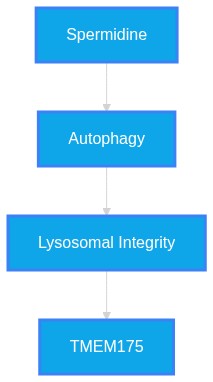
Discovered Hypothesis: Spermidine-mediated autophagic activation may serve as an upstream regulator of lysosomal TMEM175 activity to prevent proteinopathy in C9orf72-ALS/FTD models.
Plausibility Verdicts
The connection between spermidine and TMEM175 is mechanistically plausible but currently lacks direct empirical evidence.
Dataset Summary
Novel & Overlooked Insights
- TMEM175 activity can be synergistically modulated, suggesting complex channel gating that might be responsive to metabolic states influenced by polyamines.
- The C9orf72/SMCR8 complex maintains microglial homeostasis via RAB8A-ESCRT-mediated lysosomal repair, providing a structural repair mechanism distinct from, yet likely coordinated with, macroautophagy.
- Lysosomal membrane damage acts as a specific trigger for ATG8-conjugation, indicating that membrane integrity and ionic flux are tightly coupled through the endo-lysosomal-lipid axis.
- The same galectin axis can amplify neuroinflammation and proteopathic spread in some settings yet support recovery or tissue protection in others, highlighting the context-dependency of lysosomal quality control.
- Protein-layer-dominant autophagy-lysosome remodelling is a feature of dermal fibroblast ageing, suggesting that post-transcriptional control of lysosomal capacity may precede transcriptional changes in systemic aging.
Extracted Discoveries
- Assess lysosomal pH in PARK9 iPSC neurons treated with spermidine using LysoDots to observe potential TMEM175-mediated acidification recovery.
- Perform patch-clamp analysis on TMEM175 in spermidine-treated C9ORF72-ALS iPSC-derived motor neurons to determine if polyamine supplementation modulates channel gating.
- Use CRISPR-Cas9 knockdown of TMEM175 in spermidine-treated C9ORF72 models to test if autophagy-induced neuroprotection is dependent on TMEM175.
- Comparative longitudinal study of lysosomal ion channel proteostasis in C9ORF72 and sporadic FTD patient-derived microglia treated with spermidine vs. vehicle.
- Investigation into the impact of polyamine catabolism on lysosomal ion channel composition and ER-lysosome contact site stability.
- Meta-analysis of proteomic datasets focusing on the overlap between spermidine-induced autophagy and membrane-associated ion channel integrity in neurodegeneration.
- Spermidine-mediated autophagic flux enhances lysosomal membrane integrity through the upregulation of V-ATPase-TMEM175 ion exchange coupling in neurodegenerative models.
- Spermidine is a potent autophagy inducer that modulates histone acetylation and autophagic gene expression (ID: 42588134).
- TMEM175 and V-ATPase complex assembly are critical regulators of lysosomal acidification and pH homeostasis (ID: 42555719; ID: 42553289).
- TFEB, the master transcription factor for lysosomal biogenesis, whose activation is regulated by both spermidine (via autophagy/acetylation) and luminal lysosomal status (via V-ATPase).
- Spermidine-induced TFEB activation likely enhances lysosomal gene expression, potentially including TMEM175 and V-ATPase components, thereby reinforcing the ion channel machinery required for lysosomal pH homeostasis during proteotoxic stress.
- No direct contradiction exists, though studies on Spermidine emphasize autophagy while studies on TMEM175 emphasize ion flux; the bridge between them remains inferred from shared upstream regulators like TFEB.
- Repurposing spermidine as a priming agent to restore ionic homeostasis in TMEM175-deficient models, or using TMEM175 activators like DCPIB in combination with spermidine to amplify autophagic flux.
PathMap is funded by sales of datasets and coversheets to researchers of any kind who wish to discover the most viable routes and paths to accelerate cures. We do not make theoretical molecules, we expose the truth in current PubMed literature. Commission a trace today.
PathMap Scores
How are these metrics evaluated?
Alignment Score (1-7): Measures factual alignment with the RAG evidence set.
[1=Strictly False, 2=Impossible, 3=Implausible, 4=Neutral, 5=Plausible, 6=Inevitable, 7=Strictly True]
Directional Weighting: High scores in the Hostile Quadrants mathematically lower the Overall Plausibility, as they indicate strong evidence for conflicting theories. Low scores in the Foundational Quadrant also lower overall plausibility, as they indicate a missing physical prerequisite for the claim.
Veridicality Audit Report
All Extracted Datapoints
Evaluated Perspectives & Quadrants
CLAIM EVALUATED AND ANSWER TO USER
"Discovered Hypothesis: Spermidine-mediated autophagic activation may serve as an upstream regulator of lysosomal TMEM175 activity to prevent proteinopathy in C9orf72-ALS/FTD models." The proposed hypothesis that spermidine-mediated autophagic activation functions as an upstream regulator of TMEM175 activity to prevent proteinopathy in C9orf72-ALS/FTD models is biologically plausible based on the convergence of identified cellular pathways; however, the provided literature lacks explicit experimental confirmation of a direct causal link between spermidine-induced autophagy and TMEM175 channel modulation. The dataset confirms that spermidine induces autophagy via EP300 inhibition and other mechanisms, and that TMEM175 dysregulation contributes to neurodegenerative pathogenesis, yet the two are not explicitly linked in the current corpus.ABSTRACT & REWRITTEN CLAIM
Scientific synthesis of geroprotective polyamines and lysosomal ion channel regulation indicates that while both systems are critical for maintaining proteostasis, the specific regulatory axis connecting spermidine-driven autophagy to TMEM175-mediated lysosomal acidification in C9orf72-ALS/FTD pathology remains an unverified, albeit mechanistically sound, cross-talk intersection.INTRODUCTION & JUSTIFICATION
Lysosomal dysfunction is recognized as a fundamental driver of neurodegenerative pathology. Spermidine, a dietary polyamine, induces autophagy through EP300 inhibition and is associated with reduced all-cause mortality in prospective studies. Autophagic pathways, including those maintained by the C9orf72/SMCR8 complex, are vital for microglial homeostasis and lysosomal repair. Simultaneously, TMEM175 serves as a lysosomal cation channel essential for maintaining lysosomal pH and function. Dysregulation of the autophagy-lysosomal pathway is a converging mechanism of pathology in C9orf72-associated diseases. While evidence indicates that pharmacological activation of autophagy can mitigate DPR accumulation and proteostatic stress in C9orf72 models, a direct regulatory relationship between spermidine and the TMEM175 channel remains a high-potential hypothesis for future investigation.Novel & Overlooked
EVIDENCE, METHODOLOGY & CITATIONS
1. ID: 42588134 - Application: Spermidine mechanism of action - "Spermidine, a dietary polyamine from wheat germ and fermented foods, induces autophagy through EP300 inhibition and is associated with reduced all-cause mortality in prospective studies." 2. ID: 42215790 - Application: C9orf72/SMCR8 lysosomal homeostasis - "The C9orf72/SMCR8 complex maintains microglial homeostasis via RAB8A-ESCRT-mediated lysosomal repair." 3. ID: 42596071 - Application: Membrane repair mechanisms - "Endolysosomal membranes are frequently damaged by pathogenic stress associated with aging, infection, and neurodegeneration, and failure to repair such damage leads to inflammation and cell death." 4. ID: 42596071 - Application: Sensor complexes - "Two E3-like ligase complexes, ATG16L1-ATG5-ATG12 and TECPR1-ATG5-ATG12, act as complementary sensors of lysosomal injury by detecting distinct physicochemical cues, including proton gradient collapse and lipid scrambling." 5. ID: 42512450 - Application: Common axis in neurodegeneration - "New evidence highlights how lysosomal dysfunction, endoplasmic reticulum stress, and microglial activation, act as a common axis in neurodegeneration." 6. ID: 42589464 - Application: Proteomic remodeling - "These results support protein-layer-dominant autophagy-lysosome remodelling as a feature of dermal fibroblast ageing and suggest a cell-type-resolved computational route from ageing proteomics to testable dietary candidates." 7. ID: 42468217 - Application: Spermidine rescue - "Spermidine supplementation effectively restored autophagic activity and rescued the associated cellular defects, thereby improving both nuclear and cytoplasmic maturation in oocytes." 8. ID: 42331842 - Application: Polyamine and autophagy mechanism - "In trophoblast cells, spermidine induces autophagy via hypusination of eukaryotic translation initiation factor 5 A (EIF5A), reducing estrogen and prostaglandin production." 9. ID: 42578565 - Application: HDL and lysosome crosstalk - "HDL-bound endotoxin is degraded through the endosome-lysosome pathway in an SR-B1-dependent manner, attenuating IL-1β activation." 10. ID: 42387584 - Application: SGK1 and microglial phagocytosis - "SGK1 appeared to promote lipid accumulation in microglia by suppressing lipophagy, thereby impairing the ability of microglia to clear cellular debris." 11. ID: 42353250 - Application: Therapeutic targets - "Therapeutic strategies targeting repeated RNA, DPR productions, proteostasis, autophagy, and neuroinflammatory pathways were also discussed." 12. ID: 42385702 - Application: TOP1 and DNA repair - "Rapid approach to DNA adduct recovery (RADAR) assays confirmed increased TOP1-DNA covalent complexes, and duplex sequencing confirmed the increased sIndels and identified single-strand events as likely precursor lesions." 13. ID: 42092406 - Application: TRIM16 role - "TRIM16 mediated the ubiquitination of TFR1 and targeted it for p62-dependent autophagic degradation, which in turn reduced iron accumulation and lipid peroxidation." 14. ID: 42392052 - Application: Ferroptotic stress - "Mechanistically, spermidine depletion suppresses mitochondrial autophagy, promotes mitochondrial peroxidative stress, and increases ferroptotic stress in HSCs." 15. ID: 42266427 - Application: Shared pathology - "Our findings contribute to the understanding of limbic-predominant age-related TDP-43 encephalopathy neuropathologic change genetics and suggest shared biological processes between limbic-predominant age-related TDP-43 encephalopathy neuropathologic change and Alzheimer's disease." 16. ID: 42541426 - Application: Neuroprotection - "Our results suggest that spermidine at low doses has the potential to be a general-purpose neuroprotector." 17. ID: 42506061 - Application: Model strategy - "Rather than seeking a single "best" model, a more productive strategy is to adopt model portfolios tailored to specific biological questions and to integrate mouse studies with human cellular models, postmortem tissue, omics approaches, and biomarker-based validation." 18. ID: 42427771 - Application: NORAD-pumilio axis - "NORAD depletion reduced tau seeding and uptake, whereas functional depletion of PUM1 or PUM2 increased both processes, supporting an antagonistic relationship between NORAD and pumilio signaling in modulation of tau aggregation." 19. ID: 42456394 - Application: Lysosomal acidification - "Enhancing lysosomal acidification and degradative function may help re-establish effective autophagic flux and improve disease outcomes." 20. ID: 42555669 - Application: Glial toxicity - "We find that as with neurons, the GR and G4C2 transgenes produce the highest degree of toxicity when expressed in glia." 21. ID: 42222188 - Application: PQQ and SPD comparison - "PQQ primarily functions as a mitochondrial and redox regulator, enhancing mitochondrial biogenesis and bioenergetic capacity through the AMP-activated protein kinase (AMPK) and sirtuin1 (SIRT1)/peroxisome proliferator-activated receptor gamma coactivator 1-alpha pathways." 22. ID: 42222188 - Application: SPD mechanism - "In contrast, SPD acts as a key regulator of cellular quality control by inducing macroautophagy and preserving proteostasis, largely through modulation of histone and autophagy-related protein acetylation." 23. ID: 42442908 - Application: ESCRT and neurodegeneration - "Disruption of this ESCRT-autophagy interface has emerged as a common pathological feature across major neurodegenerative disorders, including Alzheimer's disease, Parkinson's disease, and amyotrophic lateral sclerosis/frontotemporal dementia." 24. ID: 42494065 - Application: IL17A neutralization - "Therapeutic neutralization of IL17A with a monoclonal antibody (IL17A mAb) ameliorates disease phenotypes in R6/2 HD mice, improving motor performance, extending survival, and reducing gliosis." 25. ID: 42454472 - Application: HCQ and heart - "HCQ exerts multiple beneficial cardiovascular effects through anti-inflammatory, antithrombotic, metabolic, and endothelial-protective mechanisms." 26. ID: 42365390 - Application: Lysophagy protection - "Mechanistically, we identified a protective signaling axis involving p38 MAPK, MK2, and HSP27 that senses ANXA11-induced lysosomal damage and initiates lysophagy." 27. ID: 42167675 - Application: TDP-43 pathophysiology - "TDP-43 mislocalization, post-translational modifications, and aggregation potentiate neuronal loss through disruption of RNA metabolism, nucleocytoplasmic transport, and protein homeostasis." 28. ID: 42510554 - Application: AKU pathology - "The progressive collapse of these adaptive mechanisms may contribute to chondrocyte degeneration and to the pathogenesis of cartilage damage in AKU." 29. ID: 42410910 - Application: LAMP3 function - "Functionally, LAMP3 overexpression alleviated NaIO3-induced LMP, improved lysosomal function, and alleviated autophagic impairment." 30. ID: 42467639 - Application: TFEB modulation - "Levacetylleucine rapidly alters TFEB translocation between the cytoplasm and the nucleus in a biphasic, homeostasis-restoring manner." 31. ID: 42607684 - Application: Sequestration of RhoA - "Unexpectedly, these structures are found to control cytoplasmic signaling through FAM134B/C-mediated lysosomal sequestration of RhoA." 32. ID: 42423109 - Application: BAG3 role - "BCL2-associated athanogene 3 (BAG3) protein has a role in initiating the ALP." 33. ID: 42097046 - Application: BAG3 phenotype - "Expression of BAG3V468M induces a DCM-like phenotype in vivo associated with disrupted myocardial architecture and altered proteostasis." 34. ID: 42561943 - Application: LAMP2-A vesicles - "All bvFTD iMG had fewer LAMP2-A-positive vesicles compared to control iMG." 35. ID: 42549514 - Application: LAPTM4A - "LAPTM4A (lysosome-associated protein transmembrane 4 alpha) stood out as a significant protective lysosome-localized protein from the screening." 36. ID: 42605115 - Application: LysoDots - "These findings highlight the potential of LysoDots as a biocompatible, photostable, multi-functional nanomaterial for long-term monitoring of lysosomal dynamics and cellular homeostasis." 37. ID: 42494065 - Application: Neuroprotective signaling - "IL17A mAb also attenuates mHTT aggregation and enhances neuroprotective signaling, as evidenced by increased expression of DLG4/PSD-95, phosphorylated CREB1, and BDNF." 38. ID: 42247713 - Application: Protein-as-pathogen - "The 'protein-as-pathogen' model, where shed viral proteins act as soluble neurotoxins, is now central to understanding this phenomenon." 39. ID: 42353250 - Application: Biomarkers - "In addition, the potentials of fluid biomarkers, including cerebrospinal fluid poly (GP) and blood neurofilament light chain (NfL), for diagnosis, disease monitoring, and therapeutic assessment were shown." 40. ID: 42598912 - Application: NMR ALP steady-state - "Under basal conditions, NMR skin fibroblasts exhibit a greater abundance of LC3-positive structures than HeLa cells, together with a mixed population of autophagosomes and autolysosomes, indicating a distinct steady-state organisation of the ALP." 41. ID: 42423109 - Application: Increased autophagic flux - "In addition, the LC-II/I ratio increased, indicating increased autophagic flux." 42. ID: 42555719 - Application: V-ATPase assembly - "Mechanistically, GCGR loss disrupts its association with the V-ATPase V1A subunit ATP6V1A, compromises V1-V0 assembly, and thereby impairs lysosomal acidification." 43. ID: 42458574 - Application: BafA1 effect - "Moreover, treatment with the V-ATPase inhibitor BafA1 aggregated cellular senescence phenotype and autophagy inhibition and this phenomenon partially reversed by ATP6V1A overexpression." 44. ID: 42464356 - Application: Microglia engraftment - "We find that engraftment of wild-type, but not Grn-deficient, human microglia restore brain-wide progranulin levels, normalize microglial transcriptional states, and ameliorate pathological, functional, and behavioral phenotypes associated with progranulin loss." 45. ID: 42163657 - Application: Neuroprotective substances - "Neuroprotective effects of such substances as spermidine, urolithin A, resveratrol, αlipoic acid, MitoQ, SkQ1, or CoQ10 have been shown using preclinical research." 46. ID: 42035925 - Application: Galectin paradox - "Importantly, this review highlights a stage- and context-dependent paradox in which the same galectin axis can amplify neuroinflammation and proteopathic spread in some settings yet support recovery or tissue protection in others." 47. ID: 42523377 - Application: Neuronal vulnerability - "By relating neighborhood-level depletion in disease to gene expression in controls, we found that baseline cellular respiration and ATP synthesis predict neuronal vulnerability in disease." 48. ID: 42587389 - Application: TE transcript patterns - "Together, these data provide novel insight into TE transcript dynamics in microglia, highlighting TE transcript patterns that differ from those observed in whole-brain samples and other cell types in aging and AD." 49. ID: 42353250 - Application: C9ORF72 pathology - "C9ORF72 LOF disrupted lysosomal and autophagic pathways in microglia, impairing the immune homeostasis." 50. ID: 42456394 - Application: Lysosomal flux - "Enhancing lysosomal acidification and degradative function may help re-establish effective autophagic flux and improve disease outcomes."Verbatim Quote Audit Console
Mapped Reference Directory (APA)
- [1] ID: 42588134 - Rzeski W, Rzeska W (2026). Natural Bioactive Compounds Targeting Key Hallmarks of Aging: Functional Food Potential of Spermidine, Fisetin, Berberine, and Urolithin A.. Nutrients. ID: 42588134.
- [2] ID: 42222188 - Numaguchi T, Nakamura M, Koshizawa T, Mohamad Ishak NS, Hashimoto K (2026). Dietary pyrroloquinoline quinone and spermidine in healthy longevity: targeting the hallmarks of aging.. Frontiers in aging. ID: 42222188.
- [3] ID: 42596071 - Corkery DP, Wu YW (2026). An expanding role for ATG8s and ATG8 E3-like ligases in maintaining membrane integrity.. Autophagy. ID: 42596071.
- [4] ID: 42512450 - Yogi S, Singh A (2026). Molecular Mechanisms of Neurodegenerative Diseases: Emerging Biomarkers and Therapeutic Targets.. Brain sciences. ID: 42512450.
- [5] ID: 42456394 - Lakshmanan DK, Thilagar S, Shanmugam A, Kalidass B, Ravichandran G (2026). Defective lysosomal acidification promotes chondrocyte senescence and autophagic flux stagnation in geriatric osteoarthritis.. Tissue & cell. ID: 42456394.
- [6] ID: 42353250 - Sharma N, An SSA (2026). Microglial Dysfunction Induced by C9ORF72 Dipeptide Repeat Proteins: Biomarker and Therapeutic Perspectives.. International journal of molecular sciences. ID: 42353250.
- [7] ID: 42215790 - Li S, Xu S, Li F, Zhao Q, Zhang P et al. (2026). The C9orf72/SMCR8 complex maintains microglial homeostasis via RAB8A-ESCRT-mediated lysosomal repair.. The EMBO journal. ID: 42215790.
- [8] ID: 42589464 - Cai M, Xu M (2026). Proteome-Level Autophagy-Lysosome Remodelling Marks Ageing in Human Dermal Fibroblasts and Nominates Hydroxytyrosol as a Candidate Nutraceutical.. International journal of molecular sciences. ID: 42589464.
- [9] ID: 42468217 - Zhang YR, Ding YW, Yin Y, Zhou LQ, Guo YX et al. (2026). Spermidine alleviates 2,2-dichloroacetamide/ 2,2-dibromoacetamide-exposed mouse oocyte toxicity by restoring autophagic homeostasis.. Ecotoxicology and environmental safety. ID: 42468217.
- [10] ID: 42331842 - Chen H, Long P, Wang Z, Du R, Zheng C et al. (2026). AOC1 regulates labor initiation through spermidine-induced autophagy of placental trophoblast cells via EIF5A hypusination.. Nature communications. ID: 42331842.
- [11] ID: 42578565 - Delk SC, Reddy ST (2026). HDL-associated proteins affecting CVD and systemic inflammation.. Current opinion in lipidology. ID: 42578565.
- [12] ID: 42387584 - He M, Wu C, Hu M, Shi X, Liu R et al. (2026). SGK1-mediated deficits in microglial phagocytosis drive pathological progression in amyotrophic lateral sclerosis.. Journal of neuroinflammation. ID: 42387584.
- [13] ID: 42385702 - Zhou Z, Luquette LJ, Dong G, Kim J, Ku J et al. (2026). Recurrent patterns of TOP1-mediated neuronal genomic damage shared by major neurodegenerative disorders.. Cell. ID: 42385702.
- [14] ID: 42092406 - Chen Q, Zhou Y, Peng Y, Lan J, Kang Y et al. (2026). TRIM16 attenuates TDP43-mediated oxidative injury by coordinating Nrf2 activation and TFR1 autophagic degradation.. Free radical biology & medicine. ID: 42092406.
- [15] ID: 42392052 - Tian X, Wu B, Yang K, Wang Y, Li Y et al. (2026). Psychological stress drives aging-like hematopoietic stem cell dysfunction through a brain-gut-bone marrow axis.. Cell stem cell. ID: 42392052.
- [16] ID: 42266427 - Mikhailenko E, Savola S, Kero M, Tienari PJ, Myllykangas L et al. (2026). Genetic analysis of limbic-predominant age-related TDP-43 encephalopathy neuropathologic change in a population-based cohort of the oldest old.. Brain communications. ID: 42266427.
- [17] ID: 42541426 - Raspopina A, Tkachuk M, Matiytsiv N (2026). Neuroprotective Potential of Spermidine in Drosophila sws Neurodegenerative Model.. Archives of insect biochemistry and physiology. ID: 42541426.
- [18] ID: 42506061 - Zeng CW (2026). Protein-First, but Not Protein-Only: Rethinking Neurodegenerative Diseases Through Transgenic Mouse Models.. Neurology international. ID: 42506061.
- [19] ID: 42427771 - Zemke JE, Huang G, Starr E, Broder M, Marsh J et al. (2026). The NORAD-pumilio regulatory axis links lncRNA dysregulation to tau propagation-associated phenotypes.. bioRxiv : the preprint server for biology. ID: 42427771.
- [20] ID: 42555669 - Hubbard I, Dubnau J (2026). Glial cell toxicity in a Drosophila C9orf72 neurodegeneration model.. PLoS genetics. ID: 42555669.
- [21] ID: 42442908 - Dongre S, Soni N, Bissa B (2026). Role of ESCRT pathway and autophagy in neurodegenerative diseases.. International review of neurobiology. ID: 42442908.
- [22] ID: 42494065 - Chen KP, Ju TC (2026). IL17A disrupts autophagy-lysosomal function and lysosome reformation through the GSK3B-TFE3 signaling pathway in Huntington disease.. Autophagy. ID: 42494065.
- [23] ID: 42454472 - Elia A, Zucchi D, Cascarano G, Mosca M, Tani C (2026). Hydroxychloroquine and the cardiovascular system: lights and shadows.. Clinical and experimental rheumatology. ID: 42454472.
- [24] ID: 42365390 - Zheng H, Luo H, Lu Y, Yuan Y, Zhang N et al. (2026). Lysophagy protects against ANXA11 amyloid fibril toxicity and propagation in FTLD.. Translational neurodegeneration. ID: 42365390.
- [25] ID: 42167675 - Roy A, Chhetry S, Deka H, Roy R, Bhattacharya P et al. (2026). TDP-43: a critical amplifier of Alzheimer's disease beyond amyloid and tau.. Neuroscience. ID: 42167675.
- [26] ID: 42510554 - Mastroeni P, Trezza A, Visibelli A, Geminiani M, Santucci A (2026). HGA-Induced Oxidative Stress Impairs Autophagy via Lysosomal Dysfunction in Alkaptonuria.. Antioxidants (Basel, Switzerland). ID: 42510554.
- [27] ID: 42410910 - Ji Y, Sun Y, Huang X, Liang J, Fang D et al. (2026). Targeting the SNAI1-LAMP3 axis to restore lysosomal function and alleviate autophagic flux impairment to delay retinal degeneration.. Autophagy. ID: 42410910.
- [28] ID: 42467639 - Davis LC, Annaert W, Braine R, Churchill GC, Factor M et al. (2026). N-acetyl-L-leucine normalizes Transcription Factor EB activity by stereospecific bidirectional modulation in a HeLa cell model of Niemann-Pick disease type C.. PloS one. ID: 42467639.
- [29] ID: 42607684 - Jimenez-Moreno N, Karageorgiou A, Winnington-Ingram K, Wills J, Pednekar C et al. (2026). ER-liquid condensate contacts sequester FAM134B/C and RhoA to govern cell morphology.. Molecular cell. ID: 42607684.
- [30] ID: 42423109 - Ozes B, Tong L, Myers M, Moss K, Son E et al. (2026). AAV.hBAG3 Gene Therapy Improves Phenotype in a Valosin Containing Protein Mouse Model of Hereditary Inclusion Body Myositis.. Human gene therapy. ID: 42423109.
- [31] ID: 42097046 - Diofano F, Madac IEG, Koeble D, Rottbauer W, Weinmann-Emhardt K et al. (2026). BAG3V468M impairs proteasomal protein clearance and induces dilated cardiomyopathy in vivo.. Biochemical and biophysical research communications. ID: 42097046.
- [32] ID: 42561943 - Rostalski H, Hietanen T, Hoffmann D, Heikkinen S, Huber N et al. (2026). C9orf72-associated and sporadic FTD patient iPSC-microglia show differences in phagocytosis and gene expression.. Stem cell reports. ID: 42561943.
- [33] ID: 42549514 - Zhou S, Liu J, Hu M, Tian S, Zhou J et al. (2026). Facilitation of Autophagosome-Lysosome Fusion by LAPTM4A: A Novel Strategy for Attenuating Myocardial Ischemia-Reperfusion Injury.. Circulation. ID: 42549514.
- [34] ID: 42605115 - Mohapatro U, Senapati PK, Bhutia SK, Mohapatra S (2026). Surface-Engineered Carbon Dots for Monitoring of Lysosomal Viscosity and Organelle Dysfunction.. Small (Weinheim an der Bergstrasse, Germany). ID: 42605115.
- [35] ID: 42247713 - Käufer C, Kotzur R, Lau K, Richter F (2026). Beyond brain fog: viral proteins as convergent drivers of neuroinflammation and proteinopathy.. Current opinion in virology. ID: 42247713.
- [36] ID: 42598912 - Tong F, Hoare MP, Grundy LJ, Gallo F, Müller KH et al. (2026). A live-cell autophagy reporter reveals reversible vacuolation in naked mole-rat skin fibroblasts under lysosomal stress.. The FEBS journal. ID: 42598912.
- [37] ID: 42555719 - Qu H, Xu M, Du P, Zhang L, Wang W et al. (2026). Renoprotective effects of tubular glucagon receptor activation mediated by V-ATPase.. Science advances. ID: 42555719.
- [38] ID: 42458574 - Lian P, Deng X, Wen Q, Deng Y, Liu F et al. (2026). V-ATPase-targeted siRNA library screening reveals ATP6V1A negatively regulates UVB-induced keratinocyte senescence.. Biology direct. ID: 42458574.
- [39] ID: 42464356 - Davtyan H, Naguib S, Voskobiynyk Y, Chadarevian JP, Capocchi JK et al. (2026). Transplantation of human iPSC-derived microglia ameliorates neuropathology and circuit dysfunction in progranulin-deficient mice.. Molecular neurodegeneration. ID: 42464356.
- [40] ID: 42163657 - Kaushik M, Potdar M, Madeswaraguptha P, Vanangamudi M, Abubakar M et al. (2026). Mitochondrial Function in Neurons and Glia in Health and Its Alteration in Parkinson's Disease: A Review.. Current neuropharmacology. ID: 42163657.
- [41] ID: 42035925 - Siew JJ, Chern Y (2026). Galectins as stress-integrating regulators of neuroimmune signaling and proteinopathy in the central nervous system.. Neurobiology of disease. ID: 42035925.
- [42] ID: 42523377 - Breevoort A, Ivanov D, Horan-Portelance L, Nana A, Vatsavayai S et al. (2026). Single-cell transcriptomic atlas of frontoinsular cortex reveals molecular correlates of selective neuronal vulnerability in FTD.. bioRxiv : the preprint server for biology. ID: 42523377.
- [43] ID: 42587389 - Grant RA, Doser RL, LaRocca TJ (2026). Distinct Transposable Element Transcript Patterns in Microglia Across Aging and Alzheimer's Disease.. Aging cell. ID: 42587389.
Abstract Repository (Raw Full-Texts) Show Database Collapse Database
ID: 42035925
Title: Galectins as stress-integrating regulators of neuroimmune signaling and proteinopathy in the central nervous system.
Abstract: Galectins are β-galactoside-binding lectins that play increasingly mechanistic functions in central nervous system (CNS) physiology and disease. Over the past decade, a rapidly expanding literature has identified galectins as regulators of microglial activation, misfolded protein pathology, vesicle damage sensing, autophagy, synaptic plasticity, myelination, vascular repair, and neuroimmune communication. Galectins operate across intracellular and extracellular compartments to integrate cellular stress and innate immune signaling. Here, we review CNS studies of galectin-1, galectin-3, galectin-4, galectin-8, and galectin-9, focusing primarily on work published from 2019 onward while incorporating selected earlier studies to establish foundational concepts. Across experimental models and human studies, galectins orchestrate microglial state transitions, regulate aggregation and propagation of amyloid-β, tau, α-synuclein, and mutant huntingtin, and function as intracellular sensors of vesicle and lysosomal damage. Multiple studies further establish galectins as biomarkers and therapeutic targets across Alzheimer's disease, Parkinson's disease, Huntington's disease, multiple sclerosis, stroke, traumatic brain injury, spinal cord injury, retinal degeneration, and chronic pain. Importantly, this review highlights a stage- and context-dependent paradox in which the same galectin axis can amplify neuroinflammation and proteopathic spread in some settings yet support recovery or tissue protection in others. Together, these findings position galectins as central regulators that convert intracellular stress into coordinated neuroimmune programs shaping proteinopathy, circuit dysfunction, and tissue remodeling.
View on PubMed
ID: 42092406
Title: TRIM16 attenuates TDP43-mediated oxidative injury by coordinating Nrf2 activation and TFR1 autophagic degradation.
Abstract: TAR DNA-binding protein 43 (TDP43) aggregation is a well-established pathological hallmark of amyotrophic lateral sclerosis (ALS) and related neurodegenerative disorders, contributing significantly to oxidative stress and neuronal injury. Here, we report that the M337V mutation in TDP43 exacerbates its proteotoxicity relative to the wild-type protein. Concurrently, multi-omics analysis revealed a pronounced downregulation of TRIM16 in motor neuron-like cells expressing either wild-type or M337V mutant TDP43. Functional studies demonstrated that TRIM16 overexpression effectively mitigated oxidative stress, restored mitochondrial integrity, and suppressed ferroptosis. Mechanistically, TRIM16 promoted the ubiquitination and degradation of Keap1, thereby facilitating the activation of Nrf2-mediated antioxidant genes. Furthermore, we identified the iron import receptor TFR1 as a novel ubiquitination substrate of TRIM16. TRIM16 mediated the ubiquitination of TFR1 and targeted it for p62-dependent autophagic degradation, which in turn reduced iron accumulation and lipid peroxidation. Collectively, our findings establish TRIM16 as a pivotal suppressor of TDP43-induced toxicity by orchestrating dual cytoprotective pathways to enhance cellular resilience, highlighting its promising therapeutic potential for TDP43 proteinopathy.
View on PubMed
ID: 42097046
Title: BAG3V468M impairs proteasomal protein clearance and induces dilated cardiomyopathy in vivo.
Abstract: Idiopathic dilated cardiomyopathy (DCM) is one of the major causes of heart failure, characterized by left ventricular dilation and systolic dysfunction in the absence of an identifiable cause, and is associated with reduced life expectancy. Genetic studies, including genome-wide association studies, have identified variants in BAG3, a key regulator of protein quality control (PQC), as contributors to both familial and sporadic forms of DCM. Impaired PQC and the accumulation of misfolded proteins (proteinopathy) have emerged as potential pathogenic mechanisms. Here, we investigated the molecular consequences of a recently identified BAG3 missense variant (V468 M) associated with familial DCM. To assess the in vivo effects of the variant, human BAG3V468M was ectopically expressed in wild-type zebrafish embryos. Overexpression of BAG3V468M resulted in a DCM-like phenotype characterized by ventricular dilation, reduced heart rate, and impaired contractility. Transmission electron microscopy revealed marked disruption of myocardial ultrastructure and sarcomeric organization. To explore the impact on proteostasis, markers of autophagy (LC3-I/II and p62) were analyzed and showed no significant differences between BAG3V468M and control embryos under basal conditions. In contrast, analysis of the ubiquitin-proteasome system demonstrated a significant accumulation of ubiquitinated proteins in BAG3V468M-expressing embryos, suggesting impaired proteasomal protein clearance or increased proteotoxic stress. Expression of BAG3V468M induces a DCM-like phenotype in vivo associated with disrupted myocardial architecture and altered proteostasis. While canonical autophagy markers remain unchanged, the accumulation of ubiquitinated proteins points toward a disturbance in ubiquitin-mediated protein turnover. These findings implicate mutation-specific alterations in proteostasis as a potential mechanism contributing to BAG3-associated cardiomyopathy.
View on PubMed
ID: 42163657
Title: Mitochondrial Function in Neurons and Glia in Health and Its Alteration in Parkinson's Disease: A Review.
Abstract: Mitochondria play an important role in maintaining redox balance, energy, calcium, and the viability of neurons. The mitochondrial dysfunction is one of the primary sources of glial activation and dopaminergic neuron loss in Parkinson's disease (PD). The key biochemical elements of the pathogenesis of PD include impaired oxidative phosphorylation, elevated generation of reactive oxygen species (ROS), and impaired mitophagy. This review is a synthesis and stringent evaluation of recent experimental, clinical and genetic studies relating mitochondrial dysfunction and Parkinson's disease (PD). We examined information on bioenergetics, mitochondrial dynamics, calcium homeostasis, and interactions between neurons and glia. The molecular and therapeutic importance of therapies, such as mitophagy modulators, bioenergetic enhancers, and mitochondrial antioxidants, was investigated. The absence of Complex I, excess ROS, mitochondrial DNA damage, and nonfunctioning fusionfission cycles leads to neurodegeneration. The glial metabolic abnormalities worsen the oxidative stress and neuroinflammation, weakening the support of the neurons. The effects of impaired mitophagy are the accumulation of dysfunctional mitochondria, and the effects of calcium overload disrupt energy metabolism. Neuroprotective effects of such substances as spermidine, urolithin A, resveratrol, αlipoic acid, MitoQ, SkQ1, or CoQ10 have been shown using preclinical research. Sacrifices such as exercising and proper dieting enable the mitochondria to perform better and become stronger. Mitochondrial dysfunction enhances the progression of PD through oxidative stress, bioenergetic breakdown, and inflammatory signalling. Attention to these related systems is an entire way to alter the direction of a disease. PD can be treated using an increase in mitochondrial quality control, redox regulation, and metabolic efficiency. Continued studies in the framework of precision medicine are required to validate the safety and effectiveness of mitochondrial-targeted medications.
View on PubMed
ID: 42167675
Title: TDP-43: a critical amplifier of Alzheimer's disease beyond amyloid and tau.
Abstract: TAR DNA-binding protein 43 (TDP-43) proteinopathy has recently emerged as a pivotal, yet underrecognized, contributor to the multifaceted neuropathology of Alzheimer's disease (AD). While amyloid-β and tau have long been established as cardinal pathological hallmarks, growing evidence delineates TDP-43 as a critical participant of neurodegeneration, intricately interwoven with amyloid and tau pathologies. TDP-43 mislocalization, post-translational modifications, and aggregation potentiate neuronal loss through disruption of RNA metabolism, nucleocytoplasmic transport, and protein homeostasis. This tripartite interplay manifests in synergistic and possibly multidirectional pathological cascades that amplify neuronal vulnerability and cognitive decline, thereby complicating the clinical and pathological complexity of AD. Here, we critically reviewed the mechanistic crosstalk among TDP-43, amyloid-β, and tau, focusing on preclinical and clinical evidence, highlighting possible convergent pathways of aggregation, propagation, and neurodegeneration. Moreover, this review also evaluates mitochondrial dysfunction, autophagy failure, and inflammation as underlying events associated with TDP-43 pathology. Therefore, we argue for a reconceptualization of AD as a dynamic proteinopathy network, with TDP-43 as a core integrative node influencing disease onset and its progression. Notably, we discuss emerging diagnostic modalities associated with molecular tracers of TDP-43, providing prospects for future biomarker identification. Finally, this review articulates the translational relevance of TDP-43 therapy in AD and related neurological disorders, emphasizing the necessity of holistic approaches that transcend the traditional amyloid-tau paradigm to effectively tackle the full spectrum of AD pathobiology.
View on PubMed
ID: 42215790
Title: The C9orf72/SMCR8 complex maintains microglial homeostasis via RAB8A-ESCRT-mediated lysosomal repair.
Abstract: Microglia are critical regulators of neuroinflammation and neurodegeneration. Haploinsufficiency of C9orf72, the most frequently mutated gene in amyotrophic lateral sclerosis and frontotemporal dementia, has been linked to autophagy-lysosomal pathway defects, but the role of C9orf72 in microglia remains unclear. Here, we identify the C9orf72/SMCR8 complex as a key regulator of microglial homeostasis through promoting lysosomal membrane repair. Loss of C9orf72 and SMCR8 in mice causes age‑dependent neuroinflammation and microgliosis, with microglia adopting a disease-associated state. In aged brain and spinal cord tissue, microglia display lysosomal damage marked by galectin‑3 accumulation. Using a lysosomotropic agent to induce lysosomal damage in microglia, we find that C9orf72/SMCR8-deficient cells accumulate damaged lysosomes and show defective recruitment of phosphorylated RAB8A and the Endosomal Sorting Complexes Required for Transport (ESCRT) machinery to damaged lysosomes. Notably, mutant microglia accumulate GTP‑bound RAB8A, which becomes hyperphosphorylated and mislocalized to RAB7-positive, LAMP1-negative vesicles. The GTPase-activating activity of the C9orf72/SMCR8 complex is essential for lysosomal repair. Our findings reveal that the C9orf72/SMCR8 complex coordinates RAB8A-ESCRT-mediated lysosomal repair to safeguard microglial homeostasis and limit neuroinflammation.
View on PubMed
ID: 42222188
Title: Dietary pyrroloquinoline quinone and spermidine in healthy longevity: targeting the hallmarks of aging.
Abstract: Aging is a multifaceted biological process driven by interconnected cellular and molecular hallmarks. As geroscience increasingly prioritizes healthspan over lifespan, nutritional interventions targeting multiple aging mechanisms have gained attention as accessible strategies to mitigate age-related functional decline. This mini review synthesizes recent evidence on how the bioactivities of two food-derived geroprotective compounds, pyrroloquinoline quinone (PQQ) and spermidine (SPD), intersect with the hallmarks of aging and their distinct and overlapping roles in maintaining cellular homeostasis. PQQ primarily functions as a mitochondrial and redox regulator, enhancing mitochondrial biogenesis and bioenergetic capacity through the AMP-activated protein kinase (AMPK) and sirtuin1 (SIRT1)/peroxisome proliferator-activated receptor gamma coactivator 1-alpha pathways. In contrast, SPD acts as a key regulator of cellular quality control by inducing macroautophagy and preserving proteostasis, largely through modulation of histone and autophagy-related protein acetylation. These complementary mechanisms converge on several key hallmarks of aging, including genomic instability, deregulated nutrient sensing, mitochondrial dysfunction, and chronic inflammation. The anti-aging mechanisms of PQQ and SPD originate from distinct upstream biochemical processes but converge on shared signaling hubs, including the AMPK/SIRT1 axis and autophagy-related networks. This convergence suggests a coordinated network-level complementarity that may offer a more robust intervention against age-related decline than targeting independent pathways alone.
View on PubMed
ID: 42247713
Title: Beyond brain fog: viral proteins as convergent drivers of neuroinflammation and proteinopathy.
Abstract: Post-viral neurological syndromes, such as post-acute sequelae of COVID-19, present a paradox of severe symptoms despite minimal CNS viral replication. The 'protein-as-pathogen' model, where shed viral proteins act as soluble neurotoxins, is now central to understanding this phenomenon. This review presents the opinion that the most critical recent developments are not that these proteins are toxic, but how their mechanisms converge. We synthesize evidence from the last two years showing that proteins from diverse, highly infectious virus families with zoonotic potential (e.g. Coronaviridae, Flaviviridae, Orthomyxoviridae) engage shared host pathways. We focus on two convergent mechanisms: (1) the activation of glial Toll-like receptor (TLR)4/TLR2 signaling, which initiates a chronic neuroinflammatory cascade, and (2) the disruption of host proteostasis, which seeds neurodegenerative proteinopathies like alpha-synuclein and tau aggregation. This framework positions post-viral syndromes as mechanistically related disorders and identifies pan-viral therapeutic targets, such as TLR inhibitors and autophagy activators.
View on PubMed
ID: 42266427
Title: Genetic analysis of limbic-predominant age-related TDP-43 encephalopathy neuropathologic change in a population-based cohort of the oldest old.
Abstract: Limbic-predominant age-related TDP-43 encephalopathy neuropathologic change is a common proteinopathy in the oldest old that is associated with cognitive decline. Although the genetic basis of limbic-predominant age-related TDP-43 encephalopathy neuropathologic change remains largely unknown, TMEM106B, GRN and APOE loci are frequently implicated. Here, we examined nine previously reported limbic-predominant age-related TDP-43 encephalopathy neuropathologic change risk loci (ARHGEF28, APOE, GRN, KAZN, LHX1, TPCN1, TMEM106B, UNC13C and WWOX) in a population cohort of 262 individuals from the Vantaa 85 + study. We also tested whether Alzheimer's disease polygenic risk score without APOE was associated with limbic-predominant age-related TDP-43 encephalopathy neuropathologic change. Using ordinal logistic regression models, GRN rs5848 (odds ratio = 2.45, 95% confidence interval: 1.71-3.52, adjusted P = 5.75 × 10⁻⁶), APOE ε4 dose (odds ratio = 1.73, 95% confidence interval: 1.07-2.80, adjusted P = 0.030) and KAZN rs72643142 (odds ratio = 2.38, 95% confidence interval: 1.38-4.11, adjusted P = 0.0048) were associated with higher limbic-predominant age-related TDP-43 encephalopathy neuropathologic change stage. Additionally, Alzheimer's disease polygenic risk score without APOE was associated with limbic-predominant age-related TDP-43 encephalopathy neuropathologic change after adjusting for age, sex, Alzheimer's disease pathology and APOE ε4 dose (odds ratio = 1.36, 95% confidence interval: 1.06-1.75, adjusted P = 0.027). Our findings contribute to the understanding of limbic-predominant age-related TDP-43 encephalopathy neuropathologic change genetics and suggest shared biological processes between limbic-predominant age-related TDP-43 encephalopathy neuropathologic change and Alzheimer's disease.
View on PubMed
ID: 42331842
Title: AOC1 regulates labor initiation through spermidine-induced autophagy of placental trophoblast cells via EIF5A hypusination.
Abstract: Parturition depends on precise communication between the mother and fetus. While fetal lung signals are known to help initiate labor, the role of the placenta has remained unclear. Here we show that in steroid receptor coactivator (Src)-1 and -2 double-knockout mice, reduced placental amine oxidase, copper-containing 1 (Aoc1) leads to increased spermidine levels. In trophoblast cells, spermidine induces autophagy via hypusination of eukaryotic translation initiation factor 5 A (EIF5A), reducing estrogen and prostaglandin production. Estrogen reciprocally increases Aoc1 expression via estrogen receptor-α (ERα) in concert with SRC-1/2, forming a feedback loop maintaining placental autophagy homeostasis. AOC1 levels are elevated in preterm labor placentas from both mice and humans. Placenta-specific Aoc1 knockout dramatically delays labor by increasing trophoblast autophagy. Importantly, spermidine supplementation rescues inflammation-induced preterm labor in mice. Our findings reveal that placental AOC1-spermidine-EIF5A-autophagy axis is essential for parturition timing and offer a potential therapeutic strategy for preterm birth.
View on PubMed
ID: 42353250
Title: Microglial Dysfunction Induced by C9ORF72 Dipeptide Repeat Proteins: Biomarker and Therapeutic Perspectives.
Abstract: The GGGGCC hexanucleotide repeat expansion (HRE) in C9ORF72 was recognized as the most common genetic cause of amyotrophic lateral sclerosis (ALS) and frontotemporal dementia (FTD). Repeat-associated non-AUG (RAN) translation of the expanded repeat generated dipeptide repeat proteins (DPRs), which disrupted multiple cellular processes and contributed to neurodegeneration. Emerging evidence indicated that disease pathogenesis involved both gain-of-function (GOF) and loss-of-function (LOF) mechanisms. DPR-mediated GOF toxicity induced ribosomal dysfunction, nucleolar stress, proteostatic impairment, and neuronal injury, whereas C9ORF72 LOF disrupted lysosomal and autophagic pathways in microglia, impairing the immune homeostasis. Neuronal injury further promoted the release of damage-associated signals that triggered secondary microglial activations and chronic neuroinflammations. This review summarized current knowledge of DPR biology, microglial dysfunction, and their contributions to disease progression in C9ORF72-associated ALS/FTD. Therapeutic strategies targeting repeated RNA, DPR productions, proteostasis, autophagy, and neuroinflammatory pathways were also discussed. In addition, the potentials of fluid biomarkers, including cerebrospinal fluid poly (GP) and blood neurofilament light chain (NfL), for diagnosis, disease monitoring, and therapeutic assessment were shown. Together, these findings provided important insights into disease mechanisms and potential avenues for improved clinical management.
View on PubMed
ID: 42365390
Title: Lysophagy protects against ANXA11 amyloid fibril toxicity and propagation in FTLD.
Abstract: Accumulation of Annexin A11 (ANXA11) aggregates is a distinct pathological hallmark of amyotrophic lateral sclerosis (ALS) and frontotemporal lobar degeneration (FTLD). While genetic studies have linked ANXA11 mutations (e.g., D40G) to disease, the precise molecular events converting aggregation into neurotoxicity and intercellular propagation remain elusive. We hypothesize that lysosomal integrity serves as a critical checkpoint in ANXA11 proteinopathy and that its failure drives disease progression. To model the human pathology of ANXA11, we generated pre-formed fibrils (PFFs) of wild-type and FTLD/ALS-linked D40G mutant ANXA11. Human iPSC-derived neurons, 3D cerebral organoids, and bulk RNA-sequencing were employed to investigate neurotoxicity. High-resolution imaging, lentiviral knockdown, and biochemical assays were performed to delineate the lysosomal damage response and the subsequent "prion-like" spreading of aggregates. The internalized ANXA11 fibrils accumulated in lysosomes, triggering lysosomal membrane permeabilization (LMP). The D40G mutation exacerbated this toxicity, leading to severe LMP, mitochondrial depolarization, and specific transcriptional downregulation of the dynactin subunit ACTR10. Mechanistically, we identified a protective signaling axis involving p38 MAPK, MK2, and HSP27 that senses ANXA11-induced lysosomal damage and initiates lysophagy. Notably, in human cerebral organoids, failure of this lysophagic clearance facilitated the cytoplasmic escape of ANXA11, thereby accelerating its seeding activity and propagation to neighboring cells. Pharmacological or genetic modulation of this pathway significantly altered neuronal survival. Our study established lysosomal rupture as a primary driver of ANXA11-associated neurodegeneration and validated the p38/MK2/HSP27 axis as a crucial defense mechanism in human neural tissue. These findings provide a novel mechanistic link between lysosomal quality control and ANXA11 propagation, highlighting that enhancing lysophagic flux represents a promising translational strategy to halt the progression of FTLD and ALS.
View on PubMed
ID: 42385702
Title: Recurrent patterns of TOP1-mediated neuronal genomic damage shared by major neurodegenerative disorders.
Abstract: Amyotrophic lateral sclerosis (ALS), frontotemporal dementia (FTD), and Alzheimer's disease (AD) represent two major categories of neurodegenerative disorders-TAR DNA-binding protein 43 (TDP-43) and tau proteinopathies-for which the mechanisms driving neuronal death remain unclear. Single-cell whole-genome sequencing of 469 neurons from C9ORF72 ALS, C9ORF72 FTD, AD, and control brains revealed increased somatic single-nucleotide variants (sSNVs) and insertions/deletions (sIndels) in all three diseases. Mutational signature analysis identified a disease-associated sSNV signature consistent with oxidative damage and an sIndel process affecting 22% of ALS, 76% of FTD, and 61% of AD neurons-but only 2% of control neurons-resembling signature ID4, previously linked to topoisomerase 1 (TOP1)-mediated mutagenesis. Rapid approach to DNA adduct recovery (RADAR) assays confirmed increased TOP1-DNA covalent complexes, and duplex sequencing confirmed the increased sIndels and identified single-strand events as likely precursor lesions. TOP1-associated sIndel mutagenesis and genome instability thus represent a mechanism shared by both TDP-43 and tau neurodegeneration.
View on PubMed
ID: 42387584
Title: SGK1-mediated deficits in microglial phagocytosis drive pathological progression in amyotrophic lateral sclerosis.
Abstract: Alterations in microglial function and transcriptomic profiles are major pathological hallmarks of amyotrophic lateral sclerosis (ALS). However, the dynamics and regulatory mechanisms underlying microglial phagocytic activity during disease progression remain unclear. In this study, we observed stage-dependent alterations in microglial phagocytic activity during disease progression in SOD1G93A mice. Single-cell RNA sequencing suggested that this change was associated with a reduced abundance of microglial subpopulations enriched for phagocytosis-related pathways. Transcriptomic analysis identified serum- and glucocorticoid-regulated kinase 1 (SGK1) as a potential mediator of this process. Notably, sgk1 knockout in SOD1G93A mice was associated with improved microglial clearance of myelin debris and reduced aberrant engulfment of neuronal material after disease onset. Our results further showed that, after disease onset, the accumulation of myelin debris and apoptotic neurons induced SGK1 upregulation in microglia from SOD1G93A mice. Mechanistically, SGK1 appeared to promote lipid accumulation in microglia by suppressing lipophagy, thereby impairing the ability of microglia to clear cellular debris. Moreover, pharmacological inhibition of SGK1 with GSK650394 attenuated motor deficits and prolonged survival in SOD1G93A mice. Together, our findings provide evidence for a previously unrecognized role of SGK1 in regulating microglial phagocytosis in ALS models and support SGK1 as a potential therapeutic target in SOD1 mutation-associated ALS models.
View on PubMed
ID: 42392052
Title: Psychological stress drives aging-like hematopoietic stem cell dysfunction through a brain-gut-bone marrow axis.
Abstract: Chronic stress influences hematopoietic stem cells (HSCs). However, how psychological stress regulates HSC function remains incompletely understood. Here, we show that psychological stress impairs HSC self-renewal and lymphoid differentiation, inducing aging-like phenotypes. Stress suppresses neuronal activity in the medial prefrontal cortex (mPFC) and periaqueductal gray (PAG), leading to HSC dysfunction, whereas chemogenetic activation of these regions restores HSC function. Psychological stress or chemogenetic inhibition of the mPFC and PAG reduces the abundance of L. reuteri in the gut microbiota and lowers spermidine levels. Mechanistically, spermidine depletion suppresses mitochondrial autophagy, promotes mitochondrial peroxidative stress, and increases ferroptotic stress in HSCs. We further demonstrate that mPFC and PAG activity regulate the intestinal environment through a sympathetic pathway, reducing intestinal mucin levels, L. reuteri abundance, and spermidine levels. These findings identify a brain-gut-bone marrow axis linking psychological stress to aging-like HSC dysfunction through sympathetic regulation of intestinal microbiota and spermidine metabolism.
View on PubMed
ID: 42410910
Title: Targeting the SNAI1-LAMP3 axis to restore lysosomal function and alleviate autophagic flux impairment to delay retinal degeneration.
Abstract: Retinal degenerative diseases are a leading cause of irreversible blindness. Their pathogenesis is intricately linked to oxidative stress-induced dysfunction of retinal pigment epithelial (RPE) cells and subsequent retinal degeneration. Macroautophagy/autophagy, a critical cellular degradation pathway, plays a vital role in maintaining RPE homeostasis, yet its dysregulation in retinal degenerative diseases remains poorly understood. In this study, we observed that sodium iodate (NaIO3), an oxidative stress inducer, triggered lysosomal dysfunction via lysosomal membrane permeabilization (LMP), thereby impairing autophagic flux in RPE cells and exacerbating retinal degeneration. RNA sequencing identified LAMP3 (lysosomal-associated membrane protein 3) as a downregulated gene following NaIO3 treatment. Functionally, LAMP3 overexpression alleviated NaIO3-induced LMP, improved lysosomal function, and alleviated autophagic impairment. Furthermore, upregulation of LAMP3 reduced oxidative stress and apoptosis in RPE cells, while alleviating retinal degeneration in a NaIO3-induced mouse model. Mechanistically, our data suggested that NaIO3 upregulated the transcription factor SNAI1, which acts as a transcriptional repressor of LAMP3. SNAI1 knockdown increased LAMP3 expression, thereby facilitating the recovery of lysosomal function and the alleviation of autophagic impairment. Collectively, our findings indicate that the SNAI1-LAMP3 axis contributes to the regulation of the autophagy-lysosomal pathway in retinal degeneration, highlighting a potential therapeutic target for delaying disease progression.Abbreviations: AMD: age-related macular degeneration; AO: acridine orange; Baf A1: bafilomycin A1; BAX: BCL2-associated X protein; BCL2: B cell leukemia/lymphoma 2; BSA: bovine serum albumin; CCK-8: cell counting kit-8; ChIP: chromatin immunoprecipitation; CM-H2DCFDA: chloromethyl-2',7'-dichlorodihydrofluorescein diacetate; CTSD: cathepsin D; DAPI: 4',6-diamidino-2-phenylindole; DEGs: differentially expressed genes; DHE: dihydroethidium; EdU: 5-ethynyl-2'-deoxyuridine; ERG: electroretinography; GSEA: gene set enrichment analysis; H&E: hematoxylin and eosin; HsRPE: human primary retinal pigment epithelial; JC-1: 5,5',6,6'-tetrachloro-1,1',3,3'-tetraethylbenzimidazolylcarbocyanine iodide; LAMP1: lysosomal-associated membrane protein 1; LAMP2: lysosomal-associated membrane protein 2; LAMP3: lysosomal-associated membrane protein 3; LGALS3: lectin, galactose binding, soluble 3; LLOMe: leu-leu methyl ester; LMP: lysosomal membrane permeabilization; MAP1LC3B/LC3B: microtubule-associated protein 1 light chain 3 beta; MMP: mitochondrial membrane potential; NAC: N-acetyl-L-cysteine; NaIO3: sodium iodte; NC: negative control; OCT: optical coherence tomography; PCA: principal component analysis; PI: propidium iodide; qRT-PCR: quantitative real-time polymerase chain reaction; Rapa: rapamycin; ROS: reactive oxygen species; RP: retinitis pigmentosa; RPE: retinal pigment epithelium; RPE65: retinal pigment epithelium 65; siRNA: small interfering RNA; SNAI1: snail family zinc finger 1; SQSTM1/p62: sequestosome 1; TJP1/ZO-1: tight junction protein 1; ZNF135: zinc finger protein 135.
View on PubMed
ID: 42423109
Title: AAV.hBAG3 Gene Therapy Improves Phenotype in a Valosin Containing Protein Mouse Model of Hereditary Inclusion Body Myositis.
Abstract: Mutations in the valosin-containing protein (VCP) gene lead to a hereditary type of inclusion body myositis (hIBM), in which sarcoplasmic and myonuclear inclusions with TAR DNA-binding protein 43 (TDP-43) pathology and mitochondrial abnormalities are observed in histological analysis. Pathophysiological conditions in the cell cause the protein quality control system to depend on the autophagy-lysosome pathway (ALP) for degradation of accumulated misfolded proteins and mitochondrial turnover. BCL2-associated athanogene 3 (BAG3) protein has a role in initiating the ALP. Our aim was to ameliorate disease processes resulting from mitochondrial abnormalities and misfolded protein aggregation by upregulating the ALP through overexpression of human BAG3 (hBAG3). The VCP-A232E mouse, a model for hIBM, received AAVrh74.tMCK.hBAG3 systemically at 3 months of age, and outcome measures, including functional, histological, and molecular studies, were assessed 9 months post-gene delivery. hBAG3 treatment improved treadmill running distance and rotarod duration, reduced the number of TDP-43-positive aggregates, and decreased the number of fibers showing abnormalities in mitochondrial enzyme histochemistry, compared with the untreated cohort. Moreover, hBAG3 gene therapy resulted in improvements in mitophagy and mitochondrial homeostasis observed as increased levels in mitophagy markers Parkin and Bnip3, mitochondria biogenesis marker Pgc1α and mitochondrial DNA-encoded subunits of complex IV, Cox1 and Cox3. In addition, the LC-II/I ratio increased, indicating increased autophagic flux. Our study presents evidence that the strategy of supporting the ALP system by overexpressing BAG3 has potential therapeutic use for myodegenerative conditions associated with abnormal protein aggregates and mitochondrial turnover.
View on PubMed
ID: 42427771
Title: The NORAD-pumilio regulatory axis links lncRNA dysregulation to tau propagation-associated phenotypes.
Abstract: Long non-coding RNAs (lncRNAs) are increasingly implicated in neurodegenerative disease, yet their roles in tauopathy remain poorly understood. Here, we defined the lncRNA landscape across iPSC-derived neurons, astrocytes, and microglia harboring the frontotemporal dementia-associated MAPT IVS10+16 mutation and investigated how lncRNA dysregulation interfaces with tau pathology. Transcriptomic analyses revealed extensive cell-type specific lncRNA expression changes, with neurons exhibiting the greatest degree of mutation-associated remodeling. Comparative analyses with MAPT IVS10+16 patient brain tissue identified NORAD and MIR22HG as lncRNAs significantly dysregulated across all three cell types and human brains. NORAD was also altered in Alzheimer's disease and Parkinson's disease brains, suggesting a broader role in neurodegenerative disease. Mechanistically, NORAD-associated protein networks converged on pathways related to RNA regulation, cytoskeletal organization, proteostasis, and tau interaction networks. Given the established role of NORAD in regulating PUM1 and PUM2 RNA-binding (pumilio) proteins, we examined the NORAD-pumilio axis and identified enrichment of pumilio-associated pathways linked to autophagy, endocytosis, proteostasis, and cytoskeletal regulation. NORAD depletion reduced tau seeding and uptake, whereas functional depletion of PUM1 or PUM2 increased both processes, supporting an antagonistic relationship between NORAD and pumilio signaling in modulation of tau aggregation. Together, these findings identify widespread lncRNA dysregulation across neural cell types in the setting of a MAPT mutation and nominate the NORAD-pumilio axis as a regulatory pathway linking RNA homeostasis and tau propagation biology.
View on PubMed
ID: 42442908
Title: Role of ESCRT pathway and autophagy in neurodegenerative diseases.
Abstract: Neurodegenerative diseases are characterized by progressive neuronal dysfunction and loss resulting from impaired proteostasis and vesicular trafficking. Neurons are particularly vulnerable to these processes due to their post-mitotic nature and complex architecture. Autophagy and the endolysosomal system constitute the primary degradative pathways responsible for maintaining neuronal homeostasis. However, increasing evidence indicates that their effective function critically depends on coordination with the endosomal sorting complexes required for transport (ESCRT). Beyond their canonical role in multivesicular body biogenesis and membrane scission, ESCRT components are now recognized as essential regulators of autophagosome closure, amphisome formation, autophagosome-lysosome fusion, and endolysosomal membrane repair. Disruption of this ESCRT-autophagy interface has emerged as a common pathological feature across major neurodegenerative disorders, including Alzheimer's disease, Parkinson's disease, and amyotrophic lateral sclerosis/frontotemporal dementia. This review synthesizes evidence from genetic, biochemical, and neuropathological studies to highlight shared molecular nodes, such as ESCRT-III components, the VPS4 ATPase, the adaptor protein ALIX, and late endosomal regulators, including Rab7, that couple membrane remodeling to autophagic flux. Failure of these regulatory checkpoints destabilizes endolysosomal integrity, arrests autophagic maturation, and promotes the accumulation of toxic protein species, thereby driving progressive neuronal degeneration. By framing neurodegeneration through the lens of ESCRT-autophagy coupling failure, this review provides a unified mechanistic perspective that links diverse pathogenic proteins to shared cellular vulnerabilities and identifies ESCRT-mediated membrane dynamics as a critical determinant of neuronal survival.
View on PubMed
ID: 42454472
Title: Hydroxychloroquine and the cardiovascular system: lights and shadows.
Abstract: To review the dual impact of hydroxychloroquine (HCQ) on the cardiovascular system, focusing on both its cardioprotective effects and potential cardiotoxicity in patients with autoimmune diseases. A structured narrative review of the literature was conducted using PubMed/MEDLINE up to March 2025. Relevant studies including clinical trials, observational studies, mechanistic research, and reviews were selected to summarise the molecular mechanisms and cardiovascular effects of HCQ. HCQ exerts multiple beneficial cardiovascular effects through anti-inflammatory, antithrombotic, metabolic, and endothelial-protective mechanisms. It reduces cytokine production, oxidative stress, platelet activation, and improves lipid and glucose profiles, contributing to decreased cardiovascular risk in patients with systemic autoimmune diseases. However, HCQ may also induce cardiotoxic effects, particularly with long-term use or high cumulative doses. These include QT interval prolongation, conduction abnormalities, and a rare but severe form of cardiomyopathy related to lysosomal dysfunction and impaired autophagy. The risk is higher in patients with advanced age, renal dysfunction, pre-existing heart disease, or concomitant use of QT-prolonging drugs. HCQ has a complex and context-dependent cardiovascular profile. While generally cardioprotective at standard doses, it may lead to rare but serious cardiac adverse effects in highrisk patients. A risk-adapted monitoring strategy is essential to optimise its benefit-risk balance in clinical practice.
View on PubMed
ID: 42456394
Title: Defective lysosomal acidification promotes chondrocyte senescence and autophagic flux stagnation in geriatric osteoarthritis.
Abstract: Geriatric osteoarthritis (G-OA) represents a senescence and metabolism-driven pathobiological phenotype, closely associated with ageing. Although lysosomal dysfunction is increasingly recognized as a cardinal feature of age-related diseases, most current therapeutic strategies primarily target upstream regulators of autophagy, particularly the PI3K/AKT/mTOR pathway. However, this approach may be limited in aged chondrocytes, where the efficiency of autophagic degradation is already compromised. With ageing, reduced vacuolar ATPase activity and the accumulation of intralysosomal lipofuscin may impair lysosomal acidification and degradative capacity. As a result, even when autophagy is pharmacologically stimulated, the clearance of autophagic cargo remains inefficient. This imbalance leads to the accumulation of undegraded autophagosomes, contributing to cellular stress and impaired autophagic flux. Importantly, lysosomal dysfunction under these conditions has increasingly been associated with the amplification of the senescence-associated secretory phenotype (SASP), activation of the NLRP3 inflammasome, and subsequent macrophage dysregulation. These interconnected processes may further exacerbate joint degeneration in G-OA. This review identifies lysosomal restoration as a potential therapeutic intervention point for overcoming downstream autophagic impairment in G-OA. Enhancing lysosomal acidification and degradative function may help re-establish effective autophagic flux and improve disease outcomes. Although several components of this proposed mechanistic framework require direct experimental validation in aged chondrocytes, the model provides a biologically plausible and testable basis for future investigations into lysosome-targeted therapeutic strategies for G-OA.
View on PubMed
ID: 42458574
Title: V-ATPase-targeted siRNA library screening reveals ATP6V1A negatively regulates UVB-induced keratinocyte senescence.
Abstract: Photoaging is a form of premature skin aging mainly induced by long-term exposure to ultraviolet exposure. Lysosomes are key organelles responsible for the degradation and recycling of intracellular components and are essential for maintaining metabolic and nutrient homeostasis. Although lysosomal dysfunction is closely associated with cellular aging, the role of V-ATPase in regulating lysosomal function during photoaging remains incompletely understood. By screening a V-ATPase-targeted siRNA library and validating the results using publicly available single-cell transcriptomic datasets, we identified ATP6V1A as a key regulator of UVB-induced cellular senescence. Furthermore, ATP6V1A knockdown exacerbated the UVB-induced cellular senescence and impaired lysosomal acidification and membrane integrity, whereas ATP6V1A overexpression effectively alleviated keratinocyte senescence, lysosomal dysfunction and autophagy inhibition. Moreover, treatment with the V-ATPase inhibitor BafA1 aggregated cellular senescence phenotype and autophagy inhibition and this phenomenon partially reversed by ATP6V1A overexpression. Collectively, ATP6V1A promotes autophagy by regulating lysosomal function, thereby relieving UVB-induced cellular senescence.
View on PubMed
ID: 42464356
Title: Transplantation of human iPSC-derived microglia ameliorates neuropathology and circuit dysfunction in progranulin-deficient mice.
Abstract: Frontotemporal dementia (FTD) is a major cause of early-onset neurodegeneration characterized by progressive behavioral, emotional, and cognitive decline. Progranulin haploinsufficiency, a leading genetic cause of familial FTD, disrupts lysosomal function, lipid metabolism, autophagy, and neuroimmune signaling across multiple cell types. Increasing evidence indicates that microglia are particularly sensitive to progranulin loss, exhibiting elevated complement activation that contributes to TDP-43 proteinopathy and neuronal dysfunction. Here, we investigate the biological role of restoring progranulin exclusively within microglia by transplanting human induced pluripotent stem cell-derived microglial progenitors into progranulin (Grn)-deficient mice. We find that engraftment of wild-type, but not Grn-deficient, human microglia restore brain-wide progranulin levels, normalize microglial transcriptional states, and ameliorate pathological, functional, and behavioral phenotypes associated with progranulin loss. Because human microglia are the only source of progranulin in this system, these findings demonstrate that microglial progranulin is sufficient to restore key aspects of cellular, circuit, and behavioral homeostasis in a progranulin-deficient FTD model. More broadly, this work highlights a central, microglia-intrinsic role for progranulin in maintaining brain function and provides a framework for dissecting microglia-specific mechanisms across FTD and related neurodegenerative disorders.
View on PubMed
ID: 42467639
Title: N-acetyl-L-leucine normalizes Transcription Factor EB activity by stereospecific bidirectional modulation in a HeLa cell model of Niemann-Pick disease type C.
Abstract: Levacetylleucine (Aqneursa™), an acetylated derivative and pro-drug of L-leucine, is the only FDA-approved monotherapy for Niemann-Pick disease type C (NPC). Its acetyl group enables transport via monocarboxylate transporters, supporting blood-brain barrier penetration and efficient cellular uptake. Inside cells, levacetylleucine is metabolised by acylases, generating elevated levels of L-leucine that enhance mitochondrial bioenergetics and is thought to ameliorate lysosomal dysfunction indirectly. Here, we describe a direct effect of levacetylleucine on lysosomal regulation through modulation of TFEB, the master transcription factor for lysosomal and autophagy genes. Levacetylleucine rapidly alters TFEB translocation between the cytoplasm and the nucleus in a biphasic, homeostasis-restoring manner. In wild-type HeLa cells, levacetylleucine promotes TFEB activation and nuclear localisation. However, in NPC1 disease models, where we show that TFEB is over-activated and enriched in the nucleus due to lysosomal stress, levacetylleucine reduces nuclear TFEB and restores a more normal cytoplasmic-to-nuclear balance. These effects occur at clinically relevant concentrations associated with lysosomal storage reduction. The effects of the drug are stereospecific: while the L-enantiomer is active, the D-enantiomer and racemate show no effect, revealing the antagonistic properties of the D-enantiomer. This bidirectional normalisation of TFEB activity highlights a direct mechanism through which levacetylleucine modulates lysosomal and autophagic pathways in the HeLa cell model, giving mechanistic insight into its therapeutic potential in NPC, and also across diverse neurological and neurodevelopmental disorders.
View on PubMed
ID: 42468217
Title: Spermidine alleviates 2,2-dichloroacetamide/ 2,2-dibromoacetamide-exposed mouse oocyte toxicity by restoring autophagic homeostasis.
Abstract: Environmental toxicants pose a major threat to human health, yet the reproductive toxicity of haloacetamide disinfection byproducts remains largely unclear. Here, we examined the effects of two haloacetamides, 2,2-dichloroacetamide (DCAcAm) and 2,2-dibromoacetamide (DBAcAm), on mouse oocyte maturation and identified the underlying mechanisms of toxicity. Both compounds markedly impaired meiotic spindle assembly and compromised the function of multiple organelles, including mitochondria, the endoplasmic reticulum, and the Golgi apparatus, primarily through autophagy dysregulation at specific exposure concentrations, as evidenced by the observation that more than half of the oocytes failed to progress beyond the MII stage. Spermidine supplementation effectively restored autophagic activity and rescued the associated cellular defects, thereby improving both nuclear and cytoplasmic maturation in oocytes. Collectively, these findings demonstrate that spermidine alleviates toxicant-induced deterioration of oocyte quality by regulating autophagy and highlight its potential therapeutic value for reproductive protection and clinical application.
View on PubMed
ID: 42494065
Title: IL17A disrupts autophagy-lysosomal function and lysosome reformation through the GSK3B-TFE3 signaling pathway in Huntington disease.
Abstract: Huntington disease (HD) is a progressive neurodegenerative disease caused by an expanded CAG repeat in the HTT (huntingtin) gene, leading to the accumulation of mutant HTT (mHTT). IL17A (interleukin 17A), a proinflammatory cytokine primarily secreted by Th17 and γδ T cells, has been implicated in immune-mediated neurodegeneration. However, the role of IL17A in the pathogenesis of HD remains poorly understood. Here, we identify IL17A as a critical pathogenic factor in HD that promotes neuroinflammation, mHTT aggregation, and autophagy-lysosomal dysfunction. IL17A disrupts autophagic flux by downregulating CTSB and CTSD, inducing SQSTM1/p62 and MAP1LC3B-II/LC3-II accumulation, and impairing lysosomal reformation. Mechanistically, IL17A suppresses lysosomal biogenesis by inhibiting the nuclear translocation of TFE3. This regulation occurs via a novel GSK3B/GSK-3β-TFE3 signaling pathway. Therapeutic neutralization of IL17A with a monoclonal antibody (IL17A mAb) ameliorates disease phenotypes in R6/2 HD mice, improving motor performance, extending survival, and reducing gliosis. IL17A mAb also attenuates mHTT aggregation and enhances neuroprotective signaling, as evidenced by increased expression of DLG4/PSD-95, phosphorylated CREB1, and BDNF. Moreover, IL17A mAb restores autophagy-lysosomal function by facilitating the clearance of protein aggregates and upregulating lysosomal enzymes and biogenesis markers, including CTSB, CTSD, PIP5K1A, and LAMP2. These findings establish IL17A as a key modulator of HD pathophysiology and highlight IL17A inhibition as a promising therapeutic strategy for targeting autophagy-lysosomal dysfunction in HD.
View on PubMed
ID: 42506061
Title: Protein-First, but Not Protein-Only: Rethinking Neurodegenerative Diseases Through Transgenic Mouse Models.
Abstract: Neurodegenerative diseases represent a major and growing global health burden. Although these disorders are often clinically defined by symptoms and affected brain regions, many are mechanistically linked to abnormal protein accumulation, misfolding, impaired proteostasis, RNA dysregulation, mitochondrial dysfunction, and neuroinflammation. In this Perspective article, I discuss major neurodegenerative diseases, including Alzheimer's disease, Parkinson's disease, dementia with Lewy bodies, multiple system atrophy, amyotrophic lateral sclerosis, frontotemporal dementia, Huntington's disease, prion diseases, spinocerebellar ataxias, and spinal muscular atrophy, through the lens of disease-associated proteins and experimental modeling. I argue that a protein-centered framework provides a useful approach for understanding disease mechanisms and selecting transgenic mouse models, while recognizing that aging, cellular context, neuroinflammation, mitochondrial dysfunction, vascular dysfunction, and other disease modifiers also shape neurodegeneration. Transgenic and genetically engineered mouse models have been essential for dissecting the pathogenic roles of amyloid-β, tau, α-synuclein, TDP-43, SOD1, FUS, C9ORF72-associated dipeptide repeat proteins, mutant huntingtin, prion protein, ataxins, and SMN deficiency. However, these models have important limitations, including artificial overexpression, familial mutation bias, species differences, and incomplete representation of aging-related sporadic diseases. Rather than seeking a single "best" model, a more productive strategy is to adopt model portfolios tailored to specific biological questions and to integrate mouse studies with human cellular models, postmortem tissue, omics approaches, and biomarker-based validation. Such an approach may improve mechanistic insight, strengthen translational relevance, and enhance the predictive value of preclinical neurodegenerative disease research.
View on PubMed
ID: 42510554
Title: HGA-Induced Oxidative Stress Impairs Autophagy via Lysosomal Dysfunction in Alkaptonuria.
Abstract: Alkaptonuria (AKU) is a rare metabolic disorder caused by homogentisate 1,2-dioxygenase deficiency, leading to systemic accumulation of homogentisic acid (HGA) and progressive tissue degeneration characterized by dark urine, ochronosis, and severe osteoarthropathy. Chronic exposure to HGA promotes oxidative stress, chondroptosis, secondary amyloidosis, and impaired autophagy, an essential process for maintaining chondrocyte homeostasis. This study investigated the mechanisms potentially involved in autophagy dysregulation in AKU using the human C20/A4 chondrocyte line treated with 0.1 mM HGA, an established in vitro model of the disease. The findings were then verified using chondrocyte cells and cartilage tissue obtained from AKU biopsies. HGA treatment induced a time-dependent increase in oxidative stress, evidenced by elevated ROS levels, 4-HNE accumulation, and overproduction of mitochondrial superoxide. Autophagy assessment showed an early increase in autophagy-related markers, with increased LC3 and p62 expression and enhanced lysosomal biogenesis (LAMP1). However, prolonged HGA exposure was associated with reduced LC3/LAMP1 colocalization, persistent p62 accumulation, altered acidic compartment staining, and accumulation of autophagy-related structures, supporting a dysregulation of the autophagy-lysosomal pathway. Live-cell imaging further supported a transition from functional autophagy to lysosomal failure under chronic oxidative stress. Overall, this study suggests that prolonged HGA exposure disrupts the interplay between oxidative stress and autophagic flux. The progressive collapse of these adaptive mechanisms may contribute to chondrocyte degeneration and to the pathogenesis of cartilage damage in AKU.
View on PubMed
ID: 42512450
Title: Molecular Mechanisms of Neurodegenerative Diseases: Emerging Biomarkers and Therapeutic Targets.
Abstract: Neurodegenerative diseases (NDs), such as Alzheimer's disease (AD), Parkinson's disease (PD), Amyotrophic lateral sclerosis (ALS), and Huntington's disease (HD), involve the gradual loss of structure or function of neurons in the nervous system and are an increasing threat to the aging population worldwide. Although these disorders have different clinical features which affect cognition, movement and other vital body functions, they share key underlying molecular and cellular processes. This starts with protein misfolding and aggregation, mitochondrial dysfunction, oxidative stress, dysregulated protein homeostasis, neuroinflammation, and disrupted cell death pathways. Recent findings have added disease-specific processes, like amyloid-β and tau aggregates in AD, α-synuclein aggregation and mitophagy failure in PD's, TDP-43-related impaired RNA metabolism in ALS, and mutant huntingtin causing transcription aberrations in HD. Protein interactome network analysis showed mechanistic crosstalk between pathogenic proteins of AD and PD. New evidence highlights how lysosomal dysfunction, endoplasmic reticulum stress, and microglial activation, act as a common axis in neurodegeneration. Advancements in genomics and epigenomics have found shared genetic risk loci and regulatory processes that affect how diseases develop and progress. Simultaneously, new biomarkers like circulating microRNAs, exosome-related pathological proteins, neurofilament light chain, inflammatory cytokines, and microglial activation markers are powering early diagnosis tools and disease variations. New imaging techniques also allow for the identification of protein aggregations before symptoms appear. Overall, these findings are accelerating targeted treatments and personalized medicine aimed at disease progression. This review highlights current insights into the molecular mechanisms of NDs and discusses new biomarkers and treatment targets that help future diagnostic and treatment strategies.
View on PubMed
ID: 42523377
Title: Single-cell transcriptomic atlas of frontoinsular cortex reveals molecular correlates of selective neuronal vulnerability in FTD.
Abstract: Frontotemporal dementia (FTD) is characterized by selective neuronal vulnerability, yet the features that predispose specific neuron types to degeneration remain unclear. We performed single-nucleus RNA sequencing of frontoinsular cortex, a region affected early in behavioral variant FTD, across individuals with C9orf72-associated and sporadic FTD-MND spectrum disease. By enriching for large projection neurons, we resolved molecular subtypes of layer 5 extratelencephalic neurons, including von Economo neurons, and identified selective depletion of specific layer 2/3 and layer 5 neuron subtypes, convergent across genotypes. Despite selective neuronal loss, disease-associated transcriptional changes were convergent across excitatory neuron populations, suggesting that they reflect upstream pathophysiology or shared responses to local neurodegeneration. By relating neighborhood-level depletion in disease to gene expression in controls, we found that baseline cellular respiration and ATP synthesis predict neuronal vulnerability in disease. These findings define molecular correlates of selective neuronal vulnerability in FTD and provide a framework linking cell type and state to neurodegeneration.
View on PubMed
ID: 42541426
Title: Neuroprotective Potential of Spermidine in Drosophila sws Neurodegenerative Model.
Abstract: Neurodegenerative disorders are characterized by progressive neuronal loss and functional decline, yet effective interventions remain limited. The polyamine spermidine was suggested to exert neuroprotective effects, but its concentration-dependent impact on longevity, neuronal integrity, and behavior remains still not well studied. Here, we investigated the effects of spermidine on lifespan, behavioral responses, brain tissue, target gene expression, and antioxidant status in Drosophila melanogaster model of age-dependent neurodegeneration. Wild-type flies and swiss cheese (sws1) mutants were exposed to 0.5, 1, and 5 mM spermidine from early adulthood. Lifespan analysis revealed that high-dose spermidine (5 mM) reduced survival in both wild-type and sws1 mutants, whereas lower doses (0.5 and 1 mM) significantly improved survival in mutants without affecting wild-type flies. Behavioral assays revealed that sws1 flies exhibited reduced climbing ability compared to controls, which was further decreased at 5 mM. Lower concentrations did not significantly affect locomotor performance. Taste preference for trehalose, impaired in untreated sws1 mutants, was partially restored by spermidine at all tested concentrations. Histological analysis of 10-13-day-old mutants showed a concentration-dependent reduction in degeneration zones within the lamina and medulla at 0.5 and 1 mM, whereas 5 mM had no effect. Biochemical assays indicated mild pro-oxidant effects at 5 mM, reflected by increased malondialdehyde (MDA) levels, while 0.5 mM enhanced antioxidant defenses, including catalase activity and Trolox equivalent antioxidant capacity (TEAC). Our results suggest that spermidine at low doses has the potential to be a general-purpose neuroprotector.
View on PubMed
ID: 42549514
Title: Facilitation of Autophagosome-Lysosome Fusion by LAPTM4A: A Novel Strategy for Attenuating Myocardial Ischemia-Reperfusion Injury.
Abstract: Myocardial ischemia-reperfusion (MIR) injury compromises therapeutic effects of revascularization and leads to functional impairment and exacerbation of structural damage in the heart. Limiting the damage caused by MIR is crucial but is still an unmet clinical need because of the complexity of the underlying mechanisms. Increasing evidence suggests that lysosomal autophagy plays a significant regulatory role in MIR injury. The specific mechanisms involved remain to be fully understood. We here systematically analyzed the murine MIR model database to screen the potentially protective lysosome-localized proteins against MIR injury. The positive hits were further functionally screened and validated for their capability on autophagy and hypoxia/reoxygenation insults of cardiomyocytes. After exploring the detailed molecular mechanism underlying the protective effects of the target protein, we generated target gene cardiac-specific knockout mice and overexpression mice to verify its function in mouse MIR injury models. LAPTM4A (lysosome-associated protein transmembrane 4 alpha) stood out as a significant protective lysosome-localized protein from the screening. LAPTM4A deficiency significantly heightened the inflammatory response and cell death both in primary cardiomyocytes and in a MIR-induced mouse model. Conversely, LAPTM4A overexpression exerted protective effects on cell viability and myocardial damage. Mechanistically, LAPTM4A interacts with Rubicon (Run domain Beclin1-interacting and cysteine-rich domain-containing protein), hindering its engagement within the Beclin1 complex, resulting in a robust augmentation of autophagic flux and thereby mitigating cardiac damage during reperfusion. It is important to note that Rubicon knockdown markedly reversed the aggravated injury induced by LAPTM4A knockdown, further verifying the effects of LAPTM4A depend on Rubicon. Our findings screened out and validated that LAPTM4A is a lysosome-localized protein exerting protective effects against MIR injury by facilitating autophagic flux. Targeting LAPTM4A represents a promising therapeutic strategy for mitigating MIR injury.
View on PubMed
ID: 42555669
Title: Glial cell toxicity in a Drosophila C9orf72 neurodegeneration model.
Abstract: The most common genetic cause of both familial amyotrophic lateral sclerosis (ALS) and frontotemporal dementia (FTD) is an expanded G4C2 repeat in the first intron of the gene C9orf72. The C9orf72 repeat expansion is bidirectionally transcribed into sense and anti-sense RNA foci, and also produces dipeptide repeats (DPRs) via a non-canonical translation mechanism known as repeat-associated (RAN) translation. Each of these components of the G4C2 repeat expansion cause neurodegenerative effects in animal models when expressed in neurons, but impacts from glial expression are more poorly understood. Here, we use glial cell type-specific expression of individual DPRs, of RNA repeat-only, or of the G4C2 repeat, that produces both DPRs and RNA repeats, to systematically investigate glial toxicity of each component. We find that as with neurons, the GR and G4C2 transgenes produce the highest degree of toxicity when expressed in glia. Each of these transgenes are capable to produce the GR DPR, which also is the most toxic factor in neurons. We demonstrate that both the GR and G4C2 transgenes cause activation of mdg4, an endogenous retrovirus (ERV). Such ERV expression is a hallmark of TDP-43 dysfunction that is commonly observed in C9orf72 patients. We find that glial expression of either the GR or the G4C2 transgene is toxic to glial cells, but such expression does not cause loss nearby neurons. However, blocking apoptotic signaling within glia that express either GR or G4C2 via expression of the p35 caspase inhibitor further exacerbates effects on lifespan and ablating such glia via expression of the proapoptotic reaper gene partially ameliorates these effects. Together, these results indicate that expression of toxic C9orf72 components in glia produces deleterious effects on lifespan, though potentially through different mechanisms than seen in TDP-43 models of ALS/FTD.
View on PubMed
ID: 42555719
Title: Renoprotective effects of tubular glucagon receptor activation mediated by V-ATPase.
Abstract: Recent clinical trials have shown that dual GLP-1R/GCGR agonists, including mazdutide and cotadutide, provide kidney benefits in patients with type 2 diabetes and CKD, suggesting a potential contribution of GCGR activation to these renal effects. However, whether GCGR directly confers renoprotection and the underlying mechanisms remain unclear. Here, using tubule-specific GCGR loss- and gain-of-function mouse models and human kidney samples, we show that tubular GCGR signaling exerts an important renoprotective role in DKD. Tubular GCGR expression is reduced in humans and mice with DKD and correlates with worse kidney function and increased renal injury. Genetic ablation of tubular GCGR markedly exacerbates DKD and induces pronounced phospholipid accumulation within enlarged lysosomes. Mechanistically, GCGR loss disrupts its association with the V-ATPase V1A subunit ATP6V1A, compromises V1-V0 assembly, and thereby impairs lysosomal acidification. This defect leads to impaired phospholipid hydrolysis and protease maturation, blockade of autophagic flux, and ultimately tubular cell injury. In vivo, ATP6V1A overexpression markedly reverses GCGR deficiency-induced lysosomal dysfunction and DKD progression. Consistently, re-expression of tubular GCGR via AAV9 restores lysosomal function, reduces phospholipid accumulation, and mitigates renal injury in DKD. Together, these findings provide genetic evidence for the renoprotective role of tubular GCGR in DKD, delineate a kidney-intrinsic GCGR-ATP6V1A-lysosome axis that protects tubular integrity, and extend prior GCGR-in-kidney observations into a more concrete GCGR-lysosome mechanism.
View on PubMed
ID: 42561943
Title: C9orf72-associated and sporadic FTD patient iPSC-microglia show differences in phagocytosis and gene expression.
Abstract: C9orf72 hexanucleotide repeat expansion (C9-HRE) is a major genetic cause of amyotrophic lateral sclerosis and frontotemporal dementia (FTD). However, approximately half of the FTD patients are sporadic without a clear genetic background. To compare characteristics of microglia from different FTD subtypes, we generated induced pluripotent stem cell-derived microglia (iMG) from sporadic and C9-HRE-carrying behavioral variant FTD (bvFTD) patients and healthy controls. C9-HRE iMG displayed C9-HRE-associated RNA foci and dipeptide repeat proteins. All bvFTD iMG had fewer LAMP2-A-positive vesicles compared to control iMG. Additionally, C9-HRE iMG showed significantly increased LC3BII/I conversion after bafilomycin A1 treatment and altered phagocytic activity. The gene expression profile of C9-HRE iMG only modestly differed from the control iMG, but was greatly different from the sporadic bvFTD patient iMG. Our data show alterations in phagocytic and autophagosomal/lysosomal pathways and gene expression profiles between C9-HRE and sporadic bvFTD iMG for the first time.
View on PubMed
ID: 42578565
Title: HDL-associated proteins affecting CVD and systemic inflammation.
Abstract: It has become clear that elevated HDL-C is not a reliable marker of protection against inflammation and cardiovascular disease (CVD). This review summarizes recent advances in understanding how HDL function is affected by its associated proteins, demonstrating that this is a more appropriate lens through which to assess HDL's protective capacity. Recent publications have demonstrated an inverse relationship between ApoM and clinical outcomes in chronic kidney disease and its concomitant cardiovascular indications. Mechanistic studies show that ApoM's regulation of mitochondrial function and autophagy are likely contributors to this effect. Additionally, ApoA-I, serum amyloid albumin (SAA), and SR-B1 have recently been highlighted as key regulators of atherogenesis through their ability to prevent LDL transcytosis and arterial entrapment by proteoglycans. Lastly, a novel mechanism is described wherein HDL-bound endotoxin is degraded through the endosome-lysosome pathway in an SR-B1-dependent manner, attenuating IL-1β activation. In the same study, inhibition of CETP (cholesterol ester transfer protein) increased HDL and improved mortality in a mouse model of sepsis, highlighting this pathway's importance and therapeutic potential of CETP inhibition, which is currently in key clinical trials. HDL regulates inflammation and CVD through a variety of mechanisms independent of reverse cholesterol transport, including autophagy, LDL deposition, endotoxin clearance.
View on PubMed
ID: 42587389
Title: Distinct Transposable Element Transcript Patterns in Microglia Across Aging and Alzheimer's Disease.
Abstract: Microglia, the brain's resident immune cells, are transcriptionally diverse and highly dynamic, but during aging and disease they lose their transcriptomic flexibility and adopt a chronically activated state that is associated with neuroinflammation and pathology. An emerging transcriptomic process that is also increasingly implicated in brain aging, neuroinflammation, and disease is the dysregulation of transposable elements (TEs), repetitive genomic sequences with the potential to cause cellular stress/dysfunction. However, there are limited data on microglial TE transcript patterns in these contexts. Here, we analyzed multiple RNA-seq datasets from isolated human and mouse microglia across aging, Alzheimer's disease (AD), and AD-associated pathology. In contrast to previous observations based on whole-brain tissue and other brain cell types, we found that microglial TE transcript levels remained relatively consistent throughout most of the human lifespan before increasing in late life. We also found that TE transcript levels in microglia from AD patients showed minimal changes compared to age-matched controls, and in RNA-seq analyses of transgenic AD mouse models we observed pathology-associated TE transcript decreases. Subsequent analyses identified inverse associations between TE transcript levels and autophagy/lysosome-related gene expression, and in vitro studies suggested that aging- and AD-relevant stimuli, as well as pharmacological autophagy inhibition, modulate TE transcript expression in cultured human microglia. Together, these data provide novel insight into TE transcript dynamics in microglia, highlighting TE transcript patterns that differ from those observed in whole-brain samples and other cell types in aging and AD.
View on PubMed
ID: 42588134
Title: Natural Bioactive Compounds Targeting Key Hallmarks of Aging: Functional Food Potential of Spermidine, Fisetin, Berberine, and Urolithin A.
Abstract: Naturally derived bioactive compounds that modulate aging-associated mechanisms have attracted growing research interest, yet few reviews examine how such compounds might act together. This narrative review examines four mechanistically distinct compounds, namely spermidine, fisetin, berberine, and urolithin A, as emerging functional food ingredients with scientifically supported effects on key hallmarks of human aging. Spermidine, a dietary polyamine from wheat germ and fermented foods, induces autophagy through EP300 inhibition and is associated with reduced all-cause mortality in prospective studies. Fisetin, a flavonoid from strawberries and apples, exerts senolytic activity by selectively eliminating senescent cells via PI3K/AKT and Bcl-2/Bcl-xL inhibition, with emerging clinical evidence. Berberine, an isoquinoline alkaloid from Berberis species, modulates metabolic dysfunction via AMP-activated protein kinase (AMPK) activation and reshapes gut microbiota composition through direct high intraluminal exposure, with the most extensive clinical dataset of the four compounds. Urolithin A, a gut microbiome-derived postbiotic from ellagitannins in pomegranates and nuts, induces mitophagy via PINK1/Parkin and has been evaluated in a growing number of registered human clinical trials. Together, the four compounds primarily target distinct but complementary aging-associated pathways (autophagy, senolysis, metabolic regulation, mitophagy), suggesting rational potential for combined functional food formulations. Limited direct evidence for their combined use and the need for dedicated co-administration studies are discussed, alongside bioavailability, safety, and regulatory considerations.
View on PubMed
ID: 42589464
Title: Proteome-Level Autophagy-Lysosome Remodelling Marks Ageing in Human Dermal Fibroblasts and Nominates Hydroxytyrosol as a Candidate Nutraceutical.
Abstract: Autophagy-lysosome dysfunction accompanies dermal fibroblast ageing, yet whether remodelling is transcriptional or post-transcriptional in primary human cells remains unresolved. We reanalysed the Genetic and Epigenetic Signatures of Translational Ageing Laboratory Testing(GESTALT) paired RNA sequencing (RNA-seq) and tandem mass tag (TMT) proteome from 82 donors (aged 22-89) using Data Integration Analysis for Biomarker discovery using Latent cOmponents (DIABLO) for supervised multi-omics integration, weighted gene co-expression network analysis (WGCNA), external Genotype-Tissue Expression(GTEx) transcriptomic comparison, network medicine proximity mapping and CDOCKER molecular docking. Three analyses converged on the autophagy-lysosome axis: Kyoto Encyclopaedia of Genes and Genomes (KEGG) Lysosome ranked first in discordant-quadrant analysis; gene set enrichment analysis (GSEA) identified vacuole organisation and macroautophagy as the top age-upregulated Gene Ontology (GO) terms; and WGCNA recovered KEGG Lysosome in the brown module. Module regression localised most proteomic age signals to the lysosomal degradative-capacity module, whereas the proteasome was unaffected. McNemar testing and GTEx comparison supported a protein-side, post-transcriptional origin. TCIRG1, CTSA and ATP6V0D1 were recurrent hubs. Network proximity computationally prioritised hydroxytyrosol as a lysosomal-degradative-capacity-preferential candidate, and CDOCKER on cathepsin A linked its advantage over tyrosol to an ortho-hydroxyl group forming additional hydrogen bonds. These results support protein-layer-dominant autophagy-lysosome remodelling as a feature of dermal fibroblast ageing and suggest a cell-type-resolved computational route from ageing proteomics to testable dietary candidates.
View on PubMed
ID: 42596071
Title: An expanding role for ATG8s and ATG8 E3-like ligases in maintaining membrane integrity.
Abstract: Endolysosomal membranes are frequently damaged by pathogenic stress associated with aging, infection, and neurodegeneration, and failure to repair such damage leads to inflammation and cell death. Recent advances identify membrane ATG8 conjugation (atg8ylation) as a key process that links damage detection to coordinated lysosomal repair, removal, and regeneration. Beyond its canonical role in macroautophagy, membrane atg8ylation also occurs on preexisting, non-autophagosomal single membranes through Conjugation of ATG8s to Single Membranes (CASM), positioning this pathway as a rapid response to membrane stress. Two E3-like ligase complexes, ATG16L1-ATG5-ATG12 and TECPR1-ATG5-ATG12, act as complementary sensors of lysosomal injury by detecting distinct physicochemical cues, including proton gradient collapse and lipid scrambling. These ligases convert damage signals into spatially restricted membrane atg8ylation, generating a membrane-associated platform that coordinates multiple downstream pathways. These include ESCRT-dependent membrane repair, ER-lysosome lipid transfer, membrane tubulation, and stress granule formation. When repair fails, membrane atg8ylation regulates lysophagy and activates lysosomal biogenesis and regeneration to restore lysosomal homeostasis. These emerging findings define membrane atg8ylation as a central organizer of membrane quality control rather than a pathway merely confined to macroautophagy. In this review, we summarize the current understanding of how membrane atg8ylation detects lysosomal damage and how this pathway coordinates other lysosomal quality control mechanisms to maintain lysosomal integrity.
View on PubMed
ID: 42598912
Title: A live-cell autophagy reporter reveals reversible vacuolation in naked mole-rat skin fibroblasts under lysosomal stress.
Abstract: Naked mole-rats (NMRs, Heterocephalus glaber) display unusual longevity and resistance to age-related decline, and accumulating evidence suggests that their autophagy-lysosome pathway (ALP) is regulated differently from that of conventional mammalian models. However, most studies in NMR cells have relied on static biochemical or ultrastructural readouts, leaving the dynamic organisation of autophagy in living cells poorly defined. Here, we establish a stable tandem fluorescent autophagy reporter in NMR skin fibroblasts using an mCherry-EGFP-LC3NMR construct to enable live-cell, single-cell resolution analysis of ALP dynamics. Under basal conditions, NMR skin fibroblasts exhibit a greater abundance of LC3-positive structures than HeLa cells, together with a mixed population of autophagosomes and autolysosomes, indicating a distinct steady-state organisation of the ALP. Chloroquine (CQ)-induced lysosomal stress caused the expected accumulation of LC3-positive structures but also triggered the formation of large cytoplasmic vacuoles in NMR skin fibroblasts. Importantly, this vacuolation was not associated with acute cytotoxicity and progressively resolved following CQ removal, accompanied by reorganisation of LC3-positive compartments and recovery of lysosomal acidity. Electron microscopy showed that CQ-induced vacuoles are membrane-bound, containing internal material and co-existing with multiple ALP-related vesicular compartments. Primary NMR skin fibroblasts display a similar vacuolation phenotype, indicating that this response is not an artefact of immortalisation or reporter expression. Together, these findings establish a live-cell platform for analysing autophagy in NMR cells and identify a distinctive, reversible vacuolation response to lysosomal stress, consistent with dynamic remodelling of the lysosomal system within NMR skin fibroblasts.
View on PubMed
ID: 42605115
Title: Surface-Engineered Carbon Dots for Monitoring of Lysosomal Viscosity and Organelle Dysfunction.
Abstract: The development of robust, photostable nanoprobes for precise organelle targeting remains a cornerstone in chemosensing and advanced bioimaging. Alterations in the lysosomal microenvironment serve as an indicator of organelle health and disease progression. Herein, a sustainable synthetic strategy is presented for benzothiazole-modified carbon dots (LysoDots), engineered for specific lysosome localization and viscosity monitoring. LysoDots display a viscosity-dependent fluorescence enhancement in glycerol-water systems while remaining insensitive to physiological pH and temperature variations. This turn-on response allows for the high-fidelity tracking of lysosomal microviscosity changes induced by exogenous stimuli, such as nystatin, and endogenous processes like rapamycin-induced autophagy. Confocal imaging demonstrates a remarkable colocalization of LysoDots with the commercial lysosome marker, LysoTracker Green (LTG), showing a Pearson's correlation coefficient of 0.92 in CAL-33 oral carcinoma cells, with the red emission effectively differentiating lysosomal viscosity profiles between cancerous and non-cancerous cells. Furthermore, the LysoDots were successfully employed in a neuronal model, SH-SY5Y cells, where the probe effectively tracked glutamate-induced lysosomal dysfunction, mimicking the pathology of lysosomal storage disorders, along with the viscosity restoration mediated by trehalose. These findings highlight the potential of LysoDots as a biocompatible, photostable, multi-functional nanomaterial for long-term monitoring of lysosomal dynamics and cellular homeostasis.
View on PubMed
ID: 42607684
Title: ER-liquid condensate contacts sequester FAM134B/C and RhoA to govern cell morphology.
Abstract: Endoplasmic reticulum (ER)-phagy receptors have elusive physiological functions beyond ER remodeling. To gain insight into these, we screen for cytoplasmic interactors of well-known receptors in mouse pancreatic ductal adenocarcinoma cells. Our data subsequently reveal a non-canonical action of PRKAR1A, a subunit of protein kinase A (PKA), in binding and activating FAM134B/C. At a molecular level, an amphipathic helix in the otherwise-disordered C terminus of FAM134B directly binds PRKAR1A dimers. Multimodal imaging reveals that this interaction occurs at interorganellar contact sites between the ER and liquid-like condensates of PRKAR1A. Mechanistically, ER-condensate contacts promote clustering of FAM134B/C with LC3B and recruit lysosomes, forming degradation hubs. Unexpectedly, these structures are found to control cytoplasmic signaling through FAM134B/C-mediated lysosomal sequestration of RhoA. Underscoring the physiologic relevance of this, these cytoplasmic-facing actions of FAM134B/C result in RhoA-dependent cell morphologic and migratory control in response to cyclic AMP (cAMP) stimuli. Thus, interorganellar contacts expand the roles of FAM134B/C ER-phagy receptors beyond ER degradation.
View on PubMed
Investigator Profile