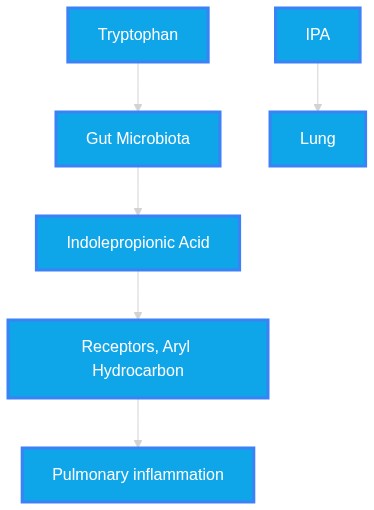
COPD Dietary Idea: According to PubMed literature, he following lunchtime meal plan provides nutrients needed for production and regulation of tryptophan and 3-IPA and may help reduce COPD flare-ups, while also providing mucosal support for clearance of debris from the lungs: -2x slices sourdough bread, lightly spread with extra virgin olive oil, garlic, and ginger, with 2x slices of cooked turkey and spinach, with nutritional yeast and hi-maize corn starch mixed into the EVOO (for mucosal system support) -a spinach-based salad with 1 Tbsp EVOO -3 oz pomegranate juice mixed with 3 oz cherry juice
Plausibility Verdicts
The provided diet is rich in nutrients known to support the gut-lung axis (e.g., tryptophan, prebiotics, antioxidants); however, clinical evidence for this exact meal plan as a tool to prevent exacerbations is currently speculative and requires direct validation.
Dataset Summary
Novel & Overlooked Insights
- Tryptophan-rich diets, when combined with gut microbiota-remodeling agents, have shown potential in reducing sterile lung ischemia-reperfusion injury and suppressing pulmonary inflammation.
- The "fibre gap" in COPD patients is a significant clinical target, as complex carbohydrates serve as substrates for gut microbiota to synthesize SCFAs and indole derivatives that protect the lung-gut axis.
- Intestinal permeability and endotoxemia are linked to COPD disease progression; restoring barrier integrity via nutritional support can modulate systemic inflammation.
- Carotenoid status in low-income COPD populations correlates with better health scores and lower frequency of severe exacerbations.
- IPA, an intestinal microbial metabolite, is specifically linked to the preservation of the posterior blood-retinal barrier and acts as a beneficial regulator in diabetic retinopathy and pulmonary models.
Extracted Discoveries
- Test the effect of the proposed meal plan on fecal IPA and SCFA concentration in COPD patients using a randomized crossover study design.
- Evaluate the impact of the described meal plan components on airway epithelial barrier integrity using a lung-gut-on-a-chip model.
- Quantify the change in inflammatory markers (TNF-a, IL-6) in COPD patients adhering to the proposed meal plan versus standard dietary guidance.
- Longitudinal intervention trial measuring the gut microbiome diversity and respiratory function in COPD patients receiving the specified nutritional protocol over 12 months.
- Cross-sectional survey comparing the dietary antioxidant quality score (DAQS) and gut-derived indole levels in stable COPD patients versus those presenting with exacerbations.
- Discovered Hypothesis (A to C): Microbiota-derived indole metabolites protect against emphysema-associated mitochondrial dysfunction by modulating mitophagy in alveolar type 2 (AT2) cells.
Literature A (Origin): ID 42579796 (Polymerized Z-AAT proteins in AT2 cells cause mitochondrial dysfunction and impaired autophagy/mitophagy).
Literature C (Target): ID 42584152 / 41741429 (Indole metabolites like IPA/ILA are proven to restore mitochondrial function and stimulate repair/regeneration via AhR and metabolic signaling).
The Intersecting Bridge B: Aryl hydrocarbon receptor (AhR) activation and restoration of mitochondrial fatty acid oxidation.
Biological Rationale: Polymerized proteins induce ER stress and mitochondrial failure in COPD-associated emphysema. AhR activation by indole metabolites, which is known to boost epithelial repair and barrier integrity, potentially counteracts these toxic accumulation-driven organelle defects.
- There is a minor potential conflict between the protective hypothesis of some nutritional interventions (e.g., NUTRECOVER protocol) and the finding in ID 40481968 that three months of multi-nutrient supplementation was insufficient to show changes in microbiome composition, suggesting long-term compliance is the critical variable.
- High-fiber dietary protocols, specifically using hi-maize or FOS/FBTB (Fu Brick Tea), are repositioned as microbiome-targeted strategies to reduce systemic inflammation and airway obstruction in COPD patients by increasing local luminal production of tryptophan-derived metabolites (IPA/IAA) which activate the AhR signaling pathway.
PathMap is funded by sales of datasets and coversheets to researchers of any kind who wish to discover the most viable routes and paths to accelerate cures. We do not make theoretical molecules, we expose the truth in current PubMed literature. Commission a trace today.
PathMap Scores
How are these metrics evaluated?
Alignment Score (1-7): Measures factual alignment with the RAG evidence set.
[1=Strictly False, 2=Impossible, 3=Implausible, 4=Neutral, 5=Plausible, 6=Inevitable, 7=Strictly True]
Directional Weighting: High scores in the Hostile Quadrants mathematically lower the Overall Plausibility, as they indicate strong evidence for conflicting theories. Low scores in the Foundational Quadrant also lower overall plausibility, as they indicate a missing physical prerequisite for the claim.
Veridicality Audit Report
All Extracted Datapoints
Evaluated Perspectives & Quadrants
CLAIM EVALUATED
The proposed meal plan (turkey, sourdough, EVOO, spinach, garlic, ginger, nutritional yeast, hi-maize corn starch, pomegranate juice, cherry juice) provides sufficient nutrients to regulate tryptophan and 3-IPA metabolism and reduce COPD exacerbations while supporting mucosal clearance.CLINICAL BOTTOM-LINE / REWRITTEN CLAIM
While the diet contains high-quality components associated with COPD and gut-lung axis health (tryptophan sources, prebiotics, and antioxidants), clinical data specifically linking this precise "lunchtime meal plan" to COPD exacerbation reduction or respiratory mucus clearance are currently insufficient. Evidence supports that dietary tryptophan, fiber (prebiotics), and antioxidants are beneficial, but therapeutic success depends on long-term systemic intake, and the gut-lung axis requires stable, diverse microbial ecosystems that are not guaranteed by single meals.RISK VS REWARD & JUSTIFICATION
The reward of this diet lies in the inclusion of tryptophan-rich foods (turkey) and fermentable substrates (spinach, hi-maize/resistant starch) that support gut-derived metabolites like indole-3-propionic acid (IPA), which demonstrate clear protective effects on epithelial barrier integrity and lung inflammation. However, the risk is a potential overestimation of efficacy, as clinical interventions often show that three months of nutrient supplementation is insufficient to modify the microbiome in established COPD patients.Novel & Overlooked
EVIDENCE, METHODOLOGY & CITATIONS
1. ID: 42352300 - Application: Tryptophan metabolites are key gut-derived mediators of lung health. - "Several colonic microbiota metabolites, including the short-chain fatty acids acetate, propionate, and butyrate, together with the tryptophan metabolites indole-3-acetate and indole-3-propionate, secondary bile acids, and the polyamines spermidine and putrescine, are transported to the lungs via the gut-lung axis." 2. ID: 41993317 - Application: Tryptophan-rich diets improve lung outcomes through IPA. - "A Trp-Rich diet attenuated sterile lung IR injury, coinciding with gut microbiota remodeling, increased systemic and pulmonary IPA, reduced inflammatory priming, and reprogrammed AM responses." 3. ID: 42451046 - Application: Dietary tryptophan supports barrier function. - "Dietary Try supplementation decreased circulating LPS levels, suppressed pulmonary TLR4/NF-κB signaling, upregulated AhR/interleukin-22 expression, attenuated oxidative stress and improved the capillary-epithelial barrier integrity in DSS-treated mice." 4. ID: 31737344 - Application: Fiber intake addresses the "fibre gap" in COPD. - "By addressing the 'fibre gap' in the diet of COPD patients, this targeted dietary intervention may reduce inflammation, both systemically and in the airways, and value-add to the paradigm shift in respiratory medicine, from reactive to personalised and participatory medicine." 5. ID: 40481968 - Application: Limitations of short-term dietary intervention. - "Three months of multi-nutrient supplementation is insufficient to show changes in microbiome composition." 6. ID: 42609350 - Application: Protective effects of specific nutraceuticals in COPD models. - "RES significantly alleviated airflow limitation and improved pulmonary function in COPD models (FEV0.3/FVC: SMD = 1.79, 95% CI [0.94, 2.63], P < 0.0001; lung compliance: SMD = 1.63, 95% CI [0.92, 2.33], P < 0.00001)." 7. ID: 41655865 - Application: IPA and AhR signaling in metabolic inflammation. - "Mechanistically, LE elevated both serum and intestinal IPA levels, increased expression of the aryl hydrocarbon receptor (AhR), and decreased phosphorylation of NF-κB." 8. ID: 42131229 - Application: Carbohydrate structure affects metabolite output. - "The monosaccharide composition, glycosidic linkage type, degree of branching, and degree of polymerization of complex carbohydrates can affect colonic fermentation kinetics and further alter the production ratio of SCFAs and tryptophan metabolites." 9. ID: 41741429 - Application: Microbial conversion of Trp to IPA. - "B. coccoides-derived indole-3-lactic acid (ILA), a tryptophan (Trp) metabolite, is converted into indole-3-propionic acid (IPA) by commensal bacteria such as P. russellii or C. sporogenes, stimulating IEC BHB synthesis." 10. ID: 41198173 - Application: IPA as a biomarker of intestinal and retinal health. - "T2D individuals with DR demonstrated elevated serum markers of endotoxemia and intestinal barrier disruption while showing reduced levels of the beneficial metabolite IPA and elevated levels of the toxic metabolite indole sulfate." 11. ID: 42099620 - Application: Tryptophan derivatives and immune differentiation. - "Microbial metabolites, particularly short-chain fatty acids (acetate, propionate, butyrate) and tryptophan derivatives (indole-3-lactic acid, indole-3-propionic acid), serve as key molecular mediators that regulate regulatory T cells differentiation, reinforce mucosal barriers, and modulate distal airway inflammation." 12. ID: 40751356 - Application: Probiotic modulation of tryptophan metabolism. - "B. breve M-16V supplementation was found to alleviate CMA symptoms, reverse Th2-biased immune response, and enhance intestinal barrier function." 13. ID: 42551547 - Application: Complexity of tryptophan effects in cancer and immunity. - "Importantly, Trp metabolites may exert either tumor-promoting or tumor-suppressive effects depending on microbial composition, metabolite concentration, receptor usage, immune contexture, tumor type, and therapeutic setting." 14. ID: 41758665 - Application: Dietary tryptophan dependency for lung injury protection. - "Murine dietary interventions demonstrated that high tryptophan intake alleviated ALI severity, whereas deficiency exacerbated injury, with protection being gut microbiota dependent." 15. ID: 42345645 - Application: Physiological monitoring via ultrasound. - "Pre-treatment VDI differed significantly between oxygen saturation groups, with the highest values in the most hypoxemic patients (p = 0.028)." 16. ID: 42426728 - Application: Swallowing dysfunction as a clinical parameter in COPD. - "Swallowing-related parameters assessed using clinical screening tools were associated with symptom severity (mMRC and CAT) and weight loss in patients with COPD." 17. ID: 42387971 - Application: Muscle oxygenation recovery in COPD. - "In COPD patients, the greater the difference in oxygen saturation (SpO2) levels before and after 6MWT, and the lower the haemoglobin level, the longer the T½ recovery time (p < 0.05)." 18. ID: 42345645 - Application: VDI response to treatment. - "VDI decreased significantly after treatment in all groups (p < 0.001 for all), with the greatest reduction in the <80% group." 19. ID: 42589207 - Application: Antioxidant mechanism of Quercetin. - "Quercetin inhibits oxidative stress by scavenging reactive oxidant species and promoting expression of antioxidant enzymes." 20. ID: 42515776 - Application: Physiological barriers to pulmonary drug delivery. - "However, their effectiveness is often limited by physiological and biopharmaceutical barriers, such as mucociliary clearance, enzymatic degradation, and nonspecific deposition, which reduce drug retention and bioavailability." 21. ID: 42584416 - Application: Prevotella in lung homeostasis. - "Clinical studies have drawn associations between Prevotella abundance and lung homeostasis, indicating potential relationships between Prevotella and lung inflammation, infection defense, and lung function." 22. ID: 42471737 - Application: Inflammatory markers in surgical outcomes. - "Preoperative inflammatory markers were significantly higher in patients with complications (NLR: 3.55 ± 1.07 vs. 1.79 ± 0.54, PLR: 156 ± 47 vs. 120 ± 36, SII: 825 ± 248 vs. 548 ± 164; all p < 0.001)." 23. ID: 42430863 - Application: Pragmatic bedside tools for COPD. - "The Roth score and the DSS show high sensitivity in determining discharge decisions for patients with ECOPD presenting at the ED, thus offering a swift and pragmatic solution for discharge decisions." 24. ID: 42347119 - Application: Cadmium toxicity in Parkinson's and COPD. - "Cd (II) deposits in the midbrain, causing the accumulation of inflammatory lipids, which promote neuronal destruction." 25. ID: 42589600 - Application: Shared genetic architecture in lung disease. - "These findings support a shared epithelial-immune and cytokine-regulatory genetic architecture across major chronic lung diseases and nominate biologically coherent candidate genes and pathways for future functional and translational studies." 26. ID: 42589213 - Application: Molecular docking of Alzheimer's drugs. - "Docking to tryptophan-2,3-dioxygenase (TDO2), indoleamine-2,3-dioxygenase-1 (IDO1) and 2-amino-3-carboxymuconic acid-6-semialdehyde decarboxylase was seen with most of the AlzD drugs." 27. ID: 42588172 - Application: Sheep yogurt scoping review. - "No eligible study directly tested sheep yogurt or a defined sheep yogurt preparation in ALD-relevant experimental or clinical settings." 28. ID: 42584152 - Application: Fu Brick Tea and obesity. - "Overall, FBTB prevents obesity may be through modulating the gut microbiota-tryptophan-IL-22 axis to reduce intestinal lipid accumulation." 29. ID: 42583687 - Application: GP96 in COPD ERS. - "GP96 overexpression inhibits ERS-induced apoptosis, oxidative stress and inflammation in nicotineinduced in vitro COPD model through potentiating ERK activation." 30. ID: 42582728 - Application: Signaling pathways in COPD therapeutics. - "Mechanistic research indicates NF-kB, MAPK, Nrf2, and cytokine signaling pathways as typical therapeutic targets." 31. ID: 42580260 - Application: SVOC exposure in COPD. - "Current evidence supports respiratory relevance of several SVOC classes but is insufficient to establish SVOCs as causal drivers of COPD progression." 32. ID: 42580208 - Application: XYS antidepressant mechanism. - "XYS treatment significantly ameliorated depressive-like behaviors and restored functional connectivity within emotion-regulation brain networks." 33. ID: 42480452 - Application: F-53B and gut-brain dysfunction. - "Mechanistically, F-53B compromised intestinal barrier integrity, as evidenced by reduced occludin expression and disrupted ZO-1 continuity, accompanied by elevated circulating lipopolysaccharide (LPS) and a systemic pro-inflammatory cytokine shift." 34. ID: 42183220 - Application: Gut-lung axis framework. - "The gut-lung axis provides a conceptual and mechanistic framework through which intestinal microbial alterations influence pulmonary immunity." 35. ID: 42599029 - Application: IAA in Thyroid Eye Disease. - "The tryptophan metabolite IAA alleviates OF fibrosis via AHR signaling, suggesting a potential protective role in treating TED." 36. ID: 42605395 - Application: Predicting mortality in COPD exacerbations. - "Multivariable logistic regression identified age, male sex, urea, albumin, C-reactive protein (CRP), and Charlson Comorbidity Index as independent predictors of in-hospital mortality." 37. ID: 42591698 - Application: Interactome definition. - "The concept of the interactome redefines disease outcome as the product of a dynamic and reciprocal dialogue among host immune status, gut microbiota structure and function, and pathogen virulence expression." 38. ID: 41983071 - Application: CONUT score prognostic value. - "A higher CONUT score at admission is an independent risk factor for increased 3-year all-cause mortality in elderly hospitalized patients with AECOPD." 39. ID: 41675387 - Application: Composite index for AF in COPD. - "Lower ALI and higher CONUT scores were significantly associated with a higher prevalence of AF in COPD patients." 40. ID: 42002172 - Application: Fucoidan in lung inflammation. - "UPF-10 treatment significantly alleviated lung injury, and fibrosis, and reduced lung and thymus indices." 41. ID: 42287819 - Application: Tryptophan metabolism and asthma. - "MXSG significantly alleviated pulmonary inflammation, reduced bronchoalveolar lavage eosinophils and improved histopathology." 42. ID: 42351673 - Application: Dyspnea severity in PRISm. - "Dyspnea severity was significantly higher in the PRISm phenotype." 43. ID: 42152362 - Application: AutoML for malnutrition prediction. - "After feature selection via Least Absolute Shrinkage and Selection Operator (LASSO) regression, the H2O AutoML platform was employed to train and compare models across 6 algorithm families." 44. ID: 42596503 - Application: Carbocisteine in muco-obstructive disease. - "Short-term carbocisteine administration significantly reduced airway mucus obstruction, potentially through decreased concentrations of Muc5ac and Muc5b." 45. ID: 42568577 - Application: Airway epithelial-immune axis. - "Exposure to environmental allergens, pollutants, and respiratory pathogens disrupts epithelial tight junctions and triggers the rapid release of key alarmins, including TSLP, IL-33, and IL-25." 46. ID: 42547963 - Application: Potassium channels in airway epithelium. - "The airway epithelium expresses a diverse array of K+ channels that regulate key functions such as transepithelial ion transport, ciliary beating, and mucus secretion." 47. ID: 42529321 - Application: NIV in bronchiectasis. - "In this context, non-invasive mechanical ventilation (NIV) emerges as an intervention with high biological plausibility as an adjunct during physical training." 48. ID: 42390593 - Application: Non-invasive ventilation in COPD exacerbations. - "Non-invasive ventilation (primarily CPAP and BiPAP) has a well-established role in acute cardiogenic pulmonary edema and COPD exacerbations, reducing intubation rates and mortality." 49. ID: 42528645 - Application: Gut-lung axis and queuine. - "Serum queuine concentrations increased stepwise from healthy controls to COPD, were higher in CH than CL, and were highest in COPD complicated by lung cancer." 50. ID: 42039182 - Application: Pediatric post-COVID condition. - "We discuss the potential role of persistent SARS-CoV-2 viral reservoirs in "sanctuary sites" like the gastrointestinal tract and the reactivation of latent viruses such as Epstein-Barr virus (EBV)."Verbatim Quote Audit Console
Mapped Reference Directory (APA)
- [1] ID: 42352300 - Beyoğlu D, Idle JR (2026). The Gut-Lung Microbiome Crosstalk and Pulmonary Disease.. Biomolecules. ID: 42352300.
- [2] ID: 41993317 - Chaki T, Maruyama D, Doan TN, Xiaoli T, Prakash A (2026). Dietary tryptophan mitigates lung ischemia-reperfusion injury via microbiota-derived indole-3-propionate and aryl hydrocarbon receptor signaling.. bioRxiv : the preprint server for biology. ID: 41993317.
- [3] ID: 42451046 - Lai HC, Shirakawa H, Agista AZ, Hao YP, Yang SC et al. (2026). Dietary Tryptophan Supplementation Attenuates Lipopolysaccharide-Induced Acute Lung Injury in a Murine Model of Colitis.. Nutrients. ID: 42451046.
- [4] ID: 31737344 - Vaughan A, Frazer ZA, Hansbro PM, Yang IA (2019). COPD and the gut-lung axis: the therapeutic potential of fibre.. Journal of thoracic disease. ID: 31737344.
- [5] ID: 40481968 - van Iersel LEJ, Beijers RJHCG, Simons SO, Schuurman LT, Shetty SA et al. (2025). Characterizing gut microbial dysbiosis and exploring the effect of prebiotic fiber supplementation in patients with COPD.. European journal of nutrition. ID: 40481968.
- [6] ID: 42609350 - Wang S, Wei X, Wang Y, Zhang M, Hu Y et al. (2026). Protective effects of resveratrol in animal models of chronic obstructive pulmonary disease: a preclinical systematic review and meta-analysis.. Frontiers in pharmacology. ID: 42609350.
- [7] ID: 41655865 - Xi T, Jiang W, Luo Z, Ouyang J, Yang J (2026). Leonurine alleviates HFD-induced inflammation and dyslipidemia via modulating gut microbiota-derived indole-3-propionic acid signaling.. The Journal of nutritional biochemistry. ID: 41655865.
- [8] ID: 42131229 - Chen G, Chen Y, Chu C, Zhu X (2026). Mechanisms by which complex carbohydrates influence immune imbalance in COPD via the gut-lung axis: from colonic fermentation to pulmonary immune responses.. Frontiers in nutrition. ID: 42131229.
- [9] ID: 41741429 - Zhang Y, Meng J, Tu S, Ma L, Zhao X et al. (2026). A microbiota-IPA axis facilitates intestinal stem cell-mediated regeneration in colitis through a Hopx-associated program.. Nature communications. ID: 41741429.
- [10] ID: 41198173 - Prasad R, Adu-Rutledge Y, Ziani B, Floyd JL, Ready EL et al. (2026). Indole-3-propionic acid links gut dysfunction to diabetic retinopathy: a biomarker and novel therapeutic approach.. Gut. ID: 41198173.
- [11] ID: 42099620 - Mo M, Chen L, Wang Y, Lin X, Li H et al. (2026). The gut-lung axis in childhood asthma: from early-life programming to microbiome-informed precision medicine-a narrative review.. Frontiers in immunology. ID: 42099620.
- [12] ID: 40751356 - Shao H, Min F, Bai T, Wang Z, Liu Y et al. (2026). Bifidobacterium breve M-16V Alleviates Cow's Milk Allergy in a Mouse Model via Gut Microbiota-Derived Indole-3-Propionic Acid-Aryl Hydrocarbon Receptor Signaling Axis.. Allergy. ID: 40751356.
- [13] ID: 42551547 - Yang R, He K, Yang Y, Teng L (2026). Microbial influence on tryptophan metabolism in tumors:Mechanisms and potential clinical applications.. Biochimica et biophysica acta. Molecular basis of disease. ID: 42551547.
- [14] ID: 41758665 - Tang S, Zhang J, He Z, Liu G, Nie S et al. (2026). Microbial metabolite oxindole curbs acute lung injury by suppressing CXCL13.. Proceedings of the National Academy of Sciences of the United States of America. ID: 41758665.
- [15] ID: 42345645 - Sönmez BM, Şirin İ, Akçay G, Özdemir M, Güner NG (2026). Vertical Displacement Index and Early Treatment-Related Physiological Improvement in Acute Respiratory Failure: An Exploratory Ultrasound-Based Study.. Advances in respiratory medicine. ID: 42345645.
- [16] ID: 42426728 - Demir Yazici S, Söyler AK, Uçar HA (2026). The relationship between swallowing function and clinical parameters in patients with chronic obstructive pulmonary disease.. BMC pulmonary medicine. ID: 42426728.
- [17] ID: 42387971 - Kerget B, Çınar İ, Çelik K, Özkan HB, Çetin SM (2026). Impaired muscle oxygenation recovery kinetics during the 6-min walk test in COPD and smokers: A near-infrared spectroscopy study.. Clinical physiology and functional imaging. ID: 42387971.
- [18] ID: 42589207 - Sarkar P, Sajjan U (2026). Quercetin in COPD: A Multi-Target Approach to Modulate Inflammation, Oxidative Stress, and Epithelial Dysfunction.. International journal of molecular sciences. ID: 42589207.
- [19] ID: 42515776 - Alradwan IA, Allabban SA, Aleissa AS, Alqahtani NM, Alghamdi HA et al. (2026). Pulmonary Drug Delivery in the Era of Nanomedicine: From Biological Barriers to Artificial Intelligence-Driven Optimization.. Pharmaceuticals (Basel, Switzerland). ID: 42515776.
- [20] ID: 42584416 - Stoner SN, Fairbanks-Mahnke A, Clark SE (2026). Prevotella in the airway: implications for lung health and pathogen defense mediated by Prevotella-host interactions.. Journal of bacteriology. ID: 42584416.
- [21] ID: 42471737 - Vezir Ö, Tekin EE (2026). Predictive value of preoperative hematologic inflammation indices (NLR, PLR, SII) and clinical risk factors in predicting postoperative pulmonary complications after elective isolated on-pump coronary artery bypass grafting: a retrospective cohort study of 1034 patients.. Journal of cardiothoracic surgery. ID: 42471737.
- [22] ID: 42430863 - Yazıcı MM, Ataş İ, Yılmaz GN, Tatar SD, Çakır AN et al. (2026). Evaluating the Roth and Dyspnea severity score for emergency department discharge in exacerbations of chronic obstructive pulmonary disease.. The American journal of emergency medicine. ID: 42430863.
- [23] ID: 42347119 - Aksic M, Cirovic A, Orisakwe OE, Djulejic V, Puty B et al. (2026). Cadmium-Induced Toxicity as a Pathophysiological Mechanism for Parkinson's Disease Onset in Individuals with Iron and Zinc Deficiencies and Chronic Obstructive Pulmonary Disease.. Neurology international. ID: 42347119.
- [24] ID: 42589600 - Liao CC, Liao KR, Li JM (2026). Integrative Multivariate Genomics Identifies Shared Epithelial-Immune and Cytokine-Regulatory Mechanisms Across Major Chronic Lung Diseases.. International journal of molecular sciences. ID: 42589600.
- [25] ID: 42589213 - Badawy AAB, Dawood S, Clanchy FIL, Williams RO, Stone TW (2026). Docking Analysis of Drugs Used in the Treatment of Alzheimer's Disease, Using Cell Membrane Receptors and Enzymes of the Kynurenine Pathway: A Pilot Study.. International journal of molecular sciences. ID: 42589213.
- [26] ID: 42588172 - Wu Y, Zhao Y, Yao W, Yang Y, Bai H et al. (2026). Gut-Liver Axis Dysfunction in Alcohol-Associated Liver Disease and the Potential Role of Sheep Yogurt: A Scoping Review and Mechanistic Framework.. Nutrients. ID: 42588172.
- [27] ID: 42584152 - Li J, Li T, Ma J, Liu Z, Tian X et al. (2026). Theabrownin from Fu Brick Tea Ameliorates Obesity via Modulating Tryptophan Metabolism and Downregulating Intestinal Lipid Transporters.. Journal of agricultural and food chemistry. ID: 42584152.
- [28] ID: 42583687 - Xue L, Wang Y, Yang T, Yang W, Liu Y et al. (2026). How GP96 upregulation shields against COPD: mitigating endoplasmic reticulum stress-induced cellular damage via p38/ERK pathway activation.. General physiology and biophysics. ID: 42583687.
- [29] ID: 42582728 - Al Obaidi G, Saleeby Y, Varon J, Durzynski N, Tuszynki J et al. (2026). Beyond Conventional Treatment: Herbal Medicine and Nutraceuticals as Complementary Therapies for COPD and Asthma.. The open respiratory medicine journal. ID: 42582728.
- [30] ID: 42580260 - Fan Y, Zhou H, Fan X, Su J, Koutrakis P et al. (2026). Environmental exposure to semi-volatile organic compounds and COPD progression: Evidence mapping, exposure assessment and metabolomic insights.. Ecotoxicology and environmental safety. ID: 42580260.
- [31] ID: 42580208 - Chen Q, Li S, Fu S, Mo C, Huang S et al. (2026). Xiaoyao San exerts antidepressant effects via the gut microbiota-brain axis: An integrative fMRI and multiomics study.. Journal of pharmaceutical and biomedical analysis. ID: 42580208.
- [32] ID: 42480452 - Shan X, Shi L, Zhu T, Liang X, Yang J et al. (2026). Microbial tryptophan-IPA axis mediates 6:2 chlorinated polyfluorinated ether sulfonate (6:2Cl-PFESA)-induced gut-brain dysfunction and neurobehavioral impairments.. Environment international. ID: 42480452.
- [33] ID: 42183220 - Zhang L, Wu L, Shi C, Huang Q, Zhan L et al. (2026). The role of intestinal microbiota in the pathogenesis of childhood asthma.. Frontiers in immunology. ID: 42183220.
- [34] ID: 42599029 - Wang Y, Wang B, Xie M, Li Y, Gong Y et al. (2026). Gut Microbial Metabolite Indole-3-Acetic Acid Exerts Protective Effects by Regulating Orbital Fibroblast Fibrosis in Thyroid Eye Disease.. Investigative ophthalmology & visual science. ID: 42599029.
- [35] ID: 42605395 - Fırat A, Akbulut M, Toptaş Fırat B, Aykaç İbişoğlu A (2026). Development and Internal Validation of a Multivariable Prognostic Model for in-Hospital Mortality in Critically Ill Patients with Acute Exacerbation of COPD.. International journal of chronic obstructive pulmonary disease. ID: 42605395.
- [36] ID: 42591698 - Huang H, Yang M, Tan L, Fu Z (2026). Decoding the gut interactome after severe trauma: from molecular dialogue to integrative treatment strategies.. Frontiers in microbiology. ID: 42591698.
- [37] ID: 41983071 - Li S, Wang M, Yan J, Ban C (2026). Association between controlling nutritional status (CONUT) and all-cause mortality in elderly hospitalized patients with acute exacerbation of chronic obstructive pulmonary disease: a retrospective cohort study.. Frontiers in nutrition. ID: 41983071.
- [38] ID: 41675387 - Xu H, Zheng Y, Li T, Mei Y, Yang M et al. (2026). Association of the advanced lung cancer inflammation index and controlling nutritional status score with atrial fibrillation in COPD patients: a multicenter cross-sectional study.. Frontiers in nutrition. ID: 41675387.
- [39] ID: 42002172 - Li S, Zheng W, Ren X, Song S, Ai C (2026). Fucoidan from Undaria pinnatifida suppresses Enterococcus faecium-induced pro-inflammatory macrophage polarization and lung injury in mice via modulation of the gut-lung axis.. International journal of biological macromolecules. ID: 42002172.
- [40] ID: 42287819 - Lv M, Wang C, Hong Y, Ye F, Cao X et al. (2026). Ma-Xing-Shi-Gan decoction alleviates allergic asthma by modulating the gut microbiota-tryptophan metabolism-ILC2 axis.. Phytomedicine : international journal of phytotherapy and phytopharmacology. ID: 42287819.
- [41] ID: 42351673 - Ari M, Ari E, Çinar E, Ertürk H, Çelik D et al. (2026). Clinical and Radiological Characteristics of Symptomatic Emphysema Patients with PRISm and Pre-COPD Phenotypes: Possible Effects of Smoking Status.. Biomedicines. ID: 42351673.
- [42] ID: 42152362 - Guo H, Zhou T, Li S, Yu Y, Han X et al. (2026). Development and external validation of a malnutrition risk prediction model for elderly patients with stable chronic obstructive pulmonary disease using automated machine learning.. Medicine. ID: 42152362.
- [43] ID: 42596503 - Ferris P, Brown R, McKelvey M, McAuley DF, Mall MA et al. (2026). Carbocisteine Reduces Airway Mucus Obstruction and Alters Inflammatory Cell Populations in a Model of Muco-Obstructive Lung Disease.. Immunology and cell biology. ID: 42596503.
- [44] ID: 42568577 - Zhu Z, Li Q, Hua B (2026). The airway epithelial-immune axis: mechanisms and therapeutic implications.. Frontiers in immunology. ID: 42568577.
- [45] ID: 42547963 - Villanueva S, Vera E, Apablaza T, Catalán MA, Flores CA (2026). Potassium Channels of the Airway Epithelium.. Acta physiologica (Oxford, England). ID: 42547963.
- [46] ID: 42529321 - Herrera-Vargas JS, Gomez-Vega CJ (2026). Non-invasive mechanical ventilation as an adjunct to pulmonary rehabilitation in patients with bronchiectasis: a pathophysiological perspective.. Frontiers in rehabilitation sciences. ID: 42529321.
- [47] ID: 42390593 - Vieux T, Marjanovic N, Ward A Maia I, Boyaci Dundar N, Mikkelsen S et al. (2026). Prehospital airway and ventilatory management: a collaborative and narrative review.. Intensive care medicine. ID: 42390593.
- [48] ID: 42528645 - Han Y, Mu Z, Wang L, Xu Y, Chen S et al. (2026). Gut microbiota dysbiosis in COPD patients increases the level of queuine in the blood serum abnormally enhancing the viability of lung epithelial cells.. Frontiers in immunology. ID: 42528645.
- [49] ID: 42039182 - Lap CR, van Houten M, Bogaert D, Biesbroek G (2026). A perfect storm: the immunological and pathophysiological landscape of pediatric post-COVID-19 condition.. Frontiers in immunology. ID: 42039182.
Abstract Repository (Raw Full-Texts) Show Database Collapse Database
ID: 31737344
Title: COPD and the gut-lung axis: the therapeutic potential of fibre.
Abstract: Current management strategies for chronic obstructive pulmonary disease (COPD) incorporate a step-wise, multidisciplinary approach to effectively manage patient symptoms and prevent disease progression. However, there has been limited advancement in therapies to address the underlying cause of COPD pathogenesis. Recent research has established the link between the lungs and the gut-the gut-lung axis -and the gut microbiome is a major component. The gut microbiome is likely perturbed in COPD, contributing to chronic inflammation. Diet is a readily modifiable factor and the diet of COPD patients is often deficient in nutrients such as fibre. The metabolism of dietary fibre by gut microbiomes produces anti-inflammatory short chain fatty acid (SCFAs), which could protect against inflammation in the lungs. By addressing the 'fibre gap' in the diet of COPD patients, this targeted dietary intervention may reduce inflammation, both systemically and in the airways, and value-add to the paradigm shift in respiratory medicine, from reactive to personalised and participatory medicine.
View on PubMed
ID: 40481968
Title: Characterizing gut microbial dysbiosis and exploring the effect of prebiotic fiber supplementation in patients with COPD.
Abstract: Chronic Obstructive Pulmonary Disease (COPD) is associated with poor dietary quality that may lead to gut microbiota imbalances. A healthy gut microbiome contributes to metabolic health and immune function through production of metabolites like short-chain fatty acids. Prebiotic fibers positively influence microbiota by promoting the production of beneficial metabolites. This study aimed to assess altered gut microbiota composition in patients with COPD and to explore the effects of targeted multi-nutrient supplementation including prebiotic fibers on these outcomes. An exploratory analysis was performed within the double-blinded placebo-controlled NUTRECOVER-trial to gain preliminary insights into the effects of the nutritional intervention. The cross-sectional baseline comparison included 32 patients with COPD and 32 age-matched healthy references. Subsequently, patients were randomly assigned to a multi-nutrient supplement including prebiotic fibers, vitamin D, tryptophan, and N-3 long-chain poly unsaturated fatty acids (n = 16) or placebo (n = 16) for three months. Stool samples, blood samples and food diaries were obtained before and after the intervention. Higher relative abundance of Bacteroidota (0.50 ± 0.13 vs. 0.41 ± 0.14, p = 0.010), and lower Firmicutes (0.40 ± 0.14 vs. 0.49 ± 0.12, p = 0.007) were found in patients compared with healthy controls. Patients also showed lower alpha diversity (5.80 ± 0.32 vs. 5.99 ± 0.30, p = 0.017) and higher inter-individual variability (0.51 ± 0.16 vs. 0.48 ± 0.10, p < 0.001). No effects of the nutritional intervention on gut microbiome and systemic inflammation were shown at 3 months. Patients with COPD exhibit differences in gut microbiota composition compared with healthy controls. Three months of multi-nutrient supplementation is insufficient to show changes in microbiome composition. The ongoing NUTRECOVER-trial will show the potential of long-term prebiotic fiber supplementation in this susceptible patient population. clinicaltrials.gov: NCT03807310.
View on PubMed
ID: 40751356
Title: Bifidobacterium breve M-16V Alleviates Cow's Milk Allergy in a Mouse Model via Gut Microbiota-Derived Indole-3-Propionic Acid-Aryl Hydrocarbon Receptor Signaling Axis.
Abstract: Gut microbiota plays a crucial role in the development of food allergy (FA), and probiotic intervention is a promising therapeutic strategy targeting the gut microbiota. Previous investigations have reported that some Bifidobacterium species mitigate FA by regulating the microbial composition and metabolic functions. However, the key metabolites and potential mechanisms remain poorly understood. We aim to investigate the alleviating effect of Bifidobacterium breve (B. breve) M-16V on cow's milk allergy (CMA) and elucidate the underlying molecular mechanism. We evaluated the mitigation effect of B. breve M-16V on CMA using a BALB/c mouse model, combined with 16S rRNA sequencing, transcriptome sequencing, and metabolomics to determine the key metabolites and explore their molecular mechanisms. B. breve M-16V supplementation was found to alleviate CMA symptoms, reverse Th2-biased immune response, and enhance intestinal barrier function. It was demonstrated that these positive effects of B. breve M-16V depended upon its cooperation with the original gut microbes. This contributed to promoting the expansion of tryptophan-metabolizing bacteria, regulating the tryptophan metabolism function of the host and the indole derivatives production by intestinal microbiota, especially increasing indole-3-propionic acid (IPA) level. Moreover, the results further indicated that IPA improved CMA through activating the aryl hydrocarbon receptor (AhR) signaling pathway, and consistently, the AhR activation was necessary for B. breve M-16V to alleviate CMA. B. breve M-16V ameliorates CMA depending on the activation of AhR signaling by an increase in microbiota-derived IPA, presenting a potential approach for the management of FA.
View on PubMed
ID: 41198173
Title: Indole-3-propionic acid links gut dysfunction to diabetic retinopathy: a biomarker and novel therapeutic approach.
Abstract: Both host and microbe metabolism of tryptophan (Trp) is altered in diabetes; however, the molecular mechanisms are incompletely understood. We used strategies to increase either angiotensin converting enzyme-2 (ACE-2) dependent or independent Trp absorption in a model of type 2 diabetes, db/db mice, and tested whether the strategies could prevent development of diabetic retinopathy (DR), the most common microvascular complication of diabetes. Additionally, we investigated levels of Trp metabolites in humans with and without DR. Enhanced ACE-2 dependent Trp absorption was achieved with gavage of genetically modified bacteria that preserved intestinal ACE2:sodium coupled neutral amino acid transporter expression. ACE-2 independent Trp absorption was achieved by gavage of the Trp dipeptide (Isoleucine-Trp; IW) absorbed via solute carrier family 15 member 1. Both strategies were used either as a prevention (6 months treatment) or intervention (3 months treatment) and at the conclusion, intestinal, metabolic and retinal studies were performed including spatial mass spectroscopy (MS). Plasma Trp metabolites and gut permeability markers were measured in individuals with T2D with (n=30) and without (n=40) DR and compared with healthy controls (n=35). Lactobacillus paracasei-ACE2 or IW treatment prevented DR, corrected dysbiosis, enriched Trp-metabolising bacteria, improved gut barrier integrity, boosted incretin secretion and restored glucose homeostasis in db/db mice. Spatial MS identified indole propionic acid (IPA) as a metabolite in the retinal pigment epithelial layer protecting the posterior blood retinal barrier. T2D individuals with DR demonstrated elevated serum markers of endotoxemia and intestinal barrier disruption while showing reduced levels of the beneficial metabolite IPA and elevated levels of the toxic metabolite indole sulfate. Nutraceutical strategies that restore Trp metabolism or IPA serve as both a biomarker and a treatment for DR.
View on PubMed
ID: 41655865
Title: Leonurine alleviates HFD-induced inflammation and dyslipidemia via modulating gut microbiota-derived indole-3-propionic acid signaling.
Abstract: High-fat diet (HFD) induces metabolic disturbances, in which gut microbiota and metabolites play a critical role. Although leonurine (LE) has demonstrated lipid-lowering effects, whether it ameliorates metabolic disorders through gut microbiota modulation remains unclear. Using 16S rRNA sequencing and untargeted metabolomics, we systematically evaluated the effects of LE on metabolic phenotypes, organ inflammation, intestinal barrier integrity, and the microbiota-metabolite axis in HFD-fed mice. Our results showed that LE significantly suppressed HFD-induced weight gain, dyslipidemia, and elevations in serum pro-inflammatory cytokines (IL-1β, IL-6, TNF-α), while alleviating tissue inflammation and damage in the heart, liver, and kidneys. Furthermore, LE ameliorated HFD-related colon shortening, jejunal villus blunting, and decreased expression of tight junction proteins (ZO-1, Occludin), thereby enhancing intestinal barrier function. Gut microbiota analysis revealed that LE reversed HFD-induced dysbiosis, reduced the Firmicutes/Bacteroidetes ratio, and increased the abundance of beneficial genera such as Bifidobacterium. Metabolomic analysis further indicated that LE reduced intestinal levels of lipid metabolites (fatty acids, glycerides, glycerophospholipids) and markedly increased the content of the microbiota-derived metabolite indole-3-propionic acid (IPA). Correlation network analysis suggested that IPA levels were closely associated with beneficial bacterial abundance and improvements in lipid profiles and inflammatory markers. Mechanistically, LE elevated both serum and intestinal IPA levels, increased expression of the aryl hydrocarbon receptor (AhR), and decreased phosphorylation of NF-κB. Collectively, this study elucidates a novel association in which LE ameliorates HFD-induced metabolic inflammation and organ damage by remodeling the gut microbiota-metabolite axis, with the IPA-AhR pathway potentially playing a central role.
View on PubMed
ID: 41675387
Title: Association of the advanced lung cancer inflammation index and controlling nutritional status score with atrial fibrillation in COPD patients: a multicenter cross-sectional study.
Abstract: The coexistence of chronic obstructive pulmonary disease (COPD) and atrial fibrillation (AF) is common and portends a poorer prognosis. This study evaluated whether the Advanced Lung Cancer Inflammation Index (ALI) and Controlling Nutritional Status (CONUT) score-composite biomarkers of inflammation and malnutrition-are associated with AF prevalence in COPD patients. This multicenter, cross-sectional study included 1,510 hospitalized patients with COPD. AF was diagnosed according to the European Society of Cardiology (ESC) guidelines, encompassing both a documented clinical history and electrocardiographic evidence. The ALI and CONUT scores were calculated from baseline data. Their independent and combined associations with AF were assessed using multivariate logistic regression, restricted cubic splines (RCS), and analyses of joint groups based on optimal cut-off values. Model performance and improvement were evaluated using the area under the receiver operating characteristic curve (AUC), net reclassification improvement (NRI), integrated discrimination improvement (IDI), and decision curve analysis (DCA). The robustness of the findings was further tested through extensive subgroup and sensitivity analyses. Among 1,510 patients with COPD, 425 (28.15%) had AF. After comprehensive adjustment for confounders, both a lower ALI and a higher CONUT score were independently associated with increased odds of AF. A nonlinear, L-shaped relationship was identified for ALI (inflection point: 16.09), while CONUT exhibited a linear, positive association. Patients in the combined "low ALI and high CONUT" group had the highest odds of AF (OR = 2.420, 95% CI: 1.721-3.403). The integration of both indices into the baseline model yielded a statistically significant improvement in discriminative power (AUC: 0.842 vs. 0.835, p = 0.031), accompanied by substantial reclassification improvement (NRI = 0.273, p < 0.001). The findings remained consistent across extensive sensitivity analyses and most clinical subgroups, with a notable interaction observed specifically in patients with pulmonary hypertension. Lower ALI and higher CONUT scores were significantly associated with a higher prevalence of AF in COPD patients. These readily available composite indices, particularly when used in combination, may aid in identifying patients at increased odds of AF, who could be prioritized for further evaluation.
View on PubMed
ID: 41741429
Title: A microbiota-IPA axis facilitates intestinal stem cell-mediated regeneration in colitis through a Hopx-associated program.
Abstract: The gut microbiota plays a crucial role in maintaining intestinal stem cell (ISC) homeostasis and epithelial barrier integrity. Here, we report that Blautia coccoides (B. coccoides) is significantly reduced in inflammatory bowel disease (IBD) patients and dextran sulfate sodium (DSS)-induced colitis mice. Through an integrated approach combining RNA sequencing, metabolomic profiling, and ISC lineage tracing across multiple mucosal injury models, we demonstrate that B. coccoides colonization enhances β-hydroxybutyrate (BHB) production in intestinal epithelial cells (IECs), which activates HOPX⁺ reserve ISCs and promotes regeneration of the LGR5⁺ ISC pool, thereby accelerating epithelial repair. We further show that B. coccoides-derived indole-3-lactic acid (ILA), a tryptophan (Trp) metabolite, is converted into indole-3-propionic acid (IPA) by commensal bacteria such as P. russellii or C. sporogenes, stimulating IEC BHB synthesis. Using an engineered Escherichia coli strain expressing BC-derived phenyllactate dehydrogenase (fldH), we establish that both dietary Trp and bacterial fldH activity are essential for ILA/IPA generation and subsequent mucosal healing. Our findings reveal a microbiota-metabolite-ISC regulatory axis critical for epithelial regeneration and propose novel metabolite-based therapeutic strategies for IBD and other intestinal disorders associated with barrier dysfunction.
View on PubMed
ID: 41758665
Title: Microbial metabolite oxindole curbs acute lung injury by suppressing CXCL13.
Abstract: The gut-lung axis is involved in acute lung injury (ALI) and its fatal sequela, acute respiratory distress syndrome (ARDS), yet the molecular mechanisms governing this crosstalk remain poorly defined. Untargeted metabolomics of plasma revealed significant dysregulation of tryptophan metabolism in ARDS patients compared to healthy controls. Murine dietary interventions demonstrated that high tryptophan intake alleviated ALI severity, whereas deficiency exacerbated injury, with protection being gut microbiota dependent. 16S ribosomal RNA (16S rRNA) gene sequencing revealed marked depletion of a functionally central bacterium Lactobacillus johnsonii (L. johnsonii) during ALI. Supplementation with L. johnsonii or its encapsulated form attenuated ALI, but this required dietary tryptophan sufficiency. Mechanistically, L. johnsonii converts tryptophan into oxindole, which enters pulmonary macrophages, promotes the aryl hydrocarbon receptor-RelA binding, and thereby suppresses RelA-mediated transcriptional activation of C-X-C motif chemokine 13 (CXCL13). Both genetic ablation and pharmacological inhibition of CXCL13 ameliorated ALI symptoms. Importantly, oxindole and CXCL13 levels correlated with ARDS severity in patients, suggesting their clinical relevance. Collectively, these findings define a protective microbiota-dependent gut-lung axis in ALI/ARDS that is mediated by dietary tryptophan-derived oxindole, which acts at least partially through CXCL13 suppression to underscore targetable diet-microbe-metabolite therapeutic paradigms.
View on PubMed
ID: 41983071
Title: Association between controlling nutritional status (CONUT) and all-cause mortality in elderly hospitalized patients with acute exacerbation of chronic obstructive pulmonary disease: a retrospective cohort study.
Abstract: Nutritional status is a crucial modifiable factor that affects the prognosis of patients with chronic obstructive pulmonary disease (COPD). The CONUT score is a useful tool for comprehensively assessing nutritional status. This study aimed to investigate the relationship between the CONUT score at admission and the 3-year all-cause mortality rate among elderly patients hospitalized due to acute exacerbation of chronic obstructive pulmonary disease (AECOPD). This retrospective cohort study consecutively enrolled elderly patients hospitalized for AECOPD in the respiratory department of a tertiary hospital between 2013 and 2019. The CONUT score (based on serum albumin, total lymphocyte count, and total cholesterol) was calculated from initial admission laboratory results, categorizing patients into high-score (CONUT ≥ 5) and low-score (CONUT < 5) groups. The primary outcome was all-cause mortality over 3 years. Hazard ratios (HR) and their 95% confidence intervals (CI) were calculated using Cox proportional hazards regression models. Survival analysis was conducted using Kaplan-Meier curves, and dose-response relationships were explored using restricted cubic splines (RCS). Subgroup analyses were performed to assess the consistency of the association between a high CONUT score (≥5) and all-cause mortality. This study included 931 patients with a median follow-up of 30 months. Patients with a high CONUT score (≥5) had a significantly higher risk of 3-year all-cause mortality compared to those with lower scores (adjusted HR = 2.62, 95% CI: 1.69-4.08, P < 0.001). RCS analysis revealed a non-linear association between CONUT score and mortality (P for non-linearity = 0.003). Subgroup analyses confirmed consistent associations across age, sex, smoking status, admission type, and prior AECOPD history. A higher CONUT score at admission is an independent risk factor for increased 3-year all-cause mortality in elderly hospitalized patients with AECOPD. This finding suggests that the CONUT score may serve as a simple and effective prognostic assessment tool for such high-risk patients, assisting in identifying individuals requiring enhanced nutritional support and management.
View on PubMed
ID: 41993317
Title: Dietary tryptophan mitigates lung ischemia-reperfusion injury via microbiota-derived indole-3-propionate and aryl hydrocarbon receptor signaling.
Abstract: Lung ischemia-reperfusion (IR) injury drives early morbidity after lung transplantation and cardiothoracic surgery, yet targeted preventive therapies are lacking. The gut-lung axis and microbiota-derived tryptophan metabolites, including indole-3-propionate (IPA), may regulate pulmonary immunity and inflammation. We investigated whether a tryptophan-rich (Trp-Rich) diet attenuates sterile lung IR injury by increasing microbiota-derived indole metabolites and reprogramming alveolar macrophage (AM) inflammatory responses. C57BL/6 mice received isocaloric tryptophan-standard (Trp-Std; 0.18%) or Trp-Rich (0.60%) diets for 14 days, then underwent unilateral left lung IR (60 min ischemia followed by 60 min reperfusion). Oxygen saturation, lung cytokines, and aryl hydrocarbon receptor (AhR) signaling readouts ( Cyp1a1 / Cyp1b1 ) were evaluated. Gut microbiota was profiled by 16S rRNA sequencing, and targeted metabolomics quantified tryptophan metabolites in feces, portal vein (PV) plasma, and lung tissue. To further assess inflammatory priming in vivo , mice were additionally challenged with intratracheal lipopolysaccharide (LPS). Mechanistic studies compared IPA with related indole metabolites in MH-S cells and primary human AMs, including ex vivo nutritional IR, LPS stimulation, and AhR stimulation and blockade using synthetic agonists and antagonists. Trp-Rich feeding improved post-IR oxygenation, reduced lung IL-1β, and increased pulmonary Cyp1a1 / Cyp1b1 gene expression. Trp-Rich diet remodeled the gut microbiota, including enrichment of Bifidobacterium and Lactobacillus , and increased IPA levels across feces, PV plasma, and lung tissue, with lower kynurenine/IPA ratios across matrices. In the LPS intratracheal challenge, Trp-Rich feeding reduced IL-6 levels in lung tissue and systemic plasma. Primary murine AMs isolated from Trp-Rich mice also showed reduced IL-1β and IL-6 release in an ex vivo nutritional IR model. Among tested indole metabolites, IPA showed the strongest dose-dependent suppression of LPS-induced cytokines and chemokines in MH-S cells and primary human AMs, remained active in the ex vivo nutritional IR model, and its anti-inflammatory effect was abrogated by AhR blockade and enhanced by co-treatment with other indole metabolites. A Trp-Rich diet attenuated sterile lung IR injury, coinciding with gut microbiota remodeling, increased systemic and pulmonary IPA, reduced inflammatory priming, and reprogrammed AM responses. These data support diet- or microbiome-directed strategies targeting IPA-AhR signaling to mitigate perioperative lung IR injury.
View on PubMed
ID: 42002172
Title: Fucoidan from Undaria pinnatifida suppresses Enterococcus faecium-induced pro-inflammatory macrophage polarization and lung injury in mice via modulation of the gut-lung axis.
Abstract: Bacterial pneumonia remains a major global health challenge, and emerging evidence highlights the gut-lung axis as an important regulator of pulmonary inflammation. This study investigated the protective effects of fucoidan isolated from Undaria pinnatifida (UPF-10) in a mouse model of Enterococcus faecium E745-induced lung inflammation. UPF-10 treatment significantly alleviated lung injury, and fibrosis, and reduced lung and thymus indices. These protective effects were closely associated with decreased neutrophil infiltration, suppression of inflammatory responses, and reduced systemic lipopolysaccharide level. Mechanistically, UPF-10 attenuated oxidative stress by activating the Nrf2 pathway and shifted macrophage polarization away from the pro-inflammatory M1 phenotype. UPF-10 preserved intestinal barrier integrity by restoring tight junction proteins and alleviating intestinal inflammation. Gut microbiota analysis showed that UPF-10 normalized E. faecium-induced microbiota dysbiosis by enriching some beneficial taxa and increasing short chain fatty acids production. Targeted serum metabolomics further showed that UPF-10 partially reversed inflammation-associated metabolic disturbances, particularly tryptophan metabolism, leading to increased circulating kynurenine level. In vitro experiments confirmed that kynurenine promoted an anti-inflammatory macrophage phenotype through activation of aryl hydrocarbon receptor. These findings suggest that UPF-10 can mitigate lung inflammation through modulation of gut-lung axis, supporting its potential as a functional food ingredient for inflammatory lung diseases.
View on PubMed
ID: 42039182
Title: A perfect storm: the immunological and pathophysiological landscape of pediatric post-COVID-19 condition.
Abstract: Pediatric Post-COVID Condition (PPCC) represents a significant and complex long-term sequela of SARS-CoV-2 infection, affecting a subset of children and adolescents even after mild acute disease. While acute COVID-19 is generally milder in children due to a more robust innate immune response, the mechanisms driving the persistence of symptoms in PPCC remain incompletely understood and likely multifactorial. This narrative review synthesizes current epidemiological data and explores the "perfect storm" of immunological and pathophysiological alterations underpinning the condition. We examine critical hypotheses including a dysregulated immune response characterized by altered T-cell subsets, monocyte activation, and autoantibody production. We discuss the potential role of persistent SARS-CoV-2 viral reservoirs in "sanctuary sites" like the gastrointestinal tract and the reactivation of latent viruses such as Epstein-Barr virus (EBV). Furthermore, the review details downstream pathogenic pathways, including vascular endothelial inflammation (thrombo-inflammation), neuroinflammation, and metabolic dysfunctions affecting the mitochondria and tryptophan-kynurenine pathway. Finally, we address the role of microbiome dysbiosis in perpetuating systemic inflammation and the gut-lung axis dysfunction. Given the heterogeneity of clinical presentations, we conclude that PPCC is likely a syndrome of overlapping biological phenotypes. Future research must prioritize identifying these specific biological endotypes to develop targeted diagnostic and therapeutic strategies for the pediatric population.
View on PubMed
ID: 42099620
Title: The gut-lung axis in childhood asthma: from early-life programming to microbiome-informed precision medicine-a narrative review.
Abstract: The gut-lung axis links early-life microbial programming to long-term respiratory health, offering a pivotal framework for understanding childhood asthma pathogenesis. This review synthesizes current evidence on how disruptions in microbial-immune crosstalk during critical developmental windows shape asthma susceptibility. Perinatal determinants-including maternal diet, delivery mode, antibiotic exposure, and breastfeeding-establish gut microbial communities that educate the developing immune system. Distinguishing itself from recent reviews, this review offers three novel contributions: (i) an integrated multi-omics framework linking early-life microbial maturation trajectories to specific asthma endotypes; (ii) a systematic synthesis of the molecular mechanisms by which microbial metabolites-including short-chain fatty acids, tryptophan derivatives, and bile acids-orchestrate gut-lung immune crosstalk; and (iii) a clinically actionable precision medicine algorithm that translates multi-omics profiling into personalized risk prediction, endotype-driven therapy selection, and targeted preventive strategies. Dysbiosis, characterized by delayed microbial maturation and depletion of short-chain fatty acid-producing taxa, compromises epithelial barrier integrity and skews immune homeostasis toward pro-allergic type-2 responses. Microbial metabolites, particularly short-chain fatty acids (acetate, propionate, butyrate) and tryptophan derivatives (indole-3-lactic acid, indole-3-propionic acid), serve as key molecular mediators that regulate regulatory T cells differentiation, reinforce mucosal barriers, and modulate distal airway inflammation. Microbial signatures correlate with specific asthma endotypes, offering opportunities for patient stratification. We critically evaluate emerging microbiome-targeted interventions-including strain-specific probiotics, prebiotics, postbiotics, and fecal microbiota transplantation-highlighting both therapeutic promise and the need for rigorous, well-powered clinical trials. Integrating multi-omics microbial profiling with host genetics and clinical phenotyping holds potential for microbiome-informed precision medicine, enabling personalized risk prediction, endotype-driven therapy selection, and novel preventive strategies targeting the gut-lung axis from the earliest stages of life.
View on PubMed
ID: 42131229
Title: Mechanisms by which complex carbohydrates influence immune imbalance in COPD via the gut-lung axis: from colonic fermentation to pulmonary immune responses.
Abstract: Chronic obstructive pulmonary disease (COPD) is characterized not only by local airway inflammation and tissue injury, but also frequently by persistent systemic immune imbalance. After entering the colon, complex carbohydrates can be converted by the gut microbiota into gut-derived molecules such as short-chain fatty acids (SCFAs) and tryptophan metabolites, which may further influence the pulmonary immune status in COPD. These effects are mainly related to the regulation of colonic fermentation kinetics and metabolite production by substrate structure, as well as to the actions of selected metabolites on pulmonary immune cells and airway epithelium after intestinal absorption and systemic distribution. The monosaccharide composition, glycosidic linkage type, degree of branching, and degree of polymerization of complex carbohydrates can affect colonic fermentation kinetics and further alter the production ratio of SCFAs and tryptophan metabolites. SCFAs are the main candidate metabolites linked to the regulation of aberrant neutrophil recruitment, alveolar macrophage inflammatory status, the Treg/Th17 balance, and airway epithelial barrier integrity; selected tryptophan metabolites are mainly involved in mucosal defense and epithelial repair. In COPD, bile acids are more likely to be associated with microaspiration from gastroesophageal reflux and local microecological alterations. Complex carbohydrates may participate in the regulation of immune imbalance in COPD by affecting the production, distribution, and local pulmonary actions of gut-derived metabolites, but the quantitative relationships among these processes across the gut, blood, and lung, as well as their specific pulmonary effects in COPD, still require further clarification, particularly in human studies with synchronized sampling.
View on PubMed
ID: 42152362
Title: Development and external validation of a malnutrition risk prediction model for elderly patients with stable chronic obstructive pulmonary disease using automated machine learning.
Abstract: Malnutrition significantly impacts the prognosis of elderly patients with stable chronic obstructive pulmonary disease (COPD). The objective of this study was to develop and validate an automated machine learning (AutoML) framework for predicting malnutrition risk in this population. Data from the National Health and Nutrition Examination Survey (NHANES) 2007-2012 were utilized for model development (n = 710). An independent clinical cohort (n = 330) from the First Hospital of Shanxi Medical University (China) served as the external validation set. Malnutrition status was defined according to the Controlling Nutritional Status (CONUT) score. After feature selection via Least Absolute Shrinkage and Selection Operator (LASSO) regression, the H2O AutoML platform was employed to train and compare models across 6 algorithm families. Model performance was evaluated using the Area Under the Receiver Operating Characteristic Curve (AUC), sensitivity, and specificity. Model interpretability was assessed via SHapley Additive exPlanations (SHAP) analysis. Malnutrition prevalence in the development cohort was 30.99%. Among 52 trained models, a Gradient Boosting Machine (GBM) demonstrated the highest predictive performance. In the internal validation set, the GBM achieved an AUC of 0.813 (95% CI: 0.747-0.872). In the external validation cohort, the model yielded an AUC of 0.830 (95% CI: 0.786-0.875) with a sensitivity of 0.911. SHAP analysis identified fasting glucose, serum creatinine, comorbidity count, hemoglobin, body mass index (BMI), triglycerides, and age as the most influential predictors. The GBM model, developed through an AutoML framework, demonstrates robust predictive performance and generalizability across geographically and ethnically diverse populations. The deployment of a web-based risk calculator facilitates early screening and supports personalized nutritional management in clinical settings.
View on PubMed
ID: 42183220
Title: The role of intestinal microbiota in the pathogenesis of childhood asthma.
Abstract: Childhood asthma represents a multifactorial inflammatory disorder shaped by genetic predisposition, environmental exposures, and immune dysregulation. Growing evidence underscores the gut microbiota as a critical mediator linking early-life microbial colonization with long-term respiratory immune outcomes. Gut commensals influence key immunological processes-including Th1/Th2/Th17/Treg balance, dendritic cell maturation, and epithelial barrier integrity-thereby shaping host susceptibility to asthma. Moreover, microbial metabolites such as SCFAs, LPS, tryptophan derivatives, and secondary bile acids serve as potent immunoregulatory agents, capable of either promoting or attenuating airway inflammation. The gut-lung axis provides a conceptual and mechanistic framework through which intestinal microbial alterations influence pulmonary immunity. This review outlines how microbial dysbiosis disrupts immune homeostasis by affecting T cell subset differentiation, dendritic and epithelial cell function, mucosal immunity, and inflammatory signaling, offering novel insights into asthma pathogenesis and highlighting promising targets for microbiota-based prevention and therapeutic strategies.
View on PubMed
ID: 42287819
Title: Ma-Xing-Shi-Gan decoction alleviates allergic asthma by modulating the gut microbiota-tryptophan metabolism-ILC2 axis.
Abstract: Ma-Xing-Shi-Gan decoction (MXSG) shows clinical efficacy in asthma, yet how it shapes gut-lung immunity-particularly type 2 innate lymphoid responses-remains poorly defined. To investigate whether MXSG mitigates asthma by restraining group 2 innate lymphoid cells (ILC2s) via a gut microbiota-tryptophan metabolic pathway, and to identify microbiota-dependent active compounds. An asthma mouse model was used. ILC2 in the lung and intestinal lamina propria were assessed by flow cytometry. Rag1⁻/⁻ mice were used to assess T and B cell-independent effects. Untargeted fecal metabolomics and antibiotic-mediated microbiota depletion were conducted to evaluate metabolic and microbial contributions. Microbiota-dependent MXSG constituents were traced using anaerobic fecal fermentation coupled with LC-MS/MS profiling, followed by in vivo validation. MXSG significantly alleviated pulmonary inflammation, reduced bronchoalveolar lavage eosinophils and improved histopathology. It decreased ILC2s populations in lung and gut. These effects were preserved in Rag1⁻/⁻ mice but abolished with antibiotics pretreatment, indicating microbiota dependence. Metabolomics revealed that MXSG reprogrammed tryptophan metabolism, restoring tryptamine and rebalancing kynurenine, indole, and serotonin-related branches. Anaerobic fermentation and LC-MS/MS profiling identified microbiota-dependent flavonoids, and isorhamnetin partially reproduced the anti-inflammatory and ILC2-modulating effects in vivo. MXSG exerts its anti-asthmatic effects via the gut microbiota-tryptophan metabolism-ILC2 axis. These findings reveal a novel gut-lung mechanism centered on type 2 innate immunity and microbiota-derived indole metabolism.
View on PubMed
ID: 42345645
Title: Vertical Displacement Index and Early Treatment-Related Physiological Improvement in Acute Respiratory Failure: An Exploratory Ultrasound-Based Study.
Abstract: Objective: Rapid assessment of early treatment-related physiological improvement in emergency department (ED) patients with respiratory failure (RF) remains challenging. Blood gas analysis is informative but invasive and not ideal for repeated use. The vertical displacement index (VDI), an ultrasound-derived parameter based on pleural motion, may provide dynamic bedside information on early physiological change. This study evaluated whether changes in VDI are associated with early physiological improvement in ED patients with RF. Methods: This prospective observational study was conducted in the EDs of two tertiary care hospitals. Adult patients presenting with dyspnea and clinical evidence of RF were included. VDI was measured by lung ultrasound at baseline and 30 min after initial treatment. The primary endpoint was the change in VDI 30 min after the initial treatment, calculated as the difference between pre-treatment and post-treatment VDI. The expected direction was a post-treatment decrease in VDI, with greater VDI reduction expected to be associated with greater early physiological improvement. Secondary analyses included comparisons of VDI changes across oxygen saturation and diagnostic groups, as well as correlations between ΔVDI and physiological changes. Patients were grouped by admission oxygen saturation (<80%, 80-90%, and ≥90%). Results: Seventy-nine patients were included. Pre-treatment VDI differed significantly between oxygen saturation groups, with the highest values in the most hypoxemic patients (p = 0.028). VDI decreased significantly after treatment in all groups (p < 0.001 for all), with the greatest reduction in the <80% group. By diagnosis, VDI decreased significantly in pulmonary edema, COPD/asthma, and pneumonia, but not in pulmonary embolism (p = 0.138). VDI reduction correlated positively with improvements in oxygen saturation (r = 0.27, p = 0.016) and pH (r = 0.24, p = 0.037), but not with CO2. Conclusions: VDI may be explored as a practical ultrasound-derived bedside parameter associated with early physiological improvement in ED patients with RF.
View on PubMed
ID: 42347119
Title: Cadmium-Induced Toxicity as a Pathophysiological Mechanism for Parkinson's Disease Onset in Individuals with Iron and Zinc Deficiencies and Chronic Obstructive Pulmonary Disease.
Abstract: The pathophysiological basis of Parkinson's disease (PD) remains incompletely understood. However, the influence of environmental factors, such as continuous cadmium exposure, requires further investigation. Notably, common comorbidities such as iron deficiency anemia (IDA), chronic obstructive pulmonary disease (COPD), and zinc deficiency are linked with increased cadmium bioavailability, and elevated blood cadmium levels have been reported in individuals with PD. Cd (II) deposits in the midbrain, causing the accumulation of inflammatory lipids, which promote neuronal destruction. Cd-treated animals develop Parkinson-like syndromes, and cadmium exposure is associated with neuronal loss and disruption of dopaminergic receptor expression. Neurofilament light chain (NfL), a biomarker of neurodegeneration, has been found to be elevated in patients with Parkinson's disease and correlates with Cd blood concentrations. Iron deficiency promotes the secretion of FGF-23, which depletes vitamin D levels, further increasing the risk of PD. Moreover, COPD and IDA are two well-known examples of systemic hypoxia, which attracts metals bound to transferrin, such as cadmium and iron, leading to increased metal accumulation in various tissues, including the brain. Lead levels are also elevated in individuals with IDA, contributing to the risk of PD. Additionally, Cd exposure is associated with a reduced abundance of Lachnospiraceae in stool and decreased levels of butyrate, both of which are characteristic features of patients with Parkinson's disease. Therefore, this review aims to explore how COPD, IDA, and zinc deficiency-known risk factors for Parkinson's disease-lead to an increased cadmium burden and contribute to the onset and progression of the disease.
View on PubMed
ID: 42351673
Title: Clinical and Radiological Characteristics of Symptomatic Emphysema Patients with PRISm and Pre-COPD Phenotypes: Possible Effects of Smoking Status.
Abstract: Background: Pre-Chronic Obstructive Pulmonary Disease (pre-COPD) and Preserved Ratio Impaired Spirometry (PRISm) phenotypes represent important components of the early obstructive lung disease spectrum, characterized by respiratory symptoms and structural lung abnormalities prior to the development of overt airflow limitation. Emphysema is considered one of the major structural phenotypes underlying airway disease and the COPD spectrum. Although cigarette smoking is the best recognized risk factor for these conditions, non-tobacco exposures may also contribute to early structural lung changes. In this study, we evaluated the radiological features, pulmonary function parameters, and dyspnea severity of CT-detected emphysema in symptomatic patients classified as having pre-COPD or PRISm, with particular attention paid to the potential influence of smoking status on disease characteristics. Methods: In this retrospective, single-center study, symptomatic patients aged 20-50 years classified as having pre-COPD or PRISm and in whom emphysema was detected on high-resolution computed tomography (HRCT) were evaluated. Only symptomatic patients who underwent HRCT for clinical indications and in whom emphysema was identified were included. Demographic characteristics, emphysema type and quantitative emphysema severity, pulmonary function parameters, and Modified Medical Research Council (mMRC) dyspnea scores were analyzed. The PRISm and pre-COPD groups were compared in terms of clinical and symptomatic characteristics. In addition, smoking-related clinical and radiological characteristics were also evaluated. Results: A total of 232 patients were included in the study. The median age was 43 years (38-48), and 84.1% of the participants were male. Among the study population, 68.5% were classified in the pre-COPD group and 31.5% in the PRISm group. The most frequently identified emphysema patterns were paraseptal (44.4%) and centrilobular (40.5%). The median total lung emphysema area was 18% (13-22). A weak negative correlation was observed between the degree of emphysema and FEV1 (r = -0.185; p = 0.005), whereas a weak positive correlation was found between emphysema extent and the mMRC dyspnea score (r = 0.214; p = 0.001). Dyspnea severity was significantly higher in the PRISm group compared with the pre-COPD group (p < 0.001). In the smoking-status subgroup analysis, ever-smokers demonstrated significantly greater dyspnea severity and lower FEV1 values, whereas never-smokers had a significantly higher proportion of emphysema extent > 18% (all p < 0.05). Conclusions: Radiologically detected emphysema in symptomatic patients without airflow limitation was associated with statistically significant but weak alterations in pulmonary function and dyspnea burden. Dyspnea severity was significantly higher in the PRISm phenotype. In a smoking-status subgroup analysis, ever-smokers had significantly greater dyspnea severity, whereas never-smokers showed a significantly higher proportion of extensive emphysema (>18%), despite similar functional impairment across groups. These findings underscore the importance of non-tobacco exposures in the development of emphysema within pre-obstructive spirometric phenotypes. Multicenter prospective studies incorporating healthy controls and systematic exposure documentation are needed to confirm these observations.
View on PubMed
ID: 42352300
Title: The Gut-Lung Microbiome Crosstalk and Pulmonary Disease.
Abstract: Both the gut and the lungs possess a microbiome, a community of commensal bacteria, archaea, fungi, and viruses that perform important housekeeping functions in those organs. The colonic microbiome primarily ferments indigestible dietary fibers into essential short-chain fatty acids, synthesizes essential vitamins, regulates the mucosal immune system, and forms a protective barrier against pathogenic colonization. The lung microbiome maintains respiratory health primarily by regulating mucosal immunity, providing a physical barrier against invading pathogens, and producing beneficial metabolites. Several colonic microbiota metabolites, including the short-chain fatty acids acetate, propionate, and butyrate, together with the tryptophan metabolites indole-3-acetate and indole-3-propionate, secondary bile acids, and the polyamines spermidine and putrescine, are transported to the lungs via the gut-lung axis. These colonic microbiota biomolecules suppress lung inflammation, strengthen immune homeostasis, and reduce the severity of respiratory diseases. In contrast, lung microorganisms and their metabolites can travel to the gut via the gut-lung axis, influencing intestinal immune responses and potentially leading to an imbalance of gut microorganisms or dysbiosis. This means that respiratory diseases may lead to digestive issues, intestinal inflammation and chronic diseases. Here, we have reviewed this crosstalk and its impact on the principal pulmonary diseases: asthma, chronic obstructive pulmonary disease, cystic fibrosis, bronchogenic carcinoma, COVID-19, interstitial lung diseases, pneumonia, and tuberculosis. It is concluded that the gut microbiome plays a significant part in lung health and disease. Diet, tobacco smoking and electronic cigarette vaping all impact both the gut and lung microbiomes.
View on PubMed
ID: 42387971
Title: Impaired muscle oxygenation recovery kinetics during the 6-min walk test in COPD and smokers: A near-infrared spectroscopy study.
Abstract: Chronic obstructive pulmonary disease (COPD) is associated with impaired peripheral muscle oxygenation and reduced exercise tolerance. In our study, we planned to use near-infrared spectroscopy (NIRS) to measure muscle oxygenation dynamics during exercise in patients with COPD, active smokers and healthy individuals. This prospective study included 50 stable COPD patients, 30 current smokers without COPD and 20 healthy controls. Clinical measures and pulmonary function were assessed, while muscle oxygenation was continuously monitored by NIRS during the 6-min walk test (6MWT) to derive T½ recovery time, reoxygenation rate and functional exercise performance. COPD patients had significantly lower muscle oxygen saturation (SmO2) at baseline, end-6MWT and 5 min post-test than controls (p < 0.001). COPD patients had the longest T½ recovery time (p = 0.03), and their reoxygenation rate was similar to that of active smokers but shorter than that of the healthy control group (p < 0.001). Active smokers had lower SmO2 and reoxygenation rates before and after exercise than the control group (p < 0.05). In COPD patients, the greater the difference in oxygen saturation (SpO2) levels before and after 6MWT, and the lower the haemoglobin level, the longer the T½ recovery time (p < 0.05). The 6MWT interval was longer in those with high SpO2 and SmO2 levels before and after 6MWT, shorter T½ recovery times and high haemoglobin levels (p < 0.05). COPD and smoking significantly impair post-exercise muscle oxygenation recovery, suggesting that peripheral microvascular dysfunction contributes to reduced functional exercise performance beyond pulmonary limitation.
View on PubMed
ID: 42390593
Title: Prehospital airway and ventilatory management: a collaborative and narrative review.
Abstract: Prehospital airway and ventilatory management is a frequent, high-stakes and technically demanding component of emergency care. Environmental constraints, limited resources, and variable provider experience make it particularly challenging, and prehospital care systems differ substantially across countries, from paramedic-based to physician-led models, contributing to heterogeneity in clinical practices and patient outcomes. In this narrative review, we discuss evidence-based best practice, including indications, timing, physiological optimization, procedural conduct, and post-intubation management of prehospital tracheal intubation or non-invasive ventilation and high-flow nasal oxygen. Tracheal intubation remains the definitive airway management strategy when performed for appropriate indications by adequately trained providers. Indications span major trauma, traumatic brain injury, out-of-hospital cardiac arrest, and comatose patients, though its role in comatose poisoned patients is increasingly questioned. Physiology optimization before intubation is a critical and frequently underappreciated determinant of outcome, encompassing preoxygenation with non-invasive positive pressure ventilation, bag-valve-mask ventilation between induction and laryngoscopy, and careful sedative selection to limit peri-intubation hemodynamic compromise. When intubation fails, a structured escalation strategy including videolaryngoscopy, supraglottic airway devices, and emergency front-of-neck access must be rehearsed and immediately available. In out-of-hospital cardiac arrest, supraglottic airways represent a valid primary alternative with equivalent neurological survival and faster placement. Non-invasive ventilation (primarily CPAP and BiPAP) has a well-established role in acute cardiogenic pulmonary edema and COPD exacerbations, reducing intubation rates and mortality. High-flow nasal oxygen is an emerging modality with strong in-hospital evidence, but prehospital data remain extremely limited and logistical constraints restrict its routine use. Non-invasive support must never delay intubation when clinical deterioration demands it. Specific contexts require tailored adaptations: altitude physiology in helicopter transport, obesity-specific positioning, cervical spine precautions in neurological injury, comfort-focused strategies in palliative patients, and proactive stabilization before prolonged transport. Evidence gaps remain, particularly regarding prehospital high-flow nasal oxygen.
View on PubMed
ID: 42426728
Title: The relationship between swallowing function and clinical parameters in patients with chronic obstructive pulmonary disease.
Abstract: Dysphagia is considered an extrapulmonary manifestation of chronic obstructive pulmonary disease (COPD), and its clinical significance has received increasing attention in recent years. However, data on the association between swallowing function and clinical parameters in COPD remain limited. Therefore, this study aimed to evaluate swallowing function using clinical screening tools in patients with COPD and to assess its relationship with demographic and clinical parameters. This cross-sectional study included 60 COPD patients who were followed jointly at the Chest Diseases and Physical Medicine and Rehabilitation outpatient clinics of a tertiary university hospital between April and July 2025. Patients' swallowing-related parameters were evaluated using the Eating Assessment Tool-10 (EAT-10) and the Repetitive Saliva Swallowing Test (RSST). Physical performance was assessed using the Six-Minute Walk Test (6MWT), respiratory function using spirometric parameters, and symptom severity using the COPD Assessment Test (CAT) and the modified Medical Research Council Dyspnea Scale (mMRC). Data analyses were performed using SPSS. The mean age of patients was 68.75 ± 6.54 years, and 81.7% were male. According to the EAT-10 screening, the prevalence of self-reported dysphagia was 35%. There was a significant difference in EAT-10 scores between GOLD groups, whereas no difference was observed in RSST counts (p = 0.020, p = 0.111). Patients with mMRC ≥ 2 had higher EAT-10 scores and lower RSST counts (p = 0.043, p = 0.024) compared with those with mMRC scores < 2. Patients with CAT scores ≥ 10 had higher EAT-10 scores (p = 0.001). Those with recent weight loss also had higher EAT-10 scores and lower RSST counts (p = 0.010, p = 0.025). No significant correlations were found between swallowing-related parameters and age, BMI, smoking exposure, COPD duration, pulmonary function, or 6-MWT. However, EAT-10 scores showed positive correlations with mMRC (r = 0.356, p = 0.005) and CAT scores (r = 0.530, p < 0.001), while RSST counts showed a weak negative correlation with mMRC scores (r=-0.282, p = 0.029). Swallowing-related parameters assessed using clinical screening tools were associated with symptom severity (mMRC and CAT) and weight loss in patients with COPD. These findings suggest that screening-based swallowing assessment may provide additional clinical information during clinical follow-up and that screening for dysphagia may be beneficial, particularly in patients with high symptom burden and recent weight loss. Not applicable.
View on PubMed
ID: 42430863
Title: Evaluating the Roth and Dyspnea severity score for emergency department discharge in exacerbations of chronic obstructive pulmonary disease.
Abstract: Exacerbations of chronic obstructive pulmonary disease (ECOPD) are a common reason for emergency department (ED) visits. It is of the utmost importance to make the right decisions regarding hospital admission or discharge for patients with ECOPD who present to the ED. This can sometimes be a complex matter. This study aimed to evaluate the diagnostic accuracy of the Roth score and Dyspnea Severity Score (DSS) in the decision-making process for discharging ECOPD patients from the ED. This prospective, multicenter diagnostic accuracy study was conducted in the EDs of three secondary-level state hospitals and one tertiary-level teaching and research hospital in Turkey. All patients who presented to the ED with ECOPD and did not meet the exclusion criteria were included in the study. A receiver operating characteristic (ROC) curve was created to determine the cutoff values for the Roth score and DSS in the discharge decision, and sensitivity and specificity were calculated. A total of 352 patients were enrolled, comprising 286 males (81.3%) and 66 females (18.7%), with a median age of 69 years (IQR: 61-76). The area under the curve (AUC) for the discharge decision was 0.894 for the Roth Score (seconds), corresponding to a sensitivity of 87.4% and a specificity of 86.8% at a cutoff value of 9.95 (>). AUC for the discharge decision was 0.917 for the DSS, corresponding to a sensitivity of 88.9% and a specificity of 79.5% at a cutoff value of 5 (<). The Roth score and the DSS show high sensitivity in determining discharge decisions for patients with ECOPD presenting at the ED, thus offering a swift and pragmatic solution for discharge decisions. In daily practice, these tools provide reliable, non-invasive, and objective bedside cut-offs that can safely streamline patient disposition and reduce unnecessary resource utilization. Although the results are promising in terms of standardizing the use of the Roth score and the DSS in ECOPD, further research is required.
View on PubMed
ID: 42451046
Title: Dietary Tryptophan Supplementation Attenuates Lipopolysaccharide-Induced Acute Lung Injury in a Murine Model of Colitis.
Abstract: Objectives: Inflammatory bowel disease (IBD) is associated with extraintestinal comorbidities, and lung diseases are widespread manifestations. Respiratory bacterial insult is a common illness that results in acute lung injury (ALI) in critical patients. IBD concurrence with respiratory infection may further exacerbate lung injury. Tryptophan (Try), an essential amino acid, is processed by gut microbiota and produces aryl hydrocarbon receptor (AhR) ligands. These ligands can activate the AhR pathway that exerts anti-inflammatory properties and provides protection against mucosal barrier injury. This study investigated the effects of dietary Try on lipopolysaccharide (LPS)-stimulated ALI in mice with colitis induced by dextran sodium sulfate (DSS). Methods: Mice with colitis were allocated to four groups: (1) ND-Sal: normal diet + DSS + intratracheal saline injection; (2) ND-LPS: normal diet + DSS + intratracheal LPS injection; (3) TD-Sal: Try diet + DSS + intratracheal saline injection; (4) TD-LPS: Try diet + DSS + intratracheal LPS injection. Mice were sacrificed 24 h after the intratracheal injection. Results: Results showed that colitis resulted in a high disease activity index. Following induction of ALI in colitis mice, neutrophil populations and inflammatory cytokine levels in bronchoalveolar lavage fluid increased. Gene expression levels associated with toll-like receptor (TLR)4/nuclear factor (NF)-κB signaling were upregulated, and tight junction proteins decreased in the lungs. Dietary Try supplementation decreased circulating LPS levels, suppressed pulmonary TLR4/NF-κB signaling, upregulated AhR/interleukin-22 expression, attenuated oxidative stress and improved the capillary-epithelial barrier integrity in DSS-treated mice. Conclusions: These findings imply that Try may have potential therapeutic significance in bacterial-induced ALI in a colitis condition.
View on PubMed
ID: 42471737
Title: Predictive value of preoperative hematologic inflammation indices (NLR, PLR, SII) and clinical risk factors in predicting postoperative pulmonary complications after elective isolated on-pump coronary artery bypass grafting: a retrospective cohort study of 1034 patients.
Abstract: Pulmonary complications after coronary artery bypass surgery continue to be a significant problem, affecting 5-20% of patients, prolonging hospital stays and increasing costs. In this study, we investigated whether simple blood tests that measure inflammation, such as the neutrophil-to-lymphocyte ratio (NLR), platelet-to-lymphocyte ratio (PLR), and systemic immune-inflammation index (SII), could help identify patients at risk before surgery. The records of 1034 patients who underwent elective coronary artery bypass grafting with heart-lung machine support between 2023 and 2024 were retrospectively reviewed. NLR, PLR, and SII values were calculated from routine blood tests performed the day before surgery. Patients who developed pulmonary complications were defined according to the European Perioperative Clinical Outcome (EPCO) definitions. 114 patients (11%) developed PPC. Preoperative inflammatory markers were significantly higher in patients with complications (NLR: 3.55 ± 1.07 vs. 1.79 ± 0.54, PLR: 156 ± 47 vs. 120 ± 36, SII: 825 ± 248 vs. 548 ± 164; all p < 0.001). ROC analysis demonstrated excellent discrimination for NLR (AUC 0.939), good for SII (AUC 0.818), and fair-to-good for PLR (AUC 0.724). In multivariate analysis, NLR was by far the strongest independent predictor of PPC, together with COPD, diabetes, active smoking, CPB and ACC durations. PLR and SII also reached statistical significance, but with effect sizes very close to unity (adjusted OR 1.02 and 1.01 respectively), indicating that they offered minimal additional discriminatory value once NLR was taken into account. In this single-center retrospective cohort, preoperative NLR, PLR and SII were associated with PPC, with NLR accounting for most of the predictive signal. Because they are measured at a single preoperative timepoint, these indices reflect baseline inflammatory tone and cannot capture the acute, surgery-induced inflammatory response that drives postoperative pulmonary complications. In view of the single-center retrospective design, the absence of external validation, and the lack of comparison with validated risk scores such as EuroSCORE II or the STS score, these indices are not yet suitable to guide clinical decision-making on their own. Given their simplicity and ready availability, however, they appear to be promising candidate markers that merit further evaluation in prospective, multicenter studies also incorporating specific inflammatory mediators measured dynamically throughout the perioperative period.
View on PubMed
ID: 42480452
Title: Microbial tryptophan-IPA axis mediates 6:2 chlorinated polyfluorinated ether sulfonate (6:2Cl-PFESA)-induced gut-brain dysfunction and neurobehavioral impairments.
Abstract: Chlorinated polyfluoroalkyl ether sulfonic acids (Cl-PFESAs) are widely used substitutes for perfluorooctane sulfonate (PFOS) and are increasingly detected in environmental and human matrices, yet their neurobehavioral risks during early life remain poorly defined. Here, male C57BL/6J mice were orally exposed to F-53B (6:2Cl-PFESA; 0.1 or 1 mg/kg/day) during juvenility for four weeks. F-53B selectively impaired recognition memory and social novelty preference, whereas locomotor activity, anxiety-like behavior, and Y-maze working memory were largely preserved. Mechanistically, F-53B compromised intestinal barrier integrity, as evidenced by reduced occludin expression and disrupted ZO-1 continuity, accompanied by elevated circulating lipopolysaccharide (LPS) and a systemic pro-inflammatory cytokine shift. In parallel, the hippocampus exhibited microglial activation, enhanced inflammatory signaling, and reduced PSD95 expression, consistent with neuroinflammatory stress and synaptic vulnerability. Shotgun metagenomics revealed pronounced microbiome restructuring and network rewiring, while widely targeted metabolomics converged on a marked disruption of tryptophan metabolism, characterized by depletion of microbiota-derived indole metabolites, including indole-3-propionic acid (IPA), together with altered serotonin-related signatures. Notably, oral IPA supplementation rescued behavioral deficits and attenuated gut-brain inflammatory alterations, restoring intestinal aryl hydrocarbon receptor (AhR) nuclear translocation, reducing LPS and cytokine levels, and ameliorating hippocampal inflammatory phenotypes. Collectively, these findings provide mechanistic evidence that a microbiota-tryptophan metabolite-gut barrier-inflammation axis links exposure to substitute PFAS with selective neurobehavioral dysfunction, highlighting microbiota-derived metabolites as potential modulators of PFAS-associated neurotoxicity.
View on PubMed
ID: 42515776
Title: Pulmonary Drug Delivery in the Era of Nanomedicine: From Biological Barriers to Artificial Intelligence-Driven Optimization.
Abstract: Pulmonary drug delivery has become a vital route for both local and systemic treatments because of the unique structure and function of the respiratory system. Unlike oral and injectable dosage forms, inhalation offers a non-invasive, direct route to deliver medicines to the lungs, bypassing gastric degradation and first-pass hepatic metabolism. Common forms such as aerosols, solutions, suspensions, and dry powders are frequently used to treat respiratory diseases like asthma and chronic obstructive pulmonary disease (COPD). However, their effectiveness is often limited by physiological and biopharmaceutical barriers, such as mucociliary clearance, enzymatic degradation, and nonspecific deposition, which reduce drug retention and bioavailability. These issues are especially critical for poorly soluble or sensitive molecules, leading to lower drug concentrations at the target site and necessitating frequent dosing. To address these challenges, advanced nanoparticle-based delivery systems are being developed to improve drug stability, targeting, and controlled release within the lungs. At the same time, computational methods, including deposition modeling, physiologically based pharmacokinetic (PBPK) simulations, and AI-driven optimization, are increasingly used in formulation development to predict in vivo performance and boost translational success. This review covers the physiological and biological barriers to pulmonary drug delivery, explores major inhalation routes and dosage forms, and discusses new therapeutic strategies and nanoparticle platforms. It also highlights the growing role of in silico modeling and AI in accelerating the design and optimization of pulmonary treatments, while addressing current challenges, limitations, and regulatory issues in translating pulmonary nanomedicine into clinical practice.
View on PubMed
ID: 42528645
Title: Gut microbiota dysbiosis in COPD patients increases the level of queuine in the blood serum abnormally enhancing the viability of lung epithelial cells.
Abstract: To investigate the association between gut-airway microbiota dysbiosis, serum queuine levels, and early malignant transformation in patients with chronic obstructive pulmonary disease (COPD). We further explored whether the potential mechanistic role of queuine in enhancing lung epithelial cell viability under cigarette smoke exposure. Stable COPD patients were stratified into a high relative abundance of Proteobacteria group (CH) and a low relative abundance of Proteobacteria group (CL) using 16S rRNA gene sequencing of fecal samples. Airway microbiota profiles were analyzed in parallel to assess gut-lung axis coupling. Serum queuine concentrations were quantified using LC-MS/MS in healthy controls, COPD subgroups (CL and CH), and COPD patients complicated by lung cancer. Clinical symptoms (CAT, mMRC, SCSS) and spirometry (FEV1/FVC, FEV1, FEV1% predicted, FVC, FEF25-75%) were assessed. In vitro experiments were performed using cigarette smoke extract (CSE)-stimulated lung cancer epithelial A549 cells and bronchial epithelial BEAS-2B cells to determine the effects of queuine on cell viability. Chest CT imaging was analyzed to quantify pulmonary nodules as an indicator of in vivo epithelial proliferative activity. The α-diversity of gut microbiota did not differ between CH and CL. In contrast, β-diversity showed separation (PERMANOVA P = 0.062), with CH characterized by Proteobacteria enrichment and relative depletion of Firmicutes, Bacteroidota, and Actinobacteriota. Airway communities showed concordant remodeling with shifts in taxa consistent with dysbiosis. Serum queuine concentrations increased stepwise from healthy controls to COPD, were higher in CH than CL, and were highest in COPD complicated by lung cancer. Despite comparable pulmonary function and symptom scores between CH and CL groups, the CH group exhibited a significantly higher number of pulmonary nodules on CT imaging, particularly ground-glass nodules. In vitro, queuine significantly enhanced the viability of CSE-stimulated A549 lung cancer cells but failed to rescue CSE-induced growth inhibition in BEAS-2B cells. COPD-associated gut microbiota dysbiosis, particularly enrichment of Proteobacteria, is closely associated with elevated systemic queuine levels. Excess queuine enhances cell viability of smoke-exposed lung cancer epithelial cells and is associated with increased pulmonary nodules in vivo. These findings identify queuine as a microbiota-derived metabolic mediator that may connect COPD-related dysbiosis to abnormal proliferation of lung epithelial cells.
View on PubMed
ID: 42529321
Title: Non-invasive mechanical ventilation as an adjunct to pulmonary rehabilitation in patients with bronchiectasis: a pathophysiological perspective.
Abstract: Bronchiectasis is a complex respiratory disease characterized by irreversible bronchial dilatation, mucus hypersecretion, and impaired mucociliary clearance. These structural changes result in a predominantly obstructive pattern that increases airway resistance, impairs gas exchange, and leads to air trapping and dynamic hyperinflation. This scenario increases the work of breathing (WOB) and places the inspiratory muscles at a mechanical disadvantage, precipitating muscle fatigue during exercise and limiting the potential benefits of pulmonary rehabilitation (PR). In this context, non-invasive mechanical ventilation (NIV) emerges as an intervention with high biological plausibility as an adjunct during physical training. Its mechanism of action is based on the application of inspiratory positive pressure to overcome resistive load and expiratory pressure to counteract hyperinflation, thereby optimizing ventilatory efficiency. Although the efficacy of NIV in improving exercise tolerance is well documented in chronic obstructive pulmonary disease (COPD), in bronchiectasis the evidence is still incipient and largely based on extrapolation; therefore, it is imperative to conduct research to define its efficacy and safety in order to improve functional prognosis in this population.
View on PubMed
ID: 42547963
Title: Potassium Channels of the Airway Epithelium.
Abstract: Maintenance of potassium (K+) homeostasis across cell membranes is essential for life. While systemic K+ balance is primarily regulated by the kidneys and intestines, ion channels, pumps, and transporters govern K+ movement across epithelial barriers at the cellular level. Despite the prevalence of diseases caused by disrupted K+ homeostasis, the role of K+ channels in the lungs has received comparatively little attention. The airway epithelium expresses a diverse array of K+ channels that regulate key functions such as transepithelial ion transport, ciliary beating, and mucus secretion. These processes are fundamental components of mucociliary clearance (MCC), the primary innate defense mechanism of the lungs. Dysfunction of MCC is central to muco-obstructive diseases, including cystic fibrosis (CF), chronic obstructive pulmonary disease (COPD), and asthma. While K+ channels were once considered therapeutic targets for enhancing anion secretion in CF, initial interest waned. However, it has been reinvigorated by recent findings showing that drugs targeting CFTR can also modulate airway epithelial K+ channels and facilitate MCC. In this review, we compile current evidence on targeting K+ channels to treat muco-obstructive diseases. We discuss therapeutic opportunities offered by K+ channel modulators, highlight emerging functions of these channels in the airways, and outline priorities for future research.
View on PubMed
ID: 42551547
Title: Microbial influence on tryptophan metabolism in tumors:Mechanisms and potential clinical applications.
Abstract: Tryptophan (Trp) metabolism represents a major biochemical interface between the gut microbiota, host immunity, and tumor biology. Trp is metabolized through three interconnected routes: the kynurenine (Kyn) pathway, mainly regulated by indoleamine 2,3-dioxygenase 1 (IDO1) and tryptophan 2,3-dioxygenase 2 (TDO2); the serotonin/5-hydroxytryptamine (5-HT) pathway; and the microbial indole derivative pathway. These metabolites regulate tumor development through multiple mechanisms, including aryl hydrocarbon receptor (AhR) activation, epithelial barrier modulation, immune checkpoint regulation, tumor-associated macrophage polarization, cytotoxic T-cell dysfunction, and treatment response. Importantly, Trp metabolites may exert either tumor-promoting or tumor-suppressive effects depending on microbial composition, metabolite concentration, receptor usage, immune contexture, tumor type, and therapeutic setting. In this review, we summarize recent advances in host- and microbiota-derived Trp metabolism, discuss mechanistic differences between Kyn-AhR and indole-AhR signaling, and critically evaluate therapeutic strategies targeting IDO1/TDO2, microbial metabolites, probiotics, diet, chemotherapy, and immune checkpoint blockade. We also highlight unresolved issues, including causality in microbiome studies, gut versus intratumoral microbiota, biomarker-guided patient selection, and the context-dependent nature of AhR signaling. Collectively, these findings support the concept that tryptophan metabolism functions as a context-dependent host-microbiota co-regulated network, and that its precise modulation may provide novel opportunities for biomarker-guided and mechanism-based cancer therapy.
View on PubMed
ID: 42568577
Title: The airway epithelial-immune axis: mechanisms and therapeutic implications.
Abstract: The airway epithelium is increasingly recognized not merely as a physical barrier, but as a central, active regulator of mucosal immunity. This review comprehensively summarizes the structural and functional basis of the airway epithelial-immune axis and its critical role in chronic respiratory diseases. Exposure to environmental allergens, pollutants, and respiratory pathogens disrupts epithelial tight junctions and triggers the rapid release of key alarmins, including TSLP, IL-33, and IL-25. These epithelial-derived cytokines participate in reciprocal epithelial-immune circuits, driving extensive crosstalk with both innate (ILC2s) and adaptive (Th2 cells) immune networks to establish self-perpetuating inflammatory loops. Such epithelial dysfunction can act as an important driver and amplifier in the pathogenesis of asthma, chronic obstructive pulmonary disease (COPD), and upper airway inflammatory disorders. Consequently, targeting this axis has emerged as a promising therapeutic strategy, shifting the focus toward alarmin-neutralizing biologics, upstream receptor inhibition, and barrier restoration. Furthermore, we highlight how emerging technologies-such as single-cell RNA sequencing, spatial transcriptomics, organoid models, and multi-omics integration-are decoding cellular heterogeneity and spatial niches, ultimately paving the way for precision medicine and long-term disease-modifying therapies in respiratory medicine.
View on PubMed
ID: 42580208
Title: Xiaoyao San exerts antidepressant effects via the gut microbiota-brain axis: An integrative fMRI and multiomics study.
Abstract: Depression is characterized by a dysregulated brain-gut axis. Xiaoyao San (XYS), a classic Traditional Chinese Medicine formula for soothing Liver and strengthening Spleen, is clinically effective in alleviating depression. However, the systems-level mechanisms by which XYS coordinates gut-brain communication to exert its antidepressant effects remain insufficiently understood. This study aimed to systematically elucidate the antidepressant mechanisms of XYS, with a focus on identifying a key gut-derived metabolic pathway that modulates prefrontal cortex (PFC) function. A mouse model of depression was established using isolated housing combined with chronic unpredictable mild stress (CUMS). Mice were treated with XYS at low, medium, and high doses or paroxetine. We employed a multimodal approach, integrating behavioral tests, resting-state functional magnetic resonance imaging (rs-fMRI), gut microbiota profiling (16S rRNA sequencing), serum metabolomics and PFC transcriptomics. To establish causal evidence, pseudo-germ-free mice received fecal microbiota transplantation (FMT) from donor mice treated with XYS, followed by comprehensive behavioral and biochemical assessments. XYS treatment significantly ameliorated depressive-like behaviors and restored functional connectivity within emotion-regulation brain networks. Multi-omics integration revealed that XYS reshaped the gut microbiota, which was associated with a reduction in systemic levels of kynurenine (KYN), a key tryptophan-derived metabolite. In the PFC, this decrease in KYN was accompanied by the normalization of aryl hydrocarbon receptor (AhR) signaling activity. Furthermore, GABAergic neurotransmission, mediated by γ-aminobutyric acid (GABA), was enhanced, as evidenced by upregulated expression of glutamate decarboxylase 1 (Gad1), gamma-aminobutyric acid type A receptor subunit alpha1 (Gabra1), increased GABA content, and elevated levels of key synaptic plasticity-related molecules, including brain-derived neurotrophic factor (BDNF), postsynaptic density protein-95 (PSD-95), and synaptophysin (SYN). Critically, FMT from XYS-treated donors recapitulated the antidepressant phenotype in recipient mice, directly implicating the gut microbiota in these therapeutic effects. This study demonstrates that XYS alleviates depression by orchestrating a gut-brain signaling cascade that converges on the PFC to enhance inhibitory synaptic transmission. These findings provide novel and causal mechanistic insights into the brain-gut modulatory action of XYS, offering a comprehensive framework for its therapeutic potential in treating depression.
View on PubMed
ID: 42580260
Title: Environmental exposure to semi-volatile organic compounds and COPD progression: Evidence mapping, exposure assessment and metabolomic insights.
Abstract: Chronic obstructive pulmonary disease (COPD) progression may be influenced by non-smoking environmental exposures, especially among never-smokers and environmentally exposed populations. Semi-volatile organic compounds (SVOCs) are relevant because they persist in air, particles, dust, surfaces and biological matrices and can enter the body through inhalation, dust ingestion, diet and dermal uptake. This review aimed to synthesize evidence on SVOC exposure assessment, respiratory and COPD-related outcomes, and candidate metabolomic pathways related to COPD progression. We conducted a critical narrative review with structured evidence mapping. PubMed and Web of Science searches identified 4535 records; 3087 remained after DOI- and title-based deduplication, and 1251 unique studies were included in the primary evidence map after screening and manual classification. Polycyclic aromatic hydrocarbons (PAHs) and phthalates showed the most developed evidence across respiratory and lung-function outcomes and the closest, although still limited, evidence related to COPD progression. Evidence from asthma, airway inflammation, general lung function and cross-sectional COPD occurrence was interpreted as supportive but indirect. Direct progression evidence in diagnosed COPD cohorts remains sparse. Metabolomic evidence suggested candidate pathways involving glycerophospholipid-sphingolipid remodeling, amino-acid metabolism, arginine-nitric oxide signaling, acylcarnitine-tricarboxylic acid cycle activity and redox balance, but these pathways have not been validated as mediators. Current evidence supports respiratory relevance of several SVOC classes but is insufficient to establish SVOCs as causal drivers of COPD progression. Future longitudinal COPD cohorts should integrate repeated environmental sampling, human biomonitoring, source attribution, mixture modeling and targeted metabolomics to clarify preventable exposure-progression pathways.
View on PubMed
ID: 42582728
Title: Beyond Conventional Treatment: Herbal Medicine and Nutraceuticals as Complementary Therapies for COPD and Asthma.
Abstract: Chronic obstructive pulmonary disease (COPD) and asthma remain among the most prevalent respiratory disorders worldwide, characterized by chronic inflammation, oxidative stress, and impaired quality of life. Although there has been significant advancement in the pharmacologic therapies, complementary strategies that can potentially target the underlying mechanisms and complement the conventional treatment are growing in interest among numerous patients and providers. This narrative review used systematic search methods in PubMed, Google Scholar, and ScienceDirect to select herbal medicines and nutraceuticals that were studied for COPD and asthma, with a specific selection using objective pulmonary functionality parameters (FEV1, FVC, FEV1/FVC). Analysis of evidence identified multiple interventions with a clinically significant effect, such as Astragalus membranaceus, Rhodiola rosea, nanocurcumin, Bufei granule, and Wuqinxi breathing exercises, most of which have anti-inflammatory, antioxidant, and immunomodulatory effects. The other agents, including Withania somnifera, Maxingshigan decoction, and L-carnitine, exhibited significant but inconsistent efficacy, whereas compounds like N-acetylcysteine, resveratrol, and cannabis had little effect. Mechanistic research indicates NF-kB, MAPK, Nrf2, and cytokine signaling pathways as typical therapeutic targets. Despite the limitations of methodological heterogeneity, the results indicate the judicious use of the choice of herbal and nutraceutical interventions in comprehensive respiratory care. Such supportive interventions can be patient-centered, enhance medication compliance, and offer an added effect in combination with evidence-based pharmacologic therapies. The quality of therapeutic application of the drug needs to be established through further high-quality therapeutic trials in order to determine the safety, dosing, and long-term outcomes.
View on PubMed
ID: 42583687
Title: How GP96 upregulation shields against COPD: mitigating endoplasmic reticulum stress-induced cellular damage via p38/ERK pathway activation.
Abstract: Chronic obstructive pulmonary disease (COPD) is closely associated with endoplasmic reticulum stress (ERS). We explored the potential role of Glycoprotein 96 (GP96) in mitigating ERS-induced cellular damage in an in vitro COPD model. Human bronchial epithelial 16HBE cells were exposed to nicotine to establish a COPD model in vitro. The expression of GP96 was manipulated, and the involvement of the extracellular signal-regulated kinase (ERK) signaling pathway was assessed by treatment with the ERK inhibitor PD98059. The effects of GP96 and the p38/ERK pathway on ERS-related markers, apoptosis and its associated proteins, reactive oxygen species (ROS) levels, proinflammatory cytokines, and the activation levels of ERK and p38 were evaluated. Nicotine induced GP96 expression in 16HBE cells. Nicotine also repressed cell viability, and promoted apoptosis, ROS release, expressions of ERS-related markers and pro-inflammatory cytokines levels in 16HBE cells, which were reversed by GP96 overexpression. Besides, nicotine elevated p-ERK/ERK and p-P38/P38 levels in 16HBE cells, which was further enhanced by GP96 overexpression. In contrast, GP96 silencing produced effects opposite to those of GP96 overexpression. The ERK inhibitor PD98059 offset the effects of GP96 overexpression, except for its impact on the p-P38/P38 levels, which remained unaffected. GP96 overexpression inhibits ERS-induced apoptosis, oxidative stress and inflammation in nicotineinduced in vitro COPD model through potentiating ERK activation.
View on PubMed
ID: 42584152
Title: Theabrownin from Fu Brick Tea Ameliorates Obesity via Modulating Tryptophan Metabolism and Downregulating Intestinal Lipid Transporters.
Abstract: This study aims to explore the underlying mechanism by which theabrownin extracted from Fu brick tea (FBTB) alleviates obesity induced by a high-fat diet (HFD) in mice. Results showed that FBTB intervention ameliorated metabolic disorders, suppressed jejunal lipid accumulation, and enhanced fecal lipid excretion. 16S rRNA gene sequencing demonstrated that FBTB reversed gut microbiota dysbiosis and increased the abundance of potentially beneficial genera such as Dubosiella and Lactobacillus. Metabolomics revealed that FBTB altered tryptophan metabolism and significantly increased cecal levels of indole-3-acetic acid (IAA) and indole-3-propionic acid (IPA). Furthermore, these metabolites activated jejunal aryl hydrocarbon receptor (AhR) and interleukin-22 (IL-22) signaling, subsequently downregulating lipid transporters FATP4 and CD36 to reduce jejunal lipid accumulation. Notably, antibiotic treatment significantly blunted the suppressive effect of FBTB on jejunal lipid accumulation. Overall, FBTB prevents obesity may be through modulating the gut microbiota-tryptophan-IL-22 axis to reduce intestinal lipid accumulation.
View on PubMed
ID: 42584416
Title: Prevotella in the airway: implications for lung health and pathogen defense mediated by Prevotella-host interactions.
Abstract: Prevotella species are an extremely common and abundant bacteria detected within the low microbial biomass of the lungs and are a core component of the oral microbiome. Clinical studies have drawn associations between Prevotella abundance and lung homeostasis, indicating potential relationships between Prevotella and lung inflammation, infection defense, and lung function. Across several studies in critically ill patients, the depletion of Prevotella and other obligate anaerobes is linked to significantly reduced survival, leading to calls for anaerobe preservation in empiric antibiotic therapy regimens. In recent years, mechanistic studies have provided new information regarding Prevotella-host relationships, highlighting several processes by which Prevotella exposure activates epithelial, innate, and adaptive immune responses. Prevotella species also have direct and indirect effects on important lung bacterial pathogens, including Streptococcus pneumoniae, Staphylococcus aureus, and Pseudomonas aeruginosa, with Prevotella species-dependent consequences for pathogen infection and regulation of pathogen-induced inflammation. This review summarizes our current understanding regarding how Prevotella regulate lung immune homeostasis, with a discussion of key knowledge gaps necessary for the translation of these insights into new therapeutic approaches to reduce the burden of lung infection and disease.
View on PubMed
ID: 42588172
Title: Gut-Liver Axis Dysfunction in Alcohol-Associated Liver Disease and the Potential Role of Sheep Yogurt: A Scoping Review and Mechanistic Framework.
Abstract: Background/Objectives: Alcohol-associated liver disease (ALD) is driven by gut-liver axis dysfunction, including intestinal barrier disruption, dysbiosis, microbial translocation, inflammation, metabolic dysfunction, and malnutrition. Fermented dairy foods may modulate several of these domains, yet whether sheep yogurt, as an intact fermented dairy matrix, is relevant in ALD is unknown. This scoping review mapped evidence relevant to sheep yogurt, ALD, and gut-liver axis biology. Methods: A PRISMA-ScR-guided scoping review searched PubMed/MEDLINE, Web of Science, Scopus, and Google Scholar from January 2006 to February 2026. Eligible sources were charted using a prespecified framework classifying evidence as direct, indirect, or mechanistic inference. Mapped domains included ALD pathophysiology; intestinal barrier integrity; bacterial and fungal microbial ecology; bile acid and tryptophan-aryl hydrocarbon receptor signaling; nutritional vulnerability; fermented dairy interventions; and ovine dairy-matrix characteristics. Results: Of 1388 records identified, 121 sources were included after duplication and screening. No eligible study directly tested sheep yogurt or a defined sheep yogurt preparation in ALD-relevant experimental or clinical settings. Indirect evidence supported the relevance of gut-liver axis dysfunction to ALD and indicated that selected fermented dairy products, probiotics, postbiotics, and microbial preparations may influence intestinal permeability, inflammatory signaling, microbial ecology, oxidative stress, and liver-injury outcomes. Compositional data supported sheep yogurt as a distinct food matrix. However, findings from isolated components, probiotic-only interventions, and non-ALD models could not be interpreted as evidence of sheep yogurt efficacy in ALD. Conclusions: The current literature supports a hypothesis-driven research framework rather than any therapeutic claim for sheep yogurt in ALD. Any potential benefit of sheep yogurt in ALD remains hypothetical and cannot support clinical or dietary recommendations until validated experimentally. Future direct, comparator-controlled studies of intact sheep yogurt should assess liver injury, barrier integrity, microbial translocation, relevant metabolites, and nutrition-related outcomes.
View on PubMed
ID: 42589207
Title: Quercetin in COPD: A Multi-Target Approach to Modulate Inflammation, Oxidative Stress, and Epithelial Dysfunction.
Abstract: Chronic obstructive pulmonary disease (COPD) is a progressive lung disorder that affects millions of people globally. Although the mechanisms of COPD pathogenesis are not completely known, oxidative stress and lung inflammation caused by chronic exposure to cigarette smoke, environmental or occupational pollutants, gas from burning biomass fuel are thought to contribute to development of COPD. Therefore, therapies aimed at reducing oxidative stress along with inflammation may be important in treating COPD. However, the current pharmacological therapies treat symptoms and reduce acute exacerbations, but do not treat the root cause of COPD. Quercetin is a plant polyphenol present in berries, apples and onions, and has potent antioxidant and anti-inflammatory properties. Quercetin inhibits oxidative stress by scavenging reactive oxidant species and promoting expression of antioxidant enzymes. It reduces inflammation by inhibiting various kinases that participate in the expression of pro-inflammatory cytokines. It also alters gene expression by functioning as an epigenetic modifier. Quercetin also acts as antiviral agent by attenuating viral entry and replication. In preclinical models of COPD, quercetin reduces oxidative stress, lung inflammation, goblet cell metaplasia, expression of matrix metalloprotease MMP-9 and MMP-12, and prevents rhinovirus-induced progression of emphysema. It also promotes normal regeneration of airway epithelium by improving cell polarization, reducing goblet cell hyperplasia and increasing number of ciliated cells. This review compiles the current understanding of the biological properties of quercetin and its potential therapeutic role in COPD. We also summarize its potential benefits over the current therapeutic drugs used to treat COPD.
View on PubMed
ID: 42589213
Title: Docking Analysis of Drugs Used in the Treatment of Alzheimer's Disease, Using Cell Membrane Receptors and Enzymes of the Kynurenine Pathway: A Pilot Study.
Abstract: Molecular docking in silico techniques were used to assess the interactions between several drugs used in the treatment of Alzheimer's disease (AlzD) with neuronal receptors and with tryptophan and glycolytic pathway enzymes. AlzD drugs believed to act by inhibiting acetylcholinesterase (AChE) docked to that enzyme, whereas other drugs did not. No docking was observed to the nicotinic acetylcholine receptor (α-7-nAChR). All the drugs tested docked to the kainic acid receptor for glutamate, whereas donepezil, galantamine, tropisetron and N-acetylcysteine docked to the glutamate-NMDA receptor, but none docked to the glutamate-AMPA receptor. Two compounds docked to GABA receptors. Since the kynurenine pathway of tryptophan metabolism has been linked to AlzD, docking was examined with its various enzymes. Docking to tryptophan-2,3-dioxygenase (TDO2), indoleamine-2,3-dioxygenase-1 (IDO1) and 2-amino-3-carboxymuconic acid-6-semialdehyde decarboxylase was seen with most of the AlzD drugs. Donepezil docked to kynurenine monooxygenase, while rivastigmine, memantine and tropisetron docked to kynurenine aminotransferase-2. There was limited docking to the aryl hydrocarbon receptor and glycolytic enzymes, whereas most drugs docked to phosphoenolpyruvate carboxykinase (PEPCK). Despite their strong docking ability to IDO1 and TDO, none of the compounds tested inhibited their enzyme activity in an assay of kynurenine production. This pilot study highlights the varied pharmacological profile of drugs used in AlzD and suggests that a detailed examination of their functional effects should be considered to assist understanding of their different profiles at on- and off- target sites in human treatment.
View on PubMed
ID: 42589600
Title: Integrative Multivariate Genomics Identifies Shared Epithelial-Immune and Cytokine-Regulatory Mechanisms Across Major Chronic Lung Diseases.
Abstract: Chronic lung diseases, including asthma, chronic obstructive pulmonary disease, bronchiectasis, and idiopathic pulmonary fibrosis, are clinically distinct but share epithelial injury, host-defense, inflammatory, and remodeling processes. We integrated European-ancestry genome-wide association study (GWAS) summary statistics for these four diseases using genomic structural equation modeling to construct a multivariate chronic lung disease (mvCLD) factor. Variant-level association testing was combined with genomic control assessment, locus annotation, GWAS-by-subtraction, fine-mapping, transcriptomic prioritization, pathway enrichment, single-cell spatial mapping, and heritability partitioning. For discovery, across 6,255,777 autosomal variants, mvCLD identified 2067 genome-wide significant variants, 30 loci, and 53 lead variants. Five lead variants were genome-wide significant for mvCLD but not for any component disease and showed high-confidence fine-mapping support. For gene prioritization, transcriptomic and gene-level analyses prioritized 21 candidate genes, including ORMDL3, GSDMB, IL18RAP, IL18R1, IL1R1, SMAD3, and CLEC16A. In exploratory functional analyses, enrichment analyses converged on interleukin, cytokine-receptor, JAK-STAT, interleukin-4/interleukin-13, thymic stromal lymphopoietin, asthma, and lung fibrosis pathways. Exploratory single-cell spatial mapping, based on a mouse embryonic atlas, showed the strongest overall enrichment in the lung annotation, although cross-dataset cell-type and tissue analyses did not reach significance after false discovery rate correction; heritability partitioning implicated conserved and active regulatory elements. These findings support a shared epithelial-immune and cytokine-regulatory genetic architecture across major chronic lung diseases and nominate biologically coherent candidate genes and pathways for future functional and translational studies.
View on PubMed
ID: 42591698
Title: Decoding the gut interactome after severe trauma: from molecular dialogue to integrative treatment strategies.
Abstract: Severe trauma constitutes not merely a localized injury, but a systemic insult to the host's barrier systems driven by massive hemorrhage, hemorrhagic shock, and the systemic inflammatory response. Rather than being a passive victim of this cascade, the gut is widely considered a critical mediator contributing to the pathogenesis of remote MODS. The concept of the interactome redefines disease outcome as the product of a dynamic and reciprocal dialogue among host immune status, gut microbiota structure and function, and pathogen virulence expression. This framework offers a conceptual shift from the traditional single-pathogen model. Based on the interactome theory, this paper systematically reviews the current understanding of the evolution of intestinal microecology from symbiotic homeostasis to pathobiome after severe trauma. These include intestinal epithelial energy metabolism crisis induced by shock and hypoperfusion, excessive activation of pattern recognition receptors in the context of concurrent DAMPs and PAMPs, loss of mucosal protection associated with aryl hydrocarbon receptor ligand depletion, cytotoxic transformation suggested to be linked to bile acid metabolism disorder, and iatrogenic stress destruction of colonization resistance. On this basis, this paper outlines an integrated treatment strategy grounded in molecular targets. The strategy encompasses metabolic substrate supplementation with short-chain fatty acids and prebiotics, AhR signal reactivation via dietary tryptophan and phytochemicals, pathogenic group clearance and virulence inhibition using multi-targeted traditional Chinese medicine compounds, neuroimmune regulation through acupuncture, and a new clinical pathway combining dietary pre-rehabilitation with dynamic functional omics monitoring. Finally, we argue that future therapeutic strategies may benefit from shifting from pathogen eradication toward restoring host-microbiota symbiosis. This review provides a systematic framework for the precision intervention of post-traumatic gut microecology, spanning from molecular mechanisms to clinical translation.
View on PubMed
ID: 42596503
Title: Carbocisteine Reduces Airway Mucus Obstruction and Alters Inflammatory Cell Populations in a Model of Muco-Obstructive Lung Disease.
Abstract: Muco-obstructive lung diseases, including chronic obstructive pulmonary disease (COPD), cystic fibrosis (CF), and bronchiectasis, are characterized by excessive mucus production, airway surface dehydration, impaired mucociliary clearance, and progressive lung function decline. As the efficacy of current therapies often declines with muco-obstructive disease progression, contributing significantly to morbidity and mortality, there is a need for improved treatments that address underlying defects in mucus homeostasis and airway physiology. In this study, we evaluate the effects of carbocisteine, a mucoactive therapeutic, in the βENaC-transgenic (βENaC-Tg) model of muco-obstructive lung disease. Short-term carbocisteine administration significantly reduced airway mucus obstruction, potentially through decreased concentrations of Muc5ac and Muc5b. Notably, carbocisteine treatment modulated key inducers of mucus production, such as interleukin (IL)-13 and the upstream promoter cytokine IL-17, suggesting broader effects on mucoregulatory pathways. Carbocisteine administration was observed to alter mononuclear cell populations, impacting specific inflammatory subsets of CD11b alveolar macrophages and Ly6c monocytes, indicating immunomodulatory effects, either directly or secondary to improved mucus clearance. However, despite changes in immune cell populations, short-term administration failed to mitigate lung damage and inflammation associated with established muco-obstructive lung disease. These findings demonstrate the potent mucoactive effect of carbocisteine in established muco-obstructive lung disease, through a broader mechanism of action than previously understood, with the potential to modulate inflammatory responses for preventive or long-term treatment strategies.
View on PubMed
ID: 42599029
Title: Gut Microbial Metabolite Indole-3-Acetic Acid Exerts Protective Effects by Regulating Orbital Fibroblast Fibrosis in Thyroid Eye Disease.
Abstract: To profile the gut microbiota and plasma metabolites of patients with thyroid eye disease (TED) and to investigate the potential regulatory role and mechanisms of the tryptophan metabolite indole-3-acetic acid (IAA) in this disorder. The clinical study enrolled 70 patients with TED and 76 controls. Fecal and plasma samples were collected for 16S rRNA sequencing and metabolomic analyses, respectively. For the in vitro study, orbital fibroblasts (OFs) were treated with transforming growth factor beta 1 (TGF-β1) to establish a fibrosis model and with adipogenic differentiation medium to establish an adipogenic differentiation model. The effects of IAA on cell viability, migration, fibrosis, and adipogenic differentiation were assessed. The molecular mechanism by which IAA regulates OF fibrosis was explored using transcriptome sequencing and in vitro experiments. Compared with controls, patients with TED exhibited gut microbiota dysbiosis and disrupted plasma tryptophan metabolism. Moreover, IAA levels were significantly reduced and were negatively correlated with proptosis and serum thyrotropin receptor antibody (TRAb) levels. For the in vitro study, IAA inhibited OF migration, fibrotic phenotype, and adipogenic differentiation. Regarding its anti-fibrotic effect, IAA activated aryl hydrocarbon receptor (AHR) signaling and significantly reduced TGF-β1-induced phosphorylation of Smad2/3 proteins. Administration of the AHR antagonist CH-223191 attenuated the activation of AHR signaling in OFs and reduced the inhibitory effect of IAA on TGF-β1-induced Smad2/3 phosphorylation and fibrotic protein expression. Patients with TED exhibit gut microbiota dysbiosis and disrupted plasma tryptophan metabolism. The tryptophan metabolite IAA alleviates OF fibrosis via AHR signaling, suggesting a potential protective role in treating TED.
View on PubMed
ID: 42605395
Title: Development and Internal Validation of a Multivariable Prognostic Model for in-Hospital Mortality in Critically Ill Patients with Acute Exacerbation of COPD.
Abstract: Acute exacerbations of chronic obstructive pulmonary disease (COPD) requiring intensive care unit (ICU) admission are associated with substantial mortality. Although the Acute Physiology and Chronic Health Evaluation II (APACHE II) score is widely used for prognostic assessment, its complexity and limited disease-specific applicability have prompted the development of simpler prognostic models. Therefore, this study aimed to develop and internally validate a multivariable prognostic model for predicting in-hospital mortality in critically ill patients with acute exacerbation of COPD and to compare its performance with APACHE II. This retrospective observational study included 392 adult patients admitted to the ICU with acute exacerbation of COPD between January 2022 and December 2025. Demographic characteristics, laboratory findings, arterial blood gas parameters, Charlson Comorbidity Index, and APACHE II scores were recorded. Independent predictors of mortality were identified using multivariable logistic regression. Model discriminatory performance was assessed using receiver operating characteristic (ROC) curve analysis, while calibration was evaluated using the Hosmer-Lemeshow test and calibration plots. Internal validation was performed using 1000 bootstrap resamples. A total of 392 patients were included, of whom 94 (23.9%) died during hospitalization. Multivariable logistic regression identified age, male sex, urea, albumin, C-reactive protein (CRP), and Charlson Comorbidity Index as independent predictors of in-hospital mortality. The final prediction model demonstrated excellent discriminatory performance (AUC 0.899, 95% CI 0.865-0.927) and significantly outperformed APACHE II (AUC 0.813, 95% CI 0.771-0.851; DeLong p = 0.0014). Calibration was good according to the Hosmer-Lemeshow test (p = 0.066), and internal validation using 1,000 bootstrap resamples confirmed model stability. A multivariable prognostic model based on six routinely available admission variables demonstrated excellent discriminatory performance and good calibration for predicting in-hospital mortality in critically ill patients with acute exacerbation of COPD. The model showed higher discriminatory performance than APACHE II in our cohort. Nevertheless, external validation and direct comparison with established COPD-specific prognostic models are required before routine clinical implementation.
View on PubMed
ID: 42609350
Title: Protective effects of resveratrol in animal models of chronic obstructive pulmonary disease: a preclinical systematic review and meta-analysis.
Abstract: This systematic review and meta-analysis aimed to quantitatively evaluate the protective effects of resveratrol (RES) in animal models of chronic obstructive pulmonary disease (COPD) and systematically summarize its potential molecular regulatory mechanisms. Eight databases were systematically searched for eligible animal studies from inception to February 2026. Methodological quality was assessed using the SYRCLE tool. Meta-analyses were performed using Review Manager 5.4 and Stata 18.0. This meta-analysis included 14 preclinical studies involving a total of 377 experimental animals (experimental group: 239; control group: 138). The results showed that RES significantly alleviated airflow limitation and improved pulmonary function in COPD models (FEV0.3/FVC: SMD = 1.79, 95% CI [0.94, 2.63], P < 0.0001; lung compliance: SMD = 1.63, 95% CI [0.92, 2.33], P < 0.00001). Regarding inflammatory regulation, RES significantly reduced serum levels of pro-inflammatory cytokines, including TNF-α (SMD = -3.18, 95% CI [-4.92, -1.44], P = 0.0003), IL-8 (SMD = -2.79, 95% CI [-4.71, -0.86], P = 0.005), and IL-6 (SMD = -1.28, 95% CI [-2.03, -0.53], P = 0.0008). At the pulmonary level, RES also downregulated both the protein (SMD = -6.57, 95% CI [-9.94, -3.20], P = 0.0001) and mRNA (SMD = -1.48, 95% CI [-2.22, -0.73], P = 0.0001) expression of TNF-α in lung tissue. Furthermore, RES attenuated oxidative stress-related injury in lung tissue, as reflected by decreased malondialdehyde (MDA) levels (SMD = -2.64, 95% CI [-3.93, -1.35], P < 0.0001) and increased superoxide dismutase (SOD) activity (SMD = 3.52, 95% CI [1.22, 5.82], P = 0.003). Substantial heterogeneity was observed in some pooled outcomes, and Egger's test suggested potential publication bias. Current preclinical evidence suggests that RES may improve pulmonary function and attenuate inflammatory responses and oxidative stress-related injury in COPD animal models. However, these findings should be considered preliminary, and further well-designed studies are needed to validate the translational relevance of RES in COPD. https://www.crd.york.ac.uk/PROSPERO/view/CRD420261309405, identifier CRD420261309405.
View on PubMed
Investigator Profile