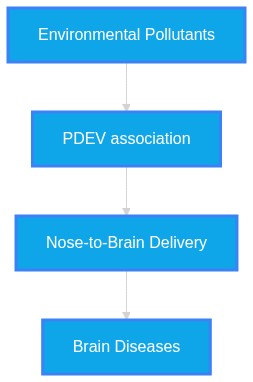
Premise: Environmental metals, though present in many Amyotrophic Lateral Sclerosis anomalous clusters, are debated regarding causality within geographic epistemological data. Hypothesis: If plant derived extracellular vesicles (PDEVs) aerosolized with environmental metals, they could potentially bypass the blood brain barrier via the cribriform plate area. Given this potential method of delivery, environmental metals cannot be ruled out as causal in sporadic ALS until PDEV delivery of the metals is tested in wet lab experiments, but may potentially explain the confounding data.
Plausibility Verdicts
Your hypothesis is mechanistically plausible given that plant-derived extracellular vesicles can bypass the blood-brain barrier and that environmental metals are linked to ALS pathology.
Dataset Summary
Novel & Overlooked Insights
- Environmental exposures prior to diagnosis, including herbicides and metal dust/fumes, are significantly associated with accelerated ALS progression.
- The "lung-brain axis" indicates that pulmonary pathology and environmental exposure can impact neurological health, possibly via circulating extracellular vesicles.
- Ciclopirox olamine (CPX) induces TDP-43 cryptic exons through heavy metal toxicity, providing a molecular mechanism linking environmental metal stress to ALS-FTD pathology.
- There is a statistically significant correlation between the geographic distributions of ALS and Multiple Sclerosis mortality, suggesting shared unknown etiology factors that persist after controlling for race, gender, and latitude.
- PD-related respiratory control dysfunction involves selective vulnerability of brainstem networks; such vulnerability may also exist in ALS and impact toxin clearance via the glymphatic system.
- Plant-derived extracellular vesicles (PDEVs) possess cross-barrier delivery potential and represent an emerging class of biotherapeutic carriers, though their natural role as potential "Trojan horses" for environmental toxins remains uninvestigated.
- The multistep pathogenesis hypothesis is challenged by epidemiological data, which aligns more closely with an exponential model of damage accumulation than a simple power-law model.
- The presence of copper homeostasis disruption in ALS, manifesting as both toxicity and deficiency, creates a vicious cycle that accelerates protein aggregation.
Extracted Discoveries
- Quantify the binding affinity and sequestration capacity of heavy metals (e.g., Cr-VI) to plant-derived extracellular vesicles in varying pH environments.
- Perform in vivo biodistribution studies using trace-labeled heavy metals loaded into PDEVs to track CNS deposition via intranasal administration.
- A cohort study assessing the presence of plant-derived exosomal markers in the CNS of patients with sporadic ALS in areas of high metal contamination.
- A systematic meta-analysis of the geographic colocation of industrial heavy metal pollution with the incidence of sporadic ALS motor neuron degeneration.
- Discovered Hypothesis (A to C): PDEV-mediated sequestration of heavy metals provides a bypass mechanism for blood-brain barrier restriction, explaining the CNS-toxicity of environment-borne contaminants. - Literature A (Origin): Heavy metal toxicity and ALS risk (Source: ID 40559965, ID 42021792) - Literature C (Target): PDEV-mediated barrier crossing and drug delivery (Source: ID 42183199, ID 42352265) - The Intersecting Bridge B: Extracellular vesicle surface lipid-protein complexes. - Biological Rationale: Extracellular vesicles, including those from plants, possess lipid bilayer surfaces that can interact with and bind heavy metal ions, and these vesicles are naturally suited to cross biological barriers, serving as effective, if currently ignored, Trojan horses for environmental toxins.
- There is a contradiction between epidemiological studies showing strong associations with environmental exposures and studies showing a lack of exposure-response relationships for specific agents like smoking or certain metals.
- Intranasal delivery of PDEV-sequestered chelating agents could theoretically counteract the localized neurotoxicity of environmental metals deposited in the CNS.
PathMap is funded by sales of datasets and coversheets to researchers of any kind who wish to discover the most viable routes and paths to accelerate cures. We do not make theoretical molecules, we expose the truth in current PubMed literature. Commission a trace today.
PathMap Scores
How are these metrics evaluated?
Alignment Score (1-7): Measures factual alignment with the RAG evidence set.
[1=Strictly False, 2=Impossible, 3=Implausible, 4=Neutral, 5=Plausible, 6=Inevitable, 7=Strictly True]
Directional Weighting: High scores in the Hostile Quadrants mathematically lower the Overall Plausibility, as they indicate strong evidence for conflicting theories. Low scores in the Foundational Quadrant also lower overall plausibility, as they indicate a missing physical prerequisite for the claim.
Veridicality Audit Report
All Extracted Datapoints
Evaluated Perspectives & Quadrants
CLAIM EVALUATED AND ANSWER TO USER
"Premise: Environmental metals, though present in many Amyotrophic Lateral Sclerosis anomalous clusters, are debated regarding causality within geographic epistemological data. Hypothesis: If plant derived extracellular vesicles (PDEVs) aerosolized with environmental metals, they could potentially bypass the blood brain barrier via the cribriform plate area. Given this potential method of delivery, environmental metals cannot be ruled out as causal in sporadic ALS until PDEV delivery of the metals is tested in wet lab experiments, but may potentially explain the confounding data." The premise regarding the debate of environmental metals in ALS causality is well-supported by the provided literature. The hypothesis regarding PDEV-mediated transport of metals to the CNS is mechanistically plausible given that intranasal (IN) administration is an established, non-invasive route for reaching the CNS, and PDEVs have been shown to cross barriers and distribute to brain regions. While no provided study explicitly tests "aerosolized environmental metals via PDEVs," the convergence of evidence on PDEV barrier-traversing capabilities and the neurotoxicity of heavy metals suggests this is a valid hypothesis requiring empirical testing.ABSTRACT & REWRITTEN CLAIM
Amyotrophic Lateral Sclerosis (ALS) etiology remains multifactorial, with genetic and environmental factors, particularly heavy metals, linked to disease pathogenesis. Geographic correlations and epidemiologic studies suggest a link between environmental exposure and motor neuron degeneration. Extracellular vesicles (EVs), including those derived from plants (PDEVs), demonstrate the ability to bypass the blood-brain barrier (BBB) when administered intranasally. This evaluation posits that PDEVs may serve as vectors for environmental contaminants, potentially explaining their presence in the CNS despite their low intrinsic permeability.INTRODUCTION & JUSTIFICATION
The provided literature emphasizes that while genetic mutations are primary in familial ALS (fALS), 90-95% of cases are sporadic (sALS), where the interplay of environmental exposures is critical. Heavy metals such as Chromium (VI) and cis-chlordane are established neurotoxins linked to ALS-like mitochondrial perturbations. Current models for environmental impact on ALS include the "lung-brain axis" and the direct assessment of airborne or ingested toxins. The mechanism for CNS exposure remains a challenge, as most environmental toxins do not freely traverse the BBB. However, the emergence of EVs—naturally occurring lipid-bound nanocarriers—as therapeutic delivery vehicles provides a parallel mechanism for how toxic metal ions or complexes could be sequestered, transported, and deposited within the brain via the olfactory and trigeminal pathways. As noted in the provided literature, "Intranasal administration provides a rapid, non-invasive route to the central nervous system, bypassing the blood-brain barrier and first-pass metabolism." Consequently, if environmental metals interact with endogenous or plant-derived extracellular vesicles, the hypothesis that they utilize the PDEV/intranasal route is supported by the biology of PDEV barrier penetration.Novel & Overlooked
EVIDENCE, METHODOLOGY & CITATIONS
1. ID: 41086149 - Application: Toxic metals such as cis-chlordane cause mitochondrial phenotypes akin to those seen in ALS. - "Recently, our group determined that the organochlorine pesticide cis-chlordane is toxic to human motor neurons in a dose-dependent manner, causing an ALS-like phenotype in culture and animals with a mode of action independent of its known GABAA antagonism." 2. ID: 42298083 - Application: Links environmental factors to neurodegeneration through the lung-brain axis. - "Emerging evidence indicates the existence of a lung-brain axis, through which pulmonary pathology and environmental exposures can influence neurological health." 3. ID: 42543397 - Application: Confirms the utility of IN administration for CNS drug delivery. - "Intranasal delivery provides a rapid, non-invasive route to the central nervous system, bypassing the blood-brain barrier and first-pass metabolism." 4. ID: 42093834 - Application: Quantifies the association of environmental exposures and disease progression. - "Exposure to herbicides (β=-0.57. IC95%=-0.86 to -0.28, p<0.001), metal dust and fumes (β=-0.28, IC95%=-0.51 to -0.04, p=0.020) and oil paint (β=-0.27, IC95%=-0.48 to -0.06, p=0.011) prior to diagnosis were each associated with accelerated decline." 5. ID: 42021792 - Application: Confirms metal-induced neurotoxicity as a contributor to ALS pathology. - "Human cohort studies have identified Cr (VI) as an environmental risk factor for both neurodegenerative and neurobehavioral disorders." 6. ID: 39595543 - Application: Links environmental exposures directly to ALS. - "Among the main environmental exposures that have been linked to an increased risk for these diseases, accumulating evidence points to the role of heavy metals, pesticides, and air pollutants." 7. ID: 42352265 - Application: Demonstrates PDEV barrier crossing and hippocampal accumulation. - "Intranasally delivered ADMSC-EVs rapidly reached multiple brain regions, including the hippocampus, improved learning and memory performance, and reduced hippocampal amyloid-β 1-42 (Aβ42) deposition and plaque burden." 8. ID: 42121153 - Application: Demonstrates the role of EV delivery systems in improving brain-targeting of metabolites. - "The EA system effectively facilitated ASP delivery to brain tissue, yielding neuroprotective and barrier-repair effects." 9. ID: 41763347 - Application: Reinforces the utility of IN delivery for EV products. - "Intranasal (IN) administration offers a minimally invasive approach to bypass the BBB and achieve direct, repeated delivery to the brain." 10. ID: 40715064 - Application: Connects heavy metal stress to TDP-43 regulation. - "CPX induction of cryptic exons arises from heavy metal toxicity and oxidative stress, suggesting that similar vulnerabilities could play a role in neurodegeneration." 11. ID: 42594043 - Application: Epidemiological characteristics of MND/ALS mortality. - "MND associated mortality rates were higher among northern states, decedents who were male, White, or non-Hispanic, which is consistent with previous studies of U.S. MND mortality." 12. ID: 42572514 - Application: Neck weakness as a prognostic factor in ALS. - "The presence of neck weakness in MND was predictive of time to respiratory function decline, for respiratory outcomes (forced vital capacity (FVC) <65%, FVC <50% and NIV use) as well as having an effect on time to death." 13. ID: 42573824 - Application: Identification of novel SQSTM1 variants. - "We identified a novel SQSTM1 variant, c.355 C > T (p.Arg119Cys), in a ALS patient." 14. ID: 42566069 - Application: Ultrasound for early ALS diagnosis. - "Muscle ultrasound is a sensitive, non-invasive complement to EMG, significantly improving early diagnosis in single-region pure LMN presentations." 15. ID: 42554905 - Application: GABA metabolism involvement in ALS mechanisms. - "These findings suggest that chronic inhibition of GAD can lead to MN degeneration and further suggest that GABA metabolism in the spinal cord may participate in the mechanisms that cause MN death in patients with neurodegenerative diseases such as ALS." 16. ID: 42558984 - Application: Efficacy of stem cell therapy in ALS. - "Stem cell therapy for ALS appears to be safe, with preliminary evidence suggesting potential therapeutic benefit in slowing disease progression in selected patients." 17. ID: 42545188 - Application: Neuropsychological classification in ALS. - "This study delivers a provisional, ECAS-based classification for the neuropsychological sub-phenotyping of non-demented ALS patients, which, with further validation, might be useful for both research and clinical purposes." 18. ID: 42542522 - Application: Proteomic analysis of ubiquitylation in ALS. - "Identification and analysis of ubiquitylated proteins and ubiquitylation sites have historically been successfully performed by mass spectrometry from in vitro and in vivo samples." 19. ID: 42544949 - Application: Treatment of immune-mediated polyneuropathy. - "These findings suggest that hIVIg may be considered as a treatment option in selected cats with IMPN, including those with acute and chronic presentations." 20. ID: 42538750 - Application: Epidemiology of MND in Latvia. - "This first nationwide study of MNDs in Latvia highlights diagnostic delays and possible under-recognition of adult SMA and SBMA." 21. ID: 42536230 - Application: Genetic spectrum of MND in Lithuania. - "These results emphasize the importance of systematic genetic testing in clinical practice and contribute to the limited data on the genetic spectrum of MND in the Baltic region." 22. ID: 42489267 - Application: PF4 as a neuroprotective axis in ALS. - "Here, by integrating population-scale epidemiology with mechanistic dissection, we identify platelet factor 4 (PF4) as the central driver of a circulating neuroprotective axis that restores proteostasis and rescues ALS." 23. ID: 42461162 - Application: Case study of nursing in advanced ALS. - "After 34 days of treatment and care, the patient regained consciousness with stable vital signs before being transferred out of the ICU." 24. ID: 42458453 - Application: Methodological limitations of EV biomarkers in ALS. - "No publication bias was found across both meta-analyses. EV biomarkers for ALS show biological promise but are limited by methodological variability and insufficient replication." 25. ID: 42436372 - Application: HERV-K transcripts as ALS biomarkers. - "HERV-K pol expression was significantly elevated in ALS, with fold-changes ranging from 1.59 to 1.85 (P = 0.037-0.051)." 26. ID: 42422319 - Application: Smoking as a potential risk factor. - "For ALS and MSA, we found evidence suggestive of positive relationships with cigarette smoking, but no clear exposure-response relationships were observed." 27. ID: 42372734 - Application: Fasudil safety and exploratory endpoints in ALS. - "The reduction in NfL and demonstration of CNS target engagement, supports studying the 180 mg dose in a double-blind placebo-controlled study." 28. ID: 42352907 - Application: iPSC-derived EVs as therapeutic tools. - "Engineered and patient-specific EVs derived from iPSCs are emerging as promising tools for targeted, cell type-specific, therapeutic approaches, although their clinical applicability still requires further validation." 29. ID: 42183199 - Application: PDEVs in inflammatory disease models. - "Accumulating evidence indicates that PDEVs can modulate immune responses, suppress inflammatory pathways, exert antioxidant effects, protect bone and cartilage, and influence the gut-joint axis." 30. ID: 42302635 - Application: Toxicology of plant-derived EVs. - "We argue that an edible plant origin should not be considered a surrogate for safety, particularly when products are administered at high doses, repeatedly, or through non-oral routes." 31. ID: 42217698 - Application: Nanohybrid-mediated delivery of pApoE2. - "The nanohybrid/pApoE2 complex-treated mice have shown a significant reduction in the TNF-α, IL-6, and IL-1β expression in the brain, plasma, and spleen." 32. ID: 41993781 - Application: MSC-EVs in IBD therapeutics. - "MSC-EVs, particularly those derived from bone marrow and umbilical mesenchymal stem cells, have shown significant therapeutic potential in both preclinical and clinical studies." 33. ID: 41904071 - Application: Platelet secretome biotherapies. - "Platelet-derived biotherapies are emerging as innovative approaches for complex neurological disorders requiring multimodal interventions." 34. ID: 41747594 - Application: Intranasal NAMPT-EV therapy. - "Intranasal administration of NAMPT-EVs significantly increased the expression of SIRT1 to deacetylate tau in rCCI mice." 35. ID: 41723111 - Application: EV-mediated transfer of SHANK3 hyperexcitability. - "Switching EVs between SHANK3 mutant and control neurons revealed that SHANK3 mutant-derived EVs transferred the hyperexcitability and accelerated maturation phenotypes to control neurons." 36. ID: 41087397 - Application: Geographic correlations of ALS and MS. - "The presence of a strong association in the distributions of ALS and MS suggests there is a connection between the two diseases that is not yet understood." 37. ID: 40559965 - Application: Metal-induced genotoxic events. - "Given the high prevalence of sALS and studies showing associations with environmental exposures, understanding the mechanisms and identifying early biomarkers is vital for developing preventative therapies and early interventions." 38. ID: 39933444 - Application: Microbial alterations in neurodegeneration. - "Across phyla, families, and genera, we identified 55 microbial alterations in PD, 24 in AD, 4 in ALS, and 17 in MS." 39. ID: 42530044 - Application: VEGF/NGF delivery via EVs in PD. - "By transplanting VEGF/NGF@EVs into PD rats, we showed that these vesicles can effectively cross the BBB and deliver targeted therapy to the central nervous system." 40. ID: 41747594 - Application: SIRT1 role in tau pathology. - "Intranasal administration of NAMPT-EVs significantly increased the expression of SIRT1 to deacetylate tau in rCCI mice." 41. ID: 42489267 - Application: Platelet factors in ALS protection. - "Here, by integrating population-scale epidemiology with mechanistic dissection, we identify platelet factor 4 (PF4) as the central driver of a circulating neuroprotective axis that restores proteostasis and rescues ALS." 42. ID: 42352907 - Application: Heterogeneity of glial EVs. - "Engineered and patient-specific EVs derived from iPSCs are emerging as promising tools for targeted, cell type-specific, therapeutic approaches, although their clinical applicability still requires further validation." 43. ID: 42183199 - Application: PDEV potential in RA models. - "Accumulating evidence indicates that PDEVs can modulate immune responses, suppress inflammatory pathways, exert antioxidant effects, protect bone and cartilage, and influence the gut-joint axis." 44. ID: 42304162 - Application: EV alleviation of mitochondrial impairment in AD mice. - "In contrast, treatment with hiPSC-NSC-EVs restored levels of oxidative stress markers and the expression of genes and/or proteins linked to various mitochondrial complexes, mitochondrial biogenesis, fission, fusion, and mitophagy closer to naïve control levels, indicating alleviation of mitochondrial impairments." 45. ID: 41904071 - Application: Precision neuromedicine using platelets. - "Platelet-derived biotherapies are emerging as innovative approaches for complex neurological disorders requiring multimodal interventions." 46. ID: 42093834 - Application: Non-linear regression in ALS progression. - "Exposure to herbicides (β=-0.57. IC95%=-0.86 to -0.28, p<0.001), metal dust and fumes (β=-0.28, IC95%=-0.51 to -0.04, p=0.020) and oil paint (β=-0.27, IC95%=-0.48 to -0.06, p=0.011) prior to diagnosis were each associated with accelerated decline." 47. ID: 42594043 - Application: Mortality patterns of MND. - "MND associated mortality rates were higher among northern states, decedents who were male, White, or non-Hispanic, which is consistent with previous studies of U.S. MND mortality." 48. ID: 42422319 - Application: Smoking and ALS risk relationship. - "For ALS and MSA, we found evidence suggestive of positive relationships with cigarette smoking, but no clear exposure-response relationships were observed."Verbatim Quote Audit Console
Mapped Reference Directory (APA)
- [1] ID: 41086149 - Clackson O, Hamid MR, Wijesekera A, Kulick D, O'Neil AL (2025). Exposure to the organochlorine pesticide cis-chlordane induces ALS-like mitochondrial perturbations in stem cell-derived motor neurons.. PloS one. ID: 41086149.
- [2] ID: 42298083 - Al-Shami AS, Anwar MM (2026). The lung-brain axis in neurodegeneration: inflammatory, immune, and vascular mechanisms with therapeutic implications.. Inflammopharmacology. ID: 42298083.
- [3] ID: 42530044 - Yan W, Meng X, Wang Y, Wei C, Han F et al. (2026). Extracellular Vesicle-Mediated Delivery of VEGF and NGF Protects Dopaminergic Neurons in 6-OHDA-Induced Parkinson's Disease Models.. Journal of integrative neuroscience. ID: 42530044.
- [4] ID: 42543397 - Shen H, Srivastava SK, Aggarwal N, Chang MW (2026). Autonomous intranasal delivery systems for central nervous system therapeutics.. Experimental & molecular medicine. ID: 42543397.
- [5] ID: 42093834 - Martinez-Nunez AE, Guo J, Dorsey ER, Ruffing KW, Wymer J et al. (2026). Head trauma and environment progression of amyotrophic lateral sclerosis: long-term data from the National ALS Registry.. BMJ neurology open. ID: 42093834.
- [6] ID: 42021792 - Iztleuov M, Abugaliyeva N, Ryzhkin S, Iztleuov Y, Saparbaev S et al. (2025). Current Insights into Plausible Mechanisms of Chromium (VI) Neurotoxicity in the Brain and Future Perspectives.. Medical journal of the Islamic Republic of Iran. ID: 42021792.
- [7] ID: 39595543 - Stoccoro A, Coppedè F (2024). Exposure to Metals, Pesticides, and Air Pollutants: Focus on Resulting DNA Methylation Changes in Neurodegenerative Diseases.. Biomolecules. ID: 39595543.
- [8] ID: 42352265 - Tian M, Feng R, Gong C, Ben X, Ma Z et al. (2026). Intranasal Adipose-Derived MSC Extracellular Vesicles Confer Sustained Cognitive Improvement and Suppress Alzheimer's Pathology in APP/PS1 Mice.. Biomolecules. ID: 42352265.
- [9] ID: 42121153 - Zheng C, Wang Z, Tang F, Zhong Y, Zheng J et al. (2026). The lung-brain axis mediates the neuroprotective effects of nasally administered L. salivarius and its EV-delivered metabolite in vascular dementia.. Journal of neuroinflammation. ID: 42121153.
- [10] ID: 41763347 - Arbabian A, Driscoll T, Li Y, Grant SC (2026). Potential of intranasal delivery of human mesenchymal stem cells and extracellular vesicles for stroke therapy.. Acta biomaterialia. ID: 41763347.
- [11] ID: 40715064 - Sinha IR, Sandal PS, Spence H, Burns GD, Mallika AP et al. (2025). Large-scale RNA-Seq mining reveals ciclopirox olamine induces TDP-43 cryptic exons.. Nature communications. ID: 40715064.
- [12] ID: 42594043 - Nair T, Larson T, Raymond J, Horton DK, Mehta P (2026). Motor Neuron Disease Mortality in the United States, 2010-2023: A demographic, geographic, and temporal analysis.. Neuroepidemiology. ID: 42594043.
- [13] ID: 42572514 - Sheehy TP, Sia T, Morgan PE, Zhao Y, Mathieson SR et al. (2026). Relationship between neck weakness in motor neurone disease and respiratory function: a retrospective study.. Neurodegenerative disease management. ID: 42572514.
- [14] ID: 42573824 - Su B, Li L, Zheng X, Ma H, Li X et al. (2026). Clinical significance of SQSTM1 variants in ALS: report of p.Arg119Cys and literature review.. Neurogenetics. ID: 42573824.
- [15] ID: 42566069 - Qi M, Hu N, Tian H, Ding J, Shen D et al. (2026). Value of ultrasound-detected fasciculations for the early diagnosis of motor neuron disease in patients with single-segment, pure lower motor neuron involvement.. Neurological sciences : official journal of the Italian Neurological Society and of the Italian Society of Clinical Neurophysiology. ID: 42566069.
- [16] ID: 42554905 - Colín-Martínez E, Ramírez-Jarquín UN, Tapia R, Arias C (2026). Inhibition of Glutamate Decarboxylase in the Spinal Cord Induces Motor Deficits and Motor Neuron Degeneration.. Neurotoxicity research. ID: 42554905.
- [17] ID: 42558984 - Pourasghari M, Babaie S, Markazi-Movaghar R, Salehpour S, Eftekharsadat B et al. (2026). The Effectiveness Based on Optimal Dose and Administration Route, and Safety Profiles of Stem Cells and Derived Products in the Treatment of Patients With Amyotrophic Lateral Sclerosis: A Systematic Review and Meta-Analysis.. Stem cells international. ID: 42558984.
- [18] ID: 42545188 - Poletti B, Aiello EN, Consonni M, Iazzolino B, Torre S et al. (2026). Neuropsychological Sub-Phenotypes in Amyotrophic Lateral Sclerosis.. European journal of neurology. ID: 42545188.
- [19] ID: 42542522 - Potapenko A, Henden L, Azemi G, Di Ieva A, Laird AS et al. (2026). Computational Pipelines for Protein Ubiquitylation Analysis and Prediction.. Methods in molecular biology (Clifton, N.J.). ID: 42542522.
- [20] ID: 42544949 - Schmitz AK, Sablotni Aguilera AP, Buhmann G, van Renen J, Parzefall B et al. (2026). EXPRESS: Evaluation of the clinical course of immune-mediated polyneuropathy in cats following treatment with human intravenous immunoglobulins.. Journal of feline medicine and surgery. ID: 42544949.
- [21] ID: 42538750 - Krutovs V, Grosmane A, Kažmere RR, Roddate M, Ķauķe G et al. (2026). Nationwide Epidemiology of Motor Neuron Diseases in Latvia (2020-2024): Incidence, Prevalence, and Clinical Characteristics.. European journal of neurology. ID: 42538750.
- [22] ID: 42536230 - Naktinytė E, Vilimienė R, Valančius D, Baronas K, Zagorskienė I et al. (2026). Genetic variants among patients with motor neuron disease in Lithuania - a retrospective single-center study.. Neurogenetics. ID: 42536230.
- [23] ID: 42489267 - Xie Q, Zhu Y, Jiang W, Xie H, Li Y et al. (2026). A Blood-Derived Factor Rescues ALS: Platelet Factor 4 Activates OPTN-Dependent Autophagy to Clear SOD1 Aggregates Independently of PINK1.. Advanced science (Weinheim, Baden-Wurttemberg, Germany). ID: 42489267.
- [24] ID: 42461162 - Zhang R, Zhang N, Li B, Liu Q, Xu C et al. (2026). Nursing a Patient With Amyotrophic Lateral Sclerosis Stage 4B With Epilepsy: A Case Study.. Nursing in critical care. ID: 42461162.
- [25] ID: 42458453 - Bolsinger MM, Vivek N, Singh J, Challa A, Zhu A et al. (2026). Extracellular vesicles as a liquid biopsy for amyotrophic lateral sclerosis: a systematic review and meta-analysis.. Journal of translational medicine. ID: 42458453.
- [26] ID: 42436372 - Roy T, Ramesh M, Nizam NAA, Tandiono S, Al-Jamal KT et al. (2026). Plasma exosomal HERV-K transcripts are increased in amyotrophic lateral sclerosis.. BMC neuroscience. ID: 42436372.
- [27] ID: 42422319 - Nie J, Peters S, Ge CB, Portengen L, Rothman N et al. (2026). Smoking and the risk of neurodegenerative diseases in a Chinese case-control study.. BMJ neurology open. ID: 42422319.
- [28] ID: 42372734 - Pena C, Barker C, Grossberg AN, Mian I, Williams S et al. (2026). An open-label Phase 2a study of fasudil in amyotrophic lateral sclerosis: safety and exploratory endpoints.. Amyotrophic lateral sclerosis & frontotemporal degeneration. ID: 42372734.
- [29] ID: 42352907 - Scrivo A, Bernardino L, Consiglio A (2026). The Dual Role of Glial Extracellular Vesicles in Neurodegeneration: Insights from iPSC-Based Models.. International journal of molecular sciences. ID: 42352907.
- [30] ID: 42183199 - Liu Y, Xu X, Zou N, Chen Q, Wu S (2026). Plant-derived extracellular vesicles as emerging biotherapeutic agents and delivery vehicles for rheumatoid arthritis: evidence from preclinical models.. Frontiers in immunology. ID: 42183199.
- [31] ID: 42302635 - Naseem MT, Zaman W (2026). Toxicology and biodistribution of plant-derived extracellular vesicles for drug delivery: Quality control, safety mechanisms, and translational testing priorities.. Toxicology letters. ID: 42302635.
- [32] ID: 42217698 - Gothwal A, Muolokwu CE, Belin MAF, Tagoe BNA, Frey WH et al. (2026). Multi-functionalized chitosan-Extracellular vesicles nanohybrid system for intranasal delivery of pApoE2 to attenuate age-related inflammation.. International journal of biological macromolecules. ID: 42217698.
- [33] ID: 41993781 - Li Z, Sun Y, Wu J, Zhang W, Li T et al. (2026). Mesenchymal Stem Cells Derived Extracellular Vesicles in Inflammatory Bowel Disease: Therapeutic Efficacy and Bioengineering Applications.. International journal of nanomedicine. ID: 41993781.
- [34] ID: 41904071 - Chou ML, Blum D, Cognasse F, Kuchcinski G, Devos D et al. (2026). Platelet-derived and platelet secretome biotherapies for precision neuromedicine.. Trends in molecular medicine. ID: 41904071.
- [35] ID: 41747594 - Chen W, Wu ZC, Lin L, Huang S, Jiang Q et al. (2026). Effect of intranasal treatment with NAMPT-EVs on acetylated tau and cognitive function in mice with repeated controlled cortical injury.. International immunopharmacology. ID: 41747594.
- [36] ID: 41723111 - Choudhary A, Rosh I, Hussein Y, Netser S, Shemen A et al. (2026). Extracellular vesicles from stem cells rescue cellular phenotypes and behavioral deficits in SHANK3-associated ASD neuronal and mouse models.. Cell death & disease. ID: 41723111.
- [37] ID: 41087397 - Schilling MA (2025). The geographic association of multiple sclerosis and amyotrophic lateral sclerosis.. Scientific reports. ID: 41087397.
- [38] ID: 40559965 - Kim WW, Zarus G, Alman B, Ruiz P, Han M et al. (2025). Metal-Induced Genotoxic Events: Possible Distinction Between Sporadic and Familial ALS.. Toxics. ID: 40559965.
- [39] ID: 39933444 - Rob M, Yousef M, Lakshmanan AP, Mahboob A, Terranegra A et al. (2025). Microbial signatures and therapeutic strategies in neurodegenerative diseases.. Biomedicine & pharmacotherapy = Biomedecine & pharmacotherapie. ID: 39933444.
- [40] ID: 42304162 - Madhu LN, Attaluri S, Kotian S, Upadhya R, Somayaji Y et al. (2026). Human iPSC-NSC-Derived Extracellular Vesicles Can Alleviate Alzheimer's Disease-Linked Impairments in Mitochondria, mTOR Signaling, Autophagy, and Hippocampal Neurogenesis.. Aging cell. ID: 42304162.
Abstract Repository (Raw Full-Texts) Show Database Collapse Database
ID: 39595543
Title: Exposure to Metals, Pesticides, and Air Pollutants: Focus on Resulting DNA Methylation Changes in Neurodegenerative Diseases.
Abstract: Individuals affected by neurodegenerative diseases, including Alzheimer's disease (AD), Parkinson's disease (PD), and amyotrophic lateral sclerosis (ALS), are dramatically increasing worldwide. Thus, several efforts are being made to develop strategies for stopping or slowing the spread of these illnesses. Although causative genetic variants linked to the onset of these diseases are known, they can explain only a small portion of cases. The etiopathology underlying the neurodegenerative process in most of the patients is likely due to the interplay between predisposing genetic variants and environmental factors. Epigenetic mechanisms, including DNA methylation, are central candidates in translating the effects of environmental factors in genome modulation, and they play a critical role in the etiology of AD, PD, and ALS. Among the main environmental exposures that have been linked to an increased risk for these diseases, accumulating evidence points to the role of heavy metals, pesticides, and air pollutants. These compounds could trigger neurodegeneration through different mechanisms, mainly neuroinflammation and the induction of oxidative stress. However, increasing evidence suggests that they are also capable of inducing epigenetic alterations in neurons. In this article, we review the available literature linking exposure to metals, pesticides, and air pollutants to DNA methylation changes relevant to neurodegeneration.
View on PubMed
ID: 39933444
Title: Microbial signatures and therapeutic strategies in neurodegenerative diseases.
Abstract: Neurodegenerative diseases (NDs), including Alzheimer's disease (AD), Parkinson's disease (PD), amyotrophic lateral sclerosis (ALS), and multiple sclerosis (MS), arise from complex interactions between genetic factors, environmental exposures, and aging. Additionally, gut dysbiosis has been linked to systemic inflammation and neurodegeneration. Advances in microbiome and metabolome profiling techniques have provided deeper insights into how alterations in gut microbiota and dietary patterns affect metabolic pathways and contribute to the progression of NDs. This review explores the profiles of gut microbiome and metabolome derived biomarkers and their roles in NDs. Across phyla, families, and genera, we identified 55 microbial alterations in PD, 24 in AD, 4 in ALS, and 17 in MS. Some notable results include an increase in Akkermansia in PD, AD, and MS and a decrease in short-chain fatty acids (SCFAs) in PD and AD. We examined the effects of probiotics, prebiotics, fecal microbiota transplants (FMT), sleep, exercise, and diet on the microbiota, all of which contributed to delayed onset and alleviation of symptoms. Further, artificial intelligence (AI) and machine learning (ML) algorithms applied to omics data have been crucial in identifying novel therapeutic targets, diagnosing and predicting prognosis, and enabling personalized medicine using microbiota-modulating therapies in NDs patients.
View on PubMed
ID: 40559965
Title: Metal-Induced Genotoxic Events: Possible Distinction Between Sporadic and Familial ALS.
Abstract: Metal exposure is a potential risk factor for amyotrophic lateral sclerosis (ALS). Increasing evidence suggests that elevated levels of DNA damage are present in both familial (fALS) and sporadic (sALS) forms of ALS, characterized by the selective loss of motor neurons in the brain, brainstem, and spinal cord. However, identifying and differentiating initial biomarkers of DNA damage response (DDR) in both forms of ALS remains unclear. The toxicological profiles from the Agency for Toxic Substances and Disease Registry (ATSDR) and our previous studies have demonstrated the influence of metal exposure-induced genotoxicity and neurodegeneration. A comprehensive overview of the ATSDR's toxicological profiles and the available literature identified 15 metals (aluminum (Al), arsenic (As), cadmium (Cd), chromium (Cr), cobalt (Co), copper (Cu), iron (Fe), lead (Pb), manganese (Mn), mercury (Hg), nickel (Ni), selenium (Se), uranium (U), vanadium (V), and zinc (Zn)) showing exposure-induced genotoxicity indicators associated with ALS pathogenesis. Genetic factors including mutations seen in ALS types and with concomitant metal exposure were distinguished, showing that heavy metal exposure can exacerbate the downstream effect of existing genetic mutations in fALS and may contribute to motor neuron degeneration in sALS. Substantial evidence associates heavy metal exposure to genotoxic endpoints in both forms of ALS; however, a data gap has been observed for several of these endpoints. This review aims to (1) provide a comprehensive overview of metal exposure-induced genotoxicity in ALS patients and experimental models, and its potential role in disease risk, (2) summarize the evidence for DNA damage and associated biomarkers in ALS pathogenesis, (3) discuss possible mechanisms for metal exposure-induced genotoxic contributions to ALS pathogenesis, and (4) explore the potential distinction of genotoxic biomarkers in both forms of ALS. Our findings support the association between metal exposure and ALS, highlighting under or unexplored genotoxic endpoints, signaling key data gaps. Given the high prevalence of sALS and studies showing associations with environmental exposures, understanding the mechanisms and identifying early biomarkers is vital for developing preventative therapies and early interventions. Limitations include variability in exposure assessment and the complexity of gene-environment interactions. Studies focusing on longitudinal exposure assessments, mechanistic studies, and biomarker identification to inform preventative and therapeutic strategies for ALS is warranted.
View on PubMed
ID: 40715064
Title: Large-scale RNA-Seq mining reveals ciclopirox olamine induces TDP-43 cryptic exons.
Abstract: Nuclear clearance and cytoplasmic aggregation of TDP-43, initially identified in ALS-FTD, are hallmark pathological features observed across a spectrum of neurodegenerative diseases. We previously found that TDP-43 loss-of-function leads to transcriptome-wide inclusion of deleterious cryptic exons, a signature detected in presymptomatic biofluids and postmortem ALS-FTD brain tissue, but the upstream mechanisms that lead to TDP-43 dysregulation remain unclear. Here, we developed a web-based resource (SnapMine) to determine the levels of TDP-43 cryptic exon inclusion across hundreds of thousands of publicly available RNA sequencing datasets. We established cryptic exon inclusion levels across a variety of human cells and tissues to provide ground truth references for future studies on TDP-43 dysregulation. We then explored studies that were entirely unrelated to TDP-43 or neurodegeneration and found that ciclopirox olamine (CPX), an FDA-approved antifungal, can trigger the inclusion of TDP-43-associated cryptic exons in a variety of mouse and human primary cells. CPX induction of cryptic exons arises from heavy metal toxicity and oxidative stress, suggesting that similar vulnerabilities could play a role in neurodegeneration. Our work demonstrates how diverse datasets can be linked through common biological features and underscores how public archives of sequencing data remain a vastly underutilized resource with tremendous potential for uncovering novel insights into complex biological mechanisms and diseases.
View on PubMed
ID: 41086149
Title: Exposure to the organochlorine pesticide cis-chlordane induces ALS-like mitochondrial perturbations in stem cell-derived motor neurons.
Abstract: Amyotrophic Lateral Sclerosis (ALS) is a debilitating and incurable neurodegenerative disease with unsolved etiology. Due to the large proportion of patients lacking direct disease inheritance, understanding the environmental factors that contribute to ALS development is of high priority. Epidemiological studies have implicated pesticides and other environmental exposures as possible contributors to ALS pathogenesis. Recently, our group determined that the organochlorine pesticide cis-chlordane is toxic to human motor neurons in a dose-dependent manner, causing an ALS-like phenotype in culture and animals with a mode of action independent of its known GABAA antagonism. Here, we aimed to characterize downstream motor neuron phenotypes associated with cis-chlordane treatment. We performed bulk RNA sequencing, live imaging, immunofluorescent labeling, and real-time metabolic assays on stem cell-derived motor neurons to assess chlordane-associated phenotypes in vitro. We demonstrate that cis-chlordane treatment causes a highly altered mitochondrial phenotype in motor neurons, including increased production of reactive oxygen species, decreased oxygen consumption rate and ATP production, and loss of mitochondrial membrane potential. We further implicate cis-chlordane as a possible mediator of potent motor neuron damage, with exposure to the pesticide inducing mitochondrial phenotypes akin to those seen in ALS. Our findings contribute to the growing body of evidence that future studies of investigating the role of pesticides in ALS development should focus on organochlorine molecules.
View on PubMed
ID: 41087397
Title: The geographic association of multiple sclerosis and amyotrophic lateral sclerosis.
Abstract: Amyotrophic lateral sclerosis (ALS) and multiple sclerosis (MS) are both devastating, incurable, neurodegenerative diseases that are largely considered to be of unknown etiology. While the diseases have some similarities, they are not typically considered to be closely related. They have different pathological markers and different prognoses. Additionally, MS (but not ALS) is considered an autoimmune disease. Furthermore, MS has long been noted to have a strong north-south gradient in its distribution whereas only recently has awareness grown of such a gradient in ALS. The study here will show, however, that if the distribution of ALS and MS are analyzed using mortality data, they are extremely correlated even after controlling for gender, race and latitude. This relationship was not previously identified in part because of a Simpson's paradox in the data: strong correlations that are obvious in the data when they are separated by gender are obscured when the data are pooled across gender. The presence of a strong association in the distributions of ALS and MS suggests there is a connection between the two diseases that is not yet understood. That connection may prove valuable in helping to illuminate what causes the diseases, and whether and how they can be prevented and treated.
View on PubMed
ID: 41723111
Title: Extracellular vesicles from stem cells rescue cellular phenotypes and behavioral deficits in SHANK3-associated ASD neuronal and mouse models.
Abstract: Extracellular vesicles (EVs) are lipid bilayer-enclosed structures that mediate intercellular communication by transferring diverse cargoes, including RNA and proteins. SHANK3, a synaptic scaffolding protein critical for synapse structure and function, is implicated in autism spectrum disorder (ASD) and Phelan-McDermid Syndrome (PMS). Early hyperexcitability in cortical neurons is a characterized endophenotype in ASD. Here, we investigated EV-mediated effects in the context of SHANK3 deficiency using human iPSC-derived cortical neurons and Shank3B-/- mice. Switching EVs between SHANK3 mutant and control neurons revealed that SHANK3 mutant-derived EVs transferred the hyperexcitability and accelerated maturation phenotypes to control neurons. Proteomic analysis revealed enrichment of synaptic structural regulators (e.g., ACTB, CFL1, AGRN, and CLSTN1) in SHANK3 mutant neuron-derived EVs. This is consistent with known actin cytoskeletal dysregulation driven by SHANK3 deficiency. However, control neuron-derived EVs failed to rescue mutant phenotypes, likely due to their decreased enrichment of synaptic proteins and related pathways. Further, EVs from mesenchymal stem cells (MSCs) and healthy donor iPSCs, containing synaptic modulators such as complement proteins (C1R, C1S), plasticity-associated proteins (MDK, IGFBP3), and homeostatic regulators (FGF2, SFRP1), rescued the hyperexcitability and normalized the maturation in SHANK3 mutant neurons. In addition, intranasal administration of iPSC-derived EVs in Shank3B-/- mice significantly rescued ASD-like behavioral deficits, emphasizing their therapeutic potential. Together, these findings reveal a novel EV-mediated mechanism for modulating dysregulated excitability and synaptic maturation, addressing a critical unmet need in ASD and associated neurodevelopmental disorders.
View on PubMed
ID: 41747594
Title: Effect of intranasal treatment with NAMPT-EVs on acetylated tau and cognitive function in mice with repeated controlled cortical injury.
Abstract: Repeated traumatic brain injury (rTBI) has attracted increasing attention owing to its long-term effects on cognition and behaviour. Moreover, research has shown that acetylated tau (ac-tau) represents a common pathology linking rTBI and Alzheimer's disease that can lead to neuronal cell death. Therefore, in this study, we evaluated the therapeutic potential of mesenchymal stromal cell-derived extracellular vesicles enriched with nicotinamide phosphoribosyltransferase (NAMPT-EVs) for improving cognitive and behavioral impairments following repeated controlled cortical injury (rCCI). Morris water maze and novel object recognition test were evaluated at 1-month post-rCCI with intranasal treatment of NAMPT-EVs. Expression of Sirtuin 1(SIRT1), ac-tau, neuron loss, neuroinflammation, AQP4 polarity, and meningeal lymphatic morphology and function were assessed 1 month after treatment. Intranasal administration of NAMPT-EVs significantly increased the expression of SIRT1 to deacetylate tau in rCCI mice. Additionally, NAMPT-EVs suppressed neuroinflammation and maintained aquaporin protein-4 polarity to facilitate the glymphatic system and promote the repair of the meningeal lymphatic system, which benefits the clearance of ac-tau from the brain parenchyma. Notably, the reduction in ac-tau prevented axon initial segment degradation and tau mislocalisation, resulting in a neuroprotective effect. NAMPT-EVs reduce neuronal loss and improve cognitive function in rCCI mice through multiple mechanisms. Therefore, NAMPT-EVs is promising for preventing cognitive deficit after rTBI.
View on PubMed
ID: 41763347
Title: Potential of intranasal delivery of human mesenchymal stem cells and extracellular vesicles for stroke therapy.
Abstract: Cerebral ischemic stroke, caused by interrupted cerebral blood flow, remains a leading cause of mortality and long-term disability worldwide. Current FDA-approved therapies-intravenous tissue-type plasminogen activator (tPA) and mechanical thrombectomy-are constrained by narrow time windows (4.5-24 h) and limited accessibility. Mesenchymal stem cells (MSCs) have emerged as promising candidates for neurorestoration, yet their therapeutic efficacy is hindered by poor blood-brain barrier (BBB) penetration and systemic entrapment. Increasing evidence indicates that MSCs exert their therapeutic effects primarily through paracrine mechanisms mediated by extracellular vesicles (EVs), which regulate inflammation, apoptosis, neurogenesis, and angiogenesis. However, translation of EV-based therapies from bench to bedside remains limited, largely due to inefficient delivery and the invasiveness of existing routes. Intranasal (IN) administration offers a minimally invasive approach to bypass the BBB and achieve direct, repeated delivery to the brain. This review synthesizes the mechanistic foundations, preclinical progress, and translational potential of intranasal delivery of MSCs and their EVs for ischemic stroke therapy. We highlight comparative analyses of biodistribution, cellular targets, and functional outcomes across administration routes, emphasizing how route optimization governs therapeutic efficacy. Collectively, these insights establish intranasal delivery as a practical platform for next-generation, cell-free regenerative therapies targeting ischemic brain injury. STATEMENT OF SIGNIFICANCE: Despite extensive investigation of stem-cell-based interventions for ischemic stroke, the influence of administration route on therapeutic outcomes remains poorly defined. This review integrates preclinical and early-phase clinical findings to delineate how delivery pathways shape biodistribution, mechanistic engagement, and neurorepair efficacy of human mesenchymal stem cells (hMSCs) and their derived extracellular vesicles (EVs). By contrasting conventional intravenous and intra-arterial approaches with the emerging intranasal route, this article emphasizes a non-invasive strategy capable of bypassing the blood-brain barrier, supporting multidose regimens, and sustaining localized repair. Beyond summarizing outcomes, this work clarifies mechanistic drivers-angiogenesis, neurogenesis, and immunomodulation-that can be fine-tuned through delivery design. The synthesis provides a framework for rationally optimizing cell-free hMSC-EV therapeutics and underscores the translational promise of intranasal delivery for clinical stroke management.
View on PubMed
ID: 41904071
Title: Platelet-derived and platelet secretome biotherapies for precision neuromedicine.
Abstract: Platelet-derived biotherapies are emerging as innovative approaches for complex neurological disorders requiring multimodal interventions. Platelet-derived products, including lysates, platelet concentrate supernatants, secretome, extracellular vesicles, and fractionated components, represent a scalable and clinically accessible biotechnology platform for precision neuromedicine. Platelets provide a reservoir of trophic factors, cytokines, chemokines, lipids, antioxidants, and noncoding RNAs with demonstrated neuroprotective, anti-inflammatory, and antiferroptotic effects in models of neurodegeneration, trauma, and aging. Preclinical and patient-derived omics and neuroimaging data can help characterize mechanisms of action, identify biomarkers, and refine platelet secretome preparations toward indication-specific formulations. Combined with virus inactivation and purification technologies adapted from plasma protein manufacturing, these advances position platelet-derived biotherapies as a rational and versatile path toward future acellular therapeutics for brain disorders.
View on PubMed
ID: 41993781
Title: Mesenchymal Stem Cells Derived Extracellular Vesicles in Inflammatory Bowel Disease: Therapeutic Efficacy and Bioengineering Applications.
Abstract: Mesenchymal stem cell-derived extracellular vesicles (MSC-EVs) have emerged as a promising therapeutic approach for inflammatory bowel disease (IBD) due to their anti-inflammatory properties, immune modulation, and tissue regeneration potential. However, challenges in optimizing their production, efficacy, and understanding their therapeutic mechanisms remain. MSC-EVs, particularly those derived from bone marrow and umbilical mesenchymal stem cells, have shown significant therapeutic potential in both preclinical and clinical studies. Although the advantages of MSC-EVs over traditional therapies, such as low immunogenicity and non-invasive administration, limitations in their targeting capabilities and stability in fibrotic tissues impede full clinical translation. This review succinctly outlines a comparative analysis of MSC-EVs derived from various sources, such as bone marrow, adipose tissue, perinatal tissues, dental tissues, olfactory mucosa, and hair follicles in IBD treatment. Additionally, the applications of bioengineered MSC-EVs, including their use as nanodrug carriers and in targeted therapies, are discussed, with an emphasis on the future potential of integrating MSC-EVs with biomaterials like hydrogels. Finally, the current challenges and potential solutions for translating MSC-EVs from bench to bedside are discussed. This review aims to elucidate the therapeutic roles of MSC-EVs in IBD and inspire the development of innovative tissue-engineering materials.
View on PubMed
ID: 42021792
Title: Current Insights into Plausible Mechanisms of Chromium (VI) Neurotoxicity in the Brain and Future Perspectives.
Abstract: Hexavalent chromium (Cr (VI)) is a known neurotoxin and environmental contaminant. Despite its recognition, the underlying mechanisms by which Cr (VI) induces neurological damage remain insufficiently explored. The complexities of the Central Nervous System (CNS), including the Blood Brain Barrier (BBB) and supporting brain cells, contribute to regions-specific susceptibility within the brain. Understanding Cr (VI) neurotoxicity is crucial for its potential role in neurodegenerative diseases. A Systematic Review was conducted using international databases (PubMed, Medline, Scopus, and Web of Science) and Google Scholar. Only open-access, free full-text articles published in English between 2010 and 2025 were included. Following PRISMA 2020 guidelines, a total of 19 relevant studies were selected, comprising 12 animal-based and 7 human cohort studies. Animal studies investigated the effects of Cr (VI) via various administration methods and doses, revealed evidence of oxidative stress, inflammatory markers, and apoptotic changes in the brain. Interventional studies showed delayed toxicity when antioxidant agents were used prior to Cr (VI) exposure, including PDC (Potassium Dichromate), SA (Sodium Alginate), and TNG (Tangeretin). Human studies, including autopsies and cell culture analyses, demonstrated neurotoxic effects in conditions such as ALS (Amyotrophic Lateral Sclerosis), nAMD (Neovascular Age-Related Macular Degeneration). Animal studies have clarified the role of oxidative stress in Cr (VI)-induced neurotoxicity. Human cohort studies have identified Cr (VI) as an environmental risk factor for both neurodegenerative and neurobehavioral disorders. Future research should focus on defining harmful levels of Cr (VI) and exploring potential antioxidant therapies.
View on PubMed
ID: 42093834
Title: Head trauma and environment progression of amyotrophic lateral sclerosis: long-term data from the National ALS Registry.
Abstract: Environmental exposures have been linked to increased risk of amyotrophic lateral sclerosis (ALS); however, their impact on disease progression remains unclear. This study examined whether prior environmental and occupational exposures influenced functional decline in patients with an established ALS diagnosis. We conducted a retrospective cohort analysis using the National ALS Registry from 2010 to 2024. Participants with complete exposure histories were included. Disease progression was measured with the ALS Functional Rating Scale-Revised (ALSFRS-R) at baseline and every 3 months. Mixed-effects linear regression models assessed associations between exposures and ALSFRS-R decline, adjusting for age, sex and time since diagnosis. The cohort included 8618 participants with ALS. The median time from diagnosis to enrolment was 2 years (IQR= 1.1-2.9), with a median of 1 year of follow-up (IQR=1-4). Exposure to herbicides (β=-0.57. IC95%=-0.86 to -0.28, p<0.001), metal dust and fumes (β=-0.28, IC95%=-0.51 to -0.04, p=0.020) and oil paint (β=-0.27, IC95%=-0.48 to -0.06, p=0.011) prior to diagnosis were each associated with accelerated decline. Head injury was associated with an overall lower ALSFRS-R score (β=-1.74, IC95%=-2.21 to -1.27, <0.001), based on our non-linear mixed effects model. Environmental and occupational exposures, particularly herbicides, metal dust/fumes and oil-based paints, were associated with faster ALS progression, and head injury was associated with overall worse function.
View on PubMed
ID: 42121153
Title: The lung-brain axis mediates the neuroprotective effects of nasally administered L. salivarius and its EV-delivered metabolite in vascular dementia.
Abstract: Neuroinflammation and impaired barrier function are two prominent pathological mechanisms contributing to cognitive impairment in patients with vascular dementia (VaD). Currently, effective treatments for VaD remain limited, underscoring the clinical significance of developing novel, multi-targeted therapeutic strategies. In recent years, more and more studies have shown the connection between lung and brain, so we used nasal administration of probiotics to observe the improvement of cognitive function in VaD rats. Because the safety of the organism is uncertain, the study develop a bacterial extracellular vesicles (EVs) drug delivery system that delivers the key bioactive metabolite asperuloside (ASP) by modulating the microbiota-lung-brain axis, aiming to improve brain targeting and therapeutic outcomes. The results show that nasal administration of L. salivarius significantly ameliorated cognitive impairment, mitigated neuroinflammation, restored blood-brain barrier and lung barrier function, and modulated lung flora in VaD rats. Metabolomics analysis identified ASP as the principal active metabolite, although its efficacy as a standalone agent was constrained. The EA system effectively facilitated ASP delivery to brain tissue, yielding neuroprotective and barrier-repair effects. Collectively, our study shows that L. salivarius can modulate the pathophysiological processes of VaD via the "microbiota-lung-brain axis." Its EVs serve as effective vehicles for delivering active metabolites, offering a novel integrated therapeutic approach for VaD involving microbial metabolism delivery.
View on PubMed
ID: 42183199
Title: Plant-derived extracellular vesicles as emerging biotherapeutic agents and delivery vehicles for rheumatoid arthritis: evidence from preclinical models.
Abstract: Plant-derived extracellular vesicles (PDEVs) are emerging as promising natural nanotherapeutics for rheumatoid arthritis (RA). This review summarizes the therapeutic potential of PDEVs, highlighting their unique biological properties, multi-target mechanisms of action, and current application challenges. Accumulating evidence indicates that PDEVs can modulate immune responses, suppress inflammatory pathways, exert antioxidant effects, protect bone and cartilage, and influence the gut-joint axis. Meanwhile, engineering strategies, including drug loading, targeted modification and integration with smart materials, significantly enhance their therapeutic precision and stability. Despite their favorable biocompatibility and cross-barrier delivery potential, challenges such as insufficient standardization of isolation protocols, product heterogeneity, and limited mechanistic insight continue to hinder clinical translation. To date, the majority of studies have been conducted in cell culture or animal models, and clinical data remain unavailable. Future efforts should focus on standardization, in-depth mechanistic studies, and rigorous preclinical validation to accelerate clinical translation for RA and related inflammatory diseases.
View on PubMed
ID: 42217698
Title: Multi-functionalized chitosan-Extracellular vesicles nanohybrid system for intranasal delivery of pApoE2 to attenuate age-related inflammation.
Abstract: Neuroinflammation in aging is a chronic, low-grade inflammatory state in the brain that worsens with age and is linked to neurodegeneration. It is characterized by elevated pro-inflammatory cytokines, oxidative stress, impaired microglial function, activated glia, and astrocytes. Higher ApoE2 expression in the brain attenuates neuroinflammation. The nano-hybrid-mediated approach was employed for effective intranasal (IN) delivery of a plasmid encoding ApoE2 (pApoE2) to investigate its effect on age-related neuroinflammation. The nanohybrid demonstrated enhanced pDNA loading (89.1%) compared to extracellular vesicles (EVs) (10.4%), was <230 nm in size, and was non-toxic to brain cells. The nanohybrid/pApoE2 complex demonstrated significantly higher (p ≤ 0.05) cellular transfection efficiency in primary astrocytes and neurons than EVs (12.3 ± 3.8 and 10.5 ± 1.5 ng/mg of protein, respectively). In vivo brain transfection via nanohybrid/pApoE2 showed significantly higher (p ≤ 0.05) ApoE expression across all treated groups, at 57.7 ± 13.8 ng/mg of protein. Comparative analysis of pro-inflammatory cytokines in 3-month-old and 24-month-old mice revealed higher neuroinflammation in the older mice. The nanohybrid/pApoE2 complex-treated mice have shown a significant reduction in the TNF-α, IL-6, and IL-1β expression in the brain, plasma, and spleen. Our study elucidates a therapeutic approach of nanohybrid-mediated IN administration of pApoE2 against inflammaging.
View on PubMed
ID: 42298083
Title: The lung-brain axis in neurodegeneration: inflammatory, immune, and vascular mechanisms with therapeutic implications.
Abstract: Neurodegenerative and chronic pulmonary diseases represent major global health challenges and have widely been investigated separately. Emerging evidence indicates the existence of a lung-brain axis, through which pulmonary pathology and environmental exposures can influence neurological health. The current review highlights the mechanistic and clinical evidence linking chronic lung inflammation, air pollution, and immune dysregulation to the onset and progression of Alzheimer's disease (AD), Parkinson's disease (PD), Multiple sclerosis (MS), and amyotrophic lateral sclerosis (ALS). A pathway-based framework is presented in which lung inflammation, systemic cytokine release, oxidative stress, blood-brain barrier disruption, immune priming, and protein misfolding mediate lung-to-brain communication. Associations between chronic obstructive pulmonary disease, asthma, particulate matter exposure, and adverse neurological outcomes including cognitive decline, brain atrophy, disease progression, and elevated neurodegenerative risk are emphasized. Specific mechanisms are addressed, including immune-mediated effects in multiple sclerosis, inhalation-driven protein aggregation in Parkinson's disease, and vascular and oxidative injury contributing to dementia and amyotrophic lateral sclerosis. COVID-19 is considered a clinical model of acute lung-brain axis disruption, demonstrating inflammation-driven neurocognitive consequences, and its role in this context was also highlighted. Additionally, potential preventive and therapeutic strategies are discussed, highlighting pulmonary health and environmental exposure reduction as modifiable factors that may help mitigate neurological disease. This integrative review underscores the clinical relevance of the lung-brain axis and calls for interdisciplinary strategies to improve neurological outcomes through pulmonary and environmental interventions.
View on PubMed
ID: 42302635
Title: Toxicology and biodistribution of plant-derived extracellular vesicles for drug delivery: Quality control, safety mechanisms, and translational testing priorities.
Abstract: Plant-derived extracellular vesicles and plant-derived exosome-like nanoparticles are increasingly investigated as natural nanocarriers for drug delivery and as bioactive materials with intrinsic therapeutic potential. However, their translational development is limited by unresolved questions surrounding safety, biodistribution, product identity, and batch consistency. In this review, we synthesize current knowledge on the toxicology and biodistribution of plant-derived extracellular vesicle products, with emphasis on route-dependent exposure, barrier interactions, immune recognition, hemocompatibility, microbiome effects, and off-target organ accumulation. We argue that an edible plant origin should not be considered a surrogate for safety, particularly when products are administered at high doses, repeatedly, or through non-oral routes. We further identify quality control as a central determinant of both efficacy and safety, because plant source, growth conditions, harvest timing, isolation workflow, storage, and co-isolated contaminants can substantially alter vesicle composition and biological activity. To address these challenges, we propose a translational framework that integrates chemistry, manufacturing, and control principles with route-specific nonclinical toxicology testing and mechanism-linked potency assays. The framework highlights minimum expectations for identity, purity, potency, stability, and contaminant testing, including microbial burden, endotoxin-like activity, pesticide residues, and heavy metals. We also outline research priorities needed for regulatory-grade development, including harmonized nomenclature, reference materials, orthogonal characterization strategies, and mechanistic studies that distinguish vesicle-intrinsic effects from cargo- or impurity-driven toxicity. Collectively, this review positions toxicology and product quality as the key organizing principles for the safe and reproducible development of plant-derived extracellular vesicles in drug delivery.
View on PubMed
ID: 42304162
Title: Human iPSC-NSC-Derived Extracellular Vesicles Can Alleviate Alzheimer's Disease-Linked Impairments in Mitochondria, mTOR Signaling, Autophagy, and Hippocampal Neurogenesis.
Abstract: Intranasal (IN) administrations of extracellular vesicles (EVs) derived from human-induced pluripotent stem cell (hiPSC)-derived neural stem cells (hNSCs) have shown promise in reducing chronic neuroinflammation mediated by microglia and astrocytes in 5x familial Alzheimer's disease (5xFAD) mice, a model for early-onset Alzheimer's disease (AD). The current study rigorously investigated whether treatment with hiPSC-NSC-EVs could also alleviate several other neuropathological changes contributing to progressive cognitive decline. Three-month-old male and female 5xFAD mice received IN administrations of either hiPSC-NSC-EVs (~30 × 109/week for 2 weeks) or vehicle. Two months later, the hippocampus of both male and female 5xFAD mice treated with the vehicle showed increased levels of markers of oxidative stress and mechanistic target of rapamycin (mTOR) signaling, altered expression of genes and/or proteins linked to mitochondria and autophagy, and diminished neurogenesis. In contrast, treatment with hiPSC-NSC-EVs restored levels of oxidative stress markers and the expression of genes and/or proteins linked to various mitochondrial complexes, mitochondrial biogenesis, fission, fusion, and mitophagy closer to naïve control levels, indicating alleviation of mitochondrial impairments. These improvements were accompanied by reduced phosphorylated mTOR levels and multiple autophagy markers matching those in naïve controls, suggesting a dampening of mTOR signaling and an enhancement of autophagy. Furthermore, mice treated with hiPSC-NSC-EVs showed increased hippocampal neurogenesis, associated with enhanced brain-derived neurotrophic factor signaling. Overall, the results highlight that IN administrations of hiPSC-NSC-EVs in the early stages of AD can help slow the progression of multiple neuropathological changes associated with cognitive decline in 5xFAD mice and potentially AD.
View on PubMed
ID: 42352265
Title: Intranasal Adipose-Derived MSC Extracellular Vesicles Confer Sustained Cognitive Improvement and Suppress Alzheimer's Pathology in APP/PS1 Mice.
Abstract: Alzheimer's disease (AD) lacks effective disease-modifying therapies, and extracellular vesicles (EVs) derived from adipose-derived mesenchymal stromal cells (ADMSCs) have emerged as promising therapeutic candidates. In this study, we investigated the brain biodistribution and dose-dependent effects of intranasally administered ADMSC-EVs in female APP/PS1 mice, with age-matched wild-type mice and vehicle-treated transgenic mice serving as controls. EV biodistribution was assessed using PKH26 labeling, cognitive performance was evaluated using the Morris water maze, Y-maze, and novel object recognition tests, and hippocampal amyloid pathology and plasma AD-related biomarkers were analyzed. Intranasally delivered ADMSC-EVs rapidly reached multiple brain regions, including the hippocampus, improved learning and memory performance, and reduced hippocampal amyloid-β 1-42 (Aβ42) deposition and plaque burden. These effects followed a nonlinear dose-response pattern, with reduced efficacy at low doses and no additional benefits at high doses. Notably, partial behavioral and pathological benefits persisted after treatment cessation. Together, these findings show that intranasal ADMSC-EVs exert therapeutic effects in APP/PS1 mice and support the importance of dose optimization and post-treatment durability in the development of EV-based interventions for AD.
View on PubMed
ID: 42352907
Title: The Dual Role of Glial Extracellular Vesicles in Neurodegeneration: Insights from iPSC-Based Models.
Abstract: Extracellular vesicles (EVs) have emerged as key mediators of intercellular communication in the brain, with glial cell-derived EVs increasingly recognized for their roles in maintaining brain homeostasis and contributing to the progression of neurodegenerative diseases. By transferring a diverse cargo of bioactive molecules, including proteins, RNAs, and organelles, EVs influence recipient cell behavior and overall brain function. In neurodegenerative conditions, glial EVs can either propagate pathogenic signals or deliver neuroprotective and regenerative cues, depending on their cellular origin and molecular composition. This context-dependent heterogeneity highlights the need for physiologically relevant human models to investigate EVs biology. Human induced pluripotent stem cell (iPSC)-derived glial models provide a disease-relevant platform, as they recapitulate key pathological features of Alzheimer's disease (AD), Parkinson's disease (PD) and amyotrophic lateral sclerosis (ALS). When further integrated with brain organoid platforms, these iPSC-based systems enable the generation of three-dimensional environments that closely resemble in vivo EVs dynamics. Importantly, glial EVs can modulate cellular pathways involved in neuronal survival and function. Indeed, their potential to interact with and, under specific experimental conditions, traverse the blood-brain barrier (BBB) has contributed to growing interest in their application for biomarker discovery and therapeutic development. Engineered and patient-specific EVs derived from iPSCs are emerging as promising tools for targeted, cell type-specific, therapeutic approaches, although their clinical applicability still requires further validation. This review discusses the emerging evidence supporting the dual role of iPSC-derived glial EVs in health and disease, underscores the translational potential of iPSC-based platforms for mechanistic studies, and outlines their promise as precision medicine tools for diagnostics and therapy.
View on PubMed
ID: 42372734
Title: An open-label Phase 2a study of fasudil in amyotrophic lateral sclerosis: safety and exploratory endpoints.
Abstract: The primary objective was to assess the safety of oral fasudil in amyotrophic lateral sclerosis (ALS) patients. Changes in serum neurofilament light (NfL) levels and the ratio of phosphorylated to total AKT (pAKT/tAKT) were exploratory endpoints. This was a multicenter, open-label study. Two 31-patient cohorts were sequentially enrolled and treated with either 180 mg or 300 mg per day of oral fasudil for 24 weeks. The primary endpoint was safety. Secondary endpoints evaluated changes in the ALS functional rating scale-revised (ALSFRS-R), slow vital capacity, and muscle strength. We also assessed changes in serum NfL and pAKT/tAKT ratios in plasma (neuron-derived) and CSF (total) extracellular vesicles (EVs). Eighty-one percent (25/31) and 71% (22/31) of patients completed 24 weeks of treatment in the 180 and 300 mg cohort, respectively. Fasudil was safe and well tolerated, with predominantly mild drug-related adverse events. Secondary endpoints, though not statistically significant, were directionally consistent with a treatment effect. Exploratory analyses showed a 15.4% reduction in serum NfL at 24 weeks (p = 0.001) in the 180 mg cohort, with no change in the 300 mg cohort (-0.4%, p = 0.990). The NfL reduction was inversely correlated with ALSFRS-R decline (Spearman = -0.45, p = 0.028). Ratios of pAKT/tAKT, a pharmacodynamic marker of rho kinase (ROCK) inhibition, were significantly increased at 24 weeks in plasma (neuron-derived) and CSF EVs. Oral fasudil is safe and well-tolerated in ALS patients. The reduction in NfL and demonstration of CNS target engagement, supports studying the 180 mg dose in a double-blind placebo-controlled study.
View on PubMed
ID: 42422319
Title: Smoking and the risk of neurodegenerative diseases in a Chinese case-control study.
Abstract: While smoking is inversely associated with Parkinson's disease (PD) risk, its relationship with amyotrophic lateral sclerosis (ALS) and multiple system atrophy (MSA) remains unclear, particularly in Asian populations. We investigated these associations in a Chinese case-control study. We recruited newly diagnosed ALS (n=430), MSA (n=271), PD (n=523) cases and hospital-based controls (n=1033) in Sichuan, China. Logistic regression models were used to evaluate associations between smoking and disease risks, adjusting for demographic, lifestyle and occupational factors. Compared with never-smokers, the adjusted ORs and 95% CIs of ALS for current and former smokers were 1.00 (0.61 to 1.65) and 1.79 (1.01 to 3.17), respectively. For MSA, ORs were 1.27 (0.73 to 2.23) for current smokers and 2.54 (1.41 to 4.60) for former smokers. Individuals who quit within 4 years before diagnosis showed the highest risk of ALS (OR=1.93, 95% CI 0.96 to 3.88) and MSA (OR=2.09, 95% CI 1.11 to 3.93). For both ALS and MSA, no consistent trend was found with increasing smoking duration or pack-years. In contrast, ever-smokers had a significantly lower PD risk (OR=0.49, 95% CI 0.33 to 0.71), particularly current smokers (OR=0.30, 95% CI 0.19 to 0.48). Longer smoking duration and higher cumulative smoking were also linked to PD risk with clear negative exposure-response patterns (P trend=0.039 and 0.029, respectively). Consistent with findings in non-Asian populations, smoking was inversely associated with PD risks in the Chinese population. For ALS and MSA, we found evidence suggestive of positive relationships with cigarette smoking, but no clear exposure-response relationships were observed.
View on PubMed
ID: 42436372
Title: Plasma exosomal HERV-K transcripts are increased in amyotrophic lateral sclerosis.
Abstract: Human endogenous retrovirus-K (HERV-K) reactivation is increasingly implicated in amyotrophic lateral sclerosis (ALS), with ongoing clinical trials investigating antiretroviral therapies. However, there is limited understanding of how HERV-K is trafficked in peripheral biofluids, and the role of exosomes, nano-sized extracellular vesicles, in this process remains largely unexplored. Exosomes offer a stable and cell-specific cargo reservoir that may reflect central pathogenic processes and serve as a minimally invasive biomarker source. In this study, we isolated plasma-derived exosomes from ALS patients (n = 21) and healthy controls (n = 16), and quantified exosomal HERV-K gag, env, and pol transcript levels using SYBR Green qPCR with RNase treatment and normalization to both traditional and exosome-enriched reference genes. HERV-K pol expression was significantly elevated in ALS, with fold-changes ranging from 1.59 to 1.85 (P = 0.037-0.051). env and gag also showed increased expression, though with greater variability. Normalization to the exosome-specific gene SOD2 provided the most consistent signal. These findings suggest that exosomal HERV-K transcripts, particularly pol, could serve as accessible biomarkers for patient stratification and treatment monitoring in HERV-K-targeted ALS trials. This work establishes proof-of-concept for using exosomal cargo to track endogenous retroviral activity in neurodegeneration and supports further investigation of liquid biopsy approaches in ALS precision medicine.
View on PubMed
ID: 42458453
Title: Extracellular vesicles as a liquid biopsy for amyotrophic lateral sclerosis: a systematic review and meta-analysis.
Abstract: Amyotrophic lateral sclerosis (ALS) is a fatal neurodegenerative syndrome diagnosed clinically using standardized criteria, with neuropathological confirmation of motor neuron loss and TDP-43 aggregates in postmortem brain tissue. Extracellular vesicles (EVs) have emerged as potential minimally invasive biomarkers for ALS, but studies vary widely in methodology and reproducibility. We conducted a systematic review and meta-analysis to evaluate the diagnostic potential of EV-associated proteins and RNAs in ALS. Following PRISMA guidelines, we searched PubMed and EMBASE from inception to May 21st, 2026. Forty-one studies met inclusion criteria. Where published summary statistics were available, these were used directly; where they were not, data were reconstructed from figures or obtained from authors and re-analyzed to derive standardized effect sizes and exploratory diagnostic accuracy estimates. Random-effects models were used for continuous outcomes, and diagnostic accuracy was assessed using hierarchical summary ROC and bivariate random-effects models. Publication bias was evaluated using Begg, Egger, and funnel plots. EV-associated TDP-43 was the most frequently studied protein. Meta-analysis of five studies showed a moderate but non-significant increase in EVs from ALS vs. controls (SMD = 1.30) with high heterogeneity (I = 97.8%). Sixteen studies assessing EV-RNA biomarkers showed minimal overlap and limited independent replication. Diagnostic accuracy meta-analysis across 11 studies yielded moderate performance (AUC = 0.839). No publication bias was found across both meta-analyses. EV biomarkers for ALS show biological promise but are limited by methodological variability and insufficient replication. This work highlights the need for standardized protocols, transparent data sharing, and independent validation.
View on PubMed
ID: 42461162
Title: Nursing a Patient With Amyotrophic Lateral Sclerosis Stage 4B With Epilepsy: A Case Study.
Abstract: Amyotrophic lateral sclerosis (ALS) is a rare motor neuron disease characterised by progressive muscle weakness, which can eventually lead to death. So far there is no effective cure for it. This case report discusses the nursing of a patient with stage 4B amyotrophic lateral sclerosis complicated with epilepsy and sudden disturbance of consciousness during his stay in an intensive care unit (ICU). After 34 days of treatment and care, the patient regained consciousness with stable vital signs before being transferred out of the ICU. This report focusses on nursing interventions adopted in terms of respiratory management, nutritional management, psychological care and exercise during both the epileptic seizure and the awake period of the patient in the hope of providing a reference for the nursing of patients with amyotrophic lateral sclerosis with epilepsy in intensive care units.
View on PubMed
ID: 42489267
Title: A Blood-Derived Factor Rescues ALS: Platelet Factor 4 Activates OPTN-Dependent Autophagy to Clear SOD1 Aggregates Independently of PINK1.
Abstract: Peripheral factors that systemically regulate amyotrophic lateral sclerosis (ALS) have remained elusive-until now. Here, by integrating population-scale epidemiology with mechanistic dissection, we identify platelet factor 4 (PF4) as the central driver of a circulating neuroprotective axis that restores proteostasis and rescues ALS. In a prospective cohort of >500 000 UK Biobank participants, platelet indices were strongly associated with ALS risk, and serum PF4 levels were significantly reduced in ALS patients. Systemic administration of recombinant PF4 in hSOD1G93A mice produced dramatic therapeutic effects: extended survival, preserved motor function, attenuated neuroinflammation, and reduced neuromuscular junction denervation. Remarkably, this efficacy appears pathology-selective-robust in SOD1-driven models but shows no observable effect in TDP-43 or C9orf72 ALS models. Mechanistically, PF4 achieves what few molecules can: it engages the cell surface receptor LRP1 to activate the TBK1-OPTN signaling axis, restoring impaired autophagic flux through a PINK1/Parkin-independent pathway requiring ATG7, establishing a previously unrecognized peripheral platelet-autophagy-neuron axis that facilitates the co-clearance of pathological SOD1 aggregates and damaged mitochondria. This study unveils PF4 as a first-in-class circulating autophagy regulator with therapeutic potential in ALS. Beyond identifying a candidate biomarker and drug lead, it reveals that systemic factors can directly engage central proteostatic machinery-opening a new frontier for ALS therapy.
View on PubMed
ID: 42530044
Title: Extracellular Vesicle-Mediated Delivery of VEGF and NGF Protects Dopaminergic Neurons in 6-OHDA-Induced Parkinson's Disease Models.
Abstract: Parkinson's disease (PD) is a neurodegenerative disorder marked by motor dysfunction. No definitive methods exist to repair damaged neurons. Vascular endothelial growth factor (VEGF) and nerve growth factor (NGF) are two neuroprotective agents that work synergistically. However, these large molecular proteins have difficulty crossing the blood-brain barrier (BBB). Extracellular vesicles (EVs) offer superior targeting and low immunogenicity, making them excellent carriers. In this study we examined the protective effects of VEGF and NGF in a cell model and evaluated the therapeutic potential of VEGF-NGF contained within EVs in PD rats. EVs were isolated using sequential differential centrifugation and characterized using transmission electron microscopy, nanoparticle tracking analysis, and western blotting (WB). VEGF and NGF were loaded into the EVs using a saponin-assisted method to create VEGF@EVs, NGF@EVs, and VEGF/NGF@EVs. The viability of 6-hydroxydopamine hydrochloride (6-OHDA)-induced SH-SY5Y cells was measured using the cell counting kit-8 assay before and after treatment with VEGF and NGF. Autophagy levels were assessed using WB, and the role of autophagy was further explored using the autophagy inhibitor chloroquine. Unilateral PD rat models were established via stereotactic injection of 6-OHDA into male Sprague-Dawley rats. Behavioral changes were monitored before and after treatment. Neuronal recovery, neurotransmitter levels, and autophagy levels in the rat brains were evaluated using immunohistochemistry, enzyme-linked immunosorbent assay, and WB. VEGF/NGF@EVs significantly enhanced the viability of 6-OHDA-induced SH-SY5Y cells. A complete autophagic process was identified as essential for this protective effect. The intranasal administration of VEGF/NGF@EVs improved motor behavior in PD rats, with performance better than that of single growth factor treatments. The number of tyrosine hydroxylase (TH)-positive neurons, TH protein expression, and dopamine content were significantly increased. In addition, the level of autophagy in the rat substantia nigra was elevated. VEGF/NGF@EVs exert protective effects in both in vitro and in vivo 6-OHDA-induced PD models by promoting autophagy, demonstrating greater efficacy than either growth factor alone. By transplanting VEGF/NGF@EVs into PD rats, we showed that these vesicles can effectively cross the BBB and deliver targeted therapy to the central nervous system. This study highlights the significant potential of EV-mediated protein transplantation strategies for treating neurological disorders.
View on PubMed
ID: 42536230
Title: Genetic variants among patients with motor neuron disease in Lithuania - a retrospective single-center study.
Abstract: Motor neuron disease (MND) comprises several clinical phenotypes, with amyotrophic lateral sclerosis (ALS) being the most common. Despite the identification of over 40 ALS-associated genes, the pathogenesis remains complex and polygenic. This study evaluated the clinical phenotypes and prevalence of genetic causes in MND patients in Lithuania. We conducted a retrospective single-center study at a tertiary care clinic on patients with MND. Clinical and molecular genetic data were analyzed. The study included 53 patients with a mean age at symptom onset of 55 years. Most patients (43/53; 77.4%) were diagnosed with ALS, and the most common onset was spinal (39/53; 73.6%). The frequency of pathogenic or likely pathogenic genetic variants was 15.7% (8/51). C9orf72 hexanucleotide repeat expansion was detected in 5.9% (3/51) of patients. Next-generation sequencing was performed in 49 patients, of whom 5 (10.2%) had pathogenic or likely pathogenic variants, including pathogenic variants in the SOD1 and NEK1 genes and likely pathogenic variants in the FUS. The most common finding was C9orf72 hexanucleotide repeat expansion, followed by variants in SOD1 and FUS genes. The genetic spectrum was broadly similar to internationally recognized MND-associated genes, though formal comparisons were not performed due to the absence of a control group. These results emphasize the importance of systematic genetic testing in clinical practice and contribute to the limited data on the genetic spectrum of MND in the Baltic region.
View on PubMed
ID: 42538750
Title: Nationwide Epidemiology of Motor Neuron Diseases in Latvia (2020-2024): Incidence, Prevalence, and Clinical Characteristics.
Abstract: Motor neuron diseases (MNDs), including amyotrophic lateral sclerosis (ALS), spinal muscular atrophy (SMA), and spinal and bulbar muscular atrophy (SBMA), are rare, progressive neurodegenerative conditions. Although well-studied in Western Europe, no nationwide epidemiological data have been published from Latvia. This study aimed to assess the incidence, prevalence, and clinical characteristics of MNDs in the Latvian population. A retrospective, hospital-based analysis was performed using records from Pauls Stradiņš Clinical University Hospital, Riga East University Hospital, and the Children's Clinical University Hospital between January 2020 and December 2024. Patients were identified through relevant ICD-10 codes. Incidence and prevalence rates were calculated per 100,000 population and age-standardized to the 2013 European Standard Population. A total of 181 prevalent MND cases were identified: 131 with ALS or related phenotypes, 10 with adult-onset SMA, 33 with pediatric SMA, and 7 with SBMA. The age-standardized incidence of ALS was 1.22 per 100,000 person-years, and the prevalence was 4.69 per 100,000. Limb weakness or paresis was the most common initial symptom (48.1%). The mean diagnostic delay was 13.4 months for ALS, 43.8 months for PLS, 206.8 months for SBMA and 17.3 months for pediatric SMA. The prevalence of pediatric SMA was 9.91 per 100,000, with type II being the most frequent subtype. All SMA and SBMA cases were genetically confirmed. This first nationwide study of MNDs in Latvia highlights diagnostic delays and possible under-recognition of adult SMA and SBMA. Genetic testing, a national registry, and equitable therapy access should be prioritized.
View on PubMed
ID: 42542522
Title: Computational Pipelines for Protein Ubiquitylation Analysis and Prediction.
Abstract: Ubiquitylation is a crucial posttranslational modification that regulates cellular homeostasis and has been linked to a range of diseases. Identification and analysis of ubiquitylated proteins and ubiquitylation sites have historically been successfully performed by mass spectrometry from in vitro and in vivo samples. However, to address some of the challenges and improve the efficiency of ubiquitylation analysis by mass spectrometry, computational tools have been developed and are becoming increasingly popular. In this chapter, we summarize the available computational tools for predicting ubiquitylation in silico and the common approaches used to enrich ubiquitylation in samples for mass spectrometry and computational analysis. We subsequently provide simple steps for molecular biologists to follow for predicting ubiquitylation sites on proteins in silico, and we provide a computational approach to identify average ubiquitin branch sites across samples from ubiquitin-enriched mass spectrometry data.
View on PubMed
ID: 42543397
Title: Autonomous intranasal delivery systems for central nervous system therapeutics.
Abstract: Intranasal delivery provides a rapid, non-invasive route to the central nervous system, bypassing the blood-brain barrier and first-pass metabolism. However, its therapeutic potential remains constrained by the nasal cavity's complex anatomy, the restricted surface area and permeability of the olfactory epithelium, and short drug residence times. Recent advances in nanotechnology and synthetic biology have enabled the development of autonomous and programmable delivery systems that can target the olfactory epithelium, enhance brain entry and sustain therapeutic release. This review highlights current strategies for engineering intranasal drug delivery vectors that can replicate or extend cellular functions to enable autonomous nose-to-brain drug delivery. These vectors include: synthetic nanoparticles that mimic essential cellular activities and allow for modular surface modification; extracellular vesicles that naturally carry therapeutic cargo and exhibit parent-cell-derived tropism; and living therapeutics, such as engineered microbes, viruses or stem cells, that respond dynamically to host environments and can be genetically programmed for precise payload production. Emphasis is placed on the modular design of functional components, host-responsive interactions tailored to anatomical and physiological cues, and the integration of programmable functions that collectively drive delivery autonomy and therapeutic efficacy. Together, these advances position intranasal delivery as a versatile platform for treating neurological disorders, offering a foundation for future translational development.
View on PubMed
ID: 42544949
Title: EXPRESS: Evaluation of the clinical course of immune-mediated polyneuropathy in cats following treatment with human intravenous immunoglobulins.
Abstract: Immune-mediated polyneuropathy (IMPN) manifests with generalized lower motor neuron (LMN) weakness and a remittent or relapsing clinical course. Evidence-based treatment recommendations for severely or chronically affected cats are limited. The objective of this study was to evaluate the clinical course and outcome of cats with IMPN following treatment with human intravenous immunoglobulins (hIVIg). Medical records from two veterinary referral hospitals were reviewed (2018-2025) for cats with IMPN treated with hIVIg. Cats were treated with 1-2 g/kg hIVIg divided over 2-4 days (0.5 g/kg/day).Clinical information, diagnostic findings, treatment details and short- and long-term follow-up were evaluated retrospectively. Follow-up information was obtained from medical records and owner communication. Minimum follow-up duration was 8 months (8-51 months; median 17 months).Clinical course (partial and complete recovery, relapses) was compared between cats with acute/recent onset (4 cats) or chronic presentation (5 cats). Eight of nine cats exhibited clinical improvement following hIVIg administration, achieving ambulatory status (walking >5 steps) within a median of 4 days (2-8 days). One cat failed to respond to hIVIg but improved after subsequent prednisolone therapy. For the overall cohort, the median time to complete recovery was 20 days, while the median time to partial recovery was 14 days. Relapses occurred in four cats, but weakness was less severe, and all cats recovered again. The remaining five cats remained relapse-free. Human IVIg was well tolerated in this small cohort, and rapid clinical improvement was observed in most treated cats. These findings suggest that hIVIg may be considered as a treatment option in selected cats with IMPN, including those with acute and chronic presentations. Larger prospective studies, including comparison with no treatment or corticosteroids, are warranted to further assess its efficacy.
View on PubMed
ID: 42545188
Title: Neuropsychological Sub-Phenotypes in Amyotrophic Lateral Sclerosis.
Abstract: This study aimed at identifying neuropsychological sub-phenotypes in amyotrophic lateral sclerosis (ALS) within the mild cognitive impairment (MCI) and mild behavioral impairment (MBI) frameworks. We used individual task-/item-level data from the cognitive and behavioral sections of the Edinburgh Cognitive and Behavioral ALS Screen (ECAS) from 901 non-demented ALS to derive neuropsychological sub-phenotypes pursuant to classical MCI and MBI frameworks and in accordance with an expanded version of Strong's criteria, which also addressed memory and visuo-spatial measures. The prevalence of MCI and MBI was 39% and 37%, respectively in this retrospective review. The following MCI sub-phenotypes were identified: dysexecutive MCI-single- and multiple-domain (dMCI-sd: 63%; dMCI-md: 24%, respectively); non-dysexecutive MCI-single- and multiple-domain (ndMCI-sd: 12%; ndMCI-md: 1%, respectively). MBI was classified as follows: apathetic MBI-single- and multiple-domain (aMBI-sd: 40%; aMBI-md: 20%, respectively); apathetic-disinihibited/perseverative MBI-multiple domain (ad/pMBI-md: 21%); disinihibited/perseverative MBI-multiple domain (d/pMBI-md: 7%); psychotic MBI-single- and multiple-domain (psyMBI-sd: 2%; psyMBI-md: 3%, respectively); unclassifiable MBI-multiple domain (uMBI-md: 1%). 143 (16%) of patients exhibited mild cognitive and behavioral impairment (MCBI). This study delivers a provisional, ECAS-based classification for the neuropsychological sub-phenotyping of non-demented ALS patients, which, with further validation, might be useful for both research and clinical purposes.
View on PubMed
ID: 42554905
Title: Inhibition of Glutamate Decarboxylase in the Spinal Cord Induces Motor Deficits and Motor Neuron Degeneration.
Abstract: Motor neuron (MN) diseases such as amyotrophic lateral sclerosis (ALS) are characterized by the loss of cortical and spinal MNs. Although the precise mechanisms of MN degeneration are still unknown, downregulation of GABAergic circuits has been identified in both ALS patients and transgenic models of the disease. GABA synthesis depends on the activity of the enzyme glutamate decarboxylase (GAD), of which two isoforms are known: GAD65 and GAD67. To study the effects of decreased GABA synthesis on spinal cord motor function, we analyzed the effects of administering three selective inhibitors of GAD: 3-mercaptopropionic acid (MPA), a competitive inhibitor of GAD, thiosemicarbazide (TSC), and pyridoxal phosphate γ-glutamyl hydrazone (PLPGH), two GAD cofactor blockers. A single dose of any of these inhibitors did not affect motor behavior or MN morphology. However, subchronic (3 days) and chronic (10 days) administration of MPA, TSC or PLPGH in rats caused motor alterations and cellular changes, including episodic myoclonus-like movements, flaccidity in the ipsilateral phalanges, loss of 35-50% of MNs, reactive astrogliosis and decreased GAD activity. These findings suggest that chronic inhibition of GAD can lead to MN degeneration and further suggest that GABA metabolism in the spinal cord may participate in the mechanisms that cause MN death in patients with neurodegenerative diseases such as ALS.
View on PubMed
ID: 42558984
Title: The Effectiveness Based on Optimal Dose and Administration Route, and Safety Profiles of Stem Cells and Derived Products in the Treatment of Patients With Amyotrophic Lateral Sclerosis: A Systematic Review and Meta-Analysis.
Abstract: This systematic review and meta-analysis aimed to evaluate the effectiveness of stem cell therapies for patients with amyotrophic lateral sclerosis (ALS) based on optimal dosing and administration routes, as well as the safety profiles of stem cells and their derived products. The review followed PRISMA guidelines and involved a comprehensive literature search up to October 2025, receiving ethical approval from Tabriz University of Medical Sciences and registration in PROSPERO. It utilized international databases, including PubMed/MEDLINE, Embase, Cochrane Library, Scopus, Web of Science, ProQuest, ClinicalTrials.gov, and Science Direct. The included studies comprised randomized controlled trials (RCTs), quasi-experimental studies, and other interventional designs involving ALS patients treated with stem cell therapies. In total, 31 studies were analyzed, featuring 7 controlled trials with 370 participants and 24 non-controlled pre-post studies with 460 participants. Heterogeneity was evaluated using I 2 statistics, and subgroup analyses were conducted based on treatment duration and dosing. A pooled analysis (treatment group: n = 93; control group: n = 90) demonstrated a significant attenuation in the progression of disease severity, as measured by the ALS Functional Rating Scale (ALSFRS), in stem cell groups versus controls (weighted mean difference [WMD]: 8.89 95% CI: 4.12-13.67; p = 0.0003), which was beneficial for both the ≥10 × 106 and <10 × 106 dose sub-groups. However, a meta-analysis of single-arm studies in two control (pre-intervention) and intervention phases (n = 88) demonstrated no significant difference in progression of ALSFRS between study phases by time: month 3 (WMD: -1.27 (-3.01 to 0.47); p = 0.15), month 6 (WMD: -2.69 (-5.62 to 0.25); p = 0.07), month 9 (WMD: -1.55 (-3.49 to 0.39); p = 0.12), and month 12 (WMD: -7.59 (-13.95 to -1.26); p = 0.02). An accelerated decline in forced vital capacity (FVC) was observed during the intervention phase, with statistically significant reductions at month 3 (WMD: -10.91; 95% CI: -16.39 to -5.43; p < 0.0001) and month 6 (WMD: -15.97; 95% CI: -28.60 to -3.33; p = 0.01) compared with the pre-intervention control phase. Nevertheless, sensitivity analyses excluding studies involving high-dose mesenchymal stem cell (MSC) therapies demonstrated that these differences were no longer statistically significant. Moreover, no significant change in progression rate was observed at month 9 (WMD: -8.10 (-18.25 to 2.06); p = 0.12). The route of MSCs administration (intrathecal [IT], intramuscular [IM], and intravenous [IV]) had no effect on the results of ALSFRS and FVC, reinforced by sensitivity analyses. Adverse events were mostly mild, with headaches most frequent in high-dose groups. Stem cell therapy for ALS appears to be safe, with preliminary evidence suggesting potential therapeutic benefit in slowing disease progression in selected patients. Nevertheless, the existing evidence base remains exploratory, and definitive conclusions regarding clinical effectiveness cannot yet be drawn. Future research should prioritize large-scale and multicenter RCTs with standardized cell manufacturing protocols and longer follow-up periods.
View on PubMed
ID: 42566069
Title: Value of ultrasound-detected fasciculations for the early diagnosis of motor neuron disease in patients with single-segment, pure lower motor neuron involvement.
Abstract: To evaluate the early diagnostic value of muscle ultrasound (US)-detected fasciculations in motor neuron disease (MND) patients presenting with single‑region, pure lower motor neuron (LMN) involvement. Prospective cohort study enrolling 60 patients with clinical LMN signs confined to one body region. All underwent standardized needle EMG and muscle US at baseline. Final diagnosis determined by follow-up. Agreement between EMG and US, and net diagnostic gain of US were analyzed. 54 MND patients (median disease duration 9 months) were analyzed. US detection rates: bulbar 38.9%-46.3%; high-grade cervical fasciculations 20.4%-37.0%. EMG-US agreement was poor to fair (kappa 0.106-0.360). US provided additional LMN evidence in EMG-negative regions in 27.8% (bulbar), 22.2% (cervical) and 9.3% (lumbosacral). Using US (≥ 2 regions with fasciculations/high-grade) as an ancillary criterion, 53.7% were diagnosed at first visit; median time to diagnosis was 5 months (range 3-8) in those otherwise missed. Muscle ultrasound is a sensitive, non-invasive complement to EMG, significantly improving early diagnosis in single-region pure LMN presentations. However, specificity estimates remain preliminary due to the limited number of non-MND controls.
View on PubMed
ID: 42572514
Title: Relationship between neck weakness in motor neurone disease and respiratory function: a retrospective study.
Abstract: The primary aim was to explore the relationship between neck weakness in people with motor neurone disease (MND) and their respiratory function. The secondary aim was to identify whether neck weakness can be a prognostic factor. This was a retrospective observational cohort study. Data was collected from patient records on MND characteristics, neck weakness, respiratory function, and noninvasive ventilation (NIV) use. Multivariate modeling explored the effect of neck weakness on respiratory variables. MND-related neck weakness was evident in 41% of 324 participants. Fifty-four percent used NIV and 17% became dependent on NIV during disease progression. The presence of neck weakness in MND was predictive of time to respiratory function decline, for respiratory outcomes (forced vital capacity (FVC) <65%, FVC <50% and NIV use) as well as having an effect on time to death. Median time from neck weakness onset to death was 8 months (IQR 10 months; range 0 to 60 months) with bulbar onset the quickest, median of 7 months (IQR 7 months, range 0 to 43 months). The presence of neck weakness is associated with a more rapid respiratory function decline in MND. In addition, neck weakness can be considered a prognostic factor in MND survival. People with motor neurone disease (MND) experience weakness in different parts of their body including muscles that are responsible for breathing. As the disease worsens, it is expected that their breathing worsens, resulting in death. To help prolong the person’s life, timely equipment that makes breathing easier is important. It is thought that there may be a relationship between weakness spreading to the neck muscles and the person’s ability to breathe and whether it could help predict how the disease will progress. To explore this further, we reviewed the medical records of 324 people with MND. We found that about 4 in 10 people had neck weakness from their MND and over half were using breathing support. We also found that those with neck weakness tended to lose their breathing function more quickly and needed breathing support sooner. People with neck weakness were also found to have a shorter survival time, with an average of 8 months once their neck weakness began, however this varied depending on the type of MND the person had.
View on PubMed
ID: 42573824
Title: Clinical significance of SQSTM1 variants in ALS: report of p.Arg119Cys and literature review.
Abstract: We analyzed the clinical features of a patient with amyotrophic lateral sclerosis (ALS) carrying a novel variant in the sequestosome 1 (SQSTM1) gene and explored the genotype-phenotype association of SQSTM1 gene variants in combination with previous literature. Clinical data and genetic testing results of an ALS patient treated at our hospital were collected. Whole-exome sequencing was used to screen for ALS-related genes, and candidate variants were validated by Sanger sequencing and family analysis. A systematic search was conducted in the PubMed database using the keywords ("amyotrophic lateral sclerosis") OR ("motor neuron disease") AND ("SQSTM1") to summarize the clinical and genetic characteristics of previously reported ALS patients with SQSTM1 variants. The patient was a 49-year-old male with progressive weakness in both lower limbs for one year and weakness in the left upper limb for the past three months. Electromyography showed extensive neurogenic damage. Genetic testing identified a novel heterozygous missense variant, c.355 C > T (p.Arg119Cys), in the SQSTM1 gene. Family verification revealed that his phenotypically normal mother carried the same variant. The literature search identified 58 cases of ALS associated with SQSTM1 variants. Missense variants were the most common type. We identified a novel SQSTM1 variant, c.355 C > T (p.Arg119Cys), in a ALS patient. Although this finding expands the variant spectrum, its pathogenicity remains uncertain and requires further functional validation and pedigree confirmation. Our literature review further shows that SQSTM1-associated ALS predominantly presents with limb onset, with a subset of patients exhibiting frontotemporal dementia or Paget's disease.
View on PubMed
ID: 42594043
Title: Motor Neuron Disease Mortality in the United States, 2010-2023: A demographic, geographic, and temporal analysis.
Abstract: Our objective was to calculate age-adjusted motor-neuron disease (MND) mortality rates in the United States, 2010-2023, by year, age, sex, race, origin, period, and state. Amyotrophic lateral sclerosis makes up almost 80% of all MNDs. Multiple cause mortality data was obtained from the National Center for Health Statistics (NCHS) for years 2010-2023. Cases were included if code G12.2, the code for MND listed in the International Classification of Disease, 10th Revision (ICD-10), was listed as a cause of death. Using the direct method, cases were age-adjusted to the 2000 U.S. Standard population and mortality rates were calculated. The overall national MND associated mortality rate was 2.07 per 100,000 population (95% CI 2.06, 2.09). Rates were highest in those aged 80+ years (13.69, 95% CI 13.49, 13.89) at death, non-Hispanic (2.17, 95% CI 2.15, 2.18), and male (2.50, 95% CI 2.48, 2.52). Northern states had higher rates (2.26, 95% CI 2.23, 2.29) with a rate ratio of (1.05, (95% CI 1.04, 1.07) when compared to the middle state tier (2.14, 95% CI 2.12, 2.17, p<0.01). State rates ranged from 3.07 (95% CI 2.75, 3.42) in Vermont to 1.41 (95% CI 1.27, 1.57) in Hawaii. The average annual percentage change was -1.62, corresponding to a statistically significant negative trend. MND associated mortality rates were higher among northern states, decedents who were male, White, or non-Hispanic, which is consistent with previous studies of U.S. MND mortality. Decreasing mortality rates may indicate longer patient life spans due to increased treatment options and care access, but further research is needed.
View on PubMed
Investigator Profile