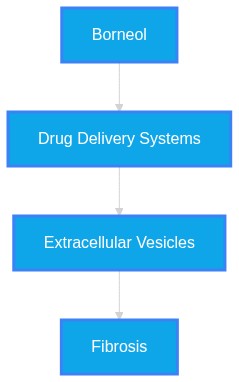
Borneol-mediated membrane permeability can enhance the therapeutic delivery of plant-derived extracellular vesicles to deep-seated endometriotic lesions, bridging the gap between existing delivery enhancements for CNS ischemia and local anti-fibrotic treatments.
Dataset Summary
Novel & Overlooked Insights
- Borneol is capable of enhancing the permeability of the blood-brain barrier, a feature successfully leveraged to increase cerebral exposure of neuroprotective agents.
- Plant-derived extracellular vesicles offer a cell-free therapeutic alternative with intrinsic biocompatibility and lower immunogenicity than mammalian counterparts.
- Endometriotic lesions generate an "immunofibrotic" niche, where cyclical bleeding and platelet-derived signals organize a persistent fibrotic architecture.
- The IL-17C-M2 macrophage axis and the miR-21-5p/VHL axis represent validated molecular nodes in endometriosis fibrosis, providing clear targets for PDEV-mediated therapeutic delivery.
- Targeting LOX-dependent collagen crosslinking and P-selectin-mediated adhesion can disrupt the feedback loops that sustain the fibrotic stiffness of lesions.
- Hydrogel platforms combined with botanical extracellular vesicles have demonstrated the ability to turn passive healing into active tissue regeneration, particularly in cutaneous wounds.
- Mechanistic parallels exist between the hypoxic environments of ischemic stroke penumbra and the inflammatory microenvironments of ectopic endometrial lesions.
Extracted Discoveries
- Assess the permeability of fibrotic endometriotic tissue ex vivo using borneol as an adjuvant in PDEV delivery systems.
- Perform in vivo biodistribution studies of borneol-modified PDEVs in a mouse model of endometriosis to confirm lesion accumulation.
- Comparative analysis of the pharmacokinetics of standard versus borneol-assisted exosomal delivery in refractory endometriosis.
- Identification of specific PDEV cargo components that synergize with borneol to modulate macrophage polarization in endometriotic niches.
- Discovered Hypothesis (A to C): Borneol-based permeation enhancement can be repurposed to facilitate the deep-tissue delivery of anti-fibrotic plant-derived extracellular vesicles (PDEVs) in endometriosis therapy. - Literature A (Origin): Borneol-facilitated blood-brain barrier permeability in ischemic stroke therapy (ID: 41814753). - Literature C (Target): Anti-fibrotic efficacy of PDEV therapeutics in inflammatory gynecological conditions (ID: 42568086). - The Intersecting Bridge B: Transient, stimuli-responsive modulation of membrane/epithelial permeability and tight junction fluidity. - Biological Rationale: Borneol's ability to act as a 'guider' by modifying lipid/protein barriers in the brain suggests a generalizable capability to temporarily loosen dense ECM and epithelial barriers in fibrotic lesions, thereby overcoming the penetration barrier currently limiting exosome-based therapies for endometriosis.
- None significant. Literature is convergent on the role of both borneol and extracellular vesicles in therapeutic modulation.
- Borneol, traditionally used as a brain-targeting 'guider' for ischemic stroke (ID: 41814753), is repurposed here as an epithelial-barrier-penetration enhancer for localized plant-derived exosome therapy in fibrotic endometriosis.
PathMap is funded by sales of datasets and coversheets to researchers of any kind who wish to discover the most viable routes and paths to accelerate cures. We do not make theoretical molecules, we expose the truth in current PubMed literature. Commission a trace today.
PathMap Scores
How are these metrics evaluated?
Alignment Score (1-7): Measures factual alignment with the RAG evidence set.
[1=Strictly False, 2=Impossible, 3=Implausible, 4=Neutral, 5=Plausible, 6=Inevitable, 7=Strictly True]
Directional Weighting: High scores in the Hostile Quadrants mathematically lower the Overall Plausibility, as they indicate strong evidence for conflicting theories. Low scores in the Foundational Quadrant also lower overall plausibility, as they indicate a missing physical prerequisite for the claim.
All Extracted Datapoints
Evaluated Perspectives & Quadrants
CLAIM EVALUATED AND ANSWER TO USER
"Borneol-mediated membrane permeability can enhance the therapeutic delivery of plant-derived extracellular vesicles to deep-seated endometriotic lesions, bridging the gap between existing delivery enhancements for CNS ischemia and local anti-fibrotic treatments."ABSTRACT & REWRITTEN CLAIM
Scientific literature establishes that borneol facilitates blood-brain barrier (BBB) penetration in cerebral ischemia models, whereas plant-derived extracellular vesicles (PDEVs) possess intrinsic therapeutic effects against fibrosis and inflammation. This synthesis proposes that applying borneol’s permeation-enhancing properties to localized exosome-based therapies for endometriosis represents a potential therapeutic advancement to overcome physiological barriers in fibrotic endometriotic lesions.INTRODUCTION & JUSTIFICATION
Endometriosis is characterized by extensive tissue remodeling and fibrosis, where ectopic endometrial stromal cells drive pathological progression through extracellular vesicle (EV)-mediated crosstalk. Current therapeutic approaches, primarily hormonal, remain limited by systemic toxicity and poor drug delivery to deep-seated lesions. The evidence suggests that borneol functions as a dual-action agent, accelerating phase inversion while simultaneously enhancing mucosal permeability, which mirrors its established utility in central nervous system pathologies. For instance, borneol improves blood-brain barrier permeability, facilitating brain-specific therapeutic delivery. When integrated into localized delivery platforms, such permeation-enhancing agents may improve the therapeutic efficacy of PDEVs—natural nanovesicles carrying bioactive lipids, proteins, nucleic acids, and phytochemicals—against endometriosis. By leveraging the mechanistic frameworks developed for ischemic stroke, where borneol-based systems are used to enrich therapeutic concentrations at pathological sites, a similar strategy could potentially enhance the delivery of anti-fibrotic cargo into dense, fibrotic endometriotic tissue.Novel & Overlooked
EVIDENCE, METHODOLOGY & CITATIONS
1. ID: 41814753 - "borneol improves blood-brain barrier permeability" 2. ID: 42188036 - "a brain-penetrating profile that was significantly enriched by Borneol" 3. ID: 42188036 - "Borneol not only enhanced the BBB permeability of lipophilic flavonoids but also facilitated unique metabolic transformations" 4. ID: 42390437 - "Borneol is capable of enhancing the permeability of the blood-brain barrier" 5. ID: 42155962 - "To improve the BBB permeability of compound 3g, 3g-borneol co-loaded liposomes (3g-BO-Lips) were prepared" 6. ID: 42155962 - "3g-BO-Lips possesses the potential to target ischemic brain regions" 7. ID: 41721072 - "borneol functioned as a dual-action agent, accelerating phase inversion while simultaneously enhancing mucosal permeability" 8. ID: 41707372 - "Borneol also significantly promoted GF1 distribution in the cortex and hippocampus, the pathological sites of AD" 9. ID: 42544276 - "MFELNs represent a novel class of decoction-derived exosome-like nanoparticles that ameliorate UC" 10. ID: 42544276 - "MFELNs attenuated DSS-induced body‑weight loss" 11. ID: 42544276 - "suppression of the SRC/NF-κB signaling pathway" 12. ID: 42587824 - "PDEVs are natural nanovesicles carrying bioactive lipids, proteins, nucleic acids, and phytochemicals" 13. ID: 42587824 - "PDEVs have shown preliminary improvements in cargo stability, lesion accumulation" 14. ID: 42336765 - "PGY-Exo treatment alleviated S-AKI by suppressing the accumulation of reactive oxygen species" 15. ID: 42352244 - "Extracellular vesicles (EVs) are well-established mediators of biological signaling" 16. ID: 42352244 - "cardiac EVs may contribute to miRNA alterations in brain EVs" 17. ID: 42335656 - "T. hemsleyanum-derived ELNs were efficiently internalized by pancreatic cancer cells" 18. ID: 42335656 - "ELN-delivered miR-396b suppresses pancreatic cancer cell proliferation" 19. ID: 42600763 - "SCEVs exhibit intrinsic, broad-spectrum antibacterial activity" 20. ID: 42600763 - "SCEVs exert profound immunomodulatory effects by scavenging 71.4% of excessive ROS" 21. ID: 42613798 - "EPOTF-purified LDEVs significantly enhanced hydration, antioxidant activity, skin barrier recovery" 22. ID: 42610891 - "Ortho-Fusion Metaboliprobe for the in situ detection of small molecule metabolites in tumor-derived exosomes" 23. ID: 42603092 - "PC exosome-like nanovesicles (PCELNs) alleviated HPH" 24. ID: 42603092 - "mitigating mitochondrial dysfunction through the PON1/MAPK axis" 25. ID: 42605928 - "sEV-NID1 elevates TGM3 levels, leading to dysregulation of integrins and activation of the YAP/TAZ signalling pathway" 26. ID: 42474512 - "Endometriosis is one of the most common causes of chronic pelvic or lower-abdominal pain" 27. ID: 42474512 - "ENDO-PAIN focuses on neuroinflammation and fibrosis as drivers of pain and chronification" 28. ID: 42470854 - "cyclical bleeding seeds an immunothrombotic niche in which activated platelets and fibrin scaffolds organize immune cells" 29. ID: 42470854 - "Reframing endometriosis as a platelet-organized immunofibrotic disorder identifies novel druggable nodes" 30. ID: 42568086 - "Targeting the IL-17C-M2 macrophage axis ameliorates fibrosis in endometriosis" 31. ID: 42568086 - "IL-17RE expression was significantly upregulated in endometriotic tissues" 32. ID: 42607216 - "AMB NPs preferentially recognize CXCR4 on aHSCs and subsequently release Mn2+ to engage the cyclic GMP-AMP synthase-stimulator of interferon genes" 33. ID: 42607216 - "suppressing cell proliferation and reducing cellular stiffness" 34. ID: 42474902 - "Real-time near-infrared ICG fluorescence imaging is a simple and minimally invasive adjunctive technique that facilitates fluorescence-guided intraoperative identification of the hypogastric nerve during robot-assisted nerve-sparing pelvic surgery." 35. ID: 42360694 - "Exposure to BEO induced multifactorial stress responses, including altered membrane homeostasis, oxidative management, and translation processes." 36. ID: 42400092 - "AZEVs protect keratinocytes against UVB-induced damage by enhancing mitochondrial function, reducing oxidative stress, and preserving skin barrier integrity." 37. ID: 42615693 - "This review provides a high-level synthesis of exosomal biogenesis and the nuanced roles these vesicles play in lung cancer." 38. ID: 42494309 - "Ash-ELNs significantly upregulated VEGF-A protein expression in the bulb mesenchyme, corroborating our in vitro results." 39. ID: 42352244 - "Our results demonstrate that miRNA profiles in brain EVs vary with HF progression." 40. ID: 42588187 - "Our in vivo findings indicate that nebulized inhalation of Gq-EVs for 7, 14, and 21 days improved abnormal cardiac diastolic function" 41. ID: 42587824 - "Preclinical studies suggest that selected PDEV preparations may exert protective effects in cardiovascular disease-related models by modulating inflammation, oxidative stress, lipid metabolism, and endothelial repair." 42. ID: 42400362 - "TLN1 orchestrates lymphatic metastasis in gastric cancer by dual-modulating tumor cell malignancy and lymphatic vessel remodeling via AKT activation." 43. ID: 42347955 - "Tomato-derived extracellular vesicles selectively package antifungal defense proteins and significantly suppress fungal spore growth and germination, supporting their role as coordinated plant immune delivery systems." 44. ID: 42435509 - "The increasing consumer awareness of the potential risks for human health of synthetic preservatives forces the demand for the use of natural alternatives." 45. ID: 42400362 - "sEVs act as key autocrine signals that influence gastric cancer cell behaviors such as proliferation, migration, invasion, and adhesion." 46. ID: 42391793 - "In vivo experiments revealed that the CGCN-3 group significantly accelerated the healing of full-thickness skin wounds in mice." 47. ID: 42500645 - "M2-Exo significantly prevents the proliferation, migration, and tube formation of human lymphatic endothelial cells and alleviated the mitochondrial damage induced by LPS." 48. ID: 42610891 - "Ortho-Fusion Metaboliprobe for the in situ detection of small molecule metabolites in tumor-derived exosomes"Verbatim Quote Audit Console
Mapped Reference Directory (APA)
- [1] ID: 41814753 - Yao Y, Wang XP, Lin RF, Gao WY, Zhou HW et al. (2026). [Application of combination of traditional Chinese medicine and western medicine in epilepsy prevention and treatment].. Zhongguo Zhong yao za zhi = Zhongguo zhongyao zazhi = China journal of Chinese materia medica. ID: 41814753.
- [2] ID: 42188036 - Zhu Y, Ren J, Chen M, Chen J, Li G (2026). Unveiling the Brain-Penetrating Material Basis of Dragon's Blood: Identification of Active Metabolites and Metabolic Pathways for Ischemic Stroke Therapy.. Metabolites. ID: 42188036.
- [3] ID: 42390437 - Cheng Y, Zhai L, Wang H, Liao B, Che J et al. (2026). A Brain-Targeted DNA Delivery Nanocarrier Modulator for Synergistic Therapy of Parkinson's Disease.. ACS applied materials & interfaces. ID: 42390437.
- [4] ID: 42155962 - Wu Y, Li S, Xiao R, Sheng M, Zhu P et al. (2026). Borneol-loaded liposomes modified with 5-hydroxy-1H-pyrazole-3-carboxylic acid enhance neuroprotection and brain specific for ischemic stroke therapy.. Bioorganic & medicinal chemistry. ID: 42155962.
- [5] ID: 41721072 - Senarat S, Lertsuphotvanit N, Thammasut W, Phaechamud T, Limsitthichaikoon S (2026). Modulation of Phase Inversion Dynamics and Buccal Permeation in Borneol-Based In Situ Forming Matrices by Triacetin.. AAPS PharmSciTech. ID: 41721072.
- [6] ID: 41707372 - Mao Y, Chen L, Liu Y, Song J, Liu P et al. (2026). Enhanced brain targeting and improved Alzheimer's disease therapy via intranasal delivery of Ginsenoside F1-loaded mixed micelles.. Colloids and surfaces. B, Biointerfaces. ID: 41707372.
- [7] ID: 42544276 - Yue YQ, Ai ZL, Li L, Sheng YL, Xu N et al. (2026). Magnolia biondii-Derived Exosome-Like Nanoparticles Ameliorate Ulcerative Colitis by Suppressing Inflammation, Reducing Oxidative Stress, and Modulating Gut Microbiota.. International journal of nanomedicine. ID: 42544276.
- [8] ID: 42587824 - Tie S, Kuang H, Xu H, Guo Q, Li J et al. (2026). Mechanisms and Translational Potential of Plant-Derived Extracellular Vesicles in Cardiovascular Disease.. Cells. ID: 42587824.
- [9] ID: 42336765 - Zhang P, Cao F, Xu L, Liu X (2026). Dandelion exosome-like nanovesicles alleviate sepsis-induced acute kidney injury via SLC7A11-regulated ferroptosis.. Renal failure. ID: 42336765.
- [10] ID: 42352244 - Islam MM, Liang S, Sun L, Hu G, Dhyani N et al. (2026). Alterations of Cerebral Extracellular Vesicle microRNA Profiling Potentially Disrupts Brain Homeostasis Following Myocardial Infarction.. Biomolecules. ID: 42352244.
- [11] ID: 42335656 - Lv M, Ding W, Zhou M, Xiang T, Zhang D (2026). Tetrastigma hemsleyanum ELN-derived miR-396b suppresses pancreatic cancer cell proliferation by targeting IL33.. Biochemical and biophysical research communications. ID: 42335656.
- [12] ID: 42600763 - Wang H, Liu Y, Zhang J, Wang J (2026). Reversing Antibiotic Resistance and Reprogramming Macrophage Polarization by Extracellular Vesicles from Fresh Schisandra chinensis: A Dual Pharmacological Strategy for Drug-Resistant Wound Infection and Sepsis.. Pharmacological research. ID: 42600763.
- [13] ID: 42613798 - Ko M, Jung H, Shin K, Kim S, Lee KN et al. (2026). EPOTF-Enabled Scalable Production of Structurally Intact Lemon-Derived Extracellular Vesicles with Enhanced Bioactivity.. ACS applied bio materials. ID: 42613798.
- [14] ID: 42610891 - Tian R, Kang Q, Dai X, Ding Y, Chen A et al. (2026). Ortho-Fusion Metaboliprobe for Sensitive and Specific In Situ Detection of Metabolites in Tumor-Derived Exosomes.. Analytical chemistry. ID: 42610891.
- [15] ID: 42603092 - Chen B, Hu J, Pan X, Fan R, Chen C (2026). Polygonum cuspidatum Exosome-Like Nanovesicles Alleviate Hypoxic Pulmonary Hypertension by Stabilizing PON1 to Inhibit MAPK-Mediated PASMC Phenotypic Switching.. FASEB journal : official publication of the Federation of American Societies for Experimental Biology. ID: 42603092.
- [16] ID: 42605928 - Yeung CLS, Cui L, Wang J, Chan CP, Ng TH et al. (2026). Small Extracellular Vesicle-Derived Nidogen 1 Promotes HCC Carcinogenesis via Transglutaminase 3-Mediated YAP/TAZ Signalling.. Journal of extracellular vesicles. ID: 42605928.
- [17] ID: 42474512 - Velho RV, Pradier B, Werner F, Pogatzki-Zahn EM, Mechsner S (2026). [Endometriosis pain research in Germany : ENDO-PAIN and StEPP-UPP-two new research consortia on endometriosis pain].. Schmerz (Berlin, Germany). ID: 42474512.
- [18] ID: 42470854 - Goodarzi FA, Majlesi ZA, Koutenaie A, Jomehpour F, Abtahian A et al. (2026). Platelet-driven immunothrombotic remodeling programs convert ectopic endometrium into fibrotic, immune-privileged lesions.. International immunopharmacology. ID: 42470854.
- [19] ID: 42568086 - Li J, Yao B, Chu L, Lash GE, Lu Q et al. (2026). Targeting the IL-17C-M2 macrophage axis ameliorates fibrosis in endometriosis through MAPK/ERK signaling.. Journal of translational medicine. ID: 42568086.
- [20] ID: 42607216 - Mu J, Dong J, Chen J, Sima P, Fan Y et al. (2026). CXCR4-targeted dual softener for inducing senescence therapy in hepatic fibrosis.. Proceedings of the National Academy of Sciences of the United States of America. ID: 42607216.
- [21] ID: 42474902 - Kanno K, Higuchi N, Kashiwabara T, Iwata T, Endo A et al. (2026). Real-time near-infrared fluorescence-guided identification of the hypogastric nerve during robot-assisted nerve-sparing surgery for deep endometriosis.. Journal of robotic surgery. ID: 42474902.
- [22] ID: 42360694 - Pavone V, Krasteva I, Schirone M, López CC, Argote-Vega FE et al. (2026). Basil essential oil induces multifactorial stress in Klebsiella variicola: a potential natural strategy to control a foodborne pathogen.. Journal of applied microbiology. ID: 42360694.
- [23] ID: 42400092 - Xu MR, Wang HC, Lee MS, Wang SY (2026). Alpinia zerumbet-Derived Extracellular Vesicles Protect Against UVB-Induced Photoaging by Enhancing Mitochondrial Bioenergetics and Skin Barrier Function.. BioFactors (Oxford, England). ID: 42400092.
- [24] ID: 42615693 - Wu L, Huang L, Li J (2026). Exosomes and lung cancer: Biogenesis, pathogenic mechanisms, biomarkers, and therapeutic applications.. The Journal of international medical research. ID: 42615693.
- [25] ID: 42494309 - Le Riche A, Nienhaus J, Silva E Sousa M, Erdmann H, Piccini I et al. (2026). Treatment With Ashwagandha-Derived Exosome-Like Nanovesicles Up-Regulates VEGF-A Production and Promotes Human Hair Growth Ex Vivo.. Experimental dermatology. ID: 42494309.
- [26] ID: 42588187 - Hao W, Zhao Y, Cui H, Liu A, Gong W et al. (2026). Lycium barbarum-Derived Extracellular Vesicles Ameliorate Myocardial Hypertrophy in Heart Failure with Preserved Ejection Fraction, Associated with Reduced Cardiomyocyte Apoptosis.. Nutrients. ID: 42588187.
- [27] ID: 42400362 - Li Y, Wen J, Cao X, Liu J, Li M et al. (2026). Small Extracellular Vesicle-TLN1 Modulates Gastric Cancer Cells and Remodels Lymphatic Endothelial Cells Through AKT Activation to Potentiate Lymphatic Metastasis.. Cell biology international. ID: 42400362.
- [28] ID: 42347955 - Salem D, Helmy A, Mohamed M, Moustafa N, Wafy M et al. (2026). Unveiling the antifungal arsenal: proteomic profiling of tomato exosomes.. Planta. ID: 42347955.
- [29] ID: 42435509 - Kamilari E, Stanton C, Hill C, Ross RP (2026). Application of QPS- and GRAS-status microorganisms and bacteriocins for sustainable food preservation.. International journal of food microbiology. ID: 42435509.
- [30] ID: 42391793 - Tang X, Huang G, Zhang D, Wang S, Peng Q et al. (2026). A multifunctional composite film comprising a citric acid-crosslinked polysaccharide matrix loaded with nutmeg essential oil nanoemulsion: suitable for facilitating active wound healing.. Biomaterials advances. ID: 42391793.
- [31] ID: 42500645 - Ma J, Pu L, Zhang Y, Wu B, Fei R et al. (2026). M2 macrophage-derived exosomes improves secondary lymphedema through cellular mitochondrial homeostasis regulation via the Keap1-Nrf2/mPTP axis.. Frontiers in immunology. ID: 42500645.
Abstract Repository (Raw Full-Texts) Show Database Collapse Database
ID: 41707372
Title: Enhanced brain targeting and improved Alzheimer's disease therapy via intranasal delivery of Ginsenoside F1-loaded mixed micelles.
Abstract: Alzheimer's disease (AD) progressively impairs cognition and memory, is pathologically localized in the cortex and hippocampus. Ginsenoside F1 (GF1), a rare ginsenoside, exerts great potential for AD treatment. However, the clinical translation is limited by its poor solubility and extremely low oral bioavailability (<1 %), which restricts its central nervous system (CNS) delivery and pathological site distribution via conventional formulations. Thus, the objective of this study is to explore the feasibility of increasing GF1 concentration in the brain via intranasal delivery, utilizing the solubilizing and permeation-enhancing capacity of nanomicelle in combination with borneol coadministration as a 'guider' to further enrich GF1 at the brain pathological sites. GF1-loaded single (GF1-M) and mixed micelles (GF1-MM) were successfully prepared and characterized. All the micelles had particle size less than 100 nm, with enhanced nasal mucosal permeability, and significantly increased GF1 concentration in the brain. The mixed micelles (GF1-1-BOR-MM) in combination with borneol further enhanced brain targeting efficiency of GF1, with a brain targeting index (DTI) of 1032.84 % and a nose-to-brain direct transport percentage (DTP) of 90.13 %. Borneol also significantly promoted GF1 distribution in the cortex and hippocampus, the pathological sites of AD. Pharmacodynamics studies demonstrated that after intranasal delivery, GF1-1-BOR-MM group showed substantial cognitive function improvement in AD model mice. In conclusion, intranasal drug delivery combined with nanomicelles breaks the deadlock of effective poorly soluble drug delivery to the brain. By combining with borneol, it can further enhance drug distribution to the pathologic site of AD, which holds great potential as a platform for treating CNS-related diseases.
View on PubMed
ID: 41721072
Title: Modulation of Phase Inversion Dynamics and Buccal Permeation in Borneol-Based In Situ Forming Matrices by Triacetin.
Abstract: The modulation of phase inversion dynamics and molecular transport is critical for optimizing in situ forming matrix (ISM) systems. This study elucidates the distinct roles of borneol and triacetin in tailoring the physicochemical properties of a borneol-based ISM for buccal delivery. Using real-time interfacial microscopy and confocal laser scanning microscopy (CLSM), the solvent exchange mechanisms and matrix evolution were characterized. Results demonstrated that triacetin concentration is a critical determinant of matrix density structure. Conversely, borneol functioned as a dual-action agent, accelerating phase inversion while simultaneously enhancing mucosal permeability. Comparative diffusion studies using hydrophilic sodium fluorescein (SF) and lipophilic Nile red (NR) revealed that molecular release was governed by viscosity- and polarity-dependent diffusion controls. Kinetics analysis indicated non-Fickian release for SF, whereas NR diffusion was partition-limited due to hydrophobic affinity. Ultimately, the interplay between the permeation-enhancing effects of borneol and the release-retarding capacity of triacetin offers a tunable platform for designing precise, controlled-release intraoral delivery systems.
View on PubMed
ID: 41814753
Title: [Application of combination of traditional Chinese medicine and western medicine in epilepsy prevention and treatment].
Abstract: Epilepsy is a common neurological disorder characterized by refractoriness and recurrence. In China, the prevalence rate is 0.4%-0.7%, with currently over nine million patients, among whom approximately 30% suffer from refractory epilepsy. Although antiepileptic drugs(AEDs) are the mainstay of treatment, they are associated with multi-system adverse reactions and drug resistance issues. In contrast, traditional Chinese medicine(TCM) treatment exhibits significant efficacy with lower toxicity and side effects, and integrated TCM and western medicine treatment can achieve complementary advantages. Studies have shown that integrated therapy demonstrates benefits in various types of epilepsy, including status epilepticus, post-stroke epilepsy, post-traumatic epilepsy, pediatric epilepsy, refractory epilepsy, and epilepsy comorbid with depression and anxiety. It exerts synergistic effects by enhancing AED bioavailability(borneol improves blood-brain barrier permeability), reducing seizure frequency, preventing recurrence, and minimizing western medicine toxicity(Dingxian Decoction decreases digestive/neurological adverse reactions). The underlying mechanisms involve regulating neurotransmitters(modulating glutamate and γ-aminobutyric acid levels) and ion channels(inhibiting sodium/calcium ion channels). In terms of preventive care, TCM plays an important role in preventing epileptic seizures by correcting biased constitutional states. In the future, integrated TCM and western medicine in epilepsy prevention and treatment will move toward individualized treatment, etiological treatment, preventive rehabilitation, and integration of scientific research with clinical practice, forming a three-dimensional development pattern of "technology empowerment, standard guidance, and whole-process management".
View on PubMed
ID: 42155962
Title: Borneol-loaded liposomes modified with 5-hydroxy-1H-pyrazole-3-carboxylic acid enhance neuroprotection and brain specific for ischemic stroke therapy.
Abstract: Ischemic stroke is a cardiovascular and cerebrovascular disease with high mortality and disability rates, characterized by complex pathophysiological mechanisms. In this study, 5-hydroxy-1H-pyrazole-3-carboxylic acid compound (3g) was identified to possess excellent radical scavenging ability and neuroprotective effect in the oxygen-glucose deprivation/reoxygenation (OGD/R)-induced cell model, as well as chelating effect on Fe3+. To improve the BBB permeability of compound 3g, 3g-borneol co-loaded liposomes (3g-BO-Lips) were prepared using the solvent injection method. 3g-BO-Lips reduced the OGD/R-induced ROS level in SH-SY5Y cells and restored the mitochondrial membrane potential. The imaging experiments confirmed that 3g-BO-Lips had brain-specific property and could accumulate in the ischemic area in middle cerebral artery occlusion/reperfusion (MCAO/R) mice model. In vivo pharmacodynamic studies revealed that 3g-BO-Lips significantly reduced infarct volume, suppressed inflammatory responses, restored behavioral and cognitive abilities in MCAO/R mice. These findings indicate that 3g-BO-Lips possesses the potential to target ischemic brain regions, exhibiting significant therapeutic efficacy in cerebral ischemia treatment with promising application prospects.
View on PubMed
ID: 42188036
Title: Unveiling the Brain-Penetrating Material Basis of Dragon's Blood: Identification of Active Metabolites and Metabolic Pathways for Ischemic Stroke Therapy.
Abstract: Background: Dragon's blood (dried resin of Dracaena cochinchinensis (Lour.) S.C.Chen) is a classic traditional medicine for treating ischemic stroke, yet its bioactive components capable of penetrating the blood-brain barrier (BBB) remain ill-defined. This study aims to elucidate its material basis and the synergistic mechanism of Borneol as a "guide drug." Methods: A systematic strategy integrating UHPLC-Q-TOF-MS/MS and metabolomics was employed to map the chemical profile of dragon's blood and identify its migrating constituents in rats. Results: A total of 96 compounds were characterized in vitro. In vivo analysis of the cerebrospinal fluid (CSF) revealed a brain-penetrating profile that was significantly enriched by Borneol, with the number of detected constituents increasing from 11 in the DB group to 16 in the DB + B group. The results demonstrated that demethylation, glycoside hydrolysis, and oxidation are primary metabolic pathways, validating a "pro-drug" mechanism where aglycones and hydroxylated derivatives act as the central effectors. Notably, Borneol not only enhanced the BBB permeability of lipophilic flavonoids but also facilitated unique metabolic transformations, such as the cyclization of berberrubine to coptisine. Conclusions: This study elucidates the brain-penetrating material basis of dragon's blood and reveals the dual synergistic mechanism of Borneol involving both physical permeation enhancement and metabolic modulation, offering scientific evidence for its clinical application in central nervous system diseases.
View on PubMed
ID: 42335656
Title: Tetrastigma hemsleyanum ELN-derived miR-396b suppresses pancreatic cancer cell proliferation by targeting IL33.
Abstract: Pancreatic ductal adenocarcinoma (PDAC) is one of the most aggressive malignancies and remains largely refractory to current therapeutic strategies. Plant-derived exosome-like nanovesicles (ELNs) have recently emerged as promising natural nanocarriers capable of delivering bioactive molecules across kingdoms; however, their functional cargos and molecular mechanisms in PDAC remain poorly understood. ELNs were isolated from Tetrastigma hemsleyanum and characterized by nanoparticle tracking analysis and zeta potential measurement. Cellular uptake was evaluated using PKH67 fluorescence labeling. Small RNA sequencing and RT-qPCR were performed to identify abundant ELN-associated miRNAs. The biological effects of ELNs and miR-396b were assessed by CCK-8 and colony formation assays. Transcriptomic profiling was conducted to identify downstream targets, and IL33 was validated by RT-qPCR, immunoblotting, bioinformatic prediction, and dual-luciferase reporter assays. Rescue experiments were further performed to investigate the functional involvement of the miR-396b/IL33 axis. T. hemsleyanum-derived ELNs were efficiently internalized by pancreatic cancer cells and inhibited cell proliferation in a dose-dependent manner. Small RNA sequencing identified miR-396b as a highly enriched ELN cargo. Both ELN treatment and miR-396b overexpression significantly reduced IL33 expression. Mechanistically, miR-396b directly bound the IL33 3' untranslated region and suppressed reporter activity, whereas mutation of the predicted binding site abolished this inhibitory effect. Functional rescue experiments demonstrated that inhibition of miR-396b attenuated ELN-mediated growth suppression, while IL33 re-expression partially reversed the anti-proliferative effects induced by miR-396b overexpression, indicating that the miR-396b/IL33 axis contributes substantially to the biological activity of ELNs. This study identifies miR-396b as a major functional cargo of T. hemsleyanum-derived ELNs and demonstrates that ELN-delivered miR-396b suppresses pancreatic cancer cell proliferation, at least in part, through direct repression of IL33. These findings provide mechanistic insight into a cross-kingdom ELN-miRNA-IL33 regulatory pathway and support the potential of plant-derived ELNs as a bioactive nanoplatform for PDAC intervention. Nevertheless, additional ELN cargos and in vivo validation warrant further investigation.
View on PubMed
ID: 42336765
Title: Dandelion exosome-like nanovesicles alleviate sepsis-induced acute kidney injury via SLC7A11-regulated ferroptosis.
Abstract: Sepsis is a systemic inflammatory response syndrome triggered by infection, resulting in organ dysfunction. Sepsis-induced acute kidney injury (S-AKI) is one of the most prevalent potential complications. Accumulating studies found that ferroptosis plays an important role in S-AKI. However, the specific regulatory mechanism is not clear. In the present study, we isolated plant-derived exosome-like nanovesicles (PELNs, named PGY-Exo herein) from Dandelion (Taraxacum Genus) and established an in vivo S-AKI model. Human umbilical vein endothelial cells (HUVECs) were stimulated with lipopolysaccharide (LPS) to mimic an in vitro septic injury model for evaluating the therapeutic effects of PGY-Exo. Proteomics was used to reveal the molecular mechanism by which PGY-Exo ameliorate AKI. In this study, PKH26-labeled PGY-Exo were confirmed to be taken up by HUVECs and renal tissues. PGY-Exo treatment alleviated S-AKI by suppressing the accumulation of reactive oxygen species (ROS) and multiple inflammatory factors, including tumor necrosis factor-α (TNF-α), interleukin-1β (IL-1β) and interleukin-6 (IL-6). Proteomic screening found that solute carrier family 7 member 11 (SLC7A11) was the key downstream target of PGY-Exo. Downregulation of SLC7A11 abrogated the protective effects of PGY-Exo against LPS-induced HUVEC injury and dysfunction. Taken together, this study found that treatment with dandelion-derived exosome-like nanovesicles alleviated sepsis-induced ferroptosis and renal injury by upregulating SLC7A11 expression.
View on PubMed
ID: 42347955
Title: Unveiling the antifungal arsenal: proteomic profiling of tomato exosomes.
Abstract: Tomato-derived extracellular vesicles selectively package antifungal defense proteins and significantly suppress fungal spore growth and germination, supporting their role as coordinated plant immune delivery systems. Extracellular vesicles (EVs) are significant facilitators of plant-pathogen communication. However, their role as organized antifungal protein delivery systems is not fully understood. This study investigated whether tomato (Solanum lycopersicum) EVs have a unique set of antifungal proteins that helps prevent the growth of phytopathogenic fungi. EVs were extracted from mature tomato fruits and characterized using transmission electron microscopy and dynamic light scattering. They were then analyzed through LC-MS/MS-based proteomic profiling. We identified 133 high-confidence proteins in total; several are involved in defense mechanisms, including pathogenesis-related proteins, defensins, endochitinases, glucanases, osmotin-like proteins, and lipid transfer proteins. Proteins involved in quality control, vesicle trafficking, and metabolic regulation were also enriched. This suggests that EV cargo may participate in stress-responsive and defense-related processes. These functional categories are commonly associated with plant immune responses. Biological assays showed that the density and germination of Fusarium oxysporum, Fusarium solani, and Botrytis cinerea spores were reduced in a dose-dependent manner. These results bolster the hypothesis that tomato-derived EVs are enriched with antifungal-associated proteins and may serve as coordinated delivery vehicles in plant defense responses. Independent proteomic analysis of EV cargo may contribute to antifungal responses that are not apparent from total secretome analysis alone. The present research improves our understanding of how vesicles help plants fight disease and indicates how plant EVs could be used in long-term disease control strategies. Overall, these findings highlight the potential of plant-derived EVs as innovative, biologically driven tools for enhancing crop protection and developing sustainable antifungal strategies in agriculture.
View on PubMed
ID: 42352244
Title: Alterations of Cerebral Extracellular Vesicle microRNA Profiling Potentially Disrupts Brain Homeostasis Following Myocardial Infarction.
Abstract: Cognitive impairment (CI) is prevalent among heart failure (HF) patients. Although the brain injury in HF is multifactorial, oxidative stress and neuroinflammation are common pathological features of neurological disorders and are increasingly recognized as key mechanisms underlying CI. Extracellular vesicles (EVs) are well-established mediators of biological signaling in myocardial function and are widely recognized for transporting a variety of microRNAs. However, whether myocardial injury alters the miRNA profiles of brain EVs, potentially contributing to cognitive impairment (CI) by disrupting brain homeostasis, remains poorly understood. Using a rodent myocardial infarction (MI) model, we isolated brain EVs and characterized their miRNA profiling by means of small RNA sequencing. Our results demonstrate that miRNA profiles in brain EVs vary with HF progression. Only three miRNAs were significantly changed at 3 weeks post-MI, whereas thirty-two miRNAs and sixty-five miRNAs demonstrated significant changes post-MI, showed significant alterations at 6 and 12 weeks post-MI, respectively. Bioinformatic analysis suggests that some miRNAs against oxidative stress and inflammation were downregulated in brain EVs at 6 and 12 weeks post-MI. Conversely, several miRNAs responsible for oxidative stress and neuroinflammation were significantly increased, which may be of cardiac origin following MI. Collectively, these findings suggest that cardiac EVs may contribute to miRNA alterations in brain EVs, potentially driving CI by disrupting brain homeostasis.
View on PubMed
ID: 42360694
Title: Basil essential oil induces multifactorial stress in Klebsiella variicola: a potential natural strategy to control a foodborne pathogen.
Abstract: Klebsiella variicola, traditionally considered a plant-associated bacterium, is emerging as a foodborne and opportunistic pathogen with growing antimicrobial resistance. Its persistence in food and food-processing environments represents a potential risk to public health. This study aimed to investigate how basil (Ocimum basilicum) essential oil (BEO), a plant-derived antimicrobial, affects the physiology of K. variicola and to identify molecular targets that could reduce its persistence in food-related environments. We applied a label-free quantitative proteomic approach to examine the global responses of K. variicola to a subinhibitory concentration of BEO. Exposure to BEO induced multifactorial stress responses, including altered membrane homeostasis, oxidative management, and translation processes. Key energy-related pathways were downregulated, while antioxidant defenses were upregulated, indicating that BEO imposes combined physiological stresses rather than acting through a single mechanism. These findings provide the first proteome-level insight into the cellular response of K. variicola to essential oils and highlight molecular vulnerabilities that could be exploited to limit its survival in food-processing settings. Overall, the study supports the potential of BEO as a natural antimicrobial strategy to improve food safety.
View on PubMed
ID: 42390437
Title: A Brain-Targeted DNA Delivery Nanocarrier Modulator for Synergistic Therapy of Parkinson's Disease.
Abstract: The pathological characteristics of Parkinson's Disease (PD) are multifactorial, encompassing the aggregation of α-synuclein, mitochondrial dysfunction, and oxidative stress, necessitating the adoption of multitarget therapeutic strategies. In this study, a borneol-modified carboxymethyl chitosan nanoparticle system (BC/P/HCR NPs) was developed, aiming to codeliver curcumin, rosmarinic acid, and plasmid DNA (pDNA) targeting the SNCA gene for synergistic therapeutic intervention in PD. Borneol is capable of enhancing the permeability of the blood-brain barrier (BBB), while carboxymethyl chitosan contributes to improving the solubility of curcumin and preventing premature drug release. In a C57BL/6 mouse model of PD, BC/P/HCR NPs demonstrated enhanced penetration through the BBB, effectively alleviating motor dysfunction and reducing neuronal damage by downregulating the expression of α-synuclein, restoring mitochondrial function, and mitigating oxidative stress. These findings underscore the potential of BC/P/HCR NPs as a multifunctional nanotherapeutic platform for addressing the complex pathological features of PD.
View on PubMed
ID: 42391793
Title: A multifunctional composite film comprising a citric acid-crosslinked polysaccharide matrix loaded with nutmeg essential oil nanoemulsion: suitable for facilitating active wound healing.
Abstract: Nutmeg essential oil shows promising antioxidant, antibacterial, and anti-inflammatory properties for wound healing, but its poor water solubility and low bioavailability restrict its practical use. In this study, an ultrasonic-assisted method was employed to create a nutmeg essential oil nanoemulsion with significantly improved stability and bioactivity. This nanoemulsion was incorporated into a composite film matrix composed of sodium carboxymethyl cellulose and gum xanthan, with citric acid as the crosslinking agent, yielding several bioactive composite film samples (CGCN-0 to CGCN-3). Adding NEO-NE notably increased the films' tensile strength and structural stability. Specifically, the tensile strength of the CGCN-0 film rose from 10.76 ± 2.82 MPa to 19.64 ± 1.05 MPa in the CGCN-3 film. Moreover, the NEO-NE-loaded film displayed enhanced antioxidant, antibacterial, and anti-inflammatory activities, and showed excellent biocompatibility as demonstrated by cytotoxicity and hemolysis tests. In vivo experiments revealed that the CGCN-3 group significantly accelerated the healing of full-thickness skin wounds in mice. Overall, this composite membrane containing NEO-NE offers an effective strategy to enhance the stability and bioactivity of essential oils, transforming the wound's passive healing process into active healing, and providing new insights into the field of wound dressings.
View on PubMed
ID: 42400092
Title: Alpinia zerumbet-Derived Extracellular Vesicles Protect Against UVB-Induced Photoaging by Enhancing Mitochondrial Bioenergetics and Skin Barrier Function.
Abstract: Ultraviolet B (UVB) radiation is a major cause of skin photoaging by oxidative stress, mitochondrial dysfunction, and barrier disruption. Plant-derived extracellular vesicles (PDEVs) have emerged as promising bioactive nanocarriers, but their roles in mitochondrial regulation and skin barrier homeostasis remain unclear. This study aimed to investigate the protective effects of extracellular vesicles derived from Alpinia zerumbet leaves (AZEVs) against UVB-induced photoaging in HaCaT keratinocytes. The results indicated that AZEVs exhibited typical extracellular vesicle characteristics, with an average size of 150 nm and a negative surface charge. Functionally, AZEVs significantly enhanced cell viability in UVB-exposed HaCaT cells, reduced ROS accumulation, and restored mitochondrial membrane potential and ATP production. Moreover, AZEVs upregulated mitochondrial biogenesis-related signaling pathway proteins (SIRT1, PGC-1α, Nrf2, and p-AMPK/AMPK) and TJ protein expression (ZO-1, occludin, and claudin-3), preserving barrier integrity and promoting wound healing. In addition, AZEVs are enriched in conserved miRNAs (miR166, miR159, and miR156) and a novel miRNA (novel_1), with predicted targets involved in redox regulation and energy metabolism. In summary, AZEVs protect keratinocytes against UVB-induced damage by enhancing mitochondrial function, reducing oxidative stress, and preserving skin barrier integrity. These findings highlight AZEVs as a promising natural nanoplatform for anti-photoaging and skin repair applications.
View on PubMed
ID: 42400362
Title: Small Extracellular Vesicle-TLN1 Modulates Gastric Cancer Cells and Remodels Lymphatic Endothelial Cells Through AKT Activation to Potentiate Lymphatic Metastasis.
Abstract: Lymph node metastasis is a pivotal determinant of poor prognosis of gastric cancer, but the molecular orchestrators of lymphatic dissemination remain poorly characterized. Recent research highlights the pivotal role of small extracellular vesicles (sEVs) with specific cargo during the process. Herein, TLN1 was identified as being selectively enriched within sEVs from highly lymph-metastatic gastric cancer cells and in the serum of gastric cancer patients with lymph node metastasis, as identified through proteomic screening and confirmed by western blotting. sEVs act as key autocrine signals that influence gastric cancer cell behaviors such as proliferation, migration, invasion, and adhesion. TLN1 protein levels in cells correlate with their lymphatic metastatic potential and determine TLN1 content in sEVs. Inhibiting TLN1 reduces these cancer cell malignant behaviors and leads to TLN1-depleted sEVs. TLN1 could be transferred to gastric cancer cells and human lymphatic endothelial cells (HLECs) via sEVs. Without TLN1, sEVs cannot enhance cancer cell malignancy or induce HLEC proliferation, tube formation, adhesion, permeability in vitro, or lymphatic metastasis in vivo. Mechanistically, AKT activation was identified as a mediator of the effects exerted by sEV-TLN1 on both gastric cancer cells and HLECs. In conclusion, TLN1 orchestrates lymphatic metastasis in gastric cancer by dual-modulating tumor cell malignancy and lymphatic vessel remodeling via AKT activation. This discovery offers new perspectives on the mechanisms driving lymphatic metastasis in gastric cancer and proposes a promising target for the detection and therapeutic intervention of lymph node metastasis.
View on PubMed
ID: 42435509
Title: Application of QPS- and GRAS-status microorganisms and bacteriocins for sustainable food preservation.
Abstract: Food quality deterioration due to microbial contamination and consequent spoilage represents a major challenge for the food industry. This growing concern creates the need for sustainable, effective, and consumer-safe solutions. The increasing consumer awareness of the potential risks for human health of synthetic preservatives forces the demand for the use of natural alternatives. One promising solution involves the administration of natural biopreservatives, including microorganisms with Qualified Presumption of Safety (QPS) or Generally Recognized as Safe (GRAS) status, as well as antimicrobial compounds derived from such microbes. This review highlights the application of QPS- and GRAS-status microbial strains and/or the antimicrobials they produce in several food categories, such as dairy, meat, fish, fruits, vegetables, and baked products, as natural bioprotective cultures/peptides against spoilage and pathogenic microorganisms. Considering the increasing threat generated by foodborne pathogens carrying antibiotic resistance genes, we also explore the targeted use of antimicrobials, particularly bacteriocins, to selectively inhibit these harmful microbes in food products. Furthermore, we examine strategies to enhance the antimicrobial effectiveness of bacteriocins against Gram-negative and Gram-positive bacteria, using a combination of bacteriocins with membrane-permeabilizing agents like ethylenediaminetetraacetic acid (EDTA), high hydrostatic pressure (HHP), organic acids, essential oils, and chitosan-based coatings. Overall, this review aims to uncover the potential of replacing synthetic preservatives with natural, consumer-friendly safe cultures as preservatives and clean-label antimicrobials, offering a promising solution on reducing global food waste.
View on PubMed
ID: 42470854
Title: Platelet-driven immunothrombotic remodeling programs convert ectopic endometrium into fibrotic, immune-privileged lesions.
Abstract: Endometriosis is a chronic, heterogenous disorder in which cyclical hemorrhage and repetitive repair generate ectopic implants that persist, recur, and drive pain and infertility; conventional frameworks emphasizing hormonal aberration and immune failure incompletely explain lesion fibrotic maturation and spatial heterogeneity. We synthesize human, experimental, and emerging spatial-omic evidence to advance a unifying mechanistic paradigm: cyclical bleeding seeds an immunothrombotic niche in which activated platelets and fibrin scaffolds organize immune cells and stromal responders, and platelet-derived signals, including P-selectin, TGF-β and platelet-derived microparticles (PMPs), act as upstream instructors of both immune dysregulation and fibrogenic stromal reprogramming. Quantitative histology and SHG imaging demonstrate spatial platelet hotspots that co-localize with NK suppression, CD163+ macrophage polarization and aligned collagen bundles in human lesions, while PMP proteomics and functional uptake assays link vesicular cargo to myofibroblast and reparative macrophage transcriptional programs. Mechanistically, platelet TGF-β and PMP cargo downregulate NK effector receptors (for example NKG2D), reprogram macrophages toward LOX-enriched matrix-remodeling states, and bias adaptive responses toward tolerance (Treg/Th17 imbalance), creating microdomains permissive for lesion survival. These processes engage a mechanobiological feedback loop: LOX-dependent collagen crosslinking increases stiffness, which amplifies myofibroblast and immune phenotypes and further recruits platelets, consolidating fibrotic architecture. We propose a research and translational roadmap, standardized PMP pipelines, integrated scRNA/spatial cohorts, ex vivo perturbations, and early proof-of-concept trials targeting adhesion (P-selectin), PMP biology, TGF-β activation or LOX, to test causality and enable precision interventions for the "immunofibrotic" endometriosis phenotype. Reframing endometriosis as a platelet-organized immunofibrotic disorder identifies novel druggable nodes and biomarker strategies with immediate potential to change both mechanistic research and clinical management.
View on PubMed
ID: 42474512
Title: [Endometriosis pain research in Germany : ENDO-PAIN and StEPP-UPP-two new research consortia on endometriosis pain].
Abstract: Endometriosis is one of the most common causes of chronic pelvic or lower-abdominal pain, yet mechanisms, predictors, and patient-centered treatment pathways remain insufficiently defined. This article summarizes the situation in Germany and presents two complementary research consortia: StEPP-UPP and ENDO-PAIN.StEPP-UPP addresses the clinical heterogeneity of endometriosis pain via a prospective multicenter cohort, standardized patient-reported outcomes, quantitative sensory testing, and multi-omics from blood, stool, and lesions. Explainable artificial intelligence and machine-learning models aim to estimate risk and trajectories of persistent pain, define mechanism-informed subgroups, and support treatment decisions. Preclinical mouse models with non-evoked behavioral metrics plus multiparametric MRI and single-cell analyses provide mechanistic anchoring for clinical signatures.ENDO-PAIN focuses on neuroinflammation and fibrosis as drivers of pain and chronification. Using patient samples, cell cultures, and 3D organoids, it maps immune-stroma interactions, syndecan signaling, and hormone-inflammation axes (for example P4-TGFβ-NFκB-COX-2) to derive biomarker networks and therapeutic targets.Both consortia integrate patient advocacy structurally to ensure patient-relevant endpoints and accessible information. Together they point to three priorities: standardization of data collection and biobanking; stratification along bio-psycho-social profiles and molecular signatures; and interdisciplinary shared decision-making across research, clinics, and people with endometriosis, aiming for mechanistically grounded, data-driven, patient-centered pain medicine. Endometriose ist eine der häufigsten Ursachen chronischer Becken‑/Unterbauchschmerzen; Mechanismen, Prädiktoren und patientinnenzentrierte Therapiepfade sind jedoch unzureichend definiert. Dieser Beitrag bündelt den Status quo in Deutschland und stellt zwei komplementäre Verbünde vor: StEPP-UPP und ENDO-PAIN.StEPP-UPP adressiert die klinische Heterogenität des Endometrioseschmerzes mit einer prospektiven Kohorte (prä- und postoperativ), standardisierten „patient-reported outcomes“, quantitativer sensorischer Testung (QST) und Multi-Omics. Erklärbare KI/ML-Modelle (künstliche Intelligenz/maschinelles Lernen) sollen Risiko und Verlauf persistierender Schmerzen abschätzen, Subgruppen definieren und Therapieentscheidungen unterstützen. Präklinische Mausmodelle mit nichtevozierten Verhaltensmetriken, multiparametrischer MRT und Single-Cell-Analysen verankern klinische Signaturen mechanistisch.ENDO-PAIN fokussiert auf Neuroinflammation und Fibrose als Treiber von Schmerz und Chronifizierung. Mit Patientinnenproben, Zellkulturen und 3D-Organoiden werden Immun- und Stromazell-Interaktionen, Syndecan-Signalwege und hormon-entzündliche Achsen (z. B. P4–TGFβ–NFκB–COX-2) kartiert, um Biomarker-Netzwerke und neue Zielstrukturen abzuleiten.Beide Verbünde integrieren Patientinnenvertretungen (Advisory, Material-Feedback, Dissemination), um patientinnenrelevante Endpunkte und verständliche Materialien zu sichern. Daraus ergibt sich ein Quo vadis: 1) Standardisierung von Erhebung und Biobanking (u. a. WERF-ePHect, FAIR); 2) Stratifizierung entlang bio-psycho-sozialer Profile und molekularer Signaturen; 3) interdisziplinäres Shared Decision-Making zwischen Forschung, Klinik und Betroffenen. Ziel ist eine mechanistisch fundierte, datengetriebene, patientinnenzentrierte Schmerzmedizin mit früherer Diagnose und passenderen Therapien.
View on PubMed
ID: 42474902
Title: Real-time near-infrared fluorescence-guided identification of the hypogastric nerve during robot-assisted nerve-sparing surgery for deep endometriosis.
Abstract: Identification and preservation of pelvic autonomic nerves is essential for preventing postoperative functional disorders during surgery for deep endometriosis (DE); however, nerve-sparing surgery in patients with severe fibrosis and cul-de-sac obliteration remains technically demanding. Herein, we describe a surgical technique and perioperative outcomes of fluorescence-guided intraoperative identification of the hypogastric nerve using indocyanine green (ICG) during robot-assisted nerve-sparing hysterectomy (NSH) for DE. This retrospective cohort study included 41 consecutive patients who underwent robot-assisted NSH for DE between November 2020 and December 2025. A low-dose intravenous bolus of ICG (0.25 mg/kg) was administered intraoperatively, and near-infrared fluorescence imaging was used to facilitate intraoperative identification of the hypogastric nerve. Fluorescence onset was retrospectively assessed via surgical video review. The hypogastric nerve was successfully identified in 38 of 41 cases, yielding an overall identification rate of 92.7% (95% CI, 80.6-97.5%). The median time from ICG injection to fluorescence onset was 25 s (range, 12-42 s). No ICG-related adverse events or major perioperative complications occurred. In the three unsuccessful cases, nerve-sparing surgery was completed under conventional white-light visualization without conversion or additional complications. Real-time near-infrared ICG fluorescence imaging is a simple and minimally invasive adjunctive technique that facilitates fluorescence-guided intraoperative identification of the hypogastric nerve during robot-assisted nerve-sparing pelvic surgery. This approach may improve the reproducibility of anatomical nerve-sparing dissection and facilitate safer anatomical navigation during complex pelvic surgery. Larger prospective studies are warranted to validate these preliminary findings.
View on PubMed
ID: 42494309
Title: Treatment With Ashwagandha-Derived Exosome-Like Nanovesicles Up-Regulates VEGF-A Production and Promotes Human Hair Growth Ex Vivo.
Abstract: Human-derived exosomes show promise for hair loss treatment but may pose safety concerns, including inflammatory responses and pathogen transmission. Here, we investigated whether plant-derived exosomes, whose isolation can be standardized, and which show lower compositional complexity and no immunogenicity, represent a valid alternative. We isolated and characterized exosome-like nanovesicles from the Ashwagandha plant (Ash-ELNs), which is traditionally used to relieve stress, and pre-clinically explored their hair growth-promoting potential. Multi-omic approaches demonstrated low variations in the content of seven different Ash-ELN preparations, and cellular vesicle uptake was confirmed in human dermal fibroblasts (HDFs). In a scratch assay of human dermal papilla fibroblasts (HDPCs), Ash-ELNs significantly increased the production/secretion of the hair growth promoters VEGF-A, PLGF1, FGF2 and LIF. Application of Ash-ELNs to healthy human microdissected hair follicles significantly prolonged anagen and increased hair shaft production, while hair matrix keratinocyte proliferation and -apoptosis remained unaltered. Ash-ELNs significantly upregulated VEGF-A protein expression in the bulb mesenchyme, corroborating our in vitro results. Finally, Ash-ELNs promoted tubulogenesis in an HDF-human umbilical vein endothelial cell (HUVEC) assay, suggesting VEGF-A-induced angiogenesis as a possible mechanism underlying the anagen promoting effect of Ash-ELN. Thus, Ash-ELN treatment offers a novel adjuvant strategy or non-drug agent to reduce hair shedding.
View on PubMed
ID: 42500645
Title: M2 macrophage-derived exosomes improves secondary lymphedema through cellular mitochondrial homeostasis regulation via the Keap1-Nrf2/mPTP axis.
Abstract: Secondary lymphedema leads to progressive tissue remodeling and immune dysregulation. Dysregulation of macrophage polarization critically influences pathological progression. Oxidative stress and mitochondrial homeostasis are the critical components of secondary lymphedema. A secondary lymphedema model and an LPS-induced in vitro cell injury model were established. Mitochondrial dynamics were evaluated using the ROS assay, mitochondrial membrane potential analysis and mPTP opening assays. Mechanistic investigations included Nrf2 nuclear translocation analysis via immunofluorescence, western blotting, and pharmacological inhibition of exosome biogenesis using GW4869. Secondary lymphedema tissues exhibited a significant imbalance in M1/M2 macrophage infiltration (with an increase in M1 and decrease in M2), along with elevated IL-1β levels. M2-Exo significantly prevents the proliferation, migration, and tube formation of human lymphatic endothelial cells and alleviated the mitochondrial damage induced by LPS. This mechanism may involve activation of Keap1-Nrf2 signaling. M2 macrophage exosomes activated the Nrf2 anti-oxidative stress pathway. This activation improves mitochondrial homeostasis and enhances the function of human lymphatic endothelial cells by delivering active ingredients, offering a new strategy for the treatment of secondary lymphedema.
View on PubMed
ID: 42544276
Title: Magnolia biondii-Derived Exosome-Like Nanoparticles Ameliorate Ulcerative Colitis by Suppressing Inflammation, Reducing Oxidative Stress, and Modulating Gut Microbiota.
Abstract: Ulcerative colitis (UC) is a chronic, relapsing inflammatory bowel disease with limited treatment options and suboptimal remission rates. Plant-derived exosome-like nanoparticles have emerged as promising therapeutic agents due to their natural origin, biocompatibility, and capacity to deliver bioactive cargo. This study aimed to isolate exosome-like nanoparticles from the decoction of Magnolia biondii flower buds (Xinyi) (MFELNs) and evaluate their therapeutic potential in a murine model of UC. MFELNs were isolated from Xinyi decoction using differential centrifugation and ultracentrifugation. MFELNs were characterized by transmission electron microscopy, nanoparticle size and potential analysis, and metabolomic profiling. The in vitro antioxidant activity was assessed by DPPH scavenging and intracellular ROS suppression assays. Anti-inflammatory effects were evaluated in LPS-stimulated RAW 264.7 macrophages by measuring cytokine expression and macrophage polarization via flow cytometry. The promotion of cell migration was assessed in NIH3T3 cells by scratch assay. UC was induced in C57BL/6 mice using dextran sodium sulfate (DSS), and MFELNs were orally administered daily for 14 days. Disease activity index, colon length, histopathology, colonic cytokine expression, and gut microbiota composition were evaluated. Bioinformatics analysis, molecular docking, and Western blot were performed to elucidate the underlying molecular mechanisms. MFELNs exhibited typical exosome-like morphology with a size of 66.7 ± 1.3 nm and a negative surface charge. Metabolomic profiling revealed enrichment in flavonoids, alkaloids, lignans, and phenolic acids. MFELNs demonstrated satisfactory biocompatibility and gastrointestinal stability. In vitro, MFELNs scavenged DPPH radicals, suppressed H2O2-induced ROS generation, downregulated LPS-induced pro-inflammatory cytokines (TNF-α, IL-1β, IL-6), restored IL-10 expression, and promoted macrophage polarization from M1 to M2 phenotype. In vivo, MFELNs attenuated DSS-induced body‑weight loss, reduced DAI scores, prevented colon shortening, and alleviated histopathological damage. MFELNs downregulated colonic pro-inflammatory cytokines and restored IL-10 expression. Gut microbiota analysis revealed that MFELNs restored the DSS-elevated Firmicutes/Bacteroidota ratio without significantly affecting α-diversity. Bioinformatics screening identified four potential bioactive components (sesamin, litsoeine/laurotetanine, demethylwedelolactone, and armepavine) that target SRC. Molecular docking demonstrated favorable binding between these components and SRC, while Western blot confirmed that MFELNs suppressed the SRC/NF-κB signaling pathway. MFELNs represent a novel class of decoction-derived exosome-like nanoparticles that ameliorate UC through integrated anti-inflammatory, antioxidant, and microbiota-modulating mechanisms. Their therapeutic effects are mediated, at least in part, through suppression of the SRC/NF-κB signaling pathway. These findings position MFELNs as a promising natural nanotherapeutic strategy for UC and support the concept that self-assembled nanoparticles formed during herbal decoction constitute an important material basis for the efficacy of traditional Chinese herbals.
View on PubMed
ID: 42568086
Title: Targeting the IL-17C-M2 macrophage axis ameliorates fibrosis in endometriosis through MAPK/ERK signaling.
Abstract: Endometriosis is characterized by inflammation and fibrosis, in which cytokines and cytokine-macrophage interactions serve as critical mediators. However, the specific mechanisms that initiate the fibrotic cascade in endometriosis remain poorly defined. Spatial transcriptomics (ST) and cellular interaction analyses were performed on human specimens of endometriotic lesions and normal endometrium. An endometriosis mouse model was used to evaluate the effect of IL-17 C neutralization with the MOR106 antibody on ectopic lesion growth and fibrosis. In vitro experiments were conducted to explore the role of IL-17 C in macrophage polarization and extracellular matrix (ECM) production by endometrial stromal cells (ESCs). IL-17RE expression was significantly upregulated in endometriotic tissues compared with normal endometrium and correlated with endometriosis fibrosis. IL-17 C levels were markedly higher in patient-derived tissues and peritoneal fluid. In a mouse model of endometriosis, neutralization of IL-17 C with the MOR106 antibody inhibited ectopic lesion growth and alleviated fibrosis in both eutopic and ectopic endometrium. Importantly, MOR106 selectively reduced CD206 + M2 macrophage infiltration in lesions without significantly altering the M1 macrophage population, suggesting that IL-17 C primarily drives M2-like macrophage accumulation in vivo. In vitro, IL-17 C promoted macrophage polarization toward a pro-fibrotic M2-like phenotype, and these IL-17 C-induced M2 macrophages enhanced ECM production by ESCs via activation of the MAPK/ERK pathway. Targeting the IL-17 C/IL-17RE axis provides a promising novel therapeutic strategy for mitigating fibrosis in endometriosis.
View on PubMed
ID: 42587824
Title: Mechanisms and Translational Potential of Plant-Derived Extracellular Vesicles in Cardiovascular Disease.
Abstract: Cardiovascular diseases remain a major global health burden. Plant-derived extracellular vesicles (PDEVs) are increasingly being investigated as potential therapeutic and drug-delivery platforms for cardiovascular disease. PDEVs are natural nanovesicles carrying bioactive lipids, proteins, nucleic acids, and phytochemicals. Preclinical studies suggest that selected PDEV preparations may exert protective effects in cardiovascular disease-related models by modulating inflammation, oxidative stress, lipid metabolism, and endothelial repair. In experimental models, selected PDEVs have shown preliminary improvements in cargo stability, lesion accumulation, controlled release, and local retention through drug loading, surface ligand modification, responsive design, and integration with biomaterials. This review summarises the biogenesis, isolation, characterisation, and cardiovascular actions of PDEVs, with emphasis on their engineering and targeted delivery applications in atherosclerosis, myocardial infarction, ischaemia-reperfusion injury, vascular calcification, restenosis, and cardiotoxicity. Current challenges, including insufficient standardization, uncertain regulatory classification, unclear mechanisms, and limited pharmacokinetic and long-term safety data, are also discussed. Addressing these issues is essential for reliably evaluating the clinical translation potential of PDEVs.
View on PubMed
ID: 42588187
Title: Lycium barbarum-Derived Extracellular Vesicles Ameliorate Myocardial Hypertrophy in Heart Failure with Preserved Ejection Fraction, Associated with Reduced Cardiomyocyte Apoptosis.
Abstract: Non-invasive therapies for heart failure represent one of the current major focuses in clinical research. Plant-derived extracellular vesicles (PEVs) have recently emerged as a promising therapeutic modality. In this study, we investigated the therapeutic potential of PEVs in heart failure with preserved ejection fraction (HFpEF), focusing on extracellular vesicles derived from Lycium barbarum (Gq-EVs). We first obtained Gq-EVs with high biological activity and high concentration from Lycium barbarum juice and characterized them by using transmission electron microscopy, nanoparticle tracking analysis, and metabolite composition analysis. Our in vivo findings indicate that nebulized inhalation of Gq-EVs for 7, 14, and 21 days improved abnormal cardiac diastolic function, reduced excessive myocardial hypertrophy, and attenuated inflammatory cell infiltration and collagen deposition in HFpEF mice. Further in vivo and in vitro experiments showed that Gq-EVs can reach injured cardiac tissue, improve mitochondrial function, and are associated with reduced cardiomyocyte apoptosis and amelioration of myocardial hypertrophy, potentially involving TP53-related apoptotic signaling. Overall, nebulized delivery of Gq-EVs may be a relatively non-invasive, well-tolerated, and cost-effective therapeutic strategy for HFpEF, highlighting the potential of PEV-based nanotherapies and offering a sustainable approach for the medical utilization of Lycium barbarum resources.
View on PubMed
ID: 42600763
Title: Reversing Antibiotic Resistance and Reprogramming Macrophage Polarization by Extracellular Vesicles from Fresh Schisandra chinensis: A Dual Pharmacological Strategy for Drug-Resistant Wound Infection and Sepsis.
Abstract: The rapid global escalation of multi-drug resistant (MDR) infections, ranging from localized chronic MRSA-infected wounds to systemic CRE-induced sepsis, has necessitated the urgent development of innovative antimicrobial potentiators. Herein, we identify Schisandra chinensis-derived extracellular vesicles (SCEVs) as a versatile, biogenic nanoplatform capable of simultaneously reversing bacterial resistance and resolving pathological inflammation. SCEVs exhibit intrinsic, broad-spectrum antibacterial activity and function as potent antibiotic sensitizers. At a low dose, SCEVs reduced the MICs of clinical MDR strains by up to 20-fold, achieving a fractional inhibitory concentration index (FICI) of 0.215. Leveraging this synergy, we engineered meropenem-loaded SCEVs (Mero@SCEVs) to achieve targeted intracellular delivery with an encapsulation efficiency of 20%. Integrated proteomic analyses unveiled that SCEVs exert their multifaceted efficacy through a dual-action mechanism whereby chitinase and Histone H4 disrupt bacterial membrane integrity, while ATP synthase targets F-type ATPase to deplete intracellular energy levels in pathogens. Simultaneously, SCEVs exert profound immunomodulatory effects by scavenging 71.4% of excessive ROS and driving macrophage polarization from a pro-inflammatory M1 phenotype to a pro-healing M2 phenotype. To facilitate clinical translation, a ROS-responsive PBA-HAMA/PVA hydrogel was developed for the sustained delivery of SCEVs to diabetic wounds, accelerating closure within 15 days. Beyond topical therapy, intraperitoneal injection of SCEVs rescued 60% of mice from lethal CRE-induced sepsis by suppressing cytokine storms and alleviating multi-organ damage. Collectively, this work establishes SCEVs as a novel antibiotic adjuvant strategy with dual antimicrobial and immunomodulatory pharmacology for managing the drug-resistant bacterial infectious continuum from localized wounds to systemic sepsis.
View on PubMed
ID: 42603092
Title: Polygonum cuspidatum Exosome-Like Nanovesicles Alleviate Hypoxic Pulmonary Hypertension by Stabilizing PON1 to Inhibit MAPK-Mediated PASMC Phenotypic Switching.
Abstract: Hypoxic pulmonary hypertension (HPH) is characterized by excessive proliferation of pulmonary vascular cells, ultimately resulting in right heart failure and death. Although resveratrol, an active component of Polygonum cuspidatum (PC), has shown efficacy against HPH, the mechanism of PC exosome-like nanovesicles (PCELNs) in HPH remains unclear. PC exosome-like nanovesicles (PCELNs) were characterized using transmission electron microscopy, dynamic light scattering, and immunofluorescence (IF). A mouse HPH model was established by chronic hypoxic exposure. Hemodynamic parameters were measured, and pulmonary vascular pathology was assessed via H&E and Masson staining. Protein expression of PCNA, α-SMA, and OPN was analyzed by immunohistochemistry (IHC) and IF. Mouse primary PASMCs were isolated and cultured. Cell proliferation, apoptosis, and migration were evaluated using EdU assay, flow cytometry, and Transwell assay, respectively. Proteins related to phenotypic switching, autophagy, and the MAPK pathway were detected via Western blot. JC-1 staining, Mito-Tracker staining, IF, ATP/SOD assay kits, and flow cytometry were used to assess mitochondrial membrane potential, morphology, mitophagy, energy metabolism, and reactive oxygen species levels, respectively. Network pharmacology screened common targets of resveratrol and pulmonary hypertension, with molecular docking validating binding affinity. PC exosome-like nanovesicles (PCELNs) alleviated HPH, significantly improving pulmonary artery remodeling and hemodynamic indices in mice, inhibiting abnormal PASMC proliferation and migration, promoting apoptosis, and ameliorating mitochondrial function. The mechanism involves stabilizing paraoxonase 1 (PON1) expression, thereby suppressing MAPK pathway activation. PC exosome-like nanovesicles (PCELNs) alleviate HPH by enhancing PASMC phenotypic switching and mitigating mitochondrial dysfunction through the PON1/MAPK axis, providing a novel therapeutic strategy.
View on PubMed
ID: 42605928
Title: Small Extracellular Vesicle-Derived Nidogen 1 Promotes HCC Carcinogenesis via Transglutaminase 3-Mediated YAP/TAZ Signalling.
Abstract: Tumour-derived small extracellular vesicles (sEV) are increasingly recognized as key mediators of cancer progression and metastasis by facilitating intercellular communication. In this study, we identify nidogen 1 (NID1), a basement membrane glycoprotein, as significantly enriched in sEV from metastatic hepatocellular carcinoma (HCC) cells. We demonstrate that the sEV-mediated delivery of NID1 enhances oncogenic behaviours, including proliferation, invasion and metastasis. Knockout mice of NID1 exhibited a marked delay in liver tumour formation induced by N-diethylnitrosamine (DEN) and carbon tetrachloride (CCL4), or hydrodynamic injection delivery of oncogenes, underscoring the role of NID1 in hepatocarcinogenesis. Importantly, we find that a stiffer extracellular matrix, a characteristic of tumour microenvironments, stimulates increased NID1 level in sEV. Using NID1 mutants, we identify the C-terminal domain as critical for its oncogenic functions, including promoting tumour growth and metastasis. Proteomic profiling reveals that transglutaminase 3 (TGM3) interacts with NID1 via its C-terminus. Subsequent analyses indicate that sEV-NID1 elevates TGM3 levels, leading to dysregulation of integrins and activation of the YAP/TAZ signalling pathway, thereby contributing to tumour progression. To explore therapeutic potential, we developed a novel monoclonal anti-NID1 antibody (anti-NID1 mAb) and evaluated its efficacy in multiple HCC mouse models. The antibody markedly suppressed liver tumour growth and metastasis of human and murine HCC cells. The therapeutic effect was further enhanced when combined with sorafenib, a standard treatment for HCC. Our findings delineate a novel sEV-NID1-TGM3 regulatory axis that promotes hepatocarcinogenesis and metastasis and suggest that targeting sEV-delivered NID1 with our homemade monoclonal antibody offers a promising avenue for therapeutic intervention in HCC.
View on PubMed
ID: 42607216
Title: CXCR4-targeted dual softener for inducing senescence therapy in hepatic fibrosis.
Abstract: Hepatic fibrosis is a central pathological driver of chronic liver diseases, including metabolic dysfunction-associated steatotic liver disease and alcohol-related liver disease, which collectively impose a growing global health burden. Fibrosis is primarily mediated by persistent activation of hepatic stellate cells (aHSCs) and excessive deposition of stiff extracellular matrix (ECM). The dense and rigid ECM-aHSCs network severely hinders drug delivery and penetration, posing a major challenge for effective antifibrotic therapy. Here, we developed an aHSCs-targeted nanocomplex (AMD3100/MnO2@BSA nanoparticles, AMB NPs) to remodel this rigid fibrotic barrier. This platform inhibits the fibrotic process by inducing cellular senescence and activating endogenous immune surveillance. Upon liver accumulation, AMB NPs preferentially recognize CXCR4 on aHSCs and subsequently release Mn2+ to engage the cyclic GMP-AMP synthase-stimulator of interferon genes (cGAS-STING) innate immune pathway, thereby robustly inducing cellular senescence, suppressing cell proliferation and reducing cellular stiffness. This process enhances the production of senescence-associated secretory phenotype factors, promotes collagen degradation and matrix loosening, and facilitates immune-mediated clearance of senescent aHSCs. These findings demonstrate the potent antifibrotic efficacy of AMB NPs and highlight a synergistic nanomedicine strategy that integrates aHSCs senescence induction, immune surveillance, and ECM remodeling, providing a rational therapeutic framework for hepatic fibrosis intervention.
View on PubMed
ID: 42610891
Title: Ortho-Fusion Metaboliprobe for Sensitive and Specific In Situ Detection of Metabolites in Tumor-Derived Exosomes.
Abstract: Small molecule metabolites carried by exosomes have emerged as promising biomarkers for cancer liquid biopsy. However, their clinical application is hindered by the complexity of blood components, the difficulty in distinguishing tumor-derived exosome subpopulations, and the low abundance of metabolites. Here, we develop an Ortho-Fusion Metaboliprobe for the in situ detection of small molecule metabolites in tumor-derived exosomes with high specificity and sensitivity. The Ortho-Fusion Metaboliprobe employs a dual allosteric aptamer system targeting CD63 and EpCAM to form an orthogonal labeling barcode on the surface of tumor-derived exosomes, enabling precise discrimination of tumor exosome subpopulations from complex biological backgrounds. Following orthogonal labeling, liposomes functionalized with complementary DNA tags recognize this barcode via zipper hybridization, triggering targeted membrane fusion between the liposome and the exosome. This fusion event delivers the encapsulated Au NFs-based metabolite detection probes into the exosomal lumen, where they react with target metabolites and generate amplified fluorescent signals for sensitive and specific in situ detection. Using this assay, we successfully detected ATP and spermine in exosomes derived from prostate cancer cell lines and clinical plasma samples. Both metabolite markers effectively distinguished prostate cancer patients from benign controls, demonstrating the clinical potential of this assay. This strategy offers a powerful tool for the analysis of small molecule metabolites in tumor-derived exosomes and holds significant promise for early cancer diagnosis and screening.
View on PubMed
ID: 42613798
Title: EPOTF-Enabled Scalable Production of Structurally Intact Lemon-Derived Extracellular Vesicles with Enhanced Bioactivity.
Abstract: Lemon-derived extracellular vesicles (LDEVs) have attracted increasing attention as promising bioactive nanovesicles for cosmetic and skin engineering applications owing to their biocompatibility, bioactive cargo, and skin-friendly lipid bilayer structure. However, the lack of standardized purification methods and limited scalability remain critical bottlenecks for the practical application and industrial translation of LDEVs. In this study, we developed an electrophoretic oscillation-assisted tangential flow filtration (EPOTF) platform using a SiNx membrane nanofilter for the scalable and high-purity purification of structurally intact LDEVs. The EPOTF process effectively suppressed membrane cake formation and membrane fouling, enabling stable size-selective purification under large-volume conditions. EPOTF-purified LDEVs exhibited stable physicochemical characteristics, high recovery yield, and excellent batch-to-batch reproducibility. Cryo-TEM analysis confirmed preservation of a distinct lipid bilayer structure and near-ideal spherical morphology with low spherical deviation, indicating minimal structural damage during purification. Furthermore, EPOTF-purified LDEVs significantly enhanced hydration, antioxidant activity, skin barrier recovery, and anti-inflammatory responses in an ex vivo human skin explant model. Taken together, these findings establish EPOTF as a robust and scalable purification platform for the biomanufacturing of high-quality LDEVs, with strong potential for cosmetic and skin-engineering applications.
View on PubMed
ID: 42615693
Title: Exosomes and lung cancer: Biogenesis, pathogenic mechanisms, biomarkers, and therapeutic applications.
Abstract: Lung cancer remains a global health crisis characterized by high mortality rates and pervasive therapeutic resistance. Recent advances in molecular oncology have identified exosomes, nanoscale extracellular vesicles with diameters of 30-150 nm, as pivotal mediators of the lateral transmission of bioactive molecular signals. This review provides a high-level synthesis of exosomal biogenesis and the nuanced roles these vesicles play in lung cancer. Specifically, we discuss how tumor-derived exosomes orchestrate remodeling of the tumor microenvironment, facilitate premetastatic niche formation, and drive immune evasion via the programmed death-1/programmed death-ligand 1 axis and recruitment of regulatory cells. A significant portion of this review is dedicated to exosomal noncoding RNAs, including microRNAs, long noncoding RNAs, and circular RNAs, emphasizing their stability as liquid biopsy substrates and their involvement in cross-resistance to tyrosine kinase inhibitors and immunotherapies. Furthermore, we evaluate the transition of exosomes from diagnostic candidates to therapeutic tools, including their utility as bio-inspired drug delivery systems and cancer vaccines. Finally, this narrative review critically examines the technical hurdles, ranging from standardized isolation methods to good manufacturing practice scalability that must be overcome to integrate exosome-based precision medicine into routine clinical management of patients with lung cancer.
View on PubMed
Investigator Profile