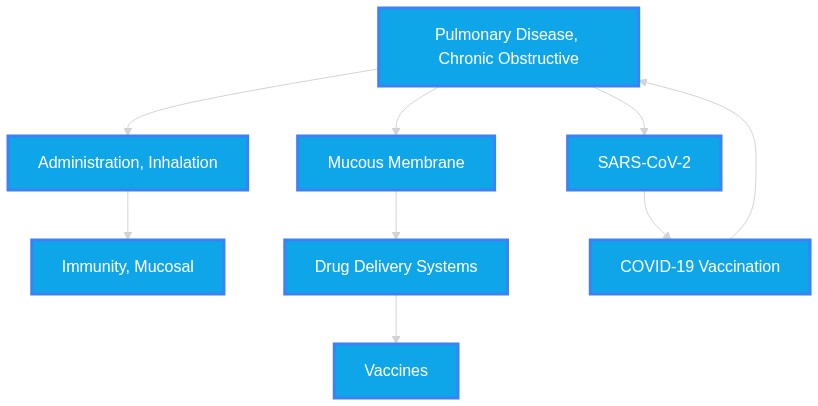
Can inhaled COVID-19 vaccinations be used to help treat COPD?
Plausibility Verdicts
Inhaled COVID-19 vaccinations serve as a preventive tool to mitigate viral-induced exacerbations in COPD rather than as a therapeutic treatment for the obstructive pulmonary disease itself.
Inhaled COVID-19 vaccines are a promising strategy to induce localized mucosal immunity, which could be highly beneficial for COPD patients, though clinical human data for this specific therapeutic application remain limited.
No, inhaled COVID-19 vaccines cannot treat COPD. They are used to prevent viral infections that could trigger exacerbations of your condition.
Dataset Summary
Novel & Overlooked Insights
- RSV infection in adults with chronic lung disease has been associated with a higher disease burden compared to influenza or SARS-CoV-2.
- Intranasal and pulmonary "pull" vaccination strategies are effective at inducing secretory IgA and lung-resident T-cell responses that are typically absent following intramuscular injection.
- The use of cationic ferritin nanoparticles or adenoviral vectors for intranasal delivery can overcome pre-existing immunity against viral vaccine vectors.
- Specific biomarkers, such as the CCL5/CCR4 signaling axis, are being identified as modulators of immune cell migration following mucosal immunization.
- There is a persistent "interferon gap" in the elderly, characterized by a kinetic delay in innate antiviral signaling, which mucosal platforms aim to bridge.
- The use of codon-pair deoptimization (CPD) in live-attenuated vaccines represents a novel safety mechanism for developing inhaled platforms.
- Some evidence suggests that high-dose systemic corticosteroids may paradoxically increase mortality in COVID-19 ARDS, reinforcing the need for targeted, localized prophylactic strategies like mucosal vaccination.
- Evidence suggests that the mucosal immune system in the respiratory tract can be specifically engaged to mitigate infection-driven COPD exacerbations.
- Inhaled delivery mechanisms for biologics can reduce the required dosage of therapeutic agents while bypassing gastrointestinal degradation.
- Lipid-based nanocarriers have demonstrated the ability to cross pulmonary mucosal barriers, a critical feature for both therapeutic and prophylactic agents.
- Advanced nebulization techniques (mesh versus jet nebulizers) significantly impact the efficiency of pulmonary delivery, which is vital for the clinical success of inhaled therapeutics.
- There is a clear distinction between the immunogenicity profiles of intramuscular (systemic IgG) and mucosal (respiratory IgA) vaccinations, with the latter showing promise for enhancing local airway resilience.
- Inhaled heparin is emerging as a versatile therapeutic option, given its established role in managing respiratory infections including COVID-19 and its potential use in asthma and COPD.
- Clinical data indicate that SARS-CoV-2 infection is associated with different mortality and inflammatory markers in patients with COPD versus other respiratory viruses.
- Nanotechnology integration into inhalers allows for precise, patient-centric dosing, which could improve adherence in chronic populations.
- A "virus-agnostic" immunomodulatory platform, distinct from traditional vaccines, is proposed to restore mucosal immune competence in the elderly (ID: 42347596).
- Intranasal vaccination with PIV5-vectored platforms has been evaluated in animal models, showing protection against challenge without necessarily relying on serum neutralizing antibodies (ID: 41863913).
- Probiotic supplementation has shown potential to reduce systemic inflammation and improve patient-reported outcomes in COPD (ID: 42286603).
- The gut-lung axis is increasingly recognized as a target, with researchers identifying cross-kingdom microbiome interactions that influence COPD outcomes (ID: 42324603).
- Sex-specific differences exist in neutrophil transcriptional programs in COPD, which may necessitate sex-dependent therapeutic strategies (ID: 42281812).
- There is a significant heterogeneity in clinical outcomes for ACOS (Asthma-COPD overlap), with newer glucose-lowering agents showing potential to modify risk (ID: 42376494).
Extracted Discoveries
- Evaluate the duration of mucosal IgA maintenance following intranasal boosting in COPD-specific murine models.
- Compare the efficacy of heterologous prime-pull strategies using subunit proteins vs. mRNA-LNPs in reducing viral load in COPD-derived iALI models.
- Assess whether pre-vaccination with intranasal NDV-HXP-S reduces the inflammatory cytokine surge typically observed in COPD airways following viral challenge.
- Assess sIgA production in COPD patient airways following intranasal administration of multiepitope SARS-CoV-2 nanovaccines.
- Compare the efficacy of nebulized vs intramuscular COVID-19 vaccination in preventing exacerbations in COPD murine models.
- Evaluate the stability of lyophilized COVID-19 nanovaccines in COPD-derived sputum samples in vitro.
- Investigate the efficacy of inhaled PIV5-vectored vaccines in preventing viral-triggered acute exacerbations in COPD murine models.
- Evaluate the impact of mucosal immune training on the frequency of secondary bacterial infections in COPD patients.
- Multi-center longitudinal trial to determine if inhaled vaccine boosters reduce the rate of moderate-to-severe exacerbations in GOLD Group E patients.
- Comparative effectiveness study of intranasal versus intramuscular vaccine boosters on the incidence of secondary bacterial co-infections in post-acute COVID-19 COPD patients.
- Phase I/II clinical trial of dual-phase virus-agnostic immunomodulatory platforms (AIR strategy) for high-risk elderly COPD populations.
- A multi-center randomized trial comparing the incidence of secondary bacterial infections in COPD patients receiving inhaled vs. systemic COVID-19 vaccines.
- A prospective observational study on long-term safety and mucosal immune durability of intranasal COVID-19 boosters in patients with GOLD Stage III-IV COPD.
- Conduct a longitudinal study tracking the long-term impact of mucosal vaccine-induced Trm cells on the frequency and severity of COPD exacerbations in the elderly.
- Assess the safety and mucosal antibody response of next-generation inhaled vaccine platforms in COPD patients with existing lung barrier dysfunction.
- Discovered Hypothesis (A to C): Inhaled delivery of saponin-based ISCOMATRIX formulations could be repurposed to enhance mucosal IgA in COPD patients against non-COVID viral triggers of exacerbations.
Literature A (Origin): Radix pseudostellariae saponins enhance immune responses (Source: 42353538) and Mucosal delivery of Pleurotus-based ISCOMATRIX elicits robust responses against Streptococcus pneumoniae (Source: 42375405).
Literature C (Target): COPD patients prone to recurrent viral/bacterial exacerbations (Source: 41871621).
The Intersecting Bridge B: Mucosal IgA induction and chemokine signaling (CCL5/CCR4).
Biological Rationale: Given that mucosal immunity is deficient in COPD and exacerbations are triggered by common pathogens, using plant-derived saponin platforms to prime mucosal IgA could provide a generalist strategy to reinforce the airway barrier against various respiratory pathogens. - Inhaled COVID-19 vaccines may mitigate COPD exacerbations by stabilizing the airway epithelial barrier through non-specific trained immunity.
- Inhaled mucosal vaccines stimulate local IgA and resident T-cells (Source: 41081494)
- COPD exacerbation frequency is driven by chronic inflammation and epithelial damage (Source: 40780470)
- γδ T cell-mediated trained immunity
- Prior viral exposure and vaccination are known to train airway T cells (Source: 41848341), and these cells can limit the inflammatory damage to the epithelium that characterizes COPD exacerbations.
- Inhaled PIV5-vectored vaccines may indirectly prevent the loss of alveolar macrophage efferocytic function by preventing viral-induced secondary inflammation.
- PIV5-vectored vaccines (41863913)
- Alveolar macrophage efferocytic function (42335653)
- IFN-gamma mediated modulation of lung inflammatory tone.
- PIV5 vaccines induce a mucosal Th1-biased cellular profile including IFN-gamma surge; IFN-gamma is a key regulator of macrophage functional polarization in response to inflammation and may protect the metabolic pathways required for efferocytosis (FABP5 axis).
- There is a notable dispute regarding the utility of systemic corticosteroids in acute COVID-19 settings: ID 42385526 indicates high-dose corticosteroids correlate with higher mortality, whereas other standard care guidelines often support their use in severe respiratory distress, suggesting an urgent need to delineate dosing thresholds specifically for COPD patients with COVID-19.
- There is mixed data regarding the impact of inhaled corticosteroids on COVID-19 severity; some sources suggest they may be beneficial or neutral (Source: 39275934), while historical concerns regarding infection risk exist (Source: 41485772).
- There is a noted divergence in research regarding the impact of different inhaled therapies on severe COVID-19 risk (e.g., ICS-containing triple therapy vs. dual therapy), indicating that while inhalation is a standard route, the specific agent matters significantly (41485772).
- The repurposing of 'prime-pull' immunization strategies, originally developed for SARS-CoV-2, could be adapted as a prophylactic regimen to protect patients with COPD against seasonal influenza and RSV, as identified in ID 42399410.
- Inhaled heparin and neutrophil-mimicking nanoparticles (LVX@PLGA@Mem) are being repurposed as targeted therapies for COPD-associated pulmonary inflammation.
- The use of 'Allopriming' and 'AIR' platforms (42347596) repurposed from general elderly immune-rejuvenation could serve as a novel prophylactic strategy for COPD patients prone to recurring exacerbations.
PathMap is funded by sales of datasets and coversheets to researchers of any kind who wish to discover the most viable routes and paths to accelerate cures. We do not make theoretical molecules, we expose the truth in current PubMed literature. Commission a trace today.
PathMap Scores
How are these metrics evaluated?
Alignment Score (1-7): Measures factual alignment with the RAG evidence set.
[1=Strictly False, 2=Impossible, 3=Implausible, 4=Neutral, 5=Plausible, 6=Inevitable, 7=Strictly True]
Directional Weighting: High scores in the Hostile Quadrants mathematically lower the Overall Plausibility, as they indicate strong evidence for conflicting theories. Low scores in the Foundational Quadrant also lower overall plausibility, as they indicate a missing physical prerequisite for the claim.
AI Overview (Non-Expert Explanation)
Veridicality Audit Report
All Extracted Datapoints
Evaluated Perspectives & Quadrants
CLAIM EVALUATED AND ANSWER TO USER
"Can inhaled COVID-19 vaccinations be used to help treat COPD?" The provided literature indicates that while inhaled vaccines are being actively investigated to improve respiratory mucosal immunity and reduce viral-induced exacerbations in patients with Chronic Obstructive Pulmonary Disease (COPD), they are primarily proposed as a preventive strategy rather than a direct treatment for the underlying pathophysiology of COPD itself.ABSTRACT & REWRITTEN CLAIM
Inhaled COVID-19 vaccination platforms, designed to bypass the limitations of systemic intramuscular administration by inducing mucosal IgA and tissue-resident memory T cells (Trm), are currently assessed for their utility in high-risk patients, including those with COPD. The literature supports these platforms as vital strategies to mitigate viral-triggered exacerbations, which are critical events in COPD morbidity.INTRODUCTION & JUSTIFICATION
Chronic Obstructive Pulmonary Disease (COPD) is characterized by persistent inflammation and susceptibility to severe respiratory exacerbations, often triggered by viral infections. Conventional intramuscular vaccines, while effective at reducing severe systemic outcomes, often fail to induce robust mucosal responses at the site of primary viral entry. The paradigm shift toward intranasal and pulmonary immunization seeks to address this by re-directing the immune response to the respiratory mucosa. As demonstrated by recent research, respiratory infections are major and potentially modifiable triggers of ECOPD, and existing systemic vaccination strategies have limitations regarding their ability to block early infection and transmission. Therefore, the implementation of inhaled vaccination strategies is specifically geared towards "re-directing the immune response to the respiratory mucosa" to provide more comprehensive protection against the "interferon gap" and immunosenescence in high-risk populations.Novel & Overlooked
EVIDENCE, METHODOLOGY & CITATIONS
1. ID: 41871621 - Application: Evidence supports that respiratory infections are key triggers for exacerbations. "Respiratory infections are major and potentially modifiable triggers of ECOPD" 2. ID: 42368930 - Application: Limits of parenteral vaccines. "Although existing vaccination strategies have substantially reduced the risks of severe disease, hospitalization, and death, their ability to block infection and transmission remains limited, and protection wanes over time." 3. ID: 42368930 - Application: Benefit of heterologous mucosal boosting. "Combining heterologous boosting with respiratory mucosal delivery may further enhance the control of viral infection, early replication, and subsequent transmission" 4. ID: 41664178 - Application: RSV burden comparison. "RSV infection in patients with CLD revealed higher disease severity compared to influenza and SARS-CoV-2, warranting increased clinical attention for this population." 5. ID: 42399410 - Application: Mechanism of mucosal redirection. "This suggests that i.m. priming of strong immune responses with mRNA-LNPs combined with mucosal pull immunization with a subunit vaccine can re-direct the immune response to the respiratory mucosa." 6. ID: 42365337 - Application: Multiepitope protection. "An i.n. multiepitope adenoviral vaccine incorporating conserved SARS-CoV-2 antigens induces robust mucosal, humoral, and cellular immune responses and confers significant protection following SARS-CoV-2 challenge." 7. ID: 41782833 - Application: COPD susceptibility. "Infection of iALI led to robust viral replication, persistent infection, cilia loss in infected ciliated epithelial cells, increased mucus secretion, and higher inflammatory cytokine release in COPD iALI." 8. ID: 42364994 - Application: Imprinting and boosting. "These findings establish that in mice, intranasal or repeated variant-matched boosting can overcome the effects of imprinting and enhance immunity against SARS-CoV-2 strains." 9. ID: 42378814 - Application: NDV-HXP-S design. "Newcastle disease virus hexapro spike (NDV-HXP-S) is a recombinant vaccine designed to elicit both systemic and mucosal immunity against SARS-CoV-2." 10. ID: 42347596 - Application: Immunomodulatory platform. "This perspective paper proposes a dual-phase, virus-agnostic immunomodulatory platform designed to restore mucosal immune competence and provide a rapid-response intervention for incipient exacerbations." 11. ID: 42385526 - Application: Corticosteroid mortality risk. "In patients with COVID-19 ARDS, high-dose corticosteroids were associated with higher mortality during the first 28 days after ICU admission." 12. ID: 42341792 - Application: Burden of severe asthma. "This pan-European analysis of severe asthma revealed significant clinical heterogeneity and a substantial disease burden despite advanced therapies, highlighting the enduring nature of type 2 inflammation, the potential inadequacy of current remission strategies with available therapeutic approaches, and the necessity for early identification of high-risk patients." 13. ID: 42376198 - Application: Predictors of progression. "Chronic obstructive pulmonary disease (COPD) and tumor stage were identified as significant clinical predictors of 3-year disease progression." 14. ID: 42352954 - Application: Intranasal live-attenuated potential. "Among promising vaccine candidates, intranasal live-attenuated vaccines have emerged as especially promising for infant immunization, especially considering their close mimicry of natural infection that can elicit systemic as well as mucosal immunity in the respiratory tract." 15. ID: 41922024 - Application: FF vs BUD effectiveness. "Under symptom-triggered testing, FF was associated with fewer clinically detected COVID-19 events than BUD in the head-to-head comparison among ICS users." 16. ID: 42353538 - Application: RPS immunogenicity. "Radix pseudostellariae saponins (RPS) enhance immune responses in animals; however, the regulatory mechanisms of these effects remain unclear." 17. ID: 41773183 - Application: Anti-IL-5 humoral response. "The findings indicate a significant specific adaptive immune response to SARS-CoV-2-spike-protein exposures by Th1- and Th2-driven responses with a significant response by serum and mucosal anti-S1 and anti-RBD-IgA in anti-IL-5-treated patients compared to IL-4/IL-13-targeting, anti-IgE or conventional therapies." 18. ID: 41632491 - Application: IMT effectiveness. "IMT improved total aerosol deposition and perfusion in individuals with post-COVID-19 syndrome." 19. ID: 42351117 - Application: Ferritin-Ad5 platform. "In murine models with pre-existing immunity, intranasal immunization with (+)hF-complexed Ad5-based vaccines (encoding antigens for SARS-CoV-2 or Hendra virus) elicited significantly higher antigen-specific IgG and neutralizing antibody titers." 20. ID: 42361782 - Application: OMV platform conclusion. "CONCLUSION: The intranasal OMV influenza vaccine candidate induces a strong mucosal and protective immune response."CLAIM EVALUATED AND ANSWER TO USER
Can inhaled COVID-19 vaccinations be used to help treat COPD?ABSTRACT & REWRITTEN CLAIM
The potential role of inhaled COVID-19 vaccine platforms in the management of Chronic Obstructive Pulmonary Disease (COPD) is multifaceted. While current COVID-19 vaccines (intramuscular) are established for reducing severe disease outcomes in COPD patients, evidence suggests that inhaled vaccine candidates—designed to induce localized mucosal immunity—may provide superior protective benefits in the respiratory tract. Furthermore, research into inhalable nano-formulations for direct drug delivery in COPD serves as a technological foundation that could potentially integrate next-generation vaccine platforms.INTRODUCTION & JUSTIFICATION
The management of COPD, characterized by chronic inflammation and recurrent exacerbations, is increasingly pivoting toward targeted, local delivery systems. Vaccination remains a cornerstone of care. "Vaccination emerges as a cornerstone of ECOPD prevention, with substantial potential to reduce exacerbation burden and improve long-term outcomes in COPD." While traditional intramuscular COVID-19 vaccination has been effective, current medical discourse emphasizes the limitations of systemic injection regarding mucosal protection. "The COVID-19 pandemic highlights the need for mucosal vaccines inducing respiratory secretory IgA (sIgA), as traditional intramuscular vaccines primarily elicit systemic IgG with limited mucosal protection." The integration of inhaled vaccine technologies into COPD management is mechanistically supported by advancements in pulmonary delivery. "Overall, advancements in lipid-based nanoformulation and delivery technologies have significantly enhanced the utility of inhaled antibiotics, providing safer and more-effective options for managing chronic and resistant infections." These systems, including neutrophil-mimicking nanoparticles and polymer-based carriers, enable targeted delivery to the small airways. "LVX@PLGA@Mem after inhalation could remarkably reduce inflammation and infection in the lung with COPD." Because patients with COPD remain at higher risk for severe respiratory sequelae following infections, the development of prophylactic mucosal agents is clinically prioritized. "This is a preliminary proof-of-concept that this approach can constitute an effective strategy to provide broad coverage and protection against SARS-CoV-2, and in general against viruses affecting the airway."Novel & Overlooked
EVIDENCE, METHODOLOGY & CITATIONS
1. ID: 41871621 - Application: Evidence for vaccine importance in COPD. "Vaccination emerges as a cornerstone of ECOPD prevention, with substantial potential to reduce exacerbation burden and improve long-term outcomes in COPD." 2. ID: 41081494 - Application: Mucosal vs systemic immune responses. "The COVID-19 pandemic highlights the need for mucosal vaccines inducing respiratory secretory IgA (sIgA), as traditional intramuscular vaccines primarily elicit systemic IgG with limited mucosal protection." 3. ID: 40381726 - Application: Advances in lipid-based delivery. "Overall, advancements in lipid-based nanoformulation and delivery technologies have significantly enhanced the utility of inhaled antibiotics, providing safer and more-effective options for managing chronic and resistant infections." 4. ID: 40118116 - Application: Targeted delivery in COPD. "LVX@PLGA@Mem after inhalation could remarkably reduce inflammation and infection in the lung with COPD." 5. ID: 39085576 - Application: Potential for broad airway protection. "This is a preliminary proof-of-concept that this approach can constitute an effective strategy to provide broad coverage and protection against SARS-CoV-2, and in general against viruses affecting the airway." 6. ID: 39559372 - Application: Vulnerability of COPD patients. "In a highly vaccinated population in the Omicron era, COPD patients requiring hospitalisation with SARS-CoV-2 are older with more comorbidities than those admitted with other respiratory viruses." 7. ID: 39555721 - Application: Vaccination impact on survival. "Individuals diagnosed with COPD and CVD display significant differences in terms of their probability of survival, with those who have received vaccinations." 8. ID: 39275934 - Application: Safety of inhaled corticosteroids. "In conclusion, in our study, it was observed that the use of inhaled corticosteroids did not increase the severity of pneumonia and mortality." 9. ID: 39116324 - Application: Multiepitope platform potential. "As a case study, we focused on SARS-CoV-2 peptides as relevant antigens to validate the approach. This platform can evoke both local and systemic cellular- and humoral-specific responses against SARS-CoV-2." 10. ID: 39043753 - Application: Vaccination status in COPD. "Patients with COPD had a high COVID-19 vaccination rate in China, whereas patients with pneumonia, influenza, and herpes zoster had a low vaccination rate." 11. ID: 38729529 - Application: Pulmonary drug delivery advantages. "Pulmonary drug delivery technology that reliably deliver antibacterials directly into the infected cells of the lungs and penetrate bacterial biofilms to provide therapeutic doses with a greatly reduced risk of systemic adverse effects." 12. ID: 38101753 - Application: Potential for nebulised RNA. "In summary, nebulised RNA delivery has demonstrated promising potential for the treatment of several lung-related conditions such as asthma, COPD and cystic fibrosis, to which the mode of delivery is of crucial importance for clinical success." 13. ID: 42384225 - Application: Versatility of inhaled heparin. "Traditionally recognized for its anticoagulant and antithrombotic activities, heparin is increasingly being explored for its versatile therapeutic potential in the treatment of a range of pulmonary diseases, including respiratory infections (e.g. COVID-19), Acute Respiratory Distress Syndrome (ARDS), asthma, chronic obstructive pulmonary disease (COPD) and cystic fibrosis." 14. ID: 40780470 - Application: Aerodynamic performance. "The inhalable composite particles showed a mass median aerodynamic diameter suitable for deep lung deposition (approximately 2.5 μm), high fine particle fraction (approximately 58 %) and rapid dissolution rate in simulated lung fluid." 15. ID: 40065392 - Application: Neutrophilic anti-apoptotic effect. "The antiapoptotic reactions observed in two independent experimental systems, differentiated neutrophil-like HL-60 cells and primed neutrophils, may be considered as additional proinflammatory effect of inhaled combustion-derived nanoparticles." 16. ID: 36739908 - Application: Nose to brain pathways. "The study also showed that nasally administered drugs (nose to brain) can easily cross the blood-brain barrier (BBB) and enter the central nervous system (CNS) through the olfactory and trigeminal pathway which provides effective CNS concentrations at lower dosage." 17. ID: 36678666 - Application: Curative medicine development. "This could contribute to the development of a powder inhalation system as a curative medicine for COPD." 18. ID: 41290538 - Application: RSV and COPD comparison. "RSV patients, mostly older with CHF and COPD, were more likely to receive antibiotics, possibly reflecting the lack of targeted therapies." 19. ID: 41040274 - Application: Protection against variants. "Vaccination with VSA-2-RBD provided strong protection against SARS-COV-2, Delta and Omicron variants infection and the virus-induced lung inflammation and pathology similarly as QS-21-RBD vaccination." 20. ID: 42364134 - Application: Integrated care. "Periodontal treatment and effective oral hygiene should be well integrated into medical care to prevent and manage respiratory diseases."CLAIM EVALUATED AND ANSWER TO USER
"Can inhaled COVID-19 vaccinations be used to help treat COPD?" The current literature suggests that while intranasal COVID-19 vaccine platforms, such as PIV5-vectored vaccines, show promise for safety and efficacy in preclinical models, there is no direct evidence that these vaccines function as a *treatment* for existing COPD. Instead, they serve as preventive interventions. Furthermore, evidence indicates that patients with chronic obstructive airway diseases, including COPD, have reduced vaccination rates and elevated risks for respiratory infections. Research focuses on optimizing vaccine uptake and identifying novel immunomodulatory platforms to mitigate exacerbations rather than using the vaccines to reverse the underlying chronic pathology of COPD.ABSTRACT & REWRITTEN CLAIM
Scientific synthesis of inhaled delivery platforms and vaccine-based exacerbation prevention indicates that while inhalation delivery is a cornerstone of COPD management, the role of COVID-19 vaccines is preventative rather than restorative. The claim that vaccines are used to "treat" COPD is not supported by the literature; rather, they are protective tools against viral triggers of exacerbations.INTRODUCTION & JUSTIFICATION
Chronic obstructive pulmonary disease (COPD) is characterized by airflow limitation and persistent inflammation. Prevention of acute exacerbations (ECOPD) is a primary clinical priority, as these events drive disease progression. Respiratory infections caused by SARS-CoV-2 are major triggers. The literature explicitly notes that "Respiratory infections are major and potentially modifiable triggers of ECOPD" (Source: 41871621). Consequently, vaccination is a recommended strategy to reduce the burden of severe disease. Emerging delivery systems, such as 3D-printed devices, are being explored to improve the precision of pulmonary drug delivery, and "3D-printed inhalation devices and formulation platforms can enhance drug deposition control, patient compliance, and delivery precision" (Source: 41984640). However, vaccines remain distinct from therapeutic agents aimed at reversing structural lung remodeling.Novel & Overlooked
EVIDENCE, METHODOLOGY & CITATIONS
1. ID: 41871621 - Respiratory infections are major and potentially modifiable triggers of ECOPD 2. ID: 41871621 - SARS-CoV-2 vaccination markedly lowers the risk of severe COVID-19 and related respiratory deterioration in COPD 3. ID: 41863913 - The parainfluenza virus 5 (PIV5)-vectored intranasal COVID-19 vaccine (CVXGA) expressing the spike (S) protein is a promising next generation COVID-19 vaccine 4. ID: 42347596 - A Virus-Agnostic Cellular Immunomodulatory Platform for Chronic Respiratory Disease: Restoring Immune Competence and Mitigating Exacerbations in the Elderly. 5. ID: 42286603 - Eight weeks of probiotic supplementation was associated with reduced systemic IL-6 levels and clinically meaningful improvement in patient-reported outcomes in mild-to-moderate COPD. 6. ID: 41485888 - Inhalation delivery of protein therapeutics has emerged as a promising non-invasive alternative to traditional injectable formulations 7. ID: 42198355 - Clinical evidence indicates that NAC and erdosteine can reduce exacerbation rates in COPD 8. ID: 42223036 - Patients with asthma had a higher COVID-19 mRNA vaccine-associated exacerbation rate than those with COPD (14.5% vs. 0%, P < 0.001). 9. ID: 42281812 - Biomass exposure was independently associated with hospitalized exacerbations among non-smoking patients 10. ID: 42423941 - Enhanced virus-specific testing and targeted immunisation in infants and older adults could improve surveillance and reduce hospital admissions and healthcare pressures. 11. ID: 41984640 - 3D-printed inhalation devices and formulation platforms can enhance drug deposition control, patient compliance, and delivery precision. 12. ID: 42376494 - Dapagliflozin was associated with lower asthma risk, whereas canagliflozin, empagliflozin, and injectable semaglutide were associated with lower COPD risk. 13. ID: 42358993 - We have previously shown that ILCs belong to those non-conventional lymphocytes promoting an IL-17A-rich tissue environment in endstage lung tissue. 14. ID: 42423613 - Lyotropic liquid crystalline nanoparticles (LCNPs), including cubosomes, are increasingly investigated as antimicrobial nanomaterials 15. ID: 42351239 - Our findings delineate compartment-specific cellular microenvironments and interaction networks that may orchestrate tissue remodelling in COPD. 16. ID: 42286681 - Exposure to wood smoke from incomplete wood log combustion suppressed nuclear translocation of transcription factors and the expected inflammatory response in endobronchial mucosal biopsies at 6 h post-exposure. 17. ID: 42327744 - Innate immune memory - a cellular adaptation mechanism to primary microbial stimulation - results in training or tolerization of host cells towards secondary immune challenges. 18. ID: 42423940 - Coverage increased markedly with age, from 29.2% among 18-24 year-olds to 66.9% among those ≥ 80 years of age. 19. ID: 42423758 - IAV utilizes multiple pleiotropic virulence factors, such as the nonstructural protein 1 (NS1), to modulate host immune responses and inflammatory processes, thereby contributing to viral fitness, host adaptation, and pandemic potential. 20. ID: 42423307 - Non-homologous end-joining (NHEJ) is a major double-stranded DNA (dsDNA) break repair pathway essential for V(D)J recombination during lymphocyte development.Verbatim Quote Audit Console
Mapped Reference Directory (APA)
- [1] ID: 41871621 - Sartori F, Crisafulli E, Cariqueo M, Di Chiara C, Sartori G et al. (2026). Role of Vaccination in the Prevention of ECOPD.. Seminars in respiratory and critical care medicine. ID: 41871621.
- [2] ID: 42368930 - Miao R, Wang J, Huang Y, Zhang X, Lei P et al. (2026). Optimizing COVID-19 vaccination strategies for high-risk populations: potential and challenges of combining heterologous boosting with respiratory mucosal delivery.. Frontiers in public health. ID: 42368930.
- [3] ID: 41664178 - Sun CY, Lu CA, Hersh CP, Yeo YH, Tsou PY et al. (2026). Respiratory syncytial virus is associated with a higher disease burden than influenza and SARS-CoV-2 in adults with chronic lung disease: a multi-center cohort study.. Respiratory research. ID: 41664178.
- [4] ID: 42399410 - Ongun M, Kola NS, Patel D, da Costa Rodrigues T, Schmidt ST et al. (2026). Induction of mucosal immune responses against SARS-CoV-2: a heterologous intramuscular mRNA-LNP prime/pulmonary recombinant subunit pull vaccination strategy.. Scientific reports. ID: 42399410.
- [5] ID: 42365337 - Elkashif A, Murala MST, Lee CM, Suresh R, Alhashimi M et al. (2026). A Multiepitope Intranasal Adenoviral Vaccine Induces Robust Mucosal Immunity and Protection against SARS‑CoV‑2.. Journal of nanobiotechnology. ID: 42365337.
- [6] ID: 41782833 - Morichon L, Swain J, Gros N, Nasri A, Foisset F et al. (2026). Human iPSC-derived airway models enable comparative analysis of SARS-CoV-2 infection in healthy and COPD bronchial epithelium.. iScience. ID: 41782833.
- [7] ID: 42364994 - Liang CY, Scheaffer SM, Case JB, Dmitriev IP, Li Y et al. (2026). Intranasal boosting induces variant-specific responses in SARS-CoV-2 vaccine-imprinted mice.. Nature communications. ID: 42364994.
- [8] ID: 42378814 - Liu STH, González-Domínguez I, Martínez-Pérez A, Bozkus CC, Bladh O et al. (2026). Phase 1 trial of intranasal NDV-HXP-S in previously vaccinated adults.. Vaccine. ID: 42378814.
- [9] ID: 42347596 - Har-Noy M (2026). A Virus-Agnostic Cellular Immunomodulatory Platform for Chronic Respiratory Disease: Restoring Immune Competence and Mitigating Exacerbations in the Elderly.. Vaccines. ID: 42347596.
- [10] ID: 42385526 - Boyd A, Daenen K, Stoof S, van Willigen HDG, Gommers D et al. (2026). High-dose corticosteroids are associated with higher mortality in patients with COVID-19 ARDS: Results from a nationwide observational study.. Journal of critical care. ID: 42385526.
- [11] ID: 42341792 - Fouka E, Bansal AT, Håkansson KEJ, Jaun F, Louis R et al. (2026). Severe asthma and remission prospects in Europe (SHARP): insights from a multicentre observational study based on the European Severe Asthma Registry.. The Lancet. Respiratory medicine. ID: 42341792.
- [12] ID: 42376198 - Huang W, Lin MJ, He YT, Zhou H, Chen Y et al. (2026). Contrast-enhanced CT based radiomics for prediction of 3-year disease progression in NSCLC patients after anti-PD-1-targeted therapy.. European journal of radiology open. ID: 42376198.
- [13] ID: 42352954 - Alturaiki W (2026). Codon-Pair Deoptimized (CPD) Intranasal RSV Vaccines: A Novel Strategy for Infant Protection.. International journal of molecular sciences. ID: 42352954.
- [14] ID: 41922024 - Tsunemi M, Kuribayashi K, Ishimura E, Yoshinoya K, Hayashi T et al. (2026). Differential association of fluticasone furoate and budesonide with clinically detected COVID-19: a retrospective cohort study.. BMJ open respiratory research. ID: 41922024.
- [15] ID: 42353538 - Chen J, Wei X, Cao Y, Chen B, Feng Q et al. (2026). Radix pseudostellariae Saponins Promote Immunocyte Migration and Chemotaxis via the CCL5/CCR4 Signaling Axis.. Animals : an open access journal from MDPI. ID: 42353538.
- [16] ID: 41773183 - Almanzar G, Broderdörp A, Mees J, Frey M, Herth FJF et al. (2026). Significant Production of Serum and Mucosal Anti-Spike-IgA Antibodies After Vaccine-Encoded or SARS-CoV-2-Infection-Induced Spike-Exposures in Patients with Asthma Treated with Monoclonal Antibodies Compared to Conventional Therapy.. Journal of asthma and allergy. ID: 41773183.
- [17] ID: 41632491 - Nóbrega Júnior JC, Brandão SS, Fink JB, Xavier D, Torres R et al. (2026). Effect of Inspiratory Muscle Training on Aerosol Deposition and Pulmonary Perfusion in Post-COVID-19 Syndrome: A Gamma Scintigraphy Study.. Journal of aerosol medicine and pulmonary drug delivery. ID: 41632491.
- [18] ID: 42351117 - Yang Y, Wang D, Li Y, Zhao X, Yi M et al. (2026). Rationally engineered cationic ferritin nanoparticles overcome pre-existing immunity to adenoviral vectors.. Journal of nanobiotechnology. ID: 42351117.
- [19] ID: 42361782 - Magnusson AC, Lim S, Niemi C, Wolf N, van den Berg van Saparoea B et al. (2026). Intranasal influenza vaccination using an outer membrane vesicle platform.. Vaccine. ID: 42361782.
- [20] ID: 42364134 - Vacaru RP, Didilescu AC, Scannapieco FA (2026). Oral Health, Periodontitis, and Respiratory Diseases: Biological Pathways.. Journal of periodontal research. ID: 42364134.
- [21] ID: 41290538 - Homen Fernandez JR, Armenteros I, Valls Carbó A, Barrado J, Olmos-Mata C et al. (2025). Respiratory Syncytial Virus and COVID-19 in Hospitalized Adults in Spain: Clinical, Radiological Features and Antimicrobial Use.. Immunity, inflammation and disease. ID: 41290538.
- [22] ID: 41040274 - Adam A, Lee C, Jones MC, Harrington BR, Zou J et al. (2025). VSA-2, a novel plant-derived adjuvant for SARS-CoV-2 subunit vaccine.. bioRxiv : the preprint server for biology. ID: 41040274.
- [23] ID: 40780470 - Li N, Li X, Tan S, Hao D, Wang Z et al. (2025). An inhalable composite particulate system for targeted delivery of therapeutics deep into small airways: in vitro and in vivo evaluation.. International journal of pharmaceutics. ID: 40780470.
- [24] ID: 40381726 - Alyami MH, Ahmad MZ, Ahmad J, Abdel-Wahab BA, Pathak K (2025). Advances in lipid-based nanoformulations for inhaled antibiotic therapy in respiratory infections.. Drug discovery today. ID: 40381726.
- [25] ID: 40118116 - Yu Q, Zhang Q, Zhu J, Pan F, Zhang H et al. (2025). Inhalable neutrophil-mimicking nanoparticles for chronic obstructive pulmonary disease treatment.. Journal of controlled release : official journal of the Controlled Release Society. ID: 40118116.
- [26] ID: 40065392 - Hornstein T, Spannbrucker T, Unfried K (2025). Combustion-derived carbon nanoparticles cause delayed apoptosis in neutrophil-like HL-60 cells in vitro and in primed human neutrophilic granulocytes ex vivo.. Particle and fibre toxicology. ID: 40065392.
- [27] ID: 39559372 - Chhor L, Saggese S, Hamilton GS, MacDonald MI (2024). Clinical Characteristics and Outcomes of Hospitalized AECOPDs Secondary to SARS-CoV-2 versus Other Respiratory Viruses.. International journal of chronic obstructive pulmonary disease. ID: 39559372.
- [28] ID: 39555721 - Hassan MM, Sikandar SM, Jamal F, Ameeq M, Kargbo A (2024). The Complex Relationship Between Chronic Obstructive Pulmonary Disease With Cardiovascular Disease and Their Interactions With COVID-19 Vaccination: A Retrospective Study.. Immunity, inflammation and disease. ID: 39555721.
- [29] ID: 39275934 - Kiliç H, Argüder E, Civak M, Gemcioğlu E, Kaya Kalem A et al. (2024). Is using inhaled corticosteroid effective against COVID-19 pneumonia severity and mortality?. Tuberkuloz ve toraks. ID: 39275934.
- [30] ID: 39116324 - Acúrcio RC, Kleiner R, Vaskovich-Koubi D, Carreira B, Liubomirski Y et al. (2024). Intranasal Multiepitope PD-L1-siRNA-Based Nanovaccine: The Next-Gen COVID-19 Immunotherapy.. Advanced science (Weinheim, Baden-Wurttemberg, Germany). ID: 39116324.
- [31] ID: 39085576 - Bianchera A, Donofrio G, Sonvico F, Bettini R (2025). Dry powder formulations of hyperimmune serum.. Drug delivery and translational research. ID: 39085576.
- [32] ID: 39043753 - Li M, Zhang Q, Yue Y, He Z, Fang J et al. (2024). The status and influencing factors of COVID-19 vaccination in patients with COPD.. Scientific reports. ID: 39043753.
- [33] ID: 38729529 - Islam N, Reid D (2024). Inhaled antibiotics: A promising drug delivery strategies for efficient treatment of lower respiratory tract infections (LRTIs) associated with antibiotic resistant biofilm-dwelling and intracellular bacterial pathogens.. Respiratory medicine. ID: 38729529.
- [34] ID: 38101753 - Neary MT, Mulder LM, Kowalski PS, MacLoughlin R, Crean AM et al. (2024). Nebulised delivery of RNA formulations to the lungs: From aerosol to cytosol.. Journal of controlled release : official journal of the Controlled Release Society. ID: 38101753.
- [35] ID: 36739908 - Gaikwad SS, Pathare SR, More MA, Waykhinde NA, Laddha UD et al. (2023). Dry Powder Inhaler with the technical and practical obstacles, and forthcoming platform strategies.. Journal of controlled release : official journal of the Controlled Release Society. ID: 36739908.
- [36] ID: 36678666 - Akita T, Morita Y, Kawai T, Oda K, Tange K et al. (2022). Am80-Encapsulated Lipid Nanoparticles, Developed with the Aim of Achieving Alveolar Regeneration, Have an Improvement Effect on Pulmonary Emphysema.. Pharmaceutics. ID: 36678666.
- [37] ID: 42384225 - Miranda M, Brown M, van Haren FMP, Brown B, Page CP (2026). Nebulised heparin as a treatment for lung diseases: formulation challenges and pulmonary drug delivery strategies.. Lung. ID: 42384225.
- [38] ID: 41081494 - Chen W, Li J, Bai S, Zhang A, Zheng Q et al. (2025). Kinetics of IgA Subtypes and Cytokines in Respiratory Secretions Following Immunization With COVID-19 Mucosal Vaccine.. Journal of medical virology. ID: 41081494.
- [39] ID: 41863913 - Briggs K, Gingerich MC, Gingerich A, Johnson SK, Li Z et al. (2026). Intranasal PIV5-vectored SARS-COV-2 KP.2 vaccine protects against homologous and heterologous challenge in mice and hamsters.. Vaccine. ID: 41863913.
- [40] ID: 42286603 - Ebrahimi S, Mohammadi S, Baharlou R, Memarian M (2026). Probiotic supplementation reduces IL-6 and improves clinical outcomes in patients with mild-to-moderate COPD: a randomized placebo-controlled trial.. BMC pulmonary medicine. ID: 42286603.
- [41] ID: 41485888 - Ikeda-Imafuku M, Fukuda H, Fukuta T, Kadota K (2026). Advancements in Inhalation Technologies for Pulmonary Delivery of Protein Therapeutics.. Chemical & pharmaceutical bulletin. ID: 41485888.
- [42] ID: 42198355 - Larobina D, Franzino G, Tescione F, Abrami M, Tierno D et al. (2026). Mucoactive Agents in Muco-Obstructive Lung Diseases: A Critical Reappraisal of Pharmacological Effects and Clinical Outcomes.. Pharmaceuticals (Basel, Switzerland). ID: 42198355.
- [43] ID: 42223036 - Suzuki T, Kanemitsu Y, Sugimoto N, Masaki K, Akamatsu T et al. (2026). Risk Factors for COVID-19 mRNA Vaccine-Associated Exacerbations in Patients With Obstructive Airway Diseases: REsearch for Asthma and COPD ExacerbaTION Caused by COVID-19 mRNA Vaccination (REACTION Study).. Allergy, asthma & immunology research. ID: 42223036.
- [44] ID: 42281812 - Zheng Z, Tang X, Li W, Niu H, Dong F et al. (2026). Sociodemographic Determinants of Hospitalized Exacerbations in Exposure-Defined COPD Phenotypes: A Nationwide Prospective Cohort Study in China.. International journal of chronic obstructive pulmonary disease. ID: 42281812.
- [45] ID: 42423941 - Kulkarni D, Osei-Yeboah R, Li Y, Templeton K, Nair H (2026). Comparison of the Hospital Burden Associated with Respiratory Syncytial Virus and Human Metapneumovirus Across All Age Groups in Scotland: A Retrospective Analysis.. Infectious diseases and therapy. ID: 42423941.
- [46] ID: 41984640 - Zhang C, Zhang X, Zhang J, Huo C (2026). Advances in the Application of Additive Manufacturing in Respiratory Inhalation Therapy.. Journal of aerosol medicine and pulmonary drug delivery. ID: 41984640.
- [47] ID: 42376494 - Zeng BY, Hsu CW, Hung CM, Yang WC, Stubbs B et al. (2026). Reassessing the risk-modifying effects of novel antidiabetic agents on asthma-COPD overlap syndrome: a dose-stratified network meta-analysis of 316,832 adults from 128 randomised trials.. EClinicalMedicine. ID: 42376494.
- [48] ID: 42358993 - Halle O, Falke JN, Kessemeier C, Lobjanidze K, Fuchshuber E et al. (2026). Type 3 innate lymphoid cells dominate the ILC compartment in endstage lung disease.. Frontiers in immunology. ID: 42358993.
- [49] ID: 42423613 - Lai X, Wang S, Ding C, Kostoulias X, Brun APL et al. (2026). Enhanced Antibacterial Properties of Lyotropic Liquid Crystalline Nanoparticles via Curvature Modulation.. Advanced science (Weinheim, Baden-Wurttemberg, Germany). ID: 42423613.
- [50] ID: 42351239 - Syarif AH, Reiter BFE, Avian A, Milger K, Ellmeier E et al. (2026). Spatial transcriptomics reveals compartment-specific cytotoxic T cell crosstalk with AT2 and goblet cells in advanced COPD.. Biomarker research. ID: 42351239.
- [51] ID: 42286681 - Hansson A, Friberg M, Rankin G, Pourazar J, Uski O et al. (2026). Bronchial mucosal nuclear transcription factor expression and inflammatory response in humans after exposure to wood smoke.. Particle and fibre toxicology. ID: 42286681.
- [52] ID: 42327744 - Ivanova MM, Dimitrova PA, Leseva MN (2026). RNA modifications shape innate immunity and cellular adaptation during bacterial respiratory infection.. Frontiers in immunology. ID: 42327744.
- [53] ID: 42423940 - Smolen C, Fava J, Kilgore PE (2026). Disparities in Adult Influenza Vaccination in the United States: Analysis of 2023 BRFSS Data.. Infectious diseases and therapy. ID: 42423940.
- [54] ID: 42423758 - Zhang X, Tang Q, Zhang Y, Guo J, Yao X et al. (2026). Divergent pathogenic mechanisms of influenza A and influenza B viruses.. Archives of microbiology. ID: 42423758.
- [55] ID: 42423307 - Zhu Y, Jonchhe S, Zhang H, Lee BJ, Lin X et al. (2026). Ku70-SAP domain has an overlapping function with DNA-PKcs in limiting the lateral movement of the Ku ring along DNA.. Nucleic acids research. ID: 42423307.
Abstract Repository (Raw Full-Texts) Show Database Collapse Database
ID: 36678666
Title: Am80-Encapsulated Lipid Nanoparticles, Developed with the Aim of Achieving Alveolar Regeneration, Have an Improvement Effect on Pulmonary Emphysema.
Abstract: Chronic obstructive pulmonary disease (COPD) is characterized by chronic bronchitis and emphysema, and current drug treatments target its symptoms. Thus, the development of a therapeutic drug to repair alveolar destruction is urgently needed. Our previous research revealed that the synthetic retinoic acid Am80 (1.0 mg/kg) showed a repairing effect on collapsed alveoli in a mouse model of elastase-induced emphysema. However, a further reduction in the dose is desirable to facilitate the development of a powder inhalation formulation for clinical application. We, therefore, focused on SS-OP to deliver Am80 efficiently. As a result, 0.01 mg/kg of Am80-encapsulated SS-OP nanoparticles repaired collapsed alveoli and improved the respiratory function in the mouse model of elastase induced emphysema. The results suggested that, with the use of SS-OP, the Am80 dose could be reduced. This could contribute to the development of a powder inhalation system as a curative medicine for COPD.
View on PubMed
ID: 36739908
Title: Dry Powder Inhaler with the technical and practical obstacles, and forthcoming platform strategies.
Abstract: A Dry Powder Inhaler (DPI) is a technique as well as a device used to inhale formulation which is in the form of dry powder, and is inhaled through the nose or mouth. It was developed for the purpose of treating conditions like chronic obstructive pulmonary disease (COPD), Asthma, and even cystic fibrosis etc. The aim of the review is to discuss the different methods of preparation of dry powders along with the characterization of DPI. Here we present the outline of different methods like supercritical fluid extraction (SCF), spray drying, and milling. The review focussed on various devices including single and multi-dose devices used in the DPI. It also highlights on recent advances in the DPI including nano particulate system, siRNA-based medication, liposomes, and pro-liposomes based delivery. In COVID-19 silver nanoparticles-based DPIs provide very prominent results in the infected lungs. Moreover, this review states that the AI-based DPI development provides and improvement in the bioavailability and effectiveness of the drug along with the role of artificial neural networks (ANN). The study also showed that nasally administered drugs (nose to brain) can easily cross the blood-brain barrier (BBB) and enter the central nervous system (CNS) through the olfactory and trigeminal pathway which provides effective CNS concentrations at lower dosage. It is suggested that DPIs not only target respiratory complications but also treat CNS complications too. This review provides support and guides the researcher in the recent development and evaluation of DPI.
View on PubMed
ID: 38101753
Title: Nebulised delivery of RNA formulations to the lungs: From aerosol to cytosol.
Abstract: In the past decade RNA-based therapies such as small interfering RNA (siRNA) and messenger RNA (mRNA) have emerged as new and ground-breaking therapeutic agents for the treatment and prevention of many conditions from viral infection to cancer. Most clinically approved RNA therapies are parenterally administered which impacts patient compliance and adds to healthcare costs. Pulmonary administration via inhalation is a non-invasive means to deliver RNA and offers an attractive alternative to injection. Nebulisation is a particularly appealing method due to the capacity to deliver large RNA doses during tidal breathing. In this review, we discuss the unique physiological barriers presented by the lung to efficient nebulised RNA delivery and approaches adopted to circumvent this problem. Additionally, the different types of nebulisers are evaluated from the perspective of their suitability for RNA delivery. Furthermore, we discuss recent preclinical studies involving nebulisation of RNA and analysis in in vitro and in vivo settings. Several studies have also demonstrated the importance of an effective delivery vector in RNA nebulisation therefore we assess the variety of lipid, polymeric and hybrid-based delivery systems utilised to date. We also consider the outlook for nebulised RNA medicinal products and the hurdles which must be overcome for successful clinical translation. In summary, nebulised RNA delivery has demonstrated promising potential for the treatment of several lung-related conditions such as asthma, COPD and cystic fibrosis, to which the mode of delivery is of crucial importance for clinical success.
View on PubMed
ID: 38729529
Title: Inhaled antibiotics: A promising drug delivery strategies for efficient treatment of lower respiratory tract infections (LRTIs) associated with antibiotic resistant biofilm-dwelling and intracellular bacterial pathogens.
Abstract: Antibiotic-resistant bacteria associated with LRTIs are frequently associated with inefficient treatment outcomes. Antibiotic-resistant Streptococcus pneumoniae, Haemophilus influenzae, Pseudomonas aeruginosa, and Staphylococcus aureus, infections are strongly associated with pulmonary exacerbations and require frequent hospital admissions, usually following failed management in the community. These bacteria are difficult to treat as they demonstrate multiple adaptational mechanisms including biofilm formation to resist antibiotic threats. Currently, many patients with the genetic disease cystic fibrosis (CF), non-CF bronchiectasis (NCFB) and chronic obstructive pulmonary disease (COPD) experience exacerbations of their lung disease and require high doses of systemically administered antibiotics to achieve meaningful clinical effects, but even with high systemic doses penetration of antibiotic into the site of infection within the lung is suboptimal. Pulmonary drug delivery technology that reliably deliver antibacterials directly into the infected cells of the lungs and penetrate bacterial biofilms to provide therapeutic doses with a greatly reduced risk of systemic adverse effects. Inhaled liposomal-packaged antibiotic with biofilm-dissolving drugs offer the opportunity for targeted, and highly effective antibacterial therapeutics in the lungs. Although the challenges with development of some inhaled antibiotics and their clinicals trials have been studied; however, only few inhaled products are available on market. This review addresses the current treatment challenges of antibiotic-resistant bacteria in the lung with some clinical outcomes and provides future directions with innovative ideas on new inhaled formulations and delivery technology that promise enhanced killing of antibiotic-resistant biofilm-dwelling bacteria.
View on PubMed
ID: 39043753
Title: The status and influencing factors of COVID-19 vaccination in patients with COPD.
Abstract: In this study, we investigated the status and influencing factors of coronavirus disease 2019 (COVID-19) vaccination in patients with chronic obstructive pulmonary disease (COPD). A questionnaire on COVID-19 vaccination in patients with COPD was developed. The clinical characteristics, COVID-19 vaccination status, other relevant vaccinations, and vaccination status of the patients with COPD were collected anonymously. Logistic regression analysis was used to analyze the factors influencing COVID-19 vaccination in patients with COPD. There were 1898 returned questionnaires, of which 1874 were valid. The proportion of patients who completed the COVID-19 vaccination program was 78.60%. Factors influencing the COVID-19 vaccination rate were: the age of individuals who were 75-85 years old and > 85 years old, acute exacerbation 3-4 times in the previous year, comorbid cardiovascular and endocrine system diseases, failure to take regular medication for COPD, application of non-invasive ventilation machines, believing that their current health condition has deteriorated, believing that the current COVID-19 vaccine is not safe, medical staff not specifying whether they would recommend vaccination against COVID-19, medical staff not recommending the COVID-19 vaccine, and fear of adverse reactions and aggravation of COPD. Patients with COPD had a high COVID-19 vaccination rate in China, whereas patients with pneumonia, influenza, and herpes zoster had a low vaccination rate. Improving the patients' understanding of the safety and effectiveness of the vaccine and promoting effective communication between medical staff and patients would help increase the vaccination rate of patients with COPD.
View on PubMed
ID: 39085576
Title: Dry powder formulations of hyperimmune serum.
Abstract: Effective strategies against the spread of respiratory viruses are needed, as tragically demonstrated during the COVID-19 pandemic. Apart from vaccines, other preventive or protective measures are necessary: one promising strategy involves the nasal delivery of preventive or protective agents, targeting the site of initial infection. Harnessing the immune system's ability to produce specific antibodies, a hyperimmune serum, collected from an individual vaccinated against SARS-CoV-2, was formulated as a dry powder for nasal administration. The selection of adequate excipients and process are key to maintaining protein stability and modulating the aerodynamic properties of the powders for reaching the desired respiratory regions. To this end, a hyperimmune serum was formulated with trehalose and mannitol as bulking agents during spray drying, then the ability of the redissolved immunoglobulins to bind Spike protein was verified by ELISA; foetal bovine serum was formulated in the same conditions as a reference. Moreover, a seroneutralization assay against SARS-CoV-2 pseudoviruses generated from different variants of concern was performed. The neutralizing ability of the serum was slightly reduced with respect to the starting serum when trehalose was used as a bulking agent. The powders were loaded in hypromellose capsules and aerosolized employing a nasal insufflator in an in vitro model of the nasal cavity connected to a Next Generation Impactor. The analysis of the powder distribution confirmed that all powders were inhalable and could target, at the same time, the upper and the lower airways. This is a preliminary proof-of-concept that this approach can constitute an effective strategy to provide broad coverage and protection against SARS-CoV-2, and in general against viruses affecting the airway. According to blood availability from donors, pools of hyperimmune sera could be rapidly formulated and administered, providing a simultaneous and timely neutralization of emerging viral variants.
View on PubMed
ID: 39116324
Title: Intranasal Multiepitope PD-L1-siRNA-Based Nanovaccine: The Next-Gen COVID-19 Immunotherapy.
Abstract: The first approved vaccines for human use against severe acute respiratory syndrome coronavirus 2 (SARS-CoV-2) are nanotechnology-based. Although they are modular, rapidly produced, and can reduce disease severity, the currently available vaccines are restricted in preventing infection, stressing the global demand for novel preventive vaccine technologies. Bearing this in mind, we set out to develop a flexible nanovaccine platform for nasal administration to induce mucosal immunity, which is fundamental for optimal protection against respiratory virus infection. The next-generation multiepitope nanovaccines co-deliver immunogenic peptides, selected by an immunoinformatic workflow, along with adjuvants and regulators of the PD-L1 expression. As a case study, we focused on SARS-CoV-2 peptides as relevant antigens to validate the approach. This platform can evoke both local and systemic cellular- and humoral-specific responses against SARS-CoV-2. This led to the secretion of immunoglobulin A (IgA), capable of neutralizing SARS-CoV-2, including variants of concern, following a heterologous immunization strategy. Considering the limitations of the required cold chain distribution for current nanotechnology-based vaccines, it is shown that the lyophilized nanovaccine is stable for long-term at room temperature and retains its in vivo efficacy upon reconstitution. This makes it particularly relevant for developing countries and offers a modular system adaptable to future viral threats.
View on PubMed
ID: 39275934
Title: Is using inhaled corticosteroid effective against COVID-19 pneumonia severity and mortality?
Abstract: It is known that the use of inhaled corticosteroids increases the incidence of pneumonia in patients followed up with the diagnosis of chronic asthma and chronic obstructive pulmonary disease (COPD). This study aimed to investigate the contribution of inhaled steroid use to pneumonia severity and mortality in cases with COVID-19 pneumonia. The study is a retrospective, observational study. Among the cases admitted to the pandemic clinic, patients diagnosed with COVID-19 pneumonia were included. The plan was to compare cases who received and did not receive inhaled corticosteroids in terms of pneumonia severity and mortality. In order to define risk factors for mortality, univariate and multivariable negative binomial regression analyses were performed. In our study, it was observed that n= 540 (75%) cases did not receive inhaled corticosteroids (group 1), and 180 (25%) cases used inhaled corti costeroids (group 2). Group 1 and group 2 cases were compared in terms of pneumonia severity with no significant difference between the two groups (p= 0.11). Then, risk factors affecting mortality in all cases were examined with univariate analyses. Increasing age, applying mechanical ventilation, having severe pneumonia, having interstitial lung disease, and applying prone position were found to be statistically significant factors in mortality (p < 0.05). In conclusion, in our study, it was observed that the use of inhaled corticosteroids did not increase the severity of pneumonia and mortality. It was thought that the treatment they received could be continued when the patients treated with inhaled corticosteroids due to asthma and COPD had COVID-19 pneumonia. ÖZ İnhale kortikosteroid kullanımı, COVID-19 pnömoni ağırlığı ve mortalitesinde etkili midir? Giriş: Kronik astım ve KOAH tanısı ile takip edilen hastalarda inhale kortikos teroid kullanımının pnömoni insidansını arttırdığı bilinmektedir. Bu çalışma, COVID-19 pnömonisi olan olgularda inhale steroid kullanımının pnömoni şiddeti ve mortalitesine katkısını araştırmayı amaçlamıştır. Materyal ve Metod: Çalışma retrospektif, gözlemsel bir çalışmadır. Pandemi kliniğine başvuran olgular arasında COVID-19 pnömoni tanısı konan hastalar çalışmaya dahil edildi. Bu çalışmada inhale kortikosteroid alan ve almayan olguları, pnömoni ağırlığı ve mortalitesi açısından karşılaştırmaktır. Verilerin karşılaştırılmasında ki-kare testi, Student’s t testi/Mann-Whitney u testi kullanıldı. Mortaliteye etkili risk faktörlerini tanımlamak için tek değişkenli ve çok değişkenli negatif binom regresyon analizleri yapıldı Bulgular: Çalışmamızda n= 540 (%75) olgunun inhale kortikosteroid almadı ğı (grup 1), 180 (%25) olgunun inhale kortikosteroid kullandığı (grup 2) gözlemlendi. İki grup demografik veriler açısından karşılaştırıldı. Grup 1 ve grup 2’deki olgular, pnömoni ağırlığı açısından karşılaştırıldı ve iki grup arasın da anlamlı fark bulunmadı (p= 0,11). Daha sonra tüm olgularda mortaliteyi etkileyen risk faktörleri tek değişkenli analizlerle incelendi ve tek değişkenli analizler sonucunda ileri yaş, mekanik ventilasyon uygulanması, ağır pnömoni olması, interstisyel akciğer hastalığı olması ve prone pozisyon uygulanmasının mortalite üzerine istatistiksel olarak anlamlı etkili olduğu bulundu (p< 0,05). Çok değişkenli analizler sonucunda sadece ileri yaş, mekanik ventilasyon uygulanması ve ağır pnömoniye sahip olmanın mortalite üzerinde istatistiksel olarak anlamlı olduğu sonucuna varıldı (p< 0,05). Sonuç: Çalışmamızda inhale kortikosteroid kullanımının pnömoni ağırlığı ve mortalitesini arttırmadığı gözlemlendi. Astım ve kronik obstrüktif akciğer hasta lığı (KOAH) nedeniyle inhale kortikosteroid tedavisi gören hastalarda COVID19 pnömonisi olduğunda aldıkları tedaviye devam edilebileceği düşünüldü.
View on PubMed
ID: 39555721
Title: The Complex Relationship Between Chronic Obstructive Pulmonary Disease With Cardiovascular Disease and Their Interactions With COVID-19 Vaccination: A Retrospective Study.
Abstract: Previously, most researchers explored the association between chronic obstructive pulmonary disease (COPD) and cardiovascular disease (CVD). This study investigates the distinct influence of COVID-19 vaccination status on patients with both conditions. We investigate the relationship between COPD and CVD in a cohort of 838 individuals who presented with both conditions. Our aim is to understand how these conditions interact and how COVID-19 vaccination status affects patient outcomes. A retrospective analysis was conducted on 838 patients with COPD and CVD treated at DHQ Hospital in Muzaffargarh, Punjab, Pakistan, from November 2022 to April 2023. We employed multiple logistic regression and the Wilcoxon signed-rank test to assess the odds ratio and relative risk of COPD in patients with-CVD under various conditions. Additionally, we analyzed time-to-death and survival using Kaplan-Meier methods. Findings reveal a 7.95 times higher risk of death in patients without COVID-19 vaccination compared with those who were vaccinated (95% CI, 6.12-10.33). Conversely, COVID-19-vaccinated patients exhibited a 0.221 times lower risk of recovery than their nonvaccinated counterparts (95% CI, 0.08-0.60). We also observed significant differences in time-to-death and recovery based on the presence of COPD and CVD, with vaccinated patients generally experiencing milder disease. Our study assessed the impact of COVID-19 vaccination status on patient outcomes in patients with overlapping COPD and CVD. Individuals diagnosed with COPD and CVD display significant differences in terms of their probability of survival, with those who have received vaccinations.
View on PubMed
ID: 39559372
Title: Clinical Characteristics and Outcomes of Hospitalized AECOPDs Secondary to SARS-CoV-2 versus Other Respiratory Viruses.
Abstract: To compare clinical characteristics and outcomes of hospitalized acute exacerbations of COPD (AECOPD)s secondary to SARS-CoV-2 versus other respiratory viruses amongst a highly vaccinated population in the Omicron era. Retrospective cohort study; analysis of hospital medical records and linked pathology and radiology reports. Tertiary health network in Victoria, Australia; January 2022-August 2022. Key clinical information including comorbidities, vaccination status, treatments administered and outcomes such as hospital length of stay, ICU admission, non-invasive ventilation usage and inpatient mortality. One hundred ninety-nine viral AECOPDs - 125 SARS-CoV-2 and 74 other viruses were identified. Of the SARS-CoV-2 group. 13.6% were unvaccinated, 17.6% partially and 68.0% fully vaccinated. The SARS-CoV-2 group were older (77.2 vs 68.9, p < 0.00001) with more comorbidities (1[1-2] vs 1[0-2], p = 0.008) and lower candidacy for full resuscitation (25.6% vs 56.8%, p < 0.0001). Mortality tended to be higher among SARS-CoV2 admission (9.6% v 2.7%, p = 0.066) but rates of ICU admission (10.4% v 13.5%, p = 0.507), length of hospitalisation (5[3-8] vs 5[3-9], p = 0.9) and readmission within 30 days (25% vs 33.3%, p = 0.184) were similar. In a highly vaccinated population in the Omicron era, COPD patients requiring hospitalisation with SARS-CoV-2 are older with more comorbidities than those admitted with other respiratory viruses. Length of hospitalisation and ICU utilisation was similar. Inpatient mortality may be higher.
View on PubMed
ID: 40065392
Title: Combustion-derived carbon nanoparticles cause delayed apoptosis in neutrophil-like HL-60 cells in vitro and in primed human neutrophilic granulocytes ex vivo.
Abstract: Inhalation of combustion-derived nanoparticles may contribute to the development or exacerbation of inflammatory lung diseases by direct interaction with neutrophilic granulocytes. Earlier studies have shown that exposure of human neutrophils to carbon nanoparticles ex vivo causes a prolongation of cellular life by the reduction of apoptosis rates. Accordingly, reduced neutrophil apoptosis rates were observed in neutrophils from bronchoalveolar lavages from carbon nanoparticle-exposed animals. The current study describes molecular and cellular modes of action responsible for this proinflammatory effect. Experiments with human blood neutrophils or neutrophil-like differentiated HL-60 cells exposed to carbon nanoparticles revealed dose dependent reduction of apoptosis rates. In both experimental systems, intracellular reactive oxygen species proved to be causally linked to this endpoint. Among the human samples, only primed cells from donors with slightly elevated proinflammatory plasma factors responded by delayed apoptosis. These neutrophils are characterized by an immunophenotype (CD16bright CD62Ldim) which is also observed in inflammatory lung diseases. Upon exposure to carbon nanoparticles these cells are further activated in an oxidant dependent manner. This activation appears to be linked to reduced apoptosis as samples with unchanged apoptosis rates were also not responding at this level. As reactive oxygen species triggered by carbon nanoparticles are known to cause membrane rearrangements, lipid raft structures were investigated by ganglioside M1 staining. Exposure of neutrophils resulted in a reduction of raft structures which could be prevented by an antioxidant strategy. The destruction of lipid rafts by depleting cholesterol also caused an activated immunophenotype and delayed apoptosis, indicating that membrane rearrangements after carbon nanoparticle exposure in primed neutrophils are responsible for cell activation and delayed apoptosis. The antiapoptotic reactions observed in two independent experimental systems, differentiated neutrophil-like HL-60 cells and primed neutrophils, may be considered as additional proinflammatory effect of inhaled combustion-derived nanoparticles. Particularly in chronic diseases, which are characterized by neutrophilic lung inflammation, this effect can be expected to contribute to the deterioration of the health status. The data describe a mode of action in which intracellular reactive oxygen species cause membrane rearrangements that are responsible for neutrophil activation and delayed apoptosis.
View on PubMed
ID: 40118116
Title: Inhalable neutrophil-mimicking nanoparticles for chronic obstructive pulmonary disease treatment.
Abstract: Chronic obstructive pulmonary disease (COPD) is an intractable disease with thick mucus layer in bronchi and alveoli, frequently accompanied by bacterial infection. Anti-bacterial drugs with mucus penetrating are urgently needed for efficient COPD treatment. Here, a neutrophil-mimicking nanovehicle was developed by coating neutrophil membrane onto poly(lactic-co-glycolic acid) (PLGA) nanoparticles containing antibiotics levofloxacin (LVX). Neutrophil membrane coated nanoparticles (LVX@PLGA@Mem) reserved most of the membrane proteins and related membrane functions of neutrophil, exhibiting pro-inflammatory cytokines neutralization, inflammation inhibition, successfully delivering LVX through the mucus layer and achieving satisfactory anti-infection effects. Thus, LVX@PLGA@Mem after inhalation could remarkably reduce inflammation and infection in the lung with COPD. Therefore, neutrophil mimicking nanovehicles may be a feasible and desirable drug carrier for lung-related disease treatment in further clinic.
View on PubMed
ID: 40381726
Title: Advances in lipid-based nanoformulations for inhaled antibiotic therapy in respiratory infections.
Abstract: Inhaled antibiotics significantly impact respiratory-disorder management through targeted delivery with reduced systemic side effects. Advances in pharmaceutical formulations, particularly lipid-based nanomedicine, help improve biopharmaceutical performance and therapeutic efficacy. In addition, advancements in inhaler technologies ensure effective lung deposition and minimize systemic exposure. These innovations have further benefited chronic respiratory diseases like cystic fibrosis and COPD, where infections are frequent. For instance, the encapsulation of inhaled antibiotics, particularly the tobramycin liposomal system, has improved efficacy and reduced toxicity, whereas the nebulized colistin nanoformulation effectively targets multidrug-resistant pathogens, including the clinical efficacy of amikacin liposome inhalation in refractory pulmonary infections. Overall, advancements in lipid-based nanoformulation and delivery technologies have significantly enhanced the utility of inhaled antibiotics, providing safer and more-effective options for managing chronic and resistant infections.
View on PubMed
ID: 40780470
Title: An inhalable composite particulate system for targeted delivery of therapeutics deep into small airways: in vitro and in vivo evaluation.
Abstract: Chronic obstructive pulmonary disease (COPD) is characterized by the airflow limitation due to chronic inflammation and excessive airway mucus secretion. Targeted delivery of therapeutics deep into small airways is the key step in treatment of COPD. In this study, we designed an inhalable composite particulate system with nano in micro structure for targeted delivery of therapeutics deep into small airways. Curcumin was incorporated into solid lipid nanoparticles modified with PEG2000 to improve the retention time and reduce the immune recognition and clearance in small airways. Then, flower-like lactose with rapid dissolution rate was used as an inhalable carrier to deliver the nanoparticles deep into the small airways. The inhalable composite particles showed a mass median aerodynamic diameter suitable for deep lung deposition (approximately 2.5 μm), high fine particle fraction (approximately 58 %) and rapid dissolution rate in simulated lung fluid. The in vivo pharmacokinetic study indicated that intratracheal administration of the inhalable composite particles significantly improved the concentration and retention time of curcumin in the lung and decreased the systemic exposure of the therapeutics. The inhalable composite particles also showed good safety in the in vitro cell viability study and the in vivo acute inhalation toxicity study. In the in vivo pharmacodynamic study, intratracheal administration of the inhalable composite particles delayed the progression of COPD by reducing the inflammation and inhibiting the excessive collagen production in the lung. The inhalable composite particulate system demonstrated a great potential for targeting delivery of therapeutics into small airways.
View on PubMed
ID: 41040274
Title: VSA-2, a novel plant-derived adjuvant for SARS-CoV-2 subunit vaccine.
Abstract: QS-21, a key component of several licensed vaccines is facing limited supply, dose-limiting toxicity and other drawbacks which together limit its broader usage. Development of saponin alternatives to QS-21 that retain its desirable adjuvant activity without its drawbacks is in high need. Incorporating an amide side chain into the more sustainable Momordica saponins (MS) I and II led to the recent discovery of two semisynthetic immunostimulatory adjuvants VSA-1 and VSA-2. Here, we showed that the receptor-binding protein (RBD) of ancestral SARS-CoV-2 adjuvanted with VSA-2 (VSA-2-RBD) induced high titers of SARS-CoV-2-specific humoral and T helper-1 prone immune responses in mice comparable to that triggered by QS-21-RBD. Vaccination with VSA-2-RBD provided strong protection against SARS-COV-2, Delta and Omicron variants infection and the virus-induced lung inflammation and pathology similarly as QS-21-RBD vaccination. Overall, our results suggest that VSA-2 adjuvant can potentially complement the clinically proven saponin adjuvant QS-21 in vaccines against infectious diseases.
View on PubMed
ID: 41081494
Title: Kinetics of IgA Subtypes and Cytokines in Respiratory Secretions Following Immunization With COVID-19 Mucosal Vaccine.
Abstract: The COVID-19 pandemic highlights the need for mucosal vaccines inducing respiratory secretory IgA (sIgA), as traditional intramuscular vaccines primarily elicit systemic IgG with limited mucosal protection. This study systematically compared mucosal immune responses induced by two authorized COVID-19 mucosal vaccines: an orally aerosolized adenovirus vector-based vaccine (Ad5-nCoV) and an intranasal live-attenuated influenza virus vector-based vaccine (dNS1-RBD). We longitudinally assessed IgA, IgA1, and IgA2 antibody titers against SARS-CoV-2 RBD/Spike protein, alongside cytokine profiles, in nasal secretions and sputum from 40 participants at 7, 14, 28 days, and 3/6 months post-immunization. The orally aerosolized vaccine exhibited superior mucosal immunogenicity, with peak IgA positive conversion rate of 50% (nasal) and 65% (sputum) vs. 30% (nasal) and 40% (sputum) for the intranasal vaccine. Notably, the orally aerosolized vaccine induced sustained IgA2 dominance (> 50%) in sputum at 6 months, whereas the intranasal vaccine showed transient IgA1 predominance followed by decline. Despite these differences, both vaccines elicited modest overall mucosal responses, with only IL-6 showing significant intergroup variation (p < 0.01). This is a study to demonstrate compartmentalized IgA subclass dynamics between upper (nasal) and lower (sputum) respiratory tracts following mucosal vaccination. Our findings highlight the need for optimized mucosal vaccine formulations to enhance respiratory immunity, providing critical insights for developing next-generation COVID-19 vaccines targeting the complex mucosal immune microenvironment.
View on PubMed
ID: 41290538
Title: Respiratory Syncytial Virus and COVID-19 in Hospitalized Adults in Spain: Clinical, Radiological Features and Antimicrobial Use.
Abstract: Lower respiratory tract infections (LRTIs) impose a significant global burden, with over 400 million cases annually. This study compares the clinical features of adults hospitalized with respiratory syncytial virus (RSV) and COVID-19, two viral pathogens with similar presentations but differing epidemiology. This cross-sectional study analyzed 100 adult cases with PCR-confirmed RSV or COVID-19, admitted to the hospital from January 2022 to March 2023. Data on clinical, sociodemographic, radiological, treatment, and laboratory variables were extracted from records. Both cohorts consisted of elderly patients (> 70 years) with multiple comorbidities. Notably, the RSV group had a higher prevalence of CHF (24% vs. 10%, p = 0.014) and COPD (29% vs. 9%, p = 0.001). Radiologically, 51% of RSV patients had normal findings, whereas 48% of COVID-19 patients exhibited bilateral pneumonia (p = 0.001). Antimicrobial treatment was administered to 75% of RSV patients compared to 41% of COVID-19 patients (p < 0.001). RSV patients had marginally higher leukocyte and neutrophil counts, while COVID-19 patients showed significantly elevated CRP, ferritin, LDH, ALT, and potassium levels. Distinct profiles were identified between hospitalized RSV and COVID-19 patients. RSV patients, mostly older with CHF and COPD, were more likely to receive antibiotics, possibly reflecting the lack of targeted therapies. In contrast, COVID-19 patients exhibited higher inflammation and lung involvement. These findings highlight the need to refine treatment protocols, enhance antimicrobial stewardship, and develop specific RSV therapies alongside preventive strategies for high-risk groups.
View on PubMed
ID: 41485888
Title: Advancements in Inhalation Technologies for Pulmonary Delivery of Protein Therapeutics.
Abstract: Inhalation delivery of protein therapeutics has emerged as a promising non-invasive alternative to traditional injectable formulations that offers potential for both localized and systemic treatment of pulmonary diseases. This review comprehensively summarizes the current advances in inhalable protein formulations, with emphasis on design strategies, formulation technologies, barriers to effective delivery, and disease-specific applications. Key aspects include the role of particle size, surface charge, and protein engineering in optimizing lung deposition and cellular uptake, as well as techniques such as spray freeze drying and PEGylation to enhance protein stability. The review also explores novel therapeutic approaches that target cystic fibrosis, asthma, idiopathic pulmonary fibrosis, chronic obstructive pulmonary disease, lung infections, and cancer, including the use of antibodies, nanobodies, exosomes, and albumin-based carriers. Clinical translation remains limited, but ongoing innovation in delivery systems and molecular design is thought to hold significant promise for expanding the therapeutic landscape of inhaled protein drugs.
View on PubMed
ID: 41632491
Title: Effect of Inspiratory Muscle Training on Aerosol Deposition and Pulmonary Perfusion in Post-COVID-19 Syndrome: A Gamma Scintigraphy Study.
Abstract: Pulmonary dysfunction in individuals with post-coronavirus disease-2019 (COVID-19) syndrome may impair aerosol deposition and pulmonary perfusion, compromising respiratory efficiency. Inspiratory muscle training (IMT) has been proposed as a strategy to improve respiratory mechanics and lung function. To compare aerosol deposition and pulmonary perfusion in individuals with post-COVID-19 syndrome before and after 8 weeks of IMT. This was a randomized controlled clinical trial involving 19 participants, divided into an IMT group (n = 10) and a control group (n = 9). The IMT group performed training with a load adjusted to 50% of maximal inspiratory pressure, while the control group used a device without resistance. Aerosol deposition and pulmonary perfusion were evaluated by gamma scintigraphy using the radioisotopes technetium-labeled diethylene-triamine-pentaacetic acid and technetium99-labeled macroaggregated human serum albumin, respectively. Total radiopharmaceutical activity in both lungs, as well as in the right and left lungs separately, was quantified pre- and post-intervention. After 8 weeks, the IMT group showed a significant increase in total lung activity for both aerosol deposition (p = 0.028) and perfusion (p = 0.013). In the right lung, activity increased significantly for aerosol deposition (p = 0.005) and perfusion (p = 0.005). In the left lung, significant increases were also observed for perfusion (p = 0.007). No significant increases were observed in the control group. In the between-group analysis, the IMT group showed higher activity in both lungs combined and separately, compared with controls, for aerosol deposition (all p < 0.05) and in the right lung for perfusion (p = 0.010). IMT improved total aerosol deposition and perfusion in individuals with post-COVID-19 syndrome. These findings support the use of IMT as a rehabilitation strategy to enhance pulmonary deposition of inhaled agents and increase pulmonary perfusion in this population.
View on PubMed
ID: 41664178
Title: Respiratory syncytial virus is associated with a higher disease burden than influenza and SARS-CoV-2 in adults with chronic lung disease: a multi-center cohort study.
Abstract: BACKGROUND: Comparative data on the disease burden of respiratory syncytial virus (RSV) versus other respiratory viruses in adults with chronic lung disease (CLD; asthma, COPD, or bronchiectasis) remain limited. This study aimed to compare clinical outcomes associated with RSV, influenza, and SARS-CoV-2 in this population during a period that largely preceded widespread adult RSV vaccine uptake. METHODS: Adult patients diagnosed with CLD and confirmed to have RSV, influenza, or Severe Acute Respiratory Syndrome Coronavirus 2 (SARS-CoV-2) infection through combo tests including polymerase chain reaction or rapid antigen testing from June 2022 to April 2024 were included. A total of 82,871 participants diagnosed with CLD who tested positive for RSV, influenza, or SARS-CoV-2 using combo tests were included in the analysis. Patients with co-existing viral infections were excluded. Short-term adverse outcomes were defined as events occurring within 28 days after the index date, while long-term adverse outcomes were defined as events that occurred between 12 to 52 weeks. RESULTS: After propensity score matching, RSV-infected patients had higher rates of exacerbations compared to those with influenza (HR:1.37, 95% CI:1.28–1.47) and those with SARS-CoV-2 (HR:2.98, 95% CI:2.73–3.26). These patients also showed an increased requirement for mechanical ventilation compared to those with influenza (HR:1.50, 95% CI:1.29–1.75) and those with SARS-CoV-2 (HR:1.97, 95% CI:1.67–2.33). Additionally, RSV-infected individuals experienced higher incidences of acute decompensated heart failure compared to influenza (HR:1.32, 95% CI:1.20–1.46), and (HR:1.46, 95% CI:1.32–1.61) relative to SARS-CoV-2, respectively. CONCLUSIONS: RSV infection in patients with CLD revealed higher disease severity compared to influenza and SARS-CoV-2, warranting increased clinical attention for this population. In this national cohort spanning June 2022 to March 2024, adults with chronic lung disease contracting RSV, influenza or SARS-CoV-2 were analyzed. Relative to the other viruses, RSV infection led to higher emergency visits, hospitalizations and mechanical ventilation, highlighting an urgent prevention gap.
View on PubMed
ID: 41773183
Title: Significant Production of Serum and Mucosal Anti-Spike-IgA Antibodies After Vaccine-Encoded or SARS-CoV-2-Infection-Induced Spike-Exposures in Patients with Asthma Treated with Monoclonal Antibodies Compared to Conventional Therapy.
Abstract: It has been proposed that patients with asthma on monoclonal antibodies (mAb) targeting Interleukin-5 (IL-5), IL-4/IL-13 pathways or IgE may demonstrate insufficient defense against viral infections requiring strong T-helper-cell-type-1-(Th1) for neutralizing antibody production and cytotoxic CD8+ T-cell responses for efficient clearance of the viral pathogens. It is a matter of debate whether those mAb may impair the immune response against SARS-CoV-2-spike-protein by interacting with cytokines critical for B-cell differentiation and antibody maturation. This controlled cross-sectional cohort study aimed to characterize the mucosal and serum humoral immune response as well as the cellular reactivity against spike-protein in asthma patients on mAb or on conventional treatment (conv). Nasal and serum anti-spike-IgG and -IgA concentrations, avidity, neutralizing IgG and cytokine profiles were assessed using serological and neutralization assays and bead-based cytokine detection in nine patients on mAb matched to nine patients on conv who had received COVID-19-mRNA-vaccination. Proportions of spike-induced subpopulations of T- and B-cells were investigated by flow cytometry. Blockade of IL-5 and IL-5 receptor showed higher serum and nasal concentrations of anti-spike-IgA against recombinant-binding-domain-(RBD) and spike-protein-1-(S1) and similar concentrations of anti-spike-IgG compared to mAb or conv therapy. A spike-specific CD8+ T-cell-driven immune response with increased cytotoxic markers was seen in anti-IL-5 treatments. Baseline Th1 responses correlated with IFNγ- and TNFα-production in supernatants of spike-protein-stimulated cultures in all patients. The findings indicate a significant specific adaptive immune response to SARS-CoV-2-spike-protein exposures by Th1- and Th2-driven responses with a significant response by serum and mucosal anti-S1 and anti-RBD-IgA in anti-IL-5-treated patients compared to IL-4/IL-13-targeting, anti-IgE or conventional therapies. Thus, based on the results it may be expected that immunogenicity of COVID-19-mRNA-vaccines or infection-induced spike-exposures is equivalent between asthma patients on monoclonal antibodies compared to those treated with conventional therapy.
View on PubMed
ID: 41782833
Title: Human iPSC-derived airway models enable comparative analysis of SARS-CoV-2 infection in healthy and COPD bronchial epithelium.
Abstract: SARS-CoV-2 causes severe and persistent lower respiratory tract infections, yet human models that recapitulate long-term tissue responses are limited. Here, we used a human induced pluripotent stem cell (hiPSC)-derived bronchial airway models (iALI) to investigate SARS-CoV-2 infection in healthy and COPD-derived tissues. Infection of iALI led to robust viral replication, persistent infection, cilia loss in infected ciliated epithelial cells, increased mucus secretion, and higher inflammatory cytokine release in COPD iALI. Notably, healthy iALI displayed a delayed innate immune response, whereas COPD iALI exhibited an earlier and stronger response, characterized by elevated IL-2, CCL5, G-CSF, and CXCL10 secretion, along with reduced sensitivity to antiviral treatment. These findings reveal donor-specific differences in bronchial epithelial responses to SARS-CoV-2 and establish iALI culture models as a powerful platform for studying long-term respiratory viral infections in both healthy and diseased contexts, especially COPD.
View on PubMed
ID: 41863913
Title: Intranasal PIV5-vectored SARS-COV-2 KP.2 vaccine protects against homologous and heterologous challenge in mice and hamsters.
Abstract: Despite currently available commercial COVID-19 vaccines, a COVID-19 vaccine that can offer greater and broader protection with minimal side effects is needed. The parainfluenza virus 5 (PIV5)-vectored intranasal COVID-19 vaccine (CVXGA) expressing the spike (S) protein is a promising next generation COVID-19 vaccine that has been shown to be safe and efficacious in Phase 1 and 2a clinical studies. Here, we conducted the preclinical studies to evaluate the immunogenicity and efficacy of CVXGA50, an updated PIV5-vectored COVID-19 vaccine expressing the S protein of the Omicron KP.2 variant. In contrast to the PIV5-based CVXGA1 COVID vaccine expressing the WA1 S protein, which induced high levels of IgG and neutralizing antibodies (nAb) in mice, CVXGA50 elicited lower levels of serum S-specific IgG and undetectable nAb in naïve and pre-immune mouse models. However, a robust cellular immune response was detected in CVXGA50 immunized mouse models. Despite the poor serum antibody responses, CVXGA50 completely protected against homologous KP.2 challenge virus replication in the lungs of K18-hACE2 mice, as well as heterologous WA1 lethal challenge, suggesting that the nAb response is not the major protective mechanism for CVXGA50 intranasal vaccine. KP.2 mRNA vaccine elicited a high level of serum S-specific IgG and nAb response, but it was not superior to CVXGA50 in preventing challenge virus replication. In contrast to the mouse model, CVXGA50 elicited high levels of serum S-IgG and nAb in naïve and pre-immune hamsters and offered complete protection against KP.2 challenge, reflecting species-specific antibody responses. One Sentence Summary: PIV5-vectored SARS-CoV-2 KP.2 intranasal vaccine protects against homologous and heterologous challenge in the mouse and hamster animal models even though it did not generate a robust serum antibody response in the mouse models.
View on PubMed
ID: 41871621
Title: Role of Vaccination in the Prevention of ECOPD.
Abstract: Exacerbations of chronic obstructive pulmonary disease (ECOPD) represent key events in the natural history of COPD and are associated with several adverse outcomes. Respiratory infections are major and potentially modifiable triggers of ECOPD, with viral pathogens such as the influenza virus, respiratory syncytial virus (RSV), and SARS-CoV-2, as well as bacterial infections caused by Streptococcus pneumoniae, playing a central role. This narrative review examines the current evidence supporting vaccination as a preventive strategy for ECOPD and discusses its translation into clinical practice. The biological rationale for vaccination in COPD is reviewed, including disease-related immune dysregulation, impaired mucociliary clearance, and increased susceptibility to respiratory pathogens. Evidence from randomized clinical trials, observational studies, meta-analyses, and real-world data is summarized for pneumococcal, influenza, SARS-CoV-2, and RSV vaccines. Pneumococcal vaccination has been shown to reduce the burden of community-acquired pneumonia and invasive pneumococcal disease, with conjugate and higher-valent vaccines providing enhanced immunogenicity in older and high-risk adults. Influenza vaccination consistently reduces severe exacerbations, hospitalizations, and mortality, with additional cardioprotective effects of relevance in COPD. SARS-CoV-2 vaccination markedly lowers the risk of severe COVID-19 and related respiratory deterioration in COPD, while recently licensed RSV vaccines offer a novel opportunity to prevent RSV-associated lower respiratory tract disease and potentially reduce exacerbation risk. Patient populations most likely to benefit from vaccination include frequent exacerbators, older adults, individuals with severe airflow limitation, multimorbidity, immune dysfunction, infection-prone phenotypes, and socially vulnerable groups. Future perspectives include precision vaccination strategies, novel vaccine platforms, coadministration approaches, and interventions to improve vaccine uptake. Vaccination emerges as a cornerstone of ECOPD prevention, with substantial potential to reduce exacerbation burden and improve long-term outcomes in COPD.
View on PubMed
ID: 41922024
Title: Differential association of fluticasone furoate and budesonide with clinically detected COVID-19: a retrospective cohort study.
Abstract: To assess whether fluticasone furoate (FF) use, compared with budesonide (BUD), is associated with fewer clinically detected COVID-19 events among inhaled corticosteroids (ICS) users, and to explore virus-specificity using influenza as a comparator outcome. We hypothesised that FF may provide strong local anti-inflammatory effects with limited systemic immunosuppression. Retrospective cohort with outpatient follow-up over 4 years. Single Japanese medical centre. 334 adults (102 ICS users; 232 non-ICS) followed from July 2020 to July 2024. Clinically detected COVID-19 (primary) and influenza (secondary). The primary exposure comparison was FF versus BUD among ICS users; ICS versus non-ICS was analysed secondarily (exploratory). Cox proportional hazards and logistic regression are adjusted for demographics, comorbidities, vaccination and systemic corticosteroids. Seventy-nine COVID-19 and 14 influenza events occurred. Among ICS users, FF was associated with fewer clinically detected COVID-19 events than BUD (adjusted HR 0.12, 95% CI 0.02 to 0.73; crude 6.5% vs 32.3%; Fisher's exact p=0.0047). Under symptom-based testing, ICS users also had fewer clinically detected COVID-19 events than non-ICS users (adjusted HR 0.46, 95% CI 0.22 to 0.94), although this comparison is limited by baseline imbalance and should be interpreted as exploratory and non-causal. Under symptom-triggered testing, FF was associated with fewer clinically detected COVID-19 events than BUD in the head-to-head comparison among ICS users. The ICS versus non-ICS comparison is exploratory due to confounding by indication and structural imbalance. These findings are hypothesis-generating and warrant prospective studies with systematic testing and stronger designs.
View on PubMed
ID: 41984640
Title: Advances in the Application of Additive Manufacturing in Respiratory Inhalation Therapy.
Abstract: Inhalation therapy has become a cornerstone in the treatment of respiratory diseases such as asthma, chronic obstructive pulmonary disease, and cystic fibrosis, owing to its rapid onset, direct pulmonary targeting, and avoidance of first-pass metabolism. Its clinical scope has expanded beyond conventional respiratory indications to emerging applications, including vaccine delivery, systemic disease management, and localized tumor therapy. However, traditional inhalation systems are often designed for the average patient, overlooking physiological variability that results in inconsistent drug deposition and therapeutic efficacy-particularly in children, elderly patients, and individuals with airway abnormalities. Additive manufacturing (AM), with its high design flexibility and capacity for personalization, offers new possibilities for structural optimization, particle engineering, and in vitro model fabrication in inhalation therapy. Growing evidence indicates that 3D-printed inhalation devices and formulation platforms can enhance drug deposition control, patient compliance, and delivery precision. This review provides a comprehensive overview of recent advances in AM applied to inhalation therapy, highlighting its roles in personalized device fabrication, microdose particle design, and in vitro model construction, as well as in the exploration of emerging therapeutic strategies. Furthermore, it discusses current technical challenges and translational barriers. Overall, AM is propelling the transition of inhalation therapy from standardized approaches toward intelligent, patient-centered delivery systems, offering both theoretical and technological foundations for next-generation respiratory healthcare.
View on PubMed
ID: 42198355
Title: Mucoactive Agents in Muco-Obstructive Lung Diseases: A Critical Reappraisal of Pharmacological Effects and Clinical Outcomes.
Abstract: Muco-obstructive lung diseases, such as chronic obstructive pulmonary disease (COPD), cystic fibrosis (CF), and bronchiectasis, are characterized by the accumulation of highly viscoelastic mucus that compromises mucociliary clearance and fosters infection and inflammation. Mucoactive therapy, encompassing both true mucolytics and non-cleaving agents, seeks to restore airway patency by altering mucus structure, hydration, and transport properties, yet its clinical impact remains variable. This narrative review provides a critical reappraisal of the pharmacological actions and therapeutic outcomes of the main mucolytic agents: N-acetylcysteine (NAC), erdosteine, carbocisteine, bromhexine, ambroxol, and dornase alfa. Beyond their classical role in reducing mucus viscosity, these drugs exhibit pleiotropic effects, including antioxidant, anti-inflammatory, and immunomodulatory activities. Specifically, for thiol-based compounds, the action consists of breaking the disulfide bonds that stabilize the mucin network; for carbocisteine, it lies in modulating mucin glycosylation and chloride transport. Ambroxol and bromhexine act by stimulating surfactant secretion and enhancing mucociliary clearance. Finally, dornase alfa exerts an enzymatic effect on extracellular DNA, a key contributor to the tenacity of mucus in cystic fibrosis. Clinical evidence indicates that NAC and erdosteine can reduce exacerbation rates in COPD, carbocisteine shows benefit with prolonged administration, and dornase alfa remains a cornerstone in CF management. However, therapeutic efficacy is constrained by heterogeneous mucus composition, pharmacokinetic limitations, and disease-specific variability. A key interpretative message is that clinical benefit appears greatest when the dominant biophysical determinant of mucus pathology is specifically targeted, supporting a transition from broad disease-label prescribing to mechanism-informed, phenotype-aware mucolytic therapy. Emerging strategies, such as agents targeting mucin-DNA interactions and advanced inhalation delivery systems, promise improved specificity and durability. By integrating mechanistic insights with clinical data, this review underscores the need for personalized mucolytic therapy and innovative approaches to overcome current challenges in managing muco-obstructive lung diseases.
View on PubMed
ID: 42223036
Title: Risk Factors for COVID-19 mRNA Vaccine-Associated Exacerbations in Patients With Obstructive Airway Diseases: REsearch for Asthma and COPD ExacerbaTION Caused by COVID-19 mRNA Vaccination (REACTION Study).
Abstract: Coronavirus disease 2019 (COVID-19) mRNA vaccines have reduced the severity and mortality of severe acute respiratory syndrome coronavirus 2 infection. However, several reports of asthma exacerbations following COVID-19 mRNA vaccination have raised safety concerns for patients with obstructive airway diseases. This study aimed to evaluate the risk of mRNA vaccine-associated exacerbations and identify associated clinical factors among patients with asthma and chronic obstructive pulmonary disease (COPD). This multicenter historical cohort study enrolled 455 patients (387 with asthma, including 30 with COPD overlap and 68 with COPD) from 13 Japanese institutions between September 2022 and September 2024. Demographic data, pulmonary function, biomarkers, and questionnaire responses were collected. Exacerbation was defined as worsening of respiratory symptoms occurring within 1 week after vaccination. Independent risk factors were identified by multivariate logistic regression. Patients with asthma had a higher COVID-19 mRNA vaccine-associated exacerbation rate than those with COPD (14.5% vs. 0%, P < 0.001). Among patients with asthma, exacerbations were more frequent after COVID-19 mRNA vaccination than after influenza vaccination (14.5% vs. 1.8%, P < 0.001). Younger age, atopic predisposition, lower fractional exhaled nitric oxide levels (< 25 ppb), and poor asthma control (asthma control test < 20 and/or frequent exacerbations ≥ 2/year) were identified as independent risk factors (all P < 0.05). Most exacerbations were mild, with no severe outcomes. Poorly controlled atopic asthma in younger individuals was associated with increased risk of COVID-19 mRNA vaccine-associated exacerbation. Despite this, the overall benefits of COVID-19 mRNA vaccination support its continued use, with an emphasis on optimizing asthma control beforehand in high-risk patients. UMIN Clinical Trials Registry Identifier: UMIN000049011.
View on PubMed
ID: 42281812
Title: Sociodemographic Determinants of Hospitalized Exacerbations in Exposure-Defined COPD Phenotypes: A Nationwide Prospective Cohort Study in China.
Abstract: Chronic obstructive pulmonary disease (COPD) a major cause of morbidity, hospitalization, and healthcare burden worldwide and is increasingly recognized as a heterogeneous syndrome with diverse environmental and socioeconomic determinants. We aimed to identify phenotype-specific determinants of hospitalized exacerbations and annual total length of hospital stay (LHS) in smoking and non-smoking COPD. We analyzed 3,913 COPD patients from a nationwide multicenter prospective cohort in China, stratified by smoking status. Hospitalized exacerbations at baseline and during one-year follow-up, as well as LHS, were assessed. Multivariable logistic regression and ordinal logistic regression models were used to estimate adjusted odds ratios (ORs) for hospitalized exacerbations and annual total LHS within each subgroup. Among 3,913 participants, 1,709 (43.7%) had non-smoking COPD and 2,204 (56.3%) had smoking-related COPD. During follow-up, 28.0% of non-smokers and 29.9% of smokers experienced hospitalized exacerbations. Rural residence, larger household size, and prior hospitalizations in the preceding year were consistently associated with hospitalized exacerbations and longer annual total LHS in both groups. Biomass exposure was independently associated with hospitalized exacerbations among non-smoking patients but not among smokers after full adjustment. Low body mass index (BMI) was associated with increased risk in non-smoking COPD. Findings were consistent across baseline and prospective analyses, as well as binary and ordinal outcome models. In China, rural residence, larger household size, and prior exacerbation history were common determinants of hospitalized exacerbations and longer annual total LHS in patients with COPD, while biomass exposure and low BMI exerted stronger effects in non-smoking COPD.
View on PubMed
ID: 42286603
Title: Probiotic supplementation reduces IL-6 and improves clinical outcomes in patients with mild-to-moderate COPD: a randomized placebo-controlled trial.
Abstract: Chronic obstructive pulmonary disease (COPD) is characterized by persistent inflammation and progressive airflow limitation. Emerging evidence highlights the gut-lung axis as a potential therapeutic target, with probiotics proposed to modulate Th17-related inflammatory pathways. In this randomized, double-blind, placebo-controlled trial, 50 patients with mild-to-moderate COPD were enrolled; 44 completed the 8-week intervention (23 probiotics, 21 placebo). Participants received either a multistrain probiotic formulation or placebo. Outcomes included spirometry, COPD Assessment Test (CAT), modified Medical Research Council (mMRC) dyspnea scale, and serum IL-6, IL-17, and TGF-β levels. Probiotic supplementation significantly improved FEV1 and FVC within the intervention group, although between-group spirometric differences were not significant. IL-6 levels declined significantly following probiotic therapy, with a significantly greater reduction compared to placebo, whereas IL-17 and TGF-β remained unchanged. CAT scores improved significantly in the probiotic group, exceeding the minimal clinically important difference and demonstrating a significant between-group effect. No significant change was observed in mMRC scores. Eight weeks of probiotic supplementation was associated with reduced systemic IL-6 levels and clinically meaningful improvement in patient-reported outcomes in mild-to-moderate COPD. These findings support a potential adjunctive role for probiotics and warrant larger mechanistic trials. Registered on 26 December 2024 in the Iranian Registry of Clinical Trials (IRCT), registration number IRCT20241211064025N1.
View on PubMed
ID: 42286681
Title: Bronchial mucosal nuclear transcription factor expression and inflammatory response in humans after exposure to wood smoke.
Abstract: Exposure to wood smoke is associated with negative respiratory health outcomes such as airway infections and development of chronic obstructive pulmonary disease (COPD). Previous controlled exposure studies in humans with bronchoscopy sampling have shown wood smoke-induced bronchial cytotoxicity and impaired macrophage phagocytosis. The present study investigated whether an early and transient acute inflammatory response, as reflected in bronchial mucosal biopsies and lavage fluids, could be detected 6 h after wood smoke exposure. On two separate occasions, fourteen healthy participants were exposed, in a double-blind, randomised crossover design, for 2 h to filtered air and diluted wood smoke generated from incomplete wood log combustion with a mean particulate matter concentration of 409 ± 43 µg/m3. Bronchoscopy with endobronchial mucosal biopsies, bronchial wash (BW) and bronchoalveolar lavage (BAL) was performed 6 h post-exposure. Biopsies were immunohistochemically stained, and lavage fluids analysed for soluble mediators. In bronchial mucosal biopsies, nuclear translocation of the transcription factors aryl hydrocarbon receptor (AhR) and phosphorylated c-jun (p-c-jun) was significantly reduced within the bronchial epithelium after wood smoke exposure compared to filtered air. There was no endothelial adhesion molecule-mediated recruitment of neutrophils or other inflammatory cells into the bronchial mucosa. Exposure to wood smoke from incomplete wood log combustion suppressed nuclear translocation of transcription factors and the expected inflammatory response in endobronchial mucosal biopsies at 6 h post-exposure. This contrasts to the strong proinflammatory effects of other air pollutants such as ozone and diesel exhaust. Together with previous findings of increased cytotoxicity and impaired airway macrophage phagocytosis in humans, this response may be in line with compromised immune defence and increased susceptibility to airway infections, chronic bronchitis and COPD observed in populations exposed to high levels of indoor air pollution from wood smoke.
View on PubMed
ID: 42327744
Title: RNA modifications shape innate immunity and cellular adaptation during bacterial respiratory infection.
Abstract: Gram-negative bacteria are clinically significant pathogens responsible for life-threatening infections, including respiratory infections. These can be acute or persistent and can exacerbate existing chronic diseases, such as cystic fibrosis, COPD and lung cancer. In this review, we use Pseudomonas aeruginosa as a model organism that demonstrates the molecular complexity of host-pathogen interactions during lower airway infection. Specifically, we focus on RNA modifications and show that they, on the one hand, regulate bacterial fitness and pathogenicity, and on the other control the execution of an effective host innate immune response. Furthermore, we examine the role of epigenetic and epitranscriptomic modifications in the immune dysregulation observed in sepsis, with an emphasis on sepsis-induced lung injury. Innate immune memory - a cellular adaptation mechanism to primary microbial stimulation - results in training or tolerization of host cells towards secondary immune challenges. While fundamentally grounded in epigenetic and metabolic reprogramming, we propose that it can crosstalk with epitranscriptomic regulation. To overcome limitations imposed by animal models when investigating microbe-induced epitranscriptomic dynamics, we highlight physiologically-relevant in vitro tissue models that can complement work performed in vivo. Ultimately, a detailed understanding of the RNA modification landscape regulating host-pathogen interactions will help us identify new therapeutic targets and molecular pathways to better manage the clinical symptoms of bacterial respiratory infections and address the growing challenge of antimicrobial resistance.
View on PubMed
ID: 42341792
Title: Severe asthma and remission prospects in Europe (SHARP): insights from a multicentre observational study based on the European Severe Asthma Registry.
Abstract: Severe asthma affects a minority of patients with asthma; however, it substantially impacts morbidity, health-care use, and systemic corticosteroid-related harm. Despite the increasing use of biological treatments, achievement of severe asthma remission remains elusive. Notably, real-world data on the disease burden and remission potential of severe asthma in Europe remain limited. We aimed to close this knowledge gap, offering insights with global relevance. Using data from 13 455 adults with severe asthma enrolled in the European Severe Heterogeneous Asthma Registry, Patient-centred Clinical Research Collaboration (SHARP CRC), this cross-sectional observational study evaluated the burden of severe asthma and remission-related clinical domains (exacerbations, asthma control, airflow limitation, and maintenance oral corticosteroid use) across Europe and examined their relationship with disease duration, biological therapy, and type 2 biomarkers (blood eosinophils, fractional exhaled nitric oxide [FeNO], and total IgE). Patients with severe asthma had been enrolled in national registries according to local principles and guidelines and in accordance with the European Respiratory Society/American Thoracic Society guidelines; 3% (430 of 13 885) of patients were excluded due to no consent for the international study and/or missing medication data. Patients were predominantly female (59%; 7999 of 13 453), with adult-onset asthma (82%; 8751 of 10 711), and a median disease duration of 23 years (95% CI 20-26 years). 59% (4148 of 7006) of patients had FEV1/FVC of 0·7 or less, 62% (4680 of 7568) had FEV1 lower than 80% predicted, and 89% (3519 of 3968) had at least one active disease domain. Despite 79% (10 632 of 13 453) receiving biological therapy, more than 66% (2621 of 3968) still had at least two active domains. Elevation of type 2 biomarkers persisted (89% [2806 of 3153] with at least one elevated biomarker) despite widespread biological and maintenance oral corticosteroid treatment. A subset of biologic-naive patients (35%; 1069 of 3018) exhibited a rapid accumulation of disease burden within less than 10 years, suggesting a potentially accelerated progression trajectory. This pan-European analysis of severe asthma revealed significant clinical heterogeneity and a substantial disease burden despite advanced therapies, highlighting the enduring nature of type 2 inflammation, the potential inadequacy of current remission strategies with available therapeutic approaches, and the necessity for early identification of high-risk patients. SHARP Clinical Research Collaboration and consortium partners: European Respiratory Society, GlaxoSmithKline Research and Development, Chiesi Farmaceutici Società per Azioni, Novartis Pharma Aktiengesellschaft, Sanofi-Genzyme Corporation, and Teva Branded Pharmaceutical Products R&D.
View on PubMed
ID: 42347596
Title: A Virus-Agnostic Cellular Immunomodulatory Platform for Chronic Respiratory Disease: Restoring Immune Competence and Mitigating Exacerbations in the Elderly.
Abstract: Chronic respiratory diseases (CRDs) represent a significant global mortality burden, largely driven by viral-triggered exacerbations. In the elderly, susceptibility to viral pathogens is critically linked to the "interferon gap"-a kinetic delay in innate antiviral signaling resulting from immunosenescence and Th2-skewed inflammaging. While traditional vaccines provide pathogen-specific protection, their efficacy is often compromised by age-related immune hyporesponsiveness and antigenic drift. This perspective paper proposes a dual-phase, virus-agnostic immunomodulatory platform designed to restore mucosal immune competence and provide a rapid-response intervention for incipient exacerbations. Rather than acting as a pathogen-specific vaccine, the platform serves as a comprehensive host immune-rejuvenation engine and cellular adjuvant platform. The platform consists of two integrated stages: Allopriming and Alloantigen Inhalation Recall (AIR). Allopriming utilizes AlloStim® (activated, allogeneic Th1 cells) to leverage the evolutionarily conserved allo-rejection response, establishing a lung mucosal reservoir of allo-specific Th1 tissue-resident memory cells (Trm). Building on previously published Phase I/II data showing that Allopriming reverses biomarkers of immunosenescence and sustains durable heterologous antiviral responsiveness, the AIR strategy is introduced as a patient-administered rescue mechanism for frail CRD patients. AIR is designed to activate pre-positioned Trm cells at the earliest onset of symptoms, inducing a high-magnitude IFN-γ surge in the lung mucosa. By bridging the senescent "interferon gap" with the rapid effector kinetics of Trm activation, this approach represents a novel paradigm toward reconstituting youthful-like antiviral mucosal immunity to both enhance vaccine efficacy in the elderly and protect against both seasonal pathogens and emerging viral triggers ("Disease X") of CRD. Future randomized studies in long-term care settings are planned to evaluate clinical outcomes in high-risk populations.
View on PubMed
ID: 42351117
Title: Rationally engineered cationic ferritin nanoparticles overcome pre-existing immunity to adenoviral vectors.
Abstract: Viral vectors and protein nanoparticles represent important platforms in vaccine delivery, yet their potential synergy to overcome fundamental biological barriers remains largely unexplored. To address the challenge of pre-existing immunity against viral vectors, we rationally engineered a cationic human ferritin nanoparticle, termed (+)hF, designed to electrostatically assembles with adenovirus serotype 5 (Ad5) into a supramolecular complex. This construct was generated via structure-guided point mutations that introduced positive surface charges while retaining the innate self-assembly capability of the ferritin nanocage. The resulting (+)hF formed nanocomplexes with Ad5, which enhanced transgene expressions both in vitro and in vivo and effectively reduced sensitively to anti-Ad5 neutralization. In murine models with pre-existing immunity, intranasal immunization with (+)hF-complexed Ad5-based vaccines (encoding antigens for SARS-CoV-2 or Hendra virus) elicited significantly higher antigen-specific IgG and neutralizing antibody titers. A key advantage of (+)hF is its endogenous origin, which ensures high biocompatibility by preventing the induction of anti-carrier antibodies and any associated immune burden. This study presents a new paradigm that engineers programmable biointerfaces to synergize viral vectors with protein nanocages, offering a general strategy to circumvent critical biological barriers for enhanced vaccine and gene delivery.
View on PubMed
ID: 42351239
Title: Spatial transcriptomics reveals compartment-specific cytotoxic T cell crosstalk with AT2 and goblet cells in advanced COPD.
Abstract: Chronic obstructive pulmonary disease (COPD) is characterized by chronic inflammation and structural remodelling across different anatomical structures of the lung, including airways, parenchyma, and pulmonary vessels. However, compartment specific changes in immune cell composition and their communications with underlying structural cells remains incompletely defined. Our study sought to assess the spatially resolved cellular organization of healthy and advanced end-stage COPD lungs using 10X Visium spatial transcriptomics. Non-negative matrix factorization was applied to identify transcriptional programs within spatially distinct areas. Data was validated through an integrative multi-modal approach, including flow cytometry, multiplex immunofluorescence, open access GeoMx Nanostring spatial transcriptomics and scRNA-seq datasets, and proof of concept in vitro co-culture experiments. Spatial mapping of advanced COPD lungs revealed compartment-specific immune and tissue remodelling programs. In the COPD parenchyma, molecular and immune signatures delineated macrophage-rich, remodelling-stress, and humoral B cell immune niches. Airway niches shifted from club cell/innate immunity in controls to goblet cell/adaptive immunity in COPD. Notably cytotoxic T cells colocalised with alveolar type 2 cells within the parenchymal remodelling-stress niche and goblet cells in COPD airways; predicted ligand-receptor interactions implicated these T cells in parenchymal cytotoxic injury and mucus-associated airway remodelling. Our findings delineate compartment-specific cellular microenvironments and interaction networks that may orchestrate tissue remodelling in COPD. This work advances our understanding of immune-driven pathogenesis and pinpoints the cytotoxic T-cell axis as a candidate for targeted therapeutic strategies.
View on PubMed
ID: 42352954
Title: Codon-Pair Deoptimized (CPD) Intranasal RSV Vaccines: A Novel Strategy for Infant Protection.
Abstract: Respiratory syncytial virus (RSV) is considered the leading causative agent of acute lower respiratory infections in infants and young children worldwide, which makes it a major contributor to pediatric morbidity and mortality. Infants are especially susceptible to severe disease in early life, which underlines the urgent need for developing effective immunization strategies against this virus. However, the development of vaccines against RSV has long been associated with significant challenges. For example, initial attempts, especially those involving formalin-inactivated RSV, resulted in vaccine-enhanced respiratory disease upon subsequent infection, which set a significant safety obstacle for future vaccine candidates. Other challenges facing vaccine development against RSV include the short-lived immunity induced by natural infection, lack of clear correlates of immunity, and immune naivety in infants. Recent breakthroughs in structural virology and immunology have provided insights into protective immunity against RSV, especially regarding neutralizing antibodies that recognize the virus in its prefusion conformation of the viral F protein. Among promising vaccine candidates, intranasal live-attenuated vaccines have emerged as especially promising for infant immunization, especially considering their close mimicry of natural infection that can elicit systemic as well as mucosal immunity in the respiratory tract. A newly emerging approach for live-attenuated virus vaccine development is codon-pair deoptimization (CPD), which is based on synthetic recoding that reduces viral replicative capacity while maintaining intact protein sequences and structure. The preclinical results of CPD-based RSV candidates have provided evidence of such vaccines' ability to elicit robust immunity while maintaining favorable safety profiles. This review addresses the major challenges associated with the development of effective RSV vaccines for infant immunization, with particular emphasis on lessons learned from previous vaccine failures and recent advances in RSV vaccine development, particularly CPD-based attenuation strategies.
View on PubMed
ID: 42353538
Title: Radix pseudostellariae Saponins Promote Immunocyte Migration and Chemotaxis via the CCL5/CCR4 Signaling Axis.
Abstract: Radix pseudostellariae saponins (RPS) enhance immune responses in animals; however, the regulatory mechanisms of these effects remain unclear. This study observed that 14 days post-intranasal immunization with RPS and a Mycoplasma gallisepticum-attenuated vaccine (MGAV), MGAV-specific antibody titers were significantly increased in the blood, and chemokine (C-C motif) ligand 5 (CCL5) messenger RNA expression was significantly increased in the trachea and blood of chickens. Transcriptomic analysis demonstrated that RPS treatment significantly upregulated specific Kyoto Encyclopedia of Genes and Genomes pathways, notably the cytokine-cytokine receptor interaction pathway, which is linked to immune cell migration and involves chemokine receptor chemokine (C-C motif) receptor 4 (CCR4). This finding was corroborated at the protein level by immunohistochemical evidence showing increased CCL5 expression in tracheal tissue. In vitro studies showed that RPS enhanced the phagocytic capacity of RAW264.7 macrophages against ovalbumin, with immunofluorescence revealing time-dependent and dose-dependent CCL5 in these cells. Transwell and scratch-healing assays confirmed that RPS promoted this migration of both RAW264.7 cells and CCR4-positive lymphocytes. Collectively, the findings revealed that RPS modulated the activation, chemotaxis, and migration of macrophages and lymphocytes and is associated with the promotion of the CCL5/CCR4 signaling axis, providing novel evidence for the immune-enhancing effects of RPS by enhancing immunogenicity.
View on PubMed
ID: 42358993
Title: Type 3 innate lymphoid cells dominate the ILC compartment in endstage lung disease.
Abstract: Mucosal innate lymphoid cells (ILCs) act as cytokine producers in first line defense but also as contributors to chronic inflammation. We have previously shown that ILCs belong to those non-conventional lymphocytes promoting an IL-17A-rich tissue environment in endstage lung tissue. Here, we provide an in-depth characterization of ILCs in lung and lung-draining lymph nodes (LNs) from patients with three endstage lung diseases, i.e. cystic fibrosis (CF), chronic obstructive pulmonary disease (COPD)/emphysema, and pulmonary fibrosis, which reveals critical differences to healthy lung tissue. Our analyses show that type 3 ILCs dominate the ILC compartment in lungs and LNs from these three endstage lung disease entities, where they contribute to the pro-inflammatory cytokine milieu in the tissue, whereas type 1 ILCs constitute the major ILC population in healthy lung tissue. In contrast to the endstage situation, in the peripheral blood (PB) of clinically stable CF patients, we find type 2 ILCs at increased frequencies compared to healthy controls. In CF patients receiving the CFTR modulator elexacaftor/tezacaftor/ivacaftor (ETI), these differences in PB ILC composition are sustained for up to 24 months, in spite of significant reductions of systemic inflammation, which accompany strong improvements in lung function. These findings suggest that the local and systemic ILCs compartments reflect unique immunological aspects of chronic lung disease which appear challenging to address by disease-modifying treatment.
View on PubMed
ID: 42361782
Title: Intranasal influenza vaccination using an outer membrane vesicle platform.
Abstract: Influenza A vaccines have been used successfully for a long time to prevent disease, but most vaccines are produced using egg-based technologies that cause long production lead times and challenges to match circulating influenza strains. Furthermore, these vaccines are often given as intramuscular injections, which induce systemic immune responses but limited mucosal immunity. Mucosal vaccination strategies have been developed to prevent various air-borne respiratory infections, including influenza. An influenza A vaccine candidate was developed based on Outer Membrane Vesicles (OMVs) derived from genetically engineered bacteria. A plug-and-play-like technology allows for high-density covalent decoration of these OMVs with recombinant antigens to generate highly immunogenic mucosal vaccines. In the present study, the OMV-platform was used for the development of an intranasal influenza A vaccine candidate. Influenza A/Puerto Rico/8/1934 (H1N1) (PR8) hemagglutinin (HA) was produced in HEK-293-F suspension cells and coupled to OMVs. The vaccine substance was purified and formulated in a buffer suitable for mucosal administration, PBS + 15% glycerol. Mice were vaccinated intranasally three times at two-week intervals, and the immune response, as well as protection against influenza virus challenge, was measured. Antigen-specific IgG could be measured after two vaccinations, and a strong induction of IgA was observed in both nasal lavage fluid and lung tissue. Furthermore, influenza virus was non-detectable in nasal lavage or lung tissue three days after viral infection in vaccinated animals. Clinical signs of influenza disease were also prevented by the vaccination, indicating a vaccine-induced protective response. CONCLUSION: The intranasal OMV influenza vaccine candidate induces a strong mucosal and protective immune response.
View on PubMed
ID: 42364134
Title: Oral Health, Periodontitis, and Respiratory Diseases: Biological Pathways.
Abstract: Poor oral hygiene and periodontitis influence lung diseases such as pneumonia, chronic obstructive pulmonary disease (COPD), COVID-19, and asthma. The normal lung is not sterile, with a distinct microbial ecosystem that is spatially varied along the respiratory tract. The biogeography of the lung microbiome is balanced between microbial microaspiration from the oral-pharynx and clearance. The mouth is an important reservoir for respiratory pathogens including Streptococcus pneumoniae, Haemophilus influenzae, Pseudomonas aeruginosa, and Staphylococcus aureus, as well as oral microbes (Porphyromonas, Prevotella, Fusobacterium, etc.). Poor oral hygiene and periodontitis increase the bacterial load that can be aspirated, and the host produces pro-inflammatory components that enhance microbial virulence and compromize epithelial integrity. Both poor oral hygiene and periodontitis have been associated with pneumonia, particularly in hospitals and nursing home settings. Periodontitis may also facilitate viral pneumonia (including COVID-19) by altering receptor expression and immune function. Periodontitis correlates with COPD severity and exacerbation frequency through pathways involving matrix metalloproteinases and cytokines. Periodontitis also is associated with asthma and acute exacerbations. Inflammation shapes the lung microbiome by impacting microbial nutrient availability through vascular leakage, inducing changes to epithelial cells which facilitate bacterial adherence, and inducing the production of cytokines, leading to mucus overproduction, inhibition of phagocytosis, and enhancement of microbial pathogen virulence. Multiple biological pathways have been examined in vitro that suggest how "the oral-lung axis" influences pneumonia, COPD, and asthma. Periodontal treatment and effective oral hygiene should be well integrated into medical care to prevent and manage respiratory diseases.
View on PubMed
ID: 42364994
Title: Intranasal boosting induces variant-specific responses in SARS-CoV-2 vaccine-imprinted mice.
Abstract: The continued evolution of SARS-CoV-2 variants that evade immunity highlights a need to develop vaccines that elicit variant-specific antibodies and neutralize emerging strains. However, immune imprinting from antecedent SARS-CoV-2 exposure can limit the generation of such antibodies. Here, we evaluate strategies to enhance variant-specific antibody responses in female mice primed with Wuhan-1 spike-based mRNA or chimpanzee adenoviral-vectored (ChAd) vaccines and boosted with Omicron variant-matched vaccines. Altering the intramuscular injection site did not substantially affect variant-specific serum antibody responses. However, increasing booster antigen doses, performing repeated boosters, and administering booster vaccines intranasally enhanced variant-specific responses against the vaccine-matched Omicron strain. Boosting intranasally with a ChAd vaccine encoding the spike protein of Omicron XBB.1.5 elicited stronger XBB.1.5-specific responses in serum, bronchoalveolar lavage fluid, and draining lymph nodes than intramuscular boosting with the same vaccine. Regardless of booster regimen, neutralizing activity against XBB.1.5 was predominantly mediated by antibodies that were non-reactive to Wuhan-1 spike. These findings establish that in mice, intranasal or repeated variant-matched boosting can overcome the effects of imprinting and enhance immunity against SARS-CoV-2 strains.
View on PubMed
ID: 42365337
Title: A Multiepitope Intranasal Adenoviral Vaccine Induces Robust Mucosal Immunity and Protection against SARS‑CoV‑2.
Abstract: Vaccination has been central to mitigating the COVID-19 pandemic; however, the continual emergence of SARS-CoV-2 variants of concern (VOCs) has reduced the effectiveness of current intramuscular vaccines that primarily target the Spike (S) protein. Although updated formulations are periodically introduced, there remains a critical need for next-generation vaccine platforms capable of inducing broad, variant-independent protection. Here we evaluate a heterologous intranasal (i.n.) prime-boost vaccination strategy using bovine adenoviral (BAd) and chimpanzee adenoviral (ChAd) vectors expressing the S1 subunit in combination with either full-length membrane (M) and nucleocapsid (N) proteins (Ad-S1 + N + M) or multiepitope constructs derived from M and N (Ad-S1 + Epi/N + Epi/M). The constructs were incorporated with the autophagy-inducing peptide C5 (AIP-C5) to enhance antigen-specific T-cell responses. In BALB/c mice, Ad-S1 + Epi/N + Epi/M vaccination induced robust S1-specific immunity while simultaneously inducing strong N- and M-specific humoral and cellular responses that were comparable to or greater than those induced by Ad-S1 + N + M. All S1-containing formulations generated high neutralizing antibody titers (~ 3.8 log₁₀) against Omicron B.1.1.529 and BA.2.86 variants, although titers against the ancestral Wuhan strain were approximately one log₁₀ lower. In K18-hACE2 mice, i.n. immunization with S1-expressing vectors provided near-complete protection against BA.2.86 challenge, with undetectable lung viral titers and viral genome copies. An i.n. multiepitope adenoviral vaccine incorporating conserved SARS-CoV-2 antigens induces robust mucosal, humoral, and cellular immune responses and confers significant protection following SARS-CoV-2 challenge.
View on PubMed
ID: 42368930
Title: Optimizing COVID-19 vaccination strategies for high-risk populations: potential and challenges of combining heterologous boosting with respiratory mucosal delivery.
Abstract: Despite the decline of the global peak of COVID-19, SARS-CoV-2 continues to circulate, evolve, and undergo immune escape, posing persistent threats, particularly to older adults, individuals with comorbidities, and immunocompromised populations. Although existing vaccination strategies have substantially reduced the risks of severe disease, hospitalization, and death, their ability to block infection and transmission remains limited, and protection wanes over time. Current heterologous booster strategies still rely largely on combinations of different parenteral vaccine platforms. Although these regimens can enhance systemic humoral and cellular immunity, they are insufficient to robustly induce upper respiratory mucosal immunity, thereby limiting their role in early infection control and interruption of transmission. Because respiratory mucosal vaccines target the natural entry site of SARS-CoV-2, they have the potential to induce secretory IgA, tissue-resident memory immune cells, and local immune memory, offering distinct advantages in compensating for the shortcomings of conventional heterologous boosting. Combining heterologous boosting with respiratory mucosal delivery may further enhance the control of viral infection, early replication, and subsequent transmission while preserving systemic immunity, thereby providing more comprehensive immune protection for high-risk populations. However, this strategy still faces challenges related to mucosal barriers, delivery efficiency, adjuvant safety, manufacturing scale-up, and incomplete clinical evaluation frameworks. Future high-quality studies focusing on high-risk populations are needed to clarify its value in preventing infection, protecting against severe disease, and providing long-term protection.
View on PubMed
ID: 42376198
Title: Contrast-enhanced CT based radiomics for prediction of 3-year disease progression in NSCLC patients after anti-PD-1-targeted therapy.
Abstract: This study aimed to develop and validate a radiomics-based model derived from contrast-enhanced computed tomography (CE-CT) to predict 3-year disease progression in patients with non-small-cell lung cancer (NSCLC) receiving anti-PD1 immunotherapy. A total of 173 patients with NSCLC undergoing anti-PD1 immunotherapy were retrospectively enrolled. We developed a integrated model based on Radscore by selecting radiomics features from target lesions (TL) and clinical features derived from pretreatment CE-CT images. The receiver operating characteristic (ROC) curve was used to evaluate the predictive performance of different models. Model interpretability was enhanced via Shapley Additive Explanations (SHAP). Chronic obstructive pulmonary disease (COPD) and tumor stage were identified as significant clinical predictors of 3-year disease progression. The radiomics model achieved area under the curve (AUC) values of 0.758 (95% CI: 0.663-0.852) and 0.815 (95% CI: 0.618-1.000) in training and testing cohorts, respectively. The integrated model showed improved performance, with AUCs of 0.802 (95% CI: 0.721-0.884) and 0.836 (95% CI: 0.663-1.000), respectively. The nomogram exhibited superior net clinical benefit compared to radiomics- or clinical-only models. SHAP analysis identified shape Sphericity, gldm Small Dependence High Gray Level Emphasis, glszm Gray Level Variance, glszm Small Area High Gray Level Emphasis as key imaging features associated with 3-year disease progression. We developed an integrated clinical-radiomics model that effectively identifies NSCLC patients most likely to benefit from anti-PD-1 therapy. Using SHAP-based explainability, we clarified the contribution of imaging features, enabling more personalized treatment strategies.
View on PubMed
ID: 42376494
Title: Reassessing the risk-modifying effects of novel antidiabetic agents on asthma-COPD overlap syndrome: a dose-stratified network meta-analysis of 316,832 adults from 128 randomised trials.
Abstract: Asthma-chronic obstructive pulmonary disease (COPD) overlap syndrome (ACOS) accounts for 15-25% of chronic obstructive airway disease and is linked to frequent exacerbations and excess mortality. Newer glucose-lowering drugs may affect respiratory outcomes, but agent-level and dose-specific effects on ACOS are uncertain. We searched PubMed, Embase, Cochrane CENTRAL, Web of Science, ClinicalTrials.gov, ClinicalKey, ScienceDirect, and ProQuest from inception to April 03, 2026, with an initial search on Dec 12, 2024. Eligible studies were randomised controlled trials in adult participants receiving eligible glucose-lowering therapies and systematically recording ACOS-related, asthma, or COPD events during follow-up. Trials compared dipeptidyl peptidase-4 (DPP-4) inhibitors, glucagon-like peptide-1 (GLP-1) receptor agonists, sodium-glucose cotransporter 2 (SGLT2) inhibitors, and other eligible antidiabetic regimens against standard care and/or placebo control. Risk ratios (RRs) with 95% CIs were estimated relative to this control group for ACOS, asthma, and COPD outcomes. Heterogeneity was assessed using tau-squared and I 2 statistics, and small-study effects/publication bias were assessed using comparison-adjusted funnel plots and Egger's regression. Outcome was trial-reported ACOS-related respiratory events. This study is registered with PROSPERO, CRD42024626613. Canagliflozin (RR 0.62, 95% CI 0.40-0.97), empagliflozin (0.70, 0.51-0.95), dapagliflozin (0.76, 0.63-0.92), and injectable semaglutide (0.64, 0.49-0.84) were associated with lower ACOS risk than control. Dose-stratified analyses suggested stronger associations for selected regimens, with signals more evident in participants with diabetes. Dapagliflozin was associated with lower asthma risk, whereas canagliflozin, empagliflozin, and injectable semaglutide were associated with lower COPD risk. Saxagliptin was associated with higher asthma risk (2.09, 1.01-4.33). No major heterogeneity, inconsistency, or small-study effects were detected. Respiratory associations of newer glucose-lowering therapies were heterogeneous and agent specific. Selected SGLT2 inhibitors and injectable semaglutide were associated with lower ACOS-related risk, whereas saxagliptin may warrant caution in people prone to asthma. These findings support further prospective evaluation. Taiwan National Science and Technology Council.
View on PubMed
ID: 42378814
Title: Phase 1 trial of intranasal NDV-HXP-S in previously vaccinated adults.
Abstract: Newcastle disease virus hexapro spike (NDV-HXP-S) is a recombinant vaccine designed to elicit both systemic and mucosal immunity against SARS-CoV-2. Intramuscular vaccines protect against severe disease but provide limited mucosal protection. We conducted a Phase 1 trial of live NDV-HXP-S administered intranasally (IN), intramuscularly (IM), or simultaneously (IN+IM) in previously vaccinated adults. Thirty-five healthy adults without prior COVID-19 were enrolled at a single site in New York City (Feb 2022-Apr 2024). Participants received low- or high-dose NDV-HXP-S via IN, IM, or IN+IM routes, or placebo. Safety was monitored for 365 days; immune responses in serum and saliva were measured through day 84. All 35 participants completed follow-up. NDV-HXP-S was safe and well tolerated, with only grade 1-2 adverse events. Placebo recipients showed waning antibody titers, whereas NDV-HXP-S maintained or boosted serum IgG and neutralizing activity. Salivary sIgA rose modestly. Participants with low baseline CD4+ T-cell activity exhibited increases by day 28. The study was not powered for statistical significance. Live NDV-HXP-S was safe and well tolerated in this small Phase 1 study. Exploratory immunogenicity analyses showed variable systemic and mucosal responses, supporting further evaluation of updated NDV-HXP-S formulations in larger controlled studies. Supported by the Icahn School of Medicine Dean's Philanthropic Fund, CastleVax Inc., Mount Sinai CTSA (UL1TR004419), and philanthropic and federal grants. ClinicalTrials.govNCT05181709.
View on PubMed
ID: 42384225
Title: Nebulised heparin as a treatment for lung diseases: formulation challenges and pulmonary drug delivery strategies.
Abstract: The COVID-19 pandemic further emphasized the global demand for heparin and its expanding clinical relevance, indicating that even one of the oldest drugs in medicine continues to reveal new therapeutic horizons. Traditionally recognized for its anticoagulant and antithrombotic activities, heparin is increasingly being explored for its versatile therapeutic potential in the treatment of a range of pulmonary diseases, including respiratory infections (e.g. COVID-19), Acute Respiratory Distress Syndrome (ARDS), asthma, chronic obstructive pulmonary disease (COPD) and cystic fibrosis. In all of these diseases, inhaled unfractionated heparin (UFH) therapy has been investigated in a number of clinical trials that have demonstrated promise for this drug when administered directly to the lungs. However, using heparin by this "off label" route of administration, poses a number of technical challenges: the physicochemical properties of heparin at therapeutic doses often results in highly viscous formulations, causing device blockage and drug sorption during nebulization. These limitations underscore the need for innovative formulation strategies to improve aerosol flow, reduce dosing inefficiencies, and enable reliable pulmonary administration. Advancing heparin formulations for delivery to the lung could therefore unlock significant benefits for a wide spectrum of respiratory disorders, marking a new chapter in the long medical history of this drug as discussed below.
View on PubMed
ID: 42385526
Title: High-dose corticosteroids are associated with higher mortality in patients with COVID-19 ARDS: Results from a nationwide observational study.
Abstract: Optimal corticosteroid dosing strategies remain unclear for severe coronavirus disease 2019 (COVID-19) patients admitted to the intensive care unit (ICU). This study compared mortality among patients treated with high-dose versus standard-dose corticosteroids. This prospective cohort study included adult patients with COVID-19 ARDS, defined according to Berlin criteria for ARDS, across 22 centers in the Netherlands between March 2020 and January 2021. Mortality hazards were compared between patients receiving high-dose (>6 mg dexamethasone or equivalent) and standard-dose (6 mg dexamethasone or equivalent) corticosteroids using marginal structural models to adjust for time-varying confounding related to initiation of high-dose therapy. Models were constructed using pooled logistic regression with stabilized inverse probability of treatment weights to emulate a per-protocol analysis. Data from 848 patients were analyzed: 378(44.6%) received high-dose and 470 (55.4%) standard-dose corticosteroids. Among those treated with high-dose corticosteroids, 63 (16.7%) started therapy within the first day after ICU admission, and 315(83.3%) started at a median of 9 days(IQR = 4-14) after admission. During a median 28 days of follow-up, 183 patients in the high-dose and 154 in the standard-dose group died [incident rate = 2.12 per 100 person-days, 95% confidence interval (CI) = 1.81-2.43 and 1.41 per 100 person-days, 95%CI = 1.13-1.63, respectively]. In the marginal structural model, high-dose corticosteroids were associated with increased mortality (hazard ratio = 2.45, 95%CI = 1.97-3.05). Risk was higher in male patients or those with late initiation (>1 day) of therapy. In patients with COVID-19 ARDS, high-dose corticosteroids were associated with higher mortality during the first 28 days after ICU admission. ClinicalTrials.govNCT05403359; https://clinicaltrials.gov/ct2/show/NCT05403359.
View on PubMed
ID: 42399410
Title: Induction of mucosal immune responses against SARS-CoV-2: a heterologous intramuscular mRNA-LNP prime/pulmonary recombinant subunit pull vaccination strategy.
Abstract: Approved mRNA vaccines administered intramuscularly (i.m.) induce strong systemic immune responses, but provide limited protection at the respiratory mucosa, where many infections are initiated. Designing safe and efficacious mucosal vaccines is challenging because it requires vaccine administration at the mucosa that is equipped with protective barriers and characterized by tolerogenic predominance. Here we show that i.m. prime immunization of mice with lipid nanoparticles (LNPs) loaded with mRNA encoding the SARS-CoV-2 spike protein, followed by pulmonary pull immunization with either mRNA-LNPs or spike protein adjuvanted with cationic adjuvant formulation (CAF)01 induce high systemic immune responses and virus-neutralizing spike-specific antibody responses in the lungs. However, only pulmonary pull immunization with CAF01-adjuvanted spike protein induces spike-specific mucosal antibody and lung-resident T-cell responses in the respiratory tract. This suggests that i.m. priming of strong immune responses with mRNA-LNPs combined with mucosal pull immunization with a subunit vaccine can re-direct the immune response to the respiratory mucosa.
View on PubMed
ID: 42423307
Title: Ku70-SAP domain has an overlapping function with DNA-PKcs in limiting the lateral movement of the Ku ring along DNA.
Abstract: Non-homologous end-joining (NHEJ) is a major double-stranded DNA (dsDNA) break repair pathway essential for V(D)J recombination during lymphocyte development. The Ku70/Ku80 heterodimer (Ku) initiates NHEJ by encircling dsDNA ends and recruiting DNA-PKcs. Ku70 in plants and mammals acquired a C-terminal SAP domain implicated in nucleic acid binding. Here, we show that in murine models, the SAP domain is dispensable for Ku stability and recruitment to DNA breaks. Unlike Ku70-/- mice, Ku70ΔSAP/ΔSAP mice exhibit normal lymphocyte development despite mild radiation sensitivity. Structural modeling places the SAP domain in adjacent DNA grooves, where it can restrict Ku's lateral movement along dsDNA. Correspondingly, in mice lacking DNA-PKcs that caps the ends, Ku70ΔSAP reduces T cell counts and deletion sizes, consistent with Ku translocating off DNA. Moreover, SAP deletion reduced DNA-end affinity, increased dissociation, and exchange of purified Ku at low concentrations, and increased multiple-loading at high concentrations, consistent with increased lateral movement. In DNA-PKcs-/- murine fibroblasts, deletion or lysine mutation (K593/4A, corresponding to K595/6A in human Ku70) in the SAP domain decreased the relative intensity of laser-induced Ku spots, revealing a role of the SAP domain in constraining Ku lateral movement on dsDNA in the absence of DNA-PKcs (or in the short-range complex).
View on PubMed
ID: 42423613
Title: Enhanced Antibacterial Properties of Lyotropic Liquid Crystalline Nanoparticles via Curvature Modulation.
Abstract: Lyotropic liquid crystalline nanoparticles (LCNPs), including cubosomes, are increasingly investigated as antimicrobial nanomaterials because non-lamellar lipid nanoparticles can fuse with biological membranes, exchange lipids, and improve antimicrobial delivery or antibiotic combination treatment. However, prior studies have mainly addressed fusion, uptake, encapsulation, or payload stabilization, rather than testing whether retained internal curvature can be isolated as a design variable for antibacterial potentiation in a matched LCNP series. Herein, we generated lamellar vesicles, primitive cubosomes (P-cubosomes, Im3m), and diamond cubosomes (D-cubosomes, Pn3m) from the same phytantriol/DPPS lipid system. When combined with free daptomycin, rather than being used as drug-loaded carriers, these LCNPs exhibited curvature-dependent potentiation hierarchy against methicillin-resistant Staphylococcus aureus (MRSA), vesicles < P-cubosomes < D-cubosomes. Fluorescence imaging, electron microscopy, and neutron reflectometry showed progressively stronger membrane association, lipid extraction, and bilayer disruption with increasingly negative curvature. In a murine bacteremia model using a sub-optimal daptomycin regimen, the same curvature-dependent efficacy trend was retained in vivo, providing proof-of-concept support rather than therapeutic validation. This study provides direct experimental evidence, in a matched antibacterial LCNP system, that retained internal curvature modulates membrane remodeling and potentiates daptomycin against MRSA.
View on PubMed
ID: 42423758
Title: Divergent pathogenic mechanisms of influenza A and influenza B viruses.
Abstract: Seasonal influenza in humans is predominantly caused by influenza A virus (IAV) and influenza B virus (IBV), but they differ markedly in host range, evolutionary dynamics, and pandemic potential. Such phenotypic divergence reflects the distinct molecular strategies employed by the two viruses at key stages of their life cycles. Hemagglutinin (HA) of IAV possesses prominent structural plasticity, which endows it with the capacity to recognize both avian-type α2,3-linked and human-type α2,6-linked sialic acid receptors, and the function of IAV polymerase is highly dependent on host acidic nuclear phosphoprotein 32 (ANP32) family proteins. Moreover, IAV utilizes multiple pleiotropic virulence factors, such as the nonstructural protein 1 (NS1), to modulate host immune responses and inflammatory processes, thereby contributing to viral fitness, host adaptation, and pandemic potential. In contrast, the HA of IBV preferentially binds to human-type (α2,6-linked) sialic acid receptors and exhibits a more restricted receptor-binding profile.While IBV polymerase is well adapted to human ANP32A and ANP32B, yet shows poor compatibility with avian ANP32 proteins. Additionally, the immunomodulatory machinery is relatively streamlined, engaging host cell death pathways in a more limited manner that may contribute to generally less extensive inflammatory responses in many experimental and clinical settings. As a result, IBV transmission is largely confined to humans, with a narrow host range and a predominantly seasonal epidemic pattern. In this review, we systematically compare IAV and IBV with respect to four core pathogenic processes, namely viral entry, genome replication efficiency and host factor dependence, immune evasion, and the regulation of host cell death pathways, to explain how these mechanisms collectively shape differences in host range, evolutionary dynamics, and pandemic potential. We particularly emphasize the capacity of IAV to achieve efficient replication in a wide range of host species, a trait that facilitates its multi-host circulation and viral gene reassortment. These insights establish a theoretical framework for enhancing influenza surveillance and guiding the development of next-generation influenza vaccines and antiviral therapeutics.
View on PubMed
ID: 42423940
Title: Disparities in Adult Influenza Vaccination in the United States: Analysis of 2023 BRFSS Data.
Abstract: Despite longstanding recommendations for universal adult influenza vaccination, coverage remains suboptimal in the United States (U.S.). The objective of this study is to examine current influenza vaccination coverage and identify demographic, socioeconomic, and geographic disparities in vaccination among U.S. adults. Cross-sectional analysis of 2023 Behavioral Risk Factor Surveillance System data from 402,005 adults across 52 states/territories. Survey-weighted logistic regression models assessed independent predictors of self-reported influenza vaccination in the past twelve months, including demographics, socioeconomic factors, healthcare access, and health status. Overall vaccination coverage was 42.2% (95% CI 42.0-42.4%), well below the Healthy People 2030 target of 70%. Coverage increased markedly with age, from 29.2% among 18-24 year-olds to 66.9% among those ≥ 80 years of age. Women had higher coverage than men (45.4% vs. 38.7%, p < 0.001). Strong socioeconomic gradients emerged: coverage among college graduates (54.3%) exceeded that of those with less than a high school education (32.6%) and those earning ≥ $200,000 (53.5%) exceeded those earning < $15,000 (34.4%). Insurance status showed the largest disparity-45.1% of insured versus 16.2% of uninsured adults were vaccinated. Geographic variation was substantial, ranging from 19.1% in the Virgin Islands to 56.6% in Massachusetts. In multivariable analysis, the strongest predictors were advanced age (≥ 80 years: adjusted OR = 3.51, 95% CI 3.18-3.87), insurance coverage (adjusted OR = 1.74, 95% CI 1.57-1.93), and recent healthcare engagement (checkup within past year; adjusted OR = 1.62, 95% CI 1.53-1.73). Influenza vaccination coverage remains far below national targets, with pronounced disparities across age, socioeconomic status, insurance coverage, and geography. These findings suggest that efforts to advance equity may benefit from addressing structural barriers, such as expanding insurance coverage, workplace vaccination programs, and targeted outreach to underserved populations; because the data are observational, these represent potential implications rather than conclusions about causal effects. Influenza (flu) is a highly contagious respiratory illness caused by the influenza virus. Annual influenza vaccination has been shown to reduce the incidence of influenza as well as its related complications such as hospitalization, respiratory failure, and even death. Despite longstanding recommendations for universal adult influenza vaccination, the Centers for Disease Control and Prevention (CDC) estimates that only about half of U.S. adults receive the vaccine on an annual basis. The goal of this project was to evaluate current influenza vaccination coverage and identify factors that may influence whether adults choose to be vaccinated. We performed an analysis of data from the CDC's Behavioral Risk Factor Surveillance System (BRFSS), the nation's largest continuously conducted health survey system. The data included telephonic survey responses from 402,005 adults across 52 states/territories. The survey asks respondents to provide their age, sex, race/ethnicity, education level, household income, health insurance status, self-rated health status, and influenza vaccination status. Main results of the analysis include: overall only 42% of respondents reported receiving the influenza vaccine. Coverage increased markedly with age, from 29% among 18–24 year-olds to 67% among those 80 years of age or older. Other strong predictors of receiving influenza vaccination included having a higher education level, higher household income, and health insurance. These data point to the need for public health initiatives that expand access of the influenza vaccine to young adults, those with limited education and/or income, as well as uninsured adults.
View on PubMed
ID: 42423941
Title: Comparison of the Hospital Burden Associated with Respiratory Syncytial Virus and Human Metapneumovirus Across All Age Groups in Scotland: A Retrospective Analysis.
Abstract: Respiratory syncytial virus (RSV) and human metapneumovirus (hMPV) are commonly associated with respiratory tract infections (RTIs) in humans. Using national hospital and laboratory data over six seasons (2017-2023), we characterised the epidemiology of RSV and hMPV-associated RTI hospitalisations in Scotland across all age groups. We examined age distribution and estimated annual incidence rate ratios comparing RSV and hMPV hospital incidence in different age groups. Clinical severity was assessed using ICD-10 codes, length of hospital stay, ICU admissions and in-hospital case fatality. Seasonality was evaluated over the study period. This study included 13,807 RSV- and 2491 hMPV-associated RTI admissions. RSV-associated hospitalisations were generally higher than those for hMPV before RSV vaccine introduction, with the greatest differences observed in infants. Severity appeared to increase with age for both viruses and was highest in older adults, with broadly comparable outcomes between the two viruses. Before the coronavirus disease-19 (COVID-19) pandemic, RSV season generally started earlier and lasted shorter than the hMPV season. Both viruses demonstrated marked disruption of seasonal circulation during 2020/21, followed by a partial re-establishment of the winter peak. hMPV and RSV both contributed substantially to RTI-related hospitalisations in Scotland before RSV vaccine introduction. RSV accounted for a greater number of admissions, while hMPV demonstrated comparable disease severity. Children bore the greatest incidence burden, whereas older adults experienced disproportionately severe outcomes. The findings suggest that temporal patterns in RSV and hMPV circulation may have important implications for respiratory virus surveillance and seasonal healthcare preparedness. Enhanced virus-specific testing and targeted immunisation in infants and older adults could improve surveillance and reduce hospital admissions and healthcare pressures.
View on PubMed
Investigator Profile