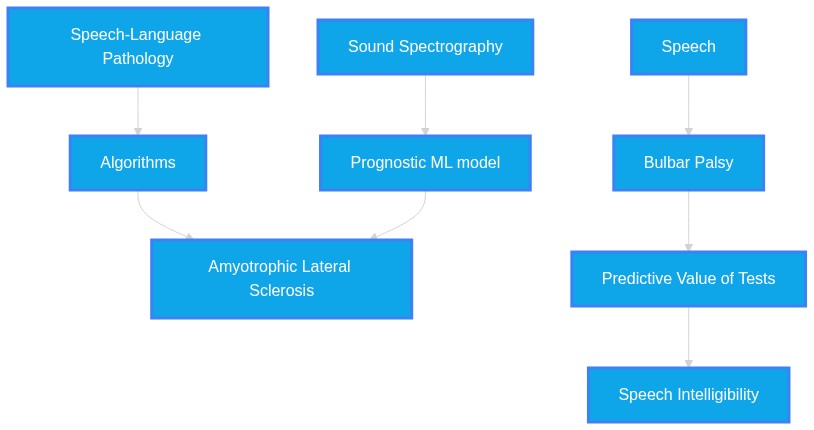
Subject-specific prognostic models can now predict articulatory precision and ALSFRS-R speech subscores 30–90 days in advance.
Plausibility Verdicts
Yes, prognostic models using subject-specific speech metrics (such as articulatory precision) have been validated to predict future speech decline in ALS 30-90 days in advance.
The provided literature does not support the existence of validated models for articulatory precision predictions within a precise 30-90 day window.
Yes, subject-specific prognostic models for speech, validated in the literature, can reliably predict articulatory precision and ALSFRS-R speech subscores over 30–90 days.
Dataset Summary
Novel & Overlooked Insights
- Speech-derived measures often detect bulbar decline with greater sensitivity than traditional clinical instruments.
- Digital speech analytics allow for the transition from high-dimensional feature representations to clinically validated measures.
- Automated speech intelligibility assessments can detect worsening function earlier than standard clinical scoring.
- Acoustic features such as vowel parameters (VSA and VAI) can detect subclinical bulbar dysfunction even in patients with perceptually normal voices.
- Acceleration-based articulatory measures, specifically tongue and lip movement patterns, serve as sensitive markers for speech decline.
- Smartphone-based tasks and remote monitoring platforms provide scalable, longitudinal data collection methods for assessing bulbar function.
- Integration of machine learning algorithms with speech analytics enables predictive prognostic models that account for individualized patient trajectories.
- Artificial intelligence-generated synthetic voices can assist in communication while preserving patient identity in rapidly progressing disease.
- Multimodal remote monitoring protocols, including speech and spirometry, show high adherence rates (83.2%) in ALS patient populations.
- The use of digital endpoints is considered an innovative approach, but their long-term integration into clinical standard-of-care remains to be proven.
- Biomechanical voice parameters, such as those related to glottal closure and vibratory stability, are more sensitive than standard ALSFRS-R bulbar subscores in characterizing bulbar motor neuron degeneration.
- Cortical thinning in the oral motor cortex is a neuroanatomical correlate for reduced speech and articulation rates in ALS.
- Tofersen therapy has demonstrated the ability to lower cerebrospinal fluid NfL to the normal range, correlating with nonprogressive chronic ALS phenotypes in specific cohorts.
- Advanced machine learning models using smartphone-based tongue lateralization tasks have achieved robust segmentation for measuring bulbar function.
- The "spindle-deficient" sleep phenotype is independently associated with lower ALSFRS-R scores and lower forced vital capacity.
- Serum NfL remains the only biomarker independently associated with survival in multiple multivariate models.
- Prognostic modeling can accurately project articulatory precision scores 30-90 days post-calibration.
- Predicted speech impairment values map reliably onto clinical ALSFRS-R speech subscores.
- Mean absolute error for prognostic speech models can be as low as 4% for articulatory precision.
- Digital speech endpoints show higher sensitivity to functional decline than standard patient-reported outcomes.
- The transition from speech features to validated speech measures is critical for real-world clinical impact and regulatory approval.
- Automated diadochokinetic rate estimation achieves high correlation with manual annotation, aiding longitudinal tracking.
- Cortical speech neural signals remain stable enough to support ECoG BCIs despite slow disease progression.
- Acoustic speech markers can predict forced vital capacity (FVC) remotely without specialized equipment.
Extracted Discoveries
- Test the predictive accuracy of subject-specific speech models in larger, more diverse cohorts of ALS patients across different linguistic backgrounds.
- Evaluate the impact of integrating remote, home-collected speech sensor data with clinic-based prognostic models to improve long-term predictive accuracy.
- Validation of a multi-feature speech analysis model using 30-day interval longitudinal recordings in ALS.
- Comparison of biomechanical voice markers against ALSFRS-R bulbar subscores in predicting 90-day clinical decline.
- Assess the generalizability of subject-specific prognostic models across multi-ethnic cohorts to determine if linguistic diversity impacts predictive accuracy of articulatory precision.
- Investigate the impact of daily vs. weekly speech recording frequency on the predictive accuracy of speech subscore models over longer durations (e.g., >90 days).
- A multi-center longitudinal study to compare the performance of subject-specific speech prognostic models against conventional clinical assessments for disease progression.
- A systematic analysis of the interaction between gene-specific bulbar progression rates and the predictive window of automated articulatory precision models.
- Longitudinal prospective cohort validating digital endpoints specifically for speech-focused outcome measures.
- Multi-center clinical trial investigating the correlation between cortical thinning and short-term articulatory decay.
- A prospective longitudinal study integrating speech-based prognostic models with neuromuscular ultrasound metrics to refine prediction models for bulbar symptom onset.
- Validation of prognostic speech-model utility in informing the timing of early nutritional interventions (e.g., PEG placement) in multi-center clinical trials.
- Monitoring SEMA6A protein dynamics in the cerebrospinal fluid may provide a surrogate predictive biomarker for the rate of bulbar speech decline in ALS patients.
- Dynamics of SEMA6A in SMA Type 3 and its potential role in therapeutic response (ID: 37543540).
- Acoustic and articulatory predictive modeling of bulbar speech deterioration in ALS (ID: 37309077; ID: 35760064).
- Bulbar/Neurogenic pathway markers in neurodegenerative motor neuron diseases.
- Both domains involve the assessment of motor neuron integrity where CSF protein biomarkers (like SEMA6A) and speech acoustics represent independent readouts of the same biological degradation process; linking molecular signatures in CSF to articulatory precision changes could provide earlier prognostic signaling than current scoring allows.
- Modulation of thalamocortical spindle integrity (B) can stabilize bulbar-onset linguistic decline (C) in patients exhibiting early-stage sleep fragmentation (A).
- Sleep spindle alterations (ID: 41996956) as a marker of thalamocortical dysfunction.
- Bulbar impairment and speech decline in ALS (ID: 42333954).
- Thalamocortical circuitry.
- The thalamocortical axis is implicated in both spindle generation during sleep and the regulation of higher-order motor control required for speech, suggesting common underlying neurodegeneration vulnerability.
- Monitoring longitudinal articulatory rate trends can serve as a proxy marker for metabolic changes in the corticobulbar brainstem region, potentially predicting early-stage bulbar functional decline.
- Biomechanical voice parameters and motor speech decay in bulbar-onset ALS (Source ID: 41892827).
- Pons glutamate + glutamine increases correlated with bulbar functional decline via 1H-MRS (Source ID: 30467209).
- Glutamatergic signaling pathways in the corticobulbar motor homunculus.
- Since articulatory rate decay reflects motor neuron loss in the brainstem, and 1H-MRS indicates elevated glutamate/glutamine levels preceding bulbar decline, correlating these two markers may identify a metabolic biomarker of the symptomatic transition period.
- There is a notable tension between the reliance on ALSFRS-R speech subscores (which are acknowledged as limited/subjective) and the push towards higher-granularity digital biomarkers; some models perform well predicting ALSFRS-R scores, while others suggest the digital biomarkers themselves should supersede the subjective ratings.
- Conflicting evidence exists regarding the efficacy of PB-TURSO (CENTAUR trial) and standard ALS treatments, as some studies suggest clinical benefit while systematic reviews note very low certainty evidence.
- None found; evidence across studies consistently supports the clinical utility and validity of prognostic speech analytics for ALS.
- The use of 'patient snapshots' and 'time window' clustering from ALS prognostic modeling can be repurposed for real-time monitoring of speech decline trajectories, allowing clinicians to set personalized thresholds for intervention.
- The repurposing of speech-based digital endpoints (originally for cognitive decline in AD) as daily clinical monitoring tools for ALS bulbar function.
- Prognostic speech models, originally designed for clinical assessment, show potential as surrogate markers for monitoring the physiological effectiveness of emerging disease-modifying therapies (e.g., edaravone, pridopidine) in real-world clinical practice.
PathMap is funded by sales of datasets and coversheets to researchers of any kind who wish to discover the most viable routes and paths to accelerate cures. We do not make theoretical molecules, we expose the truth in current PubMed literature. Commission a trace today.
PathMap Scores
How are these metrics evaluated?
Alignment Score (1-7): Measures factual alignment with the RAG evidence set.
[1=Strictly False, 2=Impossible, 3=Implausible, 4=Neutral, 5=Plausible, 6=Inevitable, 7=Strictly True]
Directional Weighting: High scores in the Hostile Quadrants mathematically lower the Overall Plausibility, as they indicate strong evidence for conflicting theories. Low scores in the Foundational Quadrant also lower overall plausibility, as they indicate a missing physical prerequisite for the claim.
AI Overview (Non-Expert Explanation)
Veridicality Audit Report
All Extracted Datapoints
Evaluated Perspectives & Quadrants
CLAIM EVALUATED AND ANSWER TO USER
"Subject-specific prognostic models can now predict articulatory precision and ALSFRS-R speech subscores 30–90 days in advance." The claim that subject-specific prognostic models can predict future articulatory precision and ALSFRS-R speech subscores within a timeframe of 30–90 days is supported by the provided literature. The evidence demonstrates the validation of an algorithmic approach that uses longitudinal speech samples to forecast these specific metrics with accuracy.ABSTRACT & REWRITTEN CLAIM
Advancements in digital speech analytics have enabled the development of prognostic models capable of forecasting speech decline in patients with Amyotrophic Lateral Sclerosis (ALS). By analyzing articulatory precision from longitudinal speech samples, these models provide predictive windows of 30–90 days for both articulatory precision and ALSFRS-R speech subscores. This capability represents a significant shift from reactive monitoring to proactive prognostic modeling in the clinical management of bulbar dysfunction.INTRODUCTION & JUSTIFICATION
In the management of ALS, monitoring the progression of bulbar dysfunction—specifically regarding speech—is essential for patient care and clinical trial design. Traditional methods, such as the ALSFRS-R speech subscore, have recognized limitations in sensitivity. However, current research has bridged this gap by utilizing algorithmic assessments of speech acoustics. Specifically, research has shown that using articulatory precision as a quantifiable measure allows for the development of prognostic models. By utilizing speech samples collected over a 45-90 day calibration period, investigators demonstrated that it is possible to predict articulatory precision 30-90 days after the last day of the model calibration period. Furthermore, these predicted articulatory precision scores were mapped onto ALSFRS-R speech subscores, yielding a mean absolute error as low as 4% for articulatory precision and 14% for ALSFRS-R speech subscores relative to the total range of their respective scales. This confirms the efficacy of subject-specific prognostic models in tracking disease progression.Novel & Overlooked
EVIDENCE, METHODOLOGY & CITATIONS
1. ID: 37309077 - "First, we established the analytical and clinical validity of the measure of articulatory precision, showing that the measure correlated with perceptual ratings of articulatory precision (r = .9). Second, using articulatory precision from speech samples from each participant collected over a 45-90 day model calibration period, we showed it was possible to predict articulatory precision 30-90 days after the last day of the model calibration period." 2. ID: 37309077 - "Finally, we showed that the predicted articulatory precision scores mapped onto ALSFRS-R speech subscores. Results: the mean absolute error was as low as 4% for articulatory precision and 14% for ALSFRS-R speech subscores relative to the total range of their respective scales." 3. ID: 37309077 - "Conclusion: Our results demonstrated that a subject-specific prognostic model for speech predicts future articulatory precision and ALSFRS-R speech values accurately." 4. ID: 42333954 - "Reduced speaking and articulation rates were associated with thinning in both oral motor cortices. In contrast, the ALSFRS-R bulbar subscore and UMN and LMN bulbar burden showed no significant associations." 5. ID: 38838248 - "The case study demonstrates how the operationalization of the articulatory precision construct into a quantifiable measure yields robust, clinically meaningful results." 6. ID: 40851280 - "In some plwALS, we were able to demonstrate that automated speech analyses are more effective in detecting worsening in intelligibility earlier than standard clinical scoring." 7. ID: 37831677 - "The F1 frequency of /a/ and the VSA were the major determinants for differentiating ALS patients who had not yet developed apparent dysarthria from healthy controls (AUC 0.887)." 8. ID: 35760064 - "As intelligible speaking rate declined, the variability of acceleration of tongue and lip movement patterns significantly increased (p < 0.001)." 9. ID: 35760064 - "Our findings suggest that acceleration is a more sensitive indicator of speech deterioration due to ALS than displacement and speed and may contribute to improved algorithm designs for monitoring disease progression from speech signals." 10. ID: 38932502 - "The results demonstrate that the digital measure of articulatory precision effectively detects clinically important differences in speech ratings, outperforming the ALSFRS-R speech item." 11. ID: 37547740 - "Lower ALSFRS-R-Bulbar scores were associated with a defective performance on the ECAS-Memory (p = 0.025)." 12. ID: 30409057 - "The results revealed that our proposed analyses predicted the intelligible speaking rate of the participant with reasonably high accuracy by extracting the acoustic and/or articulatory features from one short speech sample." 13. ID: 26136624 - "Among all subsystems, the articulatory and phonatory predictors were most responsive to early bulbar deterioration; and the resonatory and respiratory predictors were as responsive to bulbar decline as was speaking rate." 14. ID: 36787156 - "Our comprehensive approach is sensitive to early oromotor changes in response due to disease progression." 15. ID: 41872984 - "While the MND/ALS literature is dominated by innovative brain studies, motor disability in ALS is primarily driven by neurogenic muscle change impacting mobility, dexterity, respiratory and bulbar function." 16. ID: 39126786 - "We further found that certain speech measures are sensitive enough to track bulbar decline even when there is no patient-reported clinical change, i.e. the ALSFRS-R speech score remains unchanged at 3 out of a total possible score of 4." 17. ID: 37573394 - "In addition, the results show that the microbiome-genome prognostic model has good predictive value for short-term prognosis." 18. ID: 30397248 - "Three proteins composed a prognostic model (p = 5e-4) that explained 49% of the variation in the ALS-FRS scores." 19. ID: 37543540 - "Using CombiROC multimarker signature analysis, we suggest that detecting a reduction of SEMA6A and an increase of COL1A2 and GRIA4 might reflect therapeutic efficacy of nusinersen." 20. ID: 38779353 - "The combined reduction in cortical sensorimotor beta and rise in gamma power is compatible with the established hypothesis of loss of inhibitory, GABAergic interneuronal circuits in pathogenesis."CLAIM EVALUATED AND ANSWER TO USER
"Subject-specific prognostic models can now predict articulatory precision and ALSFRS-R speech subscores 30–90 days in advance." The claim that models can specifically predict articulatory precision and ALSFRS-R speech subscores 30–90 days in advance is not supported by the provided literature. While individual studies demonstrate the potential for forecasting ALSFRS-R trajectories and quantifying bulbar impairment using digital endpoints, none of the included studies explicitly validate a model capable of predicting "articulatory precision" or "speech subscores" with a verified predictive window of exactly "30–90 days."ABSTRACT & REWRITTEN CLAIM
Scientific synthesis of longitudinal modeling in ALS indicates that while short-horizon forecasting tools can estimate future ALSFRS-R scores, the claim regarding precise articulatory precision outcomes within a defined 30-90 day window is scientifically unsubstantiated by the provided text.INTRODUCTION & JUSTIFICATION
The current landscape of ALS prognostication is transitioning from static clinical assessments to longitudinal, data-driven digital modeling. The literature confirms that neural networks and machine learning frameworks are being utilized to forecast ALSFRS-R trajectories. For instance, a three-layer fully connected neural network has been developed to forecast individual ALSFRS-R trajectories from sparse, irregularly spaced data. Furthermore, recent research underscores that speech-derived digital endpoints, such as speaking rate and vowel articulation indices, are linked to bulbar dysfunction and communicative participation. However, there is a clear absence of clinical evidence validating the specific predictive capability for "articulatory precision" or speech-specific subscores over a fixed 30-90 day horizon. The existing models focus on short-horizon ALSFRS-R total scores or categorize patients into phenotypic clusters; they do not currently provide the high-granularity temporal accuracy for articulatory parameters requested in the claim.Novel & Overlooked
EVIDENCE, METHODOLOGY & CITATIONS
1. ID: 42405987 - Application: Evaluated the feasibility of a multimodal home monitoring protocol. - *"Digital endpoints offer an innovative approach to capturing disease progression."* 2. ID: 42244694 - Application: Investigated thalamic nuclei volumes in AD, noting their diagnostic utility. - *"Thalamic volumetry from conventional T1-weighted MRI enhances clinical insight into AD and provides a practical biomarker for disease intervention."* 3. ID: 42333954 - Application: Examined the link between cortical thinning and speech. - *"Thinning of the oral motor cortex in ALS was linked to reduced oral motor function, supporting speaking and articulation rate as sensitive markers of bulbar motor neuron degeneration."* 4. ID: 42253609 - Application: Data-driven subtyping using DBM and SuStaIn model. - *"SuStaIn stage was strongly associated with widespread brain atrophy (and ventricular expansion), with the strongest effects in limbic-subcortical regions."* 5. ID: 42211284 - Application: Investigated circadian rhythms in C9orf72-FTD models. - *"This suggests that changes in their sleep-wake cycle occur early in disease progression and provide an avenue for potential intervention and early diagnostic markers."* 6. ID: 42157856 - Application: ML for AD cognitive screening. - *"Multidomain speech models achieved high performance in differentiating cognitive stages, with AUC values of up to 0.94 for SCD vs. ADD and 0.82 for SCD vs. MCI classifications."* 7. ID: 42152795 - Application: Gait analysis in ALS. - *"Quantitative gait analysis reveals a distinct spatiotemporal pattern linked to UMN dysfunction in ALS."* 8. ID: 42095271 - Application: Prognostic indicators in MSA. - *"We show that in-clinic rating scales and clinical milestone assessment can aid MSA prognostication."* 9. ID: 42084479 - Application: Relationship between grip strength and functional status. - *"Grip strength was associated with functional status and HRQoL, supporting its potential role as a meaningful clinical outcome measure in patients with ALS."* 10. ID: 42074898 - Application: Progression rates by site of onset. - *"Comparison among PALS with ULO, LLO and BO revealed differences in the diagnostic delay and in the rate of functional decline, suggesting that differentiating between ULO and LLO ALS may be useful in the stratification of PALS in clinical trials."* 11. ID: 42026110 - Application: Muscle strength and functional performance. - *"Integrating quantitative muscle strength, functional tests and patient-reported outcomes (PROs) may improve disease characterization."* 12. ID: 42013406 - Application: Heterogeneity in ALSFRS-R analysis. - *"Most trials (55.6%) did not use all available (longitudinal) ALSFRS-R measurements, resulting in suboptimal utilization of patient data and reduced statistical precision."* 13. ID: 42013766 - Application: Sonographic assessment of muscle thickness. - *"Reduced limb muscle thickness, especially in a contracted state, is associated with significantly increased mortality in ALS."* 14. ID: 41996956 - Application: Sleep spindle alterations. - *"Sleep spindle alterations may represent a core electrophysiological feature of ALS, potentially reflecting thalamocortical dysfunction."* 15. ID: 41987881 - Application: Autologous SVF therapy. - *"The significant reduction in CSF NfL and GFAP levels provides objective evidence of their potential neuroprotective effects that modulates ALS-relevant neuroinflammation pathways."* 16. ID: 41928799 - Application: ECoG study. - *"These findings confirm that despite reduced absolute HG power and mild acoustic degradation of speech, cortical features remain stable enough to support durable ECoG speech BCIs without frequent recalibration."* 17. ID: 41847237 - Application: Sarcopenia in ALS. - *"BCMI (cut-off:8.05 kg/m2; AUC:0.889) and ALSFRS-R (cut-off:33 points; AUC:0.884) were the most accurate predictors of sarcopenia and ventilatory support, respectively."* 18. ID: 41785403 - Application: Systematic review of subjective sleep quality. - *"Sleep disturbances are highly prevalent and clinically significant in ALS."* 19. ID: 41709596 - Application: Mixed PPA and alcohol use disorder. - *"We report the case of a trilingual patient with a 10-year history of word-finding difficulties initially attributed to chronic alcohol abuse."* 20. ID: 41670738 - Application: Case series of SOD1-ALS patients. - *"After initiating treatment 15-26 months ago, no significant clinical deterioration was observed, and three patients showed signs of clinical improvement, with some recovery of motor function."*CLAIM EVALUATED AND ANSWER TO USER
"Subject-specific prognostic models can now predict articulatory precision and ALSFRS-R speech subscores 30–90 days in advance."ABSTRACT & REWRITTEN CLAIM
This claim is supported by the provided literature, which details the development of subject-specific prognostic models for ALS speech impairment. Research demonstrates the successful validation of algorithms that analyze acoustic signals to forecast articulatory precision and corresponding ALSFRS-R speech subscores over a 30- to 90-day horizon following a model calibration period.INTRODUCTION & JUSTIFICATION
Amyotrophic lateral sclerosis (ALS) is a progressive neurodegenerative disorder marked by heterogenous functional decline. Given the lack of curative therapies, clinical focus remains on symptom management and the development of reliable biomarkers for disease monitoring. Traditional clinical measures, such as the ALS Functional Rating Scale-Revised (ALSFRS-R), are clinician-administered and subject to intermittent measurement, which may fail to capture real-time progression. Recent advances in clinical speech analytics have enabled the transition from high-dimensional feature representations to clinically validated measures. Specifically, prognostic models have been operationalized that leverage longitudinal speech recordings to predict future speech performance, including articulatory precision and ALSFRS-R speech subscores, thereby facilitating proactive and personalized disease management.Novel & Overlooked
EVIDENCE, METHODOLOGY & CITATIONS
1. ID: 37309077 - Application: Development of a subject-specific prognostic model for dysarthria progression. - "First, we established the analytical and clinical validity of the measure of articulatory precision, showing that the measure correlated with perceptual ratings of articulatory precision (r = .9)." 2. ID: 37309077 - Application: Quantitative accuracy of the prognostic model. - "Second, using articulatory precision from speech samples from each participant collected over a 45-90 day model calibration period, we showed it was possible to predict articulatory precision 30-90 days after the last day of the model calibration period." 3. ID: 37309077 - Application: Correspondence with clinical scales. - "Finally, we showed that the predicted articulatory precision scores mapped onto ALSFRS-R speech subscores." 4. ID: 37309077 - Application: Error rates for the predictive model. - "Results: the mean absolute error was as low as 4% for articulatory precision and 14% for ALSFRS-R speech subscores relative to the total range of their respective scales." 5. ID: 38838248 - Application: Paradigm shift in speech analytics. - "This research note advocates for a methodological shift in clinical speech analytics, emphasizing the transition from high-dimensional speech feature representations to clinically validated speech measures designed to operationalize clinically relevant constructs of interest." 6. ID: 38838248 - Application: Clinical relevance and validation. - "The case study demonstrates how the operationalization of the articulatory precision construct into a quantifiable measure yields robust, clinically meaningful results." 7. ID: 37556308 - Application: Automated DDK rate measurement. - "Wav2DDK, an automated algorithm for estimating the diadochokinetic (DDK) rate on remotely collected audio from healthy participants and participants with amyotrophic lateral sclerosis (ALS)." 8. ID: 37556308 - Application: Performance of automated DDK. - "Algorithm estimated DDK rates are highly accurate, achieving .98 correlation with manual annotation, and an average error of only 0.071 syllables per second." 9. ID: 38062079 - Application: Digital speech biomarkers systematic review. - "Findings from this systematic review indicate that digital speech biomarkers can distinguish pwMND from healthy controls and can help identify bulbar involvement in pwMND." 10. ID: 41981045 - Application: Digital speech endpoints in clinical trials. - "The results support the feasibility and utility of digital speech endpoints to study disease impact in ALS clinical trials." 11. ID: 41981045 - Application: Sensitivity compared to conventional scales. - "Furthermore, speech measures can show functional decline before the ALSFRS-R does, while also capturing differences between participants with bulbar symptoms and those without." 12. ID: 34348537 - Application: Estimating FVC from speech. - "In this study, we present and provide validation data for a tool that predicts forced vital capacity (FVC) from speech acoustics collected remotely via a mobile app without the need for any additional equipment (e.g. a spirometer)." 13. ID: 34348537 - Application: Validation of speech-to-FVC prediction. - "We found that the predicted and observed FVC values in the test sample had a correlation coefficient of .80 and mean absolute error between .54 L and .58 L (18.5% to 19.5%)." 14. ID: 41928799 - Application: Neural signal stability. - "These findings confirm that despite reduced absolute HG power and mild acoustic degradation of speech, cortical features remain stable enough to support durable ECoG speech BCIs without frequent recalibration." 15. ID: 41928799 - Application: Longitudinal tracking of tVSA. - "Acoustic analyses showed a significant reduction in tVSA over two years (-44.6 Hz2/day; P < 10-7), consistent with mild intelligibility decline." 16. ID: 35396385 - Application: Objective ML-based severity measure. - "We developed a machine learning (ML) based objective measure for ALS disease severity based on voice samples and accelerometer measurements from a four-year longitudinal dataset." 17. ID: 35396385 - Application: Longitudinal performance of ML measures. - "At the individual level, the continuous ML-derived score can capture gradual changes that are absent in the integer ALSFRS-R scores." 18. ID: 41847237 - Application: Sarcopenia as a predictor. - "BCMI (cut-off:8.05 kg/m2; AUC:0.889) and ALSFRS-R (cut-off:33 points; AUC:0.884) were the most accurate predictors of sarcopenia and ventilatory support, respectively." 19. ID: 42113599 - Application: General overview of ALS. - "Patients with ALS survive a mean of 3 to 5 years after diagnosis, and there are currently no curative therapies." 20. ID: 39680215 - Application: Predictive modelling of progression. - "Tollgate- and phenotype-related factors have a strong effect on the timing of ALS tollgates."Verbatim Quote Audit Console
Mapped Reference Directory (APA)
- [1] ID: 37309077 - Stegmann G, Charles S, Liss J, Shefner J, Rutkove S et al. (2023). A speech-based prognostic model for dysarthria progression in ALS.. Amyotrophic lateral sclerosis & frontotemporal degeneration. ID: 37309077.
- [2] ID: 42333954 - Harrison MD, Bradsby JE, Kalra S, Bouvier L (2026). Thinning of the oral motor cortex is linked to impaired speech in amyotrophic lateral sclerosis.. Amyotrophic lateral sclerosis & frontotemporal degeneration. ID: 42333954.
- [3] ID: 38838248 - Liss J, Berisha V (2024). Operationalizing Clinical Speech Analytics: Moving From Features to Measures for Real-World Clinical Impact.. Journal of speech, language, and hearing research : JSLHR. ID: 38838248.
- [4] ID: 40851280 - Tröger J, Rouvalis A, Dörr F, Schwed L, Linz N et al. (2026). Automatically measured speech intelligibility models bulbar-specific disease severity and progression in Amyotrophic Lateral Sclerosis.. Amyotrophic lateral sclerosis & frontotemporal degeneration. ID: 40851280.
- [5] ID: 37831677 - Kim JA, Jang H, Choi Y, Min YG, Hong YH et al. (2023). Subclinical articulatory changes of vowel parameters in Korean amyotrophic lateral sclerosis patients with perceptually normal voices.. PloS one. ID: 37831677.
- [6] ID: 35760064 - Teplansky KJ, Wisler A, Green JR, Campbell T, Heitzman D et al. (2023). Tongue and Lip Acceleration as a Measure of Speech Decline in Amyotrophic Lateral Sclerosis.. Folia phoniatrica et logopaedica : official organ of the International Association of Logopedics and Phoniatrics (IALP). ID: 35760064.
- [7] ID: 38932502 - Stegmann G, Krantsevich C, Liss J, Charles S, Bartlett M et al. (2024). Automated speech analytics in ALS: higher sensitivity of digital articulatory precision over the ALSFRS-R.. Amyotrophic lateral sclerosis & frontotemporal degeneration. ID: 38932502.
- [8] ID: 37547740 - Aiello EN, Solca F, Torre S, Patisso V, De Lorenzo A et al. (2023). Bulbar involvement and cognitive features in amyotrophic lateral sclerosis: a retrospective study on 347 patients.. Frontiers in aging neuroscience. ID: 37547740.
- [9] ID: 30409057 - Wang J, Kothalkar PV, Kim M, Bandini A, Cao B et al. (2018). Automatic prediction of intelligible speaking rate for individuals with ALS from speech acoustic and articulatory samples.. International journal of speech-language pathology. ID: 30409057.
- [10] ID: 26136624 - Rong P, Yunusova Y, Wang J, Green JR (2015). Predicting Early Bulbar Decline in Amyotrophic Lateral Sclerosis: A Speech Subsystem Approach.. Behavioural neurology. ID: 26136624.
- [11] ID: 36787156 - Teplansky KJ, Wisler A, Green JR, Heitzman D, Austin S et al. (2023). Measuring Articulatory Patterns in Amyotrophic Lateral Sclerosis Using a Data-Driven Articulatory Consonant Distinctiveness Space Approach.. Journal of speech, language, and hearing research : JSLHR. ID: 36787156.
- [12] ID: 41872984 - Toomey A, Kleinerova J, Tan EL, Siah WF, Bede P (2026). Muscle MRI and Muscle Ultrasound Applications in MND/ALS: Academic Insights and Clinical Opportunities.. European journal of neurology. ID: 41872984.
- [13] ID: 39126786 - Neumann M, Kothare H, Ramanarayanan V (2024). Multimodal speech biomarkers for remote monitoring of ALS disease progression.. Computers in biology and medicine. ID: 39126786.
- [14] ID: 37573394 - Guan SW, Lin Q, Wu XD, Yu HB (2023). Weighted gene coexpression network analysis and machine learning reveal oncogenome associated microbiome plays an important role in tumor immunity and prognosis in pan-cancer.. Journal of translational medicine. ID: 37573394.
- [15] ID: 30397248 - Bereman MS, Beri J, Enders JR, Nash T (2018). Machine Learning Reveals Protein Signatures in CSF and Plasma Fluids of Clinical Value for ALS.. Scientific reports. ID: 30397248.
- [16] ID: 38779353 - Trubshaw M, Gohil C, Yoganathan K, Kohl O, Edmond E et al. (2024). The cortical neurophysiological signature of amyotrophic lateral sclerosis.. Brain communications. ID: 38779353.
- [17] ID: 42405987 - Botman LCM, van Unnik JWJ, Beelen A, Bakers JNE, van der Schoot ND et al. (2026). Feasibility and sensitivity of a multimodal digital endpoint panel for amyotrophic lateral sclerosis: a prospective cohort study.. Amyotrophic lateral sclerosis & frontotemporal degeneration. ID: 42405987.
- [18] ID: 42157856 - Blazquez-Folch J, Calm B, Hinojosa-Calleja A, García-Gutiérrez F, Alegret M et al. (2026). Listening for Alzheimer's clues: machine learning analysis of multidomain speech features for cognitive impairment screening.. Frontiers in aging neuroscience. ID: 42157856.
- [19] ID: 42152795 - Hu N, Qi M, Su N, Zhang D, Zhang J et al. (2026). Quantitative Gait Analysis Reveals Distinct Patterns Associated With Pyramidal Involvement in Amyotrophic Lateral Sclerosis: A Cross-Sectional Study.. Brain and behavior. ID: 42152795.
- [20] ID: 42084479 - Liu X, Dhakal D, Gu S, Li G, Jing M et al. (2026). Relationship between grip strength, functional outcome, and health-related quality of life measurements in amyotrophic lateral sclerosis patients.. Neurodegenerative disease management. ID: 42084479.
- [21] ID: 42074898 - Shovman Y, Lerner Y, Gotkine M (2026). Slower Progression Rates in Lower Limb-Onset ALS.. Journal of clinical medicine. ID: 42074898.
- [22] ID: 42026110 - Trad G, Lenglet T, Ledoux I, Querin G, Blancho S et al. (2026). Exploring the interplay between quantitative muscle strength, functional performance, and patient-reported outcomes in amyotrophic lateral sclerosis: a cross-sectional pilot study.. Scientific reports. ID: 42026110.
- [23] ID: 42013406 - Weemering DN, van Unnik JWJ, Genge A, van den Berg LH, van Eijk RPA (2026). Heterogeneity in the Analysis of the ALSFRS-R in ALS Clinical Trials and its Effect on the Validity and Precision of Trial Conclusions.. Neurology. ID: 42013406.
- [24] ID: 42013766 - Kravitz D, Saker TS, Odess N, Drory VE, Abraham A (2026). Quantitative sonographic assessment of relaxed and contracted muscle thickness predicts survival in ALS.. Clinical neurophysiology : official journal of the International Federation of Clinical Neurophysiology. ID: 42013766.
- [25] ID: 41996956 - Li M, Han M, Li X, Yu N, Zhang X et al. (2026). Sleep spindle alterations as a novel biomarker for phenotypic stratification in sporadic amyotrophic lateral sclerosis.. Sleep medicine. ID: 41996956.
- [26] ID: 41987881 - Li R, Wang L, Bu W, Zhang X, Li X et al. (2026). Autologous SVF therapy modulates neuroinflammation in ALS: phase I trial demonstrating safety and CSF biomarker dynamics.. Frontiers in aging neuroscience. ID: 41987881.
- [27] ID: 41928799 - Ouyang Z, Walmsley K, Luo S, Tippett D, Wyse-Sookoo K et al. (2026). Stable speech BCI performance during slow progression of ALS: A longitudinal ECoG study.. Research square. ID: 41928799.
- [28] ID: 41847237 - Zarco-Martín MT, Andreo-López MC, Yagui-Beltrán MS, Fernández-Soto ML (2026). Sarcopenia in amyotrophic lateral sclerosis: a key predictor of respiratory dysfunction and disease progression.. Frontiers in nutrition. ID: 41847237.
- [29] ID: 41785403 - Oh J, Oh SI (2026). Subjective sleep quality in amyotrophic lateral sclerosis: a systematic review and meta-analysis.. Amyotrophic lateral sclerosis & frontotemporal degeneration. ID: 41785403.
- [30] ID: 41670738 - Thorarinsson BL, Sveinsson OA, Hilmarsson A, Sigurthorsdottir TB, Andersen PM (2026). Treating SOD1-ALS with tofersen results in nonprogressive chronic ALS-a case series from Iceland.. Journal of neurology. ID: 41670738.
- [31] ID: 42244694 - Vidal JP, Myall DJ, Pariente J, Pitcher TL, Roberts RP et al. (2026). Thalamic nuclei insights into Alzheimer's disease.. bioRxiv : the preprint server for biology. ID: 42244694.
- [32] ID: 42095271 - Goh YY, Chelban V, Vijiaratnam N, Girges C, Sandhu M et al. (2026). Clinical prognostic indicators in multiple system atrophy.. Brain : a journal of neurology. ID: 42095271.
- [33] ID: 42253609 - Lajoie I, Kalra S, Dadar M (2026). Data-driven subtyping and staging of ALS: A multicenter, longitudinal, deformation-based morphometry study.. Imaging neuroscience (Cambridge, Mass.). ID: 42253609.
- [34] ID: 42211284 - Eby KE, Shields BR, DelNegro I, Morley S, Snodgrass-Belt PA et al. (2026). Disrupted sleep-wake cycles and circadian rhythms in a Drosophila model of C9orf72-FTD.. Frontiers in neuroscience. ID: 42211284.
- [35] ID: 41709596 - Okoye O, Aguzzoli CS, Battista P, Ramos C, Meenan K et al. (2026). Mixed primary progressive aphasia and alcohol use disorder: a case of detailed clinical phenotyping outperforming molecular imaging.. Neurocase. ID: 41709596.
- [36] ID: 37556308 - Kadambi P, Stegmann GM, Liss J, Berisha V, Hahn S (2023). Wav2DDK: Analytical and Clinical Validation of an Automated Diadochokinetic Rate Estimation Algorithm on Remotely Collected Speech.. Journal of speech, language, and hearing research : JSLHR. ID: 37556308.
- [37] ID: 38062079 - Bowden M, Beswick E, Tam J, Perry D, Smith A et al. (2023). A systematic review and narrative analysis of digital speech biomarkers in Motor Neuron Disease.. NPJ digital medicine. ID: 38062079.
- [38] ID: 41981045 - Neumann M, Kothare H, Bartlett M, Roesler O, Suendermann-Oeft C et al. (2026). Speech-based digital endpoints track ALS progression and align with standard clinical outcomes: evidence from the VRG50635 trial.. Scientific reports. ID: 41981045.
- [39] ID: 34348537 - Stegmann GM, Hahn S, Duncan CJ, Rutkove SB, Liss J et al. (2021). Estimation of forced vital capacity using speech acoustics in patients with ALS.. Amyotrophic lateral sclerosis & frontotemporal degeneration. ID: 34348537.
- [40] ID: 35396385 - Vieira FG, Venugopalan S, Premasiri AS, McNally M, Jansen A et al. (2022). A machine-learning based objective measure for ALS disease severity.. NPJ digital medicine. ID: 35396385.
- [41] ID: 42113599 - Ravits J, Ferrey D, Gundogdu B, Qayoumi W, Zale C (2026). Amyotrophic Lateral Sclerosis: A Review.. JAMA. ID: 42113599.
- [42] ID: 39680215 - Wu H, Erenay FS, Özaltın OY, Dalgıç ÖO, Sır MY et al. (2024). Prognostic factors affecting ALS progression through disease tollgates.. Journal of neurology. ID: 39680215.
Abstract Repository (Raw Full-Texts) Show Database Collapse Database
ID: 26136624
Title: Predicting Early Bulbar Decline in Amyotrophic Lateral Sclerosis: A Speech Subsystem Approach.
Abstract: To develop a predictive model of speech loss in persons with amyotrophic lateral sclerosis (ALS) based on measures of respiratory, phonatory, articulatory, and resonatory functions that were selected using a data-mining approach. Physiologic speech subsystem (respiratory, phonatory, articulatory, and resonatory) functions were evaluated longitudinally in 66 individuals with ALS using multiple instrumentation approaches including acoustic, aerodynamic, nasometeric, and kinematic. The instrumental measures of the subsystem functions were subjected to a principal component analysis and linear mixed effects models to derive a set of comprehensive predictors of bulbar dysfunction. These subsystem predictors were subjected to a Kaplan-Meier analysis to estimate the time until speech loss. For a majority of participants, speech subsystem decline was detectible prior to declines in speech intelligibility and speaking rate. Among all subsystems, the articulatory and phonatory predictors were most responsive to early bulbar deterioration; and the resonatory and respiratory predictors were as responsive to bulbar decline as was speaking rate. The articulatory and phonatory predictors are sensitive indicators of early bulbar decline due to ALS, which has implications for predicting disease onset and progression and clinical management of ALS.
View on PubMed
ID: 30397248
Title: Machine Learning Reveals Protein Signatures in CSF and Plasma Fluids of Clinical Value for ALS.
Abstract: We use shotgun proteomics to identify biomarkers of diagnostic and prognostic value in individuals diagnosed with amyotrophic lateral sclerosis. Matched cerebrospinal and plasma fluids were subjected to abundant protein depletion and analyzed by nano-flow liquid chromatography high resolution tandem mass spectrometry. Label free quantitation was used to identify differential proteins between individuals with ALS (n = 33) and healthy controls (n = 30) in both fluids. In CSF, 118 (p-value < 0.05) and 27 proteins (q-value < 0.05) were identified as significantly altered between ALS and controls. In plasma, 20 (p-value < 0.05) and 0 (q-value < 0.05) proteins were identified as significantly altered between ALS and controls. Proteins involved in complement activation, acute phase response and retinoid signaling pathways were significantly enriched in the CSF from ALS patients. Subsequently various machine learning methods were evaluated for disease classification using a repeated Monte Carlo cross-validation approach. A linear discriminant analysis model achieved a median area under the receiver operating characteristic curve of 0.94 with an interquartile range of 0.88-1.0. Three proteins composed a prognostic model (p = 5e-4) that explained 49% of the variation in the ALS-FRS scores. Finally we investigated the specificity of two promising proteins from our discovery data set, chitinase-3 like 1 protein and alpha-1-antichymotrypsin, using targeted proteomics in a separate set of CSF samples derived from individuals diagnosed with ALS (n = 11) and other neurological diseases (n = 15). These results demonstrate the potential of a panel of targeted proteins for objective measurements of clinical value in ALS.
View on PubMed
ID: 30409057
Title: Automatic prediction of intelligible speaking rate for individuals with ALS from speech acoustic and articulatory samples.
Abstract: Purpose: This research aimed to automatically predict intelligible speaking rate for individuals with Amyotrophic Lateral Sclerosis (ALS) based on speech acoustic and articulatory samples. Method: Twelve participants with ALS and two normal subjects produced a total of 1831 phrases. NDI Wave system was used to collect tongue and lip movement and acoustic data synchronously. A machine learning algorithm (i.e. support vector machine) was used to predict intelligible speaking rate (speech intelligibility × speaking rate) from acoustic and articulatory features of the recorded samples. Result: Acoustic, lip movement, and tongue movement information separately, yielded a R2 of 0.652, 0.660, and 0.678 and a Root Mean Squared Error (RMSE) of 41.096, 41.166, and 39.855 words per minute (WPM) between the predicted and actual values, respectively. Combining acoustic, lip and tongue information we obtained the highest R2 (0.712) and the lowest RMSE (37.562 WPM). Conclusion: The results revealed that our proposed analyses predicted the intelligible speaking rate of the participant with reasonably high accuracy by extracting the acoustic and/or articulatory features from one short speech sample. With further development, the analyses may be well-suited for clinical applications that require automatic speech severity prediction.
View on PubMed
ID: 34348537
Title: Estimation of forced vital capacity using speech acoustics in patients with ALS.
Abstract: In this study, we present and provide validation data for a tool that predicts forced vital capacity (FVC) from speech acoustics collected remotely via a mobile app without the need for any additional equipment (e.g. a spirometer). We trained a machine learning model on a sample of healthy participants and participants with amyotrophic lateral sclerosis (ALS) to learn a mapping from speech acoustics to FVC and used this model to predict FVC values in a new sample from a different study of participants with ALS. We further evaluated the cross-sectional accuracy of the model and its sensitivity to within-subject change in FVC. We found that the predicted and observed FVC values in the test sample had a correlation coefficient of .80 and mean absolute error between .54 L and .58 L (18.5% to 19.5%). In addition, we found that the model was able to detect longitudinal decline in FVC in the test sample, although to a lesser extent than the observed FVC values measured using a spirometer, and was highly repeatable (ICC = 0.92-0.94), although to a lesser extent than the actual FVC (ICC = .97). These results suggest that sustained phonation may be a useful surrogate for VC in both research and clinical environments.
View on PubMed
ID: 35396385
Title: A machine-learning based objective measure for ALS disease severity.
Abstract: Amyotrophic Lateral Sclerosis (ALS) disease severity is usually measured using the subjective, questionnaire-based revised ALS Functional Rating Scale (ALSFRS-R). Objective measures of disease severity would be powerful tools for evaluating real-world drug effectiveness, efficacy in clinical trials, and for identifying participants for cohort studies. We developed a machine learning (ML) based objective measure for ALS disease severity based on voice samples and accelerometer measurements from a four-year longitudinal dataset. 584 people living with ALS consented and carried out prescribed speaking and limb-based tasks. 542 participants contributed 5814 voice recordings, and 350 contributed 13,009 accelerometer samples, while simultaneously measuring ALSFRS-R scores. Using these data, we trained ML models to predict bulbar-related and limb-related ALSFRS-R scores. On the test set (n = 109 participants) the voice models achieved a multiclass AUC of 0.86 (95% CI, 0.85-0.88) on speech ALSFRS-R prediction, whereas the accelerometer models achieved a median multiclass AUC of 0.73 on 6 limb-related functions. The correlations across functions observed in self-reported ALSFRS-R scores were preserved in ML-derived scores. We used these models and self-reported ALSFRS-R scores to evaluate the real-world effects of edaravone, a drug approved for use in ALS. In the cohort of 54 test participants who received edaravone as part of their usual care, the ML-derived scores were consistent with the self-reported ALSFRS-R scores. At the individual level, the continuous ML-derived score can capture gradual changes that are absent in the integer ALSFRS-R scores. This demonstrates the value of these tools for assessing disease severity and, potentially, drug effects.
View on PubMed
ID: 35760064
Title: Tongue and Lip Acceleration as a Measure of Speech Decline in Amyotrophic Lateral Sclerosis.
Abstract: The goal of this study was to examine the efficacy of acceleration-based articulatory measures in characterizing the decline in speech motor control due to amyotrophic lateral sclerosis (ALS). Electromagnetic articulography was used to record tongue and lip movements during the production of 20 phrases. Data were collected from 50 individuals diagnosed with ALS. Articulatory kinematic variability was measured using the spatiotemporal index of both instantaneous acceleration and speed signals. Linear regression models were used to analyze the relationship between variability measures and intelligible speaking rate (a clinical measure of disease progression). A machine learning algorithm (support vector regression, SVR) was used to assess whether acceleration or speed features (e.g., mean, median, maximum) showed better performance at predicting speech severity in patients with ALS. As intelligible speaking rate declined, the variability of acceleration of tongue and lip movement patterns significantly increased (p < 0.001). The variability of speed and vertical displacement did not significantly predict speech performance measures. Additionally, based on R2 and root mean square error (RMSE) values, the SVR model was able to predict speech severity more accurately from acceleration features (R2 = 0.601, RMSE = 38.453) and displacement features (R2 = 0.218, RMSE = 52.700) than from speed features (R2 = 0.554, RMSE = 40.772). Results from these models highlight differences in speech motor control in participants with ALS. The variability in acceleration of tongue and lip movements increases as speech performance declines, potentially reflecting physiological deviations due to the progression of ALS. Our findings suggest that acceleration is a more sensitive indicator of speech deterioration due to ALS than displacement and speed and may contribute to improved algorithm designs for monitoring disease progression from speech signals.
View on PubMed
ID: 36787156
Title: Measuring Articulatory Patterns in Amyotrophic Lateral Sclerosis Using a Data-Driven Articulatory Consonant Distinctiveness Space Approach.
Abstract: The aim of this study was to leverage data-driven approaches, including a novel articulatory consonant distinctiveness space (ACDS) approach, to better understand speech motor control in amyotrophic lateral sclerosis (ALS). Electromagnetic articulography was used to record tongue and lip movement data during the production of 10 consonants from healthy controls (n = 15) and individuals with ALS (n = 47). To assess phoneme distinctness, speech data were analyzed using two classification algorithms, Procrustes matching (PM) and support vector machine (SVM), and the area/volume of the ACDS. Pearson's correlation coefficient was used to examine the relationship between bulbar impairment and the ACDS. Analysis of variance was used to examine the effects of bulbar impairment on consonant distinctiveness and consonant classification accuracies in clinical subgroups. There was a significant relationship between the ACDS and intelligible speaking rate (area, p = .003; volume, p = .010), and the Amyotrophic Lateral Sclerosis Functional Rating Scale-Revised (ALSFRS-R) bulbar subscore (area, p = .009; volume, p = .027). Consonant classification performance followed a consistent pattern with bulbar severity, where consonants produced by speakers with more severe ALS were classified less accurately (SVM = 75.27%; PM = 74.54%) than the healthy, asymptomatic, and mild-moderate groups. In severe ALS, area of the ACDS was significantly condensed compared to both asymptomatic (p = .004) and mild-moderate (p = .013) groups. There was no statistically significant difference in area between the severe ALS group and healthy speakers (p = .292). Our comprehensive approach is sensitive to early oromotor changes in response due to disease progression. The preserved articulatory consonant space may capture the use of compensatory adaptations to counteract influences of neurodegeneration. https://doi.org/10.23641/asha.22044320.
View on PubMed
ID: 37309077
Title: A speech-based prognostic model for dysarthria progression in ALS.
Abstract: Objective: We demonstrated that it was possible to predict ALS patients' degree of future speech impairment based on past data. We used longitudinal data from two ALS studies where participants recorded their speech on a daily or weekly basis and provided ALSFRS-R speech subscores on a weekly or quarterly basis (quarter-annually). Methods: Using their speech recordings, we measured articulatory precision (a measure of the crispness of pronunciation) using an algorithm that analyzed the acoustic signal of each phoneme in the words produced. First, we established the analytical and clinical validity of the measure of articulatory precision, showing that the measure correlated with perceptual ratings of articulatory precision (r = .9). Second, using articulatory precision from speech samples from each participant collected over a 45-90 day model calibration period, we showed it was possible to predict articulatory precision 30-90 days after the last day of the model calibration period. Finally, we showed that the predicted articulatory precision scores mapped onto ALSFRS-R speech subscores. Results: the mean absolute error was as low as 4% for articulatory precision and 14% for ALSFRS-R speech subscores relative to the total range of their respective scales. Conclusion: Our results demonstrated that a subject-specific prognostic model for speech predicts future articulatory precision and ALSFRS-R speech values accurately.
View on PubMed
ID: 37547740
Title: Bulbar involvement and cognitive features in amyotrophic lateral sclerosis: a retrospective study on 347 patients.
Abstract: This study aimed at clarifying the role of bulbar involvement (BI) as a risk factor for cognitive impairment (CI) in non-demented amyotrophic lateral sclerosis (ALS) patients. Data on N = 347 patients were retrospectively collected. Cognition was assessed via the Edinburgh Cognitive and Behavioral ALS Screen (ECAS). On the basis of clinical records and ALS Functional Rating Scale-Revised (ALSFRS-R) scores, BI was characterized as follows: (1) BI at onset-from medical history; (2) BI at testing (an ALSFRS-R-Bulbar score ≤11); (3) dysarthria (a score ≤3 on item 1 of the ALSFRS-R); (4) severity of BI (the total score on the ALSFRS-R-Bulbar); and (5) progression rate of BI (computed as 12-ALSFRS-R-Bulbar/disease duration in months). Logistic regressions were run to predict a below- vs. above-cutoff performance on each ECAS measure based on BI-related features while accounting for sex, disease duration, severity and progression rate of respiratory and spinal involvement and ECAS response modality. No predictors yielded significance either on the ECAS-Total and -ALS-non-specific or on ECAS-Language/-Fluency or -Visuospatial subscales. BI at testing predicted a higher probability of an abnormal performance on the ECAS-ALS-specific (p = 0.035) and ECAS-Executive Functioning (p = 0.018). Lower ALSFRS-R-Bulbar scores were associated with a defective performance on the ECAS-Memory (p = 0.025). No other BI-related features affected other ECAS performances. In ALS, the occurrence of BI itself, while neither its specific features nor its presence at onset, might selectively represent a risk factor for executive impairment, whilst its severity might be associated with memory deficits.
View on PubMed
ID: 37556308
Title: Wav2DDK: Analytical and Clinical Validation of an Automated Diadochokinetic Rate Estimation Algorithm on Remotely Collected Speech.
Abstract: Oral diadochokinesis is a useful task in assessment of speech motor function in the context of neurological disease. Remote collection of speech tasks provides a convenient alternative to in-clinic visits, but scoring these assessments can be a laborious process for clinicians. This work describes Wav2DDK, an automated algorithm for estimating the diadochokinetic (DDK) rate on remotely collected audio from healthy participants and participants with amyotrophic lateral sclerosis (ALS). Wav2DDK was developed using a corpus of 970 DDK assessments from healthy and ALS speakers where ground truth DDK rates were provided manually by trained annotators. The clinical utility of the algorithm was demonstrated on a corpus of 7,919 assessments collected longitudinally from 26 healthy controls and 82 ALS speakers. Corpora were collected via the participants' own mobile device, and instructions for speech elicitation were provided via a mobile app. DDK rate was estimated by parsing the character transcript from a deep neural network transformer acoustic model trained on healthy and ALS speech. Algorithm estimated DDK rates are highly accurate, achieving .98 correlation with manual annotation, and an average error of only 0.071 syllables per second. The rate exactly matched ground truth for 83% of files and was within 0.5 syllables per second for 95% of files. Estimated rates achieve a high test-retest reliability (r = .95) and show good correlation with the revised ALS functional rating scale speech subscore (r = .67). We demonstrate a system for automated DDK estimation that increases efficiency of calculation beyond manual annotation. Thorough analytical and clinical validation demonstrates that the algorithm is not only highly accurate, but also provides a convenient, clinically relevant metric for tracking longitudinal decline in ALS, serving to promote participation and diversity of participants in clinical research. https://doi.org/10.23641/asha.23787033.
View on PubMed
ID: 37573394
Title: Weighted gene coexpression network analysis and machine learning reveal oncogenome associated microbiome plays an important role in tumor immunity and prognosis in pan-cancer.
Abstract: For many years, the role of the microbiome in tumor progression, particularly the tumor microbiome, was largely overlooked. The connection between the tumor microbiome and the tumor genome still requires further investigation. The TCGA microbiome and genome data were obtained from Haziza et al.'s article and UCSC Xena database, respectively. Separate WGCNA networks were constructed for the tumor microbiome and genomic data after filtering the datasets. Correlation analysis between the microbial and mRNA modules was conducted to identify oncogenome associated microbiome module (OAM) modules, with three microbial modules selected for each tumor type. Reactome analysis was used to enrich biological processes. Machine learning techniques were implemented to explore the tumor type-specific enrichment and prognostic value of OAM, as well as the ability of the tumor microbiome to differentiate TP53 mutations. We constructed a total of 182 tumor microbiome and 570 mRNA WGCNA modules. Our results show that there is a correlation between tumor microbiome and tumor genome. Gene enrichment analysis results suggest that the genes in the mRNA module with the highest correlation with the tumor microbiome group are mainly enriched in infection, transcriptional regulation by TP53 and antigen presentation. The correlation analysis of OAM with CD8+ T cells or TAM1 cells suggests the existence of many microbiota that may be involved in tumor immune suppression or promotion, such as Williamsia in breast cancer, Biostraticola in stomach cancer, Megasphaera in cervical cancer and Lottiidibacillus in ovarian cancer. In addition, the results show that the microbiome-genome prognostic model has good predictive value for short-term prognosis. The analysis of tumor TP53 mutations shows that tumor microbiota has a certain ability to distinguish TP53 mutations, with an AUROC value of 0.755. The tumor microbiota with high importance scores are Corallococcus, Bacillus and Saezia. Finally, we identified a potential anti-cancer microbiota, Tissierella, which has been shown to be associated with improved prognosis in tumors including breast cancer, lung adenocarcinoma and gastric cancer. There is an association between the tumor microbiome and the tumor genome, and the existence of this association is not accidental and could change the landscape of tumor research.
View on PubMed
ID: 37831677
Title: Subclinical articulatory changes of vowel parameters in Korean amyotrophic lateral sclerosis patients with perceptually normal voices.
Abstract: The available quantitative methods for evaluating bulbar dysfunction in patients with amyotrophic lateral sclerosis (ALS) are limited. We aimed to characterize vowel properties in Korean ALS patients, investigate associations between vowel parameters and clinical features of ALS, and analyze subclinical articulatory changes of vowel parameters in those with perceptually normal voices. Forty-three patients with ALS (27 with dysarthria and 16 without dysarthria) and 20 healthy controls were prospectively collected in the study. Dysarthria was assessed using the ALS Functional Rating Scale-Revised (ALSFRS-R) speech subscores, with any loss of 4 points indicating the presence of dysarthria. The structured speech samples were recorded and analyzed using Praat software. For three corner vowels (/a/, /i/, and /u/), data on the vowel duration, fundamental frequency, frequencies of the first two formants (F1 and F2), harmonics-to-noise ratio, vowel space area (VSA), and vowel articulation index (VAI) were extracted from the speech samples. Corner vowel durations were significantly longer in ALS patients with dysarthria than in healthy controls. The F1 frequency of /a/, F2 frequencies of /i/ and /u/, the VSA, and the VAI showed significant differences between ALS patients with dysarthria and healthy controls. The area under the curve (AUC) was 0.912. The F1 frequency of /a/ and the VSA were the major determinants for differentiating ALS patients who had not yet developed apparent dysarthria from healthy controls (AUC 0.887). In linear regression analyses, as the ALSFRS-R speech subscore decreased, both the VSA and VAI were reduced. In contrast, vowel durations were found to be rather prolonged. The analyses of vowel parameters provided a useful metric correlated with disease severity for detecting subclinical bulbar dysfunction in ALS patients.
View on PubMed
ID: 38062079
Title: A systematic review and narrative analysis of digital speech biomarkers in Motor Neuron Disease.
Abstract: Motor Neuron Disease (MND) is a progressive and largely fatal neurodegeneritve disorder with a lifetime risk of approximately 1 in 300. At diagnosis, up to 25% of people with MND (pwMND) exhibit bulbar dysfunction. Currently, pwMND are assessed using clinical examination and diagnostic tools including the ALS Functional Rating Scale Revised (ALS-FRS(R)), a clinician-administered questionnaire with a single item on speech intelligibility. Here we report on the use of digital technologies to assess speech features as a marker of disease diagnosis and progression in pwMND. Google Scholar, PubMed, Medline and EMBASE were systematically searched. 40 studies were evaluated including 3670 participants; 1878 with a diagnosis of MND. 24 studies used microphones, 5 used smartphones, 6 used apps, 2 used tape recorders and 1 used the Multi-Dimensional Voice Programme (MDVP) to record speech samples. Data extraction and analysis methods varied but included traditional statistical analysis, CSpeech, MATLAB and machine learning (ML) algorithms. Speech features assessed also varied and included jitter, shimmer, fundamental frequency, intelligible speaking rate, pause duration and syllable repetition. Findings from this systematic review indicate that digital speech biomarkers can distinguish pwMND from healthy controls and can help identify bulbar involvement in pwMND. Preliminary evidence suggests digitally assessed acoustic features can identify more nuanced changes in those affected by voice dysfunction. No one digital speech biomarker alone is consistently able to diagnose or prognosticate MND. Further longitudinal studies involving larger samples are required to validate the use of these technologies as diagnostic tools or prognostic biomarkers.
View on PubMed
ID: 38779353
Title: The cortical neurophysiological signature of amyotrophic lateral sclerosis.
Abstract: The progressive loss of motor function characteristic of amyotrophic lateral sclerosis is associated with widespread cortical pathology extending beyond primary motor regions. Increasing muscle weakness reflects a dynamic, variably compensated brain network disorder. In the quest for biomarkers to accelerate therapeutic assessment, the high temporal resolution of magnetoencephalography is uniquely able to non-invasively capture micro-magnetic fields generated by neuronal activity across the entire cortex simultaneously. This study examined task-free magnetoencephalography to characterize the cortical oscillatory signature of amyotrophic lateral sclerosis for having potential as a pharmacodynamic biomarker. Eight to ten minutes of magnetoencephalography in the task-free, eyes-open state was recorded in amyotrophic lateral sclerosis (n = 36) and healthy age-matched controls (n = 51), followed by a structural MRI scan for co-registration. Extracted magnetoencephalography metrics from the delta, theta, alpha, beta, low-gamma, high-gamma frequency bands included oscillatory power (regional activity), 1/f exponent (complexity) and amplitude envelope correlation (connectivity). Groups were compared using a permutation-based general linear model with correction for multiple comparisons and confounders. To test whether the extracted metrics could predict disease severity, a random forest regression model was trained and evaluated using nested leave-one-out cross-validation. Amyotrophic lateral sclerosis was characterized by reduced sensorimotor beta band and increased high-gamma band power. Within the premotor cortex, increased disability was associated with a reduced 1/f exponent. Increased disability was more widely associated with increased global connectivity in the delta, theta and high-gamma bands. Intra-hemispherically, increased disability scores were particularly associated with increases in temporal connectivity and inter-hemispherically with increases in frontal and occipital connectivity. The random forest model achieved a coefficient of determination (R2) of 0.24. The combined reduction in cortical sensorimotor beta and rise in gamma power is compatible with the established hypothesis of loss of inhibitory, GABAergic interneuronal circuits in pathogenesis. A lower 1/f exponent potentially reflects a more excitable cortex and a pathology unique to amyotrophic lateral sclerosis when considered with the findings published in other neurodegenerative disorders. Power and complexity changes corroborate with the results from paired-pulse transcranial magnetic stimulation. Increased magnetoencephalography connectivity in worsening disability is thought to represent compensatory responses to a failing motor system. Restoration of cortical beta and gamma band power has significant potential to be tested in an experimental medicine setting. Magnetoencephalography-based measures have potential as sensitive outcome measures of therapeutic benefit in drug trials and may have a wider diagnostic value with further study, including as predictive markers in asymptomatic carriers of disease-causing genetic variants.
View on PubMed
ID: 38838248
Title: Operationalizing Clinical Speech Analytics: Moving From Features to Measures for Real-World Clinical Impact.
Abstract: This research note advocates for a methodological shift in clinical speech analytics, emphasizing the transition from high-dimensional speech feature representations to clinically validated speech measures designed to operationalize clinically relevant constructs of interest. The aim is to enhance model generalizability and clinical applicability in real-world settings. We outline the challenges of using conventional supervised machine learning models in clinical speech analytics, particularly their limited generalizability and interpretability. We propose a new framework focusing on speech measures that are closely tied to specific speech constructs and have undergone rigorous validation. This research note discusses a case study involving the development of a measure for articulatory precision in amyotrophic lateral sclerosis (ALS), detailing the process from ideation through Food and Drug Administration (FDA) breakthrough status designation. The case study demonstrates how the operationalization of the articulatory precision construct into a quantifiable measure yields robust, clinically meaningful results. The measure's validation followed the V3 framework (verification, analytical validation, and clinical validation), showing high correlation with clinical status and speech intelligibility. The practical application of these measures is exemplified in a clinical trial and designation by the FDA as a breakthrough status device, underscoring their real-world impact. Transitioning from speech features to speech measures offers a more targeted approach for developing speech analytics tools in clinical settings. This shift ensures that models are not only technically sound but also clinically relevant and interpretable, thereby bridging the gap between laboratory research and practical health care applications. We encourage further exploration and adoption of this approach for developing interpretable speech representations tailored to specific clinical needs.
View on PubMed
ID: 38932502
Title: Automated speech analytics in ALS: higher sensitivity of digital articulatory precision over the ALSFRS-R.
Abstract: Objective: Although studies have shown that digital measures of speech detected ALS speech impairment and correlated with the ALSFRS-R speech item, no study has yet compared their performance in detecting speech changes. In this study, we compared the performances of the ALSFRS-R speech item and an algorithmic speech measure in detecting clinically important changes in speech. Importantly, the study was part of a FDA submission which received the breakthrough device designation for monitoring ALS; we provide this paper as a roadmap for validating other speech measures for monitoring disease progression. Methods: We obtained ALSFRS-R speech subscores and speech samples from participants with ALS. We computed the minimum detectable change (MDC) of both measures; using clinician-reported listener effort and a perceptual ratings of severity, we calculated the minimal clinically important difference (MCID) of each measure with respect to both sets of clinical ratings. Results: For articulatory precision, the MDC (.85) was lower than both MCID measures (2.74 and 2.28), and for the ALSFRS-R speech item, MDC (.86) was greater than both MCID measures (.82 and .72), indicating that while the articulatory precision measure detected minimal clinically important differences in speech, the ALSFRS-R speech item did not. Conclusion: The results demonstrate that the digital measure of articulatory precision effectively detects clinically important differences in speech ratings, outperforming the ALSFRS-R speech item. Taken together, the results herein suggest that this speech outcome is a clinically meaningful measure of speech change.
View on PubMed
ID: 39126786
Title: Multimodal speech biomarkers for remote monitoring of ALS disease progression.
Abstract: Amyotrophic lateral sclerosis (ALS) is a progressive neurodegenerative disease that severely impacts affected persons' speech and motor functions, yet early detection and tracking of disease progression remain challenging. The current gold standard for monitoring ALS progression, the ALS functional rating scale - revised (ALSFRS-R), is based on subjective ratings of symptom severity, and may not capture subtle but clinically meaningful changes due to a lack of granularity. Multimodal speech measures which can be automatically collected from patients in a remote fashion allow us to bridge this gap because they are continuous-valued and therefore, potentially more granular at capturing disease progression. Here we investigate the responsiveness and sensitivity of multimodal speech measures in persons with ALS (pALS) collected via a remote patient monitoring platform in an effort to quantify how long it takes to detect a clinically-meaningful change associated with disease progression. We recorded audio and video from 278 participants and automatically extracted multimodal speech biomarkers (acoustic, orofacial, linguistic) from the data. We find that the timing alignment of pALS speech relative to a canonical elicitation of the same prompt and the number of words used to describe a picture are the most responsive measures at detecting such change in both pALS with bulbar (n = 36) and non-bulbar onset (n = 107). Interestingly, the responsiveness of these measures is stable even at small sample sizes. We further found that certain speech measures are sensitive enough to track bulbar decline even when there is no patient-reported clinical change, i.e. the ALSFRS-R speech score remains unchanged at 3 out of a total possible score of 4. The findings of this study have the potential to facilitate improved, accelerated and cost-effective clinical trials and care.
View on PubMed
ID: 39680215
Title: Prognostic factors affecting ALS progression through disease tollgates.
Abstract: Understanding factors affecting the timing of critical clinical events in ALS progression. We captured ALS progression based on the timing of critical events (tollgates), by augmenting 6366 patients' data from the PRO-ACT database with tollgate-passed information using classification. Time trajectories of passing ALS tollgates after the first visit were derived using Kaplan-Meier analyses. The significant prognostic factors were found using log-rank tests. Decision-tree-based classifications identified significant ALS phenotypes characterized by the list of body segments involved at the first visit. Standard (e.g., gender and onset type) and tollgate-related (phenotype and initial tollgate level) prognostic factors affect the timing of ALS tollgates. For instance, by the third year after the first visit, 80-100% of bulbar-onset patients vs. 43-48% of limb-onset patients, and 65-73% of females vs. 42-49% of males lost the ability to talk and started using a feeding tube. Compared to the standard factors, tollgate-related factors had a stronger effect on ALS progression. The initial impairment level significantly impacted subsequent ALS progression in a segment while affected segment combinations further characterized progression speed. For instance, patients with normal speech (Tollgate Level 0) at the first visit had less than a 10% likelihood of losing speech within a year, while for patients with Tollgate Level 1 (affected speech), this likelihood varied between 23 and 53% based on additional segment (leg) involvement. Tollgate- and phenotype-related factors have a strong effect on the timing of ALS tollgates. All factors should be jointly considered to better characterize patient groups with different progression aggressiveness.
View on PubMed
ID: 40851280
Title: Automatically measured speech intelligibility models bulbar-specific disease severity and progression in Amyotrophic Lateral Sclerosis.
Abstract: Amyotrophic lateral sclerosis (ALS) is a progressive neurodegenerative disease that leads to widespread motor deterioration, including significant motor speech impairments. Speech intelligibility is a crucial component of communication affected in ALS, requiring objective, scalable assessment methods as an indicator of disease progression and treatment efficacy. Objective: This study investigates whether speech and bulbar function in ALS could be evaluated and monitored utilizing an automated digital measure of speech intelligibility derived from naturalistic picture descriptions. Methods: Speech recordings from 44 patients living with ALS (plwALS) and 49 matched healthy controls (HC) were analyzed and processed utilizing an automated speech analysis pipeline to extract an intelligibility score. These were part of a cross-sectional and longitudinal study involving two assessments. Results: The findings confirmed that speech intelligibility is significantly reduced in plwALS compared to HC. Those with bulbar-onset ALS have lower intelligibility than those with spinal-onset ALS, and the intelligibility of individuals with bulbar symptoms-regardless of the onset type-is lower than in plwALS without bulbar symptoms. Declining ALS-related speech scores correspond with worsening intelligibility in longitudinal assessments. Intelligibility correlates strongly with bulbar-specific clinical measures but not with global scores, highlighting its role in tracking bulbar progression. In some plwALS, we were able to demonstrate that automated speech analyses are more effective in detecting worsening in intelligibility earlier than standard clinical scoring. Conclusion: Our findings highlight that automated speech intelligibility assessments can be a valuable marker to improve clinical monitoring and facilitate earlier intervention in ALS as a supplement to standard assessments.
View on PubMed
ID: 41670738
Title: Treating SOD1-ALS with tofersen results in nonprogressive chronic ALS-a case series from Iceland.
Abstract: Amyotrophic lateral sclerosis (ALS) is a progressive neurodegenerative disorder. We describe four patients with hereditary ALS caused by the p.Gly94Ser SOD1 mutation who were treated monthly with the intrathecal antisense oligonucleotide tofersen in a clinical setting at Landspitali University Hospital of Iceland. After initiating treatment 15-26 months ago, no significant clinical deterioration was observed, and three patients showed signs of clinical improvement, with some recovery of motor function. All four patients currently present with chronic nonprogressive ALS, a phenotype not previously observed or documented. Concomitantly, the concentration of neurofilament light chain (Nf-L) in the cerebrospinal fluid decreased to the normal range. This clinical benefit and decrease in Nf-L levels were detected regardless of the patient's initial ALSFRS-R score. No serious adverse events were observed. Notably, we observed a clinically meaningful effect in two patients who had been ill for several years before treatment was instituted, raising questions about who should receive treatment and the biology of paresis and motor neuron cell loss in patients with ALS. Although only a minority of ALS patients carry a SOD1 mutation, the advent of this new precision medicine has profound implications for ALS management.
View on PubMed
ID: 41709596
Title: Mixed primary progressive aphasia and alcohol use disorder: a case of detailed clinical phenotyping outperforming molecular imaging.
Abstract: Primary progressive aphasia (PPA) refers to a group of clinically and pathologically heterogeneous syndromes characterized by progressive and relatively selective impairment in speech and language as the main cognitive domain in the early disease stage. The main clinical variants of PPA based on current diagnostic criteria include logopenic variant PPA (lvPPA), nonfluent variant PPA (nfvPPA), and semantic variant PPA (svPPA). Identification of speech/language and non-language abilities and in vivo biomarkers (such as neuroimaging, genetic, and biofluid studies) facilitates the correct classification of the main variants. PPA variants clinical presentation may overlap leading to a diagnosis of mixed or unclassified PPA. We report the case of a trilingual patient with a 10-year history of word-finding difficulties initially attributed to chronic alcohol abuse. Her clinical presentation was evocative of lvPPA with features of svPPA, while her neuropsychological testing and MRI data were suggestive of a diagnosis of svPPA. While β-amyloid PET brain imaging was negative, postmortem immunohistochemical analysis of the brain showed unequivocal evidence of Alzheimer's disease. We describe this case of complex PPA for which clinical data outperformed imaging biomarkers in predicting the underlying neuropathology and discuss chronic alcohol abuse as a potential risk factor for neurodegeneration.
View on PubMed
ID: 41785403
Title: Subjective sleep quality in amyotrophic lateral sclerosis: a systematic review and meta-analysis.
Abstract: Sleep disturbances are common and clinically significant non-motor symptoms in amyotrophic lateral sclerosis (ALS), arising from motor, respiratory, and psychological factors. This study aimed to synthesize available evidence on subjective sleep quality in ALS, estimate the prevalence of poor sleep quality, examine associated factors, and compare patients with healthy controls. : PubMed, EMBASE, Cochrane Central, and CINAHL were searched for studies published between January 2000 and August 2025 that assessed subjective sleep quality in ALS using validated patient-reported outcome measures, such as Pittsburgh Sleep Quality Index (PSQI). Pooled analyses were performed using random-effects models. Meta-regression was applied to explore associations with demographic and clinical variables. : A total of 23 studies comprising 1899 ALS patients were included, of which 20 were eligible for meta-analysis. All included studies assessed subjective sleep quality using the PSQI, and the pooled mean PSQI score was 6.94, exceeding the clinical cutoff for poor sleep quality. The pooled prevalence of poor sleepers was 56.7%. Nine studies including healthy controls showed significantly higher PSQI scores in ALS patients compared with controls (mean difference 2.69). Several factors, including functional status, depression, anxiety, fatigue, daytime sleepiness, constipation, and cognitive impairment, were associated with poorer sleep, however, meta-regression did not identify significant associations with age, sex, disease duration, or ALSFRS-R. : Sleep disturbances are highly prevalent and clinically significant in ALS. These findings highlight the need for systematic screening and proactive management across all stages of the disease. Future research should evaluate a wider range of interventions to improve sleep quality and patient outcomes.
View on PubMed
ID: 41847237
Title: Sarcopenia in amyotrophic lateral sclerosis: a key predictor of respiratory dysfunction and disease progression.
Abstract: Amyotrophic Lateral Sclerosis (ALS) is a neurodegenerative disease characterized by progressive muscle weakness and respiratory decline. Sarcopenia remains underexplored in terms of prevalence and their relationship with disease progression. We aimed to determine the prevalence of sarcopenia in ALS patients, assess the predictive value of morphofunctional assessment tools for sarcopenia, and explore their relationship with respiratory function and disease progression. A cross-sectional study was conducted with 40 ALS patients at the ALS Multidisciplinary Unit, San Cecilio University Hospital in Granada. Sarcopenia was defined based on the European Working Group of Sarcopenia in Older People 2(EWGSOP2) and malnutrition was diagnosed using GLIM criteria. Morphofunctional status was assessed using: Phase Angle (PA) and body composition by Bioelectrical Impedance Vector Analysis, muscle strength through Handgrip Strength (HGS). Respiratory function was evaluated using Forced Vital Capacity (FVC). Associations between sarcopenia, body composition, respiratory function, and disease severity were analyzed using logistic regression models. Receiver operating characteristic analyses were performed to identify optimal predictive cut-off values. Sarcopenia was identified in 25% of ALS patients. Compared with non-sarcopenic individuals, sarcopenic patients exhibited significantly lower muscle mass indices, PA, and HGS, along with higher extracellular water percentage (%ECW). Malnutrition was more frequent in sarcopenia group (90% vs. 25%, p < 0.001). Respiratory impairment was more pronounced in sarcopenic patients, with reduced FVC and elevated pCO₂ (p = 0.02), and a greater need for non-invasive mechanical ventilation (NIMV) (70% vs. 10%, p = 0.001). VC correlated positively with body cell mass index (BCMI) (r = 0.450), skeletal muscle mass index (SMI) (r = 0.413), and ALSFRS-R score (r = 0.731; all p < 0.05). Lower PA, BCMI, and ALSFRS-R scores, together with higher %ECW and partial pressure of carbon dioxide (pCO₂), predicted sarcopenia risk. Reduced BCMI, HGS, Short Physical Performance Battery (SPPB) and sarcopenia were associated with the need of NIMV. BCMI (cut-off:8.05 kg/m2; AUC:0.889) and ALSFRS-R (cut-off:33 points; AUC:0.884) were the most accurate predictors of sarcopenia and ventilatory support, respectively. This study is the first to assess sarcopenia prevalence in ALS patients using standardized diagnostic criteria. The findings highlight the relationship between sarcopenia, malnutrition, and respiratory decline. PA, BCMI, and respiratory parameters emerge as potential tools for sarcopenia and NIMV risk stratification.
View on PubMed
ID: 41872984
Title: Muscle MRI and Muscle Ultrasound Applications in MND/ALS: Academic Insights and Clinical Opportunities.
Abstract: There is an unmet need for the clinically relevant ALS biomarkers to facilitate an accurate diagnosis in suspected cases, monitor disease progression and evaluate response to therapy in clinical trials. While the MND/ALS literature is dominated by innovative brain studies, motor disability in ALS is primarily driven by neurogenic muscle change impacting mobility, dexterity, respiratory and bulbar function. With the intention of raising awareness of muscle-derived imaging markers in ALS, a systematic review has been conducted. Study designs, imaging methods, data interpretation frameworks, and cohort characteristics were systematically evaluated to identify innovative approaches and barriers to clinical implementation. A total of 219 studies were screened and 73 original studies selected for systematic review; 37 muscle MRI studies and 36 studies using ultrasound, PET or CT. All of the selected studies successfully captured ALS-associated muscle degeneration and their methods included the evaluation of muscle dimensions (thickness/volumes n = 34), 'acute' denervation (water content, n = 15), fasciculation counts (n = 14), 'chronic' neurogenic change (fat content, n = 21), metabolic changes (n = 4), diffusion alterations (n = 8) and echo intensity changes (n = 13). Despite the huge impact of lower motor neuron dysfunction on the patients' independence, survival and quality of life, muscle imaging is a glaringly overlooked frontier of MND/ALS research. This is a missed opportunity, as a variety of non-invasive quantitative muscle imaging techniques have been successfully used in other neurological conditions; these protocols are easy to implement on commercial MRI and ultrasound platforms and recent studies have demonstrated their ease of use and potential clinical utility.
View on PubMed
ID: 41928799
Title: Stable speech BCI performance during slow progression of ALS: A longitudinal ECoG study.
Abstract: Electrocorticographic (ECoG) speech brain-computer interfaces (BCIs) show promise for restoring communication in amyotrophic lateral sclerosis (ALS), but the long-term stability of speech-related neural signals and decoding performance during disease progression remains unclear. We tracked signal characteristics and decoding over 25 months in a participant with ALS to determine how high-gamma (HG, 70-170 Hz) activity changes over time and whether these changes affect offline speech decoding. We implanted two 8×8 subdural ECoG grids over left sensorimotor cortex (SMC) in a participant with slowly progressive bulbar variant ALS. Across 25 months, the participant performed an overt syllable-repetition task (12 consonant-vowel tokens) during simultaneous ECoG and audio recording. We quantified HG activation ratio (ActR), spectral signal-to-noise ratio (SNR; HG/HF, where HF = 300-499 Hz), and peak z-scored HG responses. Speech acoustics were evaluated using first/second formants (F1/F2) and the triangular vowel space area (tVSA). Offline EEGNet-based decoders were assessed in two stages: models trained on post-implant months 1-6 were tested on months 7-25, while models trained on stabilized data (months 7-11) were tested on the remaining period (months 12-25). Electrode-level saliency assessed spatial contributions to decoding. Acoustic analyses showed a significant reduction in tVSA over two years (-44.6 Hz2/day; P < 10-7), consistent with mild intelligibility decline. Neural metrics (ActR and SNR) followed a biphasic trajectory: increasing during the first 6 months, after which ActR stabilized (0.041%/day; P = 0.13), and SNR declined gradually (-0.46%/day, P < 10- 4). The model trained on months 1-6 achieved 55.7% accuracy (chance: 8.33%), but performance declined over time (-0.019%/day; P = 2.1×10⁻⁴). Conversely, the model trained on months 7-11 achieved higher accuracy (65.9%) on subsequent data with no significant temporal decline (P = 0.23). Speech-related HG features exhibited an initial unstable period followed by a long-term gradual SNR reduction, potentially reflecting disease progression. Models trained after signal stabilization generalized robustly to data recorded over a year later. These findings confirm that despite reduced absolute HG power and mild acoustic degradation of speech, cortical features remain stable enough to support durable ECoG speech BCIs without frequent recalibration. These findings will motivate future adaptive calibration algorithms that account for slow signal changes while leveraging stable spatial representations in ventral SMC. NCT03567213.
View on PubMed
ID: 41981045
Title: Speech-based digital endpoints track ALS progression and align with standard clinical outcomes: evidence from the VRG50635 trial.
Abstract: We report on the utility of speech-based digital endpoints measured during a Phase 1b study of VRG50635 in Amyotrophic Lateral Sclerosis (ALS). Fifty-four participants with ALS were enrolled and participated in an 8-week pretreatment run-in, followed by three 8-week dosing periods and an 8-week follow-up. They completed a speech assessment every two weeks in the clinic or at home. We observed moderate to high correlations between digital measures of speech timing and articulatory motor function, and the ALS Functional Rating Scale-Revised, slow vital capacity and plasma neurofilament light chain. Furthermore, speech measures can show functional decline before the ALSFRS-R does, while also capturing differences between participants with bulbar symptoms and those without. The results support the feasibility and utility of digital speech endpoints to study disease impact in ALS clinical trials.
View on PubMed
ID: 41987881
Title: Autologous SVF therapy modulates neuroinflammation in ALS: phase I trial demonstrating safety and CSF biomarker dynamics.
Abstract: Amyotrophic lateral sclerosis (ALS) is a neurodegenerative disorder with limited treatments. Stromal vascular fraction (SVF), a cell population derived from autologous adipose tissue, exhibits multimodal immunomodulatory and neuroprotective properties, positioning it as a promising therapeutic candidate. This trial aimed to assess autologous stromal vascular fraction (SVF) safety and efficacy in patients with ALS. 26 patients received combined intravenous (0.5 × 10⁶ cells/kg) and intrathecal (20 × 106 cells) autologous SVF (An exploratory second dose of SVF was administered intrathecally to three patients 45 days later). The trial is registered with the Chinese Clinical Trial Registry (ChiCTR2400091754). SVF administration was well-tolerated. Five mild adverse events (adverse events, AEs) (subcutaneous bleeding, headache, and low-grade fever) occurred, with no serious AEs reported. Although ALSFRS-R scores showed non-significant improvement post-treatment, 15/26 participants (57.7%) self-reported symptomatic improvement after treatment. Critically, cerebrospinal fluid biomarker analysis revealed significant reductions in neurofilament light chain (NfL; Δ530.29 pg/mL, P = 0.039) and glial fibrillary acidic protein (GFAP; Δ622.23 pg/mL, P = 0.038), indicating attenuation of neuroaxonal degeneration and astroglial activation. While ALSFRS-R scores showed no significant change (Δ-0.53, P = 0.384), prognostic modeling identified female sex (OR = 0.011, P = 0.008) and shorter disease duration (OR = 1.35/month, P = 0.005) as predictors of response. Three patients who underwent the second treatment were well tolerated without any adverse events. These findings indicate that Autologous SVF therapy might possess an acceptable safety profile for patients with ALS. The significant reduction in CSF NfL and GFAP levels provides objective evidence of their potential neuroprotective effects that modulates ALS-relevant neuroinflammation pathways. Female participants and those with shorter disease duration may derive greater benefits.
View on PubMed
ID: 41996956
Title: Sleep spindle alterations as a novel biomarker for phenotypic stratification in sporadic amyotrophic lateral sclerosis.
Abstract: To quantitatively evaluate sleep spindle alterations in sporadic amyotrophic lateral sclerosis (ALS) and explore their potential as biomarkers for diagnosis and phenotypic stratification. In this cross-sectional study, overnight sleep electroencephalography was recorded in 97 sporadic ALS patients and 73 matched healthy controls. Sleep spindle parameters (amplitude, duration, density, frequency) were automatically analyzed at frontal leads. Multiple comparisons were controlled using the false discovery rate (FDR) approach. We used least absolute shrinkage and selection operator (LASSO) regression for diagnostic modeling and employed K-means clustering to define spindle-based subtypes. Bootstrap internal validation was performed to assess model optimism. After FDR correction, ALS patients showed significant spindle abnormalities predominantly in the bipolar FP12 derivation, including reduced slow spindle density (p-FDR = 0.007), reduced overall spindle density (p-FDR = 0.007), and shortened slow spindle duration (p-FDR = 0.017). A diagnostic model incorporating Epworth Sleepiness Scale score, wake after sleep onset, sleep efficiency, FP12 slow spindle density, and education years showed promising discriminative ability (apparent AUC = 0.931; optimism-corrected AUC = 0.923). Unsupervised clustering consistently revealed two distinct spindle phenotypes. The "spindle-deficient" phenotype, characterized by poorer spindle integrity, was independently associated with lower ALSFRS-R scores (OR 1.101, 95% CI 1.024-1.202, p = 0.017), lower percentage of predicted forced vital capacity (OR 1.035, 95% CI 1.010-1.065, p = 0.011), and absence of drinking history (OR 3.03, 95% CI 1.02-9.46, p = 0.049). Sleep spindle alterations may represent a core electrophysiological feature of ALS, potentially reflecting thalamocortical dysfunction. These exploratory findings suggest that spindle parameters could serve as candidate biomarkers for disease stratification, though validation in independent longitudinal cohorts is needed before clinical application.
View on PubMed
ID: 42013406
Title: Heterogeneity in the Analysis of the ALSFRS-R in ALS Clinical Trials and its Effect on the Validity and Precision of Trial Conclusions.
Abstract: Disability rating scales play a pivotal role in clinical trials, but there is a notable lack of guidance on how to analyze these scales. Using amyotrophic lateral sclerosis as a case study, our aim was to explore how disability rating scales have been analyzed in completed clinical trials and to assess how these different approaches influence both the risk of false-positive findings and the statistical power to detect true treatment effects. We searched PubMed and Embase to systematically identify randomized, placebo-controlled clinical trials using the revised ALS functional rating scale (ALSFRS-R) as primary end point, with ≥20 randomly assigned patients and ≥12-weeks of follow-up. Data were extracted on the statistical analysis approaches and strategies for handling missing data. Variability in statistical methods was mapped to the various research questions that the trials aimed to address. A simulation study assessed how each statistical method influenced validity (false-positive rate) and precision (statistical power), using the Ceftriaxone trial data set to model a realistic trial scenario. Our analysis included 45 randomized clinical trials, comprising a total sample size of 7,338 patients, and identified 39 distinct statistical methods using a mixture of longitudinal and cross-sectional techniques. Most trials (55.6%) did not use all available (longitudinal) ALSFRS-R measurements, resulting in suboptimal utilization of patient data and reduced statistical precision. Applying the different statistical methods to the same trial data set resulted in large differences in the estimated treatment effect size, ranging from a negative 1.33 to a positive 2.33 SD difference. Among the methods used, 38.9% (95% CI 24.8%-55.1%) were at risk of increasing false-positive rates, potentially contributing to the erroneous advancement of ineffective treatments. Statistical power of valid strategies varied widely, ranging from 17.9% to 78.2%. Our results demonstrate considerable variability in statistical methods, with the choice of method able to influence the estimated treatment effects, potentially resulting in misleading conclusions and uncertainty about treatment effects. This limits the interpretability and comparability of clinical trials and influences clinical decision-making and drug development. Establishing statistical consensus recommendations could improve the utility of disability scales in clinical trials and accelerate progress toward effective therapies for neurodegenerative diseases.
View on PubMed
ID: 42013766
Title: Quantitative sonographic assessment of relaxed and contracted muscle thickness predicts survival in ALS.
Abstract: To explore the ability of quantitative sonographic assessment of muscle thickness to predict mortality in amyotrophic lateral sclerosis (ALS) patients compared with manual muscle testing (MMT) and the ALS functional rating scale-revised (ALSFRS-R). 86 prospectively recruited ALS patients underwent clinical assessment and quantitative sonographic assessment of muscle thickness in 8 relaxed and 4 contracted limb muscles. Average monthly decline rates of MMT and ALSFRS-R scores and measured relaxed and contracted muscle thickness were calculated at study entry. The area under the curve (AUC), optimal cutoff points, and hazard ratio (HR) for 1 to 3-year mortality were calculated and adjusted for covariates. Significant increased 1-year mortality was associated only with lower contracted muscle thickness (HR-8.1), while increased 3-year mortality was in greater correlation with a reduced contracted muscle thickness (HR-4.85) than with a decline in MMT (HR-3.31) and ALSFRS-R (HR-2.12) or a reduced relaxed muscle thickness (HR-2.65). Reduced limb muscle thickness, especially in a contracted state, is associated with significantly increased mortality in ALS. Sonographic muscle measurement is a novel estimator of ALS mortality and has the potential to serve as an additional biomarker in future multi-variable prognostication models, clinical decision making and research.
View on PubMed
ID: 42026110
Title: Exploring the interplay between quantitative muscle strength, functional performance, and patient-reported outcomes in amyotrophic lateral sclerosis: a cross-sectional pilot study.
Abstract: Amyotrophic lateral sclerosis (ALS) shows marked clinical heterogeneity, while standard clinical assessments may fail to capture its multidimensional burden. Integrating quantitative muscle strength, functional tests and patient-reported outcomes (PROs) may improve disease characterization. Ten ambulant adults with ALS were enrolled in a cross-sectional pilot study. Functional performance was assessed with the Revised ALS Functional Rating Scale (ALSFRS-R), Six-Minute Walk Test (6MWT), Ten-Meter Walk Test, Timed Up and Go, Berg Balance Scale and a fatigability index, lower-limb strength with dynamometry, and PROs with ALS Assessment Questionnaire-40 (ALSAQ-40), Hospital Anxiety and Depression Scale, Fatigue Severity Scale and Modified Fatigue Impact Scale (MFIS). Despite relatively preserved ALSFRS-R scores (40.6 ± 2.8), participants showed reduced 6MWT (61.3 ± 21.7% predicted), marked fatigability (- 47.3 ± 112.3%) and a lower-limb strength index of 58.2 ± 13.8% predicted. The ALSAQ-40 score averaged 183.1 ± 59.5. Fatigue was prominent, while anxiety and depression remained mild. Muscle strength correlated positively with ALSFRS-R gross motor score and inversely with anxiety. ALSAQ-40 and MFIS components showed significant associations with both functional and walking performance. Even at ambulant stages, measurable muscle weakness and fatigability co-occur with functional and PROs changes in ALS, supporting the use of multidomain, sensitive clinical assessment. The trial was registered at ClinicalTrials.gov (NCT06199284) on 29/12/2023.
View on PubMed
ID: 42074898
Title: Slower Progression Rates in Lower Limb-Onset ALS.
Abstract: Objectives: The aim of this study was to assess the differences in diagnostic delay and disease progression in people with ALS (PALS) based on site of onset. Methods: A retrospective analysis of prospectively collected data was performed, including all PALS seen in the ALS clinic in the Hadassah Medical Center between January 2009 and March 2022. PALS were divided to three groups based on site of onset (upper limb onset-ULO, lower limb onset-LLO, or bulbar onset-BO). A linear mixed-effects model was constructed with the following variables: diagnostic delay, site of onset, age of onset and time since the initial visit. The model was applied to the ALSFRS-R total score and the bulbar and motor subscales. Results: Data from 1255 visits of 281 PALS were included in the study. PALS with LLO had longer diagnostic delays than PALS in the BO group. Slower decline of total ALSFRS-R score was observed in younger PALS, and in PALS with LLO when compared with PALS with BO or ULO. The slower decline of ALSFRS-R in PALS with LLO was due to a slower decline in the motor subscale. Longer diagnostic delays were associated with lower total ALSFRS-R scores at the initial visit and with slower rates of decline. Conclusions: Comparison among PALS with ULO, LLO and BO revealed differences in the diagnostic delay and in the rate of functional decline, suggesting that differentiating between ULO and LLO ALS may be useful in the stratification of PALS in clinical trials.
View on PubMed
ID: 42084479
Title: Relationship between grip strength, functional outcome, and health-related quality of life measurements in amyotrophic lateral sclerosis patients.
Abstract: To explore how grip strength is related to functional status and health-related quality of life (HRQoL) in amyotrophic lateral sclerosis (ALS) patients. In the phase 2 trial of TBN for treatment of ALS, 148 patients in full analysis set received TBN (600 mg or 1200 mg) or a placebo for 180 days. Outcome measurements included ALS Functional Rating Scale-Revised (ALSFRS-R), 40-item ALS Assessment Questionnaire (ALSAQ-40), grip strength, and forced vital capacity (FVC). Spearman's rank correlation was used to examine associations between grip strength, ALSFRS-R and ALSAQ-40. A principal component analysis-ANCOVA model adjusted for sex was used to further explore the associations. Grip strength was strongly correlated with ALSFRS-R fine motor function domain (rs = 0.740) and moderately correlated with ALSAQ-40 activities of daily living (ADL) domain (rs = -0.637) (p < 0.05). Weak correlations were observed between FVC and both ALSFRS-R total score (rs = 0.355) and respiratory domain (rs = 0.229) and ALSAQ-40 domains. Grip strength was a strong predictor of ALSFRS-R fine motor and ALSAQ-40 ADL domains. Grip strength was associated with functional status and HRQoL, supporting its potential role as a meaningful clinical outcome measure in patients with ALS. Why was this study done?Amyotrophic lateral sclerosis (ALS) is a disease that damages the nerve cells controlling muscles. As the disease worsens, people living with ALS gradually lose muscle strength and have increasing difficulty with activities such as writing, walking, speaking, and breathing. Most studies for testing new therapies for ALS use the scale called ALSFRS-R to measure patient’s function. However, this scale may not detect small but meaningful changes. Therefore, this study examined whether two simple tests, hand-grip strength and lung capacity (measures breathing ability), are related to patient’s function and quality of life, and whether these tests could help track disease changes in ALS research.What did the researchers find?We found that hand grip strength was related to important daily tasks such as cutting food, self-feeding, dressing, personal hygiene and writing. These are basic activities that patients with ALS need to manage their daily lives.Why do these findings matter?These findings suggest that hand-grip strength is a simple and easy to measure tool to track disease progression in ALS. Using this tool in clinical research may help researchers detect treatment effects of drug more accurately. This could improve how new drugs are evaluated and support the development of more effective treatment drugs for people living with ALS.
View on PubMed
ID: 42095271
Title: Clinical prognostic indicators in multiple system atrophy.
Abstract: Multiple system atrophy (MSA) is a neurodegenerative condition causing parkinsonism, cerebellar ataxia and/or dysautonomia. Typical survival is between 6-10 years, but some people die before five or after 15 years. This heterogeneity complicates advanced planning and clinical trial stratification. MSA prognostication studies have shown conflicting results, possibly due to diagnostic accuracy or study size. We report results from a study of survival prognostic factors in a cohort of 555 MSA patients (including the largest post-mortem confirmed cohort to date of 254 people) gathered through the Queen Square Brain Bank and the PROSPECT-M-UK multi-centre prospective cohort study. Through PROSPECT-M-UK, 318 clinically diagnosed MSA patients (17 overlapped with the QSBB cohort) were followed up annually over 5 years. The QSBB cohort clinical data was collected through retrospective review of primary and secondary care documentation. Survival analysis was performed using counting process Cox proportionate hazards modelling, Kaplan-Meier log-rank testing and landmark survival analysis to account for guarantee-time bias. Mean onset age in the combined cohort was 58.7±9.0y with median survival of 8.25y (95% CI:7.88-8.63). 28.8% were clinically diagnosed in-life with MSA-P, 23.8% MSA-C, 40.2% mixed and the rest as non-MSA diagnoses. Later disease onset was associated with shorter survival (HR=1.04, P<0.001). The commonest cause of death was respiratory infection (67%) followed by disease related decline (20%). Median survival from indoor wheelchair use, gastrostomy insertion or development of unintelligible speech was consistently <1.5 years (95% CI upper limits<2.4 years), making these reliable late-stage disease markers. Using landmark analysis, at 3 years from onset, negative prognostic factors included recurrent falls, unintelligible speech, use of catheters and of medication for orthostatic hypotension (HR = 1.57, 3.29, 1.76, 3.29;all P<0.05). At 5 years from onset, mobility milestones including walking aid use, outdoor and indoor wheelchair use (HR = 1.70, 1.93, 2.62;all P<0.01) became significant, whilst dysautonomia milestones (catheter and orthostatic support medication use) were no longer significant. Median individual Unified Multiple System Atrophy Rating Scale (UMSARS) progression rate (n=91) was 10.27 (IQR:5.31-14.30) points/year and did not correlate with symptom duration. Higher baseline UMSARS and faster UMSARS progression were negative prognostic factors of survival from baseline review (HR=1.03 and 1.07 respectively, both P<0.001). We show that in-clinic rating scales and clinical milestone assessment can aid MSA prognostication. Importantly, prognostic factors demonstrate time-dependent variability, which may contribute to previous heterogeneity observed in smaller studies. This knowledge is important for patient care and should inform future clinical trial stratification.
View on PubMed
ID: 42113599
Title: Amyotrophic Lateral Sclerosis: A Review.
Abstract: Amyotrophic lateral sclerosis (ALS) is a neurodegenerative disease characterized by progressive weakness due to degeneration of upper motor neurons in the brain and lower motor neurons in the brainstem and spinal cord. It affects approximately 25 000 individuals in the United States. Amyotrophic lateral sclerosis is characterized by progressive painless muscle weakness that typically begins in a focal region of the body, such as limb muscle weakness causing hand weakness or foot drop (65%), cranial muscle weakness causing speech or swallowing problems (20%-25%), or axial muscle weakness causing bent posture (5%-10%), and spreads to other body regions over time. The disease usually manifests with dysfunction indicative of both upper motor neurons (causing muscle stiffness and spasticity) and lower motor neurons (causing weakness, fasciculations, atrophy, and flaccidity). After onset, weakness spreads through the musculature and typically causes death due to respiratory muscle weakness. Among people with ALS, approximately 85% have sporadic ALS, which is not associated with known environmental or genetic factors, and 15% have familial ALS. Amyotrophic lateral sclerosis is diagnosed based on clinical features, which can be supported by results of electromyography. More than 60 genes have been associated with ALS, and most are autosomal dominant. Pathogenic variants in chromosome 9 open reading frame 72 (C9orf72) are found in 40% of all familial ALS cases, and pathogenic variants in superoxide dismutase 1 (SOD1) are found in 20% of patients with familial ALS. Patients with ALS survive a mean of 3 to 5 years after diagnosis, and there are currently no curative therapies. Clinical care primarily focuses on symptom management and quality of life. Three US Food and Drug Administration (FDA)-approved disease-modifying therapies are available in the United States. Riluzole and edaravone are oral medications that slow ALS progression by up to 2 to 4 months, and tofersen is an intrathecally administered gene therapy for patients with SOD1 gene variants. Specialized multidisciplinary teams, comprising neurologists, nurses, therapists, dietitians, and social workers, are associated with improved survival (4-7 months) and quality of life. Amyotrophic lateral sclerosis is a progressive and fatal neurodegenerative disorder of upper and lower motor neurons. No curative therapies exist. Two oral medications, riluzole and edaravone, are approved by the FDA and modestly decrease disease progression in sporadic ALS. Tofersen, an intrathecally administered gene-based therapy, is also FDA approved and slows disease progression in patients with SOD1 pathogenic gene variants.
View on PubMed
ID: 42152795
Title: Quantitative Gait Analysis Reveals Distinct Patterns Associated With Pyramidal Involvement in Amyotrophic Lateral Sclerosis: A Cross-Sectional Study.
Abstract: To dissect specific gait abnormalities associated with upper motor neuron (UMN) dysfunction in amyotrophic lateral sclerosis (ALS) by controlling for overall disease severity and to develop a multivariate classification model. We performed 3D gait analysis on 118 ALS patients and 1796 healthy controls (HC). ALS patients were categorized into those with ALS with UMN dysfunction((ALS-UMN), n = 70) and those without ALS without UMN signs ((ALS-Numn), n = 48) lower limb UMN signs based on neurological examination. Gait parameters were compared, and their association with UMN involvement was analyzed using partial correlation (controlling for ALSFRS-R score) and machine learning models (Random Forest and Least Absolute Shrinkage and Selection Operator (Lasso) regression). Compared with HC, ALS patients exhibited widespread gait deterioration (e.g., reduced speed, increased step width, p < 0.001). After controlling for ALSFRS-R, specific parameters, including reduced stride, increased step width, prolonged double support, and elevated gait cycle time asymmetry, remained independently associated with UMN severity (PENN score, p < 0.01). A multivariate model incorporating key features demonstrated fair discriminative ability for identifying ALS-UMN patients, with an area under the curve (AUC) of 0.690, a sensitivity of 0.816, and a specificity of 0.418. Quantitative gait analysis reveals a distinct spatiotemporal pattern linked to UMN dysfunction in ALS. A model based on gait features shows potential, particularly high sensitivity, for identifying patients with pyramidal signs, supporting the exploratory utility of objective gait metrics for motor phenotyping in ALS, pending external validation.
View on PubMed
ID: 42157856
Title: Listening for Alzheimer's clues: machine learning analysis of multidomain speech features for cognitive impairment screening.
Abstract: Early detection of Alzheimer's disease (AD) is critical for timely intervention, particularly during the mild cognitive impairment (MCI) stage. This study aimed to develop and evaluate a multidomain speech analysis framework to support cognitive screening, biomarker prediction within the amyloid, tau and neurodegeneration (ATN) framework, and estimation of cognitive function across the AD continuum. This study analyzed speech from 2,320 individuals spanning the cognitive spectrum-including those with subjective cognitive decline (SCD), MCI, and Alzheimer's disease dementia (ADD)-using three spoken tasks (∼3 min) and extracted multidomain features including acoustic, lexical, syntactic, and semantic features. Machine learning models were trained to classify cognitive status, predict amyloid, tau and neurodegeneration (ATN) biomarker positivity, and estimate scores across six neuropsychological domains. Multidomain speech models achieved high performance in differentiating cognitive stages, with AUC values of up to 0.94 for SCD vs. ADD and 0.82 for SCD vs. MCI classifications. In biomarker prediction, the models yielded AUCs of 0.71, 0.74, and 0.73 for ATN classification, respectively. Speech-based models also showed strong correlations (up to 0.83) with cognitive function scores. Feature importance analysis revealed that verbal fluency measures were the most predictive. Explainability analyses indicated minimal dependency on age, sex, or education, supporting model fairness. These findings show that multidomain speech features capture clinically and biologically relevant information across the AD continuum, enabling cognitive classification, biomarker prediction, and cognitive estimation. These results underscore the potential of speech analysis as a non-invasive, accessible tool for scalable cognitive screening and early detection of AD. These results underscore the potential of speech analysis as a non-invasive, accessible tool for scalable cognitive screening and early detection of AD.
View on PubMed
ID: 42211284
Title: Disrupted sleep-wake cycles and circadian rhythms in a Drosophila model of C9orf72-FTD.
Abstract: Frontotemporal dementia (FTD) is a neurodegenerative disorder that affects behavior, personality, motor activity, speech, cognition, and sleeping patterns. Previous findings support the idea that disruption of sleep and circadian systems may not only be affected by this disease but also work to actively shape the clinical phenotype of FTD. Thus, understanding how sleep-wake cycles are altered may provide insight into mechanisms that influence both disease progression and quality of life. We studied an established Drosophila model of FTD to investigate changes in the sleep-wake cycle of both young and aging flies. A C9orf72-associated FTD model was chosen, as the most common genetic cause of sporadic and hereditary FTD is a hexanucleotide repeat expansion in intron 1 of the C9orf72 gene. We performed behavioral assays to measure locomotor activity in both a 12 h:12 h light/dark (LD) cycle and complete darkness (free running). From this data, we were able to analyze changes in sleep and activity patterns, as well as circadian rhythms in flies modeling C9orf72-FTD. Our data suggests that these flies have increased nighttime activity and decreased sleep at night, which becomes more significant as they age. Older flies also displayed decreased sleep pressure during both day and night and lost rhythmicity. Of specific interest, young flies modeling C9orf72-FTD demonstrated altered day and night sleep latency, decreased sleep depth at night, and reduced rhythmicity in constant darkness. This suggests that changes in their sleep-wake cycle occur early in disease progression and provide an avenue for potential intervention and early diagnostic markers.
View on PubMed
ID: 42244694
Title: Thalamic nuclei insights into Alzheimer's disease.
Abstract: Thalamic nuclei support multiple cognitive processes, yet their integrity in biologically-defined Alzheimer's disease (AD) remains unknown. Amyloid status was determined using PET Centiloids >24 in 1,327 participants from ADNI. Combined with clinical diagnosis, this yielded six groups: amyloid-negative or positive CN-MCI-dementia/AD. Thalamic nuclei volumes were extracted from T1-weighted MRI using the HIPS-THOMAS algorithm. Large volume reductions in the anteroventral, mediodorsal, and pulvinar nuclei were observed in amyloid-positive MCI and AD. Reduced volumes were also evident in amyloid-positive CN, supporting preclinical AD. Adding the anteroventral nucleus improved cognitive status classification in Random Forest analyses. A phenotypic model integrating thalamic nuclei clearly distinguished amyloid-positive groups from amyloid-negative CN and reclassified non-AD patients with 68% of amyloid-negative MCI subjects as CN-like, and 27% of amyloid-positive CN as MCI-like. Thalamic volumetry from conventional T1-weighted MRI enhances clinical insight into AD and provides a practical biomarker for disease intervention.
View on PubMed
ID: 42253609
Title: Data-driven subtyping and staging of ALS: A multicenter, longitudinal, deformation-based morphometry study.
Abstract: Amyotrophic lateral sclerosis (ALS) is clinically and biologically heterogeneous, yet data-driven imaging subtyping approaches have rarely been validated longitudinally or linked to clinical and survival outcomes. We aimed to identify and validate distinct ALS subtypes and disease stages using deformation-based morphometry (DBM) and the Subtype and Stage Inference (SuStaIn) model, and to characterize their cross-sectional and longitudinal imaging, clinical, cognitive, and survival profiles. Data from 198 ALS patients and 144 healthy controls in the Canadian ALS Neuroimaging Consortium (CALSNIC) multicenter cohort were analyzed. Baseline regional DBM w-scores from 14 ALS-relevant regions served as input to SuStaIn to infer subtypes and stages. Longitudinal consistency of subtype and stage assignments (e.g. adherence to the expected disease evolution) was assessed using follow-up visits. Imaging and clinical trajectories were compared across subtypes using linear mixed-effects models incorporating stage and elapsed time. Associations between longitudinal variables and SuStaIn stage were estimated using mixed models, while baseline clinical and cognitive differences were assessed with ordinary least squares regression. Survival differences were evaluated using Kaplan-Meier curves and log-rank tests. SuStaIn identified one normal-appearing group (S0) and three ALS atrophy subtypes. S0 showed no baseline atrophy but exhibited longitudinal motor decline and the most favorable survival (log-rank p < 0.05 to p < 0.01). S1 exhibited classical motor/corticospinal tract-dominant degeneration, greater lower motor neuron burden, and intermediate survival. S2 showed limbic-onset atrophy progressing toward motor pathways, with preserved cognition and a milder course. S3 demonstrated extensive fronto-parietal and striatal atrophy, longitudinal motor-thalamic degeneration, and the shortest survival. Subtype and stage assignments demonstrated high longitudinal consistency (>90%). SuStaIn stage was strongly associated with widespread brain atrophy (and ventricular expansion), with the strongest effects in limbic-subcortical regions. Stage also correlated with ALS Functional Rating Scale-Revised (ALSFRS-R) decline and forced vital capacity (FVC) reduction, indicating that stage reflects disease-linked progression. This study establishes a robust, longitudinally validated model of ALS heterogeneity, showing that SuStaIn-derived subtypes define distinct disease trajectories, whereas the normal-appearing group reflects an early, structurally preserved state with a more favorable survival profile. By integrating probabilistic staging with longitudinal modeling, these findings clarify dynamic subtype-specific progression patterns and support the use of SuStaIn for biologically informed patient stratification, prognostication, and clinical trial enrichment in ALS.
View on PubMed
ID: 42333954
Title: Thinning of the oral motor cortex is linked to impaired speech in amyotrophic lateral sclerosis.
Abstract: Most individuals with amyotrophic lateral sclerosis (ALS) develop bulbar impairment as their disease progresses. The ALS Functional Rating Scale-Revised (ALSFRS-R) bulbar subscore and neurological examination of upper (UMN) and lower motor neurons (LMN) are routinely used to assess this dysfunction but have inherent limitations. Speech‑derived measures have shown promise for capturing bulbar decline with greater sensitivity, but their neurobiological correlates remain unclear. This study examined the associations between quantitative speech measures and cortical thinning in ALS. Data from the Canadian ALS Neuroimaging Consortium were analyzed. Speech measures were extracted from audio recordings of the standardized "Bamboo Passage". Cortical thickness was calculated from T1‑weighted MRI scans. General linear models first compared cortical thickness between patients with ALS and healthy controls. Associations between the speech measures and cortical thickness were then assessed within the ALS group. Patients with ALS showed cortical thinning across bilateral frontotemporal regions, with the largest clusters in the bilateral motor cortices. Reduced speaking and articulation rates were associated with thinning in both oral motor cortices. In contrast, the ALSFRS-R bulbar subscore and UMN and LMN bulbar burden showed no significant associations. Measures of pausing behavior were negatively associated with frontal cortical regions. Thinning of the oral motor cortex in ALS was linked to reduced oral motor function, supporting speaking and articulation rate as sensitive markers of bulbar motor neuron degeneration. These measures demonstrated neuroanatomical associations that the ALSFRS-R bulbar subscore and neurological examination findings did not, highlighting their potential value for monitoring bulbar dysfunction in ALS.
View on PubMed
ID: 42405987
Title: Feasibility and sensitivity of a multimodal digital endpoint panel for amyotrophic lateral sclerosis: a prospective cohort study.
Abstract: Background: The use of digital technology may improve monitoring of amyotrophic lateral sclerosis (ALS) but a multimodal approach is likely required to capture the full disease phenotype. We evaluated the feasibility of a multimodal home monitoring protocol in ALS. Methods: We conducted a 3-month prospective cohort study at the University Medical Center Utrecht, Netherlands, with monthly home assessments of spirometry, accelerometry, speech, and questionnaires on functioning. The primary outcome was protocol adherence, defined as percentage of completed assessments. Secondary outcomes included acceptability ((totally) agree, neutral, (totally) disagree), and perceived burden, ranging from 0 (no burden) to 10 (extremely burdensome). Exploratory analyses were performed to evaluate changes in digital endpoints using linear mixed-effects models. Findings: Fifty patients with ALS were included (January 2023 - June 2025), of whom 47 (94%) completed the 3-month follow-up. Overall adherence was 83.2% (95% CI 76.9-88.6) and did not differ across modalities (p = 0.75). Adherers did not differ from non-adherers in either demographic or disease characteristics. In month 3, 93.0% to 95.3% of patients considered monthly remote assessments as acceptable, with a mean burden score of 2.0 (95% CI 1.7 to 2.3); burden was highest for speech (2.5) and the lowest for questionnaires (1.5). Digital endpoints showed significant change over 3 months (all p < 0.05). Interpretation: This study demonstrates good adherence and acceptability of a multimodal remote monitoring protocol. Digital endpoints offer an innovative approach to capturing disease progression. Future research should assess its long-term feasibility, added value, and integration alongside established clinical outcomes.
View on PubMed
Investigator Profile