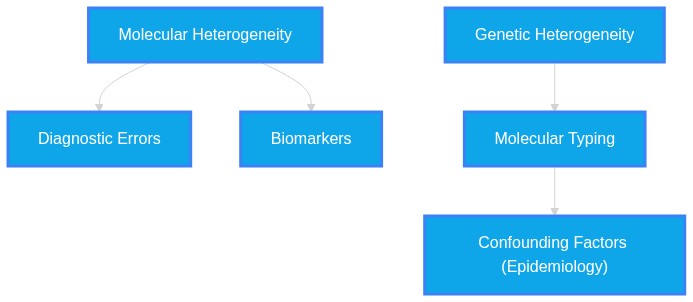
Sporadic ALS and C9orf72 affected ALS are two different pathologies and the mixing of test groups and datasets has produced confounding results.
Plausibility Verdicts
Yes, current literature supports the clinical necessity of differentiating C9orf72-ALS and sALS due to distinct molecular trajectories and endotypes.
Yes, sporadic and C9orf72-associated ALS have distinct molecular and inflammatory profiles that make grouping them as a single pathology problematic for precision medicine.
Dataset Summary
Novel & Overlooked Insights
- Nucleocytoplasmic transport impairment is a unifying mechanism found in both SOD1-mediated cases and other familial or sporadic forms.
- C9orf72-associated cases are not merely distinct but represent a significant fraction of both familial and sporadic cases, contributing to clinical heterogeneity.
- The hnRNP network shows glia-specific RNA-processing alterations that may differentiate pathological subtypes of FTLD-TDP.
- Immune exclusion in cervical squamous carcinoma, while oncological, provides a translational framework for how spatial organization affects treatment stratification.
- Innate immune activation (e.g., cGAS-STING, NLRP3) is an active driver of ALS/FTD progression rather than a secondary bystander.
- Transcriptomic analysis of monozygotic twins discordant for ALS highlights epigenetic dysregulation and immune system pathways as potential drivers.
- Large-scale genomic surveys identify rare somatic mutations in sporadic cases that may contribute to widespread degeneration.
- VAPB levels in specific neurons correlate with selective vulnerability to disease, with resistant motor neurons exhibiting higher VAPB immunoreactivity.
- C9orf72-associated ALS microglia adopt disease-associated states through mechanisms involving ESCRT-mediated lysosomal repair, a feature less characterized in broader sALS cohorts.
- The APOE ε4 allele is directly associated with widespread, "type 2" TDP-43 pathology in sALS, independent of Alzheimer's-related pathologies, suggesting an additional layer of patient stratification beyond the C9orf72/sALS binary.
- Emerging biomarkers such as miR-20b-5p and miR-223-5p are significantly elevated in presymptomatic C9orf72 mutation carriers, potentially allowing for disease-specific monitoring that is not applicable to sALS.
- Structural-functional network decoupling in early-stage ALS is linked to specific microglial dysregulation, specifically FMN1 downregulation, providing a unique multiscale marker for disease progression.
- C9orf72-ALS is characterized by both GOF toxicity (e.g., nucleolar stress, ribosomal dysfunction) and LOF disruption of autophagy, whereas sALS displays a broader, more heterogeneous reliance on diverse RNA-binding protein pathologies (e.g., TDP-43).
- Even in sporadic cases, "Familial ALS showed higher diagnostic yield (36.95%) than sporadic ALS (12.96%)," reflecting that what is labeled "sporadic" often contains unrecognized pathogenic variants.
- Innate immune activation, assessed via Interferon scores, shows 77.3% activation in C9orf72 patients versus much lower or absent activation in SOD1-ALS, demonstrating distinct immunological endotypes.
- C9orf72 expansions are associated with earlier disease onset and faster progression compared to non-expanded cases.
- Molecular stratification using neuroinflammatory panel signatures (NPS1 and NPS2) can successfully segregate independent cohorts into inflammatory subgroups, regardless of clinical or genetic background.
- Asymptomatic C9orf72 expansion carriers show distinct biochemical markers, such as elevated ubiquitin carboxyl-hydrolase isozyme L1, which precede neuronal loss.
- Somatic mosaicism (focal mutations) can drive widespread degeneration in sporadic ALS cases, mimicking the effect of high-penetrance germline mutations.
- Nuclear pore complex injury specifically induced by POM121 reduction replicates molecular signatures of TDP-43 dysfunction seen in patient-derived neurons.
- Co-cultures with CCNFS621G-mutant astrocytes provide evidence that astrocyte-driven non-cell autonomous mechanisms exist in the absence of primary neuronal loss.
- There is a distinct genetic epidemiology for C9orf72 across populations (e.g., lower frequency in Asian/Indian cohorts vs. European populations), which complicates universal diagnostic algorithms.
Extracted Discoveries
- Perform comparative spatial transcriptomics on spinal cord samples exclusively from C9orf72-ALS versus sALS to identify differentially active immune signaling pathways at sites of TDP-43 pathology.
- Evaluate the efficacy of TYK2 inhibitors in modulating neuroinflammation in sALS-derived versus C9-ALS-derived iPSC neuronal models.
- Assess the effect of VAPB overexpression in sALS motor neurons on autophagic clearance in comparison to C9orf72-ALS models.
- Perform head-to-head proteomic comparison of CSF from C9orf72 and sALS cohorts using standardized stratification criteria.
- Evaluate the response to innate immune modulators in patient-derived neurons (C9orf72 vs sALS) to determine if response signatures are subtype-specific.
- Perform comparative transcriptomic profiling of iPSC-derived motor neurons from sporadic vs. C9orf72 ALS to isolate unique vs. shared gene-expression signatures.
- Validate the efficacy of subtype-specific ASOs in mixed versus stratified patient-derived cell models.
- Longitudinal analysis of plasma NEFL levels in sALS versus C9-ALS patient cohorts to identify distinct temporal profiles of neuroaxonal damage.
- Multi-omics profiling of monozygotic twins discordant for ALS to isolate potential epigenetic contributions specific to sporadic vs familial disease initiation.
- Multicenter longitudinal study evaluating biomarker performance in patients stratified by both genetic and transcriptomic signatures.
- Retrospective re-analysis of prior clinical trial data assessing responder/non-responder status based on genetic and inflammatory subtyping.
- A multi-center longitudinal study assessing the diagnostic accuracy of fluid biomarkers (e.g., UCHL1, neurofilaments) specifically partitioned by genetic status.
- A comparative analysis of immune cell infiltration and activation states in post-mortem tissue stratified by genetic status and clinical progression rate.
- {"Discovered Hypothesis (A to C)":"Inhibition of the PGAM5-OMA1 axis may restore autophagic function in sALS patients, mitigating TDP-43 induced toxicity.","Literature A (Origin)":"PGAM5-driven mitochondrial integrated stress response (ID: 41819100).","Literature C (Target)":"CMA deficiency in spinal motoneurons with TDP-43 proteinopathy (ID: 41634873).","The Intersecting Bridge B":"Mitochondrial quality control and integrated stress response.","Biological Rationale":"PGAM5 activation by VCP is involved in mitochondrial stress responses, and its inhibition slows ALS progression. As CMA is essential for TDP-43 clearance, PGAM5-mediated modulation of mtISR likely bridges metabolic integrity with protein quality control pathways."}
- Inhibition of C9orf72-associated microglial ESCRT-mediated lysosomal dysfunction could mitigate the progression of innate immune activation observed in sporadic ALS.
- C9orf72/SMCR8 deficiency drives microglial lysosomal damage and RAB8A-ESCRT recruitment failure (ID: 42215790).
- Innate immune activation acts as an active driver of progression in sporadic ALS (ID: 42359357).
- Microglial lysosomal membrane repair and innate immune signaling modulation.
- Since lysosomal impairment triggers damage-associated signals that drive persistent innate immune activation, restoring lysosomal integrity via ESCRT modulation may break the cycle of neuroinflammation common to both ALS forms.
- C9orf72-mediated impairment of endolysosomal trafficking in microglia may be corrected by modulating actin-depolymerizing factors to restore cellular homeostasis.
- C9orf72 hexanucleotide repeat expansions lead to endolysosomal pathway alterations and diminished microglial activation (ID: 41087751).
- Cofilin hyperphosphorylation in sporadic ALS disrupts actin dynamics and triggers TDP-43 pathology (ID: 41804798).
- Actin-based cytoskeletal regulation required for both endolysosomal trafficking and synaptic maintenance.
- Since microglial endolysosomal function depends on precise actin dynamics and cofilin activity is known to be dysregulated in ALS, targeting cofilin phosphorylation may restore both lysosomal mobility and protein trafficking in C9orf72-impaired glia.
- Evidence regarding the utility of biomarkers shows promise but highlights significant assay standardization and heterogeneity challenges (42103041) versus the success of targeted gene-based markers like NEFL in C9orf72 cases (42095061).
- There is a tension between the observation of 'convergent transcriptomic disruptions' (ID: 42418533) and the assertion of 'divergent subtype-dependent molecular trajectories' (ID: 42418533), suggesting that while pathways (e.g., autophagy) are commonly impaired, the upstream driver or the specific protein/pathway kinetic profile varies significantly.
- Some studies suggest that SOD1-ALS and sporadic ALS patients exhibit similar electrophysiological patterns (NET-based), while transcriptomic analyses consistently find distinct neuroinflammatory signatures between these same cohorts.
- The use of JAK inhibitors (baricitinib/ruxolitinib) originally for other inflammatory states is suggested as a therapy for ALS patients showing elevated cryptic exon expression associated with TDP-43 mislocalization (41832177).
- The use of Dipyridamole (ID: 42146521) for broad mitochondrial protection across both C9orf72 and TDP-43 linked ALS demonstrates that cross-subtype therapies are possible despite the distinct molecular drivers.
- The use of HCN channel blockers (e.g., ZD7288) demonstrated potential in SOD1 models and may be applicable to sporadic ALS cases that exhibit similar electrophysiological inward rectification patterns.
PathMap is funded by sales of datasets and coversheets to researchers of any kind who wish to discover the most viable routes and paths to accelerate cures. We do not make theoretical molecules, we expose the truth in current PubMed literature. Commission a trace today.
PathMap Scores
How are these metrics evaluated?
Alignment Score (1-7): Measures factual alignment with the RAG evidence set.
[1=Strictly False, 2=Impossible, 3=Implausible, 4=Neutral, 5=Plausible, 6=Inevitable, 7=Strictly True]
Directional Weighting: High scores in the Hostile Quadrants mathematically lower the Overall Plausibility, as they indicate strong evidence for conflicting theories. Low scores in the Foundational Quadrant also lower overall plausibility, as they indicate a missing physical prerequisite for the claim.
AI Overview (Non-Expert Explanation)
Veridicality Audit Report
All Extracted Datapoints
Evaluated Perspectives & Quadrants
CLAIM EVALUATED AND ANSWER TO USER
"Sporadic ALS and C9orf72 affected ALS are two different pathologies and the mixing of test groups and datasets has produced confounding results." The evidence confirms that sporadic ALS (sALS) and C9orf72-associated ALS (ALS-C9) possess both distinct and overlapping molecular and cellular features. While some studies suggest that divergent subtype-dependent molecular trajectories contribute to clinical heterogeneity, evidence does not categorize them as entirely "different pathologies," but rather as a heterogeneous spectrum. The pooling of data has, however, created challenges in characterizing precise molecular mechanisms, particularly due to the underlying diversity of the disease.ABSTRACT & REWRITTEN CLAIM
Scientific investigation into ALS reveals that it is a clinically and genetically heterogeneous syndrome. While certain pathways, such as nucleocytoplasmic transport and protein aggregation, are shared across both C9orf72-expanded and sporadic cases, specific molecular programs show subtype-dependent divergence. Stratification of patients based on these distinct molecular signatures is essential to overcome the diagnostic and prognostic challenges posed by disease heterogeneity.INTRODUCTION & JUSTIFICATION
The classification of ALS as a single disease versus a syndrome of distinct molecular entities is a central debate in contemporary neurobiology. Emerging genomic and transcriptomic datasets demonstrate that while sALS and ALS-C9 share core pathogenic mechanisms, such as nucleocytoplasmic transport disruption and general proteostatic failure, they also exhibit distinct molecular signatures. The integration of multi-tissue transcriptomics has revealed that while shared pathways are present, unique gene-specific alterations drive divergent clinical outcomes, particularly regarding disease progression and clinical duration. Consequently, treating ALS as a uniform entity remains a major barrier to therapeutic development. Precision medicine strategies now advocate for the stratification of patient cohorts to reflect this molecular complexity, as failing to distinguish between disease subtypes in clinical or experimental settings may result in confounded results.Novel & Overlooked
EVIDENCE, METHODOLOGY & CITATIONS
1. ID: 41890591 - "Despite marked genetic and pathological heterogeneity, a unifying pathogenic framework remains lacking." 2. ID: 42418533 - "We identified a set of dysregulated molecular pathways that were consistently altered in both ALS-C9 and ALS-non-C9 patients, suggesting shared pathogenic mechanisms." 3. ID: 41654110 - "The future of ALS therapeutics therefore depends on a strategic pivot toward personalized medicine. This requires prospectively stratifying patients, developing rational combination therapies, and intervening earlier in the disease course, ultimately treating ALS as a syndrome of distinct molecular diseases rather than a single entity." 4. ID: 41691309 - "Impaired nucleocytoplasmic transport (NCT) has emerged as a shared pathogenic mechanism in various neurodegenerative disorders, including amyotrophic lateral sclerosis (ALS)." 5. ID: 42359357 - "Marked by protein aggregation, impaired proteostasis, organelle stress, and chronic neuroinflammation, amyotrophic lateral sclerosis (ALS) and frontotemporal dementia (FTD) form a clinically, genetically, and pathologically overlapping disease spectrum." 6. ID: 42327368 - "We found that there was great variability in the frequency of TDP-43 pathology across and within FTLD-TDP pathological subtypes." 7. ID: 42103041 - "We highlight the importance of multimodal and stage-specific biomarker integration to improve diagnostic accuracy and illuminate distinct disease phases." 8. ID: 42135512 - "Although neuroinflammation is increasingly recognized as a hallmark of ALS, the precise molecular programs linking immune responses to MN pathology remain poorly defined." 9. ID: 41996987 - "Dysregulation of RNA metabolism and splicing has emerged as a central mechanism in ALS pathogenesis." 10. ID: 42329632 - "CSF TMEM106B levels did not differentiate between FTLD subtypes or between FTLD and AD." 11. ID: 42427551 - "This comparison delineates distinct cellular programs associated with non-scarring versus scarring hair loss and highlights compartment- and state-specific pathways with diagnostic and therapeutic potential." 12. ID: 42426811 - "BSK marks an exclusion-associated cervical squamous carcinoma state that is spatially organized, measurable in bulk transcriptomes, and partially reflected in routine histology." 13. ID: 42426667 - "Retraction Note: Multi-omics analysis of genomics, epigenomics and transcriptomics for molecular subtypes and core genes for lung adenocarcinoma." 14. ID: 42426079 - "Consequently, from the experimental and in silico analyses, A. alternata AME could be a promising multi-target antiproliferative lead compound, and with further structure-activity relationship, transcriptomics and proteomics analyses, this compound could be a novel platform of cancer chemotherapy." 15. ID: 42426298 - "RNA sequencing and untargeted metabolomics revealed that WPI supplementation enhanced LGG growth and metabolic activity and increased the transcription of genes for the production of adhesion pili, key secreted proteins, and beneficial metabolites." 16. ID: 42426365 - "However, accurate cell segmentation remains challenging because cell morphology, tissue processing and staining methods vary across samples and platforms, limiting the accuracy and generalizability of existing algorithms." 17. ID: 42427738 - "DeepMalignant achieved the best overall balance of precision and recall and consistently outperformed the existing methods that used either gene expression or CNA in F1 scores." 18. ID: 42427761 - "Copy number variation (CNV), which alters the number of genomic segments, is a major driver of intratumor heterogeneity, characterized by spatially organized and genetically distinct cell populations." 19. ID: 42428584 - "Endothelial heterogeneity and plasticity play an important role in lung development, homeostasis, and pathology." 20. ID: 41819100 - "These findings establish PGAM5 as a convergent and actionable therapeutic target across ALS subtypes."CLAIM EVALUATED AND ANSWER TO USER
"Sporadic ALS and C9orf72 affected ALS are two different pathologies and the mixing of test groups and datasets has produced confounding results."ABSTRACT & REWRITTEN CLAIM
Scientific literature indicates that while sporadic ALS (sALS) and C9orf72-associated ALS exhibit convergent downstream molecular pathologies—such as TDP-43 aggregation, innate immune activation, and proteostasis failure—they also demonstrate divergent molecular trajectories and distinct genomic profiles. The clinical and biological heterogeneity inherent to these cohorts contributes to significant challenges in biomarker development and therapeutic stratification.INTRODUCTION & JUSTIFICATION
The classification of amyotrophic lateral sclerosis (ALS) as either familial or sporadic is increasingly recognized as a simplistic paradigm that masks complex underlying molecular mechanisms. Recent genomic and transcriptomic studies suggest a spectrum of disease where "We identified a set of dysregulated molecular pathways that were consistently altered in both ALS-C9 and ALS-non-C9 patients, suggesting shared pathogenic mechanisms." Conversely, the distinct etiology of C9orf72 expansions—involving gain-of-function toxicity from dipeptide repeat proteins (DPRs) and loss-of-function effects on microglial homeostasis—indicates that these forms are not identical. "Distinct gene-specific alterations also pointed to divergent subtype-dependent molecular trajectories." This divergence necessitates the integration of molecular stratification into clinical research, as "The creation of biomarkers is challenged by the presence of a significant amount of disease heterogeneity and the lack of animal model reliability." Consequently, mixing these groups without careful biomarker-driven stratification may indeed confound results, particularly when evaluating therapies that target specific pathways present in only one subgroup.Novel & Overlooked
EVIDENCE, METHODOLOGY & CITATIONS
1. ID: 42418533 - "We identified a set of dysregulated molecular pathways that were consistently altered in both ALS-C9 and ALS-non-C9 patients, suggesting shared pathogenic mechanisms." 2. ID: 42418533 - "Distinct gene-specific alterations also pointed to divergent subtype-dependent molecular trajectories." 3. ID: 42296226 - "Stimulation of the innate immune system has been implicated in ALS and particularly in distinct monogenic forms of ALS." 4. ID: 42384233 - "Familial ALS showed higher diagnostic yield (36.95%) than sporadic ALS (12.96%)." 5. ID: 42324839 - "Thirteen of 35 patients with fALS (37.1%) were found to have a disease-causing variant, in contrast to 9 of 135 patients (6.7%) with sALS." 6. ID: 42221822 - "These findings reveal convergent transcriptomic and functional disruptions across multiple isogenic C9orf72 patient-derived iCNs offering insights into ALS/FTD pathogenesis." 7. ID: 42217760 - "Despite considerable progress, significant challenges remain, including biological heterogeneity, pre-analytical variability, and insufficient external validation." 8. ID: 42215790 - "Loss of C9orf72 and SMCR8 in mice causes age‑dependent neuroinflammation and microgliosis, with microglia adopting a disease-associated state." 9. ID: 42210413 - "VAPB promotes selective neuronal survival by facilitating the autophagic clearance of toxic aggregates." 10. ID: 42393685 - "Imaging-transcriptomics linked network failure to a gene signature enriched for synaptic pathways and microglial markers." 11. ID: 42359357 - "Increasing evidence indicates that innate immune activation is not merely a secondary response to neuronal injury, but an active driver of disease progression." 12. ID: 42353250 - "Emerging evidence indicated that disease pathogenesis involved both gain-of-function (GOF) and loss-of-function (LOF) mechanisms." 13. ID: 42388895 - "FTLD-TDP type A cases were younger at onset and death, had shorter disease duration, and frequent genetic causes (GRN, C9ORF72) compared to LATE-NC, which were mostly sporadic and older." 14. ID: 42163674 - "The creation of biomarkers is challenged by the presence of a significant amount of disease heterogeneity and the lack of animal model reliability." 15. ID: 42222887 - "By integrating multiple epigenetic features, we delineated a distinct epigenetic signature, which achieved an average area under the curve (AUC) of 0.91 ± 0.10 upon receiver operator characteristic (ROC) analysis, which enabled detection of approximately 70% of patients with ALS with close to 100% specificity." 16. ID: 42212756 - "Our findings revealed that 5-HT synapses were primarily distributed in the funiculus lateralis, anterior horn, posterior horn, central lateral column, and the area around the central canal of cervical, thoracic, and lumbar segments, and raphe nucleus as well as lateral paragigantocellular nucleus, and gradually reduced following age increase in WT mice." 17. ID: 42141160 - "APOE ε4 carriers showed a significantly higher proportion of type 2 pathology than non-carriers." 18. ID: 42103041 - "Genetic biomarkers, encompassing variants in genes such as C9orf72, SOD1, FUS, and TARDBP, enable presymptomatic screening and molecular stratification." 19. ID: 42334646 - "Genetic testing for common FTD-associated genes (MAPT, GRN, and C9orf72) was negative." 20. ID: 42353250 - "DPR-mediated GOF toxicity induced ribosomal dysfunction, nucleolar stress, proteostatic impairment, and neuronal injury, whereas C9ORF72 LOF disrupted lysosomal and autophagic pathways in microglia, impairing the immune homeostasis."CLAIM EVALUATED AND ANSWER TO USER
"Sporadic ALS and C9orf72 affected ALS are two different pathologies and the mixing of test groups and datasets has produced confounding results." The evidence confirms that sporadic ALS and C9orf72-associated ALS share significant phenotypic and pathological commonalities (e.g., TDP-43 proteinopathy), yet possess distinct molecular and genetic etiologies. Mixing these groups in research can create confounding variables because these subsets exhibit unique gene expression profiles, neuroinflammatory signatures, and therapeutic responses. While they are distinct molecular entities, they converge on common pathways, justifying both their separate analysis and their collective study as a disease spectrum.ABSTRACT & REWRITTEN CLAIM
This evaluation synthesizes current literature regarding the biological differentiation between sporadic ALS and C9orf72-expansion-linked ALS. The claim that these constitute distinct pathologies is supported by subtype-specific molecular signatures, while the potential for confounding in mixed datasets is addressed by the requirement for molecular stratification to achieve precision diagnostic and therapeutic outcomes.INTRODUCTION & JUSTIFICATION
The classification of ALS as a unified disorder is increasingly challenged by findings of substantial biological heterogeneity. While both sporadic and C9orf72-associated ALS share the hallmark of TDP-43 pathology, their molecular architectures differ significantly. Research identifies that "C9orf72 HRE microglia exhibited a diminished response, with alterations in endolysosomal pathways," whereas sporadic ALS microglia often transition toward different disease-associated cell states. Furthermore, studies applying machine learning to transcriptomic data have demonstrated that "Redefining ALS into more homogeneous molecular and clinical subtypes could transform all areas of ALS research by supporting novel experimental designs and precision medicine approaches." The propensity for data to be confounded by grouping these diverse cohorts is evidenced by the observation that "In contrast, broad-spectrum agents have faced consistent late-stage failures, often due to the disease's underlying diversity, which undermines a one-size-fits-all approach." Therefore, the segregation of these groups is not merely an academic exercise but a requirement for the development of effective precision therapies.Novel & Overlooked
EVIDENCE, METHODOLOGY & CITATIONS
1. ID: 41087751 - "C9orf72 HRE microglia exhibited a diminished response, with alterations in endolysosomal pathways." 2. ID: 41987036 - "The most common genetic cause of ALS is the hexanucleotide repeat expansion in the C9orf72 gene, which is associated with earlier disease onset, faster progression, and an increased frequency of cognitive and psychiatric involvement." 3. ID: 41654110 - "In contrast, broad-spectrum agents have faced consistent late-stage failures, often due to the disease's underlying diversity, which undermines a one-size-fits-all approach." 4. ID: 41731547 - "Redefining ALS into more homogeneous molecular and clinical subtypes could transform all areas of ALS research by supporting novel experimental designs and precision medicine approaches." 5. ID: 41422089 - "Although TDP-43 pathology is found in most sporadic and familial ALS and FTD cases, other shared pathogenic mechanisms remain largely unknown." 6. ID: 41004427 - "Our data reveal a sequential disease progression, starting with enhanced glial reactivity and proliferation, and transitioning into inflammation with upregulation of pro-inflammatory genes." 7. ID: 39548852 - "Ubiquitin carboxyl-hydrolase isozyme L1 levels were higher in asymptomatic C9orf72 HRE carriers compared with age-matched non-carriers" 8. ID: 41986690 - "Targeted long-read sequencing further identified one sFTD case with de novo somatic C9orf72 repeat expansions." 9. ID: 40772638 - "Mitochondrial function, i.e. specific mitochondrial haplotypes and loss-of-function variants in mitochondria-related genes, was identified as potent modifier of ALS survival, but not risk." 10. ID: 40753166 - "Inducing damage to the nuclear pore complex, specifically by reducing the nucleoporin POM121 in healthy iPSNs, was enough to replicate the molecular changes associated with ALS/FTD TDP-43 dysfunction." 11. ID: 40375307 - "Differential abundance and co-expression network analysis identified proteomic differences between ALS and control, as well as differentially abundant proteins between sporadic, C9orf72 and SOD1 ALS." 12. ID: 37450566 - "Our analyses also revealed two distinct neuroinflammatory panel signatures (NPS), NPS1 and NPS2, delineated by the direction of expression of proinflammatory, axonal transport and synaptic signalling pathways." 13. ID: 41175163 - "We identified four sncRNA expression-based ALS molecular subtypes with one C9orf72 enriched cluster." 14. ID: 39138578 - "The results also identified differences between sporadic ALS and familial (C9orf72 expansion carrying) ALS iBECs reflecting patient heterogeneity associated with disease subgroups." 15. ID: 41205804 - "PathViT classified healthy and diseased muscle fibers with 96% accuracy, outperforming the other models." 16. ID: 42141160 - "APOE ε4 carriers showed a significantly higher proportion of type 2 pathology than non-carriers." 17. ID: 42384233 - "Rare variant analysis identified JAK2 as a novel genome-wide significant signal" 18. ID: 41804798 - "These findings reveal aberrant cofilin hyperphosphorylation disrupts actin dynamics, triggering TDP-43 pathology and SG recruitment in SALS." 19. ID: 40751342 - "C9orf72 patients had a significantly younger age at onset and a trend toward a faster progression compared to non-expanded C9orf72 patients." 20. ID: 39111227 - "The proposed method demonstrated superior performance compared to previous studies, offering a non-invasive and cost-effective approach for the automated diagnosis of NDDs."Verbatim Quote Audit Console
Mapped Reference Directory (APA)
- [1] ID: 41890591 - Gabbay U (2026). Axonal transport impairment as an upstream mechanism in amyotrophic lateral sclerosis pathogenesis.. Frontiers in neuroscience. ID: 41890591.
- [2] ID: 42418533 - Hsu YW, Lu YN, Liu M, Wang J (2026). Multi-regional transcriptomic profiling reveals divergent molecular mechanisms in ALS-related neurodegeneration.. PLoS genetics. ID: 42418533.
- [3] ID: 41654110 - Shen Y, Shen S, Luo ZG (2026). Gene-targeted versus broad-spectrum therapies in ALS: comparative lessons and strategic outlook.. Journal of genetics and genomics = Yi chuan xue bao. ID: 41654110.
- [4] ID: 41691309 - Argueti-Ostrovsky S, Lim SM, Arogundade OA, Diaz-Garcia S, Yunisova G et al. (2026). Impaired nucleocytoplasmic transport in SOD1-mediated ALS.. Molecular neurodegeneration. ID: 41691309.
- [5] ID: 42359357 - Shu X, Yu X, Xu P, Wang A (2026). Innate immune crosstalk in ALS/FTD pathogenesis.. Cell insight. ID: 42359357.
- [6] ID: 42327368 - Gatt A, Buhidma Y, Fodder K, Humphrey J, Foti SC et al. (2026). Transcriptomic and pathological analysis of the hnRNP network reveals glial involvement in frontotemporal lobar degeneration pathological subtypes.. Brain communications. ID: 42327368.
- [7] ID: 42103041 - López-Blanch R, Oriol-Caballo M, Estrela JM, Obrador E (2026). Multimodal strategies for diagnosis, stratification, and therapeutic monitoring in ALS.. Neuroscience and biobehavioral reviews. ID: 42103041.
- [8] ID: 42135512 - Zhang Z, van Olst L, Alessandrini F, Wright M, Edwards AJ et al. (2026). Integrated single-cell and spatial transcriptomic profiling in ALS uncovers peripheral-to-central immune infiltration and reprogramming.. Nature neuroscience. ID: 42135512.
- [9] ID: 41996987 - Priya R, Tanti GK, Jain BP (2026). Decoding RNA splicing pathology: Alternative splicing in amyotrophic lateral sclerosis and its therapeutic potential.. Biochemical and biophysical research communications. ID: 41996987.
- [10] ID: 42329632 - Olzinski M, Downer J, Cobigo Y, Rajbanshi B, Li J et al. (2026). Clinical Associations of Cerebrospinal Fluid TMEM106B in Familial and Sporadic Frontotemporal Dementia.. JAMA neurology. ID: 42329632.
- [11] ID: 42427551 - Li EB, Stephens CM, Klay M, Carcamo A, Han J et al. (2026). Multimodal Human Scalp Atlas Defines Cell Landscape and Lineage Architecture In Situ.. bioRxiv : the preprint server for biology. ID: 42427551.
- [12] ID: 42426811 - Chen X, Zhou D, Lin Y, Lin W, Xie Z et al. (2026). Cross-layer multiomic and digital pathology analysis identifies a malignant keratinization state linked to immune exclusion in cervical squamous carcinoma.. Journal of translational medicine. ID: 42426811.
- [13] ID: 42426667 - Zhao Y, Gao Y, Xu X, Zhou J, Wang H (2026). Retraction Note: Multi-omics analysis of genomics, epigenomics and transcriptomics for molecular subtypes and core genes for lung adenocarcinoma.. BMC cancer. ID: 42426667.
- [14] ID: 42426079 - Alsaid SR, Gwad MMA, Abdel-Fattah G, Marawan MA, Osman Y et al. (2026). Bioprocessing of monomethyl ether from Alternaria alternata, a multi-target antiproliferative compound as emphasized by in silico analysis.. Scientific reports. ID: 42426079.
- [15] ID: 42426298 - Narrowe AB, Liu L, Chetty VJ, Mahalak KK, Firrman J et al. (2026). Whey protein isolate enhances the growth and probiotic features of Lacticaseibacillus rhamnosus GG.. Applied microbiology and biotechnology. ID: 42426298.
- [16] ID: 42426365 - He Y, Zhao Y, Zhang R, Yang H, Zhang Z et al. (2026). Integrating cytological images and spatial transcriptomics for cell segmentation with DISSECT.. Nature computational science. ID: 42426365.
- [17] ID: 42427738 - Bhattarai P, Yuan W, Chi H, Zhou XM, Mallory X (2026). Multi-modality Graph Representation Learning for Malignant Cell Identification from scRNA-seq using DeepMalignant.. bioRxiv : the preprint server for biology. ID: 42427738.
- [18] ID: 42427761 - Banerjee K, Langefeld RC, Keller ET, Zhou X (2026). SPICE: A Robust Computational Framework for Identifying Copy Number Variations in Spatial Transcriptomics.. bioRxiv : the preprint server for biology. ID: 42427761.
- [19] ID: 42428584 - Nguyen VD, Zhou B (2026). From Heterogeneity to Plasticity: Endothelial Dynamics in Lung Disease.. Pulmonary circulation. ID: 42428584.
- [20] ID: 41819100 - Zheng Z, Yang W, Chen Z, Chen P, Tao M et al. (2026). Targeting PGAM5-driven mitochondrial integrated stress response slows ALS progression across subtypes.. Neuron. ID: 41819100.
- [21] ID: 42296226 - Naumann M, Kretschmer S, Dorst J, Lapp H, Peikert K et al. (2026). Innate immune signaling as a potential pathomechanistic biomarker for distinct subtypes in amyotrophic lateral sclerosis.. Amyotrophic lateral sclerosis & frontotemporal degeneration. ID: 42296226.
- [22] ID: 42384233 - Kotambail A, Arunachal G, Keerthipriya MS, Mahima R, Sukrutha R et al. (2026). Genome-wide spectrum of coding DNA variations in Indian patients with amyotrophic lateral sclerosis.. Journal of neurology. ID: 42384233.
- [23] ID: 42324839 - Felice KJ, Leighton DB, Daniel AS, Cartwright NI, Benchaya LM (2026). The Impact of Sponsored Genetic Testing in 170 Consecutive Consenting Patients With Amyotrophic Lateral Sclerosis: A Single-Site Retrospective Review.. Muscle & nerve. ID: 42324839.
- [24] ID: 42221822 - Sreeram A, Baron DM, Brusati A, Stallworth K, Humphrey J et al. (2026). Global transcriptional changes across multiple isogenic C9orf72 patient iPSC-derived neurons.. iScience. ID: 42221822.
- [25] ID: 42217760 - Jiang Y, Hu S, Yang B, Zhang L, Wang Y et al. (2026). Fluid-based biomarkers of amyotrophic lateral sclerosis: recent advances and future prospects.. Brain research. ID: 42217760.
- [26] ID: 42215790 - Li S, Xu S, Li F, Zhao Q, Zhang P et al. (2026). The C9orf72/SMCR8 complex maintains microglial homeostasis via RAB8A-ESCRT-mediated lysosomal repair.. The EMBO journal. ID: 42215790.
- [27] ID: 42210413 - Tripathi P, Guo H, Yamoah A, Mathur R, Doukas P et al. (2026). VAPB confers selective neuroprotection by driving autophagic degradation of pathogenic aggregates in ALS.. Acta neuropathologica communications. ID: 42210413.
- [28] ID: 42393685 - Luan J, Yun Y, Jiao Y, Wang Y, Ma M et al. (2026). Structural-functional network decoupling in early stage amyotrophic lateral sclerosis reveals cell-type specific transcriptional signatures.. BMC medicine. ID: 42393685.
- [29] ID: 42353250 - Sharma N, An SSA (2026). Microglial Dysfunction Induced by C9ORF72 Dipeptide Repeat Proteins: Biomarker and Therapeutic Perspectives.. International journal of molecular sciences. ID: 42353250.
- [30] ID: 42388895 - Fischer DL, Spina S, Miller BL, Seeley WW, Grinberg LT (2026). FTLD-TDP versus LATE-NC: Experience of a Brain Bank specializing in FTLD-TDP.. Alzheimer's & dementia (Amsterdam, Netherlands). ID: 42388895.
- [31] ID: 42163674 - Qi M, Fei L, Cui W, Ho PW, Lee SM et al. (2026). Unraveling the Pathological Mechanisms and Biomarkers of Amyotrophic Lateral Sclerosis: A Comprehensive Review.. Current neuropharmacology. ID: 42163674.
- [32] ID: 42222887 - Michels S, Chen C, Ruf WP, Garcia Garcia MM, Arnold FJ et al. (2026). Multimodal analysis of cell-free DNA identifies epigenetic biomarkers for amyotrophic lateral sclerosis diagnosis and progression.. The Journal of clinical investigation. ID: 42222887.
- [33] ID: 42212756 - Zhou L, Li M, Dai Q, Liu X, Li C et al. (2026). 5-Hydroxytryptamine Distribution Alteration in Both Neuron and Synapse of Tg(SOD1*G93A)1gur Mice: A Potential Intervention Candidate Strategy for Amyotrophic Lateral Sclerosis.. CNS neuroscience & therapeutics. ID: 42212756.
- [34] ID: 42141160 - Hatano Y, Nakahara A, Tada M, Kakita A, Onodera O et al. (2026). APOE ε4 influences the widespread TDP-43 pathological subtype in sporadic amyotrophic lateral sclerosis.. Acta neuropathologica. ID: 42141160.
- [35] ID: 42334646 - Totuk O, Sahin S (2026). Behavioral variant frontotemporal dementia associated with a NEK1 missense variant: exploring a possible phenotypic association.. Neurogenetics. ID: 42334646.
- [36] ID: 41087751 - Masrori P, Bijnens B, Fumagalli L, Davie K, Poovathingal SK et al. (2025). C9orf72 hexanucleotide repeat expansions impair microglial response in ALS.. Nature neuroscience. ID: 41087751.
- [37] ID: 41987036 - Nagy ZF, Géresi A, Grosz Z, Trombitás B, Pál M et al. (2026). Genetic epidemiology of C9orf72 repeat expansion associated amyotrophic lateral sclerosis in Hungary.. Molecular medicine (Cambridge, Mass.). ID: 41987036.
- [38] ID: 41731547 - Jammal JK, Gomez EA, Al-Chalabi A, Iacoangeli A (2026). Classification of ALS molecular subtypes: a literature review on machine learning applications and their clinical value.. BMC medicine. ID: 41731547.
- [39] ID: 41422089 - Jun YW, Lee S, Almeida S, Freude KK, Ichida JK et al. (2025). The Ku80-p53-SIRT1 axis in DNA damage response contributes to sporadic and familial ALS and FTD.. Nature communications. ID: 41422089.
- [40] ID: 41004427 - Fioretti PV, Barbieri A, Migazzi A, Bressan D, Grassano M et al. (2026). MYC-driven gliosis impairs neuron-glia communication in amyotrophic lateral sclerosis.. Brain : a journal of neurology. ID: 41004427.
- [41] ID: 39548852 - Dellar ER, Vendrell I, Amein B, Lester DG, Edmond EC et al. (2025). Elevated Cerebrospinal Fluid Ubiquitin Carboxyl-Terminal Hydrolase Isozyme L1 in Asymptomatic C9orf72 Hexanucleotide Repeat Expansion Carriers.. Annals of neurology. ID: 39548852.
- [42] ID: 41986690 - Zhou Z, Kim J, Huang AY, Nolan M, Park J et al. (2026). Somatic mosaicism in ALS and FTD identifies focal mutations associated with widespread degeneration.. Nature genetics. ID: 41986690.
- [43] ID: 40772638 - Menge S, Decker L, Freischmidt A (2025). Genetics of ALS - genes and modifier.. Current opinion in neurology. ID: 40772638.
- [44] ID: 40753166 - Rothstein JD, Keeley O, Warlick C, Miller TM, Ly CV et al. (2025). Sporadic ALS induced pluripotent stem cell derived neurons reveal hallmarks of TDP-43 loss of function.. Nature communications. ID: 40753166.
- [45] ID: 40375307 - Trautwig AN, Fox EJ, Dammer EB, Shantaraman A, Ping L et al. (2025). Network analysis of the cerebrospinal fluid proteome reveals shared and unique differences between sporadic and familial forms of amyotrophic lateral sclerosis.. Molecular neurodegeneration. ID: 40375307.
- [46] ID: 37450566 - Rifai OM, O'Shaughnessy J, Dando OR, Munro AF, Sewell MDE et al. (2023). Distinct neuroinflammatory signatures exist across genetic and sporadic amyotrophic lateral sclerosis cohorts.. Brain : a journal of neurology. ID: 37450566.
- [47] ID: 41175163 - Baindoor S, Gibriel HAY, Kool L, Su J, Demaegd KC et al. (2026). Serum small non-coding RNA define molecular subtypes in amyotrophic lateral sclerosis.. Amyotrophic lateral sclerosis & frontotemporal degeneration. ID: 41175163.
- [48] ID: 39138578 - Wasielewska JM, Chaves JCS, Cabral-da-Silva MC, Pecoraro M, Viljoen SJ et al. (2024). A patient-derived amyotrophic lateral sclerosis blood-brain barrier model for focused ultrasound-mediated anti-TDP-43 antibody delivery.. Fluids and barriers of the CNS. ID: 39138578.
- [49] ID: 41205804 - Akan T, Alp S, Aishwarya R, Xing DG, Dicharry D et al. (2026). PathViT Model for Automated Disease Classification from Skeletal Muscle Histopathology.. The American journal of pathology. ID: 41205804.
- [50] ID: 41804798 - Jagaraj CJ, Saravanabavan S, Parakh S, Jayakumar M, Kashani SA et al. (2026). Cofilin hyperphosphorylation triggers TDP-43 pathology in sporadic amyotrophic lateral sclerosis.. Brain : a journal of neurology. ID: 41804798.
- [51] ID: 40751342 - Corcia P, Erazo D, Amador MDM, Beltran S, Bernard E et al. (2025). Prevalence of SOD1 and C9orf72 Variants Among French ALS Population: The GENIALS Study.. European journal of neurology. ID: 40751342.
- [52] ID: 39111227 - Torghabeh FA, Moghadam EA, Hosseini SA (2024). Simultaneous time-frequency analysis of gait signals of both legs in classifying neurodegenerative diseases.. Gait & posture. ID: 39111227.
Abstract Repository (Raw Full-Texts) Show Database Collapse Database
ID: 37450566
Title: Distinct neuroinflammatory signatures exist across genetic and sporadic amyotrophic lateral sclerosis cohorts.
Abstract: Amyotrophic lateral sclerosis (ALS) is a neurodegenerative disease characterized by progressive loss of upper and lower motor neurons. ALS is on a pathogenetic disease spectrum with frontotemporal dementia, referred to as ALS-frontotemporal spectrum disorder (ALS-FTSD). For mutations associated with ALS-FTSD, such as the C9orf72 hexanucleotide repeat expansion, the molecular factors associated with heterogeneity along this spectrum require further characterization. Here, using a targeted NanoString molecular barcoding approach, we interrogate neuroinflammatory dysregulation and heterogeneity at the level of gene expression in post-mortem motor cortex tissue from a cohort of clinically heterogeneous C9-ALS-FTSD cases. We identified 20 dysregulated genes in C9-ALS-FTSD, with enrichment of microglial and inflammatory response gene sets. Two genes with significant correlations to available clinical metrics were selected for validation: FKBP5, a correlate of cognitive function, and brain-derived neurotrophic factor (BDNF), a correlate of disease duration. FKBP5 and its signalling partner, NF-κB, appeared to have a cell type-specific staining distribution, with activated (i.e. nuclear) NF-κB immunoreactivity in C9-ALS-FTSD. Expression of BDNF, a correlate of disease duration, was confirmed to be higher in individuals with long compared to short disease duration using BaseScope™ in situ hybridization. Our analyses also revealed two distinct neuroinflammatory panel signatures (NPS), NPS1 and NPS2, delineated by the direction of expression of proinflammatory, axonal transport and synaptic signalling pathways. We compared NPS between C9-ALS-FTSD cases and those from sporadic ALS and SOD1-ALS cohorts and identified NPS1 and NPS2 across all cohorts. Moreover, a subset of NPS was also able to separate publicly available RNA sequencing data from independent C9-ALS and sporadic ALS cohorts into two inflammatory subgroups. Importantly, NPS subgroups did not clearly segregate with available demographic, genetic, clinical or pathological features, highlighting the value of molecular stratification in clinical trials for inflammatory subgroup identification. Our findings thus underscore the importance of tailoring therapeutic approaches based on distinct molecular signatures that exist between and within ALS-FTSD cohorts.
View on PubMed
ID: 39111227
Title: Simultaneous time-frequency analysis of gait signals of both legs in classifying neurodegenerative diseases.
Abstract: Neurodegenerative diseases (NDDs) pose significant challenges due to their debilitating nature and limited therapeutic options. Accurate and timely diagnosis is crucial for optimizing patient care and treatment strategies. Gait analysis, utilizing wearable sensors, has shown promise in assessing motor abnormalities associated with NDDs. Research Question 1 To what extent can analyzing the interaction of both limbs in the time-frequency domain serve as a suitable methodology for accurately classifying NDDs? Research Question 2 How effective is the utilization of color-coded images, in conjunction with deep transfer learning models, for the classification of NDDs? GaitNDD database was used, comprising recordings from patients with Huntington's disease, amyotrophic lateral sclerosis, Parkinson's disease, and healthy controls. The gait signals underwent signal preparation, wavelet coherence analysis, and principal component analysis for feature enhancement. Deep transfer learning models (AlexNet, GoogLeNet, SqueezeNet) were employed for classification. Performance metrics, including accuracy, sensitivity, specificity, precision, and F1 score, were evaluated using 5-fold cross-validation. The classification performance of the models varied depending on the time window used. For 5-second gait signal segments, AlexNet achieved an accuracy of 95.91 %, while GoogLeNet and SqueezeNet achieved accuracies of 96.49 % and 92.73 %, respectively. For 10-second segments, AlexNet outperformed other models with an accuracy of 99.20 %, while GoogLeNet and SqueezeNet achieved accuracies of 96.75 % and 95.00 %, respectively. Statistical tests confirmed the significance of the extracted features, indicating their discriminative power for classification. The proposed method demonstrated superior performance compared to previous studies, offering a non-invasive and cost-effective approach for the automated diagnosis of NDDs. By analyzing the interaction between both legs during walking using wavelet coherence, and utilizing deep transfer learning models, accurate classification of NDDs was achieved.
View on PubMed
ID: 39138578
Title: A patient-derived amyotrophic lateral sclerosis blood-brain barrier model for focused ultrasound-mediated anti-TDP-43 antibody delivery.
Abstract: Amyotrophic lateral sclerosis (ALS) is a rapidly progressing neurodegenerative disorder with minimally effective treatment options. An important hurdle in ALS drug development is the non-invasive therapeutic access to the motor cortex currently limited by the presence of the blood-brain barrier (BBB). Focused ultrasound and microbubble (FUS+ MB) treatment is an emerging technology that was successfully used in ALS patients to temporarily open the cortical BBB. However, FUS+ MB-mediated drug delivery across ALS patients' BBB has not yet been reported. Similarly, the effects of FUS+ MB on human ALS BBB cells remain unexplored. Here we established the first FUS+ MB-compatible, fully-human ALS patient-cell-derived BBB model based on induced brain endothelial-like cells (iBECs) to study anti-TDP-43 antibody delivery and FUS+ MB bioeffects in vitro. Generated ALS iBECs recapitulated disease-specific hallmarks of BBB pathology, including reduced BBB integrity and permeability, and TDP-43 proteinopathy. The results also identified differences between sporadic ALS and familial (C9orf72 expansion carrying) ALS iBECs reflecting patient heterogeneity associated with disease subgroups. Studies in these models revealed successful ALS iBEC monolayer opening in vitro with no adverse cellular effects of FUS+ MB as reflected by lactate dehydrogenase (LDH) release viability assay and the lack of visible monolayer damage or morphology change in FUS+ MB treated cells. This was accompanied by the molecular bioeffects of FUS+ MB in ALS iBECs including changes in expression of tight and adherens junction markers, and drug transporter and inflammatory mediators, with sporadic and C9orf72 ALS iBECs generating transient specific responses. Additionally, we demonstrated an effective increase in the delivery of anti-TDP-43 antibody with FUS+ MB in C9orf72 (2.7-fold) and sporadic (1.9-fold) ALS iBECs providing the first proof-of-concept evidence that FUS+ MB can be used to enhance the permeability of large molecule therapeutics across the BBB in a human ALS in vitro model. Together, this study describes the first characterisation of cellular and molecular responses of ALS iBECs to FUS+ MB and provides a fully-human platform for FUS+ MB-mediated drug delivery screening on an ALS BBB in vitro model.
View on PubMed
ID: 39548852
Title: Elevated Cerebrospinal Fluid Ubiquitin Carboxyl-Terminal Hydrolase Isozyme L1 in Asymptomatic C9orf72 Hexanucleotide Repeat Expansion Carriers.
Abstract: To identify biochemical changes in individuals at higher risk of developing amyotrophic lateral sclerosis (ALS) or frontotemporal dementia (FTD) via C9orf72 hexanucleotide repeat expansion (HRE) heterozygosity. Cross-sectional observational study of 48 asymptomatic C9orf72 HRE carriers, 39 asymptomatic non-carrier controls, 19 people with sporadic ALS, 10 with C9orf72 ALS, 14 with sporadic FTD, and 10 with C9orf72 FTD. Relative abundance of 30 pre-defined cerebrospinal fluid biomarkers of ALS and FTD were compared in asymptomatic C9orf72 HRE carriers and age-matched non-carrier controls. Differential abundance of these proteins was quantified using data independent acquisition mass spectrometry or electro chemiluminescent assay for neurofilament light chain. Unbiased analysis of the entire cerebrospinal fluid proteome was then carried out. Ubiquitin carboxyl-hydrolase isozyme L1 levels were higher in asymptomatic C9orf72 HRE carriers compared with age-matched non-carriers (log2fold change 0.20, FDR-adjusted p-value = 0.034), whereas neurofilament light chain levels did not significantly differ. Ubiquitin carboxyl-hydrolase isozyme L1 levels remained elevated after matching of groups by neurofilament levels (p = 0.011), and after adjusting for age, sex, and neurofilament levels. A significant difference was also observed when restricting analysis to younger participants (<37) matched by neurofilament level (p = 0.007). Elevated cerebrospinal fluid ubiquitin carboxyl-hydrolase isozyme L1 levels in C9orf72 HRE carriers can occur in the absence of increased neurofilament levels, potentially reflecting either compensatory or pathogenic mechanisms preceding rapid neuronal loss. This brings forward the window on changes associated with the C9orf72 HRE carrier state, with potential to inform understanding of penetrance and approaches to prevention. ANN NEUROL 2025;97:449-459.
View on PubMed
ID: 40375307
Title: Network analysis of the cerebrospinal fluid proteome reveals shared and unique differences between sporadic and familial forms of amyotrophic lateral sclerosis.
Abstract: Amyotrophic Lateral Sclerosis (ALS), a neurodegenerative disease involving loss of motor neurons, typically results in death within 3-5 years of disease onset. Although roughly 10% of cases can be linked to a specific inherited mutation (e.g., C9orf72 hexanucleotide repeat expansion or SOD1 mutation), the cause(s) of most cases are unknown. Consequently, there is a critical need for biomarkers that reflect disease onset and progression across ALS subgroups. We employed tandem mass tag mass spectrometry (TMT-MS) based proteomics on cerebrospinal fluid (CSF) to identify and quantify 2105 proteins from sporadic, C9orf72, and SOD1 ALS patients, asymptomatic C9orf72 expansion carriers, and controls (N = 101). To verify trends in our Emory University cohort we used data-independent acquisition (DIA-MS) on an expanded, four center cohort. This expanded cohort of 259 individuals included 50 sporadic ALS (sALS), 43 C9orf72 ALS, 22 SOD1 ALS, 72 asymptomatic gene carriers (59 C9orf72 and 13 SOD1) and 72 age-matched controls. We identified 2330 proteins and used differential protein abundance and network analyses to determine how protein profiles vary across disease subtypes in ALS CSF. Differential abundance and co-expression network analysis identified proteomic differences between ALS and control, as well as differentially abundant proteins between sporadic, C9orf72 and SOD1 ALS. A panel of proteins differentiated forms of ALS that are indistinguishable in a clinical setting. An additional panel differentiated asymptomatic from symptomatic C9orf72 and SOD1 mutation carriers, marking a pre-symptomatic proteomic signature of genetic forms of ALS. Leveraging this large, multicenter cohort, we validated our ALS CSF network and identified ALS-specific proteins and network modules. This study represents a comprehensive analysis of the CSF proteome across sporadic and genetic causes of ALS that resolves differences among these ALS subgroups and also identifies proteins that distinguish symptomatic from asymptomatic gene carriers. These new data point to varying pathogenic pathways that result in an otherwise clinically indistinguishable disease.
View on PubMed
ID: 40751342
Title: Prevalence of SOD1 and C9orf72 Variants Among French ALS Population: The GENIALS Study.
Abstract: Amyotrophic Lateral Sclerosis (ALS) is a fatal motoneuron disease in which genetics plays a central role for both familial and sporadic ALS cases. Systematic genetic analysis for all ALS patients is recommended at the time of diagnosis, leading to an early proposal of specific genetic therapy. Currently, C9orf72 is considered the most frequently mutated gene in ALS. Patients with a SOD1 pathogenic or probably pathogenic variants (ACMG classification) are eligible for SOD1 antisense oligonucleotide therapy. To determine the frequency of SOD1 variants and C9orf72 G4C2 repeats in a French ALS population and to describe genotype-phenotype relationships. One thousand incident ALS patients were enrolled from 22 ALS centers in France and followed up for 12 months. Epidemiological, familial history, neurological data, and genetic status were collected. C9orf72 G4C2 repeats and SOD1 variants were observed in 7.6% and 1.6%, respectively. Fifty percent of SOD1 patients and 51% of C9orf72 patients had sporadic ALS. Fifteen different SOD1 variants were identified within the five exons and one intron. C9orf72 patients had a significantly younger age at onset and a trend toward a faster progression compared to non-expanded C9orf72 patients. Moreover, among the non-SOD1 non-C9orf72 population, patients with at least one C9orf72 copy with two G4C2 repeats had a shorter disease duration. This study confirms SOD1 variants low frequency in the French population and highlights the more rapid disease progression observed in patients carrying C9orf72 expansions. These findings underscore the importance of systematic genetic screening at diagnosis.
View on PubMed
ID: 40753166
Title: Sporadic ALS induced pluripotent stem cell derived neurons reveal hallmarks of TDP-43 loss of function.
Abstract: Nuclear loss and cytoplasmic buildup of the RNA-binding protein TDP-43 is a hallmark of ALS and related disorders. While studies using artificial TDP-43 depletion in neurons have revealed changes in gene expression and splicing, their relevance to actual patients remained unclear. Induced pluripotent stem cell (iPSC)-derived neurons (iPSNs) from 180 individuals, including controls, C9orf72 ALS/FTD, and sporadic ALS (sALS) patients were used to generate and analyze ~32,500 qRT-PCR data points across 20 genes which identified variable, time-dependent signatures of TDP-43 loss of function in individual lines. Notably, the same changes were also seen in postmortem brain tissue from the same patients, confirming that iPSNs accurately model disease. Inducing damage to the nuclear pore complex, specifically by reducing the nucleoporin POM121 in healthy iPSNs, was enough to replicate the molecular changes associated with ALS/FTD TDP-43 dysfunction. This directly links nuclear pore integrity to TDP-43-related pathology. Encouragingly, repairing nuclear pore injury in sALS iPSNs restored normal gene processing disrupted by TDP-43 loss. This study (1) provides a valuable population-scale resource for studying TDP-43 dysfunction in ALS, (2) confirms that patient-derived iPSNs closely reflect disease processes seen in the brain, and (3) demonstrates that targeting nuclear pore injury may offer a promising therapeutic strategy in ALS.
View on PubMed
ID: 40772638
Title: Genetics of ALS - genes and modifier.
Abstract: Amyotrophic lateral sclerosis (ALS) is a complex genetic disorder, and the pace of discoveries is very rapid. This review aims at briefly summarizing our current knowledge, and at discussing the progress of the last two years. Common variation in numerous genes and variants in some nuclear-encoded mitochondrial genes were linked to an increased or modified risk of ALS, respectively. Mitochondrial function, i.e. specific mitochondrial haplotypes and loss-of-function variants in mitochondria-related genes, was identified as potent modifier of ALS survival, but not risk. Pioneering analyses of copy number variations in ALS-related genes revealed an increased load in ALS, but causality is unclear. A rare hyperactive variant of ER stress associated transcription factor CREB3 was linked to both substantially decreased ALS risk and slower disease progression. Furthermore, variants in IGFBP7 were linked to rare "ALS reversals", but existence of such phenotypes is controversial. Common variation increasing ALS risk contributes to our understanding of sporadic ALS, and novel structural variants have the potential to at least partly explain the missing heritability in ALS. Identification of mitochondrial function and ER stress signaling as potent disease modifiers provide valuable starting points for therapeutic approaches beyond targeting single causative genes.
View on PubMed
ID: 41004427
Title: MYC-driven gliosis impairs neuron-glia communication in amyotrophic lateral sclerosis.
Abstract: Chronic activation of glial cells leads to the dysfunction and degeneration of motor and cortical neurons in amyotrophic lateral sclerosis and frontotemporal dementia with an unknown mechanism. To shed light on the molecular pathogenetic processes underlying the exordium and contribution of gliosis to disease onset and progression, we used cells, mice and patient-derived cells modelling TDP-43, SOD1 and C9ORF72-linked and sporadic ALS. Our data reveal a sequential disease progression, starting with enhanced glial reactivity and proliferation, and transitioning into inflammation with upregulation of pro-inflammatory genes. Using mouse genetics, we show that expression of mutant TDP-43 in astrocytes is necessary to cause gliosis and behavioural abnormalities. Mechanistically, we show that glial MYC gain-of-function drives neurodegeneration by promoting the release of astrocyte-derived extracellular vesicles that nonetheless fail to provide trophic support to surrounding neurons. Our research reveals a novel functional role for MYC in glia-to-neuron miscommunication in ALS.
View on PubMed
ID: 41087751
Title: C9orf72 hexanucleotide repeat expansions impair microglial response in ALS.
Abstract: Microglia and neuroinflammation are involved in amyotrophic lateral sclerosis (ALS), but the precise underlying molecular mechanisms remain elusive. We generated single-nuclei transcriptomes from the spinal cord and motor cortex of patients with sporadic ALS (sALS) and C9orf72 ALS (C9-ALS). Here we confirmed that C9orf72 is highly expressed in microglia and observed that the hexanucleotide repeat expansion (HRE) results in haploinsufficiency. Whereas sALS microglia transitioned toward disease-associated cell states, C9orf72 HRE microglia exhibited a diminished response, with alterations in endolysosomal pathways. We confirmed these observations using a human microglia xenograft model, in which C9orf72 mutations led to a reduced activation. We also confirmed the endolysosomal alterations in C9orf72 HRE and C9orf72-deficient induced pluripotent stem cell (iPSC)-derived microglia. We also found a diminished response of C9orf72 HRE astrocytes and provided a map of dysregulated ligand-receptor pairs in microglia and astrocytes. Our data highlight variations in the cellular substrate of sporadic and inherited forms of ALS, which have implications for patient stratification and selection of appropriate treatments.
View on PubMed
ID: 41175163
Title: Serum small non-coding RNA define molecular subtypes in amyotrophic lateral sclerosis.
Abstract: Amyotrophic lateral sclerosis (ALS) is a fatal neurodegenerative disease with variable site of onset, disease progression rates and survival times. Early-stage ALS characteristics are shared with other conditions, posing diagnostic challenges and resulting in diagnosis delays. We investigated tRNA-derived small RNAs (tsRNAs) and microRNAs (miRNAs) which are stable and abundantly expressed small non-coding RNAs (sncRNAs) as potential diagnostic serum biomarkers, comparing them to healthy controls and ALS mimics, and gained pathophysiological insights from dysregulated sncRNAs. We analyzed small RNA-seq data from 158 patients with ALS, 60 healthy controls and 39 patients with neurological conditions that mimic ALS to identify differentially expressed sncRNAs. A classifier was built to evaluate their diagnostic potential, followed by hierarchical clustering to identify ALS molecular subtypes. Finally, we performed gene ontology and pathway analysis to identify pathways disrupted within subtypes. We identified several dysregulated tsRNAs and miRNAs and assessed their diagnostic potential using an extreme gradient boosting (XGBoost) classifier. Our models achieved an accuracy of 87.16% and 82.23% in classifying patients with ALS from healthy controls and ALS mimics, respectively. We identified four sncRNA expression-based ALS molecular subtypes with one C9orf72 enriched cluster. Further analysis of identified differentially expressed sncRNAs showed their involvement in neuronal pathways. Our study identified potential sncRNA-based diagnostic serum biomarkers and associated molecular subtypes which can be further studied to match clinical parameters and develop subtype specific biomarkers and therapeutic strategies for ALS.
View on PubMed
ID: 41205804
Title: PathViT Model for Automated Disease Classification from Skeletal Muscle Histopathology.
Abstract: Analyzing skeletal muscle pathology from histological images is labor intensive (requiring manual cell counting, segmentation, and thresholding), time consuming, and prone to inter- and intrauser variability, influencing the accuracy and consistency of diagnoses. To address these difficulties, PathViT, a transformer-based deep-learning model, was designed to automatically distinguish between healthy and diseased muscle fibers, with the aims of reducing human intervention, minimizing subjectivity and variability, and significantly decreasing analysis time compared to conventional manual methods. Skeletal muscle pathology is characterized by changes in myofiber cross-sectional area, increased central nuclei, and structural disruptions in sarcomeres. To investigate these changes in myofiber size, wheat germ agglutinin staining and digital histopathology of skeletal muscle (quadriceps, gastrocnemius, tibialis anterior, extensor digitorum longus, and soleus) was utilized to classify diseased tissue [amyotrophic lateral sclerosis (SOD1∗G93A) and type 1 diabetes (Akita)] versus nondiseased controls. The performance of PathViT in distinguishing diseased versus nondiseased muscle fibers was compared with that of state-of-the-art deep-learning models. PathViT classified healthy and diseased muscle fibers with 96% accuracy, outperforming the other models. This approach enhanced scalability and diagnostic accuracy and decreased variability, making PathViT a potentially powerful biomedical research and clinical tool.
View on PubMed
ID: 41422089
Title: The Ku80-p53-SIRT1 axis in DNA damage response contributes to sporadic and familial ALS and FTD.
Abstract: Although TDP-43 pathology is found in most sporadic and familial ALS and FTD cases, other shared pathogenic mechanisms remain largely unknown. Here we show that SIRT1 levels are decreased and acetylated p53 levels are increased in iPSC-derived neurons from sALS patients and with the FTD3-causing CHMP2B mutation. Ectopic expression of SIRT1 in these patient neurons rescues neurodegeneration and reduces acetylated p53 levels. DNA damage is elevated in both sALS and FTD3 neurons, leading to increased phosphorylation of p53 at Serine 15 and elevated levels of Ku80. Knockdown of either p53 or Ku80 rescues neurodegeneration and increases SIRT1 levels in these neurons. Moreover, ectopic expression of SIRT1 or genetic knockdown of either p53 or Ku80 suppresses retinal neurodegeneration caused by FTD3-associated mutant CHMP2B protein in an in vivo Drosophila model. These findings identify a dysregulated SIRT1-p53 feedback loop as a common pathogenic mechanism and promising therapeutic target in both sporadic and familial ALS/FTD.
View on PubMed
ID: 41654110
Title: Gene-targeted versus broad-spectrum therapies in ALS: comparative lessons and strategic outlook.
Abstract: Amyotrophic lateral sclerosis (ALS) is a relentless and fatal neurodegenerative disorder characterized by the progressive loss of motor neurons, leading to muscle weakness, paralysis, and ultimately, respiratory failure. Despite a growing understanding of its complex pathophysiology, therapeutic options remain limited. This review critically analyzes recent clinical advances by comparing two divergent strategies, including precision gene-targeted therapies for monogenic ALS subtypes and broad-spectrum agents for the wider sporadic population. While gene therapies like tofersen demonstrate clear molecular target engagement, their translation to robust clinical benefit remains a challenge. In contrast, broad-spectrum agents have faced consistent late-stage failures, often due to the disease's underlying diversity, which undermines a one-size-fits-all approach. We argue that this heterogeneity, coupled with a lack of predictive biomarkers and the difficulty of late-stage intervention, represents the core barrier to progress. The future of ALS therapeutics therefore depends on a strategic pivot toward personalized medicine. This requires prospectively stratifying patients, developing rational combination therapies, and intervening earlier in the disease course, ultimately treating ALS as a syndrome of distinct molecular diseases rather than a single entity.
View on PubMed
ID: 41691309
Title: Impaired nucleocytoplasmic transport in SOD1-mediated ALS.
Abstract: BACKGROUND: Impaired nucleocytoplasmic transport (NCT) has emerged as a shared pathogenic mechanism in various neurodegenerative disorders, including amyotrophic lateral sclerosis (ALS). Although mutations in the gene encoding superoxide dismutase 1 (SOD1) account for approximately 20% of familial ALS cases, the impact of mutant SOD1 accumulation on the NCT remains unclear. METHODS: Utilizing in vitro and in vivo models, patient-derived fibroblasts, and postmortem spinal cord tissues from ALS patients with SOD1 mutations, we determined the effects of mutant SOD1 on NCT dynamics, nuclear morphology and cellular localization of transport receptors and nuclear pore components. RESULTS: Mutant SOD1 disrupts nuclear import and export trafficking, causing cytosolic accumulation of key transport regulators such as RanGAP1 and exportin 1 (XPO1). Mutant SOD1 also lowers the abundance of FG-Nups at the nuclear pore without altering nuclear circularity. Abnormal accumulation of NCT components was identified in Iba1-positive microglia, indicating a previously overlooked, non-cell-autonomous contribution to disease pathogenesis. Importantly, AAV-mediated reduction of mutant SOD1 in transgenic mice restored nuclear XPO1 localization, underscoring the causal role of mutant SOD1 in NCT abnormalities. Finally, comparable NCT perturbations were observed in patient-derived fibroblasts and in post-mortem spinal cord tissues from individuals with SOD1-ALS. CONCLUSIONS: Our results implicate NCT disruption as a shared disease mechanism between SOD1-mediated ALS and other familial and sporadic forms of ALS, adding support for targeting this pathway as an attractive therapeutic strategy in this fatal disease.
View on PubMed
ID: 41731547
Title: Classification of ALS molecular subtypes: a literature review on machine learning applications and their clinical value.
Abstract: Amyotrophic lateral sclerosis (ALS) is a fatal neurodegenerative disease characterised by considerable heterogeneity in both its underlying biological mechanisms and clinical presentation. High-dimensional transcriptomic datasets offer an opportunity to characterise this variation at the molecular level; however, traditional statistical methods struggle with their scale and complexity. Machine learning approaches can reduce dimensionality and uncover latent patterns, enabling the identification of molecular subtypes that may refine prognosis and support patient stratification. Recent transcriptomic studies employing unsupervised machine learning have identified ALS subtypes with distinct molecular and clinical characteristics. Redefining ALS into more homogeneous molecular and clinical subtypes could transform all areas of ALS research by supporting novel experimental designs and precision medicine approaches. In this review, we summarise and critically assess these studies, discussing their findings, strengths, and limitations, and highlighting research gaps and challenges that must be addressed to enable their translation into biomedical and clinical practice.
View on PubMed
ID: 41804798
Title: Cofilin hyperphosphorylation triggers TDP-43 pathology in sporadic amyotrophic lateral sclerosis.
Abstract: Pathological forms of TAR-binding protein 43 (TDP-43), involving its aberrant mislocalization to the cytoplasm, inclusion formation, hyperphosphorylation and fragmentation, are present in ∼45-50% frontotemporal dementia (FTD) and Alzheimer's disease individuals, and most (97%) amyotrophic lateral sclerosis (ALS) cases. Hence, identifying mechanisms that induce TDP-43 pathology are central to neurodegeneration and developing new therapeutic targets in these conditions. Cofilin is a multi-functional protein with a crucial role in regulating the actin cytoskeleton. Actin has important neuronal-specific activities in dendritic spines, axonal growth cones and synapses and it is in constant equilibrium between two forms: monomeric globular actin (G-actin) and polymeric filamentous actin (F-actin). Cofilin controls actin dynamics by depolymerising and severing actin filaments. When cofilin is phosphorylated (at Serine-3) by LIM kinase1 (LIMK1), it becomes inactive, leading to production of more F-actin. Defects in cofilin are well described in other neurodegenerative disorders, unlike in ALS. We examined phosphorylation of cofilin and actin dynamics in post-mortem spinal cord tissue from sporadic ALS (SALS) patients, the TDP-43 rNLS8 transgenic mouse model, and NSC34 motor neuronal cells expressing cytoplasmic TDP-43. F-actin was pharmacologically stabilized to mimic cofilin hyperphosphorylation, and TDP-43 pathology was assessed. Neuronal cells were treated with a non-phosphorylatable cofilin S3A peptide (MAAGVAVSDGVIKVFN), and TDP-43 pathology and apoptosis were evaluated. Here, we show that cofilin is hyper-phosphorylated in human ALS and disease models compared to controls. This was detected in spinal motor neurons from sporadic ALS (SALS) patients and a TDP-43 mouse model (rNLS8) displaying key ALS phenotypes, and in motor neuronal NSC34-cells expressing cytoplasmic TDP-43. Supporting this observation, more F-actin relative to G-actin was present in cortical/spinal cord lysates from SALS patients and TDP-43 rNLS8 mice, and NSC34-cells expressing TDP-43. We also show that mimicking cofilin hyperphosphorylation by pharmacological stabilization of F-actin induced TDP-43 pathology: cytoplasmic mislocalization, inclusion formation, hyperphosphorylation, and fragmentation, and promoted its recruitment into stress granules (SGs). Furthermore, we detected increased levels of LIMK1 phosphorylation and tropomyosin isoforms 4.1 and 4.2 in SALS patients. These findings reveal aberrant cofilin hyperphosphorylation disrupts actin dynamics, triggering TDP-43 pathology and SG recruitment in SALS. They imply that preventing cofilin phosphorylation is a novel therapeutic strategy applicable to most ALS cases. Treatment of neuronal cells with the S3A peptide prevented features of TDP-43 pathology and apoptosis compared to control peptides. These findings thus describe a novel pathogenic mechanism producing TDP-43 pathology, applicable to most ALS cases and other neurodegenerative diseases.
View on PubMed
ID: 41819100
Title: Targeting PGAM5-driven mitochondrial integrated stress response slows ALS progression across subtypes.
Abstract: Amyotrophic lateral sclerosis (ALS) is genetically and clinically heterogeneous, yet convergent pathogenic mechanisms remain poorly defined. A CRISPR-Cas9 screen identified phosphoglycerate mutase-5 (PGAM5) as a common mediator of ALS pathogenesis. PGAM5 activates the mitochondrial integrated stress response (mtISR) via dephosphorylation of metallopeptidase OMA1 at Ser223 and Ser237, thereby driving neuromuscular junction disruption and motor deficits. We show that PGAM5 is a substrate of valosin-containing protein (VCP) and is consistently elevated in spinal cords from sporadic ALS patients, in human spinal cord organoids derived from sporadic or familial ALS, and in ALS mouse models. The disruption of PGAM5-OMA1 interaction by a selective inhibitor (TAT-PO1) or pharmacological inhibition of PGAM5 with telmisartan suppresses mtISR activation and ameliorates ALS-related phenotypes by reshaping mtISR outputs in a manner distinct from those elicited by activation of translation initiation factor 2B (eIF2B). These findings establish PGAM5 as a convergent and actionable therapeutic target across ALS subtypes.
View on PubMed
ID: 41890591
Title: Axonal transport impairment as an upstream mechanism in amyotrophic lateral sclerosis pathogenesis.
Abstract: Amyotrophic lateral sclerosis (ALS) is a fatal neurodegenerative disorder characterized by progressive loss of upper and lower motor neurons. Despite marked genetic and pathological heterogeneity, a unifying pathogenic framework remains lacking. We propose that axonal transport impairment represents an early and convergent but genotype-modulated upstream vulnerability in ALS, contributing to distal synaptic failure, bioenergetic stress, protein aggregation, neuroinflammation, and neuronal death. Across many ALS models, including SOD1, TARDBP (TDP-43), FUS, and C9orf72, transport deficits are frequently detectable in presymptomatic stages, often preceding overt motor neuron loss or clinical manifestation, although temporal ordering varies by molecular subtype. Human data from induced pluripotent stem cell-derived motor neurons and neuroimaging in mutation carriers further support early transport dysfunction in both familial and sporadic ALS. We synthesize genetic, cellular, and systems-level evidence demonstrating that diverse ALS-associated mutations converge on intracellular trafficking machinery through distinct but interacting mechanisms, disrupting long-range cargo delivery and clearance in motor neurons. This framework provides a mechanistic basis for selective motor neuron vulnerability, the dying-back pattern of neuromuscular junction degeneration, and the emergence of downstream pathological hallmarks including mitochondrial dysfunction, excitotoxicity, aggregation, and inflammation. This model generates testable predictions regarding presymptomatic transport biomarkers and the timing of therapeutic intervention. We discuss implications for biomarker development and therapeutic strategy, proposing restoration of axonal transport as a central component of rational multimodal disease modification in ALS.
View on PubMed
ID: 41986690
Title: Somatic mosaicism in ALS and FTD identifies focal mutations associated with widespread degeneration.
Abstract: Although mutations in many genes cause familial amyotrophic lateral sclerosis (ALS) and frontotemporal dementia (FTD), most cases are sporadic (sALS and sFTD) with unclear etiology. Here we tested whether somatic mutations contribute to sALS and sFTD by deep targeted sequencing of 88 neurodegeneration-related genes in postmortem brain and spinal cord samples from 399 sporadic cases and 144 controls. Predicted deleterious somatic variants in ALS/FTD genes were observed in 2.1% of sporadic cases lacking deleterious germline variants. These variants occurred at very low allele fractions (typically <2%) and were often focal and enriched in disease-affected regions. Analysis of bulk RNA-sequencing data from an additional cohort identified deleterious somatic variants in DYNC1H1 and LMNA, genes associated with pediatric motor neuron degeneration. Targeted long-read sequencing further identified one sFTD case with de novo somatic C9orf72 repeat expansions. Together, these findings suggest that rare, focal somatic variants can contribute to sALS and sFTD and drive widespread neurodegeneration.
View on PubMed
ID: 41987036
Title: Genetic epidemiology of C9orf72 repeat expansion associated amyotrophic lateral sclerosis in Hungary.
Abstract: Amyotrophic lateral sclerosis (ALS) is a fatal neurodegenerative disorder characterized by progressive motor neuron loss. The most common genetic cause of ALS is the hexanucleotide repeat expansion in the C9orf72 gene, which is associated with earlier disease onset, faster progression, and an increased frequency of cognitive and psychiatric involvement. Data on population-specific characteristics of C9orf72-associated ALS remains limited in Central and Eastern Europe. Between 2011 and 2024, a total of 959 ALS patients fulfilling established diagnostic criteria were screened for C9orf72 repeat expansions at two Hungarian centers. Hexanucleotide repeat expansions were analyzed using repeat-primed long-read PCR. Repeat numbers exceeding 30 were considered pathogenic. Clinical, demographic, and disease course data were retrospectively collected and analyzed. Pathogenic C9orf72 repeat expansions were identified in 63 of 959 patients, corresponding to a prevalence of 6.57% among Hungarian ALS patients. Bulbar onset was the most common presentation and was associated with faster progression and shorter survival (mean survival: 27.8 months). Cognitive impairment and psychiatric comorbidities were present in a substantial proportion of patients and were associated with slower functional decline. Regional differences in survival were observed, likely reflecting disparities in healthcare access rather than biological factors. This study provides the first comprehensive national characterization of C9orf72 repeat expansion-associated ALS in Hungary, based on a genetically defined cohort assembled over 13 years. Despite limitations related to retrospective data collection and cohort size, this ethnically homogeneous dataset offers valuable insight into population-specific clinical and epidemiological features and complements larger international studies. Systematic characterization and longitudinal follow-up of genetically defined, trial-ready ALS cohorts will be essential as targeted therapies for C9orf72-associated ALS approach clinical implementation.
View on PubMed
ID: 41996987
Title: Decoding RNA splicing pathology: Alternative splicing in amyotrophic lateral sclerosis and its therapeutic potential.
Abstract: Amyotrophic lateral sclerosis (ALS) is a fatal neurodegenerative disorder marked by progressive motor neuron loss, leading to muscle weakness, paralysis, and respiratory failure. Dysregulation of RNA metabolism and splicing has emerged as a central mechanism in ALS pathogenesis. TARDBP (TAR DNA-binding protein), FET family proteins (FUS, EWSR1, TAF15), SOD1 (Superoxide Dismutase 1), and C9orf72 (Chromosome 9 Open Reading Frame 72) are key genes associated with ALS that regulate RNA processing, alternative splicing, and nuclear-cytoplasmic transport. Mutations or mislocalization of these proteins result in nuclear loss-of-function and cytoplasmic gain-of-function toxicity, promoting protein aggregation, sequestering spliceosomal components, and impairing spliceosome assembly. This leads to the aberrant inclusion of cryptic exons in essential neuronal genes, such as STMN2 (Stathmin 2) and UNC13A (Unc-13 Homolog A), resulting in the production of truncated proteins, defective axonal maintenance, and impaired synaptic function. TDP-43 pathology, a hallmark of ALS, disrupts splicing and RNA transport, while C9orf72 repeat expansions and FET protein mutations exacerbate cytoplasmic aggregation and stress granule dynamics. Mutant SOD1 contributes via mitochondrial dysfunction, endoplasmic reticulum stress, and disrupted axonal transport. Therapeutic strategies targeting these mechanisms are advancing rapidly. Gene replacement therapy, which restores STMN2 expression, and antisense oligonucleotides (ASOs) targeting mutant transcripts show promise in preclinical and early clinical studies. Complementary approaches, including the inhibition of stress kinases and the activation of autophagy, reduce cytoplasmic protein aggregation and support neuronal homeostasis. This review provides a comprehensive overview of RNA splicing regulation, spliceosomal dysfunction, and cryptic exon incorporation in ALS. Understanding the interplay among splicing defects, RNA-binding protein pathology, and neuronal degeneration is critical for developing next-generation multimodal therapies to restore RNA processing, reduce toxic protein accumulation, and promote motor neuron survival.
View on PubMed
ID: 42103041
Title: Multimodal strategies for diagnosis, stratification, and therapeutic monitoring in ALS.
Abstract: Amyotrophic lateral sclerosis (ALS) is a fatal neurodegenerative disorder of motor neurons (MN) that is currently diagnosed through a prolonged process of exclusion, often delaying intervention. This review provides an overview of fluid, imaging, electrophysiological, and genetic biomarkers, explicitly linking each modality to early detection, patient stratification, disease monitoring, therapeutic development, and clinical trial design. Fluid biomarkers (i.e., neurofilament light chain, phosphorylated neurofilament heavy chain, inflammatory cytokines, microRNAs, and proteins in blood or cerebrospinal fluid) reflect neuronal injury and/or disease activity, enabling early identification of pres-ymptomatic individuals and longitudinal tracking of neurodegeneration. Imaging biomarkers, such as structural and diffusion MRI of the motor cortex, corticospinal tracts, and spinal cord, as well as PET imaging neuroinflammation or metabolism, provide objective measures of MN degeneration and extra-motor involvement. Electrophysiological biomarkers, including high-density electromyography, motor unit number, transcranial magnetic stimulation, and electrical impedance myography, quantitatively assess upper and lower MN loss and functional reserve. Genetic biomarkers, encompassing variants in genes such as C9orf72, SOD1, FUS, and TARDBP, enable presymptomatic screening and molecular stratification. In this context, transposable elements have emerged as an additional layer linking genomic variation and RNA dysregulation. We highlight the importance of multimodal and stage-specific biomarker integration to improve diagnostic accuracy and illuminate distinct disease phases. This approach supports stratification by progression rate or molecular subtype, enrichment of clinical trial cohorts, and the development of surrogate endpoints. We conclude by discussing current challenges, including disease heterogeneity and assay standardization, and outline future directions toward biomarker-driven precision medicine in ALS.
View on PubMed
ID: 42135512
Title: Integrated single-cell and spatial transcriptomic profiling in ALS uncovers peripheral-to-central immune infiltration and reprogramming.
Abstract: Amyotrophic lateral sclerosis (ALS) is a fatal neurodegenerative disorder marked by progressive motor neuron (MN) degeneration in the brain and spinal cord. Although neuroinflammation is increasingly recognized as a hallmark of ALS, the precise molecular programs linking immune responses to MN pathology remain poorly defined. Using an integrated approach that combines single-cell and bulk RNA sequencing with spatial proteogenomics, we characterized both shared and distinct immune dynamics in peripheral blood and spinal cord tissues from patients with sporadic ALS and those carrying C9orf72 repeat expansions. Our analysis revealed broad immune remodeling in C9orf72 ALS, ALS subtype-specific and progression-associated differences in monocyte activation and antigen-experienced CD8 effector memory T cells with clonal features consistent with antigen-driven responses. Spatial mapping revealed complement activation and lipid-programmed myeloid states converging at sites of MN loss and TDP-43 pathology. Together, these findings connect peripheral and central immune alterations to ALS heterogeneity and highlight stratified immunomodulation as a potential therapeutic strategy.
View on PubMed
ID: 42141160
Title: APOE ε4 influences the widespread TDP-43 pathological subtype in sporadic amyotrophic lateral sclerosis.
Abstract: Amyotrophic lateral sclerosis (ALS) is a fatal neurodegenerative disorder, most sporadic cases exhibiting TAR DNA-binding protein 43 (TDP-43) pathology. The anatomical distribution of TDP-43 pathology varies among patients; however, factors contributing to this heterogeneity remain unclear. Apolipoprotein E (APOE) ε4 is known to influence the spread of pathological protein in several neurodegenerative diseases, raising the possibility that it also modulates the pathological distribution of TDP-43 inclusions in ALS. We investigated this hypothesis in a cohort of 145 autopsy-confirmed sporadic ALS cases. ALS-associated TDP-43 pathology was classified into two subtypes: type 1 - largely restricted to motor regions - and type 2 - characterized by widespread cortical involvement. APOE genotypes and rare variants in known ALS-associated genes were determined by exome sequencing. Amyloid-β and tau pathologies were assessed neuropathologically using established staging systems. Structural equation modeling (SEM) was applied to disentangle direct and indirect relationships among APOE ε4, temporal clinical parameters, Alzheimer's disease-related pathologies, and ALS TDP-43 subtype. Furthermore, we also performed an unbiased evaluation using random forest model. APOE ε4 carriers showed a significantly higher proportion of type 2 pathology than non-carriers. Bayesian SEM demonstrated that APOE ε4 was directly associated with the type 2, widespread TDP-43 subtype, independent of amyloid-β and tau pathology, while also reproducing the canonical cascade linking APOE ε4 to amyloid-β and tau. Rare variants in ALS-associated genes showed no clear effect on TDP-43 subtype. These findings indicate that APOE ε4 modifies the anatomical distribution of TDP-43 pathology in sporadic ALS through mechanisms independent of classical Alzheimer's disease pathology. Incorporation of APOE genotype into ALS stratification may be informative for biologically grounded subtype-specific therapeutic approaches.
View on PubMed
ID: 42163674
Title: Unraveling the Pathological Mechanisms and Biomarkers of Amyotrophic Lateral Sclerosis: A Comprehensive Review.
Abstract: Amyotrophic lateral sclerosis (ALS) is an devastating neurodegenerative disorder with a very fast course and a very high fatality rate. The review discusses the intricate pathophysiology of ALS, such as the alterations caused by the genetic mutations of the C9orf72 and SOD1 genes, the misfolding and aggregation of proteins, oxidative stress, the excitotoxicity of glutamate, neuroinflammation, malfunctions in mitochondria, and axonal transport. Heterogeneity of the disease makes the development of biomarkers in ALS challenging; however, some promising candidates have been identified. Protein aggregation markers, including TDP-43 and SOD1, oxidative stress markers, such as 8-oxodG, neuroinflammatory markers, such as CRP and MCP-1, and neurological injury markers, such as NfL and pNfH, have potential in diagnosis, monitoring, and prediction. The miRNAs and particular metabolites can also provide clues to the molecular basis of ALS. The creation of biomarkers is challenged by the presence of a significant amount of disease heterogeneity and the lack of animal model reliability. The review highlights the importance of further research on biomarkers aimed at improving the diagnosis, treatment, and development of drugs for ALS. It supports the concept of a systematic biomarker development process, including genetic testing and molecular subgroup analysis, to enhance diagnostic accuracy and prognostic prediction capabilities. Exploring the interrelationship between the pathological process of ALS and the treatment based on multi-biomarker strategies is crucial for achieving effective management of this disease. As our understanding of ALS deepens, we expect to discover more new biomarkers in the future. This will significantly improve the diagnosis, treatment, and overall management of this devastating diseas.
View on PubMed
ID: 42210413
Title: VAPB confers selective neuroprotection by driving autophagic degradation of pathogenic aggregates in ALS.
Abstract: During the progression of amyotrophic lateral sclerosis (ALS), only specific motor neurons (MNs) preferentially deteriorate, while others are spared until the disease reaches its end stage. Resilient MNs possess several protective factors, yet the precise molecular mechanism(s) underlying selective neuronal vulnerability remains poorly understood. Vesicle-associated membrane protein (VAMP)-binding protein B (VAPB) is an endoplasmic reticulum (ER) protein involved in protein quality control (PQC) mechanisms, including unfolded protein response (UPR) as well as autophagy. A dominantly inherited P56S mutation in the VAPB gene has been linked to ALS8, atypical ALS, and late-onset spinal muscular atrophy (SMA). The P56S VAPB mutation causes ER-associated inclusions, disorganization, and ER stress, contributing to MN degeneration through toxic gain and loss of function. Over-expression of VAPB protein confers neuroprotection in a mouse model of ALS, and increased levels of neuronal VAPB inversely correlate with the absence of pathological aggregates. We hypothesize that VAPB is crucial for motor neuron survival by promoting autophagic degradation of ALS-associated aggregates, while lack of VAPB confers neuronal vulnerability. We analyzed the brain and spinal cord from sporadic (s) and familial (f) ALS patients, comparing patterns of VAPB immunoreactivity using immunohistochemistry, complemented by Western and dot blot analysis. Pathophysiological insights from these studies were further explored using cell culture models, including MNs derived from induced pluripotent stem cells (iPSCs). Consistent with our hypothesis we observed that MNs/neurons resistant to ALS exhibited elevated levels of VAPB and were devoid of pathogenic aggregates. Similarly, ALS-resistant oculomotor neurons showed increased VAPB immunoreactivity compared to normal controls. VAPB was often found to be sequestered within toxic aggregates alongside autophagy-related proteins in the lumbar spinal cord MNs. Notably, a compensatory increase in VAPB immunoreactivity was observed at the C-bouton synapse, suggesting a potential alternative mechanism of neuroprotection. Supporting these findings, in vitro experiments indicated that VAPB overexpression promoted autophagy and assisted in clearing ALS-associated RNA-binding protein aggregates. In summary, VAPB promotes selective neuronal survival by facilitating the autophagic clearance of toxic aggregates. Abnormal VAPB accumulations likely disrupt these neuroprotective processes.
View on PubMed
ID: 42212756
Title: 5-Hydroxytryptamine Distribution Alteration in Both Neuron and Synapse of Tg(SOD1*G93A)1gur Mice: A Potential Intervention Candidate Strategy for Amyotrophic Lateral Sclerosis.
Abstract: Amyotrophic lateral sclerosis (ALS) is a fatal neurodegenerative disease; the precise pathogenesis of sporadic ALS (sALS) has not yet been elucidated up to now. Previous studies revealed that the abnormal alterations of some non-motor neurons (non-MN) were a potential pathogenesis of sALS. Therefore, this study aims to search the potential evidences of non-MN in the pathogenesis of ALS via exploring potential relationships between 5-hydroxytryptamine (5-HT) neurons and the development of ALS. We employed fluorescent immunohistochemistry to investigate the altered distribution patterns of 5-HT and tryptophan hydroxylase 2 in the spinal cord and brainstem of Tg(SOD1*G93A)1Gur (TG) and wild-type (WT) mice. Additionally, we used western blot to analyze the expression levels of 5-hydroxytryptamine receptor 1A (5-HTR1A) and 5-HTR2A. Our findings revealed that 5-HT synapses were primarily distributed in the funiculus lateralis, anterior horn, posterior horn, central lateral column, and the area around the central canal of cervical, thoracic, and lumbar segments, and raphe nucleus as well as lateral paragigantocellular nucleus, and gradually reduced following age increase in WT mice. However, 5-HT synapses in the spinal cord and 5-HT neurons in the brainstem gradually increased following the progression of disease and presented a significantly negative correlation between the increased distribution of 5-HT synapses and neurons and the reduction of neural cell number (positively correlated with the increase in neural cell death) at the onset and/or progression stage of TG mice. 5-HTR1A significantly increased, while 5-HTR2A significantly decreased at the onset stage of TG mice. Our study speculated that the distribution changes of 5-HT synapses in the spinal cord and 5-HT neurons in the brainstem play a potential protective role in the pathogenesis of sALS through a compensatory 5-HT increase.
View on PubMed
ID: 42215790
Title: The C9orf72/SMCR8 complex maintains microglial homeostasis via RAB8A-ESCRT-mediated lysosomal repair.
Abstract: Microglia are critical regulators of neuroinflammation and neurodegeneration. Haploinsufficiency of C9orf72, the most frequently mutated gene in amyotrophic lateral sclerosis and frontotemporal dementia, has been linked to autophagy-lysosomal pathway defects, but the role of C9orf72 in microglia remains unclear. Here, we identify the C9orf72/SMCR8 complex as a key regulator of microglial homeostasis through promoting lysosomal membrane repair. Loss of C9orf72 and SMCR8 in mice causes age‑dependent neuroinflammation and microgliosis, with microglia adopting a disease-associated state. In aged brain and spinal cord tissue, microglia display lysosomal damage marked by galectin‑3 accumulation. Using a lysosomotropic agent to induce lysosomal damage in microglia, we find that C9orf72/SMCR8-deficient cells accumulate damaged lysosomes and show defective recruitment of phosphorylated RAB8A and the Endosomal Sorting Complexes Required for Transport (ESCRT) machinery to damaged lysosomes. Notably, mutant microglia accumulate GTP‑bound RAB8A, which becomes hyperphosphorylated and mislocalized to RAB7-positive, LAMP1-negative vesicles. The GTPase-activating activity of the C9orf72/SMCR8 complex is essential for lysosomal repair. Our findings reveal that the C9orf72/SMCR8 complex coordinates RAB8A-ESCRT-mediated lysosomal repair to safeguard microglial homeostasis and limit neuroinflammation.
View on PubMed
ID: 42217760
Title: Fluid-based biomarkers of amyotrophic lateral sclerosis: recent advances and future prospects.
Abstract: Amyotrophic lateral sclerosis (ALS) is a devastating neurodegenerative disorder with no definitive cure. The absence of specific diagnostic biomarkers leads to diagnostic delays, hindering early intervention and management. This review provides a critical appraisal of fluid-based biomarkers for ALS across multiple sources-cerebrospinal fluid (CSF), blood, urine, saliva, and tears-with emphasis on their diagnostic and prognostic potential, limitations, and readiness for clinical translation. While neurofilaments (NfL, pNfH) are well-established as sensitive indicators of neuroaxonal injury and are increasingly used as prognostic and pharmacodynamic markers in clinical trials, they lack disease specificity. Biomarkers reflecting ALS-specific pathology, such as TDP-43 species and C9orf72 dipeptide repeat proteins (DPRs), show promise but remain in early validation stages with limited multicenter data. Emerging markers from non-invasive sources (urine p75ECD, salivary chromogranin A, tear metabolomics) offer potential for repeated sampling but require rigorous external validation before clinical adoption. To address current gaps, we introduce a standardized evidence grading framework (Tier 1-3) and a comprehensive reporting template for biomarker studies, including explicit performance metrics (AUC, sensitivity, specificity, confidence intervals) and validation status. We also propose minimum reporting standards for study design, pre-analytical variables, and statistical rigor, modeled on REMARK guidelines. A roadmap for biomarker validation and a cross-fluid comparison matrix are provided to guide future research. Despite considerable progress, significant challenges remain, including biological heterogeneity, pre-analytical variability, and insufficient external validation. Future efforts should prioritize multicenter prospective studies, assay harmonization, ethical frameworks for early diagnosis, and integration of emerging technologies such as artificial intelligence and digital twins. Fluid-based biomarkers, while not yet replacing clinical evaluation, are essential tools for accelerating drug development, enabling patient stratification, and moving toward personalized medicine in ALS.
View on PubMed
ID: 42221822
Title: Global transcriptional changes across multiple isogenic C9orf72 patient iPSC-derived neurons.
Abstract: Hexanucleotide repeat expansions in C9orf72 are the most common genetic cause of amyotrophic lateral sclerosis (ALS) and frontotemporal degeneration (FTD); yet, mechanisms underlying selective neuronal vulnerability remain unclear. A major challenge in identifying consistent transcriptomic changes across C9orf72 patient-derived neuron lines has been heterogeneous differentiations, lack of isogenic controls and low sequencing depth. To overcome these challenges, we generated homogeneous cortical neuron (iCNs) cultures from multiple isogenic C9orf72 patient iPSC pairs and performed RNA deep sequencing. We identified robust and reproducible gene expression and splicing alterations in pathways related to cytoskeletal organization, extracellular matrix adhesion and synaptic signaling. Notably, we observed exon 30 skipping in the cytoskeletal regulator filamin B (FLNB), resulting in loss of its hinge domain. This was accompanied by altered FLNB localization, disrupted actin crosslinking, and mechanotransduction signaling. These findings reveal convergent transcriptomic and functional disruptions across multiple isogenic C9orf72 patient-derived iCNs offering insights into ALS/FTD pathogenesis.
View on PubMed
ID: 42222887
Title: Multimodal analysis of cell-free DNA identifies epigenetic biomarkers for amyotrophic lateral sclerosis diagnosis and progression.
Abstract: The role of the epigenome in age-related neurodegenerative disorders remains understudied. Here, we analyzed circulating cell-free DNA (cfDNA) from blood to detect methylation changes as a liquid biopsy for Amyotrophic Lateral Sclerosis (ALS). Our study included 20 patients with sporadic ALS, 10 patients with C9orf72-associated ALS, 10 asymptomatic carriers of the C9orf72 repeat expansion mutation, and 21 nondisease control individuals. Following targeted enzymatic methyl-sequencing (EM-seq) of approximately 4 million CpG sites, we detected numerous differentially methylated genes, including several implicated in ALS disease risk and pathogenesis. By integrating multiple epigenetic features, we delineated a distinct epigenetic signature, which achieved an average area under the curve (AUC) of 0.91 ± 0.10 upon receiver operator characteristic (ROC) analysis, which enabled detection of approximately 70% of patients with ALS with close to 100% specificity. Furthermore, we also identified a set of genes whose methylation status significantly correlated with clinical disease progression and cerebrospinal fluid (CSF) neurofilament levels. Our results reveal the potential of cfDNA-based biomarkers to accurately diagnose ALS and potentially predict disease progression.
View on PubMed
ID: 42296226
Title: Innate immune signaling as a potential pathomechanistic biomarker for distinct subtypes in amyotrophic lateral sclerosis.
Abstract: Stimulation of the innate immune system has been implicated in ALS and particularly in distinct monogenic forms of ALS. To address whether this is of diagnostic value, we performed a proof-of concept study using qPCR to assess the Interferon score in blood samples of genetic ALS. 56.5% of genetic ALS patients showed significant IFN activation, highest in C9orf72HRE patients (77.3%). About half of FUS-ALS (52.2%), but none of SOD1-ALS patients demonstrated pathological IFN scores. The IFN score significantly correlated with the ALSFRS-R slope and inversely with the time to severe event as a survival surrogate in this genetic ALS cohort. IFN + patients were more likely to be male, showed more rapid disease progression and higher neurofilament levels. The IFN score might have the potential as a stratification and readout tool for biomarker-guided individualized therapy in ALS.
View on PubMed
ID: 42324839
Title: The Impact of Sponsored Genetic Testing in 170 Consecutive Consenting Patients With Amyotrophic Lateral Sclerosis: A Single-Site Retrospective Review.
Abstract: Amyotrophic lateral sclerosis (ALS) is often categorized as sporadic (sALS) or familial (fALS) based on the family history. Several recent genetic studies have found disease-causing variants in 50%-85% of patients with fALS and 10%-15% of those with sALS. The aim of our study is to review our clinical experience with sponsored genetic testing (i.e., pharmaceutical company-sponsored and cost-free to patient) since its inception. We reviewed the medical records on all ALS patients seen at our Center who consented to sponsored genetic testing from August 2021 through October 2025. Of the 170 medical records reviewed, 22 patients (12.9%) tested positive for a disease-causing variant in a known autosomal dominant disorder. Thirteen of 35 patients with fALS (37.1%) were found to have a disease-causing variant, in contrast to 9 of 135 patients (6.7%) with sALS. Of the 22 disease-causing variants found, the following genes were involved in decreasing frequency: C9orf72 11 (50%), SOD1 6 (27.3%), FUS 2 (9.1%), and one each (4.5%) of SQSTM1, TARDBP, and TBK1. Twenty-eight patients (16.5%) harbored 29 variants of uncertain significance (VUS). Results of testing led to medically actionable activities including genetic counseling for patients and at-risk family members with positive results, and treatment (i.e., intrathecal tofersen) for the two patients harboring pathogenic SOD1 variants. The lower diagnostic yields than previously published for fALS and sALS patients likely are related to lower numbers of genes tested in the sponsored genetic panels, and these are expected to improve as more genes are added.
View on PubMed
ID: 42327368
Title: Transcriptomic and pathological analysis of the hnRNP network reveals glial involvement in frontotemporal lobar degeneration pathological subtypes.
Abstract: Frontotemporal dementia is a neurodegenerative disorder with a strong heritable component. Frontotemporal lobar degeneration refers to the pathological changes seen in frontotemporal dementia, characterized by atrophy of the frontal and temporal lobes and the presence of abnormal protein inclusions. In the case of frontotemporal lobar degeneration with hyperphosphorylated TDP-43 positive inclusions (FTLD-TDP), five pathological subtypes (A, B, C, D and E) are observed based on the types and distribution of inclusions found in the brain. In all subtypes, there tends to be a large variability in the number of pathological inclusions observed between cases, with limited correlation to clinical manifestations. TDP-43 is an RNA-binding protein belonging to the heterogeneous nuclear ribonucleoprotein (hnRNP) family, which along with other hnRNPs, modulates multiple aspects of RNA processing. HnRNPs other than TDP-43 have been implicated in several neurological diseases, including Amyotrophic Lateral Sclerosis, FTLD-TDP, frontotemporal lobar degeneration with fused in sarcoma (FTLD-FUS) and Alzheimer's disease. Multiple hnRNPs have been found in pathological inclusions in specific subtypes of FTLD-TDP, suggesting potential roles in the disease process. The role of the hnRNP network in frontotemporal lobar degeneration disease pathogenesis, however, has not yet been investigated. This study aimed to comprehensively evaluate the presence and expression of hnRNP proteins in two pathological subtypes of sporadic FTLD-TDP (A and C) as well as the genetic form FTLD-TDP A C9orf72 using immunohistochemistry and gene expression analysis by single-nuclei RNA-sequencing. We found that there was great variability in the frequency of TDP-43 pathology across and within FTLD-TDP pathological subtypes. Our findings suggest that distinct global transcriptomic profiles may underlie the different pathological subtypes of FTLD-TDP. The most prominent transcriptomic changes were observed in oligodendrocytes and astrocytes, involving multiple hnRNPs across frontotemporal lobar degeneration subtypes compared to controls. Transcriptomic co-expression analysis further revealed that glial clusters were more strongly associated with RNA-processing dysfunction and contributed to disease classification. Together, these findings highlight the involvement of the hnRNP network and glial-specific RNA-processing alterations in FTLD-TDP pathophysiology, offering new insight into the molecular distinctions between pathological subtypes and potential targets for future investigation.
View on PubMed
ID: 42329632
Title: Clinical Associations of Cerebrospinal Fluid TMEM106B in Familial and Sporadic Frontotemporal Dementia.
Abstract: TMEM106B is a frontotemporal lobar degeneration (FTLD) genetic susceptibility factor, and TMEM106B protein aggregates are a feature of aging and neurodegeneration. Whether TMEM106B protein levels are associated with clinical features is unknown. To investigate the clinical associations of cerebrospinal fluid (CSF) TMEM106B in FTLD. This cross-sectional study was conducted in 2 independent frontotemporal dementia (FTD) cohorts (recruitment from April 2009 through July 2023, with analyses from January 2025 through April 2026), with a 2-year follow up. This multicenter clinical study integrated clinical, genetic, biomarker, and neuroimaging data. Individuals were recruited through the University of California, San Francisco (n = 3733), or ALLFTD (n = 2343). Participants with available CSF were included. A discovery cohort (n = 271) included participants with sporadic neuropathology-confirmed FTLD; presymptomatic or symptomatic carriers of pathogenic variants in C9orf72, GRN, or MAPT; or controls. An independent validation cohort (n = 383) included participants with clinically diagnosed sporadic FTD, Alzheimer disease (AD), and controls. CSF samples for TMEM106B quantification with aptamer proteomics (SomaScan version 3.0 [discovery cohort] and SomaScan version 4.1 [validation cohort]). Parametric tests compared the primary outcome, CSF TMEM106B, by disease severity, TMEM106B rs1990622 genotype, sex, clinical syndrome, pathological diagnosis, and pathogenic variant and determined associations with brain volume. In the discovery (n = 271; 136 women [51%]; median [IQR] age, 59 [38-80] years) and validation (n = 383; 183 women [48%]; median [IQR] age, 64 [50-78] years) cohorts, lower CSF TMEM106B was associated with more severe disease (β, -0.15; 95% CI, -0.24 to -0.04; P = .003), lower frontotemporal brain volumes (β, 0.42; 95% CI, 0.24-0.61; P < .001), and faster clinical progression (β, -2.21; 95% CI, -3.70 to -0.72; P = .001). Associations of TMEM106B with clinical disease severity were independent of those with neurofilament light chain. TMEM106B levels were influenced by TMEM106B rs1990622 genotype, where individuals with the protective G/G genotype had lower levels than the risk A/A genotype. CSF TMEM106B levels did not differentiate between FTLD subtypes or between FTLD and AD. Per the results of this cross-sectional study, TMEM106B is detectable in CSF and levels reflect disease severity in sporadic and genetic FTLD and AD, but levels are also influenced by the TMEM106B rs1990622 genotype. CSF TMEM106B could support further studies to understand the mechanisms of disease and develop clinical tools in FTLD and other neurodegenerative diseases.
View on PubMed
ID: 42334646
Title: Behavioral variant frontotemporal dementia associated with a NEK1 missense variant: exploring a possible phenotypic association.
Abstract: NEK1 variants are recognized genetic contributors to amyotrophic lateral sclerosis (ALS) and have occasionally been reported within the ALS-frontotemporal dementia (FTD) spectrum. However, their association with isolated behavioral variant frontotemporal dementia (bvFTD) remains unclear. Here, we describe a 69-year-old man who developed progressive behavioral symptoms beginning in his early 60s. Cognitive evaluation demonstrated reduced verbal fluency with relative preservation of memory functions. Structural and functional neuroimaging demonstrated right-predominant frontotemporal atrophy and hypometabolism. Genetic testing for common FTD-associated genes (MAPT, GRN, and C9orf72) was negative. Whole-exome sequencing identified a heterozygous NEK1 c.899T > C (p.Ile300Thr) missense variant, currently classified as a variant of uncertain significance. This observation raises the possibility that NEK1-associated disease may extend beyond ALS or ALS-FTD phenotypes and may include isolated bvFTD presentations. However, further genetic and functional studies are required to clarify the clinical significance of this variant.
View on PubMed
ID: 42353250
Title: Microglial Dysfunction Induced by C9ORF72 Dipeptide Repeat Proteins: Biomarker and Therapeutic Perspectives.
Abstract: The GGGGCC hexanucleotide repeat expansion (HRE) in C9ORF72 was recognized as the most common genetic cause of amyotrophic lateral sclerosis (ALS) and frontotemporal dementia (FTD). Repeat-associated non-AUG (RAN) translation of the expanded repeat generated dipeptide repeat proteins (DPRs), which disrupted multiple cellular processes and contributed to neurodegeneration. Emerging evidence indicated that disease pathogenesis involved both gain-of-function (GOF) and loss-of-function (LOF) mechanisms. DPR-mediated GOF toxicity induced ribosomal dysfunction, nucleolar stress, proteostatic impairment, and neuronal injury, whereas C9ORF72 LOF disrupted lysosomal and autophagic pathways in microglia, impairing the immune homeostasis. Neuronal injury further promoted the release of damage-associated signals that triggered secondary microglial activations and chronic neuroinflammations. This review summarized current knowledge of DPR biology, microglial dysfunction, and their contributions to disease progression in C9ORF72-associated ALS/FTD. Therapeutic strategies targeting repeated RNA, DPR productions, proteostasis, autophagy, and neuroinflammatory pathways were also discussed. In addition, the potentials of fluid biomarkers, including cerebrospinal fluid poly (GP) and blood neurofilament light chain (NfL), for diagnosis, disease monitoring, and therapeutic assessment were shown. Together, these findings provided important insights into disease mechanisms and potential avenues for improved clinical management.
View on PubMed
ID: 42359357
Title: Innate immune crosstalk in ALS/FTD pathogenesis.
Abstract: Marked by protein aggregation, impaired proteostasis, organelle stress, and chronic neuroinflammation, amyotrophic lateral sclerosis (ALS) and frontotemporal dementia (FTD) form a clinically, genetically, and pathologically overlapping disease spectrum. Increasing evidence indicates that innate immune activation is not merely a secondary response to neuronal injury, but an active driver of disease progression. In this review, we elaborate on how ALS/FTD-associated genetic lesions and pathogenic protein aggregates, including TDP-43, SOD1, FUS, and C9orf72-derived dipeptide repeat proteins, engage three interconnected innate immune pathways: cGAS-STING, NLRP3 inflammasomes, and TREM2-DAP12 signaling. We further highlight emerging crosstalk among these pathways, in which cGAS-STING and NLRP3 reinforce inflammatory signaling, while NLRP3-driven TREM2 shedding may impair microglial clearance and perpetuate proteostatic failure. Understanding this immune network may help define disease subtypes, identify biomarkers, and guide combinatorial therapeutic strategies that suppress harmful inflammation while preserving protective microglial functions.
View on PubMed
ID: 42384233
Title: Genome-wide spectrum of coding DNA variations in Indian patients with amyotrophic lateral sclerosis.
Abstract: Amyotrophic lateral sclerosis (ALS) is a progressive neurodegenerative disease with limited therapies, emphasizing the need for deeper understanding of disease pathogenesis. While more than 40 ALS-associated genes have been identified, their contribution varies significantly across populations and the data from the Indian population remains scarce. We aimed to comprehensively characterize the spectrum of coding DNA variations in ALS-associated genes and identify novel genetic contributors in an Indian cohort. Whole-exome sequencing on 761 ALS patients and 917 in-house healthy controls and repeat-primed PCR for expansions (C9orf72, ATXN2, NOTCH2NLC, NOP56) were performed. Variants were classified using ACMG guidelines, and rare variant association testing was conducted. Overall diagnostic yield was 15.90%, with pathogenic/likely pathogenic variants. Familial ALS showed higher diagnostic yield (36.95%) than sporadic ALS (12.96%). SOD1 dominated familial cases (53.85%), while OPTN, SOD1 and FIG4 were prevalent in sporadic cases. Homozygous SOD1 variants in six patients correlated with juvenile/young onset (< 30 years). C9orf72 expansions (4%) and ATXN2 repeats (1.7%) were identified at frequencies comparable with Asian cohorts. Rare variant analysis identified JAK2 as a novel genome-wide significant signal (FDR = 3.5 × 10-5). This first large-scale genomic survey of Indian ALS patients showed SOD1 being the predominant cause of fALS, while OPTN, FIG4, and other genes drive disease amidst low C9orf72 frequency. The novel JAK2 association suggests a potential neuroinflammatory mechanism, highlighting the importance of studying diverse populations to uncover distinct genetic etiologies.
View on PubMed
ID: 42388895
Title: FTLD-TDP versus LATE-NC: Experience of a Brain Bank specializing in FTLD-TDP.
Abstract: Similarities between frontotemporal lobar degeneration with transactive response DNA-binding protein of 43 kDa (TDP-43) (FTLD-TDP) and limbic-predominant age-related TDP-43 encephalopathy neuropathologic change (LATE-NC) raise questions about whether they represent distinct entities or a single disease spectrum. The literature mostly examined series with disproportionate numbers of LATE-NC over FTLD-TDP. Leveraging a clinicopathological collection of FTLD-TDP (N = 148) from the University of California, San Francisco, we compared demographic, clinical, genetic, and neuropathological features of FTLD-TDP, particularly FTLD-TDP type A (N = 39), and LATE-NC (N = 42). FTLD-TDP type A cases were younger at onset and death, had shorter disease duration, and frequent genetic causes (GRN, C9ORF72) compared to LATE-NC, which were mostly sporadic and older. Blinded evaluation of middle frontal gyrus (MFG) TDP-43 immunostaining alone proved insufficient to reliably differentiate FTLD-TDP type A from LATE-NC stage 3. However, factoring in all neuropathologic features, FTLD type A and LATE-NC could be differentiated with >95% confidence. These overall findings support distinct diagnostic entities for FTLD-TDP and LATE-NC.
View on PubMed
ID: 42393685
Title: Structural-functional network decoupling in early stage amyotrophic lateral sclerosis reveals cell-type specific transcriptional signatures.
Abstract: Amyotrophic lateral sclerosis (ALS) involves widespread brain network dysfunction, yet the molecular mechanisms linked to these alterations remain poorly understood. We investigated macroscopic structural-functional coupling abnormalities in early-stage ALS (ALS-ES) and their underlying transcriptomic signatures. We analyzed multimodal MRI data from 73 patients with sporadic ALS-ES and 74 age- and sex-matched healthy controls. Structural-functional (SC-FC) coupling was quantified using diffusion tensor imaging and resting-state functional MRI. Machine learning models were constructed to distinguish patients from controls based on network features. Coupling alterations were spatially correlated with neurotransmitter receptor maps and gene expression profiles from the Allen Human Brain Atlas. Key transcriptomic findings were validated using independent single-cell RNA sequencing datasets. While structural connectivity remained largely preserved, functional connectivity was significantly reduced in the somatomotor network (SMN). This mismatch manifested as significant SC-FC network decoupling, particularly within the SMN (pFDR = 0.001). A gradient boosting machine model accurately classified patients, identifying SC-FC coupling in the left precentral gyrus as a primary statistical contributor to the classification model. Decoupling spatially correlated with 5-HT2A and mGluR5 receptor distributions. Imaging-transcriptomics linked network failure to a gene signature enriched for synaptic pathways and microglial markers. Single-cell analysis identified FMN1 as a candidate gene whose glial expression spatially associates with network decoupling. Early-stage ALS is characterized by significant structural-functional network decoupling, primarily in motor systems. This macroscopic failure is linked to specific microglial dysregulation, particularly FMN1 downregulation, providing a multiscale framework bridges statistical neuroimaging signatures with potential cellular pathology.
View on PubMed
ID: 42418533
Title: Multi-regional transcriptomic profiling reveals divergent molecular mechanisms in ALS-related neurodegeneration.
Abstract: Neurodegenerative disorders including amyotrophic lateral sclerosis (ALS) remain largely unsolved, with complex etiology yet to be fully elucidated. The most common genetic cause of ALS in both familial and sporadic cases is the expansion of a hexanucleotide repeat in the C9orf72 gene. To systemically dissect the molecular landscape of ALS, we performed integrative transcriptomic analyses across multiple central nervous system regions from ALS patients carrying pathological C9orf72 repeat expansions (ALS-C9) and those without the mutation (ALS-non-C9). In parallel, we performed transcriptome-wide cell-type deconvolution to assess the cellular composition of neuronal and non-neuronal populations. We identified a set of dysregulated molecular pathways that were consistently altered in both ALS-C9 and ALS-non-C9 patients, suggesting shared pathogenic mechanisms. Distinct gene-specific alterations also pointed to divergent subtype-dependent molecular trajectories. Gene-specific alterations were also associated with short clinical duration in ALS-non-C9, highlighting a sex-dependent immunological contribution to disease outcome. Our cross-regional integrative transcriptomic analyses reveal both convergent and divergent molecular and cellular features between ALS-C9 and ALS-non-C9 subgroups, underscoring the clinical heterogeneity of ALS and providing a framework for subtype- and sex-specific therapeutic stratifications.
View on PubMed
ID: 42426079
Title: Bioprocessing of monomethyl ether from Alternaria alternata, a multi-target antiproliferative compound as emphasized by in silico analysis.
Abstract: The emergence of drug-resistant cancer cells driven by mutations, proteins tertiary structure alterations, and overexpression of drug efflux pumps, particularly P-glycoprotein (P-gp) system is the major challenge of cancer chemotherapy. Consequently, the search for affordable, stable, and multi-targeted lead compounds has become a critical objective. Alternariol monomethyl ether (AME) is known for its cytotoxic activity; nevertheless, its bioavailability and in vivo efficacy remains equivocal, which limits its further therapeutic application. Alternaria alternata LSR PV576354.1, inhabiting stored barely seeds, was isolated with the highest yields of AOH and AME as quantified by HPLC. Upon nutritional bioprocessing, the yield of AOH and AME by A. alternata was increased to 8.65 µg/ml and 10.05 µg/ml, respectively, at C:N ratio 14.2:1, of pH 5.0 after 18 days. The purified AME of A. alternata was chemically resolved from the HPLC, LC-MS and MS/MS analyses, with 272.2 m/z, and consistent fragmentation pattern of authentic AME. The maximum antiproliferative activity of AME was reported for HCT-116 (0.61 μg/ml), HepG-2 (1.72 μg/ml), MCF-7 cells (2.41 μg/ml), with selectivity indices 17.1, 6.4, 4.3 folds, compared to normal OEC cells. AME of A. alternata had a strong anti-tubulin polymerizing activity (IC50 value 3.9 μg/ml), anti- topoisomerase I (IC50 value 40.9 μg/ml) and II (IC50 value 35.6 μg/ml) activities. The AME of A. alternata strongly induces the total, early apoptosis, late apoptosis and necrosis of the HCT-116 cells by 6.7, 19.5, 17.2 and 1.8 folds, compared to the control cells. From the molecular docking analysis, the AME of A. alternata had a conceivable binding energies with topoisomerase I, II and β-tubulin (-7.0-7.3 kcal/mol), with RMSD values 1.5 and 1.9Å, respectively. Consequently, from the experimental and in silico analyses, A. alternata AME could be a promising multi-target antiproliferative lead compound, and with further structure-activity relationship, transcriptomics and proteomics analyses, this compound could be a novel platform of cancer chemotherapy.
View on PubMed
ID: 42426298
Title: Whey protein isolate enhances the growth and probiotic features of Lacticaseibacillus rhamnosus GG.
Abstract: Lacticaseibacillus rhamnosus strain GG (LGG) is a broadly used probiotic with several unique features that help it provide beneficial effects to its host. Key among the probiotic features of LGG is the production of bioactive metabolites and secreted proteins such as p40 and p75. The ability of LGG to persist in the gastrointestinal tract depends primarily on its ability to adhere to the gut mucosa via the generation of adhesion pili. While LGG is already used as a probiotic, potential still exists for optimization of the metabolic state of LGG to further enhance its probiotic capacity. Here, we evaluated the ability of whey protein isolate to enhance the cell growth and probiotic effects of LGG. RNA sequencing and untargeted metabolomics revealed that WPI supplementation enhanced LGG growth and metabolic activity and increased the transcription of genes for the production of adhesion pili, key secreted proteins, and beneficial metabolites. These results indicate that whey protein is a viable supplement option for use with LGG and may help to boost the probiotic activity and growth of LGG within the gastrointestinal tract. KEY POINTS: • Whey protein isolate supplementation increases Lacticaseibacillus rhamnosus GG growth. • Transcription of genes for probiotic features is amplified by the addition of WPI. • Transcriptomics and metabolomics suggest the protein produces the beneficial effects.
View on PubMed
ID: 42426365
Title: Integrating cytological images and spatial transcriptomics for cell segmentation with DISSECT.
Abstract: Advances in imaging- and sequencing-based spatial transcriptomics have increased molecular throughput and resolution, enabling the measurement and analysis of spatial transcriptomes at single-cell resolution. However, accurate cell segmentation remains challenging because cell morphology, tissue processing and staining methods vary across samples and platforms, limiting the accuracy and generalizability of existing algorithms. Here we show that DISSECT, a cell segmentation model integrating cytological images with spatial transcriptomic profiles, improves spatial single-cell transcriptome reconstruction. DISSECT uses a pretrained deep generative model to denoise multiscale image features, predicts cell instances with an instance-aware detection module and applies image- and transcriptome-derived gradient fields to refine segmentation masks. Benchmarking across multiple datasets showed that DISSECT achieved higher mean average precision than several existing segmentation tools. We further applied DISSECT to three pairs of gastric adenocarcinoma samples collected before and after anti-PD-1 treatment and profiled by Stereo-seq, illustrating its utility for downstream spatial biological interpretation.
View on PubMed
ID: 42426667
Title: Retraction Note: Multi-omics analysis of genomics, epigenomics and transcriptomics for molecular subtypes and core genes for lung adenocarcinoma.
Abstract:
View on PubMed
ID: 42426811
Title: Cross-layer multiomic and digital pathology analysis identifies a malignant keratinization state linked to immune exclusion in cervical squamous carcinoma.
Abstract: Immune exclusion contributes to heterogeneous benefit from immunotherapy in cervical squamous carcinoma, but the malignant epithelial state most closely associated with this phenotype and its tissue- and morphology-level correlates remain unclear. We investigated whether a lesion-grade-associated malignant epithelial state was linked to immune-excluded tissue architecture and could be translated across transcriptomic and pathology modalities. We integrated single-cell RNA-seq discovery (GSE208653), spatial transcriptomic evaluation (GSE208654), bulk RNA-seq translation in primary squamous TCGA-CESC tumors, external whole-tumor evaluation in CGCI-HTMCP-CC, and whole-slide H&E analysis of 259 slides from 250 TCGA patients. External immune-focused datasets, a local neoadjuvant immunotherapy-treated cervical squamous carcinoma cohort, and a representative pilot whole-section multiplex immunofluorescence were used as supportive layers. A basal-squamous stress keratinization (BSK) program was the malignant epithelial state most consistently associated with the cross-sectional normal-HSIL-squamous carcinoma spectrum. Across four spatial sections, BSK showed a section-consistent core-boundary-shell organization comprising a BSK-rich tumor core, a stromal-myeloid boundary, and a more peripheral lymphoid shell. In primary squamous TCGA-CESC tumors, this biology was translated most clearly into an epithelial-exclusion bulk state associated with fibro-myeloid niche enrichment and weaker engagement of inflamed/dysfunctional CD8 T-cell programs. Patient-level out-of-fold morphology scores from matched TCGA H&E slides correlated positively with epithelial exclusion, supporting a detectable histologic correlate within the matched pathology arm. In a local 18-patient neoadjuvant immunotherapy-treated cohort, H&E-derived morphology scores were associated with postoperative pathological response grade, providing exploratory clinical-pathology support rather than predictive validation. The exclusion-centered ordering was directionally preserved in CGCI-HTMCP-CC and aligned with stromal/EMT/TGFβ, angiogenesis, and more moderate gMDSC-related programs. BSK marks an exclusion-associated cervical squamous carcinoma state that is spatially organized, measurable in bulk transcriptomes, and partially reflected in routine histology. These findings provide a human-data-derived translational framework for future immune-access stratification and prospective biomarker testing but do not establish BSK as a causal driver or validated predictor of immunotherapy response.
View on PubMed
ID: 42427551
Title: Multimodal Human Scalp Atlas Defines Cell Landscape and Lineage Architecture In Situ.
Abstract: Human scalp hair has an extraordinary ability to grow continuously for years while maintaining structural and functional integrity. However, the cell states and lineage organization that enable this capacity and how they are disrupted in inflammatory hair loss disorders remain poorly defined in humans. Here we establish a high-resolution, multimodal atlas of human scalp by integrating deep-coverage spatial transcriptomics with single-cell RNA-seq and multiomics data. This reference resolves spatially organized epithelial and mesenchymal states and links in situ transcriptional programs to chromatin accessibility dynamics and lineage trajectories at single-cell resolution, revealing human-specific principles of tissue organization and previously unrecognized features of hair follicle architecture and lineage progression. We validate key aspects of matrix cell organization and cell activities using live imaging, connecting molecularly defined cell states to dynamic cell behaviors and lineage progression in the matrix. Leveraging the atlas as a spatial reference, we project patient scRNA-seq profiles from alopecia areata and lichen planopilaris onto defined cell compartments, resolving disease-specific perturbations in fibroblasts, epithelial and immune populations. This comparison delineates distinct cellular programs associated with non-scarring versus scarring hair loss and highlights compartment- and state-specific pathways with diagnostic and therapeutic potential. Together, this work provides a foundational resource for human hair biology and establishes a generalizable framework for spatially resolved, multimodal interrogation of tissue organization and disease in complex human tissues.
View on PubMed
ID: 42427738
Title: Multi-modality Graph Representation Learning for Malignant Cell Identification from scRNA-seq using DeepMalignant.
Abstract: Distinguishing malignant from normal cells in single-cell RNA sequencing data remains a critical yet challenging task in cancer genomics. Existing methods often suffer from poor precision, limited generalizability across cancer types, and reduced robustness across different sequencing platforms. We developed DeepMalignant, an unsupervised multimodal graph attention autoencoder for malignant cell identification that jointly integrates gene expression and copy number alteration (CNA) information. We applied DeepMalignant to five datasets covering 26 samples and four cancer types (breast, colorectal, pancreatic, and ovarian cancers), generated by three platforms (10x Genomics, inDrop, and Drop-seq) for benchmarking and compared it with existing state-of-the-art methods including scMalignantFinder, PreCanCell, CopyKAT, ikarus, and Cancer-Finder. DeepMalignant achieved the best overall balance of precision and recall and consistently outperformed the existing methods that used either gene expression or CNA in F1 scores. Ablation studies showed that both CNA-based edge weighting and graph attention aggregation contribute independently to performance, and attribution analysis further indicated that the learned embeddings capture biologically meaningful malignant programs. We further applied DeepMalignant to two ductal carcinoma in situ (DCIS) samples, DCIS2 and DCIS1, that have matched spatial transcriptomics and scRNA-seq data. DeepMalignant identified tumor-enriched regions that were highly consistent with the matched histological image. The downstream cellcell communications analysis revealed that fibroblast-derived C3 and MIF both directed signaling more toward normal epithelial cells than tumor epithelial cells, demonstrating that accurate tumor-normal cell classification by DeepMalignant enables biologically meaningful interrogation of the tumor microenvironment and revealing how stromal cells differentially communicate with malignant versus normal epithelial populations.
View on PubMed
ID: 42427761
Title: SPICE: A Robust Computational Framework for Identifying Copy Number Variations in Spatial Transcriptomics.
Abstract: Copy number variation (CNV), which alters the number of genomic segments, is a major driver of intratumor heterogeneity, characterized by spatially organized and genetically distinct cell populations. Recent advances in spatially resolved transcriptomic (SRT) technologies, which profile gene expression across thousands of spatially indexed tissue locations, offer a powerful opportunity to reconstruct the CNV architecture and dissect the spatial organization of cancer subclones. Here, we introduce SPICE ( sp atial i nference of C NV e vents), a probabilistic method for identifying somatic CNVs and allele-specific copy number (ASCN) profiles from SRT data. A key feature of SPICE is its ability to integrate multiple complementary information available in SRT data, including gene expression, spatial coordinates, and heterozygous SNPs inferred from transcriptomic reads, to substantially enhance the accuracy and power of CNV detection. Using datasets generated across different SRT platforms, we first assess the reliability of SNPs derived from SRT data to ensure robust downstream inference. We then demonstrate that SPICE effectively integrates these modalities to deliver accurate and spatially coherent reconstruction of CNV landscapes and subclonal architecture, while maintaining excellent control of false discoveries. Together, SPICE provides a robust and effective solution for dissecting genomic heterogeneity in SRT studies of cancer.
View on PubMed
ID: 42428584
Title: From Heterogeneity to Plasticity: Endothelial Dynamics in Lung Disease.
Abstract: Endothelial heterogeneity and plasticity play an important role in lung development, homeostasis, and pathology. In recent years, increasing evidence has demonstrated that endothelial dysfunction contributes to the progression of various lung diseases, such as ADRS, PF, PH, and lung developmental disorders. Therefore, targeting endothelial cells could hold promising therapeutic strategies for preventing disease development. Although significant advances in technology have revolutionized our understanding of endothelial heterogeneity and plasticity, effective and curative treatment options remain limited. Here, we discuss the molecular and functional diversity of lung endothelial cells and their critical role in maintaining lung homeostasis and in lung pathologies. We also briefly describe advanced technologies, such as single-cell RNA sequencing and spatial transcriptomics, to uncover complex cell communication and underlying mechanisms. Furthermore, this review will identify future research questions for developing therapeutic approaches targeting lung endothelial cells.
View on PubMed
Investigator Profile