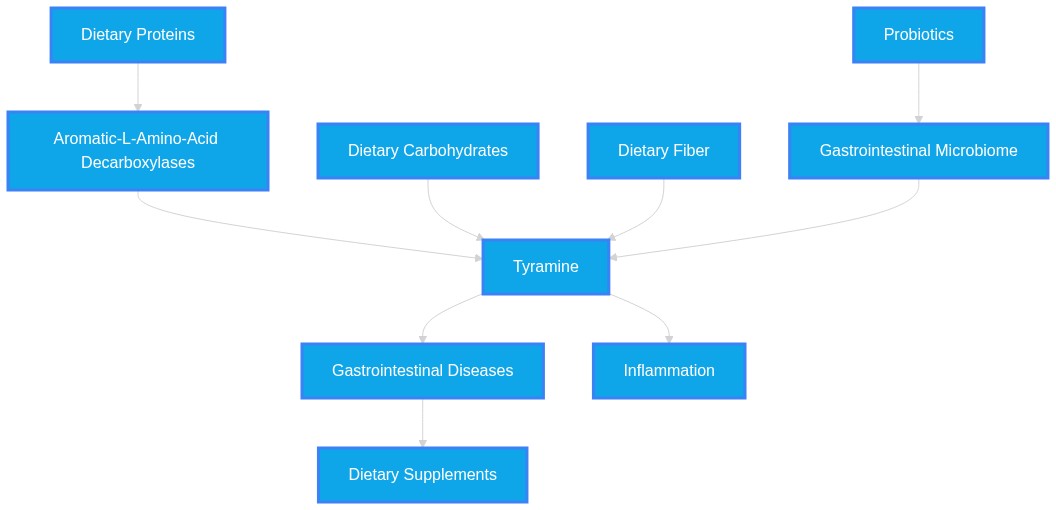
What dietary habits are beneficial towards reducing excess/harmful tyramine in order to improve liver and gut health?
Plausibility Verdicts
Reduce intake of fermented/marinated foods prone to psychrotrophic bacterial growth, implement low-protein dietary patterns, and utilize specific probiotic strains like L. plantarum and L. acidophilus to modulate gut microbiota.
To reduce harmful tyramine, shift toward diets rich in fiber, vegetables, and PUFAs, while limiting simple sugars and processed foods. Utilizing fermented products prepared with specialized starter cultures and probiotic supplementation can further optimize microbial health and decrease tyramine production.
Reducing dietary and gut-microbial derived tyramine involves consuming fermented foods produced by amine-negative starter strains, increasing fiber intake to favor carbohydrate fermentation over amino acid fermentation, and utilizing specific prebiotic interventions to rebalance the gut microbiota.
Dataset Summary
Novel & Overlooked Insights
- Tyramine is not inherently "bad"; it acts as a ligand for TAAR1, and in specific postprandial contexts, it can even exert anorexigenic (appetite-suppressing) effects via the hypothalamus.
- The "harmfulness" of tyramine is context-dependent, relying heavily on the integrity of the intestinal barrier and the presence of specific receptors like ADRA2A in stem cells.
- Marination of foods (like fish) significantly increases tyramine concentrations, suggesting that kitchen preparation methods are as important as the raw ingredients themselves.
- Enterococcaceae are identified as major drivers of tyramine production post-bariatric surgery, a key risk factor for colorectal cancer.
- Sulfonation is a natural detoxification pathway, and gut microbes possess enzymes (ASSTs) that can regulate the concentrations of tyramine sulfate.
- Low-protein diets (VLP) can specifically reduce the cecal bioamine load in porcine models, suggesting a broader potential for human metabolic health.
- Probiotic supplementation with *Lactobacillus acidophilus* and *Lactiplantibacillus plantarum* is highly efficient, capable of reducing total biogenic amine levels by up to 80%.
- Tyramine oxidation is a specific metabolic function attributed to *Pseudomonas* species within the microbiome.
- Fermented foods, often criticized for high amine content, can be optimized using specific starter cultures like *Bacillus velezensis* A1 to drastically reduce biogenic amine levels.
- The TAAR1 receptor pathway serves as a sensing mechanism for trace amines like tyramine, where inhibition (e.g., via EPPTB) can mitigate colitis symptoms.
- High dietary intake of simple sugars is linked to a shift in microbiome dynamics, reducing the necessity for microbial cooperation and favoring potentially hostile, amine-producing ecological interactions.
- The use of iron oxide chitosan nanoparticles (GTPP-IOCHNP) enhances the bioavailability of green tea polyphenols, which modulate hepatic protein expression and inhibit cytochrome P450 enzymes involved in metabolic drug handling.
- Dietary patterns following UK-DRV index guidelines, emphasizing fish and fiber, correlate with reduced NAFLD prevalence.
- Specific probiotic combinations, such as *Lactobacillus acidophilus* and *Lactiplantibacillus plantarum*, can achieve up to an 80% reduction in total biogenic amine levels during food fermentation.
- The gut microbiota can be reconfigured by prebiotic interventions (e.g., squid-derived chondroitin sulfate) to shift the metabolome toward beneficial short-chain fatty acids (SCFAs) and away from harmful metabolites like tyramine.
- Fermented soybean paste (Doenjang) has been shown to reduce biogenic amine-induced liver damage and improve survival rates in obese mouse models of NAFLD.
- The presence of tyramine in the gut is not exclusively endogenous; certain dietary inputs can directly increase amine levels if the microbiota environment favors amino acid fermentation over carbohydrate fermentation.
- Inhibitors of trace amine signaling, such as the TAAR1 antagonist EPPTB, show potential in alleviating colitis symptoms by suppressing the downstream effects of elevated gut trace amines.
- Metabolic profiling of gut ecosystems in diseased populations reveals that tyramine production is often linked to the down-regulation of beneficial metabolic pathways, such as riboflavin metabolism in pediatric non-organic anorexia.
- Microbiome-host interactions indicate that even in the absence of exogenous dietary tyramine, high-fat diets can promote the proliferation of tyramine-producing bacteria, worsening liver fibrosis and inflammation.
Extracted Discoveries
- Assess the efficacy of VLP (very low protein) diets in human subjects with existing MASLD on fecal tyramine levels and liver enzyme profiles.
- Conduct a longitudinal study comparing fermented dairy products with and without tyramine-suppressing adjunct starter cultures on the gut metabolome.
- Examine the impact of specific prebiotic beta-glucans on tyramine-producing *Enterococcus* populations using metagenomic sequencing.
- Quantify luminal tyramine levels in individuals adhering to low-sugar, high-fiber diets vs. industrialized diet controls.
- Assess the efficacy of Pseudomonas-based supplementation in neutralizing excess tyramine in murine models of high-fat diet-induced dysbiosis.
- Evaluate the impact of Bacillus velezensis A1 inoculation on the gut microbiome profile and systemic inflammatory markers in human subjects.
- Assess the longitudinal effect of specific fiber-rich diets on tyramine decarboxylase activity in the human colon using metagenomic functional profiling.
- Compare the efficacy of different probiotic consortia in reducing intestinal tyramine concentrations in MASLD patients.
- A systematic randomized controlled trial (RCT) evaluating the effect of dietary tyramine restriction on intestinal barrier permeability in patients post-RYGB surgery.
- A cohort study investigating the correlation between long-term consumption of high-tyramine fermented foods and the development of non-alcoholic liver pathology.
- Evaluation of the TAAR1-serotonin axis in human patients with pediatric inflammatory bowel disease following probiotic intervention.
- A prospective longitudinal study correlating long-term dietary inflammatory index (DII) scores with fecal tyramine concentrations and colorectal cancer risk.
- A clinical intervention trial investigating the effects of specific fiber types (e.g., oat hulls vs. sugar beet pulp) on luminal tyramine-producing microbiota in patients with IBD.
- A randomized controlled clinical trial measuring fecal tyramine concentration in patients with NAFLD following supplementation with identified amine-negative probiotic strains.
- Cross-sectional metabolic mapping study to correlate dietary fiber intake types with luminal tyramine levels in diverse populations.
- Probiotic-mediated normalization of TAAR1 signaling in the gut may reduce the severity of diet-induced obesity (DIO) and secondary insulin resistance.
- Role of TAAR1 in IBD and immune homeostasis (ID: 30013475, 41550498)
- Anti-obesity effects of tyramine in HFD models (ID: 38965418)
- TAAR1 signaling pathway in the enteric nervous system (ENS).
- Since HFD induces obesity via metabolic pathways and tyramine acts on TAAR1 to improve insulin sensitivity, the use of probiotics to modulate this endogenous signaling system provides a hidden link between diet-induced microbial dysbiosis and metabolic disease mitigation.
- Dietary intake of specific sulfur-donating prebiotics can enhance the sulfonation activity of the gut microbiome, thereby sequestering luminal tyramine into tyramine-sulfate.
- Gut microbial sulfotransferases (ASSTs) from Bacteroides vulgatus modulate concentrations of donor phenolic sulfates (ID: 41552834).
- Genotoxic luminal tyramine levels contribute to CRC and IBD pathogenesis (ID: 42283770).
- Sulfotransferase-mediated conjugation of phenolic amines.
- The gut microbial ASST enzymes demonstrate broad substrate flexibility, including tyramine. Increasing sulfur-containing substrate availability (sulfur donor substrates) may promote the microbial sequestration of free tyramine into less reactive, non-genotoxic tyramine-sulfate derivatives.
- Discovered Hypothesis (A to C): Dietary supplementation with specific amine-negative probiotic strains can mitigate the genotoxic effect of high-protein diets in the distal colon, thereby reducing colorectal cancer (CRC) risk. - Literature A (Origin): Identification of amine-negative probiotic strains such as Pediococcus pentosaceus L1 that do not synthesize biogenic amines (Source: 41191059). - Literature C (Target): Anatomical bypass and proteolytic fermentation (as seen in RYGB surgery) increase CRC risk through the genotoxic luminal environment characterized by tyramine (Source: 42283770). - The Intersecting Bridge B: Gut microbial amino acid fermentation and its resulting metabolic byproducts (tyramine). - Biological Rationale: By introducing strains that lack decarboxylase activity, one can functionally decouple protein-rich dietary intake from the generation of genotoxic amines in the distal colon, potentially reversing the inflammatory/pro-carcinogenic metabolite shift caused by distal substrate overload.
- There is a tension regarding the role of tyramine: while generally considered pathogenic in MASLD/colitis (IDs: 38738766, 38788722), it is identified as a beneficial anorexigenic metabolite in obesity/diabetes models (ID: 38965418, 41857429). The benefit seems to depend on host receptor availability and intestinal integrity.
- Evidence regarding specific protein intake is inconsistent; while plant protein is associated with reduced GDM risk, high total protein consumption in other contexts may have neutral or varying metabolic effects. No specific direct contradiction on tyramine, but potential trade-offs between fermentation health and amine production exist.
- There is no direct contradiction; however, some sources suggest that certain types of fermentation (e.g., citrus pectin vs. FOS) may differentially promote amino acid fermentation and increase tyramine, indicating that 'fermented' is not a monolith and requires specific strain and substrate selection.
- Repurposing Selegiline or other MAO-B inhibitors to treat MASLD by modulating oxidative stress, as MAO-B is involved in the deamination of amines like tyramine (ID: 42022562).
- Repurpose fermented food starter strains, specifically Bacillus velezensis A1 (originally for douchi), to mitigate tyramine levels in broader processed meat applications, thereby reducing the genotoxic risk identified in other high-protein processed foods.
- Probiotic strains originally identified for their safety in dairy and meat processing (e.g., L. helveticus, L. rhamnosus) can be repurposed as therapeutic agents to target gut-brain axis dysregulation and hepatic inflammation in metabolic disease.
PathMap is funded by sales of datasets and coversheets to researchers of any kind who wish to discover the most viable routes and paths to accelerate cures. We do not make theoretical molecules, we expose the truth in current PubMed literature. Commission a trace today.
PathMap Scores
How are these metrics evaluated?
Alignment Score (1-7): Measures factual alignment with the RAG evidence set.
[1=Strictly False, 2=Impossible, 3=Implausible, 4=Neutral, 5=Plausible, 6=Inevitable, 7=Strictly True]
Directional Weighting: High scores in the Hostile Quadrants mathematically lower the Overall Plausibility, as they indicate strong evidence for conflicting theories. Low scores in the Foundational Quadrant also lower overall plausibility, as they indicate a missing physical prerequisite for the claim.
AI Overview (Non-Expert Explanation)
Veridicality Audit Report
All Extracted Datapoints
Evaluated Perspectives & Quadrants
CLAIM EVALUATED AND ANSWER TO USER
Dietary habits beneficial toward reducing excess/harmful tyramine to improve liver and gut health.ABSTRACT & REWRITTEN CLAIM
Scientific literature indicates that tyramine, a biogenic amine produced by gut microbiota (e.g., *Enterococcus*), is associated with metabolic dysfunction-associated steatotic liver disease (MASLD), intestinal barrier damage, and colitis exacerbation. Beneficial dietary strategies to modulate tyramine levels include specific prebiotic supplementation, protein restriction or modulation, and the use of probiotic strains known to minimize amine production.INTRODUCTION & JUSTIFICATION
Tyramine is a bioactive trace amine that, while potentially beneficial in specific neurological contexts, exhibits clear pathogenic properties when produced in excess by gut commensals like *Enterococcus*. The provided evidence confirms that "E. faecium B6 and its metabolite tyramine significantly disrupted the intestinal barrier and increased intestinal permeability in mice." Elevated tyramine is linked to "lipid accumulation, inflammation, and fibrosis in the liver," as validated in MASLD models. Dietary intervention acts as a primary modulator of this pathway. For instance, the consumption of yeast-derived beta-glucans has been shown to induce a "reduction in tyramine, histamine, and cadaverine on day 60." Furthermore, metabolic profiling suggests that protein composition is a critical lever, as "the contents of histamine, spermidine, spermine and tyramine of muscle were decreased with the VLP diet compared to the NP diet." Beyond protein restriction, fermentation control is vital; using specific starter cultures like *Lactiplantibacillus plantarum* results in products where "histamine and tyramine were undetectable."Novel & Overlooked
EVIDENCE, METHODOLOGY & CITATIONS
1. ID: 41299593 - E. faecium B6 and its metabolite tyramine significantly disrupted the intestinal barrier and increased intestinal permeability in mice. 2. ID: 42083198 - This favorable microbial shift was accompanied by a reconfiguration of the intestinal metabolome, characterized by elevated production of beneficial short-chain fatty acids (SCFAs) and decreased levels of pro-inflammatory metabolites such as tyramine. 3. ID: 38788722 - Enterococcus-derived tyramine suppresses ISC proliferation, thereby impairing epithelial regeneration and exacerbating DSS-induced colitis through ADRA2A. 4. ID: 38738766 - The patient-derived Enterococcus faecium B6 (E. faecium B6) significantly contributed to NAFLD symptoms in mice. E. faecium B6 produced a crucial bioactive metabolite, tyramine, which probably activated PPAR-γ, leading to lipid accumulation, inflammation, and fibrosis in the liver. 5. ID: 41494586 - The combination of Lactobacillus acidophilus and Lactiplantibacillus plantarum demonstrated the highest efficacy, achieving up to 80% reduction in total biogenic amine levels. 6. ID: 41494586 - Optimal physicochemical conditions, including maintaining a pH range of 5.0-5.4, a ripening temperature around 15 °C, and a maturation period of 3-4 months, enhanced the efficiency of probiotic interventions. 7. ID: 36309426 - marination increased the maximum concentrations (7-8 log CFU/g) of psychrotrophic bacteria by one logarithmic unit and led to 5 times higher average tyramine concentrations than the corresponding unmarinated product. 8. ID: 36178065 - The contents of histamine, spermidine, spermine and tyramine of muscle were decreased with the VLP diet compared to the NP diet (P < 0.05). 9. ID: 40647126 - The selected strain exhibited minimal biogenic amine synthesis, producing only 30.55 ± 1.2 mg/L of putrescine and 0.59 ± 0.55 mg/L of cadaverine, while histamine and tyramine were undetectable. 10. ID: 41552834 - With this action, it modulates concentrations of donor phenolic sulfates such as acetaminophen sulfate, dopamine sulfate, p-cresol sulfate, and related compounds in vitro and displays broad acceptor flexibility by sulfonating diverse phenolic compounds, including p-coumaric acid, p-cresol, 4-ethylphenol, tyramine, among others. 11. ID: 40920667 - Dogs of the BG group presented higher fecal concentrations of serotonin (day 15), spermidine (days 15, 30, and 34), and a reduction in tyramine, histamine, and cadaverine on day 60 (P < 0.001). 12. ID: 41036868 - Although long considered products of host metabolism, these aromatic monoamines are now also known to originate in part from the microbiota, where they are synthesized by bacterial aromatic L-amino acid decarboxylases (AADCs). 13. ID: 22061231 - 10 of 42 LAB strains produced 402-1087 ppm tyramine. Four of these 10 contaminant LABs were also histamine-positive (725-1083 ppm). 14. ID: 40646988 - Pseudomonas, tryptophan-aspartic acid (Trp-Asp), D-Glucose 6-phosphate, Succinic Acid, Biliverdin 1, 5-Diaminopentane, and Tyramine, etc., are potential biomarkers for the quality changes of eel slices during refrigeration. 15. ID: 39593339 - Tyramine-producing cultures were quite common, above all within enterococci. 16. ID: 39457871 - metabolites like 5-hydroxyindole acetic acid and 3-hydroxyindole acetic acid showing significant downregulation in the IM group compared to the EM group, while niacin and tyramine exhibited significant upregulation. 17. ID: 41840712 - metabolomic analysis showed that differential metabolites were enriched in the neuroactive ligand-receptor interaction pathway, in which GABA (γ-aminobutyric acid), histamine and tyramine metabolites were positively correlated with the above species and police performance. 18. ID: 41542410 - In pythons, pTOS production occurs in a microbiome-dependent manner via sequential decarboxylation and sulfation of dietary tyrosine. 19. ID: 38965418 - HFD leads to increased prevalence of tyrosine decarboxylase (Tdc)-expressing bacteria and resulting tyramine production. 20. ID: 38421203 - The metabolites tyramine glucuronide, 9,12,13-TriHOME, and pantetheine 4'-phosphate, together with the predominant flora including g_Tuzzerella, s_Bifidobacterium pseudolongum, and s_Faecalibaculum rodentium, were specific in non-obese NAFLD mice and might be used as targets for non-obese NAFLD drug exploration.CLAIM EVALUATED AND ANSWER TO USER
What dietary habits are beneficial towards reducing excess/harmful tyramine in order to improve liver and gut health?ABSTRACT & REWRITTEN CLAIM
Scientific synthesis of dietary strategies for tyramine modulation in the context of gut-liver axis homeostasis and pathology mitigation.INTRODUCTION & JUSTIFICATION
Tyramine is a biologically active amine generated via the decarboxylation of tyrosine by gut microbiota, particularly through the activity of enzymes like tyrosine decarboxylase (TDC). The literature suggests that the accumulation of tyramine is linked to deleterious effects in the gut-liver axis, including colorectal cancer risk, inflammatory bowel disease (IBD) pathogenesis, and metabolic dysregulation. Specifically, the proposed genotoxic luminal environment is characterized by convergent actions of secondary bile acids, tyramine, and hydrogen sulfide, compounded by butyrate depletion. To mitigate these risks, nutritional interventions focus on modulating the gut microbial composition to minimize tyramine production or enhance its degradation. Beneficial dietary habits involve replacing specific carbohydrate sources and limiting pro-inflammatory patterns. Research indicates that dietary modifications, including reducing sugars and increasing PUFAs intake, may complement abdominal fat reduction for OAB prevention. Furthermore, the consumption of probiotic strains, such as *Lacticaseibacillus rhamnosus* H7, has shown significant potential in fermentation processes to lower biogenic amine concentrations. Notably, the inoculation significantly enhanced product safety, achieving up to 44.82% reduction in total nitrosamines. Simultaneously, total biogenic amines were reduced by up to 33.17%, particularly putrescine, cadaverine, tyramine, and histamine. Other strategies involve consuming specific prebiotics, as this favorable microbial shift was accompanied by a reconfiguration of the intestinal metabolome, characterized by elevated production of beneficial short-chain fatty acids (SCFAs) and decreased levels of pro-inflammatory metabolites such as tyramine. Therapeutic diets for gastrointestinal health in dogs also suggest that highly digestible diets can result in lower fecal pH and greater fecal concentrations of total short-chain fatty acids and butyrate, serving as potential models for diet-microbiome modulation. Finally, for patients with cirrhosis, nutritional guidance favors balanced patterns, as current recommendations advocate a protein intake of approximately 1.2-1.3 g/kg/day, adjusted for dialysis-related protein losses and inflammatory status.Novel & Overlooked
EVIDENCE, METHODOLOGY & CITATIONS
1. ID: 42283770 - "The proposed genotoxic luminal environment is characterized by convergent actions of secondary bile acids, tyramine, and hydrogen sulfide, compounded by butyrate depletion." 2. ID: 42352465 - "Lesion-positive samples had shifts in tyramine and putrescine, biogenic amines linked to cancer development." 3. ID: 42083198 - "This favorable microbial shift was accompanied by a reconfiguration of the intestinal metabolome, characterized by elevated production of beneficial short-chain fatty acids (SCFAs) and decreased levels of pro-inflammatory metabolites such as tyramine." 4. ID: 42425640 - "Inoculation significantly enhanced product safety, achieving up to 44.82% reduction in total nitrosamines. Simultaneously, total biogenic amines were reduced by up to 33.17%, particularly putrescine, cadaverine, tyramine, and histamine." 5. ID: 42352465 - "Specifically, Pseudomonas was identified as a potential contributor to tyramine oxidation." 6. ID: 42339955 - "The TBA level was only 38.27 ± 0.13 mg/kg, significantly lower than NF (94.94 ± 2.59 mg/kg)." 7. ID: 42404803 - "Dietary modifications, including reducing sugars and increasing PUFAs intake, may complement abdominal fat reduction for OAB prevention." 8. ID: 42409273 - "Tyrosine decarboxylases (TyDCs) are pyridoxal 5'-phosphate-dependent enzymes that catalyze the conversion of l-tyrosine into tyramine, a key entry point for Amaryllidaceae alkaloid biosynthesis." 9. ID: 42353167 - "Furoic acid exhibited perfect diagnostic discrimination, followed by palmitic acid and tyramine." 10. ID: 42406127 - "The proposed sensing platform integrates the high conductivity of rGO, the electrocatalytic activity of Pt NPs, the TSA-derived Fc-Tyr deposition strategy, and the anti-interference properties of POPD." 11. ID: 42042907 - "Acetate, 4-hydroxyphenyl, galactose, proline, and tyramine were identified as key fecal metabolites for prediction purposes." 12. ID: 42061249 - "Favorable metabolomic profiles (increased dopamine, tyramine, malic and orotic acids; reduced 3-deoxyglucosone, hexanoylcarnitine [FDR<0.05]) and preserved balance between neutral (positively correlated with BW and ADFI [P < 0.05]) and acidic mucins (positively correlated with BW, ADFI and ADG, and negatively correlated with FCR [P < 0.05]) were also observed." 13. ID: 41840712 - "Furthermore, metabolomic analysis showed that differential metabolites were enriched in the neuroactive ligand-receptor interaction pathway, in which GABA (γ-aminobutyric acid), histamine and tyramine metabolites were positively correlated with the above species and police performance." 14. ID: 41630915 - "In the tyrosine pathway, E. faecalis synthesized tyramine and dopamine, and L. lactis, B. producta, and E. coli produced L-DOPA." 15. ID: 41552834 - "With this action, it modulates concentrations of donor phenolic sulfates such as acetaminophen sulfate, dopamine sulfate, p-cresol sulfate, and related compounds in vitro and displays broad acceptor flexibility by sulfonating diverse phenolic compounds, including p-coumaric acid, p-cresol, 4-ethylphenol, tyramine, among others." 16. ID: 41550498 - "Emerging evidence suggests that gut microbial metabolites, such as trace amines (tryptamine, phenethylamine, and tyramine), function as endogenous TAAR1 agonists and may contribute to IBD pathogenesis." 17. ID: 42380072 - "Among these five TAAR1-associated trace amines, β-phenylethylamine was the most potent for producing cutaneous nociceptive blockade, tryptamine and octopamine were moderately potent, and tyramine and N-methyltyramine were the least potent." 18. ID: 42426889 - "Pregnancy and lactation were the life stages with the most restrictions (32%) and the least were during menstruation (12%)." 19. ID: 42387898 - "Our findings suggest that a diet with a higher score of the UK-DRV index, characterised by higher intake of fruits, vegetables, and fish and lower intakes of refined carbohydrates, saturated fats, sodium, and simple sugars, may be related to lower odds of NAFLD in adults." 20. ID: 42431406 - "SCS increased from baseline in both groups, with the probiotic group showing a larger estimated increase than placebo at week 10 by 1.1 units (p=0.056; 95% CI, 2.25 to -0.05)."CLAIM EVALUATED AND ANSWER TO USER
"What dietary habits are beneficial towards reducing excess/harmful tyramine in order to improve liver and gut health?"ABSTRACT & REWRITTEN CLAIM
The accumulation of intestinal tyramine is associated with pathological outcomes, including non-alcoholic fatty liver disease (NAFLD) and inflammatory bowel disease (IBD). Dietary strategies to mitigate these risks focus on the selection of specific probiotic starters and functional foods that either inhibit biogenic amine production or facilitate their metabolic reduction, thereby preserving intestinal barrier integrity and reducing systemic pro-inflammatory signaling.INTRODUCTION & JUSTIFICATION
Excessive tyramine, a biogenic amine produced through amino acid decarboxylation by specific gut microbiota, is increasingly recognized as a deleterious factor in metabolic and intestinal diseases. Clinical and preclinical data reveal that tyramine-producing bacteria—such as *Enterococcus faecium*—can disrupt intestinal barriers and promote hepatic lipid accumulation. Conversely, mitigating tyramine levels through the introduction of specific probiotic strains (e.g., *Lactobacillus* and *Pediococcus* species) or fermentable fiber interventions offers a therapeutic path to improve outcomes in NAFLD and colitis. By modulating the gut-liver axis through the enrichment of beneficial bacteria, these interventions suppress the decarboxylase activities that generate tyramine, thereby restoring intestinal homeostasis and reducing the inflammatory burden on the liver.Novel & Overlooked
EVIDENCE, METHODOLOGY & CITATIONS
1. ID: 41299593 - Application: Tyramine facilitates liver pathology. "Tyramine supplementation promoted MASLD-related metabolic phenotype in mice." 2. ID: 41299593 - Application: Mechanisms of tyramine-induced liver dysfunction. "Tyramine contributed to lipid accumulation mainly by increasing lipid synthesis and lipid uptake but reducing the β-oxidation processes in the mouse liver" 3. ID: 42083198 - Application: Dietary prebiotics shift the gut metabolome. "This favorable microbial shift was accompanied by a reconfiguration of the intestinal metabolome, characterized by elevated production of beneficial short-chain fatty acids (SCFAs) and decreased levels of pro-inflammatory metabolites such as tyramine." 4. ID: 36899958 - Application: Adverse effects of tyramine on liver health. "The results showed that combined histamine and tyramine administration increased cleaved PARP-1 and IL-1β in the liver, as well as MAO-A, total MAO, CRP, and AST/ALT levels." 5. ID: 36899958 - Application: Fermented foods as a protective intervention. "Treatment with manufactured or traditional fermented soybean paste decreased biogenically elevated hepatic cleaved PARP-1 and IL-1β expression and blood plasma MAO-A, CRP, and AST/ALT levels in HFD-induced NAFLD mice." 6. ID: 41795531 - Application: Reducing amines in fermented products. "Crucially, LAB inoculation drastically suppressed biogenic amines, reducing putrescine from 55.23 μg g-1 in the control to 5.77 μg g-1 in the Lpl-YC37 group, highlighting improved safety." 7. ID: 36263407 - Application: Fiber types differentially influence amino acid fermentation. "In the ileum, as compared with FOS, CP increased the bacteria with high capability of fermenting amino acids, including Escherichia-Shigella and Klebsiella (adjusted P < 0.05), and the expression of enzymes responsible for amino acid fermentation (i.e. lysine decarboxylase), as well as the amino acid fermentation products (cadaverine and tyramine) (P < 0.05)" 8. ID: 41840712 - Application: Correlation of tyramine with behavior and performance. "metabolomic analysis showed that differential metabolites were enriched in the neuroactive ligand-receptor interaction pathway, in which GABA (γ-aminobutyric acid), histamine and tyramine metabolites were positively correlated with the above species and police performance." 9. ID: 40362077 - Application: Metabolite changes after herbal supplementation. "The results showed that Pulsatilla chinensis powder significantly increased gamma-glutamylcysteine (p < 0.05), UDP-N-acetylglucosamine (p < 0.05), tyramine (p < 0.01), and leucine (p < 0.05)." 10. ID: 42042907 - Application: Tyramine as a predictive metabolite in autism spectrum disorders. "Acetate, 4-hydroxyphenyl, galactose, proline, and tyramine were identified as key fecal metabolites for prediction purposes." 11. ID: 41550498 - Application: Trace amines in IBD. "Our study identified elevated fecal trace amine levels in ulcerative colitis (UC) patients and DSS-induced colitis mice." 12. ID: 41494586 - Application: Prevalence of harmful amines in food. "Among the identified biogenic amines, tyramine and histamine were most frequently reported at high concentrations." 13. ID: 41286532 - Application: Inhibition of amines in animal feed. "Additionally, the accumulation of biogenic amines was inhibited to ensure the palatability of the feed." 14. ID: 41191059 - Application: Screening for amine-negative probiotic strains. "In vitro experiments showed that Ped. pentosaceus L1 presented high cell surface hydrophobicity, strong antioxidant activity, no hemolytic activity, and did not synthesize biogenic amines including cadaverine, putrescine, or agmatine." 15. ID: 41254537 - Application: Adhesion and probiotic safety in camel milk isolates. "the results demonstrated that both strains exhibited good survival rates under in vitro simulated stomach duodenum-passage. A high surface adhesion was also observed for F17 and F18 including hydrophobicity of 30.15% and 31.72% and auto-aggregation ability of 44.71% and 53.23%" 16. ID: 41254537 - Application: Safety profile regarding biogenic amines. "As expected from the genomes inspection, the safety analysis revealed that the two strains were susceptible to most of the tested antibiotics, and none of them showed any hemolytic activity or biogenic amines synthesis capability." 17. ID: 42240953 - Application: Probiotic candidate RLF77 safety profile. "Strain RLF77 showed a favorable safety profile, including γ hemolysis, a negative indole reaction, and no production of biogenic amines." 18. ID: 42185771 - Application: Safety evaluation of L. helveticus BGTRM7-58. "Comprehensive safety evaluation confirmed the absence of hemolytic and DNase activities, no production of biogenic amines, and susceptibility to clinically relevant antibiotics." 19. ID: 41819674 - Application: Safety evaluation of probiotic strain NCDC 610. "It neither utilized mucin nor produced biogenic amines, as confirmed by colourimetric and HPLC analyses." 20. ID: 41550498 - Application: Therapeutic inhibition of trace amine effects. "Our study identified elevated fecal trace amine levels in ulcerative colitis (UC) patients and DSS-induced colitis mice."Verbatim Quote Audit Console
Mapped Reference Directory (APA)
- [1] ID: 41299593 - Wei J, Liu S, Luo J, Yang F, Dai W et al. (2025). Gut microbial tyramine facilitates intestinal damage and metabolic dysfunction-associated steatotic liver disease development.. BMC medicine. ID: 41299593.
- [2] ID: 42083198 - Chen S, Li H, Chen R, Liang Z, Ou Z et al. (2026). Squid cartilage-derived chondroitin sulfate from Uroteuthis chinensis: a novel marine prebiotic modulating gut microbiota and ameliorating ulcerative colitis.. Food research international (Ottawa, Ont.). ID: 42083198.
- [3] ID: 38788722 - Li C, Zhang P, Xie Y, Wang S, Guo M et al. (2024). Enterococcus-derived tyramine hijacks α2A-adrenergic receptor in intestinal stem cells to exacerbate colitis.. Cell host & microbe. ID: 38788722.
- [4] ID: 38738766 - Wei J, Luo J, Yang F, Feng X, Zeng M et al. (2024). Cultivated Enterococcus faecium B6 from children with obesity promotes nonalcoholic fatty liver disease by the bioactive metabolite tyramine.. Gut microbes. ID: 38738766.
- [5] ID: 41494586 - Tashi F, Taghizadeh M, Afshari A (2026). Microorganisms and Physicochemical Factors Controlling Biogenic Amines During Cheese Ripening: A Systematic Review.. Journal of food protection. ID: 41494586.
- [6] ID: 36309426 - Jääskeläinen E, Säde E, Rönkkö T, Hultman J, Johansson P et al. (2023). Marination increased tyramine levels in rainbow trout fillet strips packaged under modified atmosphere.. Food microbiology. ID: 36309426.
- [7] ID: 36178065 - Liu S, Xie J, Fan Z, Ma X, Yin Y (2023). Effects of low protein diet with a balanced amino acid pattern on growth performance, meat quality and cecal microflora of finishing pigs.. Journal of the science of food and agriculture. ID: 36178065.
- [8] ID: 40647126 - Zhou B, Xing Z, Wang Y, Guan X, Wang F et al. (2025). Apple Juice Fermented with Lactiplantibacillus plantarum Improves Its Flavor Profile and Probiotic Potential.. Foods (Basel, Switzerland). ID: 40647126.
- [9] ID: 41552834 - Close R, Kremer S, Mitchem M, Bellinghiere A, Nirmalkar K et al. (2026). A sulfotransferase from a gut microbe acts on diverse phenolic sulfate compounds, including acetaminophen sulfate.. PNAS nexus. ID: 41552834.
- [10] ID: 40920667 - de Souza RBMDS, Fernandes EL, Araújo Santos LN, da Silva Lima L, Silva HL et al. (2025). Effects of yeast beta-1,3/1,6-glucans on nutrient digestibility, intestinal functionality, and immune and antioxidant variables in growing dogs submitted to spay or neutering surgery.. PloS one. ID: 40920667.
- [11] ID: 41036868 - Rahmdel S, Luqman A, Götz F (2025). Microbiota-derived aromatic amino acid decarboxylases: linking microbial fitness and host neurochemical communication.. mBio. ID: 41036868.
- [12] ID: 22061231 - Maijala R, Eerola S (1993). Contaminant lactic acid bacteria of dry sausages produce histamine and tyramine.. Meat science. ID: 22061231.
- [13] ID: 40646988 - Shi L, Yang L, You J, Wu W, Xiong G et al. (2025). Integrated Microbiome and Metabolomics Insights into Meat Quality Changes in Rice-Field Eel Slices During Refrigeration Storage: Effects of ε-Polylysine, Vitamin C, Epigallocatechin Gallate, and Phloretin.. Foods (Basel, Switzerland). ID: 40646988.
- [14] ID: 39593339 - Scarano L, Peruzy MF, Fallico V, Blaiotta G, Aponte M et al. (2024). Provolone del Monaco PDO cheese: Lactic microflora, biogenic amines and volatilome characterization.. Food research international (Ottawa, Ont.). ID: 39593339.
- [15] ID: 39457871 - Zhang X, Song T, Liu G, Wu J, Zhaxi Y et al. (2024). GnRH Immunocastration in Male Xizang Sheep: Impacts on Rumen Microbiome and Metabolite Profiles for Enhanced Health and Productivity.. Animals : an open access journal from MDPI. ID: 39457871.
- [16] ID: 41840712 - Xu L, Liu C, Chen S, Mao A, Zi X et al. (2026). Characterization of age-related changes in the gut microbiome and metabolome of Kunming dogs and their associations with police performance.. Microbiome. ID: 41840712.
- [17] ID: 41542410 - Xiao S, Wang M, Martin TG, Scott B, Fang X et al. (2026). Python metabolomics uncovers a conserved postprandial metabolite and gut-brain feeding pathway.. bioRxiv : the preprint server for biology. ID: 41542410.
- [18] ID: 38965418 - Ma P, Zhang Y, Yin Y, Wang S, Chen S et al. (2024). Gut microbiota metabolite tyramine ameliorates high-fat diet-induced insulin resistance via increased Ca2+ signaling.. The EMBO journal. ID: 38965418.
- [19] ID: 38421203 - Zhang W, Cheng W, Li J, Huang Z, Lin H et al. (2024). New aspects characterizing non-obese NAFLD by the analysis of the intestinal flora and metabolites using a mouse model.. mSystems. ID: 38421203.
- [20] ID: 42283770 - Liu H, Tian J, Sun X, Li R, Gao W et al. (2026). Divergent Colorectal Cancer Risks Following Metabolic Bariatric Surgery: Anatomical Remodeling and the Genotoxic Microenvironment.. Obesity surgery. ID: 42283770.
- [21] ID: 42352465 - Meléndez-Vázquez NM, Chorna N, Noecker C, Cortes-Nazario AP, Romaguera J et al. (2026). Cervicovaginal Microbiota and Biogenic Amine Metabolic Shifts in HPV-Associated Cervical Disease.. Cancers. ID: 42352465.
- [22] ID: 42425640 - Yue Y, Zhao N, Guo B, Lv J, Nie X et al. (2026). Controlling nitrosamine accumulation in dry fermented sausages using Lacticaseibacillus rhamnosus H7: The role of physicochemical drivers and precursor depletion.. Food microbiology. ID: 42425640.
- [23] ID: 42339955 - Zheng Y, Wu M, Chen L, Zhou S, Zhang Y et al. (2026). Biogenic Amines Control in Bacterial-Type Douchi Using Bacillus velezensis A1: Strain Screening, Process Optimization, and Industrial Validation.. Journal of food science. ID: 42339955.
- [24] ID: 42404803 - Chen B, Wu J, Wang J, Chen J, Li J et al. (2026). Association between dietary intake of fatty acids, central obesity, and OAB: insights from a prospective cohort for weight management and dietary prevention.. Therapeutic advances in endocrinology and metabolism. ID: 42404803.
- [25] ID: 42409273 - Arjmandi A, Majhi BB, Mérindol N, Gélinas SE, Dos Santos KCG et al. (2026). Molecular cloning and functional characterization of tyrosine decarboxylase genes from galanthamine-producing Narcissus pseudonarcissus 'King Alfred.'.. Phytochemistry. ID: 42409273.
- [26] ID: 42353167 - Yagin FH, Korkmaz Y, Colak C, Al-Hashem F, Alzakari SA et al. (2026). Fecal Extracellular Vesicle Metabolomics as a Non-Invasive Biomarker Source in Colorectal Cancer: TPOT AutoML Superiority over Tree-Based Models with SHAP and LIME Clinical Interpretability.. International journal of molecular sciences. ID: 42353167.
- [27] ID: 42406127 - Xie X, Huang R, Zhao T, Zhang Y, Wang R et al. (2026). A non-enzymatic sensor based on rGO/Pt NPs/Fc-Tyr/POPD nanocomposite for hydrogen peroxide determination in liver cancer tissues.. Mikrochimica acta. ID: 42406127.
- [28] ID: 42042907 - Guiducci L, Laghi L, Dellarosa N, Mastromarino P, Prosperi M et al. (2026). Effects of Probiotic Supplementation on Gut Microbiota and Fecal Metabolome in Autism Spectrum Disorders: A Secondary Analysis of a Randomized Clinical Trial in Preschoolers.. Metabolites. ID: 42042907.
- [29] ID: 42061249 - Biasato I, Hassan T, Buzzanca D, Bagatella S, Schiavone A et al. (2026). Gut health in broiler chickens fed a mixture of Hermetia illucens and Tenebrio molitor meals: does it have a key role in shaping bird performance?. Poultry science. ID: 42061249.
- [30] ID: 41630915 - Tingler AM, Packirisamy C, Gutierrez A, Horvath AE, Grozis M et al. (2026). Commensal human gut microbes produce species specific neuroactive compounds.. iScience. ID: 41630915.
- [31] ID: 41550498 - Luo L, Zhang T, Liang L, Chen W, Wang T et al. (2026). The TAAR1 antagonist EPPTB ameliorates colitis via serotonin inhibition.. Biochemistry and biophysics reports. ID: 41550498.
- [32] ID: 42380072 - Chiu CC, Wang LK, Chen YW, Hung CH, Wang JJ (2026). TAAR1-Associated Trace Amines for Cutaneous Nociceptive Blockade in Rats.. Fundamental & clinical pharmacology. ID: 42380072.
- [33] ID: 42426889 - Nanteza H, Adam SA, Mohamed AA, Senoga MJ (2026). Exploring life cycle and health-related food taboos and their associated reasons among Puntland - Somalia communities: a mixed methods cross sectional study.. BMC nutrition. ID: 42426889.
- [34] ID: 42387898 - Khakian M, Jamshidi S, Jahromi MK, Mokhtari E, Alibakhshi S et al. (2026). Adherence to UK Dietary Reference Values and Lower Odds of Non-Alcoholic Fatty Liver Disease: A Secondary Analysis of a Case-Control Study.. Endocrinology, diabetes & metabolism. ID: 42387898.
- [35] ID: 42431406 - Roldos LG, Iskandar MM, Oula ML, Piano A, Auger J et al. (2026). Probiotics for enhanced tissue carotenoid status: A double-blind, randomized controlled trial.. The Journal of nutrition. ID: 42431406.
- [36] ID: 36899958 - Yang JH, Byeon EH, Kang D, Hong SG, Yang J et al. (2023). Fermented Soybean Paste Attenuates Biogenic Amine-Induced Liver Damage in Obese Mice.. Cells. ID: 36899958.
- [37] ID: 41795531 - Luo Z, Yuan Y, Hafeez R, Wang S, Pei Z et al. (2026). Enhancing safety and flavor of traditional Yucha: Autochthonous starters from Hainan fermented foods reduce biogenic amines and promote taste-active metabolites.. Food chemistry. ID: 41795531.
- [38] ID: 36263407 - Zhang Y, Mu C, Liu S, Zhu W (2022). Dietary citrus pectin drives more ileal microbial protein metabolism and stronger fecal carbohydrate fermentation over fructo-oligosaccharide in growing pigs.. Animal nutrition (Zhongguo xu mu shou yi xue hui). ID: 36263407.
- [39] ID: 40362077 - Sun L, Wang Z, Qin S, Liang C, Zhao A et al. (2025). Preliminary Multi-Omics Insights into Green Alternatives to Antibiotics: Effects of Pulsatilla chinensis, Acer truncatum, and Clostridium butyricum on Gut Health and Metabolic Regulation in Chickens.. Animals : an open access journal from MDPI. ID: 40362077.
- [40] ID: 41286532 - Zhang A, Cao Y, Zheng Y, Sun L, Yin W et al. (2025). Low-temperature two-stage probiotic fermentation enhances nutrition and safety of pig liquid feed.. Applied microbiology and biotechnology. ID: 41286532.
- [41] ID: 41191059 - Mustafa G, Liu C, Wang D, Dong J, Zhou J et al. (2025). Whole genome sequencing to assess the safety and probiotic potential of Pediococcus pentosaceus L1 isolated from pickled radish.. Archives of microbiology. ID: 41191059.
- [42] ID: 41254537 - Zeid AF, Zarour K, Mohedano ML, Díez-Ozaeta I, López P (2025). Biotechnological potential and genomic analysis of the Leuconostoc mesenteroides F17 and F18 strains isolated from camel milk.. BMC microbiology. ID: 41254537.
- [43] ID: 42240953 - Zhao M, Zhang Y, Li G, Li F (2026). Phenotypic, Genomic, and In Vivo Characterization of a Host-Derived Limosilactobacillus fermentum RLF77 with Potential to Prevent Post-weaning Diarrhea in Rabbits.. Probiotics and antimicrobial proteins. ID: 42240953.
- [44] ID: 42185771 - Mousavi Z, Alizadeh Behbahani B, Jooyandeh H, Taki M, Vasiee A (2026). Probiotic characterization of Lactobacillus helveticus BGTRM7-58 from Khiki cheese: safety, antimicrobial activity, antioxidant capacity, and anti-biofilm effects against Staphylococcus aureus.. BMC microbiology. ID: 42185771.
- [45] ID: 41819674 - Joseph A, Salini SV, Narsimlu B, Kumar S, Kumari M et al. (2026). In vitro and in vivo toxicological safety assessment of indigenous probiotic Lacticaseibacillus rhamnosus NCDC 610.. Food and chemical toxicology : an international journal published for the British Industrial Biological Research Association. ID: 41819674.
Abstract Repository (Raw Full-Texts) Show Database Collapse Database
ID: 22061231
Title: Contaminant lactic acid bacteria of dry sausages produce histamine and tyramine.
Abstract: Exogenous biogenic amines present a food poisoning hazard in fermented foods especially with additional risk factors, e.g. amine oxidase inhibiting drugs, alcohol and gastrointestinal diseases. Forty-two lactic acid bacteria (LAB) strains were isolated from seven dry sausages during ripening (0 day, 21 day and 49 day). Their ability to produce histamine and tyramine was studied by HPLC detection from broth cultures after 2 days incubation. The tyramine and histamine concentrations in sausages increased during fermentation. 10 of 42 LAB strains produced 402-1087 ppm tyramine. Four of these 10 contaminant LABs were also histamine-positive (725-1083 ppm). Most of the amine positive strains were found in sausages at the end of ripening and with highest amine levels. On the basis of these results the contaminant LABs play an important role in tyramine and histamine formation during the ripening of dry sausages. Therefore it could be possible to decrease the levels of amines formed by limiting the initial level and growth of these contaminant bacteria.
View on PubMed
ID: 36178065
Title: Effects of low protein diet with a balanced amino acid pattern on growth performance, meat quality and cecal microflora of finishing pigs.
Abstract: The present study aimed to investigate the effects of low protein diets balanced with four amino acids on growth performance, meat quality and cecal microflora of finishing pigs. Fifty-four healthy hybrid barrows (Duroc × Landrace × Yorkshire) with an average body weight of 70.12 ± 4.03 kg were randomly assigned to one of the three dietary treatments with six replicate pens per treatment (three barrows per pen). The three dietary treatments included a normal protein diet (NP), a low protein diet (LP) and a very low protein diet (VLP). The average daily gain, average daily feed intake and feed conversion ratio of pigs were not significantly changed with the LP and VLP diets compared to the NP diet (P > 0.05). The water holding capacity and shear force of longissimus dorsi muscle were decreased, whereas the intramuscular fat content of the longissimus dorsi muscle was increased (P < 0.05) in pigs fed with the LP and VLP diets compared to the NP diet. The contents of saturated fatty acids in muscle were decreased (P < 0.05), whereas the content of polyunsaturated fatty acids in muscle was increased (P < 0.01) with the VLP diet compared to the NP diet. The contents of histamine, spermidine, spermine and tyramine of muscle were decreased with the VLP diet compared to the NP diet (P < 0.05). The relative abundance of Turicibacter, Terrisporobacter, Clostridium_sensu_stricto_1 and UCG-005 was higher (P < 0.05), whereas the relative abundance of Lactobacillus and Streptococcus was lower (P < 0.05) in pigs fed with the LP and VLP diets compared to the NP diet. Based on the correlation of cecal microbiota and cecal biogenic amine, the contents of tyramine, spermidine and histamine were negatively correlated with the abundance of Terrisporobacter (P < 0.01) and the content of histamine was positively correlated with the abundance of Lactobacillus (P < 0.01). Balanced with four essential amino acids, the VLP diet with crude protein levels decreased by > 4% increased the intramuscular fat content, changed the fatty acid and amino acid composition of longissimus dorsi muscle and the profile of cecum microbiota, and reduced the content of cecum bioamine, with no negative effect on the growth performance of pigs. © 2022 Society of Chemical Industry.
View on PubMed
ID: 36263407
Title: Dietary citrus pectin drives more ileal microbial protein metabolism and stronger fecal carbohydrate fermentation over fructo-oligosaccharide in growing pigs.
Abstract: Fructo-oligosaccharide (FOS) and pectin are known soluble dietary fibers and can influence gut microbiota and consequently modulate gut health. To understand the differential impact patterns of pectin vs. FOS in modulating gut microbiota in the small and large intestine, an ileal-cannulated pig model was adopted to compare the temporal and spatial effects of FOS and citrus pectin (CP) on the gut microbiota. Sixteen terminal ileal-cannulated pigs were randomly divided into 2 groups and fed with a standard diet supplemented with either 3% FOS or 3% CP for 28 d. The CP group and FOS group showed different microbial composition, especially in the feces, with time and location as major factors affecting microbiota in the CP group, and with only location contribution in the FOS group. In the feces, relative to the FOS group, the CP group showed higher abundance of Christensenellaceae R-7 group and Ruminococcaceae UCG-010 and lower abundance of Mitsuokella and Olsenella (adjusted P < 0.05), a higher level of short-chain fatty acids and a lower level of lactate at both d 14 and 25 (P < 0.05), and more copy numbers of genes encoding key enzymes related to propionate (mmdA) and butyrate (BCoAT) production and lactate utilization (LcdA) (P < 0.05), indicating a greater degree of microbial carbohydrate fermentation. In the ileum, as compared with FOS, CP increased the bacteria with high capability of fermenting amino acids, including Escherichia-Shigella and Klebsiella (adjusted P < 0.05), and the expression of enzymes responsible for amino acid fermentation (i.e. lysine decarboxylase), as well as the amino acid fermentation products (cadaverine and tyramine) (P < 0.05), indicating a greater degree of amino acid fermentation. Overall, our results highlight a differential dynamic impact of dietary CP vs. FOS on microbial composition and metabolism in the gut. The dietary CP has a stronger ability to promote microbial amino acid fermentation in the ileum and carbohydrate fermentation in the feces than FOS. These findings provide a new insight into the role of different fibers in gut nutrition and guidelines for the choice of fibers in manipulating gut health.
View on PubMed
ID: 36309426
Title: Marination increased tyramine levels in rainbow trout fillet strips packaged under modified atmosphere.
Abstract: Marinades are increasingly used to manufacture raw fish products. In corresponding meats, marinating is known to have a major effect on the composition of the microbiome, but the effect of marinating on fish is not known as well. This knowledge gap prompted our study of the microbial ecology and amine formation in marinated and unmarinated modified atmosphere commercially packaged rainbow trout fillet strips. According to our findings, marination increased the maximum concentrations (7-8 log CFU/g) of psychrotrophic bacteria by one logarithmic unit and led to 5 times higher average tyramine concentrations than the corresponding unmarinated product. Instead, trimethylamine concentrations were 30 times higher in the unmarinated product than those in the marinated one. According to the 16 S rRNA sequence analyses, lactic acid bacteria (LAB) predominated in the marinated strips one day after the use-by date, whereas in the unmarinated strips Fusobacteriaceae and LAB were the dominating taxa. Based on the culture-dependent analysis, Latilactobacillus fuchuensis was the prevailing LAB in both products. Since the subset of L. fuchuensis strains tested was able to produce tyramine in vitro, we hypothesise that the use of the acidic marinade activated the production of tyrosine-decarboxylating enzymes in L. fuchuensis and led to the increased tyramine concentrations.
View on PubMed
ID: 36899958
Title: Fermented Soybean Paste Attenuates Biogenic Amine-Induced Liver Damage in Obese Mice.
Abstract: Biogenic amines are cellular components produced by the decarboxylation of amino acids; however, excessive biogenic amine production causes adverse health problems. The relationship between hepatic damage and biogenic amine levels in nonalcoholic fatty liver disease (NAFLD) remains unclear. In this study, mice were fed a high-fat diet (HFD) for 10 weeks to induce obesity, presenting early-stage of NAFLD. We administered histamine (20 mg/kg) + tyramine (100 mg/kg) via oral gavage for 6 days to mice with HFD-induced early-stage NAFLD. The results showed that combined histamine and tyramine administration increased cleaved PARP-1 and IL-1β in the liver, as well as MAO-A, total MAO, CRP, and AST/ALT levels. In contrast, the survival rate decreased in HFD-induced NAFLD mice. Treatment with manufactured or traditional fermented soybean paste decreased biogenically elevated hepatic cleaved PARP-1 and IL-1β expression and blood plasma MAO-A, CRP, and AST/ALT levels in HFD-induced NAFLD mice. Additionally, the biogenic amine-induced reduction in survival rate was alleviated by fermented soybean paste in HFD-induced NAFLD mice. These results show that biogenic amine-induced liver damage can be exacerbated by obesity and may adversely affect life conservation. However, fermented soybean paste can reduce biogenic amine-induced liver damage in NAFLD mice. These results suggest a beneficial effect of fermented soybean paste on biogenic amine-induced liver damage and provide a new research perspective on the relationship between biogenic amines and obesity.
View on PubMed
ID: 38421203
Title: New aspects characterizing non-obese NAFLD by the analysis of the intestinal flora and metabolites using a mouse model.
Abstract: Non-alcoholic fatty liver disease (NAFLD) is a major public health problem due to the high incidence affecting approximately one-third of the world's population. NAFLD is usually linked to obesity and excessive weight. A subset of patients with NAFLD expresses normal or low body mass index; thus, the condition is called non-obese NAFLD or lean NAFLD. However, patients and healthcare professionals have little awareness and understanding of NAFLD in non-obese individuals. Furthermore, preclinical results from non-obese animal models with NAFLD are unclear. Gut microbiota and their metabolites in non-obese/lean-NAFLD patients differ from those in obese NAFLD patients. Therefore, we analyzed the biochemical indices, intestinal flora, and intestinal metabolites in a non-obese NAFLD mouse model established using a methionine-choline-deficient (MCD) diet. The significantly lean MCD mice had a remarkable fatty liver with lower serum triglyceride and free fatty acid levels, as well as higher alanine transaminase and aspartate transaminase levels than normal mice. 16S RNA sequencing of fecal DNA showed that the overall richness and diversity of the intestinal flora decreased in MCD mice, whereas the Firmicutes:Bacteroidota ratio was increased. g_Tuzzerella, s_Bifidobacterium pseudolongum, and s_Faecalibaculum rodentium were the predominant species in non-obese NAFLD mice. Fecal metabolomics using liquid chromatography-tandem mass spectrometry revealed the potential biomarkers for the prognosis and diagnosis of non-obese NAFLD, including high levels of tyramine glucuronide, 9,12,13-TriHOME, and pantetheine 4'-phosphate, and low levels of 3-carbamoyl-2-phenylpropionaldehyde, N-succinyl-L,L-2,6-diaminopimelate, 4-methyl-5-thiazoleethanol, homogentisic acid, and estriol. Our findings could be useful to identify and develop drugs to treat non-obese NAFLD and lean NAFLD. Patients and healthcare professionals have little awareness and understanding of NAFLD in non-obese individuals. In fact, about 40% of people with NAFLD worldwide are non-obese, and nearly one-fifth are lean. Lean NAFLD unfortunately may be unnoticed for years and remains undetected until hepatic damage is advanced and the prognosis is compromised. This study focused on the lean NAFLD, screened therapeutic agents, and biomarkers for the prognosis and diagnosis using MCD-induced male C57BL/6J mice. The metabolites tyramine glucuronide, 9,12,13-TriHOME, and pantetheine 4'-phosphate, together with the predominant flora including g_Tuzzerella, s_Bifidobacterium pseudolongum, and s_Faecalibaculum rodentium, were specific in non-obese NAFLD mice and might be used as targets for non-obese NAFLD drug exploration. This study is particularly significant for non-obese NAFLDs that need to be more actively noticed and vigilant.
View on PubMed
ID: 38738766
Title: Cultivated Enterococcus faecium B6 from children with obesity promotes nonalcoholic fatty liver disease by the bioactive metabolite tyramine.
Abstract: Gut microbiota plays an essential role in nonalcoholic fatty liver disease (NAFLD). However, the contribution of individual bacterial strains and their metabolites to childhood NAFLD pathogenesis remains poorly understood. Herein, the critical bacteria in children with obesity accompanied by NAFLD were identified by microbiome analysis. Bacteria abundant in the NAFLD group were systematically assessed for their lipogenic effects. The underlying mechanisms and microbial-derived metabolites in NAFLD pathogenesis were investigated using multi-omics and LC-MS/MS analysis. The roles of the crucial metabolite in NAFLD were validated in vitro and in vivo as well as in an additional cohort. The results showed that Enterococcus spp. was enriched in children with obesity and NAFLD. The patient-derived Enterococcus faecium B6 (E. faecium B6) significantly contributed to NAFLD symptoms in mice. E. faecium B6 produced a crucial bioactive metabolite, tyramine, which probably activated PPAR-γ, leading to lipid accumulation, inflammation, and fibrosis in the liver. Moreover, these findings were successfully validated in an additional cohort. This pioneering study elucidated the important functions of cultivated E. faecium B6 and its bioactive metabolite (tyramine) in exacerbating NAFLD. These findings advance the comprehensive understanding of NAFLD pathogenesis and provide new insights for the development of microbe/metabolite-based therapeutic strategies.
View on PubMed
ID: 38788722
Title: Enterococcus-derived tyramine hijacks α2A-adrenergic receptor in intestinal stem cells to exacerbate colitis.
Abstract: Inflammatory bowel disease (IBD) is characterized by dysbiosis of the gut microbiota and dysfunction of intestinal stem cells (ISCs). However, the direct interactions between IBD microbial factors and ISCs are undescribed. Here, we identify α2A-adrenergic receptor (ADRA2A) as a highly expressed GPCR in ISCs. Through PRESTO-Tango screening, we demonstrate that tyramine, primarily produced by Enterococcus via tyrosine decarboxylase (tyrDC), serves as a microbial ligand for ADRA2A. Using an engineered tyrDC-deficient Enterococcus faecalis strain and intestinal epithelial cell-specific Adra2a knockout mice, we show that Enterococcus-derived tyramine suppresses ISC proliferation, thereby impairing epithelial regeneration and exacerbating DSS-induced colitis through ADRA2A. Importantly, blocking the axis with an ADRA2A antagonist, yohimbine, disrupts tyramine-mediated suppression on ISCs and alleviates colitis. Our findings highlight a microbial ligand-GPCR pair in ISCs, revealing a causal link between microbial regulation of ISCs and colitis exacerbation and yielding a targeted therapeutic approach to restore ISC function in colitis.
View on PubMed
ID: 38965418
Title: Gut microbiota metabolite tyramine ameliorates high-fat diet-induced insulin resistance via increased Ca2+ signaling.
Abstract: The gut microbiota and their metabolites are closely linked to obesity-related diseases, such as type 2 diabetes, but their causal relationship and underlying mechanisms remain largely elusive. Here, we found that dysbiosis-induced tyramine (TA) suppresses high-fat diet (HFD)-mediated insulin resistance in both Drosophila and mice. In Drosophila, HFD increases cytosolic Ca2+ signaling in enterocytes, which, in turn, suppresses intestinal lipid levels. 16 S rRNA sequencing and metabolomics revealed that HFD leads to increased prevalence of tyrosine decarboxylase (Tdc)-expressing bacteria and resulting tyramine production. Tyramine acts on the tyramine receptor, TyrR1, to promote cytosolic Ca2+ signaling and activation of the CRTC-CREB complex to transcriptionally suppress dietary lipid digestion and lipogenesis in enterocytes, while promoting mitochondrial biogenesis. Furthermore, the tyramine-induced cytosolic Ca2+ signaling is sufficient to suppress HFD-induced obesity and insulin resistance in Drosophila. In mice, tyramine intake also improves glucose tolerance and insulin sensitivity under HFD. These results indicate that dysbiosis-induced tyramine suppresses insulin resistance in both flies and mice under HFD, suggesting a potential therapeutic strategy for related metabolic disorders, such as diabetes.
View on PubMed
ID: 39457871
Title: GnRH Immunocastration in Male Xizang Sheep: Impacts on Rumen Microbiome and Metabolite Profiles for Enhanced Health and Productivity.
Abstract: Castration is a prevalent and indispensable practice in sheep husbandry, aiding in enhancing meat quality, mitigating aggressive behavior, and managing unwanted reproduction. Nevertheless, the conventional surgical castration procedure poses several challenges, including heightened stress and pain, detrimental impacts on animal welfare, and diminished economic efficacy in farming operations. Consequently, immunocastration methods, serving as substitutes for surgical castration, are progressively finding application in livestock. The rumen, an essential and distinctive digestive and absorptive organ in ruminants, has been associated with enhanced meat quality and productive performance following castration in previous research studies, albeit fewer investigations have explored the potential impacts of GnRH immunization on the rumen's internal milieu in sheep post-de-escalation. Hence, the present study delved into evaluating the impact of GnRH immunocastration on the rumen microbiome and metabolomics in male Xizang sheep. This was achieved through the establishment of a GnRH immunocastration animal model and the collection of rumen fluid for microbiological and comprehensive metabolomics investigations. The outcomes of this investigation unveiled that the impact of GnRH immunocastration on body weight gain was more pronounced during the achievement of the castration objective. In addition, the Firmicutes-to-Bacteroidota ratio in the immune male (IM) group exceeded that of the control group (EM), suggesting that GnRH immunodeficiency may enhance the digestion and absorption of feed in male Xizang sheep. At the taxonomic level, the elevated presence of Prevotella and Quinella bacteria in the IM group compared to the EM group indicated that castration influenced a segment of the rumen microbiota in male Xizang sheep, thereby bolstering the digestive and metabolic efficacy of the rumen concerning nutrient utilization, particularly in the breakdown and absorption of proteins, carbohydrates, and lipids, ultimately expediting the fattening process and weight gain in male Xizang sheep following castration. Moreover, analysis of ruminal fluid metabolomics revealed that GnRH immunization had notable impacts on certain metabolites in the ruminal fluid of male Xizang sheep, with metabolites like 5-hydroxyindole acetic acid and 3-hydroxyindole acetic acid showing significant downregulation in the IM group compared to the EM group, while niacin and tyramine exhibited significant upregulation. These findings indicate a profound influence of GnRH immunization on the maintenance of ruminal equilibrium and ruminal health (including the health of ruminal epithelial cells). This study validates that GnRH immunocastration not only achieves the objectives of castration but also enhances ruminal health in male Xizang sheep, thus laying a foundational theoretical basis for the application and dissemination of GnRH immunocastration technology.
View on PubMed
ID: 39593339
Title: Provolone del Monaco PDO cheese: Lactic microflora, biogenic amines and volatilome characterization.
Abstract: One commercial production run of Provolone del Monaco - a long-ripened pasta filata cheese - was followed up to the end of ripening for a total of 20 samples. 371 LAB isolates were subject to genetic characterization followed by 16S rRNA gene sequencing. The dominant species were Lacticaseibacillus casei/paracasei (19.4 %), Streptococcus macedonicus (19.1 %) and Enterococcus faecalis (13.2 %). Strains were screened for features of technological interest or safety relevance. Tyramine-producing cultures were quite common, above all within enterococci. By MALDI TOF Mass Spectrometry, one Lactococcus lactis and one Enterococcus faecium strain proved to be bacteriocin producers. Four further cheese wheels from the same production run at 623 days of ripening were evaluated for volatile organic compounds, biogenic amines, and bacterial community by metagenomic sequencing. Three individual wheel samples shared a rather similar microbiome with Lactobacillus delbrueckii and Streptococcus thermophilus as the most represented species, while the fourth wheel appeared wholly different being dominated by Lentilactobacillus buchneri and St. infantarius. Additionally, this sample had the greatest content of biogenic amines and a different VOCs composition. Given the variance seen among cheese wheels processed and ripened under the same conditions, the search for adjunct cultures in the production of this cheese seems to be of utmost importance.
View on PubMed
ID: 40362077
Title: Preliminary Multi-Omics Insights into Green Alternatives to Antibiotics: Effects of Pulsatilla chinensis, Acer truncatum, and Clostridium butyricum on Gut Health and Metabolic Regulation in Chickens.
Abstract: Antibiotic resistance has become a global health concern, driving the need for sustainable alternatives in animal husbandry. This study explores the potential of natural feed additives as a viable solution to enhance poultry growth and health while reducing reliance on antibiotics. Chinese herbal medicines and probiotics have been widely studied as green, healthy, and safe antibiotic alternatives in livestock and poultry production. A total of 120 chickens were randomly divided into four groups: a control group and three treatment groups supplemented with 1% Pulsatilla chinensis powder, 3% fresh Acer truncatum, or 1% Clostridium butyricum. The results showed that Pulsatilla chinensis powder significantly increased gamma-glutamylcysteine (p < 0.05), UDP-N-acetylglucosamine (p < 0.05), tyramine (p < 0.01), and leucine (p < 0.05). Acer truncatum notably altered cecal metabolites, including L-tyrosine (p < 0.05), α-ketoisovaleric acid (p < 0.01), myristoleic acid (p < 0.01), glutathione (p < 0.05), and PGA1 (p < 0.05). Clostridium butyricum modified cecal metabolites such as L-glutamine (p < 0.05), riboflavin (p < 0.05), L-Carnitine (p < 0.05), ergocalciferol (p < 0.01), and α-tocotrienol (p < 0.05).
View on PubMed
ID: 40646988
Title: Integrated Microbiome and Metabolomics Insights into Meat Quality Changes in Rice-Field Eel Slices During Refrigeration Storage: Effects of ε-Polylysine, Vitamin C, Epigallocatechin Gallate, and Phloretin.
Abstract: Rice-field eel (Monopterus albus) slices, an important aquatic product in Southeast Asia, are prone to spoilage and deterioration during cold chain storage. In this study, the effects of a composite preservative (ε-polylysine, Vitamin C (Vc), epigallocatechin gallate (EGCG), and phloretin) on the muscle quality (color, texture, water holding capacity (WHC)) of rice-field eel slices during refrigeration storage at 4 °C for up to 7 days was investigated, and the underlying mechanism was elucidated by the integrated microbiome and metabolomics, in addition to Elisa and Low-Field Nuclear Magnetic Resonance (LF-NMR). After 7 days of storage, the WHC, shear force, and a* decreased by 11.39%, 34.37%, and 49.20% in treated samples, and by 19.18%, 38.38%, and 54.87% in control samples, respectively. The addition of the composite preservative significantly increased Hexokinase, Pyruvate kinase, and Creatine kinase, while it decreased the total viable count (TVC), total volatile basic nitrogen (TVB-N), thiobarbituric acid reactive substance (TBARS), and Lactic acid. Preservative treatment maintained the moisture content of the eel slices during storage and prevented bright red oxymyoglobin from transforming into brown metmyoglobin. Microbiota composition (especially Pseudomonas) and metabolic pathways (including amino acid and its metabolites, nucleotide and its metabolite, and organic acid and its derivatives, etc.) were obviously altered by the preservative treatment. Pseudomonas, tryptophan-aspartic acid (Trp-Asp), D-Glucose 6-phosphate, Succinic Acid, Biliverdin 1, 5-Diaminopentane, and Tyramine, etc., are potential biomarkers for the quality changes of eel slices during refrigeration. These findings provide an in-depth understanding of the improvement of the eel slice quality during refrigeration storage by the composite preservative.
View on PubMed
ID: 40647126
Title: Apple Juice Fermented with Lactiplantibacillus plantarum Improves Its Flavor Profile and Probiotic Potential.
Abstract: Fermented apple juice (FAJ), a nutrient-dense beverage rich in vitamins, offers multiple health benefits, including improved digestion, enhanced fat metabolism, and sustained energy provision with reduced caloric intake. To advance the development of probiotic-enriched flavored and functional juices, this study establishes Lactiplantibacillus plantarum (L. plantarum) as a safe and effective starter culture for apple juice fermentation. The selected strain exhibited minimal biogenic amine synthesis, producing only 30.55 ± 1.2 mg/L of putrescine and 0.59 ± 0.55 mg/L of cadaverine, while histamine and tyramine were undetectable. Furthermore, the strain demonstrated no hemolytic activity and exhibited robust biofilm-forming capacity, reinforcing its suitability for fermentation applications. An electronic nose analysis revealed that L. plantarum significantly enriched the volatile compound profile of FAJ, leading to an improved flavor profile. The strain also displayed excellent growth adaptability in the apple juice matrix, further optimizing fermentation efficiency and sensory quality. Crucially, 16S rRNA sequencing demonstrated that FAJ specifically restructures the gut microbiota in obese individuals, significantly elevating the relative abundance of beneficial genera, including Enterococcus, Parabacteroides, and Bifidobacterium (p < 0.05). Concurrently, FAJ enhanced glycolytic activity, suggesting a potential role in metabolic regulation. Collectively, these findings confirm that L. plantarum-fermented FAJ combines favorable sensory properties and safety with promising anti-obesity effects mediated through gut microbiome modulation and metabolic pathway activation. This study provides a critical scientific foundation for designing next-generation functional fermented beverages with targeted health benefits.
View on PubMed
ID: 40920667
Title: Effects of yeast beta-1,3/1,6-glucans on nutrient digestibility, intestinal functionality, and immune and antioxidant variables in growing dogs submitted to spay or neutering surgery.
Abstract: This study aimed to assess the impact of yeast beta-1,3/1,6-glucans (BG) on apparent digestibility coefficients (ADC) of nutrients, intestinal fermentative metabolites, fecal microbiota profile, and immune and antioxidant variables in puppies before and after surgical challenge. Two treatments were evaluated: control, without, and test, with oral supplementation of 65 mg/kg body weight/day of purified BG from Saccharomyces cerevisiae for 120 days. For this, 16 growing Beagle dogs were distributed in a completely randomized design (n = 8/treatment). On day 31, dogs were submitted to spay or neutering surgery. Diet ADC and fecal characteristics analyses were performed on days 55-60. Fecal (days 0, 15, 30, 34, and 60) and blood (days 0, 30, 34, and 60) samples were collected to evaluate intestinal fermentative metabolites, fecal IgA and microbiota, intestinal permeability, and immune and antioxidant variables. On day 80, all dogs were vaccinated for rabies and blood samples were collected on day 120 to determine antibody titers. The supplementation of BG promoted an increase in fecal IgA concentrations on day 15 (P < 0.05) and an increase in fecal concentrations of butyrate (P < 0.05) when day 30 minus day 0 were compared. Dogs of the BG group presented higher fecal concentrations of serotonin (day 15), spermidine (days 15, 30, and 34), and a reduction in tyramine, histamine, and cadaverine on day 60 (P < 0.001). BG consumption promoted an increase in richness and a clear differentiation in the fecal microbiota profile on days 34 and 60 (P < 0.05). BG group also presented an increase in fecal Faecalibacterium, Blautia, and Turicibacter on day 34 (P < 0.05). Reduced glutathione and catalase activities were higher in the BG group (P < 0.05), regardless of the day. In conclusion, the supplementation of BG does not alter the ADC of nutrients, beneficially modulates the intestinal functionality, and stimulates the activity of antioxidant enzymes in growing dogs submitted to a surgical challenge.
View on PubMed
ID: 41036868
Title: Microbiota-derived aromatic amino acid decarboxylases: linking microbial fitness and host neurochemical communication.
Abstract: The human microbiota produces a diverse array of bioactive molecules, including classic neurotransmitters (dopamine and serotonin) and trace amines (tryptamine, tyramine, and phenylethylamine). Although long considered products of host metabolism, these aromatic monoamines are now also known to originate in part from the microbiota, where they are synthesized by bacterial aromatic L-amino acid decarboxylases (AADCs). This review explores the distribution, biochemical diversity, and host interactions of microbiota-encoded AADCs, highlighting their roles in gut and skin ecosystems. Bacterial AADCs vary in gene organization, substrate range, and expression patterns across taxa like Ruminococcus gnavus, Clostridium sporogenes, Enterococcus spp., and Staphylococcus spp. These enzymes contribute to microbial fitness through acid stress resistance, energy generation via proton motive force, epithelial adherence and internalization, and niche dominance. Critically, their products modulate host physiology via trace amine-associated receptors (TAARs) and other signaling pathways, influencing neurotransmission, immune response, barrier integrity, and metabolism. Microbiota-derived monoamines can enter systemic circulation and cross the blood-brain barrier, implicating them in disorders ranging from irritable bowel syndrome to neurodegeneration. Emerging data also reveal their impact on wound healing and drug efficacy, notably in Parkinson's disease. By positioning microbial AADCs as key players in host-microbe chemical communication, this review underscores their relevance for health and disease and highlights them as potential therapeutic targets.
View on PubMed
ID: 41191059
Title: Whole genome sequencing to assess the safety and probiotic potential of Pediococcus pentosaceus L1 isolated from pickled radish.
Abstract: This research aimed for the safety and probiotic potential assessment of Pediococcus pentosaceus L1, isolated from pickled radish, through its whole genome sequencing analysis and in vitro evaluation. The genome size of Ped. pentosaceus L1 was 1,751,467 bp long with an average guanine-cytosine (GC) ratio of 37.41% and contained 1739 genes in the coding region. The functional annotation of the L1 strain demonstrated that it exhibited excellent probiotic potential and health-promoting properties, with numerous genes linked to the carbohydrate metabolism system, stress resistance, and environmental adaptation. The analysis of virulence factor and antimicrobial resistance indicated the absence of any virulence-related or antibiotic resistance genes in Ped. pentosaceus L1, adding value to its safety profile. In vitro experiments showed that Ped. pentosaceus L1 presented high cell surface hydrophobicity, strong antioxidant activity, no hemolytic activity, and did not synthesize biogenic amines including cadaverine, putrescine, or agmatine. Additionally, its auto- and co-aggregation survival rates indicated its probiotic potential. Ped. pentosaceus L1 also exhibited exceptional exopolysaccharide (EPS) production potential, achieving an enhanced EPS yield in a glucose-supplemented medium. Together, all these characteristics make Ped. pentosaceus L1 an optimistically safe choice for use as a potential probiotic.
View on PubMed
ID: 41254537
Title: Biotechnological potential and genomic analysis of the Leuconostoc mesenteroides F17 and F18 strains isolated from camel milk.
Abstract: Camel milk is known for its distinctive nutritional and antimicrobial properties. Thus, it offers a valuable niche for discovering novel probiotic strains with potential health benefits. In this context, two Leuconostoc mesenteroides strains, F17 and F18 were isolated from this dairy matrix and their properties analysed. Also, to gain deeper insight into their probiotic and technological traits, the sequencing of the whole genomes of both strains was conducted, revealing key genetic features supporting their suitability as starter cultures. The two bacteria displayed desirable technological properties including among them rapid milk acidification capability as well as proteolytic and lipolytic activities. F17 and F18 produced riboflavin (0.11 and 0.15 mg/L) and exopolysaccharides (1.8 g/L and 3.7 g/L) characterized as dextran by physicochemical analysis. The F17 and F18 DsrD dextransucrases of ~ 170 kDa, responsible for the dextran synthesis, were visualized by a zymogram analysis and their dsrD coding genes, with 98.99% identity, were identified in their genomes. After 24 h growth in a sucrose-containing medium, analysis of metabolic fluxes in culture supernatants of both bacteria demonstrated accumulation of the sweetener mannitol and the antimicrobial lactic acid; at the levels of 59 mM and 76.57 mM in the case of the best performer (F18). Furthermore, the results demonstrated that both strains exhibited good survival rates under in vitro simulated stomach duodenum-passage. A high surface adhesion was also observed for F17 and F18 including hydrophobicity of 30.15% and 31.72% and auto-aggregation ability of 44.71% and 53.23%, with a good resistance to phenol exposure and to moderated heat shock. As expected from the genomes inspection, the safety analysis revealed that the two strains were susceptible to most of the tested antibiotics, and none of them showed any hemolytic activity or biogenic amines synthesis capability. Both cultures supernatants exhibited significant growth inhibition of foodborne pathogens, presumably due to the present of lactic acid. Thus, these findings suggest that camel milk may harbor lactic acid bacteria with promising technological and probiotic traits, as exemplified by F17 and F18.
View on PubMed
ID: 41286532
Title: Low-temperature two-stage probiotic fermentation enhances nutrition and safety of pig liquid feed.
Abstract: Antinutritional factors present in complete feeds markedly diminish digestive and absorptive efficiency in animals, thereby affecting growth performance and resulting in economic losses. Liquid fermentation technology has been demonstrated to be an effective method of reducing antinutritional factors and enhancing the nutritional value of complete feeds. However, there is a lack of systematic research on the liquid fermentation and the screening of bacterial strains for use. In the present study, Bacillus subtilis and Lactobacillus plantarum characterized by excellent low-temperature tolerance, great enzyme activity, strong bacteriostatic capacity, and exceptional acid production, were evaluated for their suitability in a two-stage (aerobic followed by anaerobic) liquid fermentation process of complete pig feed. The results demonstrated that soybean antigenic protein and crude fiber underwent significant degradation, while crude protein and acid-soluble protein content exhibited significant increases in the feed following two-stage fermentation. Additionally, the accumulation of biogenic amines was inhibited to ensure the palatability of the feed. Furthermore, two-stage fermentation significantly enhanced the antioxidant and enzymatic activity of the feed. High-throughput 16S rRNA sequencing revealed an increased relative abundance of beneficial bacteria and a decreased abundance of pathogenic bacteria after fermentation. This study corroborated that a two-stage fermentation process could enhance the nutritional value, safety, and probiotic functionality of animal feeds. This finding provides a theoretical foundation for the development of functional fermented feeds and provides the necessary technical support for the practical application of liquid fermentation feeds. KEY POINTS: • Developed a novel low-temperature two-stage liquid fermentation feed strategy using Bacillus subtilis 3-16 and Lactobacillus plantarum E5 • Significantly degraded antinutritional factors and biogenic amines, while increasing the crude protein, acid-soluble protein, enzymatic activity, and antioxidant capacity of complete pig feed • Promoted beneficial microbiota dominance (e.g., Lactobacillus plantarum and Bacillus subtilis, while reducing pathogenic bacteria (e.g., Escherichia coli and Staphylococcus aureus).
View on PubMed
ID: 41299593
Title: Gut microbial tyramine facilitates intestinal damage and metabolic dysfunction-associated steatotic liver disease development.
Abstract: Emerging evidence indicates that gut microbiota and intestinal injury are crucial in pediatric metabolic dysfunction-associated steatotic liver disease (MASLD), yet the role of key gut microbial metabolites such as tyramine in pediatric MASLD remains largely unknown. In this study, we aimed to explore the role of gut microbial tyramine in intestinal damage and MASLD development in children. We investigated the functions and mechanisms of previously isolated Enterococcus faecium B6 (E. faecium B6) and its derived tyramine in a mice model of intestinal injury and MASLD development. An integrative analysis of transcriptomics and proteomics was performed on mouse liver to explore the molecular mechanisms of tyramine in MASLD progression. Targeted metabolomics was performed using fecal samples from a hospital-based population (27 MASLD cases and 27 matched controls) to measure tyramine levels. The association of serum tyramine and MASLD risk was then validated in a school-based population, using serum samples of 294 children in the MASLD group and 235 controls. E. faecium B6 and its metabolite tyramine significantly disrupted the intestinal barrier and increased intestinal permeability in mice. Tyramine supplementation promoted MASLD-related metabolic phenotype in mice. Multi-omics analysis indicated that the PPAR signaling pathway played an important role in the molecular mechanisms. Tyramine contributed to lipid accumulation mainly by increasing lipid synthesis and lipid uptake but reducing the β-oxidation processes in the mouse liver, as shown by real-time quantitative polymerase chain reaction and western blot. Furthermore, we demonstrated from the hospital-based cohort that tyramine concentration was significantly higher in the MASLD group than in the control group. Consistently, the school-based cohort demonstrated a higher risk of MASLD in the high-tyramine group compared to the low-tyramine group, with adjusted odds ratios (ORs) and 95% confidence intervals (CIs) of 3.65 (95% CI: 2.66-4.32). These results demonstrated that gut microbial tyramine effectively induced intestinal damage and facilitated MASLD development in mice. Tyramine was positively associated with the risk of MASLD in children. This study offered mechanistic insights into the pathogenesis of MASLD and opened therapeutic opportunities for such metabolic diseases.
View on PubMed
ID: 41494586
Title: Microorganisms and Physicochemical Factors Controlling Biogenic Amines During Cheese Ripening: A Systematic Review.
Abstract: Biogenic amines are nitrogenous compounds formed by amino acid decarboxylation, and their excessive accumulation in cheese may cause adverse health effects. This systematic review aimed to evaluate the effectiveness of probiotic strains and physicochemical factors in reducing biogenic amine levels during cheese ripening. Following PRISMA (Preferred Reporting Items for Systematic Reviews and Meta-Analyses) guidelines, a comprehensive literature search was conducted in PubMed, Scopus, Web of Science, ScienceDirect, and Google Scholar for studies published between 2010 and 2024. Fourteen studies met the inclusion criteria. Among the identified biogenic amines, tyramine and histamine were most frequently reported at high concentrations. The combination of Lactobacillus acidophilus and Lactiplantibacillus plantarum demonstrated the highest efficacy, achieving up to 80% reduction in total biogenic amine levels. Optimal physicochemical conditions, including maintaining a pH range of 5.0-5.4, a ripening temperature around 15 °C, and a maturation period of 3-4 months, enhanced the efficiency of probiotic interventions. Environmental factors such as salt, moisture, fat content, and packaging methods significantly influenced biogenic amine accumulation. Integrating selected probiotics with controlled ripening parameters can minimize biogenic amine levels and improve cheese safety and quality. However, due to heterogeneity in probiotic strains, cheese types, and analytical techniques among the included studies, further standardized and large-scale investigations are required to better understand the mechanisms and optimize strategies for biogenic amine reduction in cheese production.
View on PubMed
ID: 41542410
Title: Python metabolomics uncovers a conserved postprandial metabolite and gut-brain feeding pathway.
Abstract: Most mammals consume small and frequent meals. By contrast, pythons are ambush predators that exhibit extreme feeding and fasting patterns and provide a unique model for uncovering molecular mediators of the postprandial response 1-3 . Using untargeted metabolomics, here we show that circulating levels of the metabolite para -tyramine-O-sulfate (pTOS) are increased >1,000-fold in pythons after a single meal. In pythons, pTOS production occurs in a microbiome-dependent manner via sequential decarboxylation and sulfation of dietary tyrosine. In both pythons and mice, pTOS administration activates a neural population in the ventromedial hypothalamus (VMH). In mice, these VMH neurons are required for the anorexigenic effects of pTOS. Chronic administration of pTOS to diet-induced obese male mice suppresses food intake and body weight. pTOS is also present in human blood, where its levels are increased after a meal. Together, these data uncover a conserved postprandial anorexigenic metabolite that links nutrient intake to energy balance.
View on PubMed
ID: 41550498
Title: The TAAR1 antagonist EPPTB ameliorates colitis via serotonin inhibition.
Abstract: Inflammatory bowel disease (IBD) is characterized by gut dysbiosis and impaired microbial metabolite signaling. Emerging evidence suggests that gut microbial metabolites, such as trace amines (tryptamine, phenethylamine, and tyramine), function as endogenous TAAR1 agonists and may contribute to IBD pathogenesis. Our study identified elevated fecal trace amine levels in ulcerative colitis (UC) patients and DSS-induced colitis mice. In vitro, exposure to these trace amines enhanced 5-HT secretion in QGP-1 cells and ex vivo mouse colonic tissues, and this effect could be blocked by the TAAR1 antagonist EPPTB. In vivo, EPPTB treatment significantly mitigated DSS-induced colitis, as demonstrated by reduced weight loss, improved disease activity index (DAI), preserved colon length, and attenuated histopathological damage. Moreover, TAAR1 blockade reduced pro-inflammatory cytokines (TNF-α, IL-6, IL-1β) and increased IκB-α expression, restored intestinal barrier integrity (upregulating occludin and ZO-1, while downregulating cclaudin-2), and lowered colonic 5-HT levels by suppressing TPH1 expression. These findings suggest that TAAR1 inhibition alleviates colitis by modulating 5-HT signaling, positioning it as a promising therapeutic target for IBD.
View on PubMed
ID: 41552834
Title: A sulfotransferase from a gut microbe acts on diverse phenolic sulfate compounds, including acetaminophen sulfate.
Abstract: Sulfonation is one of the two main phase II detoxification pathways in eukaryotes which transforms nonpolar compounds into hydrophilic metabolites. Sulfotransferases catalyze these reactions by transferring a sulfo group from a donor to an acceptor molecule. Human cytosolic sulfotransferases use only 3'-phosphoadenosine 5'-phosphosulfate (PAPS) as a donor to sulfonate a variety of chemicals. Less understood are microbial aryl-sulfate sulfotransferases (ASSTs), which catalyze sulfo transfer reactions, without utilizing PAPS as a donor. Currently, the identity of physiological sulfo donor substrates remains unknown and sulfo acceptor substrates are underexplored. With this study, we aim to understand the potential contribution of a gut microbial enzyme to sulfonation chemistry by uncovering its substrate preferences. Here, we show that a sulfotransferase (Bacteroides vulgatus ASST) from the prevalent gut microbe B. vulgatus (now Phocaeicola vulgatus) is a versatile catalyst that utilizes a wide range of phenolic molecules as substrates that are commonly encountered by the host. With this action, it modulates concentrations of donor phenolic sulfates such as acetaminophen sulfate, dopamine sulfate, p-cresol sulfate, and related compounds in vitro and displays broad acceptor flexibility by sulfonating diverse phenolic compounds, including p-coumaric acid, p-cresol, 4-ethylphenol, tyramine, among others. These findings suggest that gut microbial enzymes like ASSTs may contribute to host detoxification of phenolics, a role previously attributed solely to human sulfotransferases. However, further in vivo studies are necessary to understand the potential contributions of ASSTs to host detoxification processes.
View on PubMed
ID: 41630915
Title: Commensal human gut microbes produce species specific neuroactive compounds.
Abstract: The gut microbiota communicates with multiple organs through neuroactive molecules, but the specific compounds produced remain unclear. We investigated eight commensal gut species, Lactococcus lactis, Enterococcus faecalis, Blautia producta, Clostridium symbiosum, Streptococcus thermophilus, Prevotella copri, Bacteroides fragilis, and Escherichia coli Nissle, using targeted and non-targeted LC-MS/MS. These bacteria differentially consumed glutamine, glutamate, and tryptophan, producing distinct neuroactive metabolites. For example, E. coli and B. producta generated high levels of gamma-aminobutyric acid (GABA), while P. copri was the sole producer of tryptamine. In the tyrosine pathway, E. faecalis synthesized tyramine and dopamine, and L. lactis, B. producta, and E. coli produced L-DOPA. Interestingly, none produced serotonin or its intermediates despite consuming tryptophan. Multiple species also generated short-chain fatty acids (SCFAs). These findings demonstrate that commensal microbes contribute to host neurochemistry by producing diverse neuroactive metabolites and SCFAs, highlighting the therapeutic potential of modulating the gut microbiota to influence human health.
View on PubMed
ID: 41795531
Title: Enhancing safety and flavor of traditional Yucha: Autochthonous starters from Hainan fermented foods reduce biogenic amines and promote taste-active metabolites.
Abstract: Yucha, a traditional fermented rice-fish product, faces challenges in inconsistent quality and safety. In this study, 69 lactic acid bacteria (LAB) were isolated from Yucha and shrimp paste in Hainan, China. Four strains, Lactiplantibacillus plantarum Lpl-YC37, Lacticaseibacillus paracasei Lpa-XJ120, and Pediococcus pentosaceus Ppe-YC39 and Ppe-XJ37 were selected as starters based on probiotic property and safety evaluation. Inoculation with these LAB starters significantly enriched beneficial metabolites, with Ppe-XJ37 showing a four-fold increase in acetic acid, the dominant short-chain fatty acids. Additionally, all LAB inoculation enhanced free amino acids, particularly L-glycine, improving flavor and nutritional value. Crucially, LAB inoculation drastically suppressed biogenic amines, reducing putrescine from 55.23 μg g-1 in the control to 5.77 μg g-1 in the Lpl-YC37 group, highlighting improved safety. These findings demonstrate that tropical fermented foods harbor indigenous LAB starters, providing a scalable approach to modernize these foods for improved quality and safety.
View on PubMed
ID: 41819674
Title: In vitro and in vivo toxicological safety assessment of indigenous probiotic Lacticaseibacillus rhamnosus NCDC 610.
Abstract: Lacticaseibacillus rhamnosus NCDC 610, isolated from the cereal-based fermented milk product Rabdi, has previously demonstrated antimicrobial, immunomodulatory, hypocholesterolemic, and antidiabetic properties. To ensure its safe application in foods and probiotic formulations, a comprehensive preclinical safety assessment was performed in accordance with ICMR and OECD guidelines. A battery of in vitro and in vivo assays was conducted to evaluate virulence factors, mucin degradation, biogenic amine production, antibiotic susceptibility, cytotoxicity in HT-29 cells, and adhesion ability. Additionally, acute and sub-acute oral toxicity studies were performed in C57BL/6 mice, including haematological, biochemical, histopathological, and immunological parameters. Lcb. rhamnosus NCDC 610 lacked virulence-associated attributes and did not exhibit haemolytic, gelatinase, coagulase, DNase, β-glucosidase, or β-glucuronidase activities. It neither utilized mucin nor produced biogenic amines, as confirmed by colourimetric and HPLC analyses. Further, Lcb. rhamnosus NCDC 610 was susceptible to clinically relevant antibiotics, maintained >95% cell viability in HT-29 cells, and showed moderate adhesion to intestinal epithelial cells. In vivo studies revealed no treatment-related toxicity, behavioural abnormalities, organ damage, bacterial translocation, or adverse immune responses. Collectively, these findings demonstrate the in vitro and in vivo safety of Lcb. rhamnosus NCDC 610 and support its potential for further evaluation as a functional probiotic candidate.
View on PubMed
ID: 41840712
Title: Characterization of age-related changes in the gut microbiome and metabolome of Kunming dogs and their associations with police performance.
Abstract: Gut microbiota plays a pivotal role in regulating the host's central nervous system (CNS) activity and behavior. However, its influence on the police performance of Kunming dogs and the underlying mechanisms remain largely unexplored. This study was the first to apply multi-omics technologies to investigate the dynamic variations in gut microbiota and their metabolic profiles across different ages of Kunming dogs. Furthermore, we systematically examined the associations between these microbial alterations and police performance metrics, providing a theoretical foundation for enhancing the working capabilities of Kunming dogs through targeted modulation of intestinal microecology. The study showed that puppies, young dogs and adult dogs had significantly better police performance than elderly dogs, with young dogs exhibiting the highest scores. Analysis of 16S rRNA sequencing demonstrated that gut microbial diversity and stability were highest during the young dog stage, gradually declining with age. Metagenomic analysis revealed that the abundance of Lactobacillus acidophilus, Lactobacillus johnsonii, Limosilactobacillus reuteri, Ligilactobacillus animalis and Muribaculum gordoncarteri were strongly correlated with police performance. The results of metagenome-assembled genomes (MAGs) indicated that the above species have functional genes involved in GABAergic and glutamatergic synapse pathways. Furthermore, metabolomic analysis showed that differential metabolites were enriched in the neuroactive ligand-receptor interaction pathway, in which GABA (γ-aminobutyric acid), histamine and tyramine metabolites were positively correlated with the above species and police performance. The species L. acidophilus, L. johnsonii, L. reuteri, L. animalis, and M. gordoncarteri, which were enriched in the gut of puppies and young Kunming dogs, may potentially influence the nervous system through the production of neurotransmitters and neuromodulators, suggesting a possible association with police performance. Video Abstract.
View on PubMed
ID: 42042907
Title: Effects of Probiotic Supplementation on Gut Microbiota and Fecal Metabolome in Autism Spectrum Disorders: A Secondary Analysis of a Randomized Clinical Trial in Preschoolers.
Abstract: Recently, a randomized clinical trial evaluated whether a six-month probiotic administration could reduce symptom severity in preschool children with Autism Spectrum Disorders (ASD), with (GI) or without (NGI) gastrointestinal symptoms. Significant positive changes were observed only in NGI children. A second explorative study on children prior to intervention identified a fecal metabolome fingerprint associated with ASD severity. Building on these findings, the present study aimed to assess whether metabolomics could monitor changes in ASD severity following probiotic administration using a subset of samples from the same trial. Second, this study aimed to identify fecal metabolites to be monitored in children to predict whether their autism severity may decrease after probiotic or placebo treatment. Evaluations of the fecal metabolome and microbiota could be completed on 57 children before and after a double-blind administration of a probiotic mixture or a placebo. In NGI children the probiotic was found to influence the concentration of the amino acids aspartate, leucine, tryptophan, and valine, together with nicotinate and the short chain fatty acids acetate, butyrate, isobutyrate, and propionate. Lactobacilli and Sutterella showed significant changes in response to probiotic administration (p < 0.05). Acetate, 4-hydroxyphenyl, galactose, proline, and tyramine were identified as key fecal metabolites for prediction purposes. The present exploratory analysis, despite the small sample size, suggests that fecal metabolomics may provide a useful approach for monitoring and potentially for predicting changes in ASD severity following probiotics administration.
View on PubMed
ID: 42061249
Title: Gut health in broiler chickens fed a mixture of Hermetia illucens and Tenebrio molitor meals: does it have a key role in shaping bird performance?
Abstract: Insect meals are promising sustainable protein sources for poultry, but comprehensive insights into their effects on gut health and growth performance are lacking. This study is the first to elucidate relationships between gut health parameters and performance in broilers fed Hermetia illucens (HI) and Tenebrio molitor (TM) meals at 5% or 10% inclusion levels, singly or in a 1:1 combination. A 37-day trial used 420 male Ross 308 chicks randomly allocated to seven treatments: control (C), HI5 (5% HI), HI10 (10% HI), TM5 (5% TM), TM10 (10% TM), MIX5 (5% MIX), and MIX10 (10% MIX). By integrating intestinal histomorphometry, mucin histochemistry, multi-organ histopathology, and multi-omics cecal microbiome characterization, we identified key structural, microbial, and metabolic biomarkers associated with performance variations (false discovery rate [FDR]<0.05 and P < 0.05 for microbiome and histomorphology, respectively). High-performing groups (MIX5, TM5) showed microbiomes enriched in short-chain fatty acid-producing bacteria (Veillonellaceae, Butyricicoccus, Limosilactobacillus crispatus), positively correlated with ADG and ADFI (FDR<0.05) and negatively correlated with FCR (FDR<0.05). Favorable metabolomic profiles (increased dopamine, tyramine, malic and orotic acids; reduced 3-deoxyglucosone, hexanoylcarnitine [FDR<0.05]) and preserved balance between neutral (positively correlated with BW and ADFI [P < 0.05]) and acidic mucins (positively correlated with BW, ADFI and ADG, and negatively correlated with FCR [P < 0.05]) were also observed. Low-performing groups (MIX10, HI10) displayed microbiomes dominated by Ruminococcaceae, Alistipes, and l-Eubacterium (negatively correlated with FCR and associated with purine metabolism alterations [FDR<0.05]), alongside worsened morphology (tendency for reduced villus height in MIX10 [P = 0.07], positively and negatively correlated with ADG and FCR, respectively [P < 0.05], and thinner mucosal/muscular layers [P < 0.05]) and decreased neutral mucins (P < 0.05). TM10 maintained unaffected growth performance via beneficial taxa (Limosilactobacillus crispatus, Tyzzerella), and reduced Campylobacter jejuni and antimicrobial resistance genes (FDR<0.05). Jejunal inflammation, negatively correlated with ADG (P < 0.05), was not influenced by dietary treatments (P > 0.05). In conclusion, specific taxa (Butyricicoccus, Veillonellaceae, Limosilactobacillus crispatus), metabolites (dopamine, tyramine, malic and orotic acids), and mucosal features (villus height, mucin composition) were identified as biomarkers of optimal performance in insect-fed broilers.
View on PubMed
ID: 42083198
Title: Squid cartilage-derived chondroitin sulfate from Uroteuthis chinensis: a novel marine prebiotic modulating gut microbiota and ameliorating ulcerative colitis.
Abstract: This study evaluated the prebiotic potential of chondroitin sulfate (CS) derived from the cartilage of the squid Uroteuthis chinensis, and its protective effects against dextran sulfate sodium (DSS)-induced ulcerative colitis (UC) in mice. Dietary intervention with squid-derived CS significantly attenuated characteristic UC symptoms, including body weight loss, colon shortening, and histopathological damage. Mechanistic analyses revealed that squid-derived CS exerted potent anti-inflammatory effects by downregulating key pro-inflammatory cytokines (TNF-α, IL-1β, IL-6) and alleviated oxidative stress by enhancing colonic antioxidant capacity, as evidenced by increased activities of catalase (CAT) and superoxide dismutase (SOD) and reduced myeloperoxidase (MPO) activity. Integrated 16S rRNA gene sequencing and metabolomics analyses demonstrated that squid-derived CS profoundly restructured gut microbial community composition by enriching putative beneficial bacteria (e.g., Bifidobacterium, Clostridium, Blautia) while reducing opportunistic pathogens (e.g., Enterococcus, Sutterellaceae, Clostridia_UCG-014). This favorable microbial shift was accompanied by a reconfiguration of the intestinal metabolome, characterized by elevated production of beneficial short-chain fatty acids (SCFAs) and decreased levels of pro-inflammatory metabolites such as tyramine. Furthermore, squid-derived CS effectively enhanced intestinal barrier integrity by upregulating key tight junction proteins (ZO-1, occludin, claudin-1), thereby preventing bacterial lipopolysaccharide (LPS) translocation and associated liver injury, as indicated by reduced serum levels of alanine aminotransferase (ALT) and aspartate aminotransferase (AST). Collectively, these findings demonstrate that dietary squid-derived CS protects against UC by modulating gut microbiota composition to enrich beneficial taxa, restoring microbial metabolite homeostasis, reinforcing the intestinal epithelial barrier, and suppressing inflammatory responses and oxidative stress. This study provides the first evidence that squid-derived CS acts as a novel and promising marine prebiotic candidate for gut health promotion, highlighting its potential as a sustainable functional ingredient derived from processing waste for gut-health-promoting foods.
View on PubMed
ID: 42185771
Title: Probiotic characterization of Lactobacillus helveticus BGTRM7-58 from Khiki cheese: safety, antimicrobial activity, antioxidant capacity, and anti-biofilm effects against Staphylococcus aureus.
Abstract: Traditional Iranian cheeses, especially "Khiki cheese," represent valuable sources of indigenous lactic acid bacteria with potential probiotic properties. This study evaluated the probiotic attributes, safety profile, antimicrobial efficacy, antioxidant capacity, and anti-biofilm activity of Lactobacillus helveticus BGTRM7-58, a strain isolated from Khiki cheese. The strain demonstrated considerable anti-adhesion capability against Staphylococcus aureus. The cell-free supernatant (CFS) exhibited potent antimicrobial activity, displaying a minimum inhibitory concentration (MIC) of 15.625 mg/mL against S. aureus. Furthermore, the CFS inhibited biofilm formation by 87% at 4× MIC and disrupted pre-established mature biofilms by 89% at the same concentration. In vitro cytotoxicity assessment revealed dose-dependent antiproliferative effects against cancer cell lines. Quantitative real-time PCR analysis indicated significant downregulation of key staphylococcal virulence genes, most notably a 47% reduction in agr expression. The strain also exhibited substantial antioxidant activity, scavenging 68.67%, 71.75% of DPPH and ABTS radicals, respectively. Comprehensive safety evaluation confirmed the absence of hemolytic and DNase activities, no production of biogenic amines, and susceptibility to clinically relevant antibiotics. Taken together, these findings indicate that L. helveticus BGTRM7-58 fulfills the fundamental criteria for a safe and functional probiotic strain, highlighting its potential for application in functional food formulations and strategies aimed at controlling biofilm-associated infections.
View on PubMed
ID: 42240953
Title: Phenotypic, Genomic, and In Vivo Characterization of a Host-Derived Limosilactobacillus fermentum RLF77 with Potential to Prevent Post-weaning Diarrhea in Rabbits.
Abstract: Following the 2020 ban on antibiotic growth promoters in animal feed, diarrheal disease in weaned rabbits has become an increasingly important challenge for the rabbit industry. Due to their superior intestinal adaptability and colonization potential, host-derived probiotics are considered promising alternatives. In this study, Limosilactobacillus fermentum RLF77, a lactic acid bacterium, was isolated from the intestinal contents of healthy young rabbits. Strain RLF77 showed a favorable safety profile, including γ hemolysis, a negative indole reaction, and no production of biogenic amines. Furthermore, the strain exhibited strong tolerance to heat, acidic conditions, bile salts, and simulated gastrointestinal fluids, as well as broad antimicrobial activity against a range of enteric pathogens. It also displayed moderate cell surface hydrophobicity, auto-aggregation ability, and strong antioxidant activity. Whole genome sequencing revealed that RLF77 possesses a 2.31 Mbp genome enriched in genes involved in carbohydrate and amino acid metabolism, stress response, and oxidative defense. In addition, genome mining identified biosynthetic gene clusters putatively encoding enterolysin A. Oral administration in mice further supported the in vivo safety of RLF77 and significantly increased villus height and the villus height/crypt depth ratio. In an E. coli-challenged weaned rabbit model, dietary RLF77 supplementation improved growth performance, reduced diarrhea incidence, enhanced immune and antioxidant capacity, alleviated intestinal injury, and improved gut microbiota composition by increasing microbial richness and Akkermansiaceae abundance. Collectively, the host-derived strain L. fermentum RLF77 is a safe and promising probiotic candidate for improving intestinal health and preventing post-weaning diarrhea in rabbits.
View on PubMed
ID: 42283770
Title: Divergent Colorectal Cancer Risks Following Metabolic Bariatric Surgery: Anatomical Remodeling and the Genotoxic Microenvironment.
Abstract: Metabolic bariatric surgery (MBS) reduces overall cancer incidence, yet colorectal cancer (CRC) risk diverges by procedure. Roux-en-Y gastric bypass (RYGB) has been associated with increased long-term CRC risk (HR 1.55 at 10-14 years), whereas sleeve gastrectomy (SG) shows no equivalent elevation, though shorter follow-up (mean 4.5 vs. 8.5 years) precludes definitive conclusions. This review develops a biologically plausible mechanistic framework for these divergent outcomes. RYGB-induced anatomical bypass and accelerated transit are proposed to drive distal substrate overload, with an associated shift of the colonic microbiome toward proteolytic fermentation. The proposed genotoxic luminal environment is characterized by convergent actions of secondary bile acids, tyramine, and hydrogen sulfide, compounded by butyrate depletion. By preserving gastrointestinal continuity, SG is hypothesized to avoid these alterations. These considerations support integrating baseline CRC risk into surgical selection and procedure-specific surveillance after RYGB.
View on PubMed
ID: 42339955
Title: Biogenic Amines Control in Bacterial-Type Douchi Using Bacillus velezensis A1: Strain Screening, Process Optimization, and Industrial Validation.
Abstract: The study focused on biogenic amines (BAs) in fermented products, particularly douchi. Three strains showing high protease activity (> 90.00 U/mL) and low BA levels (< 40 mg/kg) were isolated from naturally fermented douchi: A1 Bacillus velezensis, A2 B. glycinifermentans, and A3 B. subtilis. A1, with the lowest total biogenic amine (TBA) levels, was selected as the representative strain. The optimal fermentation conditions (8% inoculum, 37°C temperature, 3 days duration) reduced TBA to levels well below the FDA standard (< 1000 mg/kg). Compared to the natural fermentation (NF), it was verified that the TBA of douchi was lowered to 10.51 ± 0.21 mg/kg after optimized fermentation, approximately reduced 10.80-fold. Spermine levels decreased by 43.17-fold, followed by tyramine and phenethylamine. Further, apply them to large-scale cultivation (scaled up by 100-fold) in actual production during colony-enhanced fermentation (CEF). The physicochemical properties and BA levels were monitored to assess the correlation. The findings showed that the douchi of CEF had up to 0.94% amino acid nitrogen (≥ 0.25% EN) and 0.72% total acid (≤ 2.5% EN). The TBA level was only 38.27 ± 0.13 mg/kg, significantly lower than NF (94.94 ± 2.59 mg/kg). This study proposed BA-reducing methods through strain screening and process optimization, particularly achieving large-scale verification from the laboratory to the factory. This approach significantly reduced the TBA levels in bacteria-type douchi, offering a crucial reference for the industrial-scale safe production of fermented soybean products. PRACTICAL APPLICATIONS: This research offers industrial-level guidance for douchi production. By utilizing Bacillus velezensis A1 and optimizing the process, the TBA can be reduced by a factor of 2.5 while maintaining product quality (T/GZSX 014-2018). This approach provides a collection of directly applicable safety production technology models for fermented soybean product enterprises, thereby assisting the industry in improving product safety and addressing health consumption demands.
View on PubMed
ID: 42352465
Title: Cervicovaginal Microbiota and Biogenic Amine Metabolic Shifts in HPV-Associated Cervical Disease.
Abstract: Background: Cervical cancer is primarily caused by the human papillomavirus (HPV), with persistent infections progressing to low- (LGSIL) and high-grade (HGSIL) lesions. Emerging evidence indicates that the cervicovaginal microbiota influences HPV persistence and disease progression, although the underlying metabolic mechanisms remain unclear. Therefore, we assessed the relationship between the cervicovaginal microbiota and the metabolic milieu in women with cervical dysplasia and HPV infections. Methods: We recruited 36 non-menopausal, non-pregnant women who were classified as negative, LGSIL, or HGSIL based on pathology and HPV results. Cervical swabs were collected for genomic DNA extraction to characterize bacterial communities using 16S rRNA sequencing and to perform HPV genotyping. Cervical lavages were collected for untargeted metabolomic profiling using Gas Chromatography-Mass Spectrometry. Integrative multiomic analysis was performed using the MIMOSA2 pipeline. Results: Although bacterial community structure was not different between groups, women with HGSIL had higher richness and exhibited a higher abundance of Prevotella bivia, Prevotella buccalis, and Lachnospiraceae G-9 oral taxon 924. Lesion-positive samples had shifts in tyramine and putrescine, biogenic amines linked to cancer development. Specifically, Pseudomonas was identified as a potential contributor to tyramine oxidation. Conclusions: Cervical lesions and HPV risk are associated with shifts in the cervicovaginal microbial metabolic milieu, highlighting the role of low-abundant anaerobic bacteria. Despite the small sample size, biogenic amines were associated with anaerobic taxa and microbial dysbiosis. These findings warrant further assessment of microbial-derived metabolites and their potential to promote tumor progression by driving a pro-inflammatory, metabolically altered microenvironment.
View on PubMed
ID: 42353167
Title: Fecal Extracellular Vesicle Metabolomics as a Non-Invasive Biomarker Source in Colorectal Cancer: TPOT AutoML Superiority over Tree-Based Models with SHAP and LIME Clinical Interpretability.
Abstract: Colorectal cancer (CRC) remains one of the leading causes of cancer-related mortality worldwide, highlighting the critical need for non-invasive, accurate, and interpretable diagnostic tools. Metabolomic profiling of fecal microbial extracellular vesicles (EVs) offers a promising yet underexplored avenue for biomarker discovery when integrated with explainable machine learning (ML) frameworks. This study aimed to identify stool-derived microbial EV metabolite biomarkers that discriminate CRC patients from healthy controls and to develop interpretable ML classifiers for non-invasive CRC detection. Metabolomic profiles of fecal microbial EVs from 76 age- and sex-comparable participants (36 CRC, 40 controls) were obtained using LC/QTOFMS and GC/TOFMS. Three ML classifiers (TPOT, LightGBM, XGBoost) were trained and evaluated through 100-repeat stratified hold-out and nested 5-fold cross-validation, with SHAP and LIME applied for global and local interpretability. Fourteen metabolites were significantly dysregulated between the CRC and control groups (adjusted p < 0.05), with 13 upregulated and one (aminoisobutyric acid) downregulated. Furoic acid exhibited perfect diagnostic discrimination, followed by palmitic acid and tyramine. Nested cross-validation demonstrated robust performance: TPOT achieved AUC = 0.997 ± 0.005, sensitivity = 0.973 ± 0.022, and MCC = 0.957 ± 0.033. Hold-out validation corroborated these findings (AUC = 0.998 ± 0.008). SHAP analysis identified furoic acid, palmitic acid, and tyramine as the dominant predictive features, while aminoisobutyric acid exhibited a distinctive protective pattern. LIME analysis corroborated these findings at the individual prediction level. The identified fecal EV-derived metabolite panel-particularly furoic acid, palmitic acid, and tyramine-shows strong potential to predict CRC in a non-invasive, interpretable manner; however, given the modest sample size, these findings should be considered hypothesis-generating and require validation in larger, prospective, multi-center cohorts before clinical translation.
View on PubMed
ID: 42380072
Title: TAAR1-Associated Trace Amines for Cutaneous Nociceptive Blockade in Rats.
Abstract: This study aimed to evaluate whether TAAR1 (trace amine-associated receptor 1)-associated trace amines (β-phenylethylamine, tryptamine, octopamine, tyramine, and N-methyltyramine) produced cutaneous nociceptive blockade compared to lidocaine. Cutaneous nociceptive blockade was assessed by inhibition of the cutaneous trunci muscle reflex in response to local noxious stimuli. After subcutaneous injection in rats, the nociceptive blockade produced by β-phenylethylamine, tryptamine, octopamine, tyramine, and N-methyltyramine was compared. We demonstrated that, at a dose of 255.3 μmol/kg, β-phenylethylamine, tryptamine, octopamine, tyramine, and N-methyltyramine produced cutaneous nociceptive blockade. At the ED50 (50% effective dose), the relative potency of β-phenylethylamine (85.5 [87.5-93.2] μmol/kg) was lower than that of lidocaine (17.7 [14.6-2.15] μmol/kg; p < 0.01). On an equianesthetic basis (ED25, ED50, and ED75), β-phenylethylamine exhibited a duration of action similar to that of lidocaine. The addition of clonidine or epinephrine did not prolong the duration of action of β-phenylethylamine, whereas the addition of clonidine or epinephrine prolonged the duration of action of lidocaine. Among these five TAAR1-associated trace amines, β-phenylethylamine was the most potent for producing cutaneous nociceptive blockade, tryptamine and octopamine were moderately potent, and tyramine and N-methyltyramine were the least potent. Although β-phenylethylamine was less potent than lidocaine, it exhibited a similar duration of action. Clonidine and epinephrine did not prolong the duration of action of β-phenylethylamine.
View on PubMed
ID: 42387898
Title: Adherence to UK Dietary Reference Values and Lower Odds of Non-Alcoholic Fatty Liver Disease: A Secondary Analysis of a Case-Control Study.
Abstract: The current study aimed to assess the association between the UK dietary reference values (UK-DRV) index and odds of non-alcoholic fatty liver disease (NAFLD). This case-control study enrolled 225 newly diagnosed NAFLD patients and 450 controls, aged 20-60 years. Dietary intake was assessed via a validated food frequency questionnaire, and the UK-DRV index was calculated for all participants. Using multivariable logistic regression, odds ratios (ORs) and 95% confidence intervals (95% CIs) of NAFLD were determined across tertiles of the UK-DRV index. The mean ± SD of the UK-DRV index among control and case groups was 8.84 ± 2.92 and 8.54 ± 2.94, respectively. In the multivariable model, after controlling for potential confounders, the odds of NAFLD were reduced across tertiles of UK-DRV index (OR: 0.39; 95% CI: 0.20-0.74, P for trend: 0.001). Also, each 1-SD increase in UK-DRV index (OR: 0.72; 95% CI: 0.57-0.91, P: 0.007) and its components, including fruits and vegetables (OR: 0.65; 95% CI: 0.50-0.84, P: 0.001) and fibre intake (OR: 0.74; 95% CI: 0.54-0.99, P: 0.048), was inversely associated with odds of NAFLD. Furthermore, each 1-SD increase in sugar intake as a negative component of the UK-DRV index was positively associated with odds of NAFLD (OR: 1.52; 95% CI: 1.22-1.90, p < 0.001). Our findings suggest that a diet with a higher score of the UK-DRV index, characterised by higher intake of fruits, vegetables, and fish and lower intakes of refined carbohydrates, saturated fats, sodium, and simple sugars, may be related to lower odds of NAFLD in adults.
View on PubMed
ID: 42404803
Title: Association between dietary intake of fatty acids, central obesity, and OAB: insights from a prospective cohort for weight management and dietary prevention.
Abstract: Overactive bladder (OAB) is a common condition that affects both men and women, but its relationship with central obesity and the dietary intake has not been adequately elucidated. Our study aims to investigate associations between central obesity replacement indices, dietary intake of sugar and lipids, and OAB risk using National Health and Nutrition Examination Survey 2005-2016 data. Cross-sectional study. This study analyzed 24,675 adults (4848 OAB cases). Weight, body mass index, and other central obesity replacement indices (waist circumference, weight-adjusted waist index, waist-to-height ratio (WHtR), body roundness index (BRI)) and dietary nutrients intake (carbohydrate, sugars, fat, saturated fatty acids, monounsaturated fatty acids, polyunsaturated fatty acids (PUFAs), and cholesterol) were assessed. Propensity score matching (1:2) balanced covariates. Multivariable logistic regression and generalized additive models evaluated dose-response relationships. All central obesity indices showed significant positive associations with OAB (p < 0.001), with WHtR and BRI demonstrating the strongest effects (adjusted odds ratio (OR) = 2.04, 95% confidence interval: 1.80-2.30). Nonlinear relationships were observed, particularly for WHtR (degrees of freedom = 3.30-6.16). Dietary analysis revealed that OAB patients had significantly higher consumption of total energy, carbohydrates, and sugars (all p < 0.05), and higher sugar intake increased OAB risk (OR = 1.32, p = 0.0016), while PUFAs were protective (OR = 0.79, p = 0.0159). Central obesity replacement indices, especially WHtR and BRI, strongly predict OAB risk. Dietary modifications, including reducing sugars and increasing PUFAs intake, may complement abdominal fat reduction for OAB prevention. These findings highlight the importance of combined weight management and dietary modifications for OAB prevention in high-risk populations. Can the fats we eat and belly fat affect bladder health? Overactive bladder (OAB) can seriously affect daily life. Using data from over 24,000 U.S. adults, this study found that people with more belly fat were more likely to have OAB, especially when their waist-to-height ratio and body roundness index were high. Diet also mattered—those who ate more sugars had higher OAB risk, while consuming more healthy fats, such as polyunsaturated fatty acids (PUFAs), was linked to lower risk. Managing abdominal fat and improving diet may help prevent or relieve OAB symptoms.
View on PubMed
ID: 42406127
Title: A non-enzymatic sensor based on rGO/Pt NPs/Fc-Tyr/POPD nanocomposite for hydrogen peroxide determination in liver cancer tissues.
Abstract: Malignant tumors remain a major global health challenge, highlighting the need for rapid and sensitive analytical tools for investigating cancer-associated oxidative stress. In this study, we developed a non-enzymatic electrochemical hydrogen peroxide (H₂O₂) sensor based on a reduced graphene oxide/platinum nanoparticle/ferrocene-tyramine/poly(o-phenylenediamine) (rGO/Pt NPs/Fc-Tyr/POPD) nanocomposite. H₂O₂, although not a tumor-specific biomarker, is an important reactive oxygen species associated with oxidative stress in cancer-related systems. The proposed sensing platform integrates the high conductivity of rGO, the electrocatalytic activity of Pt NPs, the TSA-derived Fc-Tyr deposition strategy, and the anti-interference properties of POPD. The sensor exhibited two wide linear detection ranges (5.0 µM-570 µM and 570 µM-10.5 mM), a low detection limit of 1.18 µM, and a rapid response time of less than 5 s. In addition, the sensor demonstrated satisfactory selectivity, reproducibility, and stability. Compared to previously reported rGO/Pt-based H₂O₂ sensors, the present platform introduces a TSA-derived Fc-Tyr deposition strategy to facilitate interfacial electron transfer and increase the density of redox-active species. The sensor was successfully applied to monitoring H₂O₂ changes in cultured cancer cells and ex vivo tumor tissue-derived samples under chemically stimulated oxidative conditions. These findings suggest that the proposed system may provide a useful tool for investigating oxidative-stress-associated biological processes and electrochemical H₂O₂ determination.
View on PubMed
ID: 42409273
Title: Molecular cloning and functional characterization of tyrosine decarboxylase genes from galanthamine-producing Narcissus pseudonarcissus 'King Alfred.'.
Abstract: Tyrosine decarboxylases (TyDCs) are pyridoxal 5'-phosphate-dependent enzymes that catalyze the conversion of l-tyrosine into tyramine, a key entry point for Amaryllidaceae alkaloid biosynthesis. From transcriptome data of Narcissus pseudonarcissus 'King Alfred', two full-length TyDC isoforms, NpTyDC1 and NpTyDC2, were identified. In this study, both genes were cloned, heterologously expressed in Escherichia coli, and purified for functional characterization. Fluorescent protein tagging indicated nucleocytoplasmic localization of both isoforms. Enzymatic assays coupled with HPLC-MS/MS demonstrated that NpTyDC1 exhibits decarboxylase activity with a strong preference for l-tyrosine, producing tyramine as the predominant product. In contrast, NpTYDC2 showed no detectable tyrosine decarboxylase activity under the conditions tested, and no tryptophan decarboxylation despite structural features associated with indole decarboxylases but displayed minor activity toward l-phenylalanine. Collectively, these findings establish NpTyDC1 as a strong candidate for directing tyrosine into the Amaryllidaceae alkaloid biosynthesis. By integrating computational predictions with biochemical validation, this study provides new insight into the TyDC functional diversity in Narcissus.
View on PubMed
ID: 42425640
Title: Controlling nitrosamine accumulation in dry fermented sausages using Lacticaseibacillus rhamnosus H7: The role of physicochemical drivers and precursor depletion.
Abstract: Lacticaseibacillus rhamnosus H7, selected for its superior nitrite degradation capacity (94.60%) in nitrite-supplemented MRS broth, was evaluated as a starter culture in dry fermented sausages at different inoculation levels. Inoculation significantly enhanced product safety, achieving up to 44.82% reduction in total nitrosamines. Simultaneously, total biogenic amines were reduced by up to 33.17%, particularly putrescine, cadaverine, tyramine, and histamine. Regarding product quality, the strain promoted acidification, maintained low water activity, and effectively reduced nitrite levels. Both inoculation levels induced moderate lipid oxidation while preserving the characteristic red color typically associated with nitrite curing. Notably, the lower inoculation level (106 CFU/g) achieved an optimal balance between safety enhancement and sensory preservation, while also promoting the release of free amino acids. Statistical modeling identified acidification and precursor depletion as key drivers suppressing nitrosamine formation. Overall, an appropriate inoculation level of L. rhamnosus H7 effectively improved the safety and maintained the quality of dry fermented sausages, demonstrating its potential as a functional starter culture.
View on PubMed
ID: 42426889
Title: Exploring life cycle and health-related food taboos and their associated reasons among Puntland - Somalia communities: a mixed methods cross sectional study.
Abstract: Food taboos are culturally rooted dietary restrictions that model food choices and many compromise nutritional status specifically among vulnerable populations. The study examined the prevalence of food taboos, tabooed foods and explored reasons for their existence among different segments of Puntland communities. A community based mixed methods cross-sectional study was conducted between September and December across the nine regions of Puntland state of Somalia. A total of 290 participants were selected using multi-stage sampling. Quantitative data were collected using structured questionnaires while qualitative data were obtained through 18 key informant interviews and 37 Focus Group Discussions (FGDs) involving pregnant and lactating women, elderly men and women, women of reproductive age and adult men. Data on demographic characteristics were analyzed using SPSS version 31, while qualitative data were analyzed thematically using systematic text condensation. Overall, 88% of participants reported the existence of food taboos in their communities. Pregnancy and lactation were the life stages with the most restrictions (32%) and the least were during menstruation (12%). Commonly tabooed foods during pregnancy included honey, ghee, sheep meat, chili, papaya and whole grains primarily due to beliefs linking them to miscarriage, fetal deformities and labor complications. Liver was universally restricted for children under two years due to perceived speech delay. Men also faced prohibitions such organ meats except liver, animal head, neck and leg meat, considered foods for females and associated with shame, weakness and cowardice. Regional variations were observed with certain taboos being specific to regions, mostly Mudug and Eyl district of Nugaal region. Food taboos are common throughout Puntland but they are more rampant in Mudug region and Eyl district of Nugaal region. Some taboos reported during menstruation and illness have some scientific backup and may contribute to better management of these conditions. However, taboos like those reported during pregnancy and lactation may reduce dietary diversity and negatively impact overall nutrition and health outcomes in vulnerable groups.
View on PubMed
ID: 42431406
Title: Probiotics for enhanced tissue carotenoid status: A double-blind, randomized controlled trial.
Abstract: Skin carotenoid status (SCS) is a reliable indicator of carotenoid intake and has been shown to reflect interindividual variability in carotenoid metabolism and absorption. While probiotics are known to enhance micronutrient status, their impact on phytochemicals like carotenoids remains unstudied. To determine whether the probiotic strain B. subtilis Rosell®-179 can potentiate the enhancing effect of carotenoid supplementation on carotenoid status and various health markers. A 10-week, double-blind, randomized controlled trial (RCT) involving 37 premenopausal women (average age of 40) was conducted. All participants took two supplements daily: a mixed carotenoid supplement (17 mg of total carotenoids) and either a probiotic or a placebo. The primary outcome was SCS measured using a spectrophotometer. Secondary outcomes included plasma carotenoids and markers of antioxidant capacity, inflammation, and skin health (e.g., hydration, wrinkling). Dietary intake, physical activity, quality of life, and sleep were also monitored. Repeated measures were analyzed using linear mixed models with treatment and time (week 0, 5 and 10) as factors. SCS increased from baseline in both groups, with the probiotic group showing a larger estimated increase than placebo at week 10 by 1.1 units (p=0.056; 95% CI, 2.25 to -0.05). Both groups increased plasma carotenoids from baseline to week 5 but did not continue to increase. There were no notable changes in plasma antioxidant capacity, immune status or skin health measures. These findings indicate the potential of B. subtilis Rosell®-179 to enhance SCS in healthy premenopausal women. The study was registered on August 12th, 2020 at clinicaltrials.gov (NCT04511052): https://clinicaltrials.gov/study/NCT04511052.
View on PubMed
Investigator Profile