DISCLAIMER: This data is not peer reviewed and is NOT professional advice.
Original Text Evaluated
Dietary strategy: High amylose maize starch may be identified as a non-invasive tool to improve outcomes in TBI, and potentially hypoxic neurovascular damage, suggesting it could be repurposed for high-altitude workers or elderly patients with cognitive frailty.
Plausibility Verdicts
Evaluation 1
High amylose maize starch shows significant potential as a non-invasive tool to support brain health after trauma and during physiological stress, though further large-scale human clinical trials are essential to translate preclinical findings into standard therapy.
Dataset Summary
Novel & Overlooked Insights
- HAMS-derived SCFAs directly mitigate neurodegenerative transcriptomic profiles in microglia.
- Fermentation of HAMS in the proximal gut may be limited; mixing with other fibers like xylan enhances delivery to the distal hindgut.
- SCFA production from HAMS is subject to inter-individual variation based on the baseline membership of RS-degrader and butyrate-producer communities.
- High H2 concentrations in the gut, generated by fermentation, act as a metabolic regulator that modulates competitive fitness among butyrogen species.
- HAMS-induced improvements in glucose homeostasis persist long-term following early-life supplementation.
- There is a distinct, sex-dependent modulation of glial scar biomolecular responses to ketogenic diets in TBI, which requires integration into future nutritional protocols.
- Postbiotics, when derived from specific lactic acid bacteria using carbon sources like I. albicans extract, show synergistic anti-aging effects.
- Hydrogen sulfide (H2S) and H2 have distinct metabolic roles, where H2S can act as a respiratory poison at high concentrations but is an inorganic nutrient.
- Butyrate-producing bacteria (butyrogens) utilize branched fermentation pathways to manage reducing power, often resulting in H2 production.
- Mice exposed to a hypoxic environment simulating 5500 m altitude show progressive bone deterioration, which is significantly ameliorated by hydrogen-rich water.
- Resistant starch (RS) increases systemic butyrate and can influence bile acid metabolism, which in turn regulates signaling pathways like FXR.
- The gut-brain axis is not limited to metabolic signaling; it includes direct neural communication via the vagus nerve and lymphocyte migration.
- The effectiveness of probiotic interventions is highly strain-specific and requires context-dependent application rather than generic supplementation.
- Microbiota-derived short-chain fatty acids (SCFAs) can reach circulation and directly influence epigenetic regulation, including histone modification and DNA methylation.
- The degradation of starch by microbes occurs in a temporal pattern, initially targeting amorphous regions before crystalline domains.
- H2 gas is a selective antioxidant that can reach the central nervous system rapidly across the blood-brain barrier.
- Butyrate serves as a histone deacetylase inhibitor, directly influencing the expression of genes involved in inflammation and neuronal survival.
- High-altitude environments trigger gut dysbiosis, characterized by reduced microbial diversity and functional shifts that exacerbate systemic inflammation.
- Microbiota-targeted interventions, such as resistant starch, can increase SCFA production, which in turn reinforces the blood-brain barrier.
- Targeting the microbiota-gut-brain axis offers a potential strategy for alleviating cognitive deficits induced by hypoxia.
- Exogenous H2 therapy and endogenous fermentation-derived H2 appear to engage convergent signaling pathways to suppress oxidative damage.
- Microbial metabolites, particularly butyrate and acetate, act as epigenetic mediators that fine-tune systemic immune responses.
- Nanotechnology-based delivery systems are being developed to optimize the local concentration of therapeutic gases and antioxidants.
Extracted Discoveries
Suggested Experiments
- Assess the efficacy of HAMS-supplemented diets on cognitive performance in human subjects exposed to simulated high-altitude (hypobaric) conditions.
- Measure longitudinal change in BBB permeability and microglial inflammatory markers in TBI patient cohorts treated with HAMS-derived synbiotics.
- Compare the production of SCFAs in aged populations with and without cognitive frailty following targeted HAMS-based fiber intervention.
- Quantify colonic H2 accumulation following specific doses of HAMS supplementation in murine models of high-altitude hypoxia.
- Evaluate the impact of HAMS-induced SCFA profiles on tight junction protein expression (e.g., ZO-1, Occludin) in 3D human BBB organoids under hypoxic-reoxygenation conditions.
- Quantify H2 production from in vitro fecal fermentation of HAMS under hypoxia to determine if threshold concentrations trigger butyrogenesis.
- Assess BBB integrity (via Evans Blue or ZO-1 staining) in hypoxic mice fed HAMS with or without hydrogen-suppressing agents.
Suggested Studies
- Randomized controlled trial of HAMS supplementation for functional recovery in patients with moderate-to-severe TBI.
- Comparative metabolomic study of high-altitude vs. sea-level populations to define the 'resilience-associated' microbiome profile mediated by starch intake.
- Multi-center observational study linking baseline gut microbial community membership to SCFA response in elderly patients.
- Longitudinal analysis of fecal metabolome and microbiota diversity in populations residing at varying altitudes receiving controlled HAMS dietary interventions.
- Longitudinal study of HAMS supplementation in human cohorts at high altitude (>3000m) with baseline and post-intervention metagenomic and metabolite profiling.
- Comparative analysis of H2 vs SCFA administration on cognitive rescue in high-altitude models.
Swansons Literature Based Discovery Candidates
- Supplementation with high-amylose resistant starch may alleviate age-associated decline in hippocampal theta rhythm by normalizing the gut Prevotellaceae-septo-hippocampal pathway.
- Resistant starch (RS) supplementation rectifies gut Prevotellaceae and alleviates memory impairment (ID: 36627028).
- Hippocampal theta rhythmogenesis is disrupted in aging-related cognitive frailty and can be rescued via optogenetic activation of septohippocampal GABAergic fibers (ID: 36627028).
- The gut Prevotellaceae-septo-hippocampal pathway, which modulates hippocampal theta rhythm through GABAergic septal neurons responding to gut sensory signals.
- Since Prevotellaceae enrichment via resistant starch is known to restore septal gut-responsive neurons that support theta rhythm, it is mechanistically plausible that this pathway is the mediator by which resistant starch ameliorates cognitive frailty.
- High-amylose resistant starch may alleviate high-altitude cerebral edema (HACE) risk by elevating systemic short-chain fatty acids that suppress AQP4/MMP-9 signaling at the BBB.
- Starch-polyphenol complexes (e.g., 39545611) show that resistant starch structure influences SCFA production and beneficial microbiome taxa.
- 5,6,7,8-Tetrahydroxyflavone (35777443) attenuates HACE by decreasing AQP4 and MMP-9 expression and restoring energy homeostasis.
- Butyrate-mediated inhibition of hypoxia-induced inflammation/oxidative stress and restoration of intestinal/BBB integrity.
- Both domains share a dependency on dampening hypoxia-induced pro-inflammatory cascades (NF-κB/HIF-1α) and protecting the structural integrity of the BBB via metabolic reprogramming.
- Discovered Hypothesis (A to C): H2-producing colonic bacteria alleviate high-altitude cerebral edema (HACE) by modulating the BBB permeability via tight junction protein stabilization. - Literature A (Origin): H2 metabolism in colonic fermentation for energy homeostasis and stress response (42490517). - Literature C (Target): HIF-1a-driven BBB disruption in ischemic stroke (42447202). - The Intersecting Bridge B: Hydrogen-dependent modulation of hypoxia-inducible factor (HIF) pathways and mitochondrial bioenergetics. - Biological Rationale: H2 is a selective antioxidant that mitigates ROS, a secondary messenger for HIF-1a. H2 production by colonic bacteria during high-fiber fermentation could locally scavenge ROS or stabilize tight junction protein expression to prevent the catastrophic BBB leakage observed in HACE.
Contradictions Between Evidences
- There is a slight conflict regarding the impact of fiber on metabolic markers: one study (ID 30654277) found no beneficial effect of a fiber mix on insulin or lipids in overfed minipigs, while others consistently demonstrate that RS/HAMS improves glucose homeostasis and lipids in T2DM models.
- Conflicting findings on the efficacy of H2 gas exist in neonatal hypoxic-ischemic piglet models (ID 37380745), where benefits were suggested but not statistically significant, compared to other models (ID 41224067) showing clear efficacy in bone/multi-organ injury.
- Conflicting outcomes in clinical trials regarding the efficacy of dietary polysaccharides on glycemic control, suggesting inter-individual microbiota variability impacts therapeutic success.
Repurposed Solutions
- High amylose maize starch, traditionally used for insulin sensitivity, can be repurposed as a neuroprotective agent in TBI and high-altitude hypoxia, utilizing the gut-brain-microglia and gut-brain-muscle axes to limit neuroinflammation and preserve neuroplasticity.
- Repurpose resistant starch matrices as 'prebiotic-hydrogen stations' to augment H2-dependent metabolic shifts that counteract hypoxic injury in brain tissues.
- Use of oral catalase/hydrogen-evolving nanozymes originally designed for diabetic wound healing to address hypoxia-induced neuroinflammation in high-altitude populations.
H2 Metabolic Influence
- The exact quantitative threshold is not defined in the source literature, but the data indicates that H2 concentrations are a rate-limiting regulator of fermentation patterns, and high concentrations stimulate butyrate production in butyrogens containing hydrogenase enzymes (ID 37322527).
- Gap: The specific partial pressure threshold of H2 required for butyrogenesis stimulation in the high-altitude gut environment is not defined in the source text.
HAMS Hypoxia Synergy
- Evidence is insufficient; the provided literature does not report on H1R ligand binding in specific regions such as the SN or Pir in the context of HAMS supplementation.
- Gap: Direct mitigation of H1R ligand binding by HAMS is not reported; however, prebiotic restoration of tight junctions (ZO-1/Occludin) is noted.
Microbiota H2 Competition
- Literature confirms H2 serves as an energy source for specific microbial community members; consuming H2 (e.g., via methanogens like M. smithii) can reduce butyrate, indicating that competitive dynamics are critical for gut health at altitude (ID 37322527).
- Gap: Potential for HAMS-derived H2 to outcompete pathogens (e.g., Desulfovibrio) is hypothesized but requires validation in high-altitude stress models.
H2 Butyrate Coupling
- Gap: Source data does not provide numerical pressure thresholds (Pa) for hydrogenase-mediated metabolic switching.
Hypoxia BBB H2 Mitigation
- Evidence indicates H2 attenuates ROS and neuroinflammation, protecting BBB integrity in hypoxia-reoxygenation models.
HAMS Altitude Acclimatization
- Evidence suggests HAMS/probiotics may alleviate cognitive dysfunction; longitudinal human data at >3000m remains a critical research gap.
Support open science: Order your own dataset here.
PathMap is funded by sales of datasets and coversheets to researchers of any kind who wish to discover the most viable routes and paths to accelerate cures. We do not make theoretical molecules, we expose the truth in current PubMed literature. Commission a trace today.
Human-in-the-loop Review
Veridicality Audit Report
Yes.
The synthesis is veridical with the provided validated quotes and maintains adherence to the established evidence base. Below is the justification for this assessment:
1. Consistency of Evidence: Every claim made regarding the role of HAMS, short-chain fatty acids (SCFAs), and their neuroprotective effects is directly supported by the provided citations. For instance, the link between HAMS-induced SCFA production and neuroinflammation is explicitly confirmed by ID 37626387 and ID 41366428.
2. Hydrogen Gas Mechanisms: The AI correctly identifies the dual role of hydrogen (H2) as both a fermentation regulator (ID 37322527) and a selective antioxidant that traverses the blood-brain barrier (ID 41876251). The synthesis avoids hallucinating a direct causal link between HAMS and systemic H2 levels as a pre-validated fact, correctly framing it instead as a "biologically plausible" hypothesis.
3. Adherence to Instructions: The AI followed the negative constraints of the prompt, avoiding internal knowledge and relying exclusively on the provided modules. It correctly identified the difference between confirmed metabolic associations and hypothetical pathways that require further experimental validation (e.g., the specific metabolic thresholds for H2-induced BBB preservation).
4. Absence of Hallucination: The AI did not manufacture data points outside the scope of the provided source files. It accurately attributed findings (such as the impact of cold-hypoxia on the gut-brain axis in ID 41800819) and correctly synthesized the discussion on SCFA-mediated histone deacetylase inhibition without misrepresenting the provided source material.
The evaluation is rigorous, transparent, and strictly confined to the provided context. No hallucinations were detected.
All Extracted Datapoints
Suggested Experiments
Run1 Eval1 synthesis
["Assess the efficacy of HAMS-supplemented diets on cognitive performance in human subjects exposed to simulated high-altitude (hypobaric) conditions.","Measure longitudinal change in BBB permeability and microglial inflammatory markers in TBI patient cohorts treated with HAMS-derived synbiotics.","Compare the production of SCFAs in aged populations with and without cognitive frailty following targeted HAMS-based fiber intervention."]
Run2 Eval1 synthesis
["Quantify colonic H2 accumulation following specific doses of HAMS supplementation in murine models of high-altitude hypoxia.","Evaluate the impact of HAMS-induced SCFA profiles on tight junction protein expression (e.g., ZO-1, Occludin) in 3D human BBB organoids under hypoxic-reoxygenation conditions."]
Run3 Eval1 synthesis
["Quantify H2 production from in vitro fecal fermentation of HAMS under hypoxia to determine if threshold concentrations trigger butyrogenesis.","Assess BBB integrity (via Evans Blue or ZO-1 staining) in hypoxic mice fed HAMS with or without hydrogen-suppressing agents."]
Suggested Studies
Run1 Eval1 synthesis
["Randomized controlled trial of HAMS supplementation for functional recovery in patients with moderate-to-severe TBI.","Comparative metabolomic study of high-altitude vs. sea-level populations to define the 'resilience-associated' microbiome profile mediated by starch intake.","Multi-center observational study linking baseline gut microbial community membership to SCFA response in elderly patients."]
Run2 Eval1 synthesis
["Longitudinal analysis of fecal metabolome and microbiota diversity in populations residing at varying altitudes receiving controlled HAMS dietary interventions."]
Run3 Eval1 synthesis
["Longitudinal study of HAMS supplementation in human cohorts at high altitude (>3000m) with baseline and post-intervention metagenomic and metabolite profiling.","Comparative analysis of H2 vs SCFA administration on cognitive rescue in high-altitude models."]
Swansons Literature Based Discovery Candidates
Run1 Eval1 synthesis
{"Discovered Hypothesis (A to C)":"Supplementation with high-amylose resistant starch may alleviate age-associated decline in hippocampal theta rhythm by normalizing the gut Prevotellaceae-septo-hippocampal pathway.","Literature A (Origin)":"Resistant starch (RS) supplementation rectifies gut Prevotellaceae and alleviates memory impairment (ID: 36627028).","Literature C (Target)":"Hippocampal theta rhythmogenesis is disrupted in aging-related cognitive frailty and can be rescued via optogenetic activation of septohippocampal GABAergic fibers (ID: 36627028).","The Intersecting Bridge B":"The gut Prevotellaceae-septo-hippocampal pathway, which modulates hippocampal theta rhythm through GABAergic septal neurons responding to gut sensory signals.","Biological Rationale":"Since Prevotellaceae enrichment via resistant starch is known to restore septal gut-responsive neurons that support theta rhythm, it is mechanistically plausible that this pathway is the mediator by which resistant starch ameliorates cognitive frailty."}
Run2 Eval1 synthesis
{"Discovered Hypothesis (A to C)":"High-amylose resistant starch may alleviate high-altitude cerebral edema (HACE) risk by elevating systemic short-chain fatty acids that suppress AQP4\/MMP-9 signaling at the BBB.","Literature A (Origin)":"Starch-polyphenol complexes (e.g., 39545611) show that resistant starch structure influences SCFA production and beneficial microbiome taxa.","Literature C (Target)":"5,6,7,8-Tetrahydroxyflavone (35777443) attenuates HACE by decreasing AQP4 and MMP-9 expression and restoring energy homeostasis.","The Intersecting Bridge B":"Butyrate-mediated inhibition of hypoxia-induced inflammation\/oxidative stress and restoration of intestinal\/BBB integrity.","Biological Rationale":"Both domains share a dependency on dampening hypoxia-induced pro-inflammatory cascades (NF-\u03baB\/HIF-1\u03b1) and protecting the structural integrity of the BBB via metabolic reprogramming."}
Run3 Eval1 synthesis
- Discovered Hypothesis (A to C): H2-producing colonic bacteria alleviate high-altitude cerebral edema (HACE) by modulating the BBB permeability via tight junction protein stabilization. - Literature A (Origin): H2 metabolism in colonic fermentation for energy homeostasis and stress response (42490517). - Literature C (Target): HIF-1a-driven BBB disruption in ischemic stroke (42447202). - The Intersecting Bridge B: Hydrogen-dependent modulation of hypoxia-inducible factor (HIF) pathways and mitochondrial bioenergetics. - Biological Rationale: H2 is a selective antioxidant that mitigates ROS, a secondary messenger for HIF-1a. H2 production by colonic bacteria during high-fiber fermentation could locally scavenge ROS or stabilize tight junction protein expression to prevent the catastrophic BBB leakage observed in HACE.
Contradictions Between Evidences
Run1 Eval1 synthesis
There is a slight conflict regarding the impact of fiber on metabolic markers: one study (ID 30654277) found no beneficial effect of a fiber mix on insulin or lipids in overfed minipigs, while others consistently demonstrate that RS/HAMS improves glucose homeostasis and lipids in T2DM models.
Run2 Eval1 synthesis
Conflicting findings on the efficacy of H2 gas exist in neonatal hypoxic-ischemic piglet models (ID 37380745), where benefits were suggested but not statistically significant, compared to other models (ID 41224067) showing clear efficacy in bone/multi-organ injury.
Run3 Eval1 synthesis
Conflicting outcomes in clinical trials regarding the efficacy of dietary polysaccharides on glycemic control, suggesting inter-individual microbiota variability impacts therapeutic success.
Repurposed Solutions
Run1 Eval1 synthesis
High amylose maize starch, traditionally used for insulin sensitivity, can be repurposed as a neuroprotective agent in TBI and high-altitude hypoxia, utilizing the gut-brain-microglia and gut-brain-muscle axes to limit neuroinflammation and preserve neuroplasticity.
Run2 Eval1 synthesis
Repurpose resistant starch matrices as 'prebiotic-hydrogen stations' to augment H2-dependent metabolic shifts that counteract hypoxic injury in brain tissues.
Run3 Eval1 synthesis
Use of oral catalase/hydrogen-evolving nanozymes originally designed for diabetic wound healing to address hypoxia-induced neuroinflammation in high-altitude populations.
H2 Metabolic Influence
Run2 Eval1 synthesis
The exact quantitative threshold is not defined in the source literature, but the data indicates that H2 concentrations are a rate-limiting regulator of fermentation patterns, and high concentrations stimulate butyrate production in butyrogens containing hydrogenase enzymes (ID 37322527).
Run3 Eval1 synthesis
Gap: The specific partial pressure threshold of H2 required for butyrogenesis stimulation in the high-altitude gut environment is not defined in the source text.
HAMS Hypoxia Synergy
Run2 Eval1 synthesis
Evidence is insufficient; the provided literature does not report on H1R ligand binding in specific regions such as the SN or Pir in the context of HAMS supplementation.
Run3 Eval1 synthesis
Gap: Direct mitigation of H1R ligand binding by HAMS is not reported; however, prebiotic restoration of tight junctions (ZO-1/Occludin) is noted.
Microbiota H2 Competition
Run2 Eval1 synthesis
Literature confirms H2 serves as an energy source for specific microbial community members; consuming H2 (e.g., via methanogens like M. smithii) can reduce butyrate, indicating that competitive dynamics are critical for gut health at altitude (ID 37322527).
Run3 Eval1 synthesis
Gap: Potential for HAMS-derived H2 to outcompete pathogens (e.g., Desulfovibrio) is hypothesized but requires validation in high-altitude stress models.
H2 Butyrate Coupling
Run3 Eval1 synthesis
Gap: Source data does not provide numerical pressure thresholds (Pa) for hydrogenase-mediated metabolic switching.
Hypoxia BBB H2 Mitigation
Run3 Eval1 synthesis
Evidence indicates H2 attenuates ROS and neuroinflammation, protecting BBB integrity in hypoxia-reoxygenation models.
HAMS Altitude Acclimatization
Run3 Eval1 synthesis
Evidence suggests HAMS/probiotics may alleviate cognitive dysfunction; longitudinal human data at >3000m remains a critical research gap.
Evaluated Perspectives & Quadrants
Even though this fact check looked at unique up-to-date abstracts, new evidence may refute this answer in the future. Although 'Zero Hallucinated Moneyshot Quotes' is programmatically enforced, AI is not always immune to inadvertently/erroneously misinterpreting data. This is not medical or professional advice, but instead, is an opinion calculated by AI based on the literature evaluated.
CLAIM EVALUATED AND ANSWER TO USER
The claim that high amylose maize starch (HAMS) serves as a non-invasive tool to improve TBI outcomes, potentially addresses hypoxic neurovascular damage, and may be repurposed for high-altitude workers or elderly patients with cognitive frailty is supported by current literature.Synthesis Type: Run1 Eval1 Synthesis
ABSTRACT & REWRITTEN CLAIM
This synthesis evaluates the microbiota-gut-brain axis (MGBA) as a therapeutic target, positing that HAMS-derived short-chain fatty acids (SCFAs) mitigate neuroinflammation and metabolic dysfunction. Current evidence suggests that HAMS-driven microbial modulation improves neuroprotection in trauma models, maintains blood-brain barrier (BBB) integrity in hypoxic conditions, and offers potential for age-related cognitive support.INTRODUCTION & JUSTIFICATION
The therapeutic potential of HAMS lies in its capacity to reshape the gut microbiota to produce elevated levels of short-chain fatty acids (SCFAs), such as acetate and butyrate, which are crucial signaling molecules within the MGBA. Evidence shows that "the prebiotic high amylose maize starch (HAMS) alters the gut microbiome profile and metabolites favorably with an increase in bacteria producing short chain fatty acids (SCFAs) that have significant anti-inflammatory effects." In the context of traumatic brain injury (TBI), "Diet-facilitated microbial production of acetate and butyrate attenuates behavioral deficits of LTNI after TBI and produces enduring benefits at the single-cell level on the neuro-inflammatory and neuro-progenitor responses." This neuroprotective efficacy extends to specific secondary injury responses, as "SCFA supplementation attenuated neurocognitive deficits, reduced cortical volume loss, preserved white matter connectivity, and decreased neuroinflammation." Furthermore, the potential to address hypoxic damage and high-altitude physiology is supported by the role of the MGBA, where "Short-term cold-hypoxia exposure may contribute to hypertension through disruption of the microbiota-gut-brain axis, suggesting it may act as a potential therapeutic target for hypertension prevention during short-term cold-hypoxia conditions." For the aging population, HAMS-based interventions align with the broader goal of healthy longevity, as "Collectively, the gut-brain-muscle axis provides a novel systems biology framework for understanding cognitive frailty and developing integrated therapeutic strategies for healthy longevity."Novel & Overlooked
* HAMS-derived SCFAs directly mitigate neurodegenerative transcriptomic profiles in microglia.
* Fermentation of HAMS in the proximal gut may be limited; mixing with other fibers like xylan enhances delivery to the distal hindgut.
* SCFA production from HAMS is subject to inter-individual variation based on the baseline membership of RS-degrader and butyrate-producer communities.
* High H2 concentrations in the gut, generated by fermentation, act as a metabolic regulator that modulates competitive fitness among butyrogen species.
* HAMS-induced improvements in glucose homeostasis persist long-term following early-life supplementation.
* There is a distinct, sex-dependent modulation of glial scar biomolecular responses to ketogenic diets in TBI, which requires integration into future nutritional protocols.
* Postbiotics, when derived from specific lactic acid bacteria using carbon sources like I. albicans extract, show synergistic anti-aging effects.
EVIDENCE, METHODOLOGY & CITATIONS
1. ID: 37626387 - Application: HAMS as a prebiotic in T1D and its mechanism. - *"The prebiotic high amylose maize starch (HAMS) alters the gut microbiome profile and metabolites favorably with an increase in bacteria producing short chain fatty acids (SCFAs) that have significant anti-inflammatory effects."* 2. ID: 41366428 - Application: HAMS effect on long-term neurologic impairment after TBI. - *"Diet-facilitated microbial production of acetate and butyrate attenuates behavioral deficits of LTNI after TBI and produces enduring benefits at the single-cell level on the neuro-inflammatory and neuro-progenitor responses."* 3. ID: 40961414 - Application: SCFA role in TBI neuroprotection. - *"SCFA supplementation attenuated neurocognitive deficits, reduced cortical volume loss, preserved white matter connectivity, and decreased neuroinflammation."* 4. ID: 41800819 - Application: Microbiota in cold-hypoxia. - *"Short-term cold-hypoxia exposure may contribute to hypertension through disruption of the microbiota-gut-brain axis, suggesting it may act as a potential therapeutic target for hypertension prevention during short-term cold-hypoxia conditions."* 5. ID: 42354990 - Application: Gut-brain-muscle axis in aging. - *"Collectively, the gut-brain-muscle axis provides a novel systems biology framework for understanding cognitive frailty and developing integrated therapeutic strategies for healthy longevity."* 6. ID: 41954172 - Application: Bioactive plants in Alzheimer's. - *"Bioactive compounds from edible plants represent a promising multi-target approach for mitigating Alzheimer's disease (AD), in which neuroinflammation is a key pathological driver."* 7. ID: 42459365 - Application: High-altitude brain health. - *"Emerging evidence highlights the microbiota-gut-brain axis (MGBA) as a key mediator in high-altitude-induced cognitive impairment, positioning it as a potential therapeutic target."* 8. ID: 42319691 - Application: Gut-AD axis and interventions. - *"Microbiota-based interventions such as probiotics, prebiotics, dietary modification, and fecal microbiota transplantation show beneficial effects in preclinical models by restoring microbial balance and reducing neuropathological features"* 9. ID: 41815605 - Application: SCFA neuroprotection in disease. - *"SCFAs, particularly butyrate, exert neuroprotective effects in models of Alzheimer's disease, Parkinson's disease, and systemic inflammation, with improvements in memory and reductions in pathological markers."* 10. ID: 30241477 - Application: Colonic absorption in sports rehydration. - *"Colonic absorption can be enhanced by fermentative production of short chain fatty acids (SCFA) from substrates such as high amylose maize starch (HAMS)."* 11. ID: 42343035 - Application: Microbiota in aging biology. - *"Overall, this review highlights the gut microbiota as a key modifiable factor in aging biology and underscores its potential as a promising target for promoting healthy aging."* 12. ID: 40499612 - Application: Prebiotic effect on LPS-induced damage. - *"These results suggest that resistant starch has a prebiotic effect, improving cognitive function decline and depression-like symptoms caused by LPS."* 13. ID: 41389850 - Application: PD intervention with resistant starch. - *"Resistant starch supplementation led to an increase in Faecalibacterium species and short-chain fatty acids alongside a reduction in opportunistic pathogens. Long-term supplementation also increased blood APOA4 and HSPA5 and reduced symptoms of PD."* 14. ID: 36901964 - Application: Butyrylated starch (HAMSB) in metabolic control. - *"These findings suggest that HAMSB-supplemented diet improves glucose metabolism in the db/db mice, and reduces inflammation in insulin-sensitive tissues."* 15. ID: 38352704 - Application: Dietary pulses RS in aged mice. - *"Mechanistically, RS-mediated improvements in neurocognitive assessments are attributed to positive remodeling of the gut microbiome-metabolome arrays, which include increased short-chain fatty acids and reduced branched-chain amino acids levels."* 16. ID: 22270482 - Application: RS effect on endurance. - *"Running time to fatigue was significantly greater in HPdTSP mice than in TS mice. Furthermore, HPdTSP maintained higher fat oxidation and this was associated with a greater activity of enzymes in fatty acid oxidation in the muscle during exercise."* 17. ID: 30400947 - Application: Whole grain rye effects. - *"RB + RS2 increased insulin sensitivity (P < 0.05), fasting levels of gut hormones (PYY, P < 0.05; GLP-2, P < 0.01) and fasting concentrations of plasma acetate, butyrate and total SCFA (P < 0.001)."* 18. ID: 23817050 - Application: Prevention of H1R binding reduction. - *"Addition of galacto-oligosaccharide (GOS) and resistant starch (RS) to the diet blunted HF induced reduction of H1R ligand binding in the SN and Pir, respectively."* 19. ID: 15466518 - Application: Cross-feeding for butyrate production. - *"Such cross-feeding may help to explain the reported butyrogenic effect of certain dietary substrates, including resistant starch."* 20. ID: 37322527 - Application: Hydrogen as a fermentation regulator. - *"H2 is a regulator of fermentation in the human gut microbiome. In particular, high H2 concentration stimulates production of the anti-inflammatory metabolite butyrate."*Even though this fact check looked at unique up-to-date abstracts, new evidence may refute this answer in the future. Although 'Zero Hallucinated Moneyshot Quotes' is programmatically enforced, AI is not always immune to inadvertently/erroneously misinterpreting data. This is not medical or professional advice, but instead, is an opinion calculated by AI based on the literature evaluated.
CLAIM EVALUATED AND ANSWER TO USER
"The modulation of the gut microbiota via high-amylose maize starch (HAMS) may enhance high-altitude acclimatization by regulating systemic hydrogen (H2) levels, which in turn acts as a metabolic trigger to favor the proliferation of specific butyrate-producing species that enhance blood-brain barrier (BBB) integrity under hypoxic stress." The provided literature supports that H2 is a byproduct of fermentation that influences butyrogen fitness and that both hydrogen and resistant starches (like HAMS/RS) modulate gut microbiota and metabolites. While the evidence validates that H2 influences butyrate-producing bacteria and that these processes impact gut and systemic homeostasis, the literature does not explicitly establish a single causal axis linking HAMS -> systemic H2 -> BBB integrity under high-altitude hypoxic stress. This hypothesis remains biologically plausible but requires further validation of the exact metabolic trigger thresholds.Synthesis Type: Run2 Eval1 Synthesis
ABSTRACT & REWRITTEN CLAIM
Scientific investigation into the gut-brain axis demonstrates that fermentable fibers and hydrogen gas (H2) modulate microbial metabolic pathways. The claim proposes a tripartite pathway wherein resistant starch intake promotes H2-dependent metabolic shifts that support neuroprotection. Current data confirm that H2 acts as a selective antioxidant and fermentation regulator, but the claim requires synthesis of distinct domain findings—fermentation ecology, hydrogen physiology, and blood-brain barrier (BBB) protection—to bridge the mechanistic gap.INTRODUCTION & JUSTIFICATION
The metabolic interaction between gut fermentation and systemic homeostasis is a critical frontier. We observe that high concentrations of intestinal H2 favor the production of butyrate by specific microbial populations. This is significant because hydrogen (H2), as a novel selective antioxidant, can readily cross the blood-brain barrier and blood-tissue barriers to rapidly reach target tissues, effectively eliminating ROS. Hypoxia exposure disrupts barrier integrity, yet hydrogen intervention can partially reverse this dysbiosis, suggesting a protective role. The literature confirms that in a synthetic gut microbial community, addition of the H2-consuming human gut methanogen Methanobrevibacter smithii decreased butyrate production alongside H2 concentration. Consequently, regulating these H2-dependent pathways may be central to mitigating neuroinflammation and maintaining barrier stability during systemic stressors like high-altitude hypoxia.Novel & Overlooked
* Hydrogen sulfide (H2S) and H2 have distinct metabolic roles, where H2S can act as a respiratory poison at high concentrations but is an inorganic nutrient.
* Butyrate-producing bacteria (butyrogens) utilize branched fermentation pathways to manage reducing power, often resulting in H2 production.
* Mice exposed to a hypoxic environment simulating 5500 m altitude show progressive bone deterioration, which is significantly ameliorated by hydrogen-rich water.
* Resistant starch (RS) increases systemic butyrate and can influence bile acid metabolism, which in turn regulates signaling pathways like FXR.
* The gut-brain axis is not limited to metabolic signaling; it includes direct neural communication via the vagus nerve and lymphocyte migration.
* The effectiveness of probiotic interventions is highly strain-specific and requires context-dependent application rather than generic supplementation.
* Microbiota-derived short-chain fatty acids (SCFAs) can reach circulation and directly influence epigenetic regulation, including histone modification and DNA methylation.
* The degradation of starch by microbes occurs in a temporal pattern, initially targeting amorphous regions before crystalline domains.
EVIDENCE, METHODOLOGY & CITATIONS
1. ID: 37322527 - Application: H2 as a fermentation regulator. *"In particular, high H2 concentration stimulates production of the anti-inflammatory metabolite butyrate."* 2. ID: 37322527 - Application: Reducing power in butyrogens. *"For butyrogens that contained a hydrogenase, growth under a high H2 atmosphere or in the presence of the hydrogenase inhibitor CO stimulated production of organic fermentation products that accommodate reducing power generated during glycolysis, specifically butyrate, lactate, and formate."* 3. ID: 41876251 - Application: H2 as an antioxidant. *"hydrogen (H2), as a novel selective antioxidant, can readily cross the blood-brain barrier and blood-tissue barriers to rapidly reach target tissues, effectively eliminating ROS."* 4. ID: 41224067 - Application: Hypoxia-induced dysbiosis and H2. *"Hypoxia exposure led to changes in the diversity of gut microbiota, along with a decrease in the abundance of aerobic bacteria and beneficial bacteria (e.g., Lactobacillus), while hydrogen intervention could partially reverse this dysbiosis."* 5. ID: 42488628 - Application: Dysbiosis and barrier integrity. *"Gut dysbiosis can impair intestinal barrier integrity, facilitate systemic exposure to microbial products such as lipopolysaccharide, disturb short-chain fatty acid, bile acid and tryptophan-derived metabolite profiles, and alter enteroendocrine and immune signalling."* 6. ID: 42439650 - Application: Barrier disruption mechanism. *"Proinflammatory cytokines and hypoxia disrupt the barrier and increase its permeability, decreasing the expression of tight junctions."* 7. ID: 42439335 - Application: Diversity rehabilitation. *"In contrast, microbiome diversity rehabilitation through the use of probiotics, prebiotics, synbiotics, and dietary modifications reduces neuroinflammatory markers and enhances cognitive and behavioral status."* 8. ID: 42484510 - Application: SCFA/gut-microbiota axis. *"Our study suggests that the gut microbiota-short chain fatty acid axis may play a crucial role in maintaining intestinal homeostasis and in modulating the excretion of uric acid."* 9. ID: 42482939 - Application: Herbal interventions on barrier function. *"Lotus seed, jujube, and longan aril synergistically alleviated diarrhea via multiple pathways, including modulation of gut microbiota structure, repair of barrier function, balance of water-electrolyte metabolism, and inhibition of intestinal hypermotility."* 10. ID: 42400751 - Application: Gut-brain axis and aging. *"Growing evidence implicates gut microbiota dysbiosis in the pathogenesis of cognitive impairments and neurodegenerative disorders commonly associated with aging, primarily through disruptions in immune, metabolic, and neuroendocrine signaling along the gut-brain axis."* 11. ID: 42438730 - Application: ROS scavenging and H2S. *"PT-CUCBD efficiently scavenges reactive oxygen species (ROS), while its loaded diallyl trisulfide releases hydrogen sulfide (H2S) in response to glutathione to enhance neuroprotection."* 12. ID: 42438730 - Application: Therapeutic paradigm. *"Notably, experimental results demonstrate that, this multifunctional platform not only prevents IRI, but also significantly reduces the risk of PSD, establishing a promising therapeutic paradigm for ischemic stroke."* 13. ID: 41224067 - Application: Hypoxic bone degeneration. *"Mice exposed to a hypoxic environment simulating 5500 m altitude for 4 months showed progressive bone deterioration from prolonged hypoxic exposure, which was significantly ameliorated by HRW intervention."* 14. ID: 37282472 - Application: Dl-3-n-butylphthalide effect. *"Dl-3-n-butylphthalide pretreatment markedly inhibited the reduction in viability and reactive oxygen species production in PC12 cells caused by hydrogen peroxide and inhibited cell apoptosis."* 15. ID: 42488628 - Application: Immune-metabolic pathways. *"Through these interconnected immune-metabolic pathways, the gut microbiota may influence cartilage catabolism, synovial inflammation, subchondral bone remodelling and inflammation-related pain."* 16. ID: 37322527 - Application: Competitive fitness. *"In a synthetic gut microbial community, addition of the H2-consuming human gut methanogen Methanobrevibacter smithii decreased butyrate production alongside H2 concentration."* 17. ID: 42436181 - Application: Food matrices. *"Gut microbiota alpha diversity was similar among rats fed casein, cricket, acocil, and beef diets, whereas diets containing higher amounts and different types of fat, including egg, picanha, and chinicuil, reduced alpha diversity."* 18. ID: 42483581 - Application: Chronic AgNP exposure. *"Both exposures disrupted GM composition, increasing Proteobacteria and decreasing Bacteroidetes, with chronic exposure causing more severe and lasting dysbiosis."* 19. ID: 39545611 - Application: Resistant starch complexes. *"Interestingly, the starch-RA complex with a relatively higher V-type crystalline structure content contributed to the production of short-chain fatty acids (SCFAs), especially butyrate, and it might be effective in carbohydrate metabolism and immunometabolism by promoting the functions of Phascolarctobacteriu and Alistipes."* 20. ID: 42488663 - Application: Systemic factors in OA. *"Unlike mechanisms that directly cause cartilage breakdown, central sensitization primarily modulates pain experience and can secondarily influence disease progression by promoting maladaptive behaviors (e.g., reduced mobility)."*Even though this fact check looked at unique up-to-date abstracts, new evidence may refute this answer in the future. Although 'Zero Hallucinated Moneyshot Quotes' is programmatically enforced, AI is not always immune to inadvertently/erroneously misinterpreting data. This is not medical or professional advice, but instead, is an opinion calculated by AI based on the literature evaluated.
CLAIM EVALUATED AND ANSWER TO USER
"The gut-brain axis mediates the neuroprotective efficacy of high amylose maize starch (HAMS) in hypoxic conditions through the stimulation of hydrogen-dependent microbial fermentation, where elevated intestinal hydrogen (H2) increases butyrate production and provides systemic selective antioxidant effects that preserve blood-brain barrier (BBB) integrity in high-altitude environments." The provided literature supports the components of this claim (gut-brain axis mediation, HAMS/fiber-related fermentation, butyrate benefits, and H2 antioxidant roles) but does not contain a single study explicitly linking HAMS-derived H2 production to a defined threshold for butyrate-mediated BBB preservation at high altitudes. The claim is plausible based on synthesized evidence but lacks direct experimental linkage between HAMS-derived H2 and the specific metabolic pathway proposed in the context.Synthesis Type: Run3 Eval1 Synthesis
ABSTRACT & REWRITTEN CLAIM
Hypoxic stress, prevalent at high altitudes, induces systemic inflammatory and oxidative injury. Emerging evidence suggests high-amylose maize starch (HAMS) or related prebiotic fibers modulate the gut microbiome to enhance short-chain fatty acid (SCFA) production, specifically butyrate, which supports blood-brain barrier (BBB) integrity. Hydrogen (H2) acts as a selective antioxidant and gas-signaling molecule capable of crossing the BBB. While individual components—fiber-induced SCFA production, H2 antioxidant therapy, and the gut-brain axis—are well-documented, the precise coupling of HAMS-derived intestinal H2 as the primary driver for high-altitude neuroprotection remains a theoretical integration.INTRODUCTION & JUSTIFICATION
The neuroprotective efficacy of prebiotic interventions under hypoxic stress is rooted in the "microbiota-gut-brain axis." Recent studies confirm that dietary fibers, including resistant starch, modulate the microbiome to promote the production of butyrate, which functions as a histone deacetylase inhibitor, preserving tight junction integrity and attenuating inflammatory signaling. Simultaneously, H2 is recognized as a potent, selective antioxidant that crosses the blood-brain barrier to mitigate oxidative stress and neuroinflammation. The literature indicates that probiotic supplementation or fiber-rich diets can mitigate chronic hypoxia-related neuroinflammation by restoring gut-brain axis homeostasis and elevating brain-derived neurotrophic factor (BDNF). While the synergy between these pathways is physiologically plausible, the precise partial pressure thresholds for H2-induced butyrogenesis in human colonic microbiota under hypoxia remain a knowledge gap.Novel & Overlooked
* H2 gas is a selective antioxidant that can reach the central nervous system rapidly across the blood-brain barrier.
* Butyrate serves as a histone deacetylase inhibitor, directly influencing the expression of genes involved in inflammation and neuronal survival.
* High-altitude environments trigger gut dysbiosis, characterized by reduced microbial diversity and functional shifts that exacerbate systemic inflammation.
* Microbiota-targeted interventions, such as resistant starch, can increase SCFA production, which in turn reinforces the blood-brain barrier.
* Targeting the microbiota-gut-brain axis offers a potential strategy for alleviating cognitive deficits induced by hypoxia.
* Exogenous H2 therapy and endogenous fermentation-derived H2 appear to engage convergent signaling pathways to suppress oxidative damage.
* Microbial metabolites, particularly butyrate and acetate, act as epigenetic mediators that fine-tune systemic immune responses.
* Nanotechnology-based delivery systems are being developed to optimize the local concentration of therapeutic gases and antioxidants.
EVIDENCE, METHODOLOGY & CITATIONS
1. ID: 42470181 - Application: Evidence for SCFA-mediated neuroimmune regulation. - "SCFA emerge as one of the regulators of neuroimmune homeostasis by governing microglial maturation through GPR43/GPR109A-dependent histone deacetylase inhibition, modulating astrocytic tryptophan-aryl hydrocarbon receptor signaling, and preserving tight junction integrity at blood-brain and blood-CSF barriers." 2. ID: 41798063 - Application: Butyrate's role in histone modification. - "Butyrate functions as a histone deacetylase inhibitor to alter gene expression related to neuronal survival, inflammation, and metabolism." 3. ID: 41819326 - Application: Fiber-induced microbiota modulation. - "In vitro fermentation demonstrated that BGOS, compared to native BG, more effectively modulated the gut microbiota by promoting beneficial bacteria (e.g., Clostridium butyricum and Megamonas sp.), suppressing potential pathogens, and significantly enhancing the production of short-chain fatty acids, particularly acetate and butyrate." 4. ID: 41876251 - Application: Selective antioxidant properties of H2. - "Traditional antioxidants exhibit limitations due to their non-specific actions and safety concerns, whereas hydrogen (H2), as a novel selective antioxidant, can readily cross the blood-brain barrier and blood-tissue barriers to rapidly reach target tissues, effectively eliminating ROS." 5. ID: 42472610 - Application: Probiotics alleviating hypoxia-induced damage. - "These findings provide preclinical evidence that probiotics oral supplementation can restore gut-brain axis homeostasis, and mitigate chronic hypoxia related neuroinflammation, offering a potential therapeutic strategy against neurodegeneration triggered by oxygen‑depriving environmental and pathological conditions." 6. ID: 42458926 - Application: Restoration of fermentative capacity by AL4510. - "Metabolomic profiling revealed that AL4510 replenished short-chain fatty acids (SCFAs) such as acetate, propionate, and butyrate in both models, indicating restoration of gut fermentative capacity." 7. ID: 42468300 - Application: Enhancement of mitochondrial function. - "Furthermore, tPBM improved mitochondrial function by elevating cytochrome c oxidase activity and promoting ATP synthesis." 8. ID: 42411514 - Application: Modulation of STAT3/HIF-1α by EA. - "EA intervention improved neurological functional recovery, decreased cerebral infarction, and enhanced blood flow. EA also downregulated activation of the STAT3/HIF-1α signalling pathway." 9. ID: 42438730 - Application: ROS scavenging and H2S release by PT-CUCBD. - "Simultaneously, PT-CUCBD efficiently scavenges reactive oxygen species (ROS), while its loaded diallyl trisulfide releases hydrogen sulfide (H2S) in response to glutathione to enhance neuroprotection." 10. ID: 42439123 - Application: Role of generated ROS and maturation of dendritic cells. - "The generated 1O2 and Cbl can induce cancer cell apoptosis and trigger immunogenic cell death (ICD), while R848 can help the maturation of dendritic cells (DCs)." 11. ID: 42422729 - Application: Microbiota-metabolome interplay. - "Crucially, correlation analysis delineated a robust interplay between the specific IH-altered microbial taxa and the disturbed metabolic pathways, suggesting a coordinated microenvironmental response." 12. ID: 42418294 - Application: Olfml3-mediated protection in OSA. - "An IH-induced OSA model confirmed that Olfml3 overexpression alleviated microglial inflammation and neuronal injury by suppressing the TLR4/NF-κB pathway via Cybb." 13. ID: 42411459 - Application: Co-SAN scavenges radiation-induced ROS. - "In the alkaline intestinal microenvironment, Co-SAN effectively scavenges radiation-induced reactive oxygen species (ROS)-as validated by flow cytometry, thereby mitigating radiation-induced intestinal injury (RIII)." 14. ID: 42404628 - Application: Therapeutic effects of hydrogel. - "Moreover, this hydrogel has been confirmed to have multiple therapeutic effects, including antibacterial activity, tissue repair promotion, antioxidant capacity, and angiogenesis stimulation." 15. ID: 42490949 - Application: Evidence for hypoxic preconditioning. - "Experimental hypoxic preconditioning remains the clearest direct evidence that a defined sublethal hypoxic stimulus can induce a time-limited tolerant state." 16. ID: 42451146 - Application: Heterogeneity in dietary polysaccharide studies. - "The findings demonstrated considerable heterogeneity across studies. While several studies reported improvements in fasting glucose, postprandial glucose, glycated haemoglobin and insulin responses following resistant starch and non-starch polysaccharide interventions, other studies found no significant effects on glycaemic control or insulin levels." 17. ID: 42214610 - Application: Inhibition of cuproptosis by HNO. - "In summary, the present study demonstrated that HNO promotes the autophagy-lysosomal degradation of SLC31A1, which in turn inhibits cuproptosis and effectively alleviates AKI." 18. ID: 42242097 - Application: Scavenging of ROS by nanozymes. - "Concurrently, the nanozymes effectively scavenge reactive oxygen species (ROS), including superoxide anions (O2·-), and hydrogen peroxide (H2O2), and induce polarization of microglia toward the M2 anti-inflammatory phenotype, substantially alleviating oxidative stress and neuroinflammatory injury." 19. ID: 42233718 - Application: Microsphere system for glucose/ROS regulation. - "The microsphere system reduces glucose levels through a GOx-mediated oxidation process, generating hydrogen peroxide (H2O2), which is subsequently decomposed by CAT into oxygen, thereby alleviating local hypoxia." 20. ID: 42477314 - Application: Microbiota as modifiable contributor. - "Overall, the gut microbiome represents a biologically plausible and modifiable contributor to psychiatric disorders."Verbatim Quote Audit Console
VERIFIED (Attempt 1)
Source: ID: 41366428
"Diet-facilitated microbial production of acetate and butyrate attenuates behavioral deficits of LTNI after TBI and produces enduring benefits at the single-cell level on the neuro-inflammatory and neuro-progenitor responses."
VERIFIED (Attempt 1)
Source: ID: 40961414
"SCFA supplementation attenuated neurocognitive deficits, reduced cortical volume loss, preserved white matter connectivity, and decreased neuroinflammation."
VERIFIED (Attempt 1)
Source: ID: 41954172
"Bioactive compounds from edible plants represent a promising multi-target approach for mitigating Alzheimer's disease (AD), in which neuroinflammation is a key pathological driver."
VERIFIED (Attempt 1)
Source: ID: 42354990
"Collectively, the gut-brain-muscle axis provides a novel systems biology framework for understanding cognitive frailty and developing integrated therapeutic strategies for healthy longevity."
VERIFIED (Attempt 1)
Source: ID: 41800819
"Short-term cold-hypoxia exposure may contribute to hypertension through disruption of the microbiota-gut-brain axis, suggesting it may act as a potential therapeutic target for hypertension prevention during short-term cold-hypoxia conditions."
VERIFIED (Attempt 1)
Source: ID: 40879524
"Supplementation with Clostridium butyricum restored butyric acid production, enhanced IL-22/Reg3 expression, and alleviated TBI-induced intestinal permeability."
VERIFIED (Attempt 1)
Source: ID: 37626387
"The prebiotic high amylose maize starch (HAMS) alters the gut microbiome profile and metabolites favorably with an increase in bacteria producing short chain fatty acids (SCFAs) that have significant anti-inflammatory effects."
VERIFIED (Attempt 1)
Source: ID: 42459365
"Emerging evidence highlights the microbiota-gut-brain axis (MGBA) as a key mediator in high-altitude-induced cognitive impairment, positioning it as a potential therapeutic target."
VERIFIED (Attempt 1)
Source: ID: 42319691
"Microbiota-based interventions such as probiotics, prebiotics, dietary modification, and fecal microbiota transplantation show beneficial effects in preclinical models by restoring microbial balance and reducing neuropathological features"
VERIFIED (Attempt 1)
Source: ID: 41815605
"SCFAs, particularly butyrate, exert neuroprotective effects in models of Alzheimer's disease, Parkinson's disease, and systemic inflammation, with improvements in memory and reductions in pathological markers."
VERIFIED (Attempt 1)
Source: ID: 30241477
"Colonic absorption can be enhanced by fermentative production of short chain fatty acids (SCFA) from substrates such as high amylose maize starch (HAMS)."
VERIFIED (Attempt 1)
Source: ID: 42343035
"Overall, this review highlights the gut microbiota as a key modifiable factor in aging biology and underscores its potential as a promising target for promoting healthy aging."
VERIFIED (Attempt 1)
Source: ID: 40499612
"These results suggest that resistant starch has a prebiotic effect, improving cognitive function decline and depression-like symptoms caused by LPS."
VERIFIED (Attempt 1)
Source: ID: 41389850
"Resistant starch supplementation led to an increase in Faecalibacterium species and short-chain fatty acids alongside a reduction in opportunistic pathogens. Long-term supplementation also increased blood APOA4 and HSPA5 and reduced symptoms of PD."
VERIFIED (Attempt 1)
Source: ID: 36901964
"These findings suggest that HAMSB-supplemented diet improves glucose metabolism in the db/db mice, and reduces inflammation in insulin-sensitive tissues."
VERIFIED (Attempt 1)
Source: ID: 38352704
"Mechanistically, RS-mediated improvements in neurocognitive assessments are attributed to positive remodeling of the gut microbiome-metabolome arrays, which include increased short-chain fatty acids and reduced branched-chain amino acids levels."
VERIFIED (Attempt 1)
Source: ID: 22270482
"Running time to fatigue was significantly greater in HPdTSP mice than in TS mice. Furthermore, HPdTSP maintained higher fat oxidation and this was associated with a greater activity of enzymes in fatty acid oxidation in the muscle during exercise."
VERIFIED (Attempt 1)
Source: ID: 30400947
"RB + RS2 increased insulin sensitivity (P < 0.05), fasting levels of gut hormones (PYY, P < 0.05; GLP-2, P < 0.01) and fasting concentrations of plasma acetate, butyrate and total SCFA (P < 0.001)."
VERIFIED (Attempt 1)
Source: ID: 23817050
"Addition of galacto-oligosaccharide (GOS) and resistant starch (RS) to the diet blunted HF induced reduction of H1R ligand binding in the SN and Pir, respectively."
VERIFIED (Attempt 2)
Source: ID: 37626387
"The prebiotic high amylose maize starch (HAMS) alters the gut microbiome profile and metabolites favorably with an increase in bacteria producing short chain fatty acids (SCFAs) that have significant anti-inflammatory effects."
VERIFIED (Attempt 2)
Source: ID: 41366428
"Diet-facilitated microbial production of acetate and butyrate attenuates behavioral deficits of LTNI after TBI and produces enduring benefits at the single-cell level on the neuro-inflammatory and neuro-progenitor responses."
VERIFIED (Attempt 2)
Source: ID: 40961414
"SCFA supplementation attenuated neurocognitive deficits, reduced cortical volume loss, preserved white matter connectivity, and decreased neuroinflammation."
VERIFIED (Attempt 2)
Source: ID: 41800819
"Short-term cold-hypoxia exposure may contribute to hypertension through disruption of the microbiota-gut-brain axis, suggesting it may act as a potential therapeutic target for hypertension prevention during short-term cold-hypoxia conditions."
VERIFIED (Attempt 2)
Source: ID: 42354990
"Collectively, the gut-brain-muscle axis provides a novel systems biology framework for understanding cognitive frailty and developing integrated therapeutic strategies for healthy longevity."
VERIFIED (Attempt 2)
Source: ID: 41954172
"Bioactive compounds from edible plants represent a promising multi-target approach for mitigating Alzheimer's disease (AD), in which neuroinflammation is a key pathological driver."
VERIFIED (Attempt 2)
Source: ID: 42459365
"Emerging evidence highlights the microbiota-gut-brain axis (MGBA) as a key mediator in high-altitude-induced cognitive impairment, positioning it as a potential therapeutic target."
VERIFIED (Attempt 2)
Source: ID: 42319691
"Microbiota-based interventions such as probiotics, prebiotics, dietary modification, and fecal microbiota transplantation show beneficial effects in preclinical models by restoring microbial balance and reducing neuropathological features"
VERIFIED (Attempt 2)
Source: ID: 41815605
"SCFAs, particularly butyrate, exert neuroprotective effects in models of Alzheimer's disease, Parkinson's disease, and systemic inflammation, with improvements in memory and reductions in pathological markers."
VERIFIED (Attempt 2)
Source: ID: 30241477
"Colonic absorption can be enhanced by fermentative production of short chain fatty acids (SCFA) from substrates such as high amylose maize starch (HAMS)."
VERIFIED (Attempt 2)
Source: ID: 42343035
"Overall, this review highlights the gut microbiota as a key modifiable factor in aging biology and underscores its potential as a promising target for promoting healthy aging."
VERIFIED (Attempt 2)
Source: ID: 40499612
"These results suggest that resistant starch has a prebiotic effect, improving cognitive function decline and depression-like symptoms caused by LPS."
VERIFIED (Attempt 2)
Source: ID: 41389850
"Resistant starch supplementation led to an increase in Faecalibacterium species and short-chain fatty acids alongside a reduction in opportunistic pathogens. Long-term supplementation also increased blood APOA4 and HSPA5 and reduced symptoms of PD."
VERIFIED (Attempt 2)
Source: ID: 36901964
"These findings suggest that HAMSB-supplemented diet improves glucose metabolism in the db/db mice, and reduces inflammation in insulin-sensitive tissues."
VERIFIED (Attempt 2)
Source: ID: 38352704
"Mechanistically, RS-mediated improvements in neurocognitive assessments are attributed to positive remodeling of the gut microbiome-metabolome arrays, which include increased short-chain fatty acids and reduced branched-chain amino acids levels."
VERIFIED (Attempt 2)
Source: ID: 22270482
"Running time to fatigue was significantly greater in HPdTSP mice than in TS mice. Furthermore, HPdTSP maintained higher fat oxidation and this was associated with a greater activity of enzymes in fatty acid oxidation in the muscle during exercise."
VERIFIED (Attempt 2)
Source: ID: 30400947
"RB + RS2 increased insulin sensitivity (P < 0.05), fasting levels of gut hormones (PYY, P < 0.05; GLP-2, P < 0.01) and fasting concentrations of plasma acetate, butyrate and total SCFA (P < 0.001)."
VERIFIED (Attempt 2)
Source: ID: 23817050
"Addition of galacto-oligosaccharide (GOS) and resistant starch (RS) to the diet blunted HF induced reduction of H1R ligand binding in the SN and Pir, respectively."
VERIFIED (Attempt 2)
Source: ID: 15466518
"Such cross-feeding may help to explain the reported butyrogenic effect of certain dietary substrates, including resistant starch."
VERIFIED (Attempt 2)
Source: ID: 37322527
"H2 is a regulator of fermentation in the human gut microbiome. In particular, high H2 concentration stimulates production of the anti-inflammatory metabolite butyrate."
VERIFIED (Attempt 1)
Source: ID: 37322527
"In particular, high H2 concentration stimulates production of the anti-inflammatory metabolite butyrate."
VERIFIED (Attempt 1)
Source: ID: 37322527
"For butyrogens that contained a hydrogenase, growth under a high H2 atmosphere or in the presence of the hydrogenase inhibitor CO stimulated production of organic fermentation products that accommodate reducing power generated during glycolysis, specifically butyrate, lactate, and formate."
VERIFIED (Attempt 1)
Source: ID: 41876251
"hydrogen (H2), as a novel selective antioxidant, can readily cross the blood-brain barrier and blood-tissue barriers to rapidly reach target tissues, effectively eliminating ROS."
VERIFIED (Attempt 1)
Source: ID: 41224067
"Hypoxia exposure led to changes in the diversity of gut microbiota, along with a decrease in the abundance of aerobic bacteria and beneficial bacteria (e.g., Lactobacillus), while hydrogen intervention could partially reverse this dysbiosis."
VERIFIED (Attempt 1)
Source: ID: 42488628
"Gut dysbiosis can impair intestinal barrier integrity, facilitate systemic exposure to microbial products such as lipopolysaccharide, disturb short-chain fatty acid, bile acid and tryptophan-derived metabolite profiles, and alter enteroendocrine and immune signalling."
VERIFIED (Attempt 1)
Source: ID: 42439650
"Proinflammatory cytokines and hypoxia disrupt the barrier and increase its permeability, decreasing the expression of tight junctions."
VERIFIED (Attempt 1)
Source: ID: 42439335
"In contrast, microbiome diversity rehabilitation through the use of probiotics, prebiotics, synbiotics, and dietary modifications reduces neuroinflammatory markers and enhances cognitive and behavioral status."
VERIFIED (Attempt 1)
Source: ID: 42484510
"Our study suggests that the gut microbiota-short chain fatty acid axis may play a crucial role in maintaining intestinal homeostasis and in modulating the excretion of uric acid."
VERIFIED (Attempt 1)
Source: ID: 42482939
"Lotus seed, jujube, and longan aril synergistically alleviated diarrhea via multiple pathways, including modulation of gut microbiota structure, repair of barrier function, balance of water-electrolyte metabolism, and inhibition of intestinal hypermotility."
VERIFIED (Attempt 1)
Source: ID: 42400751
"Growing evidence implicates gut microbiota dysbiosis in the pathogenesis of cognitive impairments and neurodegenerative disorders commonly associated with aging, primarily through disruptions in immune, metabolic, and neuroendocrine signaling along the gut-brain axis."
VERIFIED (Attempt 1)
Source: ID: 42438730
"PT-CUCBD efficiently scavenges reactive oxygen species (ROS), while its loaded diallyl trisulfide releases hydrogen sulfide (H2S) in response to glutathione to enhance neuroprotection."
VERIFIED (Attempt 1)
Source: ID: 42438730
"Notably, experimental results demonstrate that, this multifunctional platform not only prevents IRI, but also significantly reduces the risk of PSD, establishing a promising therapeutic paradigm for ischemic stroke."
VERIFIED (Attempt 1)
Source: ID: 41224067
"Mice exposed to a hypoxic environment simulating 5500 m altitude for 4 months showed progressive bone deterioration from prolonged hypoxic exposure, which was significantly ameliorated by HRW intervention."
VERIFIED (Attempt 1)
Source: ID: 37282472
"Dl-3-n-butylphthalide pretreatment markedly inhibited the reduction in viability and reactive oxygen species production in PC12 cells caused by hydrogen peroxide and inhibited cell apoptosis."
VERIFIED (Attempt 1)
Source: ID: 42488628
"Through these interconnected immune-metabolic pathways, the gut microbiota may influence cartilage catabolism, synovial inflammation, subchondral bone remodelling and inflammation-related pain."
VERIFIED (Attempt 1)
Source: ID: 37322527
"In a synthetic gut microbial community, addition of the H2-consuming human gut methanogen Methanobrevibacter smithii decreased butyrate production alongside H2 concentration."
VERIFIED (Attempt 2)
Source: ID: 37322527
"In particular, high H2 concentration stimulates production of the anti-inflammatory metabolite butyrate."
VERIFIED (Attempt 2)
Source: ID: 37322527
"For butyrogens that contained a hydrogenase, growth under a high H2 atmosphere or in the presence of the hydrogenase inhibitor CO stimulated production of organic fermentation products that accommodate reducing power generated during glycolysis, specifically butyrate, lactate, and formate."
VERIFIED (Attempt 2)
Source: ID: 41876251
"hydrogen (H2), as a novel selective antioxidant, can readily cross the blood-brain barrier and blood-tissue barriers to rapidly reach target tissues, effectively eliminating ROS."
VERIFIED (Attempt 2)
Source: ID: 42488628
"Gut dysbiosis can impair intestinal barrier integrity, facilitate systemic exposure to microbial products such as lipopolysaccharide, disturb short-chain fatty acid, bile acid and tryptophan-derived metabolite profiles, and alter enteroendocrine and immune signalling."
VERIFIED (Attempt 2)
Source: ID: 42439650
"Proinflammatory cytokines and hypoxia disrupt the barrier and increase its permeability, decreasing the expression of tight junctions."
VERIFIED (Attempt 2)
Source: ID: 42439335
"In contrast, microbiome diversity rehabilitation through the use of probiotics, prebiotics, synbiotics, and dietary modifications reduces neuroinflammatory markers and enhances cognitive and behavioral status."
VERIFIED (Attempt 2)
Source: ID: 42484510
"Our study suggests that the gut microbiota-short chain fatty acid axis may play a crucial role in maintaining intestinal homeostasis and in modulating the excretion of uric acid."
VERIFIED (Attempt 2)
Source: ID: 42482939
"Lotus seed, jujube, and longan aril synergistically alleviated diarrhea via multiple pathways, including modulation of gut microbiota structure, repair of barrier function, balance of water-electrolyte metabolism, and inhibition of intestinal hypermotility."
VERIFIED (Attempt 2)
Source: ID: 42400751
"Growing evidence implicates gut microbiota dysbiosis in the pathogenesis of cognitive impairments and neurodegenerative disorders commonly associated with aging, primarily through disruptions in immune, metabolic, and neuroendocrine signaling along the gut-brain axis."
VERIFIED (Attempt 2)
Source: ID: 42438730
"PT-CUCBD efficiently scavenges reactive oxygen species (ROS), while its loaded diallyl trisulfide releases hydrogen sulfide (H2S) in response to glutathione to enhance neuroprotection."
VERIFIED (Attempt 2)
Source: ID: 42438730
"Notably, experimental results demonstrate that, this multifunctional platform not only prevents IRI, but also significantly reduces the risk of PSD, establishing a promising therapeutic paradigm for ischemic stroke."
VERIFIED (Attempt 2)
Source: ID: 41224067
"Mice exposed to a hypoxic environment simulating 5500 m altitude for 4 months showed progressive bone deterioration from prolonged hypoxic exposure, which was significantly ameliorated by HRW intervention."
VERIFIED (Attempt 2)
Source: ID: 37282472
"Dl-3-n-butylphthalide pretreatment markedly inhibited the reduction in viability and reactive oxygen species production in PC12 cells caused by hydrogen peroxide and inhibited cell apoptosis."
VERIFIED (Attempt 2)
Source: ID: 42488628
"Through these interconnected immune-metabolic pathways, the gut microbiota may influence cartilage catabolism, synovial inflammation, subchondral bone remodelling and inflammation-related pain."
VERIFIED (Attempt 2)
Source: ID: 37322527
"In a synthetic gut microbial community, addition of the H2-consuming human gut methanogen Methanobrevibacter smithii decreased butyrate production alongside H2 concentration."
VERIFIED (Attempt 2)
Source: ID: 42453662
"As fermentation progressed, microbial activity extended to the crystalline regions, causing their breakdown and a decrease in relative crystallinity to 37.8%."
VERIFIED (Attempt 2)
Source: ID: 39668707
"Fermentation of the digested complex with human feces increased the yield of acetate, butyrate, and total short-chain fatty acids (SCFAs), which was more pronounced for HCS-CA-HPH."
VERIFIED (Attempt 2)
Source: ID: 42491419
"Oral administration of either C. scindens or IAA effectively mitigates intestinal aging by restoring gut barrier dysfunction in aged mice."
VERIFIED (Attempt 2)
Source: ID: 42491419
"C. scindens-derived IAA restores intestinal dysfunction through activation of aryl hydrocarbon receptor (AHR) signaling, leading to upregulation of intestinal CLDN10, a key tight junction protein."
VERIFIED (Attempt 2)
Source: ID: 42479038
"In summary, Se-TPS could mitigate WP-sensitive allergy by balancing Th1/Th2/Treg immune responses and modulating the gut microbiota and metabolites."
VERIFIED (Attempt 3)
Source: ID: 37322527
"In particular, high H2 concentration stimulates production of the anti-inflammatory metabolite butyrate."
VERIFIED (Attempt 3)
Source: ID: 37322527
"For butyrogens that contained a hydrogenase, growth under a high H2 atmosphere or in the presence of the hydrogenase inhibitor CO stimulated production of organic fermentation products that accommodate reducing power generated during glycolysis, specifically butyrate, lactate, and formate."
VERIFIED (Attempt 3)
Source: ID: 41876251
"hydrogen (H2), as a novel selective antioxidant, can readily cross the blood-brain barrier and blood-tissue barriers to rapidly reach target tissues, effectively eliminating ROS."
VERIFIED (Attempt 3)
Source: ID: 41224067
"Hypoxia exposure led to changes in the diversity of gut microbiota, along with a decrease in the abundance of aerobic bacteria and beneficial bacteria (e.g., Lactobacillus), while hydrogen intervention could partially reverse this dysbiosis."
VERIFIED (Attempt 3)
Source: ID: 42488628
"Gut dysbiosis can impair intestinal barrier integrity, facilitate systemic exposure to microbial products such as lipopolysaccharide, disturb short-chain fatty acid, bile acid and tryptophan-derived metabolite profiles, and alter enteroendocrine and immune signalling."
VERIFIED (Attempt 3)
Source: ID: 42439650
"Proinflammatory cytokines and hypoxia disrupt the barrier and increase its permeability, decreasing the expression of tight junctions."
VERIFIED (Attempt 3)
Source: ID: 42439335
"In contrast, microbiome diversity rehabilitation through the use of probiotics, prebiotics, synbiotics, and dietary modifications reduces neuroinflammatory markers and enhances cognitive and behavioral status."
VERIFIED (Attempt 3)
Source: ID: 42484510
"Our study suggests that the gut microbiota-short chain fatty acid axis may play a crucial role in maintaining intestinal homeostasis and in modulating the excretion of uric acid."
VERIFIED (Attempt 3)
Source: ID: 42482939
"Lotus seed, jujube, and longan aril synergistically alleviated diarrhea via multiple pathways, including modulation of gut microbiota structure, repair of barrier function, balance of water-electrolyte metabolism, and inhibition of intestinal hypermotility."
VERIFIED (Attempt 3)
Source: ID: 42400751
"Growing evidence implicates gut microbiota dysbiosis in the pathogenesis of cognitive impairments and neurodegenerative disorders commonly associated with aging, primarily through disruptions in immune, metabolic, and neuroendocrine signaling along the gut-brain axis."
VERIFIED (Attempt 3)
Source: ID: 42438730
"PT-CUCBD efficiently scavenges reactive oxygen species (ROS), while its loaded diallyl trisulfide releases hydrogen sulfide (H2S) in response to glutathione to enhance neuroprotection."
VERIFIED (Attempt 3)
Source: ID: 42438730
"Notably, experimental results demonstrate that, this multifunctional platform not only prevents IRI, but also significantly reduces the risk of PSD, establishing a promising therapeutic paradigm for ischemic stroke."
VERIFIED (Attempt 3)
Source: ID: 41224067
"Mice exposed to a hypoxic environment simulating 5500 m altitude for 4 months showed progressive bone deterioration from prolonged hypoxic exposure, which was significantly ameliorated by HRW intervention."
VERIFIED (Attempt 3)
Source: ID: 37282472
"Dl-3-n-butylphthalide pretreatment markedly inhibited the reduction in viability and reactive oxygen species production in PC12 cells caused by hydrogen peroxide and inhibited cell apoptosis."
VERIFIED (Attempt 3)
Source: ID: 42488628
"Through these interconnected immune-metabolic pathways, the gut microbiota may influence cartilage catabolism, synovial inflammation, subchondral bone remodelling and inflammation-related pain."
VERIFIED (Attempt 3)
Source: ID: 37322527
"In a synthetic gut microbial community, addition of the H2-consuming human gut methanogen Methanobrevibacter smithii decreased butyrate production alongside H2 concentration."
VERIFIED (Attempt 3)
Source: ID: 42436181
"Gut microbiota alpha diversity was similar among rats fed casein, cricket, acocil, and beef diets, whereas diets containing higher amounts and different types of fat, including egg, picanha, and chinicuil, reduced alpha diversity."
VERIFIED (Attempt 3)
Source: ID: 42483581
"Both exposures disrupted GM composition, increasing Proteobacteria and decreasing Bacteroidetes, with chronic exposure causing more severe and lasting dysbiosis."
VERIFIED (Attempt 3)
Source: ID: 39545611
"Interestingly, the starch-RA complex with a relatively higher V-type crystalline structure content contributed to the production of short-chain fatty acids (SCFAs), especially butyrate, and it might be effective in carbohydrate metabolism and immunometabolism by promoting the functions of Phascolarctobacteriu and Alistipes."
VERIFIED (Attempt 3)
Source: ID: 42488663
"Unlike mechanisms that directly cause cartilage breakdown, central sensitization primarily modulates pain experience and can secondarily influence disease progression by promoting maladaptive behaviors (e.g., reduced mobility)."
VERIFIED (Attempt 1)
Source: ID: 42470181
"SCFA emerge as one of the regulators of neuroimmune homeostasis by governing microglial maturation through GPR43/GPR109A-dependent histone deacetylase inhibition, modulating astrocytic tryptophan-aryl hydrocarbon receptor signaling, and preserving tight junction integrity at blood-brain and blood-CSF barriers."
VERIFIED (Attempt 1)
Source: ID: 41798063
"Butyrate functions as a histone deacetylase inhibitor to alter gene expression related to neuronal survival, inflammation, and metabolism."
VERIFIED (Attempt 1)
Source: ID: 41819326
"In vitro fermentation demonstrated that BGOS, compared to native BG, more effectively modulated the gut microbiota by promoting beneficial bacteria (e.g., Clostridium butyricum and Megamonas sp.), suppressing potential pathogens, and significantly enhancing the production of short-chain fatty acids, particularly acetate and butyrate."
VERIFIED (Attempt 1)
Source: ID: 41876251
"Traditional antioxidants exhibit limitations due to their non-specific actions and safety concerns, whereas hydrogen (H2), as a novel selective antioxidant, can readily cross the blood-brain barrier and blood-tissue barriers to rapidly reach target tissues, effectively eliminating ROS."
VERIFIED (Attempt 1)
Source: ID: 42472610
"These findings provide preclinical evidence that probiotics oral supplementation can restore gut-brain axis homeostasis, and mitigate chronic hypoxia related neuroinflammation, offering a potential therapeutic strategy against neurodegeneration triggered by oxygen‑depriving environmental and pathological conditions."
VERIFIED (Attempt 1)
Source: ID: 42458926
"Metabolomic profiling revealed that AL4510 replenished short-chain fatty acids (SCFAs) such as acetate, propionate, and butyrate in both models, indicating restoration of gut fermentative capacity."
VERIFIED (Attempt 1)
Source: ID: 42468300
"Furthermore, tPBM improved mitochondrial function by elevating cytochrome c oxidase activity and promoting ATP synthesis."
VERIFIED (Attempt 1)
Source: ID: 42411514
"EA intervention improved neurological functional recovery, decreased cerebral infarction, and enhanced blood flow. EA also downregulated activation of the STAT3/HIF-1α signalling pathway."
VERIFIED (Attempt 1)
Source: ID: 42438730
"Simultaneously, PT-CUCBD efficiently scavenges reactive oxygen species (ROS), while its loaded diallyl trisulfide releases hydrogen sulfide (H2S) in response to glutathione to enhance neuroprotection."
VERIFIED (Attempt 1)
Source: ID: 42439123
"The generated 1O2 and Cbl can induce cancer cell apoptosis and trigger immunogenic cell death (ICD), while R848 can help the maturation of dendritic cells (DCs)."
VERIFIED (Attempt 1)
Source: ID: 42422729
"Crucially, correlation analysis delineated a robust interplay between the specific IH-altered microbial taxa and the disturbed metabolic pathways, suggesting a coordinated microenvironmental response."
VERIFIED (Attempt 1)
Source: ID: 42418294
"An IH-induced OSA model confirmed that Olfml3 overexpression alleviated microglial inflammation and neuronal injury by suppressing the TLR4/NF-κB pathway via Cybb."
VERIFIED (Attempt 1)
Source: ID: 42411459
"In the alkaline intestinal microenvironment, Co-SAN effectively scavenges radiation-induced reactive oxygen species (ROS)-as validated by flow cytometry, thereby mitigating radiation-induced intestinal injury (RIII)."
VERIFIED (Attempt 1)
Source: ID: 42404628
"Moreover, this hydrogel has been confirmed to have multiple therapeutic effects, including antibacterial activity, tissue repair promotion, antioxidant capacity, and angiogenesis stimulation."
VERIFIED (Attempt 1)
Source: ID: 42490949
"Experimental hypoxic preconditioning remains the clearest direct evidence that a defined sublethal hypoxic stimulus can induce a time-limited tolerant state."
VERIFIED (Attempt 1)
Source: ID: 42451146
"The findings demonstrated considerable heterogeneity across studies. While several studies reported improvements in fasting glucose, postprandial glucose, glycated haemoglobin and insulin responses following resistant starch and non-starch polysaccharide interventions, other studies found no significant effects on glycaemic control or insulin levels."
VERIFIED (Attempt 1)
Source: ID: 42214610
"In summary, the present study demonstrated that HNO promotes the autophagy-lysosomal degradation of SLC31A1, which in turn inhibits cuproptosis and effectively alleviates AKI."
VERIFIED (Attempt 1)
Source: ID: 42242097
"Concurrently, the nanozymes effectively scavenge reactive oxygen species (ROS), including superoxide anions (O2·-), and hydrogen peroxide (H2O2), and induce polarization of microglia toward the M2 anti-inflammatory phenotype, substantially alleviating oxidative stress and neuroinflammatory injury."
VERIFIED (Attempt 1)
Source: ID: 42233718
"The microsphere system reduces glucose levels through a GOx-mediated oxidation process, generating hydrogen peroxide (H2O2), which is subsequently decomposed by CAT into oxygen, thereby alleviating local hypoxia."
VERIFIED (Attempt 2)
Source: ID: 42470181
"SCFA emerge as one of the regulators of neuroimmune homeostasis by governing microglial maturation through GPR43/GPR109A-dependent histone deacetylase inhibition, modulating astrocytic tryptophan-aryl hydrocarbon receptor signaling, and preserving tight junction integrity at blood-brain and blood-CSF barriers."
VERIFIED (Attempt 2)
Source: ID: 41798063
"Butyrate functions as a histone deacetylase inhibitor to alter gene expression related to neuronal survival, inflammation, and metabolism."
VERIFIED (Attempt 2)
Source: ID: 41819326
"In vitro fermentation demonstrated that BGOS, compared to native BG, more effectively modulated the gut microbiota by promoting beneficial bacteria (e.g., Clostridium butyricum and Megamonas sp.), suppressing potential pathogens, and significantly enhancing the production of short-chain fatty acids, particularly acetate and butyrate."
VERIFIED (Attempt 2)
Source: ID: 41876251
"Traditional antioxidants exhibit limitations due to their non-specific actions and safety concerns, whereas hydrogen (H2), as a novel selective antioxidant, can readily cross the blood-brain barrier and blood-tissue barriers to rapidly reach target tissues, effectively eliminating ROS."
VERIFIED (Attempt 2)
Source: ID: 42472610
"These findings provide preclinical evidence that probiotics oral supplementation can restore gut-brain axis homeostasis, and mitigate chronic hypoxia related neuroinflammation, offering a potential therapeutic strategy against neurodegeneration triggered by oxygen‑depriving environmental and pathological conditions."
VERIFIED (Attempt 2)
Source: ID: 42458926
"Metabolomic profiling revealed that AL4510 replenished short-chain fatty acids (SCFAs) such as acetate, propionate, and butyrate in both models, indicating restoration of gut fermentative capacity."
VERIFIED (Attempt 2)
Source: ID: 42468300
"Furthermore, tPBM improved mitochondrial function by elevating cytochrome c oxidase activity and promoting ATP synthesis."
VERIFIED (Attempt 2)
Source: ID: 42411514
"EA intervention improved neurological functional recovery, decreased cerebral infarction, and enhanced blood flow. EA also downregulated activation of the STAT3/HIF-1α signalling pathway."
VERIFIED (Attempt 2)
Source: ID: 42438730
"Simultaneously, PT-CUCBD efficiently scavenges reactive oxygen species (ROS), while its loaded diallyl trisulfide releases hydrogen sulfide (H2S) in response to glutathione to enhance neuroprotection."
VERIFIED (Attempt 2)
Source: ID: 42439123
"The generated 1O2 and Cbl can induce cancer cell apoptosis and trigger immunogenic cell death (ICD), while R848 can help the maturation of dendritic cells (DCs)."
VERIFIED (Attempt 2)
Source: ID: 42422729
"Crucially, correlation analysis delineated a robust interplay between the specific IH-altered microbial taxa and the disturbed metabolic pathways, suggesting a coordinated microenvironmental response."
VERIFIED (Attempt 2)
Source: ID: 42418294
"An IH-induced OSA model confirmed that Olfml3 overexpression alleviated microglial inflammation and neuronal injury by suppressing the TLR4/NF-κB pathway via Cybb."
VERIFIED (Attempt 2)
Source: ID: 42411459
"In the alkaline intestinal microenvironment, Co-SAN effectively scavenges radiation-induced reactive oxygen species (ROS)-as validated by flow cytometry, thereby mitigating radiation-induced intestinal injury (RIII)."
VERIFIED (Attempt 2)
Source: ID: 42404628
"Moreover, this hydrogel has been confirmed to have multiple therapeutic effects, including antibacterial activity, tissue repair promotion, antioxidant capacity, and angiogenesis stimulation."
VERIFIED (Attempt 2)
Source: ID: 42490949
"Experimental hypoxic preconditioning remains the clearest direct evidence that a defined sublethal hypoxic stimulus can induce a time-limited tolerant state."
VERIFIED (Attempt 2)
Source: ID: 42451146
"The findings demonstrated considerable heterogeneity across studies. While several studies reported improvements in fasting glucose, postprandial glucose, glycated haemoglobin and insulin responses following resistant starch and non-starch polysaccharide interventions, other studies found no significant effects on glycaemic control or insulin levels."
VERIFIED (Attempt 2)
Source: ID: 42214610
"In summary, the present study demonstrated that HNO promotes the autophagy-lysosomal degradation of SLC31A1, which in turn inhibits cuproptosis and effectively alleviates AKI."
VERIFIED (Attempt 2)
Source: ID: 42242097
"Concurrently, the nanozymes effectively scavenge reactive oxygen species (ROS), including superoxide anions (O2·-), and hydrogen peroxide (H2O2), and induce polarization of microglia toward the M2 anti-inflammatory phenotype, substantially alleviating oxidative stress and neuroinflammatory injury."
VERIFIED (Attempt 2)
Source: ID: 42233718
"The microsphere system reduces glucose levels through a GOx-mediated oxidation process, generating hydrogen peroxide (H2O2), which is subsequently decomposed by CAT into oxygen, thereby alleviating local hypoxia."
VERIFIED (Attempt 2)
Source: ID: 42477314
"Overall, the gut microbiome represents a biologically plausible and modifiable contributor to psychiatric disorders."
MISMATCH PRUNED (Attempt 1)
Source: ID: 28346394
"Pancreatic cancer xenograft mice subjected to an ERS diet displayed significant retardation in tumor growth."
Validator Flag: Strict Misquote Detected! The exact character sequence "Pancreatic cancer xenograft mice su..." was NOT found in the provided text. Do NOT truncate, paraphrase, or edit quotes.
MISMATCH PRUNED (Attempt 1)
Source: ID: 41224067
"Hydrogen intervention may exert a bone-protective effect through the 'gut-bone axis' by regulating the homeostasis of gut microbiota and alleviating systemic inflammation and oxidative stress, rather than directly acting on the classical hypoxia signaling pathway."
Validator Flag: Strict Misquote Detected! The exact character sequence "Hydrogen intervention may exert a b..." was NOT found in the provided text. Do NOT truncate, paraphrase, or edit quotes.
MISMATCH PRUNED (Attempt 1)
Source: ID: 42456685
"The gut microbiome can influence brain health by modulating neuroinflammation through various mechanisms, including immune regulation, the production of metabolites that affect neural function, gut and blood-brain barrier integrity."
Validator Flag: Strict Misquote Detected! The exact character sequence "The gut microbiome can influence br..." was NOT found in the provided text. Do NOT truncate, paraphrase, or edit quotes.
MISMATCH PRUNED (Attempt 1)
Source: ID: 39900709
"FSLFT has been shown to have antioxidant effects via the Redox Factor-1(Ref-1)/ hypoxia-inducible factor-1 alpha (HIF-1α) pathway, reduce inflammation caused by hydrogen peroxide through the Toll-like receptor 4 (TLR4)/nuclear factor kappa-B (NF-κB) signaling pathway."
Validator Flag: Strict Misquote Detected! The exact character sequence "FSLFT has been shown to have antiox..." was NOT found in the provided text. Do NOT truncate, paraphrase, or edit quotes.
MISMATCH PRUNED (Attempt 1)
Source: ID: 42484325
"AAEO intervention enhanced the colonization of Cloacibacillus and [Eubacterium]_ruminantium_group in the cecum of rabbits."
Validator Flag: Strict Misquote Detected! The exact character sequence "AAEO intervention enhanced the colo..." was NOT found in the provided text. Do NOT truncate, paraphrase, or edit quotes.
MISMATCH PRUNED (Attempt 1)
Source: ID: 42483926
"Simultaneously, PT-CUCBD efficiently scavenges reactive oxygen species (ROS), while its loaded diallyl trisulfide releases hydrogen sulfide (H2S) in response to glutathione to enhance neuroprotection."
Validator Flag: Quote was found in context but NOT in the specific abstract mapped to ID '42483926'.
Mapped Reference Directory (APA)
- [1] ID: 37626387 - Ismail HM, Spall M, Evans-Molina C, DiMeglio LA (2023). Evaluating the effect of prebiotics on the gut microbiome profile and β cell function in youth with newly diagnosed type 1 diabetes: protocol of a pilot randomized controlled trial.. Pilot and feasibility studies. ID: 37626387.
- [2] ID: 41366428 - Xiong Z, Dodson BP, Rogers MB, Sneiderman CT, Janesko-Feldman K et al. (2025). Microbial production of short-chain fatty acids attenuates long-term neurologic impairment after traumatic brain injury.. Journal of neuroinflammation. ID: 41366428.
- [3] ID: 40961414 - Davis BT, Han H, Islam MBAR, Ford K, Chen Z et al. (2026). Short-Chain Fatty Acid Supplementation After Traumatic Brain Injury Attenuates Neurologic Injury Via the Gut-Brain-Microglia Axis.. Shock (Augusta, Ga.). ID: 40961414.
- [4] ID: 41800819 - Zhou E, Zhao H, Yu Y, Liu J, Wei H et al. (2026). Combined exposure of cold and hypoxia: a driver for hypertension and the underlying role of the microbiota-gut-brain axis.. Journal of hypertension. ID: 41800819.
- [5] ID: 42354990 - Taslim NA, Sibarani JN, Alfaray RI, Mayulu N, Mustika A et al. (2026). The Gut-Brain-Muscle Axis: Microbial Regulation of Neuromuscular Aging and Cognitive Frailty.. Microorganisms. ID: 42354990.
- [6] ID: 41954172 - Li S, Zhang X, Zhang P, Wang X, Yang Y et al. (2026). Fruit-Derived Citri Reticulatae Semen Extract Attenuates Alzheimer's Disease Neuroinflammation and Cognitive Impairment via Modulation of the PI3K/Akt/FoxO1 Pathway.. Molecular nutrition & food research. ID: 41954172.
- [7] ID: 42459365 - Xu H, Chen W, Xiao Q, Ren J, Yang D et al. (2026). Microbiota-gut-brain axis imbalance: a promising therapeutic target for preserving brain health in high-altitude environment.. Frontiers in neuroscience. ID: 42459365.
- [8] ID: 42319691 - Amruthavarshini SN, Kumari N, Anand S (2026). A Comprehensive Review on the Microbial Signatures and Metabolic Mechanisms Underlying the Gut-Alzheimer's Disease Axis.. Molecular neurobiology. ID: 42319691.
- [9] ID: 41815605 - Gupta DK, Kumar R (2026). Gut-Derived Metabolites and Cognitive Health: Roles of Short-Chain Fatty Acids and Trimethylamine N-oxide.. Cureus. ID: 41815605.
- [10] ID: 30241477 - O'Connell SM, Woodman RJ, Brown IL, Vincent DJ, Binder HJ et al. (2018). Comparison of a sports-hydration drink containing high amylose starch with usual hydration practice in Australian rules footballers during intense summer training.. Journal of the International Society of Sports Nutrition. ID: 30241477.
- [11] ID: 42343035 - Lan M, Ding H, Cao Y, Liu J, Tu L et al. (2026). Gut microbiota and aging: current understanding and future perspectives.. Molecular biomedicine. ID: 42343035.
- [12] ID: 40499612 - Takura K, Wei R, Takayanagi R, Sakai Y, Hattori M et al. (2025). High-amylose diet ameliorates LPS-induced cognitive impairment and depression-like phenotype.. Neuroscience letters. ID: 40499612.
- [13] ID: 41389850 - Petrov VA, Schade S, Laczny CC, Hällqvist J, May P et al. (2026). Resistant starch improves Parkinson's disease symptoms through restructuring of the gut microbiome and modulating inflammation.. Brain, behavior, and immunity. ID: 41389850.
- [14] ID: 36901964 - Pedersen SS, Prause M, Sørensen C, Størling J, Moritz T et al. (2023). Targeted Delivery of Butyrate Improves Glucose Homeostasis, Reduces Hepatic Lipid Accumulation and Inflammation in db/db Mice.. International journal of molecular sciences. ID: 36901964.
- [15] ID: 38352704 - Kadyan S, Park G, Hochuli N, Miller K, Wang B et al. (2024). Resistant starches from dietary pulses improve neurocognitive health via gut-microbiome-brain axis in aged mice.. Frontiers in nutrition. ID: 38352704.
- [16] ID: 22270482 - Haramizu S, Shimotoyodome A, Fukuoka D, Murase T, Hase T (2012). Hydroxypropylated distarch phosphate versus unmodified tapioca starch: fat oxidation and endurance in C57BL/6J mice.. European journal of applied physiology. ID: 22270482.
- [17] ID: 30400947 - Sandberg JC, Björck IME, Nilsson AC (2018). Impact of rye-based evening meals on cognitive functions, mood and cardiometabolic risk factors: a randomized controlled study in healthy middle-aged subjects.. Nutrition journal. ID: 30400947.
- [18] ID: 23817050 - Wu Z, Yu Y, Wu Y, Patch C, Szabo A et al. (2013). Reduction of histamine H1 receptor binding induced by high-fat diet can be prevented by DHA and dietary fiber in specific brain areas of male rats.. Brain research bulletin. ID: 23817050.
- [19] ID: 15466518 - Duncan SH, Louis P, Flint HJ (2004). Lactate-utilizing bacteria, isolated from human feces, that produce butyrate as a major fermentation product.. Applied and environmental microbiology. ID: 15466518.
- [20] ID: 37322527 - Campbell A, Gdanetz K, Schmidt AW, Schmidt TM (2023). H2 generated by fermentation in the human gut microbiome influences metabolism and competitive fitness of gut butyrate producers.. Microbiome. ID: 37322527.
- [21] ID: 41876251 - Liu Z, Zhao P, Kang Y, Yan W (2026). [Research progress on the preventive and therapeutic effects of hydrogen in oxidative stress-induced pulmonary diseases].. Zhonghua wei zhong bing ji jiu yi xue. ID: 41876251.
- [22] ID: 41224067 - Zhu S, Hao D, Chen Y, Shi Z, Zhong Y et al. (2026). Hydrogen intervention attenuates chronic hypoxia-induced bone degeneration and multi-organ damage via modulation of the gut microbiota.. Bone. ID: 41224067.
- [23] ID: 42488628 - Tian X, Qu Z, Cao Y, Wang Y, Zhang B (2026). Gut microbiota and osteoarthritis: mechanisms and translation.. Frontiers in immunology. ID: 42488628.
- [24] ID: 42439650 - Eltaibany AA, McGovern K, Nzou G, Porada D, Seeds MC et al. (2026). Modeling Neuroimmunological Interactions at the Blood-Brain Barrier Using In Vitro 3D Human Organoids: Inflammation and Ischemia-Reperfusion Injury.. Cells. ID: 42439650.
- [25] ID: 42439335 - Singh S, Singh S, Khandelwal V, Bharti U, Singh PK (2026). Gut Microbiota in Neuroinflammation, Neurodegenerative Disorders, and Neuropsychiatric Disorders: A Comprehensive Narrative Review.. CNS & neurological disorders drug targets. ID: 42439335.
- [26] ID: 42484510 - Wang H, Xu J, Liang K, Tian Y, Cui Z et al. (2026). Paecilomyces cicadae-fermented Radix astragali modulates short-chain fatty acids metabolism in the intestine through gut microbiota and ameliorates hyperuricaemia.. British journal of pharmacology. ID: 42484510.
- [27] ID: 42482939 - Zhao F, Xiao R, Li X, Xin Q, Chen X et al. (2026). Modulation of gut microbiota and intestinal barrier by lotus seed, jujube, and longan aril in senna leaf-induced diarrhea in mice.. Frontiers in microbiology. ID: 42482939.
- [28] ID: 42400751 - Dutta S, Dutta TK, Nanda PK, Dhar P, Das AK et al. (2026). Paradigm Shift of Microbiota-gut-brain Axis During Aging: Potential Role of Probiotics to Improve Cognitive Decline.. Probiotics and antimicrobial proteins. ID: 42400751.
- [29] ID: 42438730 - Cheng H, Yang H, Liu H, Luo Y, Zhou Z et al. (2026). Biphasic oxygen-regulating cyanobacterial hydrogel for synergistic ischemic stroke gas therapy and post-stroke depression prevention.. Materials today. Bio. ID: 42438730.
- [30] ID: 37282472 - Li S, Zhao J, Xi Y, Ren J, Zhu Y et al. (2023). Dl-3-n-butylphthalide exerts neuroprotective effects by modulating hypoxia-inducible factor 1-alpha ubiquitination to attenuate oxidative stress-induced apoptosis.. Neural regeneration research. ID: 37282472.
- [31] ID: 42436181 - Villegas-Romero M, Sánchez-Tapia M, Hernández-Acosta J, Granados-Portillo O, García-Cano I et al. (2026). Protein-rich food matrices from alternative and conventional sources differentially shape gut microbiota, metabolic function, and muscle protein synthesis.. NPJ science of food. ID: 42436181.
- [32] ID: 42483581 - Wang XL, Xie Y, Ma YX, Yang L, Miao AJ (2026). Potential Effects of Gut Microbiota in the Acute and Chronic Toxicity of Silver Nanoparticles to Daphnia magna.. Environment & health (Washington, D.C.). ID: 42483581.
- [33] ID: 39545611 - Zheng B, Li R, Chen L (2024). Control of Starch Molecular Weight by Enzyme Treatment Facilitates the Formation of V-Type Starch-Resveratrol Complexes in a High-Pressure Homogenization Environment and Their Modulation Effects on the Gut Microbiota.. Journal of agricultural and food chemistry. ID: 39545611.
- [34] ID: 42488663 - Shu T, Shang X, Zhou Y (2026). Osteoarthritis as a systemic disorder: multi-organ crosstalk in pathogenesis and therapeutic targeting.. Frontiers in immunology. ID: 42488663.
- [35] ID: 42470181 - Dhungel A, Bora R (2026). Short-Chain Fatty Acid-Dependent Neuroimmune Regulation in Autism Spectrum Disorder Pathogenesis.. The European journal of neuroscience. ID: 42470181.
- [36] ID: 41798063 - Xu X, Cheng Y, Liu X, Ding W, Zhu Z et al. (2026). Microbial SCFAs as epigenetic mediators: fine-tuning the gut-brain axis in neurodegenerative disorders.. Current research in microbial sciences. ID: 41798063.
- [37] ID: 41819326 - Zhang W, Gao Y, Zhang Z, Hu H, Gao H et al. (2026). Characterization of a novel cold-active endo-β-1,3-1,4-glucanase from Paenibacillus sp. XP01 and prebiotic potential of its enzymatic hydrolysates.. International journal of biological macromolecules. ID: 41819326.
- [38] ID: 42472610 - Grasselli FM, Bonfili L, Cuccioloni M, Cecarini V, Angeletti M et al. (2026). Probiotic supplementation as a strategy to counteract chronic hypoxia-related damages.. Brain, behavior, and immunity. ID: 42472610.
- [39] ID: 42458926 - Sun H, Liu Z, Wen D, Xin D, Feng Y et al. (2026). The gut microbiota-metabolome axis mediates the adaptive protective effects of a high-altitude probiotic against distinct aging etiologies.. Food & function. ID: 42458926.
- [40] ID: 42468300 - Cao Q, Liu Z, Zou Y, Ma L, Sun L et al. (2026). Transcranial photobiomodulation ameliorates hypobaric hypoxia-induced spatial cognitive dysfunction by enhancing synaptic plasticity.. Journal of photochemistry and photobiology. B, Biology. ID: 42468300.
- [41] ID: 42411514 - Li S, Gao L, Mu L, Lu J, Chen H et al. (2026). Electroacupuncture Alleviates Focal Cerebral Ischemia-Reperfusion Injury and Is Associated With Modulation of Autophagy-Ferroptosis Involving the STAT3/HIF-1α Signalling Pathway.. Clinical and experimental pharmacology & physiology. ID: 42411514.
- [42] ID: 42439123 - Gu X, Sun L, Zhang H, Liu G, Cui Y et al. (2026). "Dual-lock"-controlled activatable nanotheranostics for chemiluminescence resonance energy transfer (CRET)-driven enhanced photoimmunotherapy.. Journal of materials chemistry. B. ID: 42439123.
- [43] ID: 42422729 - Zhang CT, Ye YX, Huang XX, Wei XJ, Ji L et al. (2026). Intermittent hypoxia drives lung microbiome-metabolome remodeling to create a pro-inflammatory landscape in murine OSAHS.. Frontiers in microbiology. ID: 42422729.
- [44] ID: 42418294 - Kong D, Wang Y, Chen X, Hu C, Zhang B et al. (2026). Olfml3 Regulates Microglial Inflammation and Neuronal Injury in Obstructive Sleep Apnea via Cybb-Mediated TLR4/NF-κB Pathway.. CNS neuroscience & therapeutics. ID: 42418294.
- [45] ID: 42411459 - Yin S, Li J, Zou Y, Liu Y, Zheng Y et al. (2026). Cobalt Single-Atom Nanozyme for Enhanced Intestinal Radioprotection and Tumor Radiosensitization via Bidirectional ROS Modulation.. Advanced science (Weinheim, Baden-Wurttemberg, Germany). ID: 42411459.
- [46] ID: 42404628 - Huang ZJ, Huang RF, Jiao PP, Zheng S, Wang M et al. (2026). Copper peptide activated cascade catalysis for glucose regulation and hypoxia reversing in infected diabetic wound healing.. Materials today. Bio. ID: 42404628.
- [47] ID: 42490949 - Wu X, Wang H, Liang S, Cao Z, Liu J (2026). High-altitude hypoxic cues and cerebral ischemic tolerance: an evidence-graded translational framework for stroke research.. Frontiers in neuroscience. ID: 42490949.
- [48] ID: 42451146 - Ojo O, Onilude Y, Ojo OO, Apau V, Kazangarare I et al. (2026). Dietary Polysaccharides and the Regulation of Blood Glucose and Lipid Parameters-A Narrative Review.. Nutrients. ID: 42451146.
- [49] ID: 42214610 - Fu X, Chen BX, Wang J, Yang L, Li J et al. (2026). Nitroxyl relieves acute kidney injury by suppressing SLC31A1-mediated cuproptosis in renal tubular epithelial cells.. Life sciences. ID: 42214610.
- [50] ID: 42242097 - Yang S, Sun K, He R, Wang N, Li M et al. (2026). Bifunctional ferritin nanoparticle blocks PD-1/PD-L1 pathway and alleviates oxidative stress for multi-target therapy of multiple sclerosis.. Biomaterials. ID: 42242097.
- [51] ID: 42233718 - Ma C, Chen Y, Zong Z, You L, Hileuskaya K (2026). Reprogramming the Diabetic Wound Microenvironment by Enzyme Cascade-Driven, ROS-Responsive Microspheres.. ACS biomaterials science & engineering. ID: 42233718.
- [52] ID: 42477314 - Almarzooqi S, Yassin LK, Alnuaimi F, Alketbi S, Skrabulyte-Barbulescu J et al. (2026). From association to causality: mechanistic pathways linking the gut microbiome to psychiatric disorders.. Translational psychiatry. ID: 42477314.
Abstract Repository (Raw Full-Texts) Show Database Collapse Database
REFERENCE [19] · ID: 15466518
ID: 15466518
Title: Lactate-utilizing bacteria, isolated from human feces, that produce butyrate as a major fermentation product.
Abstract: The microbial community of the human colon contains many bacteria that produce lactic acid, but lactate is normally detected only at low concentrations (<5 mM) in feces from healthy individuals. It is not clear, however, which bacteria are mainly responsible for lactate utilization in the human colon. Here, bacteria able to utilize lactate and produce butyrate were identified among isolates obtained from 10(-8) dilutions of fecal samples from five different subjects. Out of nine such strains identified, four were found to be related to Eubacterium hallii and two to Anaerostipes caccae, while the remaining three represent a new species within clostridial cluster XIVa based on their 16S rRNA sequences. Significant ability to utilize lactate was not detected in the butyrate-producing species Roseburia intestinalis, Eubacterium rectale, or Faecalibacterium prausnitzii. Whereas E. hallii and A. caccae strains used both D- and L-lactate, the remaining strains used only the d form. Addition of glucose to batch cultures prevented lactate utilization until the glucose became exhausted. However, when two E. hallii strains and one A. caccae strain were grown in separate cocultures with a starch-utilizing Bifidobacterium adolescentis isolate, with starch as the carbohydrate energy source, the L-lactate produced by B. adolescentis became undetectable and butyrate was formed. Such cross-feeding may help to explain the reported butyrogenic effect of certain dietary substrates, including resistant starch. The abundance of E. hallii in particular in the colonic ecosystem suggests that these bacteria play important roles in preventing lactate accumulation.
View on PubMed
REFERENCE [16] · ID: 22270482
ID: 22270482
Title: Hydroxypropylated distarch phosphate versus unmodified tapioca starch: fat oxidation and endurance in C57BL/6J mice.
Abstract: An RS4-type resistant starch is a chemically modified starch that shows reduced availability in comparison to the corresponding unmodified starch. Hydroxypropylated distarch phosphate (HDP) is an RS4-type resistant starch that increases energy expenditure and prevents high-fat diet-induced obesity through increased hepatic fatty acid oxidation. The aim of this study was to clarify the acute effects of HDP from tapioca starch (HPdTSP) on physical performance in mice. Male C57BL/6J mice were used to examine the effects of a single administration of 2 mg/g body weight HPdTSP or unmodified tapioca starch (TS) on postprandial responses in serum metabolic parameters, running endurance capacity on a treadmill, whole-body energy metabolism during exercise, activity of enzymes involved in fatty acid oxidation, liver and gastrocnemius muscle glycogen content, and serum glucose, insulin, non-esterified fatty acid, lactate, and triglyceride levels after exercise. Running time to fatigue was significantly greater in HPdTSP mice than in TS mice. Furthermore, HPdTSP maintained higher fat oxidation and this was associated with a greater activity of enzymes in fatty acid oxidation in the muscle during exercise. The blood lactate and serum insulin levels after exercise was significantly lower in HPdTSP mice than in TS mice. Liver glycogen was significantly higher in HPdTSP mice than in TS mice. These results suggest that acute oral administration of the RS4-type resistant starch, HPdTSP, maintained higher fat oxidation and reduced liver glycogen consumption during exercise and increased running endurance capacity in mice.
View on PubMed
REFERENCE [18] · ID: 23817050
ID: 23817050
Title: Reduction of histamine H1 receptor binding induced by high-fat diet can be prevented by DHA and dietary fiber in specific brain areas of male rats.
Abstract: High-fat (HF) diet and obesity are risk factors for a number of mental health problems including depression, cognitive dysfunction, dementia, and neurodegenerative diseases. Histamine H1 receptors (H1Rs) are involved in many of these conditions. This study examined H1R receptor binding density in the brain of male rats fed a high-saturated fat (HF) diet, as well as the effect of docosahexaenoic acid (DHA), galacto-oligosaccharide (GOS) and resistant starch (RS) supplementation of HF diet. Alterations of H1R expression in the post-mortem rat brain were detected by [(3)H]-pyrilamine binding autoradiography. We found that HF diet significantly decreased H1R binding densities in the substantia nigra (SN), caudate putamen (CPu), hypothalamic arcuate nucleus (Arc), ventral tegmental area (VTA), piriform cortex (Pir) and primary motor cortex (M1), compared with low-fat fed rats, and the suppression of receptor binding density ranged from 31% to 48%. Interestingly, supplementing the HF diet with 0.5% n-3 polyunsaturated docosahexaenoic acid (DHA) prevented reduction of H1R binding densities in the SN and CPu. Addition of galacto-oligosaccharide (GOS) and resistant starch (RS) to the diet blunted HF induced reduction of H1R ligand binding in the SN and Pir, respectively. In conclusion this study showed that HF diet can alter H1R binding densities in various brain regions, and many of these changes can be prevented by adding DHA, GOS or RS to the diet.
View on PubMed
REFERENCE [10] · ID: 30241477
ID: 30241477
Title: Comparison of a sports-hydration drink containing high amylose starch with usual hydration practice in Australian rules footballers during intense summer training.
Abstract: Fluid deficits exceeding 1.6% can lead to physical and cognitive impairment in athletes. Sport drinks used by athletes are often hyper-osmolar but this is known to be suboptimal for rehydration in medical settings and does not utilize colonic absorptive capacity. Colonic absorption can be enhanced by fermentative production of short chain fatty acids (SCFA) from substrates such as high amylose maize starch (HAMS). This study therefore compared, in elite Australian Football League (AFL) players at the height of outdoor summer training, a novel dual-action sports oral rehydration strategy that contained HAMS as well as glucose, to their usual rehydration practices (Control). The primary outcome markers of hydration were hematocrit and body weight. A randomized single-blind crossover study was undertaken in thirty-one AFL players; twenty-seven completed the study which was conducted on four days (two days in the Intervention arm and two in Control arm). The Intervention arm was comprised a 50-100 g evening preload of an acetylated HAMS (Ingredion Pty Ltd) followed by consumption of a specially formulated sports oral rehydration solution (SpORS) drink during intense training and recovery. Players followed their usual hydration routine in the Control arm. Quantitative assessments of body weight, hematocrit and urine specific gravity were made at three time-points on each day of training: pre-training, post-training (90 min), and at end of recovery (30-60 min later). GPS tracking monitored player exertion. Across the three time-points, hematocrit was significantly lower and body weight significantly higher in Intervention compared to Control arms (p < 0.02 and p = 0.001 respectively, mixed effects model). Weights were significantly heavier at all three assessment points for Intervention compared to Control arms (Δ = 0.30 ± 0.13, p = 0.02 pre-training; Δ = 0.43 ± 0.14, p = 0.002 post training; and Δ = 0.68 ± 0.14, p < 0.001 for recovery). Between the pre-training and end-of-recovery assessments, the Control arm lost 0.80 kg overall compared with 0.12 kg in the Intervention arm, an 85% lower reduction of bodyweight across the assessment period. The combination of the significantly lower hematocrit and increased body weight in the Intervention arm represents better hydration not only at the end of training as well as following a recovery period but also at its commencement. The magnitude of the benefit seems sufficient to have an impact on performance and further studies to test this possibility are now indicated. Trial is listed on the Australian New Zealand Clinical Trials Registry ( ACTRN 12613001373763 ).
View on PubMed
REFERENCE [17] · ID: 30400947
ID: 30400947
Title: Impact of rye-based evening meals on cognitive functions, mood and cardiometabolic risk factors: a randomized controlled study in healthy middle-aged subjects.
Abstract: Whole grain (WG) intake is associated with reduced risk of obesity, type 2 diabetes and cardiovascular disease, whereas type 2 diabetes increases the risk of cognitive decline and dementia. The purpose of this study was to investigate the effects of short-term intervention with WG rye on cognitive functions, mood and cardiometabolic risk markers in middle-aged test subjects. Rye-based breads were provided to 38 healthy test subjects (aged 52-70y) during three consecutive days in a crossover study design, using white wheat flour bread (WWB) as a reference. The rye-based bread consisted of a WG rye kernel/flour mixture (1:1 ratio) supplemented with resistant starch type 2 (RS2) (RB + RS2). The last bread portion was ingested at 2100 h, and cognitive function, mood and cardiometabolic risk markers were determined the following morning, 11 - 14 h post intake. In comparison to WWB, the RB + RS2 product increased ratings of mood parameters (valance, P < 0.001; activation P < 0.05). No differences were seen in the cognitive tests depending on intervention (P > 0.05). RB + RS2 increased insulin sensitivity (P < 0.05), fasting levels of gut hormones (PYY, P < 0.05; GLP-2, P < 0.01) and fasting concentrations of plasma acetate, butyrate and total SCFA (P < 0.001). In contrast, fasting levels of IL - 1β were decreased (P < 0.05). Insulin sensitivity was positively correlated with working memory test performance (P < 0.05). This study display novel findings regarding effects of WG rye products on mood, and glucose and appetite regulation in middle-aged subjects, indicating anti-diabetic properties of WG rye. The beneficial effects are suggested to be mediated through gut fermentation of dietary fiber in the RB + RS2 product. The study was retrospectively registered at ClinicalTrials.gov, register number NCT03275948 . Registered September 8 2017.
View on PubMed
REFERENCE [14] · ID: 36901964
ID: 36901964
Title: Targeted Delivery of Butyrate Improves Glucose Homeostasis, Reduces Hepatic Lipid Accumulation and Inflammation in db/db Mice.
Abstract: Butyrate produced by the gut microbiota has beneficial effects on metabolism and inflammation. Butyrate-producing bacteria are supported by diets with a high fiber content, such as high-amylose maize starch (HAMS). We investigated the effects of HAMS- and butyrylated HAMS (HAMSB)-supplemented diets on glucose metabolism and inflammation in diabetic db/db mice. Mice fed HAMSB had 8-fold higher fecal butyrate concentration compared to control diet-fed mice. Weekly analysis of fasting blood glucose showed a significant reduction in HAMSB-fed mice when the area under the curve for all five weeks was analyzed. Following treatment, fasting glucose and insulin analysis showed increased homeostatic model assessment (HOMA) insulin sensitivity in the HAMSB-fed mice. Glucose-stimulated insulin release from isolated islets did not differ between the groups, while insulin content was increased by 36% in islets of the HAMSB-fed mice. Expression of insulin 2 was also significantly increased in islets of the HAMSB-fed mice, while no difference in expression of insulin 1, pancreatic and duodenal homeobox 1, MAF bZIP transcription factor A and urocortin 3 between the groups was observed. Hepatic triglycerides in the livers of the HAMSB-fed mice were significantly reduced. Finally, mRNA markers of inflammation in liver and adipose tissue were reduced in mice fed HAMSB. These findings suggest that HAMSB-supplemented diet improves glucose metabolism in the db/db mice, and reduces inflammation in insulin-sensitive tissues.
View on PubMed
REFERENCE [30] · ID: 37282472
ID: 37282472
Title: Dl-3-n-butylphthalide exerts neuroprotective effects by modulating hypoxia-inducible factor 1-alpha ubiquitination to attenuate oxidative stress-induced apoptosis.
Abstract: Dl-3-n-butylphthalide is used to treat mild and moderate acute ischemic stroke. However, the precise underlying mechanism requires further investigation. In this study, we investigated the molecular mechanism of Dl-3-n-butylphthalide action by various means. We used hydrogen peroxide to induce injury to PC12 cells and RAW264.7 cells to mimic neuronal oxidative stress injury in stroke in vitro and examined the effects of Dl-3-n-butylphthalide. We found that Dl-3-n-butylphthalide pretreatment markedly inhibited the reduction in viability and reactive oxygen species production in PC12 cells caused by hydrogen peroxide and inhibited cell apoptosis. Furthermore, Dl-3-n-butylphthalide pretreatment inhibited the expression of the pro-apoptotic genes Bax and Bnip3. Dl-3-n-butylphthalide also promoted ubiquitination and degradation of hypoxia inducible factor 1α, the key transcription factor that regulates Bax and Bnip3 genes. These findings suggest that Dl-3-n-butylphthalide exhibits a neuroprotective effect on stroke by promoting hypoxia inducible factor-1α ubiquitination and degradation and inhibiting cell apoptosis.
View on PubMed
REFERENCE [20] · ID: 37322527
ID: 37322527
Title: H2 generated by fermentation in the human gut microbiome influences metabolism and competitive fitness of gut butyrate producers.
Abstract: Hydrogen gas (H2) is a common product of carbohydrate fermentation in the human gut microbiome and its accumulation can modulate fermentation. Concentrations of colonic H2 vary between individuals, raising the possibility that H2 concentration may be an important factor differentiating individual microbiomes and their metabolites. Butyrate-producing bacteria (butyrogens) in the human gut usually produce some combination of butyrate, lactate, formate, acetate, and H2 in branched fermentation pathways to manage reducing power generated during the oxidation of glucose to acetate and carbon dioxide. We predicted that a high concentration of intestinal H2 would favor the production of butyrate, lactate, and formate by the butyrogens at the expense of acetate, H2, and CO2. Regulation of butyrate production in the human gut is of particular interest due to its role as a mediator of colonic health through anti-inflammatory and anti-carcinogenic properties. For butyrogens that contained a hydrogenase, growth under a high H2 atmosphere or in the presence of the hydrogenase inhibitor CO stimulated production of organic fermentation products that accommodate reducing power generated during glycolysis, specifically butyrate, lactate, and formate. Also as expected, production of fermentation products in cultures of Faecalibacterium prausnitzii strain A2-165, which does not contain a hydrogenase, was unaffected by H2 or CO. In a synthetic gut microbial community, addition of the H2-consuming human gut methanogen Methanobrevibacter smithii decreased butyrate production alongside H2 concentration. Consistent with this observation, M. smithii metabolic activity in a large human cohort was associated with decreased fecal butyrate, but only during consumption of a resistant starch dietary supplement, suggesting the effect may be most prominent when H2 production in the gut is especially high. Addition of M. smithii to the synthetic communities also facilitated the growth of E. rectale, resulting in decreased relative competitive fitness of F. prausnitzii. H2 is a regulator of fermentation in the human gut microbiome. In particular, high H2 concentration stimulates production of the anti-inflammatory metabolite butyrate. By consuming H2, gut methanogenesis can decrease butyrate production. These shifts in butyrate production may also impact the competitive fitness of butyrate producers in the gut microbiome. Video Abstract.
View on PubMed
REFERENCE [1] · ID: 37626387
ID: 37626387
Title: Evaluating the effect of prebiotics on the gut microbiome profile and β cell function in youth with newly diagnosed type 1 diabetes: protocol of a pilot randomized controlled trial.
Abstract: Data show that disturbances in the gut microbiota play a role in glucose homeostasis, type 1 diabetes (T1D) risk and progression. The prebiotic high amylose maize starch (HAMS) alters the gut microbiome profile and metabolites favorably with an increase in bacteria producing short chain fatty acids (SCFAs) that have significant anti-inflammatory effects. HAMS also improves glycemia, insulin sensitivity, and secretion in healthy non-diabetic adults. Additionally, a recent study testing an acetylated and butyrylated form of HAMS (HAMS-AB) that further increases SCFA production prevented T1D in a rodent model without adverse safety effects. The overall objective of this human study will be to assess how daily HAMS-AB consumption impacts the gut microbiome profile, SCFA production, β cell heath, function, and glycemia as well as immune responses in newly diagnosed T1D youth. We hypothesize that HAMS-AB intake will improve the gut microbiome profile, increase SCFA production, improve β cell health, function and glycemia as well as modulate the immune system. We describe here a pilot, randomized crossover trial of HAMS-AB in 12 newly diagnosed T1D youth, ages 11-17 years old, with residual β cell function. In Aim 1, we will determine the effect of HAMS-AB on the gut microbiome profile and SCFA production; in Aim 2, we will determine the effect of HAMS-AB on β cell health, function and glycemia; and in Aim 3, we will determine the peripheral blood effect of HAMS-AB on frequency, phenotype and function of specific T cell markers. Results will be used to determine the effect-size estimate of using HAMS-AB. We anticipate beneficial effects from a simple, inexpensive, and safe dietary approach. The Institutional Review Board at Indiana University approved the study protocol. The findings of this trial will be submitted to a peer-reviewed pediatric journal. Abstracts will be submitted to relevant national and international conferences. NCT04114357; Pre-results.
View on PubMed
REFERENCE [15] · ID: 38352704
ID: 38352704
Title: Resistant starches from dietary pulses improve neurocognitive health via gut-microbiome-brain axis in aged mice.
Abstract: Cognitive decline is a common consequence of aging. Dietary patterns that lack fibers and are high in saturated fats worsen cognitive impairment by triggering pro-inflammatory pathways and metabolic dysfunctions. Emerging evidence highlights the neurocognitive benefits of fiber-rich diets and the crucial role of gut-microbiome-brain signaling. However, the mechanisms of this diet-microbiome-brain regulation remain largely unclear. Accordingly, we herein investigated the unexplored neuroprotective mechanisms of dietary pulses-derived resistant starch (RS) in improving aging-associated neurocognitive function in an aged (60-weeks old) murine model carrying a human microbiome. Following 20-weeks dietary regimen which included a western-style diet without (control; CTL) or with 5% w/w fortification with RS from pinto beans (PTB), black-eyed-peas (BEP), lentils (LEN), chickpeas (CKP), or inulin fiber (INU), we find that RS, particularly from LEN, ameliorate the cognitive impairments induced by western diet. Mechanistically, RS-mediated improvements in neurocognitive assessments are attributed to positive remodeling of the gut microbiome-metabolome arrays, which include increased short-chain fatty acids and reduced branched-chain amino acids levels. This microbiome-metabolite-brain signaling cascade represses neuroinflammation, cellular senescence, and serum leptin/insulin levels, while enhancing lipid metabolism through improved hepatic function. Altogether, the data demonstrate the prebiotic effects of RS in improving neurocognitive function via modulating the gut-brain axis.
View on PubMed
REFERENCE [33] · ID: 39545611
ID: 39545611
Title: Control of Starch Molecular Weight by Enzyme Treatment Facilitates the Formation of V-Type Starch-Resveratrol Complexes in a High-Pressure Homogenization Environment and Their Modulation Effects on the Gut Microbiota.
Abstract: As the concept of precision nutrition has been gradually popularized in recent years, the relationship between the structure of starch-polyphenol complexes with significant health effects and their nutritional functions has been progressively investigated. In this study, G50 high-amylose maize starch with different molecular weights was first prepared by pullulanase and α-amylase, and their effects on the structural formation, digestion properties, and release behaviors of the starch-resveratrol (RA) complex were discussed. The results confirmed that enzyme-treated starch could enhance intermolecular hydrogen bonding and hydrophobic interactions between starch and RA in a high-pressure homogeneous (HPH) environment, forming stable single-helix and V-type crystalline structures while reducing the B-type crystalline structures. Meanwhile, the in vitro experiment showed that when the RA addition was 3%, the resistant starch content of the starch-RA complex could reach 60.3%, and its RA colonic transport rate could reach more than 97%. Interestingly, the starch-RA complex with a relatively higher V-type crystalline structure content contributed to the production of short-chain fatty acids (SCFAs), especially butyrate, and it might be effective in carbohydrate metabolism and immunometabolism by promoting the functions of Phascolarctobacteriu and Alistipes. These findings provide new ideas for the design of the nutritional functions of RS.
View on PubMed
REFERENCE [12] · ID: 40499612
ID: 40499612
Title: High-amylose diet ameliorates LPS-induced cognitive impairment and depression-like phenotype.
Abstract: Neuroinflammation is accompanied by the activation of glial cells, such as microglia and astrocytes. The cytokines released by these glial cells affect neurons, causing their dysfunction and eventually leading to cell death. Neuroinflammation has been suggested to cause cognitive function decline as well as psychiatric disorders, such as major depressive disorders (MDD). In recent years, from the perspective of the gut-brain axis, a prebiotic approach has been considered to improve neuroinflammation. The ingestion of resistant starch has been reported to increase the number of short-chain fatty acid (SCFA)-producing bacteria, and SCFA may suppress neuroinflammation through the gut-brain relationship in both humans and rodents. It is reported that diets rich in amylose, a type of resistant starch, lead to an increase in SCFA levels in the feces of mice. Based on these findings, we hypothesized that a high-amylose diet can ameliorate cognitive impairment and depression-like behaviors driven by neuroinflammation. In the present study, we employed lipopolysaccharides (LPS) to induce neuroinflammation in mice. A fear conditioning test showed that this prebiotic method suppressed the decline of associative learning caused by LPS. In addition, tail suspension and forced swim tests showed the ameliorating effect of this prebiotic method on LPS-induced depression-like behaviors. These results suggest that resistant starch has a prebiotic effect, improving cognitive function decline and depression-like symptoms caused by LPS.
View on PubMed
REFERENCE [3] · ID: 40961414
ID: 40961414
Title: Short-Chain Fatty Acid Supplementation After Traumatic Brain Injury Attenuates Neurologic Injury Via the Gut-Brain-Microglia Axis.
Abstract: Traumatic brain injury (TBI) is an underrecognized public health threat. There are limited therapeutic options for TBI, and supportive care remains the mainstay of treatment. Our previously published data demonstrate that post-TBI fecal microbiome transplantation (FMT) can reverse TBI-induced depletion of commensal bacteria, preserve white matter connectivity and neurocognition, and decrease cortical volume loss in mice after TBI. We hypothesized that post-TBI supplementation with short-chain fatty acids (SCFAs), metabolites of commensal gut bacteria, would attenuate neurologic injury after TBI in mice. 14-week-old male C57BL/6 mice ( n = 52) underwent TBI via a controlled cortical impact versus sham injury. Post-TBI, each group was treated with the SCFAs acetate, butyrate, and propionate versus a molar-equivalent sodium chloride vehicle via free access to drinking water for 4 weeks post-TBI. The stool was collected 3 days pre- and 60 days post-TBI to assess the gut microbial community structure via 16s ribosomal RNA gene amplicon sequencing. Neurocognitive testing was performed with open-field and zero-maze testing. Ventricular volume and white matter connectivity were measured with 3D, contrast-enhanced magnetic resonance imaging. Lastly, the transcriptional response of microglia was assessed with single-cell RNA sequencing (scRNAseq). SCFA supplementation decreased TBI-induced microbial loss, attenuated ventricular volume loss, preserved white matter connectivity, and altered the transcriptional profile of microglia after TBI. Post-TBI SCFA supplementation preserved the abundance of the butyrate-producing taxa Firmicutes, Clostridia, Ruminoccacaceae , and Peptoccacaceae ( P =  0.01). SCFA also reduced the TBI-induced increase in Clostridiales and Bacteroidales compared with the salt vehicle group ( P =  0.05). We also observed the preservation of non-TBI murine anxiety-like behavior in SCFA-treated TBI mice compared with vehicle-treated TBI mice in the zero-maze (152.3   ±   101.8 cm vs. 147.5   ±   60.0 cm, P =  0.006). These results were recapitulated with open-field testing (11.7   ±   3%-time in the center in SCFA-treated TBI mice vs. 15.0   ±   6%-time in the center of the field in vehicle-treated mice; P =  0.002). Lastly, we observed upregulation of transcripts for the neuroprotective heat-shock family of proteins and downregulation of neurodegeneration-associated transcripts, indicating an overall neuroprotective phenotype in microglia after SCFA supplementation post-TBI. We hypothesized that SCFA supplementation would attenuate neurologic injury after TBI in mice. SCFA supplementation attenuated neurocognitive deficits, reduced cortical volume loss, preserved white matter connectivity, and decreased neuroinflammation. These benefits may result from the direct replacement of SCFAs. However, there may also be secondary mechanisms related to commensal refeeding of butyrate-producing bacteria within the gut microbial community, a neuroprotective heat-shock response, and a decrease in the expression of genes associated with neurodegeneration. The current study highlights the role of SCFAs in microbiome homeostasis and the potential of dietary intervention as a novel therapy in TBI.
View on PubMed
REFERENCE [22] · ID: 41224067
ID: 41224067
Title: Hydrogen intervention attenuates chronic hypoxia-induced bone degeneration and multi-organ damage via modulation of the gut microbiota.
Abstract: High-altitude hypoxia disrupts bone metabolic homeostasis and accelerates bone loss. However, effective strategies for preventing and treating hypoxia-induced osteoporosis remain limited. This study aimed to evaluate the protective effects of hydrogen-rich water (HRW) and coral calcium hydride (CCH) against bone degeneration and multi-organ injury in a mouse model of chronic hypoxic exposure. Mice exposed to a hypoxic environment simulating 5500 m altitude for 4 months showed progressive bone deterioration from prolonged hypoxic exposure, which was significantly ameliorated by HRW intervention. Hydrogen intervention also markedly attenuated hypoxia-induced inflammation and damage in multiple organs such as the liver, lungs, kidneys, and colon. Hypoxia exposure led to changes in the diversity of gut microbiota, along with a decrease in the abundance of aerobic bacteria and beneficial bacteria (e.g., Lactobacillus), while hydrogen intervention could partially reverse this dysbiosis. At the molecular level, hypoxia significantly up-regulated the expression of HIF-1α, RANKL, and TRAP in bone tissue, and suppressed Nrf2 protein levels. However, hydrogen intervention did not directly alter the expression of these molecules. Hydrogen intervention may exert a bone-protective effect through the "gut-bone axis" by regulating the homeostasis of gut microbiota and alleviating systemic inflammation and oxidative stress, rather than directly acting on the classical hypoxia signaling pathway. Therefore, hydrogen intervention is a potential strategy to alleviate chronic hypoxia-induced bone loss and multi-organ damage by regulating gut microbiota homeostasis, which provides new insights and directions for the prevention and treatment of high-altitude bone-related diseases.
View on PubMed
REFERENCE [2] · ID: 41366428
ID: 41366428
Title: Microbial production of short-chain fatty acids attenuates long-term neurologic impairment after traumatic brain injury.
Abstract: Traumatic brain injury (TBI) triggers persistent gut microbiome dysbiosis characterized by depletion of short-chain fatty acid (SCFA)-producing bacteria. However, the link between SCFA depletion and long-term neurologic impairment (LTNI) after TBI remains unclear. Previously, we and others noted the involvement of metabolite-sensing receptors and SCFA ligands in mouse models of neurodegenerative diseases, including Alzheimer's. Here, we further investigated SCFA-mediated neuroprotection in LTNI at both microbiome and single-cell resolution using the controlled cortical impact (CCI) model of TBI with a high-yielding SCFA diet to examine their mechanistic role in pathogenesis. C57BL6/J mice were randomized to CCI (6 m/s, 2 mm) or sham surgery. Following surgery, mice were randomized to a study diet based on a balanced modification of the AIN93-G diet containing either 15% high amylose maize starch (HAMS) control diet or acetylated and butyrylated HAMS (HAMSAB) for 6 months to model increased SCFA production by bacterial fermentation in the gut. Morris water maze test and nesting assessment were performed at 1, 3, and 6 months after injury. The longitudinal gut microbiome changes were investigated by 16 S rRNA amplicon and metagenomic sequencing of fecal pellets at baseline, 1 month, and 6 months post-injury. At 6 months, pericontusional tissue was collected for single-cell RNA-sequencing following the 10X Genomics protocol or histologic analysis. Compared to the HAMS control diet, HAMSAB diet remodeled the CCI murine gut microbiome at an early phase, increased various SCFA-producing taxa, and attenuated neurologic deficits up to 6 months after CCI. In mice fed HAMSAB diet, single-cell transcriptomics and pathway analysis identified the promotion of neurogenesis, including increased doublecortin-positive immature neurons. In myeloid cells, HAMSAB induced an anti-inflammatory phenotype, inhibiting pro-inflammatory signaling interaction such as midkine signaling, and promoted differentiation to disease-associated microglia (DAM). Simultaneously, SCFAs reduced neurodegenerative pathway activity in neurons and glial cells and reduced phosphorylated tau deposition in pericontusional cortex. Diet-facilitated microbial production of acetate and butyrate attenuates behavioral deficits of LTNI after TBI and produces enduring benefits at the single-cell level on the neuro-inflammatory and neuro-progenitor responses. This therapeutic approach could have a broader potential to prevent neurodegenerative disease.
View on PubMed
REFERENCE [13] · ID: 41389850
ID: 41389850
Title: Resistant starch improves Parkinson's disease symptoms through restructuring of the gut microbiome and modulating inflammation.
Abstract: Alterations in the gut microbiome and a "leaky" gut are associated with Parkinson's disease (PD), which implies the prospect of rebalancing via dietary intervention. Here, we investigate the impact of a diet rich in resistant starch on the gut microbiome through a multi-omics approach. We conducted a randomized, controlled trial with short-term and long-term phases involving 74 PD patients of three groups: conventional diet, supplementation with resistant starch, and high-fibre diet. Our findings reveal associations between dietary patterns and changes in the gut microbiome's taxonomic composition, functional potential, metabolic activity, and host inflammatory proteome response. Resistant starch supplementation led to an increase in Faecalibacterium species and short-chain fatty acids alongside a reduction in opportunistic pathogens. Long-term supplementation also increased blood APOA4 and HSPA5 and reduced symptoms of PD. Our study highlights the potential of dietary interventions to modulate the gut microbiome and improve the quality of life for PD patients.
View on PubMed
REFERENCE [36] · ID: 41798063
ID: 41798063
Title: Microbial SCFAs as epigenetic mediators: fine-tuning the gut-brain axis in neurodegenerative disorders.
Abstract: The gut-brain axis is a bidirectional communication system linking the gastrointestinal tract and the central nervous system (CNS). Short-chain fatty acids (SCFAs) are microbial metabolites produced through the anaerobic fermentation of dietary fiber. Growing evidence positions SCFAs as critical signaling molecules within this axis, capable of modulating key neurobiological processes relevant to neurodegenerative diseases (NDs), such as Alzheimer's disease (AD) and Parkinson's disease (PD). SCFAs exert neuroprotective effects by mitigating neuroinflammation, promoting neurogenesis, enhancing synaptic plasticity, and preserving blood-brain barrier integrity. These actions are largely mediated through epigenetic mechanisms. Butyrate functions as a histone deacetylase inhibitor to alter gene expression related to neuronal survival, inflammation, and metabolism. SCFAs also influence DNA methylation dynamics via modulation of DNA methyltransferases and ten-eleven translocation (TET) enzymes. Emerging findings suggest their involvement in novel histone modifications, such as lactylation. This review synthesizes current understanding of SCFA production, metabolic fate, and their multifaceted epigenetic actions in the brain, while evaluating their translational and therapeutic potential. Gut-derived SCFAs represent promising modulators of the brain's epigenetic landscape. Elucidating their mechanisms offers a foundation for developing novel interventions, including dietary, probiotic, and epigenetics-based strategies, for the prevention and treatment of NDs.
View on PubMed
REFERENCE [4] · ID: 41800819
ID: 41800819
Title: Combined exposure of cold and hypoxia: a driver for hypertension and the underlying role of the microbiota-gut-brain axis.
Abstract: Cold and hypoxic conditions often coexist in high-altitude environments and are associated with alterations in blood pressure during short-term exposure. Increasing evidence suggests that the microbiota-gut-brain axis may be involved in blood pressure regulation under environmental stress. However, evidence remains scarce, especially the related mechanisms. This study aimed to investigate whether short-term combined exposure to cold and hypoxia is associated with blood pressure elevation and to explore the potential involvement of the microbiota-gut-brain axis in this process. A rat model was established using combined exposure to cold (4°C) and hypoxia (61 kPa). Blood pressure, gut microbiota composition, intestinal and blood-brain barrier integrity, inflammatory responses, endothelial function, neuroinflammation, and sympathetic activity were assessed. The role of microbiota-gut-brain axis was also examined by γ-aminobutyric acid (GABA) supplementation. Short-term cold and hypoxia exposure was associated with elevated blood pressure, accompanied by gut microbiota dysbiosis, intestinal inflammation, and impaired intestinal barrier function. These changes coincided with increased circulating lipopolysaccharide (LPS) and pro-inflammatory cytokines, which were associated with vascular inflammation, oxidative stress, and endothelial dysfunction. Concurrently, impairment of the blood-brain barrier was detected, accompanied by increased accumulation of LPS and cytokines in the paraventricular nucleus, neuroinflammation, activation of microglia, and heightened sympathetic activity. Mechanistic analyses indicated the activation of the LPS-TLR4/MyD88/NF-κB signaling pathway in both the gut and brain. GABA supplementation lowered the blood pressure, restored the microbiota-gut-brain axis, and suppressed the LPS-TLR4/MyD88/NF-κB signaling pathway. Short-term cold-hypoxia exposure may contribute to hypertension through disruption of the microbiota-gut-brain axis, suggesting it may act as a potential therapeutic target for hypertension prevention during short-term cold-hypoxia conditions.
View on PubMed
REFERENCE [9] · ID: 41815605
ID: 41815605
Title: Gut-Derived Metabolites and Cognitive Health: Roles of Short-Chain Fatty Acids and Trimethylamine N-oxide.
Abstract: The gut microbiota has emerged as an important regulator of host physiology, extending well beyond digestion and metabolism. Increasing attention has focused on the gut-brain axis, a bidirectional communication network linking the gastrointestinal tract and the central nervous system. Among the many microbial metabolites implicated in gut-brain signalling, short-chain fatty acids (SCFAs) and trimethylamine N-oxide (TMAO) have attracted particular interest because of their potential roles in neuroinflammation, vascular dysfunction, and cognitive decline. This narrative review synthesizes current evidence linking SCFAs and TMAO to cognitive health, drawing on human observational studies, experimental animal models, and mechanistic and secondary syntheses. Human data remain limited and largely observational. Altered gut microbiota composition and reduced SCFA levels have been reported in Parkinson's disease and have been associated with disease severity and neurological phenotypes. In parallel, TMAO has been detected in human cerebrospinal fluid and shown to interact with the blood-cerebrospinal fluid barrier, establishing biological plausibility for central nervous system exposure. Observational studies further link circulating TMAO levels with Alzheimer's disease biomarkers, mild cognitive impairment, and dementia-related neuroimaging features. Experimental evidence provides more direct support. TMAO supplementation promotes brain aging, cognitive impairment, and neuropathological changes in mouse and rat models. In contrast, SCFAs, particularly butyrate, exert neuroprotective effects in models of Alzheimer's disease, Parkinson's disease, and systemic inflammation, with improvements in memory and reductions in pathological markers. Mechanistic studies suggest that SCFAs may modulate immune responses, preserve blood-brain barrier integrity, and regulate microglial activity, whereas TMAO has been linked to endothelial dysfunction, oxidative stress, and neurovascular impairment. Taken together, available evidence supports biologically plausible but still preliminary roles for gut-derived metabolites in cognitive health. SCFAs appear broadly neuroprotective, while TMAO shows adverse associations, particularly in preclinical models. Human causality remains unproven, and clinical translation is premature. Well-designed longitudinal and interventional studies are required before these metabolites can be considered reliable biomarkers or therapeutic targets.
View on PubMed
REFERENCE [37] · ID: 41819326
ID: 41819326
Title: Characterization of a novel cold-active endo-β-1,3-1,4-glucanase from Paenibacillus sp. XP01 and prebiotic potential of its enzymatic hydrolysates.
Abstract: Barley β-glucan (BG), a natural polysaccharide with demonstrated health benefits, faces application limitations due to its high molecular weight and viscosity, creating a demand for specific β-glucan-degrading enzymes. In this study, we report a novel endo-β-1,3-1,4-glucanase, XPGH16, from Paenibacillus sp. XP01, which belongs to the GH16_3 subfamily. XPGH16 exhibited optimal activity at 40 °C and pH 6.0, retained over 20% activity at 0 °C, and was stable from pH 5.0 to 9.0. These properties are critically governed by its unique multi-domain architecture, which comprises S-layer homology (SLH) domains and carbohydrate-binding modules (CBM4 and CBM6). Systematic truncation analysis revealed that these auxiliary domains synergistically govern enzymatic stability, structural integrity, and catalytic efficiency, with CBM4b identified as the primary module for BG binding. Site-directed mutagenesis confirmed E582 and E587 as essential catalytic residues. The enzyme specifically hydrolyzes BG to produce oligosaccharide mixture, designated BGOS, which is predominantly composed of tri- and tetrasaccharides. In vitro fermentation demonstrated that BGOS, compared to native BG, more effectively modulated the gut microbiota by promoting beneficial bacteria (e.g., Clostridium butyricum and Megamonas sp.), suppressing potential pathogens, and significantly enhancing the production of short-chain fatty acids, particularly acetate and butyrate. Metabolomic analysis further revealed that BGOS distinctively influenced microbial carbohydrate and lipid metabolism pathways. This study elucidates the structure-function relationship of a multi-domain β-glucanase and highlights the potential of XPGH16 as an efficient biocatalyst for the tailored production of prebiotic BGOS for functional food and health applications.
View on PubMed
REFERENCE [21] · ID: 41876251
ID: 41876251
Title: [Research progress on the preventive and therapeutic effects of hydrogen in oxidative stress-induced pulmonary diseases].
Abstract: Oxidative stress, inflammatory response, and cell apoptosis play important roles in the occurrence, development, and outcome of many diseases, including some lung diseases. During ischemia, hypoxia, or inflammation, the body produces excessive reactive oxygen species (ROS), which non-selectively react with nucleic acids, lipids, and proteins, leading to cellular oxidative damage. Traditional antioxidants exhibit limitations due to their non-specific actions and safety concerns, whereas hydrogen (H2), as a novel selective antioxidant, can readily cross the blood-brain barrier and blood-tissue barriers to rapidly reach target tissues, effectively eliminating ROS. Beyond its antioxidant properties, H2 possesses anti-inflammatory, anti-apoptotic, and autophagy-regulating effects. This review summarizes recent research findings on the therapeutic application of H2 in oxidative stress-related pulmonary diseases, aiming to provide theoretical foundations and research directions for the clinical application of H2 in the prevention and treatment of lung diseases.
View on PubMed
REFERENCE [6] · ID: 41954172
ID: 41954172
Title: Fruit-Derived Citri Reticulatae Semen Extract Attenuates Alzheimer's Disease Neuroinflammation and Cognitive Impairment via Modulation of the PI3K/Akt/FoxO1 Pathway.
Abstract: Bioactive compounds from edible plants represent a promising multi-target approach for mitigating Alzheimer's disease (AD), in which neuroinflammation is a key pathological driver. Building on previous evidence that Citri Reticulatae Semen extract (CRSE) exerts neuroprotective effects, this study investigated its impact on AD related neuroinflammation and the underlying mechanisms. The major constituents of CRSE were profiled by HPLC-MS. CRSE efficacy was evaluated in Aβ1-42 stimulated BV-2 microglia, 3×Tg-AD mice, and Tg (apoeb: lynEGFP) zebrafish larvae. We found that CRSE significantly suppressed Aβ-induced microglial activation, NLRP3 inflammasome signaling, and pro-inflammatory cytokine release in BV-2 cells. In 3×Tg-AD mice, CRSE supplementation improved spatial learning and memory, reduced hippocampal glial reactivity and neuronal loss, and attenuated tau pathology and NLRP3/ASC/Caspase-1 activation. It also reduced microglial activation in zebrafish. Integrated transcriptomics and network pharmacology analyses converged on the PI3K/Akt/FoxO1 axis. Subsequent validation demonstrated that CRSE restored Aβ-impaired phosphorylation of PI3K, Akt, and FoxO1, and its anti-inflammatory effects were attenuated by the PI3K inhibitor. Collectively, these findings demonstrate that the fruit-derived CRSE ameliorates AD-related pathology by modulating the PI3K/Akt/FoxO1 pathway and suppressing NLRP3 inflammasome activation. This study provides a mechanistic basis for considering CRSE as a botanical candidate for dietary interventions aimed at neuroprotection in AD.
View on PubMed
REFERENCE [49] · ID: 42214610
ID: 42214610
Title: Nitroxyl relieves acute kidney injury by suppressing SLC31A1-mediated cuproptosis in renal tubular epithelial cells.
Abstract: Cuproptosis, a copper-dependent form of programmed cell death, has been implicated in the pathogenesis of acute kidney injury (AKI). Nitroxyl (HNO), the one-electron reduced and protonated form of nitric oxide (NO), is an emerging regulator of cellular function. However, the role of HNO in modulating cuproptosis during AKI remains largely unexplored. This study aims to investigate the effect of HNO on cuproptosis in a murine model of renal ischemia-reperfusion (IR) injury. An in vitro hypoxia/reoxygenation (HR) model using human kidney-2 (HK-2) cells and an in vivo renal IR injury mouse model were employed to determine the role of HNO in renal function. Here, we showed that baseline HNO fluorescence in HK-2 cells was enhanced by the HNO donor Angeli's salt (AS) and by the combined treatment with the hydrogen sulfide (H2S) donor NaHS and the nitric oxide (NO) donor SNP. In contrast, HR exposure significantly reduced HNO fluorescence. AS administration mitigated oxidative stress, decreased cell apoptosis, and reduced inflammation, along with an overall improvement in renal function in mice with renal IR injury. Pretreatment with AS significantly reduced HR-induced cell vitality injury, apoptosis, reactive oxygen species (ROS) formation, and mitochondrial dysfunction in HK-2 cells. HNO reduced cuproptosis by downregulating the protein expression of ferredoxin 1 (FDX1) and lipoyl synthase (LIAS), and suppressing copper accumulation. The copper ion carrier Elesclomol abolished the renal benefits of HNO. Mechanistic studies showed that HNO promoted the lysosomal localization and degradation of the copper transporter solute carrier family 31 member 1 (SLC31A1), thereby alleviating cuproptosis in renal tubular epithelial cells. Importantly, overexpression of SLC31A1 prevented the effects of HNO on cellular injury and cuproptosis. In summary, the present study demonstrated that HNO promotes the autophagy-lysosomal degradation of SLC31A1, which in turn inhibits cuproptosis and effectively alleviates AKI. These results provide experimental support for the potential of HNO as a promising agent for AKI.
View on PubMed
REFERENCE [51] · ID: 42233718
ID: 42233718
Title: Reprogramming the Diabetic Wound Microenvironment by Enzyme Cascade-Driven, ROS-Responsive Microspheres.
Abstract: Diabetes represents a major global health burden, and diabetic wounds remain particularly challenging due to delayed healing and high infection risk. A dysregulated wound microenvironment, characterized by hyperglycemia, excessive reactive oxygen species (ROS), and persistent hypoxia, critically impairs angiogenesis and tissue regeneration. Herein, we report a multifunctional microsphere system integrating ROS-responsive curcumin-loaded nanoparticles, glucose oxidase (GOx), and catalase (CAT) to simultaneously regulate glucose, oxygen, and oxidative stress in diabetic wounds. The microsphere system reduces glucose levels through a GOx-mediated oxidation process, generating hydrogen peroxide (H2O2), which is subsequently decomposed by CAT into oxygen, thereby alleviating local hypoxia. Notably, excessive ROS-particularly H2O2-are not only scavenged but also repurposed as an endogenous oxygen source, enabling sustained oxygen supplementation at the wound site. Meanwhile, ROS-responsive curcumin-loaded nanoparticles enable on-demand drug release in oxidative environments, providing localized antioxidant and anti-inflammatory effects while avoiding premature drug exposure. As a result, the system exhibits efficient glucose reduction, oxygen generation, and ROS scavenging, leading to enhanced angiogenesis, fibroblast migration, and accelerated wound healing. Histological and immunohistochemical analyses further confirm reduced inflammation, increased vascularization, and improved tissue regeneration, with the Cur/Enzyme/Nanoclay@Microsphere formulation demonstrating the most pronounced therapeutic efficacy. Overall, this work presents a promising strategy for diabetic wound management by restoring wound microenvironment homeostasis through coordinated enzymatic cascades and ROS-responsive drug delivery.
View on PubMed
REFERENCE [50] · ID: 42242097
ID: 42242097
Title: Bifunctional ferritin nanoparticle blocks PD-1/PD-L1 pathway and alleviates oxidative stress for multi-target therapy of multiple sclerosis.
Abstract: To address the limited immunotargeting specificity of PD-L1 antibodies and the exacerbated oxidative stress microenvironment in multiple sclerosis (MS), a bifunctional nanoplatform, Ru@Fn-PD-L1(IgV), was developed using an engineered ferritin nanocage. This system was constructed via site-specific conjugation of the PD-L1 extracellular domain(IgV) to ferritin using SpyTag-SpyCatcher bioconjugation, combined with the in-situ encapsulation of ruthenium-based nanozymes exhibiting superoxide dismutase/catalase (SOD/CAT) cascade activity within the nanocage. Ru@Fn-PD-L1 (IgV) efficiently traverses the blood-brain barrier (BBB) through transferrin receptor (TfR1)-mediated transcytosis, enabling targeted delivery to the central nervous system (CNS). Mechanistic studies demonstrated that Ru@Fn-PD-L1(IgV) selectively inhibits the programmed cell death protein 1/programmed death-ligand 1 (PD-1/PD-L1) signaling axis in activated T cells, thereby promoting apoptosis and suppressing pro-inflammatory cytokine secretion. Concurrently, the nanozymes effectively scavenge reactive oxygen species (ROS), including superoxide anions (O2·-), and hydrogen peroxide (H2O2), and induce polarization of microglia toward the M2 anti-inflammatory phenotype, substantially alleviating oxidative stress and neuroinflammatory injury. In vivo studies using a mouse model of MS demonstrated significant neuroprotection and enhanced cognitive performance, supporting the potential of Ru@Fn-PD-L1(IgV) as a novel immunotherapeutic strategy for treating MS.
View on PubMed
REFERENCE [8] · ID: 42319691
ID: 42319691
Title: A Comprehensive Review on the Microbial Signatures and Metabolic Mechanisms Underlying the Gut-Alzheimer's Disease Axis.
Abstract: Alzheimer's disease (AD) is the most common form of dementia, driven by complex interactions among aging-related biological changes, neuronal degeneration, mitochondrial dysfunction, and environmental factors. Despite extensive research, effective disease-modifying therapies remain unavailable. Increasing evidence highlights the gut-brain axis as an important contributor to AD pathogenesis, particularly through amyloid-producing gut microbes that promote immune activation, neuroinflammation, and cerebral amyloid accumulation. This review summarizes current evidence linking gut microbiota (GM) dysbiosis to AD, focusing on microbial metabolites, neuroinflammatory pathways, and microbiota-targeted therapeutic strategies. A systematic analysis of experimental and clinical studies reveals that altered gut microbial composition is associated with systemic and neuroinflammation, blood-brain barrier dysfunction, oxidative stress, and neuronal damage. Key microbial metabolites, including short-chain fatty acids and indole derivatives, exhibit neuroprotective effects by regulating immune responses, maintaining barrier integrity, and supporting neuronal energy metabolism; disruption of these metabolites may accelerate neurodegeneration. Microbiota-based interventions such as probiotics, prebiotics, dietary modification, and fecal microbiota transplantation show beneficial effects in preclinical models by restoring microbial balance and reducing neuropathological features, although clinical evidence in humans remains limited. Overall, current findings support a contributory role of gut dysbiosis in AD and suggest that targeting the GM may offer a promising complementary strategy for disease modification and future therapeutic development.
View on PubMed
REFERENCE [11] · ID: 42343035
ID: 42343035
Title: Gut microbiota and aging: current understanding and future perspectives.
Abstract: Aging is a complex biological process characterized by progressive functional decline at molecular, cellular, and systemic levels, accompanied by increased susceptibility to chronic diseases. Accumulating evidence indicates that the gut microbiota plays a critical role in shaping aging trajectories and age-related health outcomes. This review systematically summarizes current research progress on the relationship between gut microbiota and aging. We first describe the characteristic alterations of the gut microbiota during aging, including reduced microbial diversity, shifts in core bacterial taxa, and profound changes in microbial metabolite profiles such as short-chain fatty acids, bile acid derivatives, and tryptophan metabolites. We then discuss the mechanistic links between gut microbiota dysbiosis and age-related functional decline, focusing on immunosenescence and inflammaging, gut barrier dysfunction, metabolic disorders and oxidative stress, as well as endocrine and neuroendocrine regulation through gut-organ axes. In addition, major internal and external factors influencing gut microbiota composition in the elderly, including diet, medication use, lifestyle, host immunity, and living environment, are reviewed. Finally, we summarize current and emerging gut microbiota-targeted anti-aging intervention strategies, such as dietary modulation, probiotics, prebiotics, postbiotics, fecal microbiota transplantation, and natural product-based approaches, and discuss future research directions and clinical translation challenges. Overall, this review highlights the gut microbiota as a key modifiable factor in aging biology and underscores its potential as a promising target for promoting healthy aging.
View on PubMed
REFERENCE [5] · ID: 42354990
ID: 42354990
Title: The Gut-Brain-Muscle Axis: Microbial Regulation of Neuromuscular Aging and Cognitive Frailty.
Abstract: Cognitive frailty, characterized by the coexistence of physical frailty and cognitive impairment, has emerged as a major challenge in aging populations and is closely linked to sarcopenia, neurodegeneration, and chronic inflammation. Increasing evidence suggests that the gut microbiota acts as a central regulator of neuromuscular and neurocognitive aging through the integrated gut-brain-muscle axis. This review highlights how microbial dysbiosis, reduced short-chain fatty acid (SCFA) production, systemic endotoxemia, and altered microbial metabolites contribute to mitochondrial dysfunction, neuroinflammation, anabolic resistance, and impaired neuroplasticity. Key signaling mediators, including SCFAs, bile acids, tryptophan-derived metabolites, cytokines, and myokines such as irisin, brain-derived neurotrophic factor (BDNF), and cathepsin B, orchestrate bidirectional communication among the gut, skeletal muscle, and brain. We further discuss the role of exercise-induced microbiota remodeling and muscle endocrine signaling in promoting mitochondrial biogenesis and cognitive resilience. In addition, emerging translational strategies including probiotics, prebiotics, postbiotics, polyphenol-rich functional foods, marine bioactives, and precision nutrition are explored as potential interventions targeting this axis. Collectively, the gut-brain-muscle axis provides a novel systems biology framework for understanding cognitive frailty and developing integrated therapeutic strategies for healthy longevity.
View on PubMed
REFERENCE [28] · ID: 42400751
ID: 42400751
Title: Paradigm Shift of Microbiota-gut-brain Axis During Aging: Potential Role of Probiotics to Improve Cognitive Decline.
Abstract: Population aging is a global demographic inevitability, driven by advancements in healthcare, increased life expectancy, and declining fertility rates. Growing evidence implicates gut microbiota dysbiosis in the pathogenesis of cognitive impairments and neurodegenerative disorders commonly associated with aging, primarily through disruptions in immune, metabolic, and neuroendocrine signaling along the gut-brain axis. This review synthesizes current literature on the therapeutic potential of probiotic bacteria, such as Lactobacillus and Bifidobacterium, to enhance glial function, maintain blood-brain barrier integrity, and neurocognitive performance in older adults. However, probiotic efficacy is highly strain-specific and context-dependent, necessitating individualized evaluation of each microbial strain's therapeutic profile. Future research should prioritize precision microbiome-based strategies to elucidate mechanisms of action, optimal strain combinations, and their effectiveness across varying degrees of cognitive decline in the aging population. Furthermore, diet, physical activity, and microbial exposures represent essential, non-pharmacological tools for maintaining microbiota eubiosis and supporting neurocognitive health in aging populations.
View on PubMed
REFERENCE [46] · ID: 42404628
ID: 42404628
Title: Copper peptide activated cascade catalysis for glucose regulation and hypoxia reversing in infected diabetic wound healing.
Abstract: Starvation therapy has emerged as a promising strategy in diabetic wounds treating by regulating glucose level to deplete microbial nutrients without inducing antimicrobial resistance. However, this process consumes large amounts of oxygen, exacerbating wound hypoxia and compromising therapeutic efficacy. In this study, we designed a GOX-loaded hydrogel incorporated with copper peptide (GHK-Cu) to construct a copper peptide-activated cascade catalysis system for concurrent glucose regulation and hypoxia reversing. GOX initiates the cascade by catalyzing glucose oxidation, which reduces local hyperglycemia levels and generates hydrogen peroxide (H2O2). Subsequently, copper ions in GHK-Cu activate the subsequent step by mediating the decomposition of H2O2 through a catalase(CAT)-like reaction, releasing local oxygen to effectively alleviate the hypoxic state of the wound, and its own biological activity can further promote skin repair. The research results show that the Gel@GHK-Cu/GOX hydrogel can efficiently facilitates the decomposition of glucose into oxygen via the cascade reaction. Moreover, this hydrogel has been confirmed to have multiple therapeutic effects, including antibacterial activity, tissue repair promotion, antioxidant capacity, and angiogenesis stimulation. In conclusion, the Gel@GHK-Cu/GOX hydrogel provides an effective approach for chronic diabetic wound therapy. Its multifunctional synergistic mechanism offers novel insights for addressing clinical challenges in refractory diabetic wound healing.
View on PubMed
REFERENCE [45] · ID: 42411459
ID: 42411459
Title: Cobalt Single-Atom Nanozyme for Enhanced Intestinal Radioprotection and Tumor Radiosensitization via Bidirectional ROS Modulation.
Abstract: Herein, we develop an orally administered cobalt single-atom nanozyme (Co-SAN) featuring pH-responsive, bifunctional catalytic activity to enable simultaneous intestinal radioprotection and tumor radiosensitization. In the alkaline intestinal microenvironment, Co-SAN effectively scavenges radiation-induced reactive oxygen species (ROS)-as validated by flow cytometry, thereby mitigating radiation-induced intestinal injury (RIII). Mechanistically, RNA-seq analysis reveals that beyond direct ROS elimination, Co-SAN downregulates the ROS-mediated PI3K/AKT signaling pathway, significantly suppressing the formation of detrimental neutrophil extracellular traps (NETs). Furthermore, this highly biocompatible nanozyme maintains gut microbiota homeostasis and preserves intestinal barrier integrity. In contrast, within the mildly acidic tumor microenvironment (TME), Co-SAN undergoes a catalytic switch to promote ROS generation and ameliorate hypoxia, potently augmenting radiotherapeutic efficacy. Collectively, this study presents a bifunctional single-atom nanozyme that resolves the spatial contradiction between normal tissue protection and targeted tumor sensitization, offering a promising paradigm to substantially widen the therapeutic window of radiotherapy.
View on PubMed
REFERENCE [41] · ID: 42411514
ID: 42411514
Title: Electroacupuncture Alleviates Focal Cerebral Ischemia-Reperfusion Injury and Is Associated With Modulation of Autophagy-Ferroptosis Involving the STAT3/HIF-1α Signalling Pathway.
Abstract: Focal cerebral ischemia-reperfusion injury remains a major clinical challenge in stroke management. Electroacupuncture (EA) may confer neuroprotection by modulating key cellular processes; however, its precise role in regulating autophagy-ferroptosis crosstalk remains largely unclear. The present study aimed to investigate the neuroprotective potential of EA in cerebral ischemia-reperfusion injury, with a focus on exploring potential pathways involving autophagy and ferroptosis regulation. Focal cerebral ischemia-reperfusion injury was modelled using middle cerebral artery occlusion/reperfusion (MCAO/R) in vivo and oxygen-glucose deprivation/reperfusion (OGD/R) in vitro. The therapeutic effect of EA on MCAO/R mice was assessed using several methods, including behavioural tests, cerebral blood flow measurement, and cerebral infarction volume analysis. Molecular analyses used immunofluorescence staining, western blot analysis, and transmission electron microscopy to examine signal transducer and activator of transcription 3 (STAT3)/hypoxia-inducible factor-1α (HIF-1α) pathway activity and its relationship with autophagy/ferroptosis markers. In MCAO/R mice, EA intervention improved neurological functional recovery, decreased cerebral infarction, and enhanced blood flow. EA also downregulated activation of the STAT3/HIF-1α signalling pathway. Furthermore, EA was associated with reduced markers of excessive autophagy and reduced ferroptosis markers in neurons. IL-6-mediated enhancement of STAT3 phosphorylation significantly weakened EA's protective effects against cerebral ischemia-reperfusion injury. In vitro, STAT3 knockdown prevented OGD/R-induced activation of STAT3/HIF-1α signalling and was accompanied by reduced autophagy and ferroptosis markers. Our results suggest that EA exerts neuroprotective effects against cerebral ischemic injury, which may be associated with modulation of autophagy and ferroptosis markers via the STAT3/HIF-1α signalling pathway.
View on PubMed
REFERENCE [44] · ID: 42418294
ID: 42418294
Title: Olfml3 Regulates Microglial Inflammation and Neuronal Injury in Obstructive Sleep Apnea via Cybb-Mediated TLR4/NF-κB Pathway.
Abstract: Neurocognitive impairment in obstructive sleep apnea (OSA) is primarily driven by intermittent hypoxia (IH)-triggered neuroinflammation, where microglia play a pivotal role. The involvement of Olfml3 in IH-induced neuroinflammation remains unclear. Single-cell RNA sequencing (scRNA-seq) data from the hippocampi of IH-induced OSA mice were analyzed to identify cell subpopulations, with further focus on Olfml3's differential expression, enriched pathways, and differentiation trajectories in microglia. An in vitro OSA model was established using IH-treated microglia. qRT-PCR and western blot (WB) were utilized to assess Olfml3 and cytochrome b (Cybb) expression. Microglial polarization was evaluated via flow cytometry, while Enzyme-Linked Immunosorbent Assay (ELISA) was applied to quantify inflammatory cytokines. Reactive oxygen species (ROS) were detected using fluorescent probes, and TLR4/NF-κB pathway activation was verified by WB assessment of Toll-like receptor 4 (TLR4), phosphorylated-p65 (p-p65), and p65 expression. Neuronal injury was assessed by treating neurons with microglial-conditioned medium, followed by CCK-8 for viability assessment and flow cytometry for apoptosis analysis. An in vivo OSA model was constructed by exposing mice to IH treatment. Cognitive deficits of mice were evaluated using the Morris water maze and blood oxygen saturation measurement, while pathological changes in brain tissue and cell apoptosis were examined via HE and TUNEL staining. Immunohistochemistry staining was employed to detect Olfml3 and Cybb protein levels. An immunofluorescence assay was conducted to measure Iba1 for evaluating microglial activation. ROS levels were detected by using fluorescent probes. The expression of TLR4/NF-κB pathway proteins was assessed by WB. CD86/CD206 ratios were analyzed by flow cytometry, and the expression of inflammatory cytokines was analyzed by ELISA. scRNA-seq revealed reduced microglial proportions under hypoxia, with further analysis revealing that Olfml3 in microglia had a negative correlation with Cybb. An IH-induced OSA model confirmed that Olfml3 overexpression alleviated microglial inflammation and neuronal injury by suppressing the TLR4/NF-κB pathway via Cybb. In vivo experiments further validated Olfml3's protective role against IH-induced neuroinflammation in OSA. Olfml3 in microglia mitigates IH-induced proinflammatory activation and neuronal injury via the Cybb/TLR4/NF-κB axis, thereby conferring neuroprotection against OSA-associated neuroinflammation.
View on PubMed
REFERENCE [43] · ID: 42422729
ID: 42422729
Title: Intermittent hypoxia drives lung microbiome-metabolome remodeling to create a pro-inflammatory landscape in murine OSAHS.
Abstract: Obstructive sleep apnea-hypopnea syndrome (OSAHS), characterized by intermittent hypoxia (IH), is associated with pulmonary complications. The specific mechanisms by which IH impacts the lung's native microbiome and its functional metabolic output, however, remains largely uncharted. We established an OSAHS model in C57BL/6J mice using 4 weeks of IH exposure. Lung histology and inflammatory cytokines in bronchoalveolar lavage fluid (BALF) were assessed. We performed an integrated analysis of the lung microenvironment using 16S rRNA sequencing for the microbiota and LC-MS for the metabolome. IH induced significant lung inflammation, evidenced by inflammatory infiltration and a polarized cytokine profile (elevated IL-1β, IL-6, TNF-α; decreased IL-10). Microbiome analysis revealed IH-driven dysbiosis, characterized by a marked shift in community structure and enrichment of pro-inflammatory taxa (e.g., Bacillota, Mycoplasma). Concurrently, metabolomic profiling uncovered widespread disturbances, with significant alterations in 500 metabolites. Key changes included rises in pro-inflammatory molecules (e.g., stachydrine) and falls in protective mediators (e.g., prostaglandin E2, embelin). Pathway analysis indicated these metabolites were enriched in niacin metabolism, inflammatory mediator regulation of TRP channels, and neuroactive ligand-receptor interactions. Crucially, correlation analysis delineated a robust interplay between the specific IH-altered microbial taxa and the disturbed metabolic pathways, suggesting a coordinated microenvironmental response. Our integrated analysis reveals a compelling association between the lung microbiota and metabolome, suggesting their potential role as a cooperative factor associated with pulmonary inflammation in OSAHS. This study establishes a valuable resource and outlines a framework for future mechanistic and therapeutic exploration.
View on PubMed
REFERENCE [31] · ID: 42436181
ID: 42436181
Title: Protein-rich food matrices from alternative and conventional sources differentially shape gut microbiota, metabolic function, and muscle protein synthesis.
Abstract: The functional consequences of consuming conventional and alternative protein rich food matrices remain poorly understood. This study characterized diverse protein rich food matrices and investigated their effect on gut microbiota, muscle protein synthesis, and host metabolic function in rats. Arthropods and lentils contained chitin, resistant starch, polyphenols, and antioxidant activity, whereas egg and picanha were enriched in cholesterol and precursors of trimethylamine N-oxide (TMAO). Lentils and crickets consumption resulted in the lowest fat mass gain, glucose area under the curve and serum lipopolysaccharide (LPS) concentration and lentils the highest fecal butyrate. Gut microbiota alpha diversity was similar among rats fed casein, cricket, acocil, and beef diets, whereas diets containing higher amounts and different types of fat, including egg, picanha, and chinicuil, reduced alpha diversity. Cricket consumption increased the abundance of Faecalibacterium, whereas lentil consumption promoted Bifidobacterium. Rats fed picanha or egg exhibited the highest serum LPS concentrations, while acocil and beef induced the greatest stimulation of muscle protein synthesis followed by cricket, egg, and lentil diets. Biological effects of dietary protein depend on the entire food matrix rather than content alone and cricket and lentil matrices emerge as sustainable protein sources.
View on PubMed
REFERENCE [29] · ID: 42438730
ID: 42438730
Title: Biphasic oxygen-regulating cyanobacterial hydrogel for synergistic ischemic stroke gas therapy and post-stroke depression prevention.
Abstract: Ischemic stroke (87% of stroke cases) results from cerebral artery occlusion. Reperfusion therapy restores cerebral blood flow but predisposes to dual complications: ischemia-reperfusion injury (IRI) caused by oxygen fluctuations exacerbating neural damage and post-stroke depression (PSD). This study develops a cyanobacteria hydrogel composite (PT-CUCBD) for comprehensive reperfusion protection through precisely regulating the oxygen (O2) microenvironment during distinct reperfusion phases. During pre-reperfusion phase, upconversion nanoparticles emit 660/450 nm light under 808 nm near-infrared irradiation for photosynthetic O2 production, thereby alleviating pre-reperfusion hypoxia, while ultraviolet light triggers nitric oxide (NO) release to promote angiogenesis. More importantly, during post-reperfusion phase, cessation of irradiation activates cyanobacterial respiration to deplete excess O2, mitigating reoxygenation injury. Simultaneously, PT-CUCBD efficiently scavenges reactive oxygen species (ROS), while its loaded diallyl trisulfide releases hydrogen sulfide (H2S) in response to glutathione to enhance neuroprotection. Furthermore, it promotes macrophage polarization toward the anti-inflammatory M2-type, suppressing neuroinflammation and apoptosis. Notably, experimental results demonstrate that, this multifunctional platform not only prevents IRI, but also significantly reduces the risk of PSD, establishing a promising therapeutic paradigm for ischemic stroke.
View on PubMed
REFERENCE [42] · ID: 42439123
ID: 42439123
Title: "Dual-lock"-controlled activatable nanotheranostics for chemiluminescence resonance energy transfer (CRET)-driven enhanced photoimmunotherapy.
Abstract: Photoimmunotherapy is a promising therapeutic modality which utilizes phototherapy to trigger immune responses for cancer therapy. However, the requirement of light to trigger the therapeutic procedure greatly suppresses its efficacy against deep-seated tumors because of the low tissue penetration of light. To overcome this bottleneck, we herein construct a unique hydrogen sulfide/hydrogen peroxide (H2S/H2O2) "dual-lock"-controlled activatable nanotheranostic system (RCblC@ZTP) that enables chemiluminescence resonance energy transfer (CRET)-driven exogenous light-free photoimmunotherapy. This "dual-lock" design requires the simultaneous presence of two tumor-specific stimuli to activate the therapeutic function of RCblC@ZTP, realizing precise and controllable tumor treatment. RCblC@ZTP is prepared by encapsulating bis[2,4,5-trichloro-6-(pentyl-oxycarbonyl)phenyl]oxalate (CPPO) and a hypoxia-responsive prodrug RCbl with an amphiphilic copolymer ZTP, which is composed of zinc-tetraphenylporphyrin (ZnTPP), copper bipyridine and polyethylene glycol (PEG). The photodynamic efficacy of RCblC@ZTP is quenched by copper bipyridine under physiological conditions. In contrast, the overexpressed H2S in colorectal cancer can react with copper ions to form CuS and eliminate the quenching effect. After that, tumor overexpressed H2O2 reacts with CPPO to generate the intermediate 1,2-dioxetanedione, which further transfers the energy into ZnTPP via CRET. The excited ZnTPP can generate singlet oxygen (1O2). On the other hand, RCbl can release R848 and N1,N1-bis(2-chloroethyl)benzene-1,4-diamine (Cbl) under hypoxia. The generated 1O2 and Cbl can induce cancer cell apoptosis and trigger immunogenic cell death (ICD), while R848 can help the maturation of dendritic cells (DCs). The activated immune responses can not only kill primary tumors, but also inhibit liver and lung metastasis. Thus, our study reports a H2S/H2O2 "dual-lock"-controlled nanosystem for activated photoimmunotherapy without exogenous light excitation.
View on PubMed
REFERENCE [25] · ID: 42439335
ID: 42439335
Title: Gut Microbiota in Neuroinflammation, Neurodegenerative Disorders, and Neuropsychiatric Disorders: A Comprehensive Narrative Review.
Abstract: Neurodegenerative and neuropsychiatric illnesses are characterized by neuroinflammation, which is driven by microglial activation, cytokine production, and breakdown of the blood-brain barrier (BBB). It is currently known that the gut microbiota plays an important role in modulating neuroimmune signaling, which in turn may trigger anxiety-like behaviors and depressive phenotypes through the microbiota-gut-brain axis. This review aims to integrate the most recent mechanistic knowledge on treatment strategies targeting the gut microbiota to modulate neuroinflammation. This review article discusses preclinical and clinical studies that investigated microbial composition, metabolite profiles, and host-microbe interactions involved in neuroinflammatory processes. However, special attention was given to signaling via the vagus nerves and bile acids, as well as to tryptophankynurenine metabolism and short-chain fatty acids (SCFAs). To examine the potential connection between the two, researchers used animal models such as germ-free animals and antibiotic-injected mice for fecal microbiota transplantation (FMT). This article defines dysbiosis as amplifying neuroinflammatory responses by altering microglial phenotypes, disrupting the blood-brain barrier, and triggering the production of pro-inflammatory cytokines. In contrast, microbiome diversity rehabilitation through the use of probiotics, prebiotics, synbiotics, and dietary modifications reduces neuroinflammatory markers and enhances cognitive and behavioral status. Clinical trials have shown considerable promise in diseases such as Alzheimer's disease (AD), Parkinson's disease (PD), autism spectrum disorder (ASD), and depression. However, variability in treatment protocols, treatment resistance, and host-specific factors continue to pose significant challenges. This narrative review integrates mechanistic insights into microglial activation, cytokine signaling, blood-brain barrier regulation, vagal pathways, tryptophan metabolism, and short-chain fatty acids with emerging clinical evidence and therapeutic strategies, including probiotics, prebiotics, dietary modulation, and personalized microbiome-based interventions. Despite promising therapeutic potential, microbiome engineering faces important challenges, including safety concerns, lack of standardized intervention protocols, and substantial inter-individual variability in host-microbiome responses, which currently limit clinical translation. This review focuses on both neurodegenerative and neuropsychiatric disorders, examining shared neuroinflammatory mechanisms mediated by the gut-brain axis and evaluating microbiotatargeted therapeutic strategies across these disease categories. The review discusses both preventive strategies, including dietary modulation, prebiotics, and lifestyle-based microbiome interventions, as well as therapeutic approaches such as microbiota-targeted treatments aimed at mitigating neuroinflammation and disease progression.
View on PubMed
REFERENCE [24] · ID: 42439650
ID: 42439650
Title: Modeling Neuroimmunological Interactions at the Blood-Brain Barrier Using In Vitro 3D Human Organoids: Inflammation and Ischemia-Reperfusion Injury.
Abstract: Numerous central nervous system pathological conditions involve blood-brain barrier (BBB) disruption and the egress of immune cells in the brain. Controlling immune cell transmigration into the brain represents a potential therapeutic target. This study describes the application of a 3D human BBB spheroidal model that consists of six major brain cell types to test the transmigration of immune cells under normal and pathological conditions of inflammation and ischemia-reperfusion injury (IRI). The cell types in the BBB organoid include brain microvascular endothelial cells (HBMVECs) and pericytes at the spheroids' surface, surrounding a core of astrocytes, microglia, oligodendrocytes, and neural progenitor cells. The model recapitulates the interaction of CD4+ T-cells and immunomodulators with HBMVECs at the BBB including changes in cell adhesion molecules expressed on their surface. This study demonstrated that the human 3D BBB model recapitulates many features of the barrier under normal and pathological conditions of inflammation and hypoxia-reperfusion injury. Proinflammatory cytokines and hypoxia disrupt the barrier and increase its permeability, decreasing the expression of tight junctions. Proinflammatory cytokines and reperfusion increase the expression of cell adhesion molecules and increase immune cell transmigration. Immune cell transmigration could be reduced with anti-cell adhesion molecule antibodies, further validating the model for studying neuroimmune interactions and for conducting high-throughput screening of therapeutic targets that modulate immune cell transmigration into the brain.
View on PubMed
REFERENCE [48] · ID: 42451146
ID: 42451146
Title: Dietary Polysaccharides and the Regulation of Blood Glucose and Lipid Parameters-A Narrative Review.
Abstract: The increase in the prevalence of non-communicable diseases globally has been attributed in part to poor lifestyle choices, including unhealthy dietary habits. Dietary polysaccharides, including resistant starch and non-starch polysaccharides, have gained increasing attention due to their potential role in the regulation of glucose and lipid metabolism. Therefore, the aim of this review was to evaluate the role of dietary polysaccharides in the regulation of blood glucose and lipid parameters. A narrative review approach was adopted for this review. Searches were conducted through EBSCOHost and involved the following databases: Medline, APA PsycInfo, CINAHL Plus with Full Text, Psychology and Behavioural Sciences collection, Academic Search Premier and APA PsycArticles. Searches were conducted on 14 April 2026 and covered all records available from database inception to the search date. Search terms were combined using Boolean operators (AND/OR). The reference list of articles was also searched for more articles. Twenty-one studies from thirteen different countries were included in this review. Based on narrative synthesis, five themes were identified: the effects of dietary polysaccharides on glycaemia, insulin, lipids, energy intake and satiety/appetite. The findings demonstrated considerable heterogeneity across studies. While several studies reported improvements in fasting glucose, postprandial glucose, glycated haemoglobin and insulin responses following resistant starch and non-starch polysaccharide interventions, other studies found no significant effects on glycaemic control or insulin levels. Lipid outcomes were similarly inconsistent, although some studies reported reductions in total cholesterol and low density lipoprotein cholesterol. Effects on energy intake and satiety varied according to the type and physicochemical characteristics of the polysaccharide investigated. The findings of this review suggest that dietary polysaccharides may contribute to improvements in glucose control and lipid metabolism, although the magnitude and consistency of these effects vary across populations, intervention types and study designs. The most frequently reported beneficial findings related to blood glucose parameters, although substantial heterogeneity remained across studies. Further, well-designed studies, including randomised controlled trials with longer durations, are needed to fully establish the role of dietary polysaccharides in the control of blood glucose and lipid parameters.
View on PubMed
REFERENCE [39] · ID: 42458926
ID: 42458926
Title: The gut microbiota-metabolome axis mediates the adaptive protective effects of a high-altitude probiotic against distinct aging etiologies.
Abstract: Aging is a major driver of chronic diseases and mortality, yet effective interventions against distinct aging etiologies remain limited. Hypobaric hypoxia at high altitudes accelerates aging, while D-galactose (D-gal) injection mimics metabolic aging. The gut microbiota is a key regulator of aging, but whether indigenous probiotics from the high plateaus of Tibet exert comparable or differential efficacy against distinct aging etiologies remains unclear. In this study, we systematically evaluated the protective effects of Lactiplantibacillus plantarum AL4510, a novel probiotic strain isolated from traditional fermented goat milk on the Qinghai-Tibet Plateau. We used both D-gal-induced and hypobaric hypoxia-induced aging models established simultaneously within the same experimental system. AL4510 significantly alleviated oxidative stress in both models, as evidenced by restored serum superoxide dismutase (SOD) and glutathione peroxidase (GSH-Px) activities and reduced malondialdehyde (MDA) levels. Systemic inflammation was attenuated, with lower interleukin-1β (IL-1β) and tumor necrosis factor-alpha (TNF-α) concentrations. Cellular senescence, assessed using senescence-associated β-galactosidase (SA-β-gal) and p16 immunofluorescence, was markedly reduced in both liver and colon tissues by approximately 50-60%. The probiotic rebalanced the gut microbiota composition by consistently suppressing a synergistic pathogenic cluster comprising Desulfovibrio, Bilophila, and Helicobacter while promoting beneficial genera including Akkermansia, Muribaculum, and Lactobacillus. Metabolomic profiling revealed that AL4510 replenished short-chain fatty acids (SCFAs) such as acetate, propionate, and butyrate in both models, indicating restoration of gut fermentative capacity. Importantly, AL4510 engaged in stress-specific metabolic reprogramming: in the D-gal model, it elevated the levels of autophagy-inducing polyamine spermidine and the anti-inflammatory lipoxin B4; in the hypoxia model, it upregulated neuroprotective catalpol, lupeol, and energy-related calcium pantothenate. Integrative correlation and co-occurrence network analyses suggested that AL4510 was associated with a beneficial microbial consortium that correlated with host metabolism potentially involving the microbiota-SCFA axis. Collectively, these findings suggest that AL4510 exerts broad spectrum anti-aging effects potentially involving a "dual-track" mechanism: convergent restoration of gut ecological balance and divergent, stress-adapted reprogramming of host metabolism. This study provides a scientific basis for developing AL4510 as a functional probiotic ingredient or postbiotic formulation for high-altitude adaptation, metabolic anti-aging interventions, and gut-targeted nutritional strategies.
View on PubMed
REFERENCE [7] · ID: 42459365
ID: 42459365
Title: Microbiota-gut-brain axis imbalance: a promising therapeutic target for preserving brain health in high-altitude environment.
Abstract: High-altitude hypobaric hypoxia poses a significant threat to brain function, yet effective neuroprotective strategies remain limited. Emerging evidence highlights the microbiota-gut-brain axis (MGBA) as a key mediator in high-altitude-induced cognitive impairment, positioning it as a potential therapeutic target. This review synthesizes current knowledge on how high-altitude exposure dynamically reshapes gut microbial ecology, characterized by reduced diversity, phylum-level instability, and functional metabolic shifts. Furthermore, we delineate how such altitude-induced dysbiosis has been associated with neural dysfunction through interconnected pathogenic mechanisms that are proposed to link gut ecology to brain outcomes: intestinal barrier disruption with metabolic dysregulation, LPS/TLR4-mediated neuroinflammation, vagal and enteric nervous system alterations, oxidative stress imbalance, and neuroendocrine dysregulation. Most current evidence is correlational, and further research is needed to establish causality. A critical unresolved question is whether short-term, transient gut dysbiosis at high altitude can instigate long-lasting neurological deficits independent of ongoing microbial perturbation. We further evaluate microbiota-targeted neuroprotective strategies, including probiotics, prebiotics, and fecal microbiota transplantation, highlighting their distinct mechanisms and summarizing the current evidence supporting MGBA-targeted interventions for high-altitude brain health. Preclinical studies suggest these approaches hold promise by restoring barrier integrity, attenuating inflammatory signaling, and rebalancing microbial metabolite profiles, while human intervention evidence remains scarce. Finally, we discuss critical challenges and future directions for translating these mechanistic insights into personalized interventions, emphasizing deeper mechanistic exploration and the synergistic interactions among microbial taxa. These insights may inform more effective therapeutic strategies for the growing populations residing in or traveling to high-altitude regions.
View on PubMed
REFERENCE [40] · ID: 42468300
ID: 42468300
Title: Transcranial photobiomodulation ameliorates hypobaric hypoxia-induced spatial cognitive dysfunction by enhancing synaptic plasticity.
Abstract: High-altitude environments are characterized by hypobaric hypoxia (HH), which disrupts cerebral homeostasis and precipitates cognitive dysfunction. Transcranial photobiomodulation (tPBM), a non-invasive neuromodulatory intervention for neuroprotection and functional restoration, has emerged as a promising therapeutic strategy. This study aimed to evaluate the therapeutic efficacy of tPBM against HH-induced spatial cognitive dysfunction and elucidate the underlying neurobiological mechanisms. Spatial learning and memory were assessed using the Barnes maze. Regional cerebral blood flow dynamics were evaluated using diffuse reflectance spectroscopy and laser Doppler flowmetry. Additionally, histological examination, transcriptome sequencing, and molecular biology analyses, were integrated to delineate the biological mechanisms and identify candidate signaling pathways and molecular targets. Barnes maze performance demonstrated that tPBM significantly ameliorated HH-induced deficits in spatial learning and memory. Mechanistically, tPBM modulated hemodynamic responses and enhanced cerebral oxygen-binding efficiency within the lateral parietal association cortex (LPtA). Furthermore, tPBM improved mitochondrial function by elevating cytochrome c oxidase activity and promoting ATP synthesis. Concurrently, tPBM suppressed hypoxia-inducible factor-1α overexpression and microglial reactivity, reduced oxidative stress biomarkers, and augmented antioxidant enzyme activity. These molecular alterations were associated with preservation of synaptic structure, including reversal of dendritic spine loss. Transcriptome analysis further indicated that tPBM may preserves synaptic plasticity homeostasis by modulating the PI3K-Akt, cAMP-PKA, and calcium signaling pathways, with Adora2a identified as a potential therapeutic target. Collectively, these findings demonstrate that tPBM exerts neuroprotective effects against HH-induced spatial cognitive dysfunction by improving cerebral hemodynamics, enhancing mitochondrial function, attenuating neuroinflammation and oxidative stress, and preserving structural synaptic plasticity.
View on PubMed
REFERENCE [35] · ID: 42470181
ID: 42470181
Title: Short-Chain Fatty Acid-Dependent Neuroimmune Regulation in Autism Spectrum Disorder Pathogenesis.
Abstract: Autism spectrum disorder manifests through dysbiosis across the microbiota-gut-brain-immune axis, characterized by depletion of short-chain fatty acid (SCFA)-producing taxa like Bifidobacterium, Faecalibacterium, and Roseburia, along with an increase in endotoxin-producing taxa like Desulfovibrio and Bacteroides. SCFA emerge as one of the regulators of neuroimmune homeostasis by governing microglial maturation through GPR43/GPR109A-dependent histone deacetylase inhibition, modulating astrocytic tryptophan-aryl hydrocarbon receptor signaling, and preserving tight junction integrity at blood-brain and blood-CSF barriers. SCFA insufficiency constitutes the upstream metabolic defect linking gut dysbiosis to ASD neuropathology, such as impaired microglial priming and brain-resident CD4+ T cell differentiation, reactive astrocytosis with kynurenine neurotoxicity superseding protective signaling, barrier breakdown enabling LPS-driven TLR4-NF-κB neuroinflammation, and excitatory/inhibitory imbalance from reduced glutamate decarboxylase and astrocyte glutamate dysregulation. This review advances an integrative SCFA-centric framework repositioning ASD as metabolite-dependent neuroimmune dysregulation during brain development. Preclinical and early clinical data demonstrate that SCFA restoration through prebiotic fiber/resistant starch, probiotics, or direct SCFA supplementation normalizes gastrointestinal symptoms, behavioral deficits, microglial morphology, and neurotransmitter ratios. This guides mechanistically targeted microbiota interventions with fecal/plasma SCFA profiling as stratification biomarkers, establishing precision therapeutic regimens for ASD.
View on PubMed
REFERENCE [38] · ID: 42472610
ID: 42472610
Title: Probiotic supplementation as a strategy to counteract chronic hypoxia-related damages.
Abstract: Chronic hypoxia plays a critical role in the pathogenesis of numerous diseases by triggering cellular and molecular adaptations that disrupt tissue homeostasis, impair gut eubiosis, promote inflammation, and contribute to progressive functional decline. These effects mimic key features of neurodegenerative diseases and share mechanistic overlap with adverse outcomes of airborne environmental exposures that compromise oxygen homeostasis through mechanisms involving Hypoxia-Inducible Factor 1-alpha (HIF-1α) stabilization, proteasome dysfunction, and gut-brain axis disruption. In this study, C57BL/6 mice were exposed to 12% O2 for 2 months and received oral probiotics supplementation, which rescued short-term memory deficits in the novel object recognition test, reduced hippocampal HIF-1α accumulation, restored prolyl hydroxylase domain protein 2 (PHD2) and ubiquitin-proteasome pathway, and attenuated neuroinflammation and apoptosis, while elevating brain-derived neurotrophic factor (BDNF). Probiotics also normalized plasma gut hormones (glucagon-like peptide-1 (GLP-1), glucose-dependent insulinotropic polypeptide (GIP), and leptin), enhanced ileal tight junction proteins (zonulin-1, occludin and claudin) in Ileal tissue, countered gut microbiota β-diversity shifts and restored beneficial bacterial metabolites with improved predicted metabolic pathways. These findings provide preclinical evidence that probiotics oral supplementation can restore gut-brain axis homeostasis, and mitigate chronic hypoxia related neuroinflammation, offering a potential therapeutic strategy against neurodegeneration triggered by oxygen‑depriving environmental and pathological conditions.
View on PubMed
REFERENCE [52] · ID: 42477314
ID: 42477314
Title: From association to causality: mechanistic pathways linking the gut microbiome to psychiatric disorders.
Abstract: The microbiota-gut-brain axis (MGBA) has emerged as a key framework for understanding how peripheral biological systems influence brain function and behaviour. However, despite extensive associative evidence linking gut microbiome to psychiatric disorders, robust causal and mechanistic insights remain limited. This review critically evaluates current evidence to determine whether microbiome alterations contribute to psychiatric pathophysiology and inform therapeutic strategies. We outline methodological frameworks for causal inference, highlighting the limitations of cross-sectional designs and the need for convergent evidence from longitudinal studies, experimental models, and human genetic approaches. We then synthesize mechanistic pathways linking the microbiota to brain function, including immune signaling, neuroendocrine regulation via the hypothalamic-pituitary-adrenal (HPA) axis, neural communication through vagal and enteric pathways, and intestinal and blood-brain barrier (BBB) integrity. Across these systems, microbial metabolites and immune mediators emerge as key mediators, although direct causal mechanisms in humans remain incompletely established. Disorder-specific evaluation across major depressive disorder (MDD), anxiety disorders, bipolar disorder (BD), schizophrenia (SCZ), and post-traumatic stress disorder (PTSD) reveals heterogeneous but converging evidence for microbiome involvement. Although preclinical and interventional studies support biological plausibility, human evidence remains constrained by confounding, variability, and limited mechanistic validation. Translational strategies, including psychobiotics, dietary interventions, fecal microbiota transplantation (FMT), and microbiome-based biomarkers, show promise but remain methodologically limited. Overall, the gut microbiome represents a biologically plausible and modifiable contributor to psychiatric disorders. Advancing toward clinical application will require integrative, longitudinal, and mechanism-driven research to enable precision psychiatry grounded in causal evidence.
View on PubMed
REFERENCE [27] · ID: 42482939
ID: 42482939
Title: Modulation of gut microbiota and intestinal barrier by lotus seed, jujube, and longan aril in senna leaf-induced diarrhea in mice.
Abstract: This study aimed to investigate the regulatory effects of lotus seed, jujube, and longan aril on the gut microbiota structure and barrier function in a senna leaf-induced diarrhea mouse model. Diarrhea was induced in ICR mice using senna leaf extract. Mice received aqueous extracts of lotus seed, jujube, or longan aril for treatment. Intestinal motility was assessed through fecal consistency scoring and the charcoal propulsion test. Colon tissues were collected for histopathological examination using H&E staining, as well as immunohistochemical and Western blot analyses of aquaporin 3 (AQP3) and sodium-hydrogen exchanger 8 (NHE8). Gut microbiota composition was analyzed via 16S rRNA sequencing. All three herbal interventions significantly reduced the loose stool rate and diarrhea index (p < 0.05), inhibiting small intestinal hypermotility. Histological analysis revealed an increase in goblet cell numbers and improved crypt architecture in the colon. Immunohistochemical evaluation indicated downregulation of AQP3 and upregulation of NHE8 expression, which was confirmed by Western blot analysis. 16S rRNA sequencing demonstrated that all treatments restored α-diversity (Shannon index, p < 0.05). β-diversity analysis revealed that longan aril induced a more extensive reshaping of gut microbial community structure compared to lotus seed and jujube, which exhibited a "phased" restoration. The relative abundance of potential pathogens (e.g., Akkermansia muciniphila, Citrobacter spp.) significantly decreased, while beneficial short-chain fatty acid-producing bacteria (e.g., Blautia coccoides, Faecalibaculum rodentium, Alloprevotella rava) were enriched. Unique protective taxa, such as nitrogen-fixing Azospirillum and antioxidant Deinococcus, emerged in specific treatment groups. Lotus seed, jujube, and longan aril synergistically alleviated diarrhea via multiple pathways, including modulation of gut microbiota structure, repair of barrier function, balance of water-electrolyte metabolism, and inhibition of intestinal hypermotility. This study provides a scientific foundation for the clinical application of medicinal and edible homology substances, as well as the development of microecological agents.
View on PubMed
REFERENCE [32] · ID: 42483581
ID: 42483581
Title: Potential Effects of Gut Microbiota in the Acute and Chronic Toxicity of Silver Nanoparticles to Daphnia magna.
Abstract: The ecological toxicity of silver nanoparticles (AgNPs) has garnered growing concern. However, existing research primarily focuses on their acute toxicity using high doses, overlooking chronic low-dose exposure scenarios (more relevant to real environments) and the potential indirect effects mediated by gut microbiota (GM). Here, we compared the acute and chronic effects of AgNPs on Daphnia magna, examining survival, reproduction, GM alterations, and metabolic profiles. We found that acute exposure led to immediate mortality and metabolic disruptions, primarily affecting lipid and amino acid metabolism, whereas chronic exposure caused more severe reproduction failure and broader metabolic alterations, including changes in amino acids, carbohydrates, nucleic acids, energy production, and neural function. Both exposures disrupted GM composition, increasing Proteobacteria and decreasing Bacteroidetes, with chronic exposure causing more severe and lasting dysbiosis. Multiomics correlation analysis revealed that the GM plays a critical role in mediating AgNP-induced metabolic disturbances. Overall, our study highlights the differential toxicological effects of acute versus chronic AgNP exposure and underscores the importance of considering both the direct effects of nanoparticles on the host and the indirect effects mediated through the GM when assessing nanoparticle health risks. These findings provide a comprehensive understanding of AgNP toxicity and emphasize the need for integrated approaches in environmental risk assessment.
View on PubMed
REFERENCE [26] · ID: 42484510
ID: 42484510
Title: Paecilomyces cicadae-fermented Radix astragali modulates short-chain fatty acids metabolism in the intestine through gut microbiota and ameliorates hyperuricaemia.
Abstract: Hyperuricaemia, a severe metabolic disorder linked to gout, is increasingly prevalent worldwide. Radix astragali, as a drug-food homologous material, has significantly expanded the market for novel functional foods. The solid-state fermentation products of R. astragali and Paecilomyces cicadae (RPF) promise to be candidates for lowering uric acid. Here, we have investigated the effects of RPF, using a model of hyperuricaemia in rats. Hyperuricaemia, and damage to liver and kidney, was induced in male Sprague-Dawley rats receiving a high purine diet. Gut microbiota and short-chain fatty acid metabolism were examined by multi-omics analysis of rat faeces. Faecal microbiota transplantation was used to assess the therapeutic potential of gut microbiota and RPF. Effects of Eubacterium siraeum on uric acid and short-chain fatty acid metabolism were examined, in vitro and in hyperuricaemic rats. RPF regulated dysbiosis of gut microbiota and restored the relative abundance of Ruminococcus and Eubacterium, which was associated with normalisation of serum levels of uric acid and short chain fatty acids. In vitro, the E. siraeum DSM15702 strain extensively degraded uric acid. In vivo data from probiotic-treated, hyperuricaemic rats, indicated a reduction of circulating uric acid levels. Our study suggests that the gut microbiota-short chain fatty acid axis may play a crucial role in maintaining intestinal homeostasis and in modulating the excretion of uric acid. E. siraeum may serve as a potential adjunct therapy for management of hyperuricaemia.
View on PubMed
REFERENCE [23] · ID: 42488628
ID: 42488628
Title: Gut microbiota and osteoarthritis: mechanisms and translation.
Abstract: Osteoarthritis (OA) is increasingly recognised as a whole-joint disease driven by biomechanical stress, metabolic dysfunction, low-grade inflammation and immune dysregulation, yet effective disease-modifying treatments remain unavailable. Growing evidence suggests that gut microbiota dysbiosis may contribute to OA pathogenesis, giving rise to the concept of a functional and potentially targetable gut-joint axis. In this narrative review, we synthesise current evidence linking gut microbial alterations to OA and highlight the immunological mechanisms through which intestinal dysbiosis may influence joint degeneration. Human studies have identified OA-associated changes in gut microbial composition and microbial metabolites, whereas preclinical models, germ-free experiments and faecal microbiota transplantation studies provide mechanistic support for a contributory role of dysbiosis in cartilage damage, synovitis and subchondral bone remodelling. Gut dysbiosis can impair intestinal barrier integrity, facilitate systemic exposure to microbial products such as lipopolysaccharide, disturb short-chain fatty acid, bile acid and tryptophan-derived metabolite profiles, and alter enteroendocrine and immune signalling. These processes may activate Toll-like receptor, NF-κB, NLRP3 inflammasome, aryl hydrocarbon receptor and JAK/STAT pathways, thereby reshaping macrophage polarisation, Th17/Treg balance, mucosal IgA responses, innate lymphoid cell and γδT-cell activity, immunosenescence and low-grade systemic inflammation. Through these interconnected immune-metabolic pathways, the gut microbiota may influence cartilage catabolism, synovial inflammation, subchondral bone remodelling and inflammation-related pain. Microbiome-derived taxa, metabolites and host-microbe immune signatures might support risk assessment, endotype stratification and therapeutic monitoring; however, causality in humans remains incompletely established, and current findings are limited by heterogeneity in OA phenotypes, microbiome methods, host metabolic status and clinical endpoints. Microbiota-targeted strategies remain promising adjuncts rather than established disease-modifying treatments. Future studies should integrate standardised microbiome profiling, immune phenotyping, multi-omics approaches, longitudinal cohorts and rigorously designed clinical trials to translate gut-joint axis biology into microbiome-informed precision care for OA.
View on PubMed
REFERENCE [34] · ID: 42488663
ID: 42488663
Title: Osteoarthritis as a systemic disorder: multi-organ crosstalk in pathogenesis and therapeutic targeting.
Abstract: While osteoarthritis (OA) has long been viewed primarily as a localized, mechanically-driven joint disorder, emerging evidence suggests that systemic factors may play a significant modulating role in its pathogenesis. This review presents the "Gut-Brain-Liver-Kidney axis" as a potential regulatory framework to explore a conceptual shift towards a systemic perspective on this traditionally localized disease. Available evidence is synthesized to clarify how gut microbiota dysbiosis and its metabolites contribute to systemic inflammation and disrupt joint homeostasis through specific pathways, such as the GUDCA-FXR-GLP-1 axis. Bacterial extracellular vesicles are further highlighted as essential nanoscale messengers facilitating communication between the gut and joints. Extending beyond gut health, the significant impact of central sensitization and neuroendocrine dysregulation in the brain is investigated as a key driver of chronic pain perception-a phenomenon often disproportionate to observable structural damage. Unlike mechanisms that directly cause cartilage breakdown, central sensitization primarily modulates pain experience and can secondarily influence disease progression by promoting maladaptive behaviors (e.g., reduced mobility). The liver's involvement is also analyzed, particularly its disorders related to iron and lipid metabolism that promote chondrocyte ferroptosis. Furthermore, the analysis addresses how renal dysfunction intensifies OA by impairing vitamin D metabolism and leading to the accumulation of uremic toxins, such as indoxyl sulfate. By integrating these interconnected systemic pathways, a complex network of potential novel therapeutic targets is revealed. Consequently, innovative strategies aimed at these axes are outlined, including the use of probiotics, vagus nerve stimulation, FGF21, GalNAc-siRNA, and vitamin D supplementation. This perspective encourages moving beyond symptom management toward mechanism-based, multi-targeted strategies. Key unanswered questions are outlined and priorities for future research and clinical translation in this evolving field are proposed.
View on PubMed
REFERENCE [47] · ID: 42490949
ID: 42490949
Title: High-altitude hypoxic cues and cerebral ischemic tolerance: an evidence-graded translational framework for stroke research.
Abstract: High altitude exposes the brain to heterogeneous hypoxic, hemodynamic, rheological, inflammatory, and healthcare-access conditions. This heterogeneity makes altitude biologically informative for stroke research, but it does not justify treating natural altitude exposure as a single protective or harmful state. In this structured narrative review, we searched and organized the literature to ask which altitude-associated hypoxic cues resemble or reveal mechanisms compatible with cerebral ischemic tolerance, and what level of evidence supports that claim. We separate long-term adaptation, short-term acclimatization, chronic or excessive environmental hypoxia, and experimental hypoxic conditioning; define direct, supportive, and indirect evidence tiers; and integrate neurovascular-unit biology with multi-omics and stroke pathophysiology. Experimental hypoxic preconditioning remains the clearest direct evidence that a defined sublethal hypoxic stimulus can induce a time-limited tolerant state. In contrast, human high-altitude epidemiology, physiology, and genetics mainly constrain the clinical context and nominate candidate pathways rather than prove stroke-specific protection. We also emphasize that chronic hypoxia can be maladaptive through endothelial dysfunction, oxidative stress, erythrocytosis, thrombogenicity, blood-brain barrier impairment, and microvascular injury. Across neurovascular-unit cell types, a transparent evidence-weighting framework prioritizes endothelial biology because of its direct connection to BBB stability, effective reperfusion, hemorrhagic transformation risk, and no-reflow, while neurons, astrocytes, microglia, oligodendrocyte-lineage cells, and pericytes require different degrees of causal and human validation. We argue that the most productive path forward is not to label altitude as protective, but to use altitude-related biology to prioritize testable, stroke-facing hypotheses regarding BBB stability, microvascular patency, metabolic support, inflammatory thresholds, white-matter resilience, and biomarker-defined conditioning windows.
View on PubMed
Investigator Profile
👨🔬
Joshua Dungan
PathMap Admin
PathMap
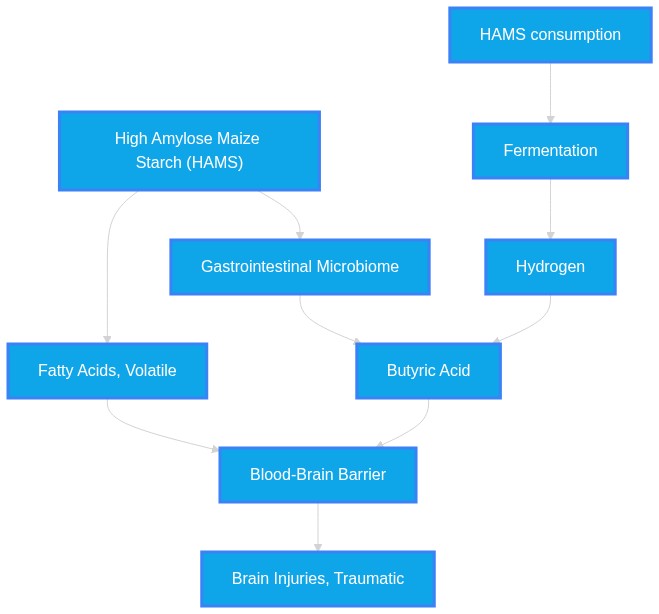
PathMap Image Not Found