PathMap Literature Based Discovery Engine
Share your Discovery:
Guaranteed to find unpublished literature based discoveries.
Discovery: Considering PubMed #41177462, intranasal S-GEVs co-functionalized with ApoE peptides may bypass the cribriform plate and target astrocytic LRP1 receptors in order to suppress NF-κB and may resolve some neuroinflammation in Alzheimer's and ALS.


Administration, Intranasal
_gates_from_administration__intranasal
Blood-Brain Barrier
_gates_to_blood_brain_barrier
Apolipoproteins E
_gates_from_apolipoproteins_e
Low Density Lipoprotein Receptor-Related Protein-1
_gates_to_low_density_lipoprotein_receptor_related_protein_1
Signal Transduction
_gates_from_signal_transduction
Neuroinflammatory astrocyte subtypes in the mouse brain
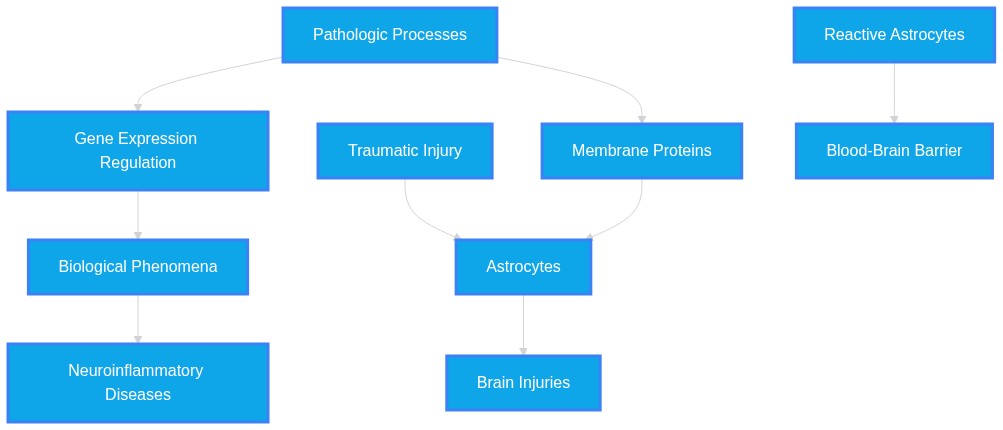

Pathologic Processes
_gates_from_pathologic_processes
Gene Expression Regulation
_gates_to_gene_expression_regulation
_gates_from_gene_expression_regulation
Biological Phenomena
_gates_to_biological_phenomena
_gates_from_biological_phenomena
Neuroinflammatory Diseases
_gates_to_neuroinflammatory_diseases
Hypothesis: If Botox were injected into the nerve ending on the third toe on the left foot, the toxin can "climb" retrograde from toe through motor neurons eventually to the brain and temporarily inhibit vesicular docking "from toe to head", potentially allowing a timed pharmacological therapeutic window for toxic EV clearance through the lymph system instead of docking and seeding.
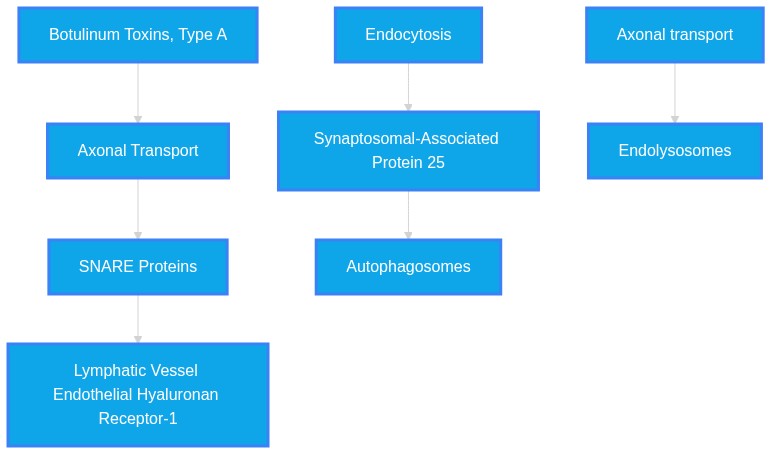

Botulinum Toxins, Type A
_gates_from_botulinum_toxins__type_a
Axonal Transport
_gates_to_axonal_transport
_gates_from_axonal_transport
SNARE Proteins
_gates_to_snare_proteins
_gates_from_snare_proteins
Lymphatic Vessel Endothelial Hyaluronan Receptor-1
_gates_to_lymphatic_vessel_endothelial_hyaluronan_receptor_1
Ferroptosis


Use of MBTPS1 inhibitors is a plausible strategy to prevent the terminal phase of nuclear death in specific cellular contexts.


Membrane-Bound Transcription Factor Peptidase, Site 1
_gates_from_membrane_bound_transcription_factor_peptidase__site_1
SREBP Activation
_gates_to_srebp_activation
_gates_from_srebp_activation
Cellular Lipid Homeostasis
_gates_to_cellular_lipid_homeostasis
_gates_from_cellular_lipid_homeostasis
Terminal Cell Death
_gates_to_terminal_cell_death
Parkinson's Disease versus Alzheimer's Disease: Shared and Exclusive Pathways


Pathologic Processes
_gates_from_pathologic_processes
Mitochondrial Diseases
_gates_to_mitochondrial_diseases
Lipid Metabolism Disorders
_gates_from_lipid_metabolism_disorders
Lipid Droplet Accumulation
_gates_to_lipid_droplet_accumulation
_gates_from_lipid_droplet_accumulation
Lysosomal Storage Diseases
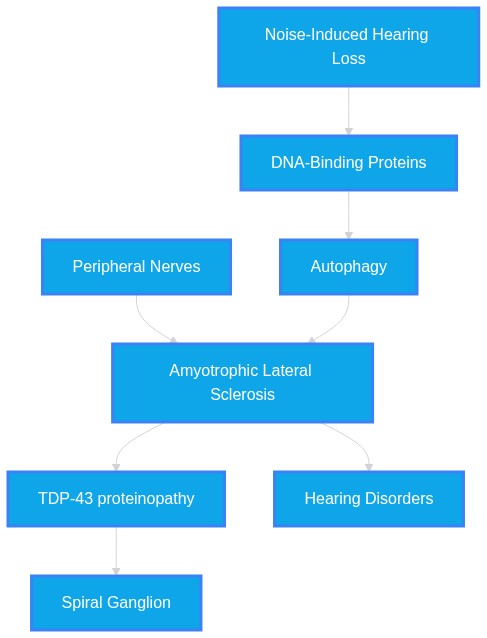
ALS; FUS; STMN2; TDP-43; protein translation; stress granule


Is TDP-43 proteinopathy associated with toxoplasmosis?


The ALS-T2D comorbidity is driven by a bidirectional, exosome-mediated proteostatic collapse. Peripheral tissues (muscle, pancreas) dictate CNS TDP-43 stability via exosomal miRNAs (miR-126a-5p) and glucose-dependent modifications (O-GlcNAcylation). Conversely, pharmacological activation of ubiquitin-peptidases (e.g., Acarbose targeting USP46) or restitution of glycolytic cofactors (F2,6BP) represent novel, cross-disciplinary therapeutic targets capable of halting systemic proteinopathy.


Diabetes Mellitus, Type 2
_gates_from_diabetes_mellitus__type_2
Extracellular Vesicles
_gates_to_extracellular_vesicles
_gates_from_extracellular_vesicles
DNA-Binding Proteins
_gates_to_dna_binding_proteins
_gates_from_dna_binding_proteins
Amyotrophic Lateral Sclerosis
_gates_to_amyotrophic_lateral_sclerosis
Can inhaled COVID-19 vaccinations be used to help treat COPD?


Pulmonary Disease, Chronic Obstructive
_gates_from_pulmonary_disease__chronic_obstructive
Administration, Inhalation
_gates_to_administration__inhalation
_gates_from_administration__inhalation
Immunity, Mucosal
_gates_to_immunity__mucosal
Mucous Membrane
_gates_to_mucous_membrane
_gates_from_mucous_membrane
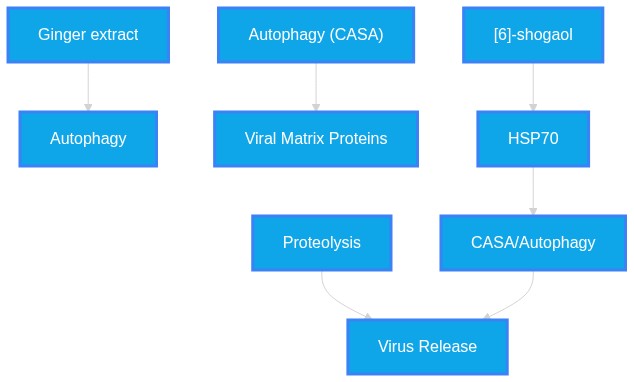
How does autophagy work?