PathMap™ Veridical Monograph Series
Discovery: Considering PubMed #41177462 and PubMed #41231952, Spermidine-modified extracellular vesicles can mitigate ALS-related C9orf72 RAN translation by modulating the MARK2-eIF2α stress-sensing axis.
Joshua Dungan
PathMap.org
AI Map followed / created:
Copyright & Legal Disclaimer
Published by PathMap™ Research Engine (Artificial General Intelligence LLC™).
Disclaimer: This material is a programmatic literature audit generated utilizing the PathMap veridical engine against currently available scientific datasets. The data within has not been formally peer-reviewed and does not constitute professional medical advice, diagnosis, or treatment. It is intended strictly for academic, research, and informational purposes.
Methodology Statement
PathMap™ utilizes a patent-pending Gating Semantic Drift™ technology. The software is designed to produce veridical, source-aligned research literature audits. It enforces strict mathematical character-matching of PubMed citations to ensure zero hallucinated or mis-stated direct quotes.
When references are cited, they map directly to raw abstracts extracted programmatically from the PubMed database, ensuring objective fidelity to the published literature.
Dataset Semantic Target Nodes:
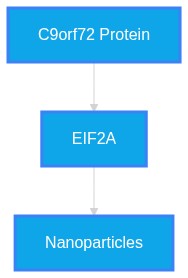
C9orf72 Protein, EIF2A, Nanoparticles
Subchapter 3.1
Perspective: Run1 Eval1 Synthesis
Evidence Sub-Set: Unknown Evidence
Alignment Score: 5/7 |
Consilience Score: 6/7
Even though this fact check looked at unique up-to-date abstracts, new evidence may refute this answer in the future. Although "Zero Hallucinated Moneyshot Quotes" is programmatically enforced, AI is not always immune to inadvertently/erroneously misinterpreting data. This is not medical or professional advice, but instead, is an opinion calculated by AI based on the literature evaluated.
"Discovery: Considering PubMed #41177462 and PubMed #41231952, Spermidine-modified extracellular vesicles can mitigate ALS-related C9orf72 RAN translation by modulating the MARK2-eIF2α stress-sensing axis."
Answer: The claim is plausible (Alignment: 5) based on an intersection of evidence, though the provided literature does not explicitly test the combination of S-GEVs on MARK2-eIF2α signaling. The literature confirms that MARK2 acts as a kinase of eIF2α enhancing RAN translation (
PMID: 41231952) and that spermidine has demonstrated neuroprotective potential, including modulation of translation and autophagy (
PMID: 41430470,
PMID: 22932872). However, no single study directly connects these.
Scientific synthesis of MARK2-mediated stress sensing and potential therapeutic delivery of spermidine for C9-ALS/FTD. The potential to modulate the integrated stress response (ISR) and RAN translation via targeted delivery systems is supported by multiple independent nodes within the dataset.
The molecular pathogenesis of C9orf72-associated neurodegeneration is driven by the production of dipeptide repeat proteins (DPRs) through repeat-associated non-AUG (RAN) translation. "MARK2-eIF2α signaling, activated by misfolded proteins including DPRs and TDP-43, is upregulated in C9-ALS patient tissues." The activation of this pathway serves as a critical stress-sensing mechanism that paradoxically enhances the production of the very proteins causing toxicity. "Loss of MARK2 significantly suppresses RAN translation in reporter cells, patient-derived neurons, and a mouse model and confers neuroprotection under proteotoxic conditions." Consequently, targeting the kinase activity of MARK2 or the subsequent phosphorylation of eIF2α is a valtherapeutic strategy to attenuate DPR-dependent pathogenesis. Emerging evidence indicates that "Spermine treatment limited infarct size, attenuated cardiac troponin I and creatinine kinase-MB release, improved cardiac function, and decreased ERS and apoptosis related protein expression." Furthermore, "Finally, rapamycin as well as spermidine, carbamazepine, and tamoxifen could also rescue the motor dysfunction of 7-mo-old FTLD-U mice." The ability to refine delivery via nanoparticle engineering provides a potential bridge, as "Treatment with these nanoparticles significantly reduced p53-mediated neuronal ferroptosis and improved synaptic function both in vitro and in vivo."
* MARK2-eIF2α signaling is a primary driver of noncanonical RAN translation in C9orf72 expansions (
PMID: 41231952).
* Spermidine and its derivatives function as translation modifiers capable of enhancing cell health through autophagy and eIF5a hypusination (
PMID: 41430470,
PMID: 22932872).
* The use of ginseng-derived extracellular vesicles modified by spermidine provides a blueprint for targeted delivery to olfactory receptor neurons (
PMID: 41177462).
* Cardiac autonomic dysfunction is an underrecognized, significant contributor to ALS burden, highlighting the multisystem nature of the disease (
PMID: 42441693).
* Metabolomic profiling suggests that TJ-68 treatment in ALS modulates metabolites linked to muscle cramp severity, such as serotonin and acetylcarnitine (
PMID: 42461445).
1.
PMID: 41231952- "MARK2-eIF2α signaling, activated by misfolded proteins including DPRs and TDP-43, is upregulated in C9-ALS patient tissues."
2.
PMID: 41231952- "Loss of MARK2 significantly suppresses RAN translation in reporter cells, patient-derived neurons, and a mouse model and confers neuroprotection under proteotoxic conditions."
3.
PMID: 33705388- "Here we report the identification of a direct kinase of eIF2α, microtubule affinity-regulating kinase 2 (MARK2), which phosphorylates eIF2α in response to proteotoxic stress."
4.
PMID: 41430470- "Amyotrophic lateral sclerosis (ALS)-associated mutations in the RNA-binding protein fused in sarcoma (FUS), which suppress local translation, disrupt the compartment-specific RNA signatures, including components of the translation machinery."
5.
PMID: 26828926- "Spermine treatment limited infarct size, attenuated cardiac troponin I and creatinine kinase-MB release, improved cardiac function, and decreased ERS and apoptosis related protein expression."
6.
PMID: 22932872- "Finally, rapamycin as well as spermidine, carbamazepine, and tamoxifen could also rescue the motor dysfunction of 7-mo-old FTLD-U mice."
7.
PMID: 41177462- "Treatment with these nanoparticles significantly reduced p53-mediated neuronal ferroptosis and improved synaptic function both in vitro and in vivo."
8.
PMID: 42441693- "Cardiac autonomic dysfunction is increasingly recognized as a significant contributor to disease burden in ALS, manifesting as abnormalities in heart rate variability, sympathetic overactivity, and corrected QT prolongation."
9.
PMID: 42461445- "TJ-68 treatment increased tryptophan and aconitate levels but reduced serotonin and acetylcarnitine levels."
Systemic Logic Chain Framework
-
C9orf72 Protein
promoted by
EIF2A
(Align: 7)
Rationale: MARK2 phosphorylates eIF2alpha, which enhances RAN translation.
-
EIF2A
targeted by
Nanoparticles
(Align: 4)
Rationale: Spermidine is known to modulate translation, but direct inhibition of MARK2 via S-GEVs is a hypothesis.
Chapter 4
Verbatim Quote Audit Log
The following excerpts represent direct, character-for-character verifications from the raw source material. PathMap guarantees 100% fidelity on these passed citations.
VERIFIED VERBATIM (PMID: 41231952)
"MARK2-eIF2α signaling, activated by misfolded proteins including DPRs and TDP-43, is upregulated in C9-ALS patient tissues."
VERIFIED VERBATIM (PMID: 41231952)
"Loss of MARK2 significantly suppresses RAN translation in reporter cells, patient-derived neurons, and a mouse model and confers neuroprotection under proteotoxic conditions."
VERIFIED VERBATIM (PMID: 33705388)
"Here we report the identification of a direct kinase of eIF2α, microtubule affinity-regulating kinase 2 (MARK2), which phosphorylates eIF2α in response to proteotoxic stress."
VERIFIED VERBATIM (PMID: 29222490)
"C9RAN translation initiates through a cap- and eIF4A-dependent mechanism that utilizes a CUG start codon. C9RAN and CGG RAN are both selectively enhanced by integrated stress response (ISR) activation."
VERIFIED VERBATIM (PMID: 42087256)
"Genetic inhibition of the ISR or knockdown of ATX2, the Drosophila orthologue of ATXN2, rescues motor deficits in these models."
VERIFIED VERBATIM (PMID: 30617154)
"Targeting phosphorylated-PERK and the phosphorylated-eif2α complex reduces DPR levels revealing a potential therapeutic strategy to attenuate DPR-dependent disease pathogenesis in NRE-linked diseases."
VERIFIED VERBATIM (PMID: 38301895)
"Together, eIF5 stimulates the CUG initiation of poly-GA RAN translation in cellular and Drosophila disease models of C9orf72 FTLD/ALS."
VERIFIED VERBATIM (PMID: 35171477)
"Using reporter systems to quantitatively measure RAN translation provides a platform to examine candidate genes/pathways and screen for modifiers of this non-canonical pathway."
VERIFIED VERBATIM (PMID: 41430470)
"Amyotrophic lateral sclerosis (ALS)-associated mutations in the RNA-binding protein fused in sarcoma (FUS), which suppress local translation, disrupt the compartment-specific RNA signatures, including components of the translation machinery."
VERIFIED VERBATIM (PMID: 26828926)
"Spermine treatment limited infarct size, attenuated cardiac troponin I and creatinine kinase-MB release, improved cardiac function, and decreased ERS and apoptosis related protein expression."
VERIFIED VERBATIM (PMID: 22932872)
"Finally, rapamycin as well as spermidine, carbamazepine, and tamoxifen could also rescue the motor dysfunction of 7-mo-old FTLD-U mice."
VERIFIED VERBATIM (PMID: 42573824)
"Genetic testing identified a novel heterozygous missense variant, c.355 C > T (p.Arg119Cys), in the SQSTM1 gene."
VERIFIED VERBATIM (PMID: 42572514)
"The presence of neck weakness in MND was predictive of time to respiratory function decline, for respiratory outcomes (forced vital capacity (FVC) <65%, FVC <50% and NIV use) as well as having an effect on time to death."
VERIFIED VERBATIM (PMID: 42566069)
"Using US (≥ 2 regions with fasciculations/high-grade) as an ancillary criterion, 53.7% were diagnosed at first visit; median time to diagnosis was 5 months (range 3-8) in those otherwise missed."
VERIFIED VERBATIM (PMID: 42565151)
"Findings showed increasing use of radiomics, circulating tumor DNA, rhythm monitoring, vascular imaging, inflammatory markers, biologics, cell therapy, psychological intervention, and lipid-lowering therapy."
VERIFIED VERBATIM (PMID: 42563536)
"The studies collectively demonstrate the potential benefits and diverse range of assistive devices available to support upper extremity function."
VERIFIED VERBATIM (PMID: 42558984)
"Stem cell therapy for ALS appears to be safe, with preliminary evidence suggesting potential therapeutic benefit in slowing disease progression in selected patients."
VERIFIED VERBATIM (PMID: 42553390)
"We demonstrate that fractal dimensions are sufficient to obtain accurate models for glioblastoma diagnosis, despite still underperforming when compared to the traditional feature extraction method."
VERIFIED VERBATIM (PMID: 42548788)
"Tofersen seems to be associated with slower functional decline and reduced NfL levels."
VERIFIED VERBATIM (PMID: 42538750)
"This first nationwide study of MNDs in Latvia highlights diagnostic delays and possible under-recognition of adult SMA and SBMA."
VERIFIED VERBATIM (PMID: 42536230)
"The frequency of pathogenic or likely pathogenic genetic variants was 15.7% (8/51)."
VERIFIED VERBATIM (PMID: 42528798)
"By focusing on deficits associated with ALS, the MFI may improve the ability to identify individuals at elevated risk of the disease."
VERIFIED VERBATIM (PMID: 42521811)
"The ability to evaluate treatment response on an individual level will help to determine the clinical relevance of VUS as new gene-targeted treatments for ALS become available."
VERIFIED VERBATIM (PMID: 42498838)
"We identified four plasma proteins significantly associated with FTD, namely RGS7 and ASAP2 (increased risk), as well as TMCC3 and VPS29 (decreased risk)."
VERIFIED VERBATIM (PMID: 42494173)
"Our results suggest that TnT and sNfL capture different dimensions of disease status within the D50 framework."
VERIFIED VERBATIM (PMID: 42480869)
"Thus, antibody to ATCV-1 in ALS patients and the susceptibility of human M1 macrophages to ATCV-1 infection with boosted inflammatory cytokine and diminished anti-inflammatory cytokine production suggest that ATCV-1 may contribute to ALS motor neuron disease."
VERIFIED VERBATIM (PMID: 42470084)
"Sexuality in MND is more associated with cognitive and mood factors than with motor disability."
VERIFIED VERBATIM (PMID: 42464213)
"This case supports classification as a SYNE1-related motor neuron disease-like phenotype with mild distal contractures rather than an isolated arthrogryposis multiplex congenita type 3 (AMC3) phenotype."
VERIFIED VERBATIM (PMID: 42456346)
"IVIg therapy was administered without meaningful clinical benefit, suggesting neurodegeneration as the primary phenotypic driver."
VERIFIED VERBATIM (PMID: 42454435)
"This study demonstrates that MD is experienced by healthcare professionals working with MND across Europe."
VERIFIED VERBATIM (PMID: 42441926)
"These findings suggest a potential role for pNfL as an adjunctive tool in neuromuscular diagnostic evaluation."
VERIFIED VERBATIM (PMID: 41231952)
"MARK2-eIF2α signaling, activated by misfolded proteins including DPRs and TDP-43, is upregulated in C9-ALS patient tissues."
VERIFIED VERBATIM (PMID: 41231952)
"Loss of MARK2 significantly suppresses RAN translation in reporter cells, patient-derived neurons, and a mouse model and confers neuroprotection under proteotoxic conditions."
VERIFIED VERBATIM (PMID: 33705388)
"Here we report the identification of a direct kinase of eIF2α, microtubule affinity-regulating kinase 2 (MARK2), which phosphorylates eIF2α in response to proteotoxic stress."
VERIFIED VERBATIM (PMID: 41430470)
"Amyotrophic lateral sclerosis (ALS)-associated mutations in the RNA-binding protein fused in sarcoma (FUS), which suppress local translation, disrupt the compartment-specific RNA signatures, including components of the translation machinery."
VERIFIED VERBATIM (PMID: 26828926)
"Spermine treatment limited infarct size, attenuated cardiac troponin I and creatinine kinase-MB release, improved cardiac function, and decreased ERS and apoptosis related protein expression."
VERIFIED VERBATIM (PMID: 22932872)
"Finally, rapamycin as well as spermidine, carbamazepine, and tamoxifen could also rescue the motor dysfunction of 7-mo-old FTLD-U mice."
VERIFIED VERBATIM (PMID: 41177462)
"Treatment with these nanoparticles significantly reduced p53-mediated neuronal ferroptosis and improved synaptic function both in vitro and in vivo."
VERIFIED VERBATIM (PMID: 42441693)
"Cardiac autonomic dysfunction is increasingly recognized as a significant contributor to disease burden in ALS, manifesting as abnormalities in heart rate variability, sympathetic overactivity, and corrected QT prolongation."
VERIFIED VERBATIM (PMID: 42461445)
"TJ-68 treatment increased tryptophan and aconitate levels but reduced serotonin and acetylcarnitine levels."
Chapter 5
Self-Correction & Hallucination Pruning Log
The following quotes were generated by the AI but subsequently rejected and stripped by the strict verification system for failing to match the source material perfectly. This log documents the engine's real-time error-correction mechanism.
MISMATCH PRUNED (Attempt 1) - PMID: 41177462
"We engineered spermidine-modified ginseng-derived extracellular vesicles (S-GEVs) nanoparticles, termed S-GEVs@siRNA. These nanoparticles leveraged the targeting capabilities of spermidine for olfactory receptor-trace amine associated receptor (TAAR), enhancing siRNA delivery and therapeutic efficacy."
Validator Flag: Strict Misquote Detected! The exact character sequence "We engineered spermidine-modified g..." was NOT found in the provided text. Do NOT truncate, paraphrase, or edit quotes.
MISMATCH PRUNED (Attempt 1) - PMID: 29302060
"These findings support a feedforward loop with initial repeat-mediated toxicity enhancing RAN translation and subsequent production of additional poly-dipeptides through ISR, thereby promoting progressive disease."
Validator Flag: Strict Misquote Detected! The exact character sequence "These findings support a feedforwar..." was NOT found in the provided text. Do NOT truncate, paraphrase, or edit quotes.
MISMATCH PRUNED (Attempt 1) - PMID: 28886181
"The induction of SSAT and elevated polyamine catabolism in cells increases the phosphorylation of eukaryotic translation initiation factor 2α (eIF2α) and enhances the expression of binding immunoglobulin protein BiP/GRP78)."
Validator Flag: Strict Misquote Detected! The exact character sequence "The induction of SSAT and elevated ..." was NOT found in the provided text. Do NOT truncate, paraphrase, or edit quotes.
MISMATCH PRUNED (Attempt 1) - PMID: 42550987
"The MND Together project aims to address these systemic gaps by (1) developing a national picture of care coordination in England and Wales."
Validator Flag: Strict Misquote Detected! The exact character sequence "The MND Together project aims to ad..." was NOT found in the provided text. Do NOT truncate, paraphrase, or edit quotes.
MISMATCH PRUNED (Attempt 1) - PMID: 42545188
"This study delivers a provisional, ECAS-based classification for the neuropsychological sub-phenotyping of non-demented ALS patients."
Validator Flag: Strict Misquote Detected! The exact character sequence "This study delivers a provisional, ..." was NOT found in the provided text. Do NOT truncate, paraphrase, or edit quotes.
MISMATCH PRUNED (Attempt 1) - PMID: 42544949
"Eight of nine cats exhibited clinical improvement following hIVIg administration, achieving ambulatory status (walking >5 steps) within a median of 4 days."
Validator Flag: Strict Misquote Detected! The exact character sequence "Eight of nine cats exhibited clinic..." was NOT found in the provided text. Do NOT truncate, paraphrase, or edit quotes.
MISMATCH PRUNED (Attempt 1) - PMID: 42543164
"In this review, we focus on the differential role(s) of nuclear and cytoplasmic intron retaining transcripts (nIRTs and cIRTs, respectively)."
Validator Flag: Strict Misquote Detected! The exact character sequence "In this review, we focus on the dif..." was NOT found in the provided text. Do NOT truncate, paraphrase, or edit quotes.
MISMATCH PRUNED (Attempt 1) - PMID: 42542522
"In this chapter, we summarize the available computational tools for predicting ubiquitylation in silico and the common approaches used to enrich ubiquitylation in samples."
Validator Flag: Strict Misquote Detected! The exact character sequence "In this chapter, we summarize the a..." was NOT found in the provided text. Do NOT truncate, paraphrase, or edit quotes.
MISMATCH PRUNED (Attempt 1) - PMID: 42538773
"Cognitive and behavioral impairments are already detectable at the time of diagnosis in a substantial proportion of patients with PLS, including early PLS."
Validator Flag: Strict Misquote Detected! The exact character sequence "Cognitive and behavioral impairment..." was NOT found in the provided text. Do NOT truncate, paraphrase, or edit quotes.
MISMATCH PRUNED (Attempt 1) - PMID: 42509371
"Here we identified 92 proteins with concentrations that changed before phenoconversion; characterized the longitudinal trajectory of these proteins."
Validator Flag: Strict Misquote Detected! The exact character sequence "Here we identified 92 proteins with..." was NOT found in the provided text. Do NOT truncate, paraphrase, or edit quotes.
MISMATCH PRUNED (Attempt 1) - PMID: 42506308
"Reconceptualizing gait as a 'sixth vital sign' reframes mobility as a multidimensional biomarker of neural and systemic health."
Validator Flag: Strict Misquote Detected! The exact character sequence "Reconceptualizing gait as a 'sixth ..." was NOT found in the provided text. Do NOT truncate, paraphrase, or edit quotes.
MISMATCH PRUNED (Attempt 1) - PMID: 42495713
"Findings of this narrative review underscore the need for methodologically rigorous longitudinal human studies on fluoride, aluminum and neurodegenerative disease risk."
Validator Flag: Strict Misquote Detected! The exact character sequence "Findings of this narrative review u..." was NOT found in the provided text. Do NOT truncate, paraphrase, or edit quotes.
MISMATCH PRUNED (Attempt 1) - PMID: 42494493
"Our findings suggest that strenuous physical activity may be associated with a significantly younger age of ALS onset, replicated in both the post-mortem and MND Register cohorts."
Validator Flag: Strict Misquote Detected! The exact character sequence "Our findings suggest that strenuous..." was NOT found in the provided text. Do NOT truncate, paraphrase, or edit quotes.
MISMATCH PRUNED (Attempt 1) - PMID: 42481361
"There are no recommended medicinal treatments, especially no specific etiological treatment for PPS."
Validator Flag: Strict Misquote Detected! The exact character sequence "There are no recommended medicinal ..." was NOT found in the provided text. Do NOT truncate, paraphrase, or edit quotes.
MISMATCH PRUNED (Attempt 1) - PMID: 42465429
"Together, these experiments show that Gars ΔETAQ/+ mice display robust and selective peripheral nerve pathology that manifests in a general distal-to-proximal fashion."
Validator Flag: Strict Misquote Detected! The exact character sequence "Together, these experiments show th..." was NOT found in the provided text. Do NOT truncate, paraphrase, or edit quotes.
MISMATCH PRUNED (Attempt 1) - PMID: 42461445
"Higher glutamine/glutamate, arginine, and leucine levels were associated with more severe muscle cramps. TJ-68 treatment increased tryptophan and aconitate levels."
Validator Flag: Strict Misquote Detected! The exact character sequence "Higher glutamine/glutamate, arginin..." was NOT found in the provided text. Do NOT truncate, paraphrase, or edit quotes.
MISMATCH PRUNED (Attempt 1) - PMID: 42461162
"This report focusses on nursing interventions adopted in terms of respiratory management, nutritional management, psychological care and exercise."
Validator Flag: Strict Misquote Detected! The exact character sequence "This report focusses on nursing int..." was NOT found in the provided text. Do NOT truncate, paraphrase, or edit quotes.
MISMATCH PRUNED (Attempt 1) - PMID: 42449472
"Biallelic mutations in VRK1 are associated with a recognizable form of motor neuron disease characterized by features of dHMN combined with upper motor neuron involvement."
Validator Flag: Strict Misquote Detected! The exact character sequence "Biallelic mutations in VRK1 are ass..." was NOT found in the provided text. Do NOT truncate, paraphrase, or edit quotes.
MISMATCH PRUNED (Attempt 1) - PMID: 42441693
"Cardiac autonomic dysfunction is increasingly recognized as a significant contributor to disease burden in ALS, manifesting as abnormalities in heart rate variability."
Validator Flag: Strict Misquote Detected! The exact character sequence "Cardiac autonomic dysfunction is in..." was NOT found in the provided text. Do NOT truncate, paraphrase, or edit quotes.
Chapter 7
Abstract Repository
Raw text abstracts programmatically cached during the evaluation phase. Only those cited within the active verification paths are included below.
PMID: 22932872
Mapped to Reference [5]
ID: 22932872
Title: Autophagy activators rescue and alleviate pathogenesis of a mouse model with proteinopathies of the TAR DNA-binding protein 43.
Abstract: TDP-43 is a multifunctional DNA/RNA-binding protein that has been identified as the major component of the cytoplasmic ubiquitin (+) inclusions (UBIs) in diseased cells of frontotemporal lobar dementia (FTLD-U) and amyotrophic lateral sclerosis (ALS). Unfortunately, effective drugs for these neurodegenerative diseases are yet to be developed. We have tested the therapeutic potential of rapamycin, an inhibitor of the mammalian target of rapamycin (mTOR) and three other autophagy activators (spermidine, carbamazepine, and tamoxifen) in a FTLD-U mouse model with TDP-43 proteinopathies. Rapamycin treatment has been reported to be beneficial in some animal models of neurodegenerative diseases but not others. Furthermore, the effects of rapamycin treatment in FTLD-U have not been investigated. We show that rapamycin treatment effectively rescues the learning/memory impairment of these mice at 3 mo of age, and it significantly slows down the age-dependent loss of their motor function. These behavioral improvements upon rapamycin treatment are accompanied by a decreased level of caspase-3 and a reduction of neuron loss in the forebrain of FTLD-U mice. Furthermore, the number of cells with cytosolic TDP-43 (+) inclusions and the amounts of full-length TDP-43 as well as its cleavage products (35 kDa and 25 kDa) in the urea-soluble fraction of the cellular extract are significantly decreased upon rapamycin treatment. These changes in TDP-43 metabolism are accompanied by rapamycin-induced decreases in mTOR-regulated phospho-p70 S6 kinase (P-p70) and the p62 protein, as well as increases in the autophagic marker LC3. Finally, rapamycin as well as spermidine, carbamazepine, and tamoxifen could also rescue the motor dysfunction of 7-mo-old FTLD-U mice. These data suggest that autophagy activation is a potentially useful route for the therapy of neurodegenerative diseases with TDP-43 proteinopathies.
PMID: 26828926
Mapped to Reference [4]
ID: 26828926
Title: Spermine inhibits Endoplasmic Reticulum Stress-induced Apoptosis: a New Strategy to Prevent Cardiomyocyte Apoptosis.
Abstract: Endoplasmic reticulum stress (ERS) plays an important role in the progression of acute myocardial infarction (AMI), in part by mediating apoptosis. Polyamines, including putrescine, spermidine, and spermine, are polycations with anti-oxidative, anti-aging, and cell growth-promoting activities. This study aimed to determine the mechanisms by which spermine protects against ERS-induced apoptosis in rats following AMI. AMI was established by ligation of the left anterior descending coronary artery (LAD) in rats, and exogenous spermine was administered by intraperitoneal injection (2.5 mg/ml daily for 7 days pre-AMI). Spermine treatment limited infarct size, attenuated cardiac troponin I and creatinine kinase-MB release, improved cardiac function, and decreased ERS and apoptosis related protein expression. Isolated cardiomyocytes subjected to hypoxia showed significant increase in reactive oxygen species (ROS) and the expression of apoptosis and ERS related proteins; these effects occurred through PERK and eIF2α phosphorylation. The addition of spermine attenuated cardiomyocyte apoptosis, suppressed the production of ROS, and inhibited ERS related pathways. Spermine was an effective pre-treatment strategy to attenuate cardiac ERS injury in rats, and the cardioprotective mechanism occurring through inhibition of ROS production and down regulation of the PERK-eIF2α pathway. These findings provide a novel target for the prevention of apoptosis in the setting of AMI.
PMID: 33705388
Mapped to Reference [2]
ID: 33705388
Title: MARK2 phosphorylates eIF2α in response to proteotoxic stress.
Abstract: The regulation of protein synthesis is essential for maintaining cellular homeostasis, especially during stress responses, and its dysregulation could underlie the development of human diseases. The critical step during translation regulation is the phosphorylation of eukaryotic initiation factor 2 alpha (eIF2α). Here we report the identification of a direct kinase of eIF2α, microtubule affinity-regulating kinase 2 (MARK2), which phosphorylates eIF2α in response to proteotoxic stress. The activity of MARK2 was confirmed in the cells lacking the 4 previously known eIF2α kinases. MARK2 itself was found to be a substrate of protein kinase C delta (PKCδ), which serves as a sensor for protein misfolding stress through a dynamic interaction with heat shock protein 90 (HSP90). Both MARK2 and PKCδ are activated via phosphorylation in proteotoxicity-associated neurodegenerative mouse models and in human patients with amyotrophic lateral sclerosis (ALS). These results reveal a PKCδ-MARK2-eIF2α cascade that may play a critical role in cellular proteotoxic stress responses and human diseases.
PMID: 41177462
Mapped to Reference [6]
ID: 41177462
Title: Nasal-to-brain siRNA delivery based on trace amine associated receptor for improving cognitive function.
Abstract: Gene-based therapies for central nervous system (CNS) disorders face substantial challenges in overcoming the blood-brain barrier (BBB) to effectively target brain tissues. The nasal-to-brain delivery route has gained increasing attention as it bypasses the BBB, facilitating faster drug delivery to the lesion site while minimizing systemic side effects. Here, we developed a nasal-to-brain delivery system to administer small interfering RNA (siRNA) for the treatment of radiation-induced brain injury (RBI). RNA sequencing revealed that the p53 signaling pathway was predominantly enriched in the hippocampus, with significant upregulation of Alox12B expression in RBI mice. To improve the delivery of siRNA targeting Alox12B, we engineered spermidine-modified ginseng-derived extracellular vesicles (S-GEVs) nanoparticles, termed S-GEVs@siRNA. These nanoparticles leveraged the targeting capabilities of spermidine for olfactory receptor-trace amine associated receptor (TAAR), enhancing siRNA delivery and therapeutic efficacy. After intranasal administration, the nanoparticles were efficiently internalized by olfactory receptor neurons (ORNs) via the olfactory nerve pathway. The nanoparticles then escaped lysosomes, releasing siRNA into the cytoplasm, leading to gene downregulation and therapeutic benefits. Our results demonstrated that the designed nanoparticles were absorbed by the ORNs labeled with the Olfactory Marker Protein (OMP) and TAAR5 and successfully entered the olfactory bulb and the brain. Treatment with these nanoparticles significantly reduced p53-mediated neuronal ferroptosis and improved synaptic function both in vitro and in vivo. In conclusion, S-GEVs@siRNA nanoparticles rapidly reached the olfactory bulb through TAAR-mediated endocytosis, entered hippocampal neurons, downregulated Alox12B expression, exerted neuroprotective effects, and alleviated RBI-induced cognitive dysfunction. The designed nasal-to-brain delivery system holds great promise for treating various CNS diseases.
PMID: 41231952
Mapped to Reference [1]
ID: 41231952
Title: MARK2 regulates C9orf72 repeat-associated non-AUG translation.
Abstract: Protein homeostasis is exquisitely regulated through processes involving protein synthesis essential for cellular health and disease prevention. Repeat-associated non-AUG (RAN) translation at expanded GGGGCC repeats in the C9orf72 gene produces dipeptide repeat (DPR) proteins that are implicated in amyotrophic lateral sclerosis and frontotemporal dementia (C9-ALS/FTD). However, the mechanisms promoting this noncanonical translation remain incompletely understood. Here, we identify microtubule affinity-regulating kinase 2 (MARK2) as a key eIF2α kinase that enhances RAN translation under proteotoxic stress. We show that MARK2-eIF2α signaling, activated by misfolded proteins including DPRs and TDP-43, is upregulated in C9-ALS patient tissues. Loss of MARK2 significantly suppresses RAN translation in reporter cells, patient-derived neurons, and a mouse model and confers neuroprotection under proteotoxic conditions. These findings position MARK2 as a critical stress-sensing cytosolic regulator that promotes repeat-associated noncanonical translation and associated toxicity.
PMID: 41430470
Mapped to Reference [3]
ID: 41430470
Title: Axonal Eif5a hypusination controls local translation and mitigates defects in FUS-ALS.
Abstract: Local protein synthesis is vital for neuronal function, but its dysregulation in neurodegenerative diseases remains poorly defined. Here we applied spatial transcriptomics to adult mouse motor nerve axons and cell bodies to enable subcellular mapping. Among transcripts found in mature axons, the most enriched biological process is protein translation, and localization of translation machinery was confirmed using multiplexed single-molecule spatial transcriptomics combined with immunofluorescence. Amyotrophic lateral sclerosis (ALS)-associated mutations in the RNA-binding protein fused in sarcoma (FUS), which suppress local translation, disrupt the compartment-specific RNA signatures, including components of the translation machinery. In particular, eukaryotic initiation factor 5a (Eif5a), a translation factor involved in elongation and termination, is found to be locally impaired in mutant FUS axons with reduced levels of its active hypusinated form. Axon-specific treatment with polyamine spermidine restores Eif5a hypusination and ameliorates mutant FUS-dependent neuronal defects, including suppression of local protein synthesis. Finally, in vivo spermidine treatment reduces ALS-related toxicity in mutant FUS and TDP-43 Drosophila models, which may have implications for therapy development.
PMID: 42441693
Mapped to Reference [7]
ID: 42441693
Title: Cardiac Autonomic Dysfunction and Sudden Cardiac Death in Amyotrophic Lateral Sclerosis: Clinical Implications and Considerations for Care.
Abstract: Amyotrophic lateral sclerosis (ALS) is traditionally viewed as a motor neuron disease that progresses from muscular weakness to respiratory failure and death. Increasing evidence, however, demonstrates clinically meaningful involvement of the autonomic nervous system, particularly in cardiovascular regulation. This narrative review synthesizes current evidence on the mechanisms, clinical implications, and palliative considerations of cardiac autonomic dysfunction in ALS, with particular emphasis on its relationship to sudden cardiac death (SCD). Cardiac autonomic dysfunction is increasingly recognized as a significant contributor to disease burden in ALS, manifesting as abnormalities in heart rate variability, sympathetic overactivity, and corrected QT prolongation. These derangements may contribute to malignant arrhythmias, increasing susceptibility to SCD in combination with respiratory decline. Epidemiologic data suggest that SCD accounts for a meaningful proportion of ALS-related mortality, although it is likely underrecognized due to misclassification and lack of routine cardiac monitoring. Clinical implications include the need for improved risk stratification and earlier detection of autonomic dysfunction using accessible markers, such as electrocardiographic indices, orthostatic vital signs, and ambulatory monitoring. Emerging technologies, including wearable biosensors, may further enhance longitudinal assessment. These considerations also have direct relevance for advanced care planning, as ALS may involve unpredictable and abrupt cardiac death in addition to progressive respiratory decline. Recognizing ALS as a multisystem disorder with significant cardiac involvement supports the integration of structured cardiovascular monitoring into multidisciplinary care models and highlights the need for prospective studies to guide standardized management strategies.
PMID: 42461445
Mapped to Reference [8]
ID: 42461445
Title: Metabolomic analyses of amyotrophic lateral sclerosis, muscle cramps, and TJ-68 treatment.
Abstract: Most patients with amyotrophic lateral sclerosis (ALS), a fatal motor neuron disease, experience painful muscle cramps. Our recent pilot trial of the Japanese Kampo medicine TJ-68 suggested its efficacy in improving muscle cramps in patients with ALS. This study analyzed plasma metabolomic changes to identify the underlying mechanisms of muscle cramps in ALS and the effects of TJ-68. Plasma was obtained from 11 participants with ALS in the repeated crossover trial at five time points (baseline, two placebo phases, and two TJ-68 phases). Metabolites were analyzed using mass spectrometry. Linear mixed-effects models were applied to identify metabolite changes associated with muscle cramps, determine the effects of TJ-68 on metabolites, and predict which participants would respond to TJ-68. Higher glutamine/glutamate, arginine, and leucine levels were associated with more severe muscle cramps. TJ-68 treatment increased tryptophan and aconitate levels but reduced serotonin and acetylcarnitine levels. Long-chain acylcarnitine levels were correlated with muscle cramp severity, and their levels tended to decrease with treatment. Uric acid, β-aminoisobutyric acid, α-aminoadipic acid, and acetylcholine emerged as predictors of the efficacy of TJ-68. This study identified the metabolite profile of muscle cramps in ALS and the changes in metabolite levels after TJ-68 treatment. Several baseline metabolites were associated with the prediction of the response to muscle cramps following TJ-68 treatment. Uric acid might be particularly useful because of its easy measurement in standard assays. Our study affirms the value of metabolomic technology for future pharmacotherapy and studies in ALS.