PathMap™ Veridical Monograph Series
NESCO-induced pyroptosis in the peritoneal microenvironment might be attenuated by the upregulation of 11-oxygenated androgens in the systemic circulation.
Joshua Dungan
PathMap.org
AI Map followed / created:
Copyright & Legal Disclaimer
Published by PathMap™ Research Engine (Artificial General Intelligence LLC™).
Disclaimer: This material is a programmatic literature audit generated utilizing the PathMap veridical engine against currently available scientific datasets. The data within has not been formally peer-reviewed and does not constitute professional medical advice, diagnosis, or treatment. It is intended strictly for academic, research, and informational purposes.
Methodology Statement
PathMap™ utilizes a patent-pending Gating Semantic Drift™ technology. The software is designed to produce veridical, source-aligned research literature audits. It enforces strict mathematical character-matching of PubMed citations to ensure zero hallucinated or mis-stated direct quotes.
When references are cited, they map directly to raw abstracts extracted programmatically from the PubMed database, ensuring objective fidelity to the published literature.
Dataset Semantic Target Nodes:
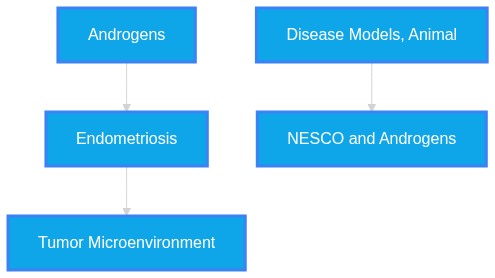
Endometriosis, Tumor Microenvironment, Androgens, Disease Models, Animal, NESCO and Androgens
Subchapter 4.1
Perspective: Run1 Eval1 Synthesis
Evidence Sub-Set: Unknown Evidence
Alignment Score: 4/7 |
Consilience Score: 4/7
Even though this fact check looked at unique up-to-date abstracts, new evidence may refute this answer in the future. Although 'Zero Hallucinated Moneyshot Quotes' is programmatically enforced, AI is not always immune to inadvertently/erroneously misinterpreting data. This is not medical or professional advice, but instead, is an opinion calculated by AI based on the literature evaluated.
"NESCO-induced pyroptosis in the peritoneal microenvironment might be attenuated by the upregulation of 11-oxygenated androgens in the systemic circulation."
The provided literature offers insufficient evidence to support or refute this specific claim. While NESCO is described as an immunogenic programmed cell death pattern linked to endometriosis, and 11-oxygenated androgens are recognized for their androgenic potential, there is no direct evidence in the provided literature establishing a causal or inhibitory link between these two specific entities.
This evaluation synthesizes current research on Necrosis by Sodium Overload (NESCO) and androgen regulation. The original claim—that 11-oxygenated androgen systemic upregulation attenuates NESCO-induced peritoneal pyroptosis—is currently an untested hypothesis in the provided literature.
The provided dataset identifies NESCO as a cell death pattern involved in the endometriosis microenvironment, specifically potentially inhibiting NK cell activation. Separately, 11-oxygenated androgens possess high androgenic potential, but their clinical utility in androgen excess disorders remains underdetermined. The literature provides extensive evidence regarding pyroptosis regulation by natural compounds (such as YQHXF or Baicalin) and metabolic factors, but it contains no study linking NESCO to 11-oxygenated androgens. Consequently, the claim is a logical gap that cannot be validated using the provided source material.
* NESCO is explicitly identified as an immunogenic programmed cell death pattern that may inhibit NK cell activation in the endometriosis microenvironment.
* 11-oxygenated androgens are distinct from conventional androgens and demonstrate high androgenic potency.
* Endometriosis sub-phenotypes show inverse associations with genetically predicted androgen levels, yet no specific link to NESCO-mediated pyroptosis is established.
* YQHXF is effective in reducing ectopic lesion volumes by suppressing NF-κB p65/NLRP3-mediated pyroptosis in endometriosis models.
* PD-1 expression is significantly decreased in peritoneal fluNK and T cell populations of endometriosis patients.
* Caspase-3 acts as a negative feedback brake in GSDMD-mediated pyroptosis, providing a molecular basis for regulating intensity.
* Mitochondrial damage and mtDNA release are established triggers for the cGAS-STING axis in macrophage pyroptosis.
1.
PMID: 42196513- Application: This identifies NESCO. -
"Necrosis by Sodium Overload (NESCO) is a novel immunogenic programmed cell death (PCD) pattern that may potentially inhibit natural killer (NK) cell activation by increasing cytotoxicity and the inflammatory response in the EMT microenvironment."
2.
PMID: 39273637- Application: This discusses 11-oxygenated androgens. -
"11-oxygenated androgens have high androgenic potential, yet their clinical value in those disorders is not clear."
3.
PMID: 39273637- Application: This assesses BPA/inflammation. -
"IH was not confirmed as an inflammatory state, and no differences in BPA levels suggest BPA does not play a role in IH pathogenesis."
4.
PMID: 42447973- Application: This demonstrates pyroptosis attenuation. -
"YQHXF attenuates endometriosis progression, at least in part, by suppressing NF-κB p65/NLRP3 inflammasome-associated pyroptotic signaling and inflammatory injury."
5.
PMID: 42370822- Application: This links ferroptosis to fibrosis. -
"Ferroptosis, an iron-dependent cell death process, has been implicated in organ fibrosis, but its role in PD-related PF remains unexplored."
6.
PMID: 42389264- Application: This discusses metabolic reprogramming. -
"Furthermore, BXD-associated regulation of metabolic reprogramming (e.g., GSK3β and HNF4α) may undermine GC cellular adaptability under therapeutic stress."
7.
PMID: 42366335- Application: This links ascites to spheroids. -
"Ascites enhanced the baseline cell viability and spheroformation of immortalized ovarian cancer cell lines compared to standard cell culture medium."
8.
PMID: 42438088- Application: This highlights PD-1 as an immunopathological feature. -
"The significant decrease in immune checkpoint PD-1 expression represents a novel immunopathological feature of endometriosis and highlights potential therapeutic targets for managing inflammation and pain through immune checkpoint modulation."
9.
PMID: 42388809- Application: This describes GSDMD-mediated pyroptosis triggering. -
"Under light irradiation, the photodynamic effect of IHcy triggered gasdermin D (GSDMD)-mediated pyroptosis (the third pathway), thereby promoting the release of damage-associated molecular patterns."
10.
PMID: 42392288- Application: This identifies caspase-3 as a regulator of GSDMD-mediated pyroptosis. -
"In this study, we observed that caspase-3 is activated during GSDMD-mediated pyroptosis."
Systemic Logic Chain Framework
-
Endometriosis
is an immunogenic cell death pathway in
Tumor Microenvironment
(Align: 7)
Rationale: Source text explicitly defines NESCO's role.
-
Androgens
are active, but their clinical role is
Endometriosis
(Align: 5)
Rationale: Evidence acknowledges their potency but denies clear clinical value definition.
-
Disease Models, Animal
has no evidence linking
NESCO and Androgens
(Align: 4)
Rationale: No source links the two variables.
Gap Analysis Audit
- Study Type/Intent: None / None
- Justification: The provided literature does not investigate the interaction between NESCO-mediated pyroptosis and 11-oxygenated androgens.
- Predicted Result: Inconclusive.
Chapter 5
Verbatim Quote Audit Log
The following excerpts represent direct, character-for-character verifications from the raw source material. PathMap guarantees 100% fidelity on these passed citations.
VERIFIED VERBATIM (PMID: 42196513)
"Necrosis by Sodium Overload (NESCO) is a novel immunogenic programmed cell death (PCD) pattern that may potentially inhibit natural killer (NK) cell activation by increasing cytotoxicity and the inflammatory response in the EMT microenvironment."
VERIFIED VERBATIM (PMID: 39273637)
"11-oxygenated androgens have high androgenic potential, yet their clinical value in those disorders is not clear."
VERIFIED VERBATIM (PMID: 39273637)
"IH was not confirmed as an inflammatory state, and no differences in BPA levels suggest BPA does not play a role in IH pathogenesis."
VERIFIED VERBATIM (PMID: 42447973)
"YQHXF attenuates endometriosis progression, at least in part, by suppressing NF-κB p65/NLRP3 inflammasome-associated pyroptotic signaling and inflammatory injury."
VERIFIED VERBATIM (PMID: 42370822)
"Ferroptosis, an iron-dependent cell death process, has been implicated in organ fibrosis, but its role in PD-related PF remains unexplored."
VERIFIED VERBATIM (PMID: 42389264)
"Furthermore, BXD-associated regulation of metabolic reprogramming (e.g., GSK3β and HNF4α) may undermine GC cellular adaptability under therapeutic stress."
VERIFIED VERBATIM (PMID: 42366335)
"Ascites enhanced the baseline cell viability and spheroformation of immortalized ovarian cancer cell lines compared to standard cell culture medium."
VERIFIED VERBATIM (PMID: 42438088)
"The significant decrease in immune checkpoint PD-1 expression represents a novel immunopathological feature of endometriosis and highlights potential therapeutic targets for managing inflammation and pain through immune checkpoint modulation."
VERIFIED VERBATIM (PMID: 42388809)
"Under light irradiation, the photodynamic effect of IHcy triggered gasdermin D (GSDMD)-mediated pyroptosis (the third pathway), thereby promoting the release of damage-associated molecular patterns."
VERIFIED VERBATIM (PMID: 42196513)
"Necrosis by Sodium Overload (NESCO) is a novel immunogenic programmed cell death (PCD) pattern that may potentially inhibit natural killer (NK) cell activation by increasing cytotoxicity and the inflammatory response in the EMT microenvironment."
VERIFIED VERBATIM (PMID: 39273637)
"11-oxygenated androgens have high androgenic potential, yet their clinical value in those disorders is not clear."
VERIFIED VERBATIM (PMID: 39273637)
"IH was not confirmed as an inflammatory state, and no differences in BPA levels suggest BPA does not play a role in IH pathogenesis."
VERIFIED VERBATIM (PMID: 42447973)
"YQHXF attenuates endometriosis progression, at least in part, by suppressing NF-κB p65/NLRP3 inflammasome-associated pyroptotic signaling and inflammatory injury."
VERIFIED VERBATIM (PMID: 42370822)
"Ferroptosis, an iron-dependent cell death process, has been implicated in organ fibrosis, but its role in PD-related PF remains unexplored."
VERIFIED VERBATIM (PMID: 42389264)
"Furthermore, BXD-associated regulation of metabolic reprogramming (e.g., GSK3β and HNF4α) may undermine GC cellular adaptability under therapeutic stress."
VERIFIED VERBATIM (PMID: 42366335)
"Ascites enhanced the baseline cell viability and spheroformation of immortalized ovarian cancer cell lines compared to standard cell culture medium."
VERIFIED VERBATIM (PMID: 42438088)
"The significant decrease in immune checkpoint PD-1 expression represents a novel immunopathological feature of endometriosis and highlights potential therapeutic targets for managing inflammation and pain through immune checkpoint modulation."
VERIFIED VERBATIM (PMID: 42388809)
"Under light irradiation, the photodynamic effect of IHcy triggered gasdermin D (GSDMD)-mediated pyroptosis (the third pathway), thereby promoting the release of damage-associated molecular patterns."
VERIFIED VERBATIM (PMID: 42392288)
"In this study, we observed that caspase-3 is activated during GSDMD-mediated pyroptosis."
Chapter 8
Abstract Repository
Raw text abstracts programmatically cached during the evaluation phase. Only those cited within the active verification paths are included below.
PMID: 39273637
Mapped to Reference [2]
ID: 39273637
Title: The Role of 11-Oxygenated Androgens and Endocrine Disruptors in Androgen Excess Disorders in Women.
Abstract: Polycystic ovary syndrome (PCOS) and idiopathic hirsutism (IH) are androgen excess disorders requiring the determination of classic androgen levels for diagnosis. 11-oxygenated androgens have high androgenic potential, yet their clinical value in those disorders is not clear. Additionally, the role of endocrine disruptors (EDs), particularly in IH, remains understudied. We analyzed 25 steroids and 18 EDs in plasma samples from women with IH, PCOS, and controls using LC-MS/MS. Cytokine levels and metabolic parameters were assessed. Comparisons included non-obese women with PCOS (n = 10), women with IH (n = 12) and controls (n = 20), and non-obese versus obese women with PCOS (n = 9). Higher levels of 11-oxygenated androgens were observed in women with PCOS compared to those with IH, but not controls. Conversely, 11-oxygenated androgen levels were lower in women with IH compared to controls. Cytokine levels did not differ between women with IH and controls. Bisphenol A (BPA) levels were higher in obese women with PCOS compared to non-obese women with PCOS. Bisphenol S occurrence was higher in women with PCOS (90%) compared to controls (65%) and IH (50%). Significant correlations were found between androgens (11-ketotestosterone, androstenedione, testosterone) and insulin and HOMA-IR, as well as between immunomodulatory 7-oxygenated metabolites of DHEA and nine interleukins. Our data confirms that PCOS is a multiendocrine gland disorder. Higher BPA levels in obese women might exacerbate metabolic abnormalities. IH was not confirmed as an inflammatory state, and no differences in BPA levels suggest BPA does not play a role in IH pathogenesis.
PMID: 42196513
Mapped to Reference [1]
ID: 42196513
Title: Deciphering the Diagnostic and Natural Therapeutic Implications of Necrosis by Sodium Overload and NK Signatures in Endometriosis Patients.
Abstract: Endometriosis (EMT) is characterized by a chronic inflammatory disorder in the female reproductive system, posing significant challenges to global women's health. Necrosis by Sodium Overload (NESCO) is a novel immunogenic programmed cell death (PCD) pattern that may potentially inhibit natural killer (NK) cell activation by increasing cytotoxicity and the inflammatory response in the EMT microenvironment. By integrating three bulk datasets to compare endometrium tissues between endometriosis patients and normal controls and the NESCO gene list from a public database, we identified NK- and NESCO (NN)-associated hub genes via integrative bioinformatic analyses utilizing Limma, WGCNA, CIBERSORT and machine learning frameworks. The diagnostic performance of NN-associated hub genes was evaluated across the three aforementioned datasets and two independent validation sets. Furthermore, their molecular and immune features were estimated at the bulk and single-cell transcriptomic levels. In addition, endometriosis patients were classified into two novel molecular subgroups based on consensus clustering of NN. Finally, the Traditional Chinese Medicine Systems Pharmacology Database and Analysis Platform (TCMSP) and molecular docking were used to identify compounds in Chinese traditional medicine (CTM) that can target NN-associated hub genes for endometriosis treatment. FABP4 and SLC2A1 can be considered NN-associated hub genes that are involved in EMT pathogenesis, and natural compounds including the CTM GuiZhiFuLingWan (GZFLW) can be considered therapeutic agents for EMT treatment as they target FABP4 and SLC2A1. Our study is the first to reveal the diagnostic and druggable roles of NESCO and NK cells, the corresponding molecular and immune features of NN-associated hub genes, and the therapeutic potential of GZFLW.
PMID: 42366335
Mapped to Reference [6]
ID: 42366335
Title: Proteomic analysis of malignant ascites and its impact on ovarian cancer spheroids.
Abstract: Most advanced ovarian cancer patients develop malignant ascites, which describes a buildup of fluid in the peritoneal cavity caused by increased vascular permeability and obstructed lymphatic drainage. Malignant ascites contains cancer cells, which can aggregate as spheroids, as well as stromal cells, cancer-associated fibroblasts, and blood cells that create a complex tumor microenvironment. This study explores the proteome of ascites and how this environment affects the viability, phenotypes, proteomes, and treatment responses of ovarian cancer cells. Using label-free proteomics, we compared the proteomes of cell-free malignant ascites from ovarian cancer patients with those of serum. Additionally, we examined the ex vivo chemotherapy responses of cancer spheroids cultured in ascites. Through detailed proteomic analysis of cells grown as 2D or 3D in tissue culture medium or ascites, we identified biological pathways and specific proteins induced by ascites. Finally, we performed orthogonal validation of a candidate marker, TGM2, using immunofluorescent staining. Proteomics of cell-free ascites identified increased levels of extracellular, secreted, and membrane proteins when compared to serum. Ascites enhanced the baseline cell viability and spheroid formation of immortalized ovarian cancer cell lines compared to standard cell culture medium. However, chemotherapy-induced cell death of spheroids grown in standard cell culture medium remained proportional to changes observed in ascites-cultured spheroids. Ascites-driven phenotypic changes were not recapitulated by adding selected chemokines nor periostin to the cell culture medium, suggesting that additional factors are required. Notably, ascites induced similar ECM, secreted, and membrane proteins across 2D and 3D models, including TGM2, which was validated in spheroids through immunofluorescent staining. This study contributes to our understanding of the role of ascites in the regulation of the proteome and viability of cancer cells. It provides evidence for the induction of TGM2 expression by ascites. Results from this pilot study warrant further study in a larger cohort.
PMID: 42370822
Mapped to Reference [4]
ID: 42370822
Title: Quercetin attenuates peritoneal fibrosis by upregulating ferroptosis-related glutathione peroxidase 4 (GPX4) and solute carrier family 7 member 11 (SLC7A11) in MeT-5A and rat models: Supported by clinical mRNA expression data.
Abstract: BackgroundPeritoneal fibrosis (PF) limits the long-term use of peritoneal dialysis (PD), with effective therapies lacking. Ferroptosis, an iron-dependent cell death process, has been implicated in organ fibrosis, but its role in PD-related PF remains unexplored. Quercetin, a natural flavonoid, possesses potential anti-fibrotic and anti-ferroptotic properties.MethodsPD effluent cells from patients with different dialysis durations were analyzed for the expression of fibrosis markers (α-smooth muscle actin and collagen I) and ferroptosis-related markers (glutathione peroxidase 4 (GPX4) and solute carrier family 7 member 11 (SLC7A11)). In vitro, human peritoneal mesothelial cells (MeT-5A) exposed to high glucose were treated with quercetin to examine its effects on mitochondrial ultrastructure and marker expression. A rat model of PF was established through daily intraperitoneal injection of high-glucose dialysate, with or without quercetin administration, to evaluate histological and molecular changes in the parietal peritoneum.ResultsProlonged dialysis duration was associated with upregulated fibrotic markers and downregulated ferroptosis-related genes in patient samples. In vitro, high glucose induced mitochondrial damage and a profibrotic phenotype in MeT-5A cells, which were significantly attenuated by quercetin. Quercetin restored the expression of GPX4 and SLC7A11, comparable to the effects of the ferroptosis inhibitor ferrostatin-1. In vivo, quercetin treatment markedly alleviated high-glucose-induced peritoneal thickening and fibrosis while enhancing the expression of ferroptosis suppressors.ConclusionOur findings demonstrate that ferroptosis contributes to the pathogenesis of PD-associated PF. Quercetin mitigates fibrotic progression by modulating ferroptosis, highlighting its promise as a novel therapeutic agent for preventing or treating this complication.
PMID: 42388809
Mapped to Reference [8]
ID: 42388809
Title: Invoking ferroptosis and photon-controlled pyroptosis via an integrated therapeutic system for triple-pathway tumor therapy.
Abstract: Antitumor agents that rely solely on apoptosis often fail to disrupt the complementary cell survival cascades. In this study, we developed a redox-responsive integrated therapeutic system (QSH) that exploited ferroptosis and pyroptosis to enhance tumor therapy. QSH consisted of a dihydroorotate dehydrogenase (DHODH in mitochondria) inhibitor (Q, a ferroptosis inducer) and a photosensitiser (IHcy, a pyroptosis trigger) linked by a disulphide bond. Upon entering cancer cells, QSH could effectively target mitochondria by leveraging the mitochondrial membrane potential. Within the highly redox-stressed tumor microenvironment, the disulfide bonds were cleaved by glutathione (GSH), leading to the release of Q and IHcy, which promoted glutathione peroxidase 4 (GPX4)-mediated ferroptosis (the first pathway). The released Q inhibited DHODH activity within mitochondria, thereby disrupting the DHODH-mediated mitochondrial antioxidant system and also promoting ferroptosis (the second pathway). Under light irradiation, the photodynamic effect of IHcy triggered gasdermin D (GSDMD)-mediated pyroptosis (the third pathway), thereby promoting the release of damage-associated molecular patterns. Significantly, QSH completely suppressed tumor growth in 4T1 breast cancer models due to the synchronous activation of ferroptosis and pyroptosis in tumors. This redox-triggered triple-pathway strategy effectively elevated the level of lipid peroxidation within cells, induced immunogenic cell death, and enhanced tumor sensitivity to treatments.
PMID: 42389264
Mapped to Reference [5]
ID: 42389264
Title: Banxia xiexin decoction and its bioactive metabolites: multi-targeted mechanisms for suppressing gastric cancer progression, reversing chemoresistance, and remodeling the tumor microenvironment.
Abstract: Gastric cancer (GC) remains a leading cause of cancer-related mortality worldwide, primarily due to late diagnosis and limited benefit from surgery alone. Although chemotherapy, targeted agents, and immunotherapy have improved outcomes for selected patients, their clinical benefits are often limited by significant toxicity, acquired resistance, and the pronounced molecular heterogeneity of GC. Multi-target therapeutic approaches are therefore urgently needed. Banxia Xiexin Decoction (BXD), a classic Traditional Chinese Medicine formula widely used for gastrointestinal disorders, has emerged as a promising adjuvant candidate for GC treatment. However, the bioactive metabolites and molecular mechanisms of BXD have not been fully clarified. This review comprehensively summarizes current evidence on the anti-GC actions of BXD and its key bioactive metabolites. Mechanistically, BXD inhibits GC cell proliferation and induces apoptosis by regulating cell-cycle checkpoints and inhibiting oncogenic pathways, particularly Wnt/β-catenin and the PI3K/AKT/mTOR axis. These coordinated effects facilitate apoptosis, autophagy modulation, and oxidative stress-related cytotoxicity, and are further linked to reduced epithelial-mesenchymal transition (EMT), invasion, migration, and angiogenesis. The major bioactive metabolites of BXD, such as berberine, baicalin, wogonoside, and glycyrrhizin further reverse chemoresistance by downregulating drug-efflux and survival signaling, thereby enhancing sensitivity to standard agents such as cisplatin, 5-fluorouracil, oxaliplatin, and paclitaxel. BXD also shows potential in suppressing peritoneal metastasis by disrupting pre-metastatic niche formation and in improving anti-tumor immunity through downregulation of PD-L1 via the IL-6/JAK/STAT3 pathway, reduction of immunosuppression, and promotion of immunogenic cell death (ICD). Furthermore, BXD-associated regulation of metabolic reprogramming (e.g., GSK3β and HNF4α) may undermine GC cellular adaptability under therapeutic stress. These findings highlight BXD as a promising multi-component, multi-pathway adjuvant candidate for GC, exerting cooordinated effects on tumor cell survival, metastasis, drug resistance, metabolism, and immune regulation. Nevertheless, limitations of current studies include insufficient investigation of tumor microenvironmental (TME) components (particularly macrophages, exosomes, and mesenchymal stem cells) and a lack of standardized pharmacokinetic/pharmacodynamic characterization (PK/PD). Future research should integrate multi-omics, spatial transcriptomics, and rigorous preclinical and clinical trials to improve reproducibility, clarify active metabolite-target relationships, elucidate BXD-mediated remodeling of the GC TEM to enhance therapeutic responsiveness.
PMID: 42392288
Mapped to Reference [9]
ID: 42392288
Title: Caspase-3 activation is a brake in GSDMD-mediated pyroptosis.
Abstract: Pyroptosis is a form of programmed cell death mediated by gasdermin proteins, with GSDMD and GSDME being the most extensively studied. Inflammatory caspases-1 or caspases-4/5/11 cleave GSDMD and release its pore-forming fragment GSDMD-NT, whereas the apoptotic caspase-3, cleaves GSDME and releases its pore-forming fragment GSDME-NT. In this study, we observed that caspase-3 is activated during GSDMD-mediated pyroptosis. Interestingly, downregulation of caspase-3 activity either through RNAi or caspase-3 inhibitor significantly increased cell death. Furthermore, we found that caspase-3 physically interacts with GSDMD-NT and cleaves it at a site distinct from those targeted by caspase-1 or caspases-4/5/11. This alternative cleavage generates a non-functional fragment of GSDMD-NT, thereby disrupting its integrity. Consequently, we demonstrate that caspase-3 activation serves as a negative feedback mechanism to regulate the intensity of GSDMD-NT-mediated pyroptosis.
PMID: 42438088
Mapped to Reference [7]
ID: 42438088
Title: Decreased PD-1+ NK and T Cell Populations in Peritoneal Fluid contribute to Immune Dysregulation in Endometriosis.
Abstract: Endometriosis is associated with chronic pelvic pain, largely due to immune dysregulation within the peritoneal cavity. The activation status of peritoneal immune cells is not well understood, and comparisons with systemic immune cells may provide insights for diagnosing and treating inflammation and pain in endometriosis. To investigate immune cell activation and inhibition status in peritoneal fluid and blood in endometriosis patients using full-spectrum flow cytometry. This study included patients undergoing laparoscopy for diagnosis or treatment of peritoneal endometriosis or for unrelated conditions; peritoneal fluid was collected from n = 6 endometriosis patients and n = 8 controls, and matched blood from n = 5 endometriosis patients and n = 7 controls. Immune cells were analysed using a 20-marker full-spectrum flow cytometry panel. Data were analysed for statistical significance using the Kruskal-Wallis or Mann-Whitney U test, with a p value below 0.05 considered significant. The main differences between endometriosis and control samples were found in lymphoid populations in peritoneal fluid and myeloid populations in blood. Contrary to our expectations, the expression of PD-1 on peritoneal fluid NK and T cell populations was significantly lower in endometriosis than in controls (p < 0.05). The significant decrease in immune checkpoint PD-1 expression represents a novel immunopathological feature of endometriosis and highlights potential therapeutic targets for managing inflammation and pain through immune checkpoint modulation.
PMID: 42447973
Mapped to Reference [3]
ID: 42447973
Title: Yiqi Huoxue Formula ameliorates endometriosis by suppressing NF-κB p65/NLRP3 inflammasome-associated pyroptotic signaling.
Abstract: Yiqi Huoxue Formula (YQHXF) is an 11-herb hospital-based traditional Chinese medicinal formula developed according to the therapeutic principle of tonifying qi and activating blood circulation. Previous clinical application has suggested its relevance to postoperative ovarian endometriosis with qi deficiency and blood stasis; however, its pharmacological basis remains incompletely understood. This study investigated whether YQHXF attenuates endometriotic lesion progression by modulating NF-κB p65/NLRP3 inflammasome-associated pyroptotic signaling. A rat model of endometriosis was established by autologous endometrial transplantation. LC-HRMS was used to characterize the chemical profile of YQHXF, and RNA sequencing was performed on ectopic lesions. Primary eutopic and ectopic endometrial stromal cells (ESCs) were isolated from patients with endometriosis. p65 overexpression, siRNA-mediated p65 knockdown, the NLRP3 inhibitor MCC950, and the NLRP3 agonist BMS-986299 were used to evaluate pathway involvement. Cell viability, inflammatory cytokines, inflammasome- and pyroptosis-associated markers, transmission electron microscopy, PI/Hoechst staining, and LDH release were assessed. LC-HRMS profiling yielded 287 putatively annotated records and showed recurrent chemical features across three independent YQHXF batches. YQHXF reduced ectopic lesion volume, alleviated histopathological injury, and downregulated Ki-67 and PCNA in vivo. Transcriptomic analysis linked its effects to immune-inflammatory responses, TNF/NF-κB signaling, NOD-like receptor signaling, and cytoskeletal/adhesion remodeling. In EM tissues and ectopic ESCs, NF-κB p65/NLRP3 inflammasome-associated signaling was activated, accompanied by increased IL-1β and IL-18 release, elevated cleaved caspase-1 and GSDMD-N, reduced E-cadherin, and pyroptosis-associated membrane injury. YQHXF suppressed these changes, whereas NLRP3 activation or p65 overexpression partially weakened its protective effects. YQHXF attenuates endometriosis progression, at least in part, by suppressing NF-κB p65/NLRP3 inflammasome-associated pyroptotic signaling and inflammatory injury. These findings provide preclinical mechanistic evidence supporting further investigation of YQHXF as a potential non-hormonal therapeutic candidate for endometriosis.