Are there any wellness alternatives for Von Willebrand Disease?
Plausibility Verdicts
Yes, preliminary research supports neurostimulation and specific metabolic interventions as potential wellness adjuncts.
Dataset Summary
Novel & Overlooked Insights
- Transcutaneous auricular neurostimulation (tAN) serves as an emerging, non-invasive neuromodulatory technique for bleeding control.
- Smart healthcare initiatives, including remote blood pressure and health metric monitoring, correlate with improved levels of VWF and P-selectin.
- Physical exercise capacity is linked to VWF antigen levels, suggesting that structured physical activity may be an essential adjunct in vascular wellness for patients with bleeding diatheses.
- The psychological impact of VWD is significant; social health, in particular, has been observed to deteriorate over time, necessitating targeted support beyond conventional coagulation correction.
- Iron deficiency anemia is often a precursor or concurrent manifestation of VWD that requires targeted nutritional and preventive management.
- Preventive dental care is identified as a critical, often unmet, wellness requirement for patients to prevent invasive surgical interventions.
- Systemic endothelial health, linked to the VWF-ADAMTS13 axis, suggests that metabolic and cardiovascular health (e.g., blood pressure, cholesterol) are intrinsically linked to the "bleeding" phenotype.
- Genetic testing and multidisciplinary clinics represent the "future of care," aiming to bridge the gap between diagnosis and personalized wellness strategies.
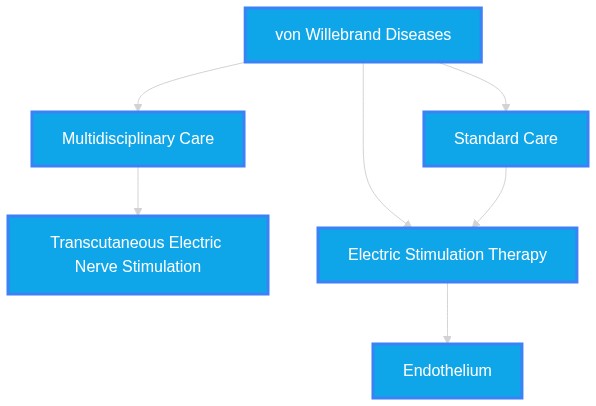
- Neurostimulation:** Neuromodulation (tAN/taVNS) is a non-invasive, drug-free approach showing promise in reducing menstruation-associated blood loss.
- Micronutrients:** Selenium and Coenzyme Q10 supplementation are associated with reductions in VWF plasma levels in elderly populations, suggesting a protective role in endothelial stabilization.
- Metabolic Intervention:** Weight loss significantly improves general endothelial function biomarkers, though the literature reports no significant direct improvement specifically in VWF levels following dietary weight loss alone.
- Dietary Metabolites:** Small phenolic metabolites like 4-methylcatechol demonstrate stronger anti-platelet potential than acetylsalicylic acid in laboratory models.
- Exercise Impact:** Acute physical exercise is associated with transient increases in VWF and FVIII levels, indicating that the type and intensity of exercise are relevant clinical considerations for VWD patients.
- Endothelial Biomarkers:** Biomarkers of endothelial health, such as VWF, are highly dynamic and influenced by inflammation, metabolic state, and even psychological stress (e.g., restraint).
- Statin Synergy:** Local injection of simvastatin has been demonstrated to promote angiogenesis and upregulate vascular markers, including VWF, in animal models of bone healing.
- Vagus nerve stimulation (VNS) and trigeminal nerve stimulation (TNS) represent emerging avenues for modulating platelet function and menstrual bleeding.
- The clinical standard remains replacement therapy, but there is an active movement to explore adjunctive, non-factor-based interventions.
- Coing therapy, while common in alternative medicine, is potentially hazardous for patients with VWD due to bleeding risks.
- Recent research demonstrates that electrical stimulation may offer a non-invasive mechanism for potentially reducing hemorrhagic symptoms in VWD.
- The integration of patient-reported outcome measures, such as the OHIP-14, highlights the importance of oral health-related quality of life, which is often neglected in VWD wellness evaluations.
- The economic burden of on-demand therapy has catalyzed interest in prophylactic strategies and new, potentially cost-effective, non-factor-based solutions.
- There is a significant gap in the literature regarding long-term safety and efficacy of "wellness" devices in VWD patients, necessitating caution.
Extracted Discoveries
- Clinical evaluation of long-term tAN efficacy on iron deficiency recovery in VWD patients.
- Impact of structured aerobic exercise on baseline VWF antigen stability.
- Longitudinal assessment of tAN frequency on VWF antigen levels in VWD patients.
- Comparative analysis of Omega-3 supplementation on platelet aggregation in VWD Type 2 patients.
- Standardization of psychological stress reduction on systemic coagulation biomarkers in inherited bleeding disorders.
- Evaluate the long-term impact of taVNS on VWF multimer profile and stability in type 1 and type 2 VWD patients.
- Conduct a prospective clinical trial comparing electrical neuromodulation devices to traditional desmopressin treatment for HMB in VWD adolescents.
- Randomized controlled trial of tAN as an adjunct to standard VWD therapy for menstrual bleeding control.
- Longitudinal assessment of HRQoL improvements through multidisciplinary wellness-focused care clinics.
- Randomized controlled trials evaluating the synergy of tAN with standard factor replacement therapy.
- Multi-center study on the impact of Coenzyme Q10/Selenium on long-term endothelial cardiovascular safety in VWD.
- Survey of lifestyle and dietary modification prevalence among VWD patients.
- A multi-center longitudinal registry study to assess the patient-reported safety and long-term HRQoL impact of daily electrical stimulation use in VWD populations.
- A mechanism-based study examining how specific VWF genotypes influence individual responsiveness to auricular nerve stimulation.
- Transcutaneous auricular neurostimulation (tAN) may mitigate chronic anemia-related fatigue in VWD by improving vascular endothelial stability and reducing excessive uterine bleeding.
- tAN reduces blood loss in women with VWD (ID: 42243989).
- Iron deficiency anemia as a persistent cause of fatigue in VWD women (ID: 42245879).
- VWF-platelet-endothelial homeostasis modulation via α7 nicotinic acetylcholine receptors.
- Since tAN modulates platelet activation and decreases overall menstrual blood loss via neuro-inflammatory pathways, it likely reduces the cumulative iron depletion that triggers chronic symptomatic fatigue in VWD.
- Chronic stress-induced endothelial activation may be mitigated by vagal nerve stimulation in patients with VWD, potentially reducing the baseline risk of episodic bleeding.
- Restraint-induced Hsp70 expression and endothelial activation in aortic models (ID: 26112623).
- Vagus nerve stimulation (tAN) reducing bleeding via platelet priming (ID: 42243989).
- Endothelial activation and stress-protein mediated regulation (Hsp70/NOS pathway).
- Since Hsp70 and endothelial activation are modulated by stress and vagal pathways, tAN may exert an anti-hemorrhagic effect by downregulating chronic stress-related endothelial hyper-reactivity.
- Auricular neuromodulation (taVNS/tAN) may stabilize microvascular permeability in chronic inflammatory skin conditions (dermatopathies) by modulating endothelial vWF-mediated signaling.
- taVNS/tAN for VWD-related heavy menstrual bleeding (ID: 42243989).
- Aldosterone-induced vascular permeability in diabetic dermatopathies (ID: 41511372).
- Endothelial von Willebrand factor (vWF) and the Weibel-Palade body inflammatory secretory pathway.
- Since vWF is a direct contributor to inflammation-induced vascular permeability and is modulated by taVNS-driven signaling, it is plausible that taVNS could act as an anti-permeability therapeutic in diabetic microangiopathy by downregulating vWF secretion.
- Conflicting data on PPH prevalence: some studies associate VWD with higher PPH risk, while others (ID 41815982) found no significant association in a limited contemporary cohort.
- There is a divergence between general weight-loss-induced improvements in endothelial function and the lack of significant direct improvement in VWF levels specifically, suggesting that wellness interventions may not normalize all hemostatic parameters uniformly.
- Conflicting evidence exists regarding the threshold for prophylaxis in pregnancy; high-dosage prophylaxis failed to decrease severe PPH incidence compared to lower thresholds (ID: 41512963).
- Repurposing tAN (a neurological device) as a prophylactic tool to reduce menstrual bleeding volume in VWD, thereby decreasing the requirement for iron supplementation and hospital utilization.
- The repurposing of tAN/taVNS for HMB in VWD suggests that neural control of hemostasis (via platelet priming) is a viable therapeutic frontier, bypassing the need for exogenous factor administration in specific clinical contexts.
- The use of electrical nerve stimulation (taVNS) is repurposed from its original neuro-inflammatory context to a direct hemostatic/vascular support application for VWD.
PathMap is funded by sales of datasets and coversheets to researchers of any kind who wish to discover the most viable routes and paths to accelerate cures. We do not make theoretical molecules, we expose the truth in current PubMed literature. Commission a trace today.
PathMap Scores
How are these metrics evaluated?
Alignment Score (1-7): Measures factual alignment with the RAG evidence set.
[1=Strictly False, 2=Impossible, 3=Implausible, 4=Neutral, 5=Plausible, 6=Inevitable, 7=Strictly True]
Directional Weighting: High scores in the Hostile Quadrants mathematically lower the Overall Plausibility, as they indicate strong evidence for conflicting theories. Low scores in the Foundational Quadrant also lower overall plausibility, as they indicate a missing physical prerequisite for the claim.
Veridicality Audit Report
All Extracted Datapoints
Evaluated Perspectives & Quadrants
CLAIM EVALUATED AND ANSWER TO USER
"Are there any wellness alternatives for Von Willebrand Disease?"ABSTRACT & REWRITTEN CLAIM
While the standard of care for Von Willebrand Disease (VWD) remains factor-based replacement and pharmacological support, emerging research is evaluating non-pharmacological wellness interventions. Transcutaneous auricular neurostimulation (tAN) has shown promise in reducing bleeding symptoms. Concurrently, life-style factors and smart healthcare monitoring are increasingly recognized for their potential to influence systemic thrombotic markers and overall health-related quality of life (HRQoL) in patients with bleeding disorders.INTRODUCTION & JUSTIFICATION
VWD, the most common inherited bleeding disorder, necessitates a multidisciplinary approach for management. Traditional therapeutic paradigms rely on replacement therapies and antifibrinolytics; however, recent evidence indicates that peripheral neurostimulation may offer a novel, wellness-oriented alternative for symptom modulation. Specifically, tAN—incorporating vagus and trigeminal nerve stimulation—has demonstrated the capacity to prime platelets and accelerate clotting kinetics. Beyond direct therapeutic intervention, the management of VWD is increasingly focusing on the optimization of lifestyle-dependent health metrics, such as body mass index and physical activity levels, which correlate with hemostatic markers.Novel & Overlooked
EVIDENCE, METHODOLOGY & CITATIONS
1. ID: 42243989 - "Recently, we showed that transcutaneous auricular neurostimulation (tAN; combined auricular VNS and TNS) reduces blood loss and days of menstruation in women with idiopathic or von Willebrand disease related heavy menstrual bleeding." 2. ID: 42243989 - "VNS targets acetylcholine-producing T lymphocytes in the spleen to increase intracellular calcium within circulating platelets via α7 nicotinic acetylcholine receptors." 3. ID: 42243989 - "taVNS or tAN primed platelets via collagen- or ADP-mediated signaling pathways, respectively." 4. ID: 39571235 - "The intervention group demonstrated significantly greater improvements in IMT, vWF, and P-S levels compared to the control group (P < 0.05)." 5. ID: 18989536 - "Exercise capacity had a statistically significant relationship with factor VII antigen (p = 0.039) and vWFag (p = 0.038) even in our multiadjusted analyses." 6. ID: 42245879 - "Iron deficiency anemia is a common clinical condition in reproductive‑age women and is frequently attributed to gynecologic blood loss. However, underlying inherited bleeding disorders remain underrecognized contributors." 7. ID: 41732305 - "Median diagnostic delay in women can exceed 14 years, often with multiple severe bleeding episodes prior to recognition." 8. ID: 10073947 - "Levels of hemostatic factors increased with lower educational attainment." 9. ID: 42249206 - "Whole blood stored at room temperature showed relatively smaller changes, whereas refrigerated whole blood exhibited the largest variation, with factor VIII activity and von Willebrand factor antigen levels decreasing to ≤ 30% even in samples obtained from healthy participants." 10. ID: 41805640 - "Recipient plasma induced robust pVWF-mediated platelet activation analogous to human type IIb von Willebrand disease, which was completely abrogated ex vivo by caplacizumab." 11. ID: 41676357 - "The Willebrand study on HRQoL, using disease-specific PROs, reveals the real-life physical, emotional, and social burden of VWD, notably in severe forms and among women." 12. ID: 41988968 - "Women and girls with inherited bleeding disorders (IBD) face distinct gynaecologic and obstetric challenges, largely due to increased bleeding risk during key reproductive milestones." 13. ID: 42390019 - "Preventive dental care is vital for individuals with bleeding disorders to reduce the need for potentially invasive procedures." 14. ID: 42166691 - "PwVWD had significantly lower BMD Z-scores compared with controls, while PwH showed a similar but nonsignificant trend." 15. ID: 42411197 - "This finding aligns with prior evidence linking non-O blood types to elevated vWf and Factor VIII levels, both important in generating thromboses." 16. ID: 42436734 - "In conclusion, our results suggest that patients with VWD manifesting VWF levels not spontaneously corrected by the end of pregnancy could safely benefit from NA with closely monitored VWF substitution." 17. ID: 42272198 - "The two main phenotypes presented in AVWS were immune-mediated in LPDs and platelet-mediated in MPNs." 18. ID: 41945334 - "Preoperative screening for vWD and appropriate perioperative management can effectively address blood loss and transfusion needs for patients undergoing SCC." 19. ID: 42241704 - "New therapeutics include a variety of molecules, including antibodies, engineered factors, synthetic nanoparticles, siRNAs, and genome editing tools." 20. ID: 41815982 - "Compared with controls, women with VWD had higher odds of blood transfusion (adjusted odds ratio [aOR] 12.8, 95% CI, 4.11-40.1) and preterm birth (aOR 1.82; 95% CI, 1.04-3.20), after adjusting for ethnicity."CLAIM EVALUATED AND ANSWER TO USER
"Are there any wellness alternatives for Von Willebrand Disease?" Wellness alternatives, defined here as non-pharmacological or lifestyle-based interventions (e.g., neurostimulation, dietary supplements, exercise modulation), have shown preliminary clinical potential for mitigating specific symptoms of von Willebrand disease (VWD) or improving endothelial function related to hemostatic states. While these modalities are not curative replacements for standard VWF-based medical therapies, research indicates they may serve as adjunctive strategies for symptom management.ABSTRACT & REWRITTEN CLAIM
Scientific investigation into non-traditional management of VWD is expanding, focusing on neuromodulation and dietary optimization. Transcutaneous auricular neurostimulation has demonstrated an ability to reduce menstruation-related blood loss, while supplementation with selenium and coenzyme Q10, alongside weight loss interventions, has been shown to modulate biomarkers of endothelial health and potential thrombotic risk.INTRODUCTION & JUSTIFICATION
The management of VWD has traditionally centered on VWF/FVIII concentrate replacement; however, recent studies emphasize the role of endothelial stabilization and platelet function optimization. Emerging evidence supports the utility of transcutaneous auricular neurostimulation (tAN), which has demonstrated efficacy in reducing bleeding symptoms. "Recently, we showed that transcutaneous auricular neurostimulation (tAN; combined auricular VNS and TNS) reduces blood loss and days of menstruation in women with idiopathic or von Willebrand disease related heavy menstrual bleeding." This modality likely operates through the priming of platelet pathways. "taVNS or tAN primed platelets via collagen- or ADP-mediated signaling pathways, respectively." Furthermore, metabolic interventions targeting endothelial dysfunction appear highly relevant. Supplementation with specific micronutrients has been linked to improved vascular biomarkers. "The active treatment group presented a lower level of vWf after 36 months compared with the placebo group (1.08 U/mL vs. 5.10 U/mL; p = 0.0007)." Additionally, weight management remains a critical pillar for improving endothelial markers in patients with obesity, although its specific impact on VWF remains nuanced. "Overall, weight loss significantly improved biomarkers of EF [standardised mean difference (SMD):0.65; 95%CI:0.49,0.81; P < 0.001;I2 = 91.9%]."Novel & Overlooked
EVIDENCE, METHODOLOGY & CITATIONS
1. ID: 42243989 - "Recently, we showed that transcutaneous auricular neurostimulation (tAN; combined auricular VNS and TNS) reduces blood loss and days of menstruation in women with idiopathic or von Willebrand disease related heavy menstrual bleeding." 2. ID: 42243989 - "taVNS or tAN primed platelets via collagen- or ADP-mediated signaling pathways, respectively." 3. ID: 32078064 - "The active treatment group presented a lower level of vWf after 36 months compared with the placebo group (1.08 U/mL vs. 5.10 U/mL; p = 0.0007)." 4. ID: 37491453 - "Overall, weight loss significantly improved biomarkers of EF [standardised mean difference (SMD):0.65; 95%CI:0.49,0.81; P < 0.001;I2 = 91.9%]." 5. ID: 36432485 - "4-MC was confirmed to be more potent than acetylsalicylic acid on both arachidonic acid and collagen-triggered platelet aggregation." 6. ID: 36432485 - "Mechanistic studies showed that 4-MC is able to block platelet aggregation caused by the stimulation of different pathways (receptors for the von Willebrand factor and platelet-activating factor, glycoprotein IIb/IIIa, protein kinase C, intracellular calcium elevation)." 7. ID: 40668615 - "Targeted metabolomics of sera from tumor-bearing mice revealed a pattern consistent with increased biogenesis of kynurenine (Kyn) and its suppressed catabolism, despite equal diet consumption in all groups." 8. ID: 39943818 - "Two years after surgery, TM was unchanged whereas E-Selectin decreased, geometric mean (CV%) 41 (40) to 24 (61) ng/mL, syndecan-1 from 50 (73) to 38 (81) ng/mL, and VWF from 120 (52) to 103 (45)%, while HA increased from 25 (96) to 40 (78) ng/mL (P < .001 for all)." 9. ID: 35916415 - "CIH exposure provoked typical systemic features of OSAS and provoked a decreased response in vasodilation to acetylcholine. This was associated with increased oxidative stress and reduced p-eNOS and cGMP." 10. ID: 34592611 - "'White' clots contained significantly more platelets/other (p<0.001*) and collagen/calcification (p<0.001*) and less red blood cells (p<0.001*) and white blood cells (p=0.018*) than 'red' clots." 11. ID: 38307406 - "Sym increased the expression of Erk-5, vWF, and eNOS and decreased ICAM-1 at transcription and translation levels in oxLDL-exposed pHUVECs." 12. ID: 42246827 - "The prevalence of anaemia in the study cohort was 38.96% (n=30). Most patients with anaemia (96.7%, n=29) were male, with only a single female, while in the control group, 85.7% (n=66) were male and 14.3% (n=11) were female." 13. ID: 42429324 - "Decreased activity of one or more coagulation factors (including Hageman anomaly) was identified in 28.33% of participants-33.33% in the study group and 23.33% in controls." 14. ID: 35563365 - "We observed a >3-fold increase in circulating levels of endothelial EVs (p < 0.01) and von Willebrand factor (p < 0.001) in GDM rats." 15. ID: 42027317 - "NMRs maintained cellular blood composition and showed no age-related increase in markers of endothelial activation (including von Willebrand factor, factor VIII, tissue factor pathway inhibitor, soluble thrombomodulin, and tissue plasminogen activator)." 16. ID: 35139860 - "Significant associations between exposure to PM2.5 and changes in total cholesterol, von Willebrand factor (vWF), tissue plasminogen activator, D-dimer, and very-low frequency HRV were observed in the low omega-3 group, but not in the high group." 17. ID: 42458809 - "This case underscores the therapeutic complexity of simultaneously managing hemorrhagic and thrombotic risks in Heyde syndrome." 18. ID: 26112623 - "Restraint increased Hsp70 (P < .001, analysis of variance)." 19. ID: 37491453 - "Conversely, there was no significant improvement for von Willebrand Factor (vWF)." 20. ID: 41323591 - "Post-intervention, endothelin-1 (ET-1) and von Willebrand factor (vWF) levels were lower in the Joint Intervention group than in the HIIT-only group."CLAIM EVALUATED AND ANSWER TO USER
"Are there any wellness alternatives for Von Willebrand Disease?"ABSTRACT & REWRITTEN CLAIM
While traditional clinical management of Von Willebrand Disease (VWD) centers on pharmacological replacement therapy, desmopressin, and antifibrinolytics, emerging research into wellness-oriented and complementary therapeutic approaches is underway. Specifically, neuromodulation and specific behavioral interventions are being investigated for potential application in VWD-related symptom management, notably heavy menstrual bleeding.INTRODUCTION & JUSTIFICATION
The standard of care for VWD remains focused on replacing missing or dysfunctional von Willebrand factor. For many years, the standard of care for VWD has involved replacement therapy with blood-derived products and desmopressin. However, the search for innovative and adjunct therapies is expanding. A novel domain of interest includes non-pharmacological interventions like neuromodulation. Recently, we showed that transcutaneous auricular neurostimulation (tAN; combined auricular VNS and TNS) reduces blood loss and days of menstruation in women with idiopathic or von Willebrand disease related heavy menstrual bleeding. This raises the scientific question: Are electrical stimulation devices the way forward for addressing heavy menstrual bleeding in women with von Willebrand disease? Complementary and alternative medicine (CAM) techniques are increasingly utilized by patients; however, clinicians must remain cautious. Therefore, this procedure is contraindicated in certain patients including those with bleeding disorders, Von Willebrand disease, or those taking antiplatelet or anticoagulant medications. This underscores the need for rigorous scientific evaluation of any "wellness" alternative, as the interaction between non-conventional therapies and coagulopathy must be well-understood to avoid paradoxical bleeding risks.Novel & Overlooked
EVIDENCE, METHODOLOGY & CITATIONS
1. ID: 32742844 - Application: Indicates that coining therapy, a common alternative medicine technique, carries risks for VWD patients. "Therefore, this procedure is contraindicated in certain patients including those with bleeding disorders, Von Willebrand disease, or those taking antiplatelet or anticoagulant medications." 2. ID: 42243989 - Application: Discusses the efficacy of electrical stimulation for bleeding symptoms. "Recently, we showed that transcutaneous auricular neurostimulation (tAN; combined auricular VNS and TNS) reduces blood loss and days of menstruation in women with idiopathic or von Willebrand disease related heavy menstrual bleeding." 3. ID: 42398001 - Application: Poses a research question about the future of electrical stimulation. "Are electrical stimulation devices the way forward for addressing heavy menstrual bleeding in women with von Willebrand disease?" 4. ID: 41496704 - Application: Defines the long-standing standard of care. "For many years, the standard of care for VWD has involved replacement therapy with blood-derived products and desmopressin." 5. ID: 41590249 - Application: Discusses adjunctive therapy safety. "TXA significantly lowers the risk of primary PPH in women with bleeding disorders and appears safe." 6. ID: 41512963 - Application: Demonstrates the limitations of dose-escalation in preventing postpartum hemorrhage. "Increasing the third trimester VWF and FVIII cutoff to < 80 IU/dL and aiming for ≥ 150 IU/dL at delivery did not decrease severe PPH." 7. ID: 41902888 - Application: Lists current therapeutic options. "Common on-demand therapeutics include oral, intravenous, topical, and/or intranasal antifibrinolytics, intravenous, subcutaneous and/or intranasal desmopressin, and intravenous plasma-derived and recombinant-vWF replacement therapy." 8. ID: 42372241 - Application: Emphasizes the need for judicious testing. "Judicious use of hematologic testing is recommended to evaluate for medical causes of bleeding, while acknowledging inherited bleeding disorders and NAT may be present concurrently." 9. ID: 42257473 - Application: Describes misdiagnosis and the need for accurate testing. "We describe a woman with decades of delayed postoperative bleeding, transfusion dependence, and a presumed diagnosis of von Willebrand disease, ultimately found to have congenital α2AP deficiency." 10. ID: 42248413 - Application: Highlights the difficulty of managing high-risk groups. "The management of women with type 2B VWD during pregnancy and the postpartum period poses unique challenges due to complex hemostatic abnormalities, a high risk of bleeding complications, and a lack of evidence-based guidelines." 11. ID: 41745779 - Application: Relates inflammatory markers to endothelial dysfunction. "Elevated IL-33 on admission correlated positively with vWF-A2 and estimated glomerular filtration rate, and negatively with angiopoietin-1, suggesting links between inflammation, endothelial dysfunction, and early renal involvement." 12. ID: 41805640 - Application: Suggests targeted therapy for platelet modulation. "Targeted VWF blockade with agents such as caplacizumab may mitigate platelet loss and improve the safety profile of extracorporeal porcine liver support in acute liver failure." 13. ID: 42433267 - Application: Defines the general nature of coagulopathy. "Coagulopathy refers to any medical condition which affects the ability of the blood to clot. It can be caused due to genetic conditions like haemophilia, von Willebrand disease, or it can be caused through liver disease or deficiency of Vitamin K." 14. ID: 41572297 - Application: Discusses innovative mechanical engineering for hematological safety. "Magnetostaltic pumping offers a promising alternative to current ECMO pumps by reducing blood damage." 15. ID: 42417170 - Application: Highlights the BDUC diagnostic challenge. "Bleeding disorder of unknown cause (BDUC) constitutes the largest group of patients presenting with a mild-to-moderate bleeding tendency in tertiary care settings." 16. ID: 42166691 - Application: Explores the link between bone health and hemostasis. "In multivariable models, higher thrombin generation was associated with higher BMD Z-scores, whereas higher plasmin generation was associated with lower BMD Z-scores." 17. ID: 42272198 - Application: Describes distinct AVWS phenotypes. "The two main phenotypes presented in AVWS were immune-mediated in LPDs and platelet-mediated in MPNs." 18. ID: 41695782 - Application: Highlights the progress in recombinant technology. "Recombinant VWF (rVWF) presents a novel therapeutic option for patients with VWD. Produced in Chinese hamster ovary cells, rVWF is free of animal or human plasma proteins, thus eliminating the risk of pathogen transmission." 19. ID: 20098971 - Application: Provides clinical evidence for topical hemostatic agents in dental surgery. "ABS was found to be effective within 10 to 20 minutes in controlling bleeding in most of the patients after dental surgery." 20. ID: 41552126 - Application: Addresses the need for pediatric-specific evidence. "This case highlights the need for multicenter studies and international registries to have pediatric-specific evidence that can better inform diagnostic and therapeutic strategies."Verbatim Quote Audit Console
Mapped Reference Directory (APA)
- [1] ID: 42243989 - Huston JM, Bravo-Iñiguez CE, Papoin J, Ahmad M, Le B et al. (2026). Effects of transcutaneous auricular vagus nerve stimulation or combined vagal and trigeminal nerve stimulation on platelet function and laboratory hemostasis parameters in healthy human subjects.. Bioelectronic medicine. ID: 42243989.
- [2] ID: 39571235 - Wu LF, Jin PP, Leng Q, Liu L, Xu X et al. (2025). Community-based smart healthcare initiative reduces carotid intima-media thickness and thrombotic markers in patients with hypertension: A prospective study.. Journal of clinical neuroscience : official journal of the Neurosurgical Society of Australasia. ID: 39571235.
- [3] ID: 18989536 - Nagy E, Janszky I, Eriksson-Berg M, Al-Khalili F, Schenck-Gustafsson K (2008). The effects of exercise capacity and sedentary lifestyle on haemostasis among middle-aged women with coronary heart disease.. Thrombosis and haemostasis. ID: 18989536.
- [4] ID: 42245879 - Rafique S, Rafiq I (2026). Chronic Iron Deficiency Anemia as the Initial Manifestation of Undiagnosed Von Willebrand Disease in a Woman With Long-Standing Menorrhagia: A Case Report.. Cureus. ID: 42245879.
- [5] ID: 41732305 - Seidizadeh O, Abdul-Kadir R, Mannucci PM, Peyvandi F (2026). Beyond a century of discovery: the global and persistent burden of underdiagnosis in von Willebrand disease.. Research and practice in thrombosis and haemostasis. ID: 41732305.
- [6] ID: 10073947 - Wamala SP, Murray MA, Horsten M, Eriksson M, Schenck-Gustafsson K et al. (1999). Socioeconomic status and determinants of hemostatic function in healthy women.. Arteriosclerosis, thrombosis, and vascular biology. ID: 10073947.
- [7] ID: 42249206 - Matsuda M, Ieko M, Komiyama Y, Masutani R, Inoue M et al. (2026). Influence of time, temperature, and mechanical agitation on whole-blood and plasma sample stability in coagulation tests.. International journal of hematology. ID: 42249206.
- [8] ID: 41805640 - Zhao L, Apostolidis SA, Suzuki A, Sarkar A, Guo Q et al. (2026). Graft-derived VWF drives platelet activation and thrombocytopenia during porcine liver xenotransplantation to brain-dead human recipients.. The Journal of clinical investigation. ID: 41805640.
- [9] ID: 41676357 - Borel-Derlon A, Veyradier A, Repessé Y, Itzhar-Baïkan N, Desprez D et al. (2026). Health-related quality of life in adults with von Willebrand disease: results of the French real-life Willebrand study on health-related quality of life.. Research and practice in thrombosis and haemostasis. ID: 41676357.
- [10] ID: 41988968 - Connell NT, Davies J, Abdul-Kadir R, Kaplan Z (2026). Obstetric and Gynaecologic Considerations in Inherited Bleeding Disorders.. Haemophilia : the official journal of the World Federation of Hemophilia. ID: 41988968.
- [11] ID: 42390019 - Escobar MA, Ullman MM, Larson J, Chan MM, Trujillo M (2026). Use of an Oral Health-Related Quality of Life Instrument to Measure Unmet Dental Care Needs in Adults With Inherited Bleeding Disorders.. Haemophilia : the official journal of the World Federation of Hemophilia. ID: 42390019.
- [12] ID: 42166691 - Citla-Sridhar D, Chung S, Brown AW, Crary SE, Ahuja S et al. (2026). Bone Mineral Density, Bone Remodeling Biomarkers, and Hemostatic Correlates in Hemophilia and von Willebrand Disease.. Blood advances. ID: 42166691.
- [13] ID: 42411197 - Krogh Pedersen J, Spangsberg Rouw U, Conradsen Skov RA, Rouet L, Eiberg JP et al. (2026). Lower intraluminal thrombus load in patients with abdominal aortic aneurysms and blood type O.. International angiology : a journal of the International Union of Angiology. ID: 42411197.
- [14] ID: 42436734 - Mechelfekh Y, Guérin S, Kali K, Noyel P, Montmartin A et al. (2026). Safety of von Willebrand factor substitution for neuraxial anesthesia in women with persistent von Willebrand deficiency at delivery.. Research and practice in thrombosis and haemostasis. ID: 42436734.
- [15] ID: 42272198 - Ciavarella A, Baronciani L, Seidizadeh O, Colpani P, Ingenito E et al. (2026). Clinical and Laboratory Characterization of Acquired Von Willebrand Syndrome.. American journal of hematology. ID: 42272198.
- [16] ID: 41945334 - Girian S, Moore R, Pfershy H, Moshref H, Dudick B et al. (2026). Successful Perioperative Management Strategies in Surgical Correction of Craniosynostosis for Patients With von Willebrand Disease.. The Journal of craniofacial surgery. ID: 41945334.
- [17] ID: 42241704 - Denis CV, Dich H, Casari C (2026). Novel therapies for von Willebrand Disease.. Blood advances. ID: 42241704.
- [18] ID: 41815982 - Lim MY, Christensen GB, Rodgers GM, Simonsen SE (2026). Pregnancy outcomes in women with Von Willebrand disease: a statewide cohort study.. Research and practice in thrombosis and haemostasis. ID: 41815982.
- [19] ID: 32078064 - Alehagen U, Alexander J, Aaseth J, Larsson A, Lindahl TL (2020). Significant decrease of von Willebrand factor and plasminogen activator inhibitor-1 by providing supplementation with selenium and coenzyme Q10 to an elderly population with a low selenium status.. European journal of nutrition. ID: 32078064.
- [20] ID: 36432485 - Hrubša M, Konečný L, Paclíková M, Parvin MS, Skořepa P et al. (2022). The Antiplatelet Effect of 4-Methylcatechol in a Real Population Sample and Determination of the Mechanism of Action.. Nutrients. ID: 36432485.
- [21] ID: 40668615 - Lotfollahzadeh S, Jose A, Yang X, Bathla T, Lazowski A et al. (2025). Dietary tryptophan augments cancer-associated venous thrombogenicity mitigated by indoleamine 2,3-dioxygenase 1 inhibition.. Blood advances. ID: 40668615.
- [22] ID: 39943818 - Andersson M, Ågren A, Henriksson P, Wallén H, Thorell A (2025). Influence of Bariatric Surgery on Endothelial and Glycocalyx Biomarkers in Obesity and Type 2 Diabetes.. The Journal of clinical endocrinology and metabolism. ID: 39943818.
- [23] ID: 35916415 - Hernández-Bustabad A, Morales-Arraez D, González-Paredes FJ, Abrante B, Díaz-Flores F et al. (2022). Chronic intermittent hypoxia promotes early intrahepatic endothelial impairment in rats with nonalcoholic fatty liver disease.. American journal of physiology. Gastrointestinal and liver physiology. ID: 35916415.
- [24] ID: 34592611 - Mereuta OM, Rossi R, Douglas A, Gil SM, Fitzgerald S et al. (2021). Characterization of the 'White' Appearing Clots that Cause Acute Ischemic Stroke.. Journal of stroke and cerebrovascular diseases : the official journal of National Stroke Association. ID: 34592611.
- [25] ID: 37491453 - Mathur R, Ahmid Z, Ashor AW, Shannon O, Stephan BCM et al. (2023). Effects of dietary-based weight loss interventions on biomarkers of endothelial function: a systematic review and meta-analysis.. European journal of clinical nutrition. ID: 37491453.
- [26] ID: 38307406 - Patel R, Kumar S, Varghese JF, Singh N, Singh RP et al. (2024). Silymarin prevents endothelial dysfunction by upregulating Erk-5 in oxidized LDL exposed endothelial cells.. Microvascular research. ID: 38307406.
- [27] ID: 42246827 - Monaheng R, Mahlangu JN (2026). Prevalence and severity of anaemia in persons with haemophilia and von Willebrand disease at Charlotte Maxeke Johannesburg Academic Hospital, South Africa.. South African medical journal = Suid-Afrikaanse tydskrif vir geneeskunde. ID: 42246827.
- [28] ID: 42429324 - Zima A, Zdziarska J, Iwaniec T, Olszewska M, Żuber Z (2026). Prevalence of plasma coagulation deficiencies and antiphospholipid antibodies positivity in the pediatric population of the Małopolska region: A single-center study from a pediatric hospital in Kraków.. Pediatric hematology and oncology. ID: 42429324.
- [29] ID: 35563365 - Kereliuk SM, Xiao F, Burger D, Dolinsky VW (2022). Extracellular Vesicles as an Index for Endothelial Injury and Cardiac Dysfunction in a Rodent Model of GDM.. International journal of molecular sciences. ID: 35563365.
- [30] ID: 42027317 - Regnault V, Lagrange J, Faulkes CG, Cruickshank JK, Lakomy C et al. (2026). Resistance to age-related hypercoagulability: insights from the naked mole rat.. Research and practice in thrombosis and haemostasis. ID: 42027317.
- [31] ID: 35139860 - Chen H, Zhang S, Shen W, Salazar C, Schneider A et al. (2022). Omega-3 fatty acids attenuate cardiovascular effects of short-term exposure to ambient air pollution.. Particle and fibre toxicology. ID: 35139860.
- [32] ID: 42458809 - Cao M, Zhang L, Ren Y, Zhang G (2026). Heyde Syndrome Complicated by Pulmonary Embolism Before Transcatheter Aortic Valve Replacement: A Clinical Dilemma Between Bleeding and Thrombosis.. The American journal of case reports. ID: 42458809.
- [33] ID: 26112623 - Smith BW, Simpson DG, Miller RJ, Erdman JW, O'Brien WD (2015). Contrast Ultrasound Imaging Does Not Affect Heat Shock Protein 70 Expression in Cholesterol-Fed Rabbit Aorta.. Journal of ultrasound in medicine : official journal of the American Institute of Ultrasound in Medicine. ID: 26112623.
- [34] ID: 41323591 - Wang X, Meng Q, Liu T, Lipowski M (2025). Effects of high-intensity interval training combined with dietary intervention on body composition, cardiovascular function, endothelial cell function and blood lipid indexes in children with obesity: a randomized controlled trial.. Frontiers in public health. ID: 41323591.
- [35] ID: 32742844 - Darsha AK, Cohen PR (2020). New Onset of Linear Purpura on the Back: Coining Therapy-Associated Ecchymoses.. Cureus. ID: 32742844.
- [36] ID: 42398001 - Baldwin MK (2026). Are electrical stimulation devices the way forward for addressing heavy menstrual bleeding in women with von Willebrand disease?. Expert review of hematology. ID: 42398001.
- [37] ID: 41496704 - Casari C, Leebeek FWG, Peyvandi F (2026). Historical, current and future treatments for von Willebrand disease.. Haematologica. ID: 41496704.
- [38] ID: 41590249 - Adepoju VA, Abdulrahim A, Olaniyi BO, Adnani QES, Biswas S (2026). A Systematic Review and Meta-Analysis on the Effectiveness and Safety of Tranexamic Acid for Postpartum Haemorrhage in Patients with Haemorrhagic Disorders.. Diseases (Basel, Switzerland). ID: 41590249.
- [39] ID: 41512963 - de Vaan A, Eikenboom J, Kruip M, Punt M, Schols S et al. (2026). Higher-dosed clotting factor prophylaxis fails to reduce postpartum hemorrhage in women with von Willebrand disease: findings from the observational PRegnancy and Inherited bleeding DisordErS study.. Journal of thrombosis and haemostasis : JTH. ID: 41512963.
- [40] ID: 41902888 - McGrath M, Weyand AC (2026). Past, Present, and Future of von Willebrand Disease.. Advances in therapy. ID: 41902888.
- [41] ID: 42372241 - McCormick M, Kalpatthi R (2026). Frequent Use of Hematologic Testing in Children Admitted for Nonaccidental Trauma.. Journal of pediatric hematology/oncology. ID: 42372241.
- [42] ID: 42257473 - Mathavan A, Mathavan A, Krekora U, Magar S, Al-Nazer M et al. (2026). Alpha-2 antiplasmin deficiency: a rare fibrinolytic disorder identified after decades of diagnostic delay.. Blood coagulation & fibrinolysis : an international journal in haemostasis and thrombosis. ID: 42257473.
- [43] ID: 42248413 - Miljic P, Noureldin A, Sanchez-Luceros A, Abdul-Kadir R, Lavin M et al. (2026). Management of women with type 2B von Willebrand disease during pregnancy and postpartum: guidance from ISTH SSC subcommittees on von Willebrand factor and women's health issues in thrombosis and hemostasis.. Journal of thrombosis and haemostasis : JTH. ID: 42248413.
- [44] ID: 41745779 - Lopes NC, Santos RSS, Meneses GC, Araújo LM, Martins BVB et al. (2026). Role of Serum IL-33 in Bothrops Snakebite Victims: Linking Inflammation and Endothelial Dysfunction.. Toxins. ID: 41745779.
- [45] ID: 42433267 - Chandra N, Rao D, Sivamani Y, Srivastava N, Lahiri D et al. (2026). Coagulopathy in viral haemorrhagic fevers and beyond: molecular mechanisms and targeted interventions.. Frontiers in molecular biosciences. ID: 42433267.
- [46] ID: 41572297 - Zolala M, Heim V, Denis CV, Lenting PJ, Mangin PH et al. (2026). Magnetostaltic pumping in an ex vivo extracorporeal membrane oxygenation model.. Journal of translational medicine. ID: 41572297.
- [47] ID: 42417170 - Mehic D, Karaselimovic F, Dreier T, Gebhart J (2026). How I Investigate Bleeding Disorders of Unknown Cause: Current Diagnostic Pathways and Gaps in Laboratory Investigation.. International journal of laboratory hematology. ID: 42417170.
- [48] ID: 41695782 - Hua Z, Miao W, Zhang P, Yang R (2026). Recombinant von Willebrand factor for von Willebrand disease: mechanism of action and clinical application.. Therapeutic advances in hematology. ID: 41695782.
- [49] ID: 20098971 - Baykul T, Alanoglu EG, Kocer G (2010). Use of Ankaferd Blood Stopper as a hemostatic agent: a clinical experience.. The journal of contemporary dental practice. ID: 20098971.
- [50] ID: 41552126 - Fonseca M, Cristóvão Ferreira A, Amaro Gonçalves C, Ferrão A (2025). Pediatric Essential Thrombocythemia: A Case of a JAK2-Mutated Adolescent With Microvascular Symptoms.. Cureus. ID: 41552126.
Abstract Repository (Raw Full-Texts) Show Database Collapse Database
ID: 10073947
Title: Socioeconomic status and determinants of hemostatic function in healthy women.
Abstract: Hemostatic factors are reported to be associated with coronary heart disease (CHD). Socioeconomic status (SES) is 1 of the determinants of the hemostatic profile, but the factors underlying this association are not well known. Our aim was to examine determinants of the socioeconomic differences in hemostatic profile. Between 1991 and 1994, we studied 300 healthy women, aged 30 to 65 years, who were representative of women living in the greater Stockholm area. Fibrinogen, factor VII mass concentration (FVII:Ag), activated factor VII (FVIIa), von Willebrand factor (vWF), and plasminogen activator inhibitor-1 (PAI-1) were measured. Educational attainment was used as a measure of SES. Low educational level and an unfavorable hemostatic profile were both associated with older age, unhealthful life style, psychosocial stress, atherogenic biochemical factors, and hypertension. Levels of hemostatic factors increased with lower educational attainment. Independently of age, the differences between the lowest (mandatory) and highest (college/university) education in FVII:Ag levels were 41 microg/L (95% confidence interval [CI], 15 to 66 microg/L, P=0.001), 0.26 g/L (95% CI, 0.10 to 0.42 g/L, P=0.001) in fibrinogen levels, and 0.11 U/mL (95% CI, 0.09 to 0.12 U/mL, P=0.03) in levels of vWF. The corresponding differences in FVIIa and PAI-1 were not statistically significant. With further adjustment for menopausal status, family history of CHD, marital status, psychosocial stress, lifestyle patterns, biochemical factors, and hypertension, statistically significant differences between mandatory and college/university education were observed in FVII:Ag (difference=34 microg/L; 95% CI, 2 to 65 microg/L, P=0.05) but not in fibrinogen (difference=0.03 g/L; 95% CI, -0.13 to 0.19 g/L, P=0.92) or in vWF (difference=0.06 U/mL; 95% CI, -0.10 to 0.22 U/mL, P=0.45). An educational gradient was most consistent and statistically significant for FVII:Ag, fibrinogen, and vWF. Age, psychosocial stress, unhealthful life style, atherogenic biochemical factors, and hypertension mediated the association of low educational level with elevated levels of fibrinogen and vWF. Psychosocial stress and unhealthful life style were the most important contributing factors. There was an independent association between education and FVII:Ag, which could not be explained by any of these factors.
View on PubMed
ID: 18989536
Title: The effects of exercise capacity and sedentary lifestyle on haemostasis among middle-aged women with coronary heart disease.
Abstract: Previous studies have established a link/relationship between haemostatic factors and increased risk of cardiovascular disease. In addition, physical conditioning is associated with lower coronary heart disease risk. The purpose of this study was to assess the association between physical exercise and haemostatic factors among middle-aged women surviving an acute coronary event. The Stockholm Female Coronary Risk Study included 292 women aged < 65 years, resident in the greater Stockholm area, who were hospitalized for an acute coronary syndrome. Extensive clinical screening including exercise testing, and blood tests were performed 3-6 months after the coronary event. Self-reported physical activity was assessed by a WHO questionnaire. Patients on warfarin treatment were excluded from our analyses. Haemostatic factors were generally higher among physically inactive patients when compared to physically active women in our univariate models. Exercise capacity had a statistically significant relationship with factor VII antigen (p = 0.039) and vWFag (p = 0.038) even in our multiadjusted analyses. Physical inactivity and poor physical fitness are associated with a potentially prothrombotic blood profile in middle aged women with coronary heart disease.
View on PubMed
ID: 20098971
Title: Use of Ankaferd Blood Stopper as a hemostatic agent: a clinical experience.
Abstract: To determine the efficacy of the topical application of Ankaferd Blood Stopper (ABS) on hemorrhagic diathesis following dental procedures under different conditions. Some patients have a tendency to bleed excessively after dental surgery for a variety of reasons, making oral surgical procedures more risky for these patients. Since hemorrhage can cause major morbidity and mortality, the identification of a novel, effective hemostatic agent could improve the management of excessive bleeding that occurs during dental procedures. Four patients (3 females, 1 male) aged 28-45 with bleeding tendencies due to different presurgical conditions such as von Willebrand Disease, chronic liver failure, and mitral valve replacement presented for tooth extraction. Hematological consultations were obtained prior to surgical intervention and their international normalized (INR) ratio values were adjusted to less than 1.5; none received clotting factor replacement. All the extractions were performed under local anesthesia with and without epinephrine. In the presence of postsurgical bleeding, the efficacy of the ampule form of topical ABS was observed. Sex, age, anamnesis, von Willebrand Factor, activated partial thromboplastin time, factor VIII, and platelet counts of patients were recorded prior to the extractions. ABS was found to be effective within 10 to 20 minutes in controlling bleeding in most of the patients after dental surgery. These observations suggest the use of ABS may be a beneficial hemostatic agent for use in patients with hemorrhagic diathesis following tooth extraction. Additional research is needed to clarify the role of this unique medicinal product in the surgical treatment of dental patients with bleeding tendency. ABS has demonstrated potential for being an effective hemostatic agent for the treatment of excessive bleeding following dental surgery in four patients with hemorrhagic diathesis.
View on PubMed
ID: 26112623
Title: Contrast Ultrasound Imaging Does Not Affect Heat Shock Protein 70 Expression in Cholesterol-Fed Rabbit Aorta.
Abstract: Diagnostic ultrasound imaging is enhanced by the use of circulating microbubble contrast agents (UCAs), but the interactions between ultrasound, UCAs, and vascular tissue are not fully understood. We hypothesized that ultrasound with a UCA would stress the vascular tissue and increase levels of heat shock protein 70 (Hsp70), a cellular stress protein. Male New Zealand White rabbits (n = 32) were fed a standard chow diet (n = 4) or a 1% cholesterol, 10% fat, and 0.11% magnesium diet (n = 28). At 21 days, 24 rabbits on the cholesterol diet were either exposed to ultrasound (3.2-MHz f/3 transducer; 2.1 MPa; mechanical index, 1.17; 10 Hz pulse repetition frequency; 1.6 microseconds pulse duration; 2 minutes exposure duration at 4 sites along the aorta) with the UCA Definity (1× concentration, 1 mL/min; Lantheus Medical Imaging, North Billerica, MA) or sham exposed with a saline vehicle injection (n = 12 per group). Four rabbits on the cholesterol diet and 4 on the chow diet served as cage controls and were not exposed to ultrasound or restrained for blood sample collection. Animals were euthanized 24 hours after exposure, and aortas were quickly isolated and frozen in liquid nitrogen. Aorta lysates from the area of ultrasound exposure were analyzed for Hsp70 level by Western blot. Blood plasma was analyzed for cholesterol, Hsp70, and von Willebrand factor, a marker of endothelial function. Plasma total cholesterol levels increased to an average of 705 mg/dL. Ultrasound did not affect plasma von Willebrand factor, plasma Hsp70, or aorta Hsp70. Restraint increased Hsp70 (P < .001, analysis of variance). Restraint, but not ultrasound with the UCA or cholesterol feeding, significantly increased Hsp70.
View on PubMed
ID: 32078064
Title: Significant decrease of von Willebrand factor and plasminogen activator inhibitor-1 by providing supplementation with selenium and coenzyme Q10 to an elderly population with a low selenium status.
Abstract: Endothelial dysfunction and inflammation are conditions which fuel atherosclerosis and ischaemic heart disease. We have previously reported reduced cardiovascular (CV) mortality following supplementation with selenium and coenzyme Q10 to 443 elderly individuals with low selenium status (mean 67 μg/L) for 4 years. Here, we wanted to evaluate a possible association between the supplementation and the plasma concentrations of the von Willebrand factor (vWf), and the plasminogen activator inhibitor-1 (PAI-1), as they, besides other functions, are also strongly associated with endothelial function. In this sub-study, 308 individuals (active substance: 157, placebo: 151) were included. Blood samples were drawn after 6 and 36 months and vWf and PAI-1 were determined in plasma by ELISA. Changes in concentrations of the biomarkers were evaluated by the use of T tests, repeated measures of variance, and ANCOVA analyses. The active treatment group presented a lower level of vWf after 36 months compared with the placebo group (1.08 U/mL vs. 5.10 U/mL; p = 0.0007). The results were validated through the repeated measures of variance evaluation. The PAI-1 levels showed an equally significant decrease in the active group (26.2 ng/mL vs. 49.2 ng/mL; p = 0.0002) and were also validated through repeated measures of variance evaluation. In this sub-study on elderly receiving selenium and coenzyme Q10, or placebo we found significantly lower levels of vWf and PAI-1 in the active treatment group as compared to the placebo group. We interpret this as a better endothelial function because of the intervention, which accords with a previous finding of reduced CV mortality.
View on PubMed
ID: 32742844
Title: New Onset of Linear Purpura on the Back: Coining Therapy-Associated Ecchymoses.
Abstract: Coining therapy is a treatment commonly used in complementary and alternative medicine. The practice has its origins in several different Asian countries. It is used to treat numerous conditions, such as chronic pain, fever, flu, headaches, heatstroke, and upper respiratory infections. Coining is performed by vigorously rubbing a rounded instrument following the application of lubricant to the affected area. Hence, patients who have undergone coining therapy frequently present with macular erythema, petechiae, and/or raised ecchymoses at the sites of treatment. The cutaneous sequelae following treatment with coining on a Vietnamese man are described. Ecchymoses caused by coining usually resolve spontaneously within one to two weeks. While coining is generally regarded as a safe practice, mild or - albeit rarely - more severe complications may occur. Therefore, this procedure is contraindicated in certain patients including those with bleeding disorders, Von Willebrand disease, or those taking antiplatelet or anticoagulant medications. Several randomized-control studies suggest coining to be an effective treatment for chronic neck and lower back pain. Immediate pain relief at the treated site may result from increased circulation; thus, the venting of heat may mitigate the effects of the inflammation and pain. However, much remains to be learned about the mechanisms of longer-term pain relief in coining therapy. The use of complementary and alternative medicine techniques such as coining has increased in the United States; therefore, clinicians' evaluation and management of their patients would benefit from an understanding of the individual's sociocultural practices and health beliefs.
View on PubMed
ID: 34592611
Title: Characterization of the 'White' Appearing Clots that Cause Acute Ischemic Stroke.
Abstract: Most clots retrieved from patients with acute ischemic stroke are 'red' in color. 'White' clots represent a less common entity and their histological composition is less known. Our aim was to investigate the composition, imaging and procedural characteristics of 'white' clots retrieved by mechanical thrombectomy. Seventy five 'white' thrombi were selected by visual inspection from a cohort of 760 clots collected as part of the RESTORE registry. Clots were evaluated histopathologically. Quantification of Martius Scarlett Blue stain identified platelets/other as the major component in 'white' clots' (mean of 55% of clot overall composition) followed by fibrin (31%), red blood cells (6%) and white blood cells (3%). 'White' clots contained significantly more platelets/other (p<0.001*) and collagen/calcification (p<0.001*) and less red blood cells (p<0.001*) and white blood cells (p=0.018*) than 'red' clots. The mean platelet and von Willebrand Factor expression was 43% and 24%, respectively. Adipocytes were found in four cases. 'White' clots were significantly smaller (p=0.016*), less hyperdense (p=0.005*) on computed tomography angiography/non-contrast CT and were associated with a smaller extracted clot area (p<0.001*) than 'red' clots. They primarily caused the occlusion of middle cerebral artery, were less likely to be removed by aspiration and more likely to require rescue-therapy for retrieval. 'White' clots represented 14% of our cohort and were platelet, von Willebrand Factor and collagen/calcification-rich. 'White' clots were smaller, less hyperdense, were associated with significantly more distal occlusions and were less successfully removed by aspiration alone than 'red' clots.
View on PubMed
ID: 35139860
Title: Omega-3 fatty acids attenuate cardiovascular effects of short-term exposure to ambient air pollution.
Abstract: Exposure to air pollution is associated with elevated cardiovascular risk. Evidence shows that omega-3 polyunsaturated fatty acids (omega-3 PUFA) may attenuate the adverse cardiovascular effects of exposure to fine particulate matter (PM2.5). However, it is unclear whether habitual dietary intake of omega-3 PUFA protects against the cardiovascular effects of short-term exposure to low-level ambient air pollution in healthy participants. In the present study, sixty-two adults with low or high dietary omega-3 PUFA intake were enrolled. Blood lipids, markers of vascular inflammation, coagulation and fibrinolysis, and heart rate variability (HRV) and repolarization were repeatedly assessed in 5 sessions separated by at least 7 days. This study was carried out in the Research Triangle area of North Carolina, USA between October 2016 and September 2019. Daily PM2.5 and maximum 8-h ozone (O3) concentrations were obtained from nearby air quality monitoring stations. Linear mixed-effects models were used to assess the associations between air pollutant concentrations and cardiovascular responses stratified by the omega-3 intake levels. The average concentrations of ambient PM2.5 and O3 were well below the U.S. National Ambient Air Quality Standards during the study period. Significant associations between exposure to PM2.5 and changes in total cholesterol, von Willebrand factor (vWF), tissue plasminogen activator, D-dimer, and very-low frequency HRV were observed in the low omega-3 group, but not in the high group. Similarly, O3-associated adverse changes in cardiovascular biomarkers (total cholesterol, high-density lipoprotein, serum amyloid A, soluable intracellular adhesion molecule 1, and vWF) were mainly observed in the low omega-3 group. Lag-time-dependent biphasic changes were observed for some biomarkers. This study demonstrates associations between short-term exposure to PM2.5 and O3, at concentrations below regulatory standard, and subclinical cardiovascular responses, and that dietary omega-3 PUFA consumption may provide protection against such cardiovascular effects in healthy adults.
View on PubMed
ID: 35563365
Title: Extracellular Vesicles as an Index for Endothelial Injury and Cardiac Dysfunction in a Rodent Model of GDM.
Abstract: Gestational diabetes mellitus (GDM) increases risk of adverse pregnancy outcomes and maternal cardiovascular complications. It is widely believed that maternal endothelial dysfunction is a critical determinant of these risks, however, connections to maternal cardiac dysfunction and mechanisms of pathogenesis are unclear. Circulating extracellular vesicles (EVs) are emerging biomarkers that may provide insights into the pathogenesis of GDM. We examined the impact of GDM on maternal cardiac and vascular health in a rat model of diet-induced obesity-associated GDM. We observed a >3-fold increase in circulating levels of endothelial EVs (p < 0.01) and von Willebrand factor (p < 0.001) in GDM rats. A significant increase in mitochondrial DNA (mtDNA) within circulating extracellular vesicles was also observed suggesting possible mitochondrial dysfunction in the vasculature. This was supported by nicotinamide adenine dinucleotide deficiency in aortas of GDM mice. GDM was also associated with cardiac remodeling (increased LV mass) and a marked impairment in maternal diastolic function (increased isovolumetric relaxation time [IVRT], p < 0.01). Finally, we observed a strong positive correlation between endothelial EV levels and IVRT (r = 0.57, p < 0.05). In summary, we observed maternal vascular and cardiac dysfunction in rodent GDM accompanied by increased circulating endothelial EVs and EV-associated mitochondrial DNA. Our study highlights a novel method for assessment of vascular injury in GDM and highlights vascular mitochondrial injury as a possible therapeutic target.
View on PubMed
ID: 35916415
Title: Chronic intermittent hypoxia promotes early intrahepatic endothelial impairment in rats with nonalcoholic fatty liver disease.
Abstract: Nonalcoholic fatty liver disease (NAFLD) is a progressive disease that ranges from simple steatosis to cirrhosis. Obstructive sleep apnea syndrome (OSAS) and chronic intermittent hypoxia (CIH) are implicated in the pathogenesis of NAFLD. However, the overlapping consequences of CIH on liver sinusoidal endothelial function over time in NAFLD are largely unknown. We explored endothelial dysfunction in a rat model of NAFLD with a high-fat diet exposed to CIH [12 h/day, every 30 s to fractional concentration of oxygen ([Formula: see text] 8%-10%]. The livers were isolated and perfused, and the endothelial function was determined by testing the vasodilation of the liver circulation to increased concentrations of acetylcholine and von Willebrand factor (vWF) and intercellular adhesion molecule 1 (ICAM-1) expression. Phosphorylated endothelial nitric oxide synthase (p-eNOS), cGMP, and oxidative stress were assessed to determine nitric oxide bioavailability. Inflammation and fibrosis were evaluated by transaminases, myeloperoxidase activity, hydroxyproline, and histological evaluation. Hypoxia-inducible factors (HIFs) were studied as a marker of hypoxia and after a second insult with acetaminophen. CIH exposure provoked typical systemic features of OSAS and provoked a decreased response in vasodilation to acetylcholine. This was associated with increased oxidative stress and reduced p-eNOS and cGMP. The microcirculation impairment due to CIH preceded significant hepatic inflammation and fibrotic changes, despite the presence of HIF expression. In conclusion, CIH exacerbates endothelial dysfunction in NAFLD rats associated with increased oxidative stress and reduced nitric oxide bioavailability. This occurs before inflammation and fibrosis establish. Our results suggest that with CIH endothelial dysfunction should be considered an early target.NEW & NOTEWORTHY We believe the findings are of relevance because we demonstrate that chronic intermittent hypoxia further augments impaired hepatic endothelial dysfunction in nonalcoholic fatty liver disease rats. Because obstructive sleep apnea syndrome is associated with systemic endothelial dysfunction in cardiovascular disorders, and chronic intermittent hypoxia is an independent and reversible risk factor for hypertension and coronary artery disease, we hypothesized that this entity may be of potential relevance in the pathophysiology of nonalcoholic fatty liver disease.
View on PubMed
ID: 36432485
Title: The Antiplatelet Effect of 4-Methylcatechol in a Real Population Sample and Determination of the Mechanism of Action.
Abstract: A polyphenol-rich diet has beneficial effects on cardiovascular health. However, dietary polyphenols generally have low bioavailability and reach low plasma concentrations. Small phenolic metabolites of these compounds formed by human microbiota are much more easily absorbable and could be responsible for this effect. One of these metabolites, 4-methylcatechol (4-MC), was suggested to be a potent anti-platelet compound. The effect of 4-MC was tested ex vivo in a group of 53 generally healthy donors using impedance blood aggregometry. The mechanism of action of this compound was also investigated by employing various aggregation inducers/inhibitors and a combination of aggregometry and enzyme linked immunosorbent assay (ELISA) methods. 4-MC was confirmed to be more potent than acetylsalicylic acid on both arachidonic acid and collagen-triggered platelet aggregation. Its clinically relevant effect was found even at a concentration of 10 μM. Mechanistic studies showed that 4-MC is able to block platelet aggregation caused by the stimulation of different pathways (receptors for the von Willebrand factor and platelet-activating factor, glycoprotein IIb/IIIa, protein kinase C, intracellular calcium elevation). The major mechanism was defined as interference with cyclooxygenase-thromboxane synthase coupling. This study confirmed the strong antiplatelet potential of 4-MC in a group of healthy donors and defined its mechanism of action.
View on PubMed
ID: 37491453
Title: Effects of dietary-based weight loss interventions on biomarkers of endothelial function: a systematic review and meta-analysis.
Abstract: Endothelial dysfunction is closely linked to the development of atherosclerosis. This systematic review and meta-analysis reviewed the evidence on the effect of weight loss, achieved by dietary-based interventions, on biomarkers of endothelial function (EF). Two databases (Medline, Embase) were searched from inception until November 2022 for studies that met the following criteria: 1) adult subjects (≥ 18 years) without exclusion for health status, 2) dietary interventions for weight loss, and 3) measurements of changes in EF biomarkers. Random-effect meta-analysis and meta-regression were performed. Thirty-seven articles including 1449 participants were included in the systematic review. Study duration ranged from 3-52 weeks. Overall, weight loss significantly improved biomarkers of EF [standardised mean difference (SMD):0.65; 95%CI:0.49,0.81; P < 0.001;I2 = 91.9%]. Subgroup analyses showed weight loss significantly improved levels of E-selectin (P < 0.001), intercellular adhesion molecule-1 (ICAM-1) (P < 0.001), vascular cell adhesion molecule-1 (VCAM-1) (P < 0.001), nitrite/nitrate (NOx) (P < 0.001) and vascular endothelial growth factor (VEGF) (P < 0.001). Conversely, there was no significant improvement for von Willebrand Factor (vWF). Meta-regression analysis revealed that changes in EF biomarkers were not affected by age, BMI, quality of the studies or the amount of weight lost. A significant heterogeneity was observed for the effects of weight loss on changes in EF biomarkers. Dietary-induced weight loss may be associated with biomarkers changes indicating an improvement of EF, and it may represent a potential strategy to reduce atherosclerotic risk.
View on PubMed
ID: 38307406
Title: Silymarin prevents endothelial dysfunction by upregulating Erk-5 in oxidized LDL exposed endothelial cells.
Abstract: Extracellular signal-regulated kinase (Erk)-5 is a key mediator of endothelial cell homeostasis, and its inhibition causes loss of critical endothelial markers leading to endothelial dysfunction (ED). Circulating oxidized low-density lipoprotein (oxLDL) has been identified as an underlying cause of ED and atherosclerosis in metabolic disorders. Silymarin (Sym), a flavonolignan, possesses various pharmacological activities however its preventive mechanism in ED warrants further investigation. Here, we have examined the effects of Sym in regulating the expression of Erk-5 and ameliorating ED using in vitro and in vivo models. Primary human umbilical vein endothelial cells (pHUVECs) viability was measured by MTT assay; mRNA and protein expression by RT-qPCR and Western blotting; tube-formation assay was performed to examine endothelialness. In in-vivo experiments, normal chow-fed mice (control) or high-fat diet (HFD)-fed mice were administered Sym or Erk-5 inhibitor (BIX02189) and body weight, blood glucose, plasma-LDL, oxLDL levels, and expression of EC markers in the aorta were examined. Sym (5 μg/ml) maintained the viability and tube-formation ability of oxLDL exposed pHUVECs. Sym increased the expression of Erk-5, vWF, and eNOS and decreased ICAM-1 at transcription and translation levels in oxLDL-exposed pHUVECs. In HFD-fed mice, Sym reduced the body weight, blood glucose, LDL-cholesterol, and oxLDL levels, and increased the levels of vWF and eNOS along with Erk-5 and decreased the level of ICAM-1 in the aorta. These data suggest that Sym could be a potent anti-atherosclerotic agent that could elevate Erk-5 level in the ECs and prevent ED caused by oxidized LDL during HFD-induced obesity in mice.
View on PubMed
ID: 39571235
Title: Community-based smart healthcare initiative reduces carotid intima-media thickness and thrombotic markers in patients with hypertension: A prospective study.
Abstract: Unhealthy lifestyles negatively impact the prognosis and outcomes of cardiovascular disease. The objective of this study is to examine the effects of smart healthcare technology in assisting physicians with monitoring and improving patient lifestyles, as well as adjusting treatment plans on carotid intima-media thickness (IMT) and thrombotic markers during the therapeutic management of hypertension. Furthermore, we compared the efficacy of smart healthcare interventions with conventional hospital-based follow-up in ameliorating cardiovascular complications in patients with established hypertension. The goal is to elucidate the optimal timing for clinical interventions and to develop personalized treatment plans to enhance the long-term prognosis of patients with cardiovascular disease. A stratified sample of 174 patients with established hypertension from two villages in southeastern China was selected. The study cohort comprised 85 participants in the smart healthcare intervention group and 89 participants in the regular follow-up control group. Changes in median levels of IMT, von Willebrand factor (vWF), P-selectin (P-S), body mass index (BMI), blood pressure, and cholesterol were assessed before and after the study period. Comparative analysis of changes in IMT, vWF, P-S, blood pressure, and cholesterol between the two groups was conducted over the study period. The intervention group demonstrated significantly greater improvements in IMT, vWF, and P-S levels compared to the control group (P < 0.05). At the 12-month follow-up (T12), blood pressure, BMI, total cholesterol, IMT, P-S, and vWF levels were significantly lower in the intervention group than in the control group (P < 0.05). The reduction in IMT was particularly notable, with the intervention group revealing a statistically significant improvement compared to the control group (P < 0.001). The smart healthcare intervention model resulted in more significant improvements in IMT and thrombotic markers compared to the traditional hospital follow-up model. Patients using the smart blood pressure monitors exhibited significantly lower levels of IMT, vWF, and P-S compared to their pre-intervention levels.
View on PubMed
ID: 39943818
Title: Influence of Bariatric Surgery on Endothelial and Glycocalyx Biomarkers in Obesity and Type 2 Diabetes.
Abstract: Bariatric surgery is associated with reduced risk of cardiometabolic disease in obesity and type 2 diabetes (T2D). The mechanisms are not fully understood, but improvement in endothelial dysfunction has been implicated. This work aimed to assess endothelial biomarkers before and after surgery. A prospective cohort study with 2-year follow-up was conducted at a single center in Stockholm, Sweden. Participants included adults undergoing bariatric surgery, 28 with and 33 without T2D. Intervention included Roux-en-Y gastric bypass preceded by a 2-week low-calorie diet (LCD). Main outcome measures included plasma concentrations of glycocalyx biomarkers (hyaluronan [HA] and syndecan-1), E-Selectin, von Willebrand factor (VWF), and thrombomodulin (TM). At baseline, patients with diabetes had higher concentrations of E-Selectin (P = .041) whereas other biomarkers did not differ between groups. After LCD, E-Selectin, syndecan-1, and VWF were reduced. Two years after surgery, TM was unchanged whereas E-Selectin decreased, geometric mean (CV%) 41 (40) to 24 (61) ng/mL, syndecan-1 from 50 (73) to 38 (81) ng/mL, and VWF from 120 (52) to 103 (45)%, while HA increased from 25 (96) to 40 (78) ng/mL (P < .001 for all). E-Selectin initially declined faster in patients with diabetes (P < .003); otherwise the biomarker changes did not differ between groups. Variables with the highest predictive value for improvement in biomarkers were decrease in body weight and fat mass and increase in insulin sensitivity (HOMA-IR). Bariatric surgery is associated with sustained, beneficial alterations in biomarkers of glycocalyx and endothelial function in patients with obesity, both with and without T2D. It is suggested that reduced body weight/fat mass and improved insulin sensitivity are of particular importance for these alterations.
View on PubMed
ID: 40668615
Title: Dietary tryptophan augments cancer-associated venous thrombogenicity mitigated by indoleamine 2,3-dioxygenase 1 inhibition.
Abstract: Studies related to cardio-oncology remain a high priority, considering that venous thromboembolism (VTE) in cancer survivors is the second most common cause of death. Although diet-derived metabolites are emerging as contributors to VTE, the influence of specific dietary components, their underlying mechanisms, and means to mitigate cancer-associated VTE remain poorly investigated. This point is important because population studies point to a protein-rich diet associated with VTE. Leveraging a new colon cancer-VTE mouse model, we show that an imbalanced protein-rich diet augments venous thrombogenicity in tumor-bearing mice. Further probing showed that dietary tryptophan induces a procoagulant venous wall, characterized by upregulation of tissue factor, plasminogen activator inhibitor-1, and von Willebrand factor and downregulation of thrombomodulin. Targeted metabolomics of sera from tumor-bearing mice revealed a pattern consistent with increased biogenesis of kynurenine (Kyn) and its suppressed catabolism, despite equal diet consumption in all groups. Kyn levels positively correlated with venous clots. Indoleamine 2,3-dioxygenase 1 (IDO1) is a key rate-limiting enzyme converting tryptophan to Kyn. Sera and the inferior vena cava of tumor-bearing mice showed greater IDO1 activity and protein level, respectively. A specific IDO1 inhibitor reduced serum levels of Kyn, restored the balance of procoagulant and anticoagulant factors in the venous endothelium, and significantly suppressed venous thrombogenicity in tumor-bearing mice. Taken together, our results uncovered a prothrombotic effect of a protein- or tryptophan-rich diet in a syngeneic colon cancer model, which is significantly attenuated by an IDO1 inhibitor.
View on PubMed
ID: 41323591
Title: Effects of high-intensity interval training combined with dietary intervention on body composition, cardiovascular function, endothelial cell function and blood lipid indexes in children with obesity: a randomized controlled trial.
Abstract: To investigate the combined effects of moderate-intensity continuous training(MICT), high-intensity interval training (HIIT) and HIIT combined with dietary intervention on body composition, cardiovascular function, and endothelial cell function (as assessed by biomarkers including endothelin-1 and nitric oxide) in overweight children aged 9-12 years with a BMI ≥ 23 kg/m2. A total of 90 overweight children were randomly assigned into three groups with a 1:1 gender ratio: moderate-intensity continuous training group (MICT, n = 30), high-intensity interval training-only group (HIIT-only, n = 30), and HIIT combined with dietary intervention group (Joint intervention, n = 30). The MICT group underwent a 9-week training program at an intensity of 60-80% of maximal aerobic speed (MAS). The HIIT-only group performed high-intensity interval training at 100-120% of MAS for 9 weeks. The combined intervention group received both HIIT and a diet plan designed by a registered dietitian. Pairwise comparisons were analyzed using the Bonferroni post hoc test. Body composition, cardiovascular function, endothelial function, and blood lipid profiles were measured before and after the intervention. Bonferroni post-hoc tests were used for pairwise comparisons to examine the effects of intervention type (MICT, HIIT-only, Joint Intervention) and time (pre- and post-intervention) on each outcome. After the intervention, all three groups showed significant reductions in body mass index and fat mass. Intergroup comparisons revealed that the Joint Intervention group demonstrated superior improvements in body composition indicators. Both HIIT groups showed greater reductions in body fat percentage compared to the MICT group (p < 0.05). The Joint Intervention group exhibited better outcomes in cardiac output (CO) and vasodilatory capacity index (VDC), with values significantly higher than those in the HIIT-only and MICT groups. In contrast, heart rate (HR) and sympathetic nervous response (TCR) were lower in the Joint Intervention group compared to the HIIT-only group, with statistically significant differences (p < 0.05). Post-intervention, endothelin-1 (ET-1) and von Willebrand factor (vWF) levels were lower in the Joint Intervention group than in the HIIT-only group. However, flow-mediated dilation (FMD) and nitric oxide (NO) levels were higher in the Joint Intervention group compared to the HIIT-only group, with significant differences (p < 0.05). The Joint Intervention group also showed greater improvements in waist circumference, body mass index (BMI), and blood lipid profiles compared to the HIIT-only group, with statistically significant differences (p < 0.05). The combination of high-intensity interval training and dietary intervention promotes fat reduction, enhances antioxidant capacity, and improves cardiorespiratory function in overweight children. This integrated approach effectively improves body mass index, cardiovascular function, and endothelial cell function. The remarkable efficacy of this combined intervention suggests its potential value for clinical application and integration into school-based programs aimed at addressing childhood obesity.
View on PubMed
ID: 41496704
Title: Historical, current and future treatments for von Willebrand disease.
Abstract: Von Willebrand disease (VWD) is a heterogeneous group of defects characterized by a spectrum of bleeding symptoms ranging from mild to severe, which remain difficult to identify and assess quantitatively. Despite significant advances in our understanding of the pathophysiology of the disease, diagnosis and management remain challenging. This review examines the therapeutic landscape for VWD, discussing historical treatments, recent advancements and prospects. Decades of clinical evidence supporting the efficacy of replacement therapy will be critically presented, and preclinical data for emerging options will be examined. For many years, the standard of care for VWD has involved replacement therapy with blood-derived products and desmopressin. The introduction of recombinant von Willebrand factor represents a more recent development compared to other recombinant factors, and its use in certain populations of patients is still under investigation. Despite being relatively new, innovative therapeutic options are being explored and developed to address patients' unmet needs. Some of these therapies are currently undergoing or nearing clinical evaluation, while others remain in the preclinical phase of development. After years of neglected attention, innovation in the treatment of VWD is now rapidly expanding.
View on PubMed
ID: 41512963
Title: Higher-dosed clotting factor prophylaxis fails to reduce postpartum hemorrhage in women with von Willebrand disease: findings from the observational PRegnancy and Inherited bleeding DisordErS study.
Abstract: Pregnant women with von Willebrand disease (VWD) receive prophylactic von Willebrand factor (VWF) concentrate based on third trimester VWF/factor (F)VIII levels to reduce the risk of severe postpartum hemorrhage (PPH, ≥ 1000 mL). Due to high severe PPH rates, Dutch guidelines were revised in 2018. Consensus was reached to increase the third trimester threshold for prophylaxis from < 50 to < 80 IU/dL, and peak target levels during childbirth from ≥ 100 to ≥ 150 IU/dL. To assess the severe PPH incidence after guideline revision. Pregnant Dutch women with VWD were prospectively enrolled (2018-2024). VWF/FVIII activity levels and hematologic and obstetric outcomes were compared with those of a historical cohort (2012-2017). Statistics included descriptives and logistic regression to correct for confounders. Severe PPH occurred in 18.1% (n = 29/160) without thrombosis or exsanguinations. Prophylaxis in those with third trimester levels of < 80 IU/dL led to PPH rates similar to those with spontaneous a rise > 80 IU/dL. Compared with the historical cohort (prophylaxis cutoff, < 50 IU/dL), severe PPH incidence did not decrease (n = 20/151 vs n = 29/160; odds ratio [OR], 1.45; 95% CI, 0.78-2.69). Moreover, in the third trimester 50- to 80-IU/dL subgroup and third trimester < 50-IU/dL subgroup, the risk for severe PPH was similar (n = 31/160 vs n = 23/151; OR, 0.86; 95% CI, 0.23-3.28; and n = 64/160 vs n = 48/151; OR, 2.59; 95% CI, 0.78-8.60, respectively), despite increased peak target levels of 150 IU/dL. Increasing the third trimester VWF and FVIII cutoff to < 80 IU/dL and aiming for ≥ 150 IU/dL at delivery did not decrease severe PPH. More research is needed on optimal peripartum hemostatic prophylaxis in VWD.
View on PubMed
ID: 41552126
Title: Pediatric Essential Thrombocythemia: A Case of a JAK2-Mutated Adolescent With Microvascular Symptoms.
Abstract: Thrombocytosis, defined as platelet counts >450 × 10⁹/L, is frequent in the pediatric population and usually secondary to inflammatory conditions or iron deficiency. Essential thrombocythemia (ET), a Philadelphia chromosome-negative myeloproliferative neoplasm, is exceptionally rare in childhood. Pediatric ET often follows an indolent course but carries risks of thrombotic and hemorrhagic events, as well as late progression to myelofibrosis or leukemia. We report the case of a 14-year-old girl presenting with recurrent acral edema, erythema alternating with cyanosis, burning pain, paresthesia, and headaches. Physical examination was unremarkable. Initial suspicion of Raynaud's phenomenon was excluded by nailfold capillaroscopy. Laboratory studies revealed persistent thrombocytosis with platelets over 1,092 × 10⁹/L. Secondary causes were excluded. Bone marrow biopsy revealed megakaryocytic hyperplasia with hyperlobulated megakaryocytes, abdominal ultrasound revealed hepatosplenomegaly, and molecular testing identified a JAK2 V617F mutation, confirming ET. She was initially treated with low-dose acetylsalicylic acid, with partial improvement, but microvascular symptoms persisted, and platelet counts remained >1,000 × 10⁹/L. Hydroxyurea was initiated, leading to progressive platelet reduction and marked clinical benefit. Over three years of follow-up, the patient remained clinically stable, without adverse effects or leukemic transformation. This case illustrates the rarity and diagnostic complexity of pediatric ET, which requires exclusion of reactive causes, bone marrow evaluation, and molecular testing. Management remains particularly challenging due to the absence of pediatric-specific guidelines, with current approaches being largely derived from adult protocols. Cytoreductive therapy may be indicated in cases with extreme thrombocytosis or refractory symptoms, and long-term follow-up is crucial to monitor disease evolution and treatment outcomes. This case highlights the need for multicenter studies and international registries to have pediatric-specific evidence that can better inform diagnostic and therapeutic strategies.
View on PubMed
ID: 41572297
Title: Magnetostaltic pumping in an ex vivo extracorporeal membrane oxygenation model.
Abstract: BACKGROUND: Extracorporeal membrane oxygenation (ECMO) is a critical rescue therapy for severe respiratory or cardiac failure. However, current blood pumps generate high shear stresses that can damage blood components, leading to hemolysis, loss of von Willebrand factor multimers, and increased risks of bleeding, thrombosis, and organ injury. METHODS: We developed novel magnetostaltic pumps that use magnetic liquid interfaces instead of solid walls to transport blood, aiming to reduce mechanical stress on blood cells. Four magnetostaltic pump designs were tested in ex vivo ECMO circuits using human donor blood at clinically relevant flow rates and compared with standard centrifugal and peristaltic pumps. RESULTS: Across all flow rates, magnetostaltic pumps produced less hemolysis than conventional pumps. Under pediatric flow conditions (1 L/min for 48 h), the large-scale magnetostaltic pump (QR3) reduced hemolysis by approximately one-third compared with commercial centrifugal pumps and preserved high-molecular-weight von Willebrand factor multimers. Platelet function was unaffected. Small amounts of nanoparticle leakage from the magnetic fluid were detected but remained well below toxic thresholds. CONCLUSIONS: Magnetostaltic pumping offers a promising alternative to current ECMO pumps by reducing blood damage. These results support further testing in animal models to evaluate the potential for clinical translation.
View on PubMed
ID: 41590249
Title: A Systematic Review and Meta-Analysis on the Effectiveness and Safety of Tranexamic Acid for Postpartum Haemorrhage in Patients with Haemorrhagic Disorders.
Abstract: Background: Postpartum haemorrhage (PPH) remains the leading cause of maternal mortality globally. Women with inherited or unexplained bleeding disorders such as von Willebrand disease (VWD), factor XI deficiency (FXI), platelet function disorders, or bleeding disorder of unknown cause (BDUC) face a higher risk. While tranexamic acid (TXA) is routinely used in obstetric care, its specific efficacy and safety in these populations remain unclear. Methods: A systematic review and meta-analysis followed PRISMA 2020 guidelines (PROSPERO: CRD420251082349). Databases searched included PubMed, Scopus, Web of Science, and Dimensions. Studies evaluating TXA for PPH prevention or treatment in women with bleeding disorders were included. Six cohort studies (2016-2024) involving 213 deliveries met the criteria. Three contributed to a meta-analysis on primary PPH; the other three were synthesised narratively. Results: TXA use was associated with a 56% reduction in primary PPH risk (risk ratio 0.44; 95% CI: 0.27-0.70; p = 0.0007), with no observed heterogeneity (I2 = 0%). Because contributing cohorts were phenotypically heterogeneous (BDUC, FXI, mixed), the pooled effect reflects an average across disorders rather than disorder-specific efficacy. TXA also appeared to reduce secondary and severe PPH in some cohorts. However, bleeding occurred in 26-36% of high-risk deliveries despite prophylaxis. No maternal deaths or thromboembolic events were reported in 136 TXA-exposed cases. Attribution was complicated by concurrent use of desmopressin and platelet transfusions. Most studies had moderate to severe bias. Conclusions: TXA significantly lowers the risk of primary PPH in women with bleeding disorders and appears safe. Despite this, residual bleeding underscores the need for trials to optimise TXA use alongside disease-specific strategies. However, this conclusion is derived from only six observational studies with heterogeneous patient populations and co-interventions. The evidence remains preliminary and should be interpreted cautiously. TXA should be considered as part of a multimodal postpartum haemorrhage management algorithm rather than a stand-alone therapy.
View on PubMed
ID: 41676357
Title: Health-related quality of life in adults with von Willebrand disease: results of the French real-life Willebrand study on health-related quality of life.
Abstract: Hemorrhagic events in von Willebrand disease (VWD) impair patients' physical health, daily functioning, and psychological/emotional well-being. While few studies have assessed health-related quality of life (HRQoL) in VWD, no prospective evaluation had been conducted in France. The Willebrand study on HRQoL (WiSH-QoL) is an observational and prospective study that addressed this gap. Conducted in 27 French VWD treatment centers, it employed both generic and VWD-specific patient-reported outcome measures (PROs). Eligible patients included all ages and VWD types (type 1 restricted to basal von Willebrand factor antigen < 30 IU/dL). PROs (SF-36, VWD-QoL, and VWD-SAT) were assessed at baseline and 24 months. In total, 224 adult patients were enrolled. Compared with the French general population, participants showed significantly reduced mental/emotional health and social/physical functioning. The VWD-specific PROs confirmed substantial physical impact in severe disease, including limitations in sports, leisure, and work. They also identified social impacts related to self-perception and relationships (family, others, and professionals). Physical and emotional well-being was particularly affected in women. Regardless of VWD type, patients reported mental health impacts, notably concerning future outlook. Social health deteriorated over time. The Willebrand study on HRQoL, using disease-specific PROs, reveals the real-life physical, emotional, and social burden of VWD, notably in severe forms and among women. By selecting key questions from these tools, clinicians can better assess these impacts across all patients and provide more comprehensive, long-term support for their well-being.
View on PubMed
ID: 41695782
Title: Recombinant von Willebrand factor for von Willebrand disease: mechanism of action and clinical application.
Abstract: Von Willebrand disease (VWD) is an inherited bleeding disorder resulting from a deficiency in von Willebrand factor (VWF), either quantitative or qualitative. Recombinant VWF (rVWF) presents a novel therapeutic option for patients with VWD. Produced in Chinese hamster ovary cells, rVWF is free of animal or human plasma proteins, thus eliminating the risk of pathogen transmission. It preserves the full range of VWF multimers, including ultra-large multimers, which are essential for hemostasis. Research indicates that rVWF demonstrates superior pharmacokinetics and pharmacodynamics compared to plasma-derived VWF, offering a longer terminal half-life, enhanced platelet adhesion and aggregation, and more robust factor VIII stabilization. These properties contribute to rVWF's increased hemostatic efficacy in managing bleeding episodes and perioperative surgical bleeding in adults and children with VWD, as well as the routine prophylaxis for adults to reduce the frequency of bleeding episodes. Furthermore, rVWF is well-tolerated with a low thrombotic risk, making it a promising treatment option and addressing a significant clinical need globally.
View on PubMed
ID: 41732305
Title: Beyond a century of discovery: the global and persistent burden of underdiagnosis in von Willebrand disease.
Abstract: In February 2026, von Willebrand disease (VWD) will mark a century since its first description by Dr Erik Adolf von Willebrand. VWD is the most common inherited bleeding disorder and characterized predominantly by mucocutaneous bleeding. Despite remarkable advances in understanding its biology, diagnostic assays, genetics, and treatment, VWD remains widely underdiagnosed and misdiagnosed. Population-based studies estimate a prevalence between 0.8% and 1.6%, with 1 in 1000 individuals carry clinically significant VWD phenotypes, but global registry-reported prevalence averages only 25.6 per million, highlighting a striking gap between expected and identified cases. Underdiagnosis is driven by low awareness among health care providers, clinical and laboratory heterogeneity, assay variability, limited access to specialized testing, and misclassification as other bleeding disorders. Although VWD affects both sexes equally, women and girls are disproportionately impacted, with up to 90% experiencing heavy menstrual bleeding, 30% to 50% facing postpartum hemorrhage, and many missing school or workdays due to bleeding. Median diagnostic delay in women can exceed 14 years, often with multiple severe bleeding episodes prior to recognition. Disparities are particularly pronounced in low- and middle-income countries, where only severe cases are typically identified. Addressing these gaps requires global harmonization of diagnostic standards, increased awareness among health care providers, broader use of bleeding assessment tools, expanded laboratory capacity, and integration of sex-specific and precision medicine approaches. Coordinated policy, education, and awareness initiatives are essential to ensure early detection, equitable care, and optimal outcomes. The goal for the second century of VWD is that all patients are accurately diagnosed and appropriately treated.
View on PubMed
ID: 41745779
Title: Role of Serum IL-33 in Bothrops Snakebite Victims: Linking Inflammation and Endothelial Dysfunction.
Abstract: Bothrops snakebites pose a significant public health challenge in low- and middle-income regions, often resulting in inflammation, coagulopathy, and renal complications even after antivenom therapy. This study investigated the role of interleukin-33 (IL-33) and endothelial biomarkers in patients with Bothrops envenoming to better understand the mechanisms associated with bleeding and kidney dysfunction. In a prospective cohort of 31 patients from Northeast Brazil, serum levels of IL-33, von Willebrand factor A2 (vWF-A2), angiopoietin-1, angiopoietin-2, syndecan-1, and VCAM-1 were measured at admission and at 10 and 20 h after antivenom administration. Fourteen patients (45%) presented with bleeding at baseline. Traditional clinical and laboratory parameters did not differ between the bleeding and non-bleeding groups on admission; however, IL-33 levels were significantly higher in patients with bleeding. Elevated IL-33 on admission correlated positively with vWF-A2 and estimated glomerular filtration rate, and negatively with angiopoietin-1, suggesting links between inflammation, endothelial dysfunction, and early renal involvement. IL-33 showed a good performance in bleeding patients (AUC = 0.739; IC 95% 0.562-0.917). These findings identified the link between IL-33, early hemorrhage, endothelial dysfunction, and renal involvement in acute Bothrops envenoming. After antivenom therapy, IL-33 levels presented dynamic changes in all patients and require further studies.
View on PubMed
ID: 41805640
Title: Graft-derived VWF drives platelet activation and thrombocytopenia during porcine liver xenotransplantation to brain-dead human recipients.
Abstract: BACKGROUNDGenetically engineered porcine livers are being developed as a bridge therapy for acute liver failure, providing detoxification and restoration of hepatic protein synthesis. Severe xenograft-associated thrombocytopenia remains a major limitation, and human mechanistic data are scarce.METHODSPlatelet kinetics were characterized in 3 human decedents undergoing extracorporeal cross-circulation with transgenic porcine livers. Platelet counts, transfusion requirements, and clearance patterns were assessed to distinguish consumption from marrow suppression or hypersplenism. Antibody- and complement-directed inhibitors were administered to test immune-mediated mechanisms. Mechanistic studies focused on porcine von Willebrand factor-dependent (pVWF-dependent) platelet activation, including ex vivo blockade with the anti-VWF nanobody caplacizumab, a VWF-directed antibody fragment that prevents VWF-platelet binding. A fourth decedent received caplacizumab during porcine liver perfusion.RESULTSIn all 3 initial cases, 80%-90% of circulating and transfused platelets were rapidly cleared, a pattern inconsistent with marrow suppression or hypersplenism. Antibody and complement inhibition failed to ameliorate thrombocytopenia. Recipient plasma induced robust pVWF-mediated platelet activation analogous to human type IIb von Willebrand disease, which was completely abrogated ex vivo by caplacizumab. In a fourth decedent treated with caplacizumab, aberrant platelet activation was prevented, although full hematologic recovery was limited by preexisting disseminated intravascular coagulation.CONCLUSIONSEarly thrombocytopenia during porcine liver xenotransplantation appears to be primarily driven by pVWF-mediated platelet activation rather than by classical immune or splenic mechanisms. Targeted VWF blockade with agents such as caplacizumab may mitigate platelet loss and improve the safety profile of extracorporeal porcine liver support in acute liver failure.
View on PubMed
ID: 41815982
Title: Pregnancy outcomes in women with Von Willebrand disease: a statewide cohort study.
Abstract: Multiple studies conducted between 1990s and 2010s reported increased rates of postpartum hemorrhage (PPH) among women with von Willebrand disease (VWD), even with specialized peripartum care. To generate contemporary data on pregnancy outcomes among women with VWD using a statewide database, the Utah Population Database. We included women with a first live singleton birth at Intermountain Health or University of Utah facilities from January 1, 2008, to December 31, 2020. VWD cases were identified using a validated algorithm incorporating diagnosis codes, laboratory, and medication data. Each case was matched (∼1:20) to controls by maternal birth year and age at delivery. Pregnancy outcomes were obtained from Utah birth certificates; PPH became reportable in 2017. Mixed effects logistic regression was used to compare pregnancy outcomes between women with and without VWD for the full cohort (2008-2020) and a limited cohort (2017-2020). We identified 120 women with VWD matched to 2356 controls for the full cohort. Compared with controls, women with VWD had higher odds of blood transfusion (adjusted odds ratio [aOR] 12.8, 95% CI, 4.11-40.1) and preterm birth (aOR 1.82; 95% CI, 1.04-3.20), after adjusting for ethnicity. In the limited cohort, VWD was not significantly associated with PPH (aOR 1.59, 95% CI, 0.36-6.95). Despite increased awareness, women with VWD continue to face a higher risk of adverse pregnancy outcomes compared to the general population.
View on PubMed
ID: 41902888
Title: Past, Present, and Future of von Willebrand Disease.
Abstract: von Willebrand disease (vWD) is the most common inherited bleeding disorder. Various subtypes of vWD exist as either quantitative deficiencies or qualitative defects of the von Willebrand factor (vWF) protein and lead to an array of bleeding manifestations. Individuals with vWD typically have increased mucocutaneous bleeding including oral mucosal bleeding, epistaxis, and heavy menstrual bleeding. Other common bleeding manifestations including petechiae, easy bruising, surgical-related bleeding, postpartum hemorrhage, and trauma-induced bleeding. In more severe subtypes gastrointestinal bleeding, hemarthrosis, and intramuscular bleeding can occur. Given the spectrum of bleeding phenotypes, management can differ greatly from one individual to the next with the majority of individuals receiving on-demand treatment while more severely affected individuals may receive long-term prophylaxis. Common on-demand therapeutics include oral, intravenous, topical, and/or intranasal antifibrinolytics, intravenous, subcutaneous and/or intranasal desmopressin, and intravenous plasma-derived and recombinant-vWF replacement therapy. Long-term prophylactic regimens include hormonal therapies and regularly scheduled infusions of plasma-derived and recombinant-vWF concentrates. Over the past 100 years the therapeutic landscape for individuals with vWD has changed significantly and continues to evolve. There are numerous studies currently underway to evaluate new treatments including several drugs administered via subcutaneous injection, and vagal nerve stimulation. Historically individuals with vWD have poorer health-related quality of life and higher healthcare resource utilization compared to the general population, emphasizing the ongoing need for improved therapeutics.
View on PubMed
ID: 41945334
Title: Successful Perioperative Management Strategies in Surgical Correction of Craniosynostosis for Patients With von Willebrand Disease.
Abstract: This study evaluates the rate of von Willebrand disease (vWD) in patients with craniosynostosis and describes the management of patients with vWD who require surgical correction of craniosynostosis (SCC). This is a retrospective cohort study of 190 consecutive patients who underwent initial SCC at a university-affiliated community hospital between January 2016 and May 2024. Before surgery, patients were evaluated by the Pediatric Blood Management Service and underwent laboratory tests for anemia and vWD. Patients who screened positive for vWD received a hematology and oncology (Heme/Onc) referral, preoperative infusion of antihemophilic factor/von Willebrand factor complex (Humate-P), and postoperative administration of aminocaproic acid (Amicar). Univariate analysis was used to compare transfusion volumes between patients with and without vWD. A total of 13.2% of patients were referred to Heme/Onc due to abnormal vWD labs, and 6.8% of patients were ultimately diagnosed with vWD by Heme/Onc. All patients diagnosed with vWD received Humate-P preoperatively, and 77% of patients with vWD also received postoperative Amicar. Compared with all other patients, patients with vWD demonstrated no difference in estimated blood loss (EBL) or intraoperative and total pRBC volumes. There was also no difference in EBL nor pRBC volumes when comparing patients with vWD to anemia protocol-adherent and relative anemia protocol-adherent cohorts. vWD in our craniosynostosis population was higher than in the general American population, which is ∼1%. Preoperative screening for vWD and appropriate perioperative management can effectively address blood loss and transfusion needs for patients undergoing SCC.
View on PubMed
ID: 41988968
Title: Obstetric and Gynaecologic Considerations in Inherited Bleeding Disorders.
Abstract: Women and girls with inherited bleeding disorders (IBD) face distinct gynaecologic and obstetric challenges, largely due to increased bleeding risk during key reproductive milestones. Conditions such as heavy menstrual bleeding (HMB), which affects a significant proportion of women with IBD, require collaborative management utilizing hormonal therapies and antifibrinolytics. Pregnancy, labour and delivery, and the postpartum period are high-risk phases. While IBDs like von Willebrand disease and haemophilia carriers may not inherently impair fertility or increase miscarriage risk, other severe factor deficiencies (e.g., factor X deficiency, factor XIII deficiency, and fibrinogen disorders) are associated with higher rates of miscarriage and antenatal haemorrhage, often requiring prophylactic factor replacement. Advances in preconception genetic counselling and prenatal diagnosis, including non-invasive prenatal testing (NIPT) and preimplantation genetic diagnosis (PGD), are crucial for informed reproductive choices and delivery planning. Careful assessment of coagulation status is mandatory for procedures like neuraxial anaesthesia, and mode of delivery requires shared decision-making to minimize cranial bleeding risk in an affected foetus. All IBDs, notably von Willebrand disease and haemophilia carriers, elevate the risk of primary and secondary postpartum haemorrhage (PPH), necessitating a multidisciplinary team approach and individualized haemostatic support. Furthermore, overcoming the historical under-recognition of symptomatic female carriers requires systematic screening and education to ensure optimal, lifelong care and reduced maternal morbidity.
View on PubMed
ID: 42027317
Title: Resistance to age-related hypercoagulability: insights from the naked mole rat.
Abstract: Human aging is characterized by endothelial dysfunction that drives a systemic prothrombotic shift. In contrast, the long-lived naked mole rat (NMR) represents a unique model of delayed aging, exhibiting a notable resistance to age-related pathologies. However, while its cardiovascular stability is well-documented, the NMR hemostatic profile across its lifespan remains unexplored. To assess whether NMRs undergo age-related hypercoagulability and to compare their hemostatic trajectory with that of humans. We compared young (2-year-old) and aged (20-year-old) NMRs. Assessments included clotting factor quantification, endothelial markers, and integrative thrombin generation assays. Plasma from human volunteers (20-year-old vs 80-year-old NMRs) were used as a reference point for typical hemostatic aging. NMRs maintained cellular blood composition and showed no age-related increase in markers of endothelial activation (including von Willebrand factor, factor VIII, tissue factor pathway inhibitor, soluble thrombomodulin, and tissue plasminogen activator). While aged NMRs showed a modest increase in fibrinogen and D-dimer, this rise was significantly lower than the 2- to 5-fold elevations seen in elderly humans. Most notably, thrombin generation potential remained identical between young and aged NMRs. In contrast, humans exhibited a marked age-dependent shift toward accelerated and heightened thrombin production. NMRs possess the ability to bypass the pathologic clotting shifts that drive thrombotic events in humans, effectively decoupling chronologic aging from prothrombotic risk. By maintaining stable endothelial coagulation markers and an unchanged thrombin-forming capacity throughout their lifespan, NMRs appear naturally protected against age-dependent hypercoagulability.
View on PubMed
ID: 42166691
Title: Bone Mineral Density, Bone Remodeling Biomarkers, and Hemostatic Correlates in Hemophilia and von Willebrand Disease.
Abstract: Persons with hemophilia (PwH) have lower bone mineral density (BMD) and increased fracture risk, but data for persons with von Willebrand disease (PwVWD) are limited. Biological mechanisms underlying altered bone health in bleeding disorders remain poorly defined. Primary aim: compare total BMD among PwH, PwVWD, and healthy controls. Secondary aim: characterize bone remodeling biomarkers and examine associations between BMD and simultaneous thrombin-plasmin generation (STP). In a three-group, cross-sectional observational study of participants aged 5-45 years (34 PwH, 45 PwVWD, 30 controls), total BMD and bone mineral content (BMC) were assessed by dual-energy X-ray absorptiometry ; trabecular and cortical parameters were assessed by peripheral quantitative computed tomography ; serum procollagen type 1 N-terminal propeptide and C-terminal telopeptide of type I collagen were measured as markers of bone formation and resorption; and STP assays quantified coagulation and fibrinolytic activity. Associations with BMD Z-scores were evaluated using linear and multivariable regression. PwVWD had significantly lower BMD Z-scores compared with controls, while PwH showed a similar but nonsignificant trend. Both PwH and PwVWD had significantly lower BMC. In multivariable models, higher thrombin generation was associated with higher BMD Z-scores, whereas higher plasmin generation was associated with lower BMD Z-scores. In multivariable models, STP parameters were associated with BMD and accounted for a greater proportion of variance than models including clinical factors or bone turnover markers. PwH and PwVWD exhibit measurable deficits in bone health. Observed associations between thrombin-plasmin dynamics and BMD are hypothesis-generating and support further longitudinal and mechanistic studies of hemostasis-bone relationships.
View on PubMed
ID: 42241704
Title: Novel therapies for von Willebrand Disease.
Abstract: For the past decades, treatment for von Willebrand disease has essentially consisted of classic approaches and only in the past few years has the need for more innovative strategies been recognised. To address the needs of groups of patients with similar phenotypes and bleeding, personalised therapeutic strategies are being developed, molecules designed for other bleeding disorders are being repositioned, and new haemostatic agents are being tested in patients with von Willebrand disease. New therapeutics include a variety of molecules, including antibodies, engineered factors, synthetic nanoparticles, siRNAs, and genome editing tools. Some promising molecules are still undergoing preclinical testing, while others have already entered clinical evaluation and may soon be available for at least some patients with von Willebrand disease. We believe that new approaches will improve the clinical management and the quality of life for patients with von Willebrand Disease.
View on PubMed
ID: 42243989
Title: Effects of transcutaneous auricular vagus nerve stimulation or combined vagal and trigeminal nerve stimulation on platelet function and laboratory hemostasis parameters in healthy human subjects.
Abstract: Traumatic or surgical hemorrhage causes substantial morbidity and mortality. Electrical vagus nerve stimulation (VNS) reduces traumatic hemorrhage in animal models. VNS targets acetylcholine-producing T lymphocytes in the spleen to increase intracellular calcium within circulating platelets via α7 nicotinic acetylcholine receptors. Elevated calcium levels facilitate platelet activation (priming) after tissue injury to accelerate and increase clot formation that improves hemostasis. Trigeminal nerve stimulation (TNS) also decreases traumatic hemorrhage in mice, but the mechanism remains unknown. Recently, we showed that transcutaneous auricular neurostimulation (tAN; combined auricular VNS and TNS) reduces blood loss and days of menstruation in women with idiopathic or von Willebrand disease related heavy menstrual bleeding. The ability of tAN or transcutaneous auricular VNS (taVNS) to improve platelet function or laboratory hemostasis remains unknown. Here we performed a prospective, randomized, double-blind, sham-controlled, single-center, first-in-human exploratory trial to determine the safety and efficacy of taVNS or tAN to prime platelets and augment clot formation. Healthy adult subjects received sham stimulation before taVNS or tAN, followed by serial measurements of platelet and hemostasis markers, including platelet functional analysis, thrombin generation, blood counts, coagulation assays, and thromboelastography. Repeated measures one-way ANOVA followed by Bonferroni's test was used for comparisons between three or more time points. Two-tailed paired T-test was used for comparisons between two time points. Administration of taVNS or tAN was well tolerated without observable adverse events during the study period. taVNS or tAN primed platelets via collagen- or ADP-mediated signaling pathways, respectively. taVNS accelerated clot initiation, propagation, and stabilization as measured by thromboelastography. There were no differences in systemic or local thrombin generation, circulating white or red blood cell counts, platelet counts, prothrombin time, partial thromboplastin time, or INR assays after administration of taVNS or tAN. These results provide evidence that taVNS or tAN primes human platelets and taVNS accelerates clotting kinetics as quantified by thromboelastography. taVNS and tAN warrant additional clinical study as therapies for traumatic or surgical hemorrhage and congenital or acquired coagulopathies. This study is registered with the ClinicalTrials.gov database ( http://clinicaltrials.gov ). The registration number is NCT05977946. The study start is 10-31-2023.
View on PubMed
ID: 42245879
Title: Chronic Iron Deficiency Anemia as the Initial Manifestation of Undiagnosed Von Willebrand Disease in a Woman With Long-Standing Menorrhagia: A Case Report.
Abstract: Iron deficiency anemia is a common clinical condition in reproductive‑age women and is frequently attributed to gynecologic blood loss. However, underlying inherited bleeding disorders remain underrecognized contributors. We present a case of a woman with chronic fatigue, weakness, and long-standing menorrhagia who was repeatedly treated for iron deficiency anemia without sustained improvement. Subsequent hematologic evaluation revealed Von Willebrand factor (VWF) deficiency consistent with Von Willebrand disease. This case highlights the importance of recognizing abnormal uterine bleeding as a potential manifestation of an underlying hemostatic disorder and underscores the need for early diagnostic evaluation to prevent prolonged morbidity and avoid delays in definitive management.
View on PubMed
ID: 42246827
Title: Prevalence and severity of anaemia in persons with haemophilia and von Willebrand disease at Charlotte Maxeke Johannesburg Academic Hospital, South Africa.
Abstract: Haemophilia and von Willebrand disease (VWD) are inherited bleeding diatheses characterised by spontaneous or traumatic bleeding resulting in varying degrees of anaemia. Early diagnosis, treatment and prevention of anaemia are crucial to improving physical and mental health and enhancing health-related quality of life. The global prevalence of anaemia and its associated risk factors is well established; however, there is a paucity of data on those with inherited bleeding disorders (IBD). To describe the prevalence and severity of anaemia in haemophilia and VWD in a quaternary care facility. Adult patients with haemophilia or VWD of any subtype were identified through hospital record reviews. After excluding those without anaemia, defined as haemoglobin (HB) <13 g/dL for males and <12 g/dL for females, data from patients with anaemia were anonymised, captured, collated and analysed. Quantitative data were summarised with standard statistical tools, and qualitative data were described. The IBD cohort demographics, anaemia severity and prevalence data were compared with those of the controls, who were age- and sex-matched adult patients admitted to the haematology ward. Of 1 100 patients with IBD screened, 77 met the eligibility criteria. These comprised 68 (88.3%) haemophilia patients and 9 (11.7%) patients with VWD. The majority of IBD patients were males, comprising 90.9% (n=70), while females comprised 9.1% (n=7). Of the 886 screened controls, 77 age- and sex-matched patients were selected for comparison. The prevalence of anaemia in the study cohort was 38.96% (n=30). Most patients with anaemia (96.7%, n=29) were male, with only a single female, while in the control group, 85.7% (n=66) were male and 14.3% (n=11) were female. The prevalence of severe anaemia, defined as HB <8 g/dL, was 7% in the IBD group, compared with 22.8% in the control group. In the IBD group, 40% (n=12) of patients had borderline anaemia, compared with the control population with a predominance of life-threatening anaemia (31.2%, n=24). Mild anaemia (HB <11 g/dL) was noted in 37% of the IBD study cohort v. 13% in the control population. Life-threatening anaemia was seen in 13% of the IBD cohort v. 31.2% in the control population. The prevalence of moderate anaemia was 3% in the IBD cohort v. 28.6% in controls. In the IBD cohort, 43% of the anaemic patients had iron deficiency anaemia, and 6.5% of patients in the control group had iron deficiency anaemia. This study indicates the burden of anaemia in the IBD population. Health professionals must be proactive in screening and treating anaemia in these patients. Further research is required to explore additional contributing factors. Optimisation of therapeutic strategies tailored to the unique needs of these patients is vital.
View on PubMed
ID: 42248413
Title: Management of women with type 2B von Willebrand disease during pregnancy and postpartum: guidance from ISTH SSC subcommittees on von Willebrand factor and women's health issues in thrombosis and hemostasis.
Abstract: Type 2B von Willebrand disease (VWD) is a rare qualitative variant, accounting for ∼5% of all VWD cases. It is characterized by increased affinity of abnormal von Willebrand factor (VWF) for the platelet glycoprotein Ibα receptor, resulting in enhanced clearance of both high-molecular-weight VWF multimers and platelets from circulation. The management of women with type 2B VWD during pregnancy and the postpartum period poses unique challenges due to complex hemostatic abnormalities, a high risk of bleeding complications, and a lack of evidence-based guidelines. A recent systematic review, international registry analysis, and global physician survey highlighted several unmet clinical needs in this population, including gaps in early diagnosis, prenatal counseling, pregnancy monitoring, and peripartum management. In response, the International Society on Thrombosis and Haemostasis Scientific Subcommittees on VWF and on Women's Health Issues in Thrombosis and Haemostasis collaborated to develop consensus-based guidance for the management of type 2B VWD in pregnancy and postpartum. Using the real-time Delphi methodology, 14 international experts reviewed 26 initial statements on diagnosis, monitoring, and treatment. After 2 rounds of anonymous voting and revisions based on participants' feedback, consensus was achieved on 25 statements. These consensus statements, grounded in the best available evidence and expert opinion, aim to standardize care, guide management, and improve clinical outcomes for women with type 2B VWD during pregnancy and postpartum.
View on PubMed
ID: 42249206
Title: Influence of time, temperature, and mechanical agitation on whole-blood and plasma sample stability in coagulation tests.
Abstract: Preanalytical variables strongly influence coagulation test results; however, their combined effects remain insufficiently evaluated. This study examined whole-blood and plasma stability under conditions mimicking current sample storage and transport practices, focusing on three variables: time, temperature, and mechanical agitation. Coagulation tests were performed using four manufacturers' systems, and sample stability was assessed using percentage changes with a 10% criterion and statistical analysis. Among all conditions tested, frozen plasma was consistently the most stable across assays. Whole blood stored at room temperature showed relatively smaller changes, whereas refrigerated whole blood exhibited the largest variation, with factor VIII activity and von Willebrand factor antigen levels decreasing to ≤ 30% even in samples obtained from healthy participants. In some refrigerated samples, clotting times shortened, leading to false-negative lupus anticoagulant results. Mechanical agitation had only marginal effects compared with time and temperature. Sample stability differed substantially between whole blood and plasma and across test types, and the alteration of sample quality accelerated depending on time and temperature conditions, leading to variable testing results. This study underscores the importance of immediate frozen plasma preparation after blood collection to prevent misinterpretation in clinical practice, particularly when prolonged storage is unavoidable, as in outsourced testing.
View on PubMed
ID: 42257473
Title: Alpha-2 antiplasmin deficiency: a rare fibrinolytic disorder identified after decades of diagnostic delay.
Abstract: Alpha-2 antiplasmin (α2AP) deficiency is a rare fibrinolytic disorder characterized by unregulated plasmin activity and premature clot breakdown. Mechanistically, α2AP restrains fibrinolysis by (i) forming a covalent serpin complex with plasmin, (ii) blocking plasminogen binding to fibrin, and (iii) undergoing factor XIIIa-mediated cross-linking into fibrin to harden clots against local lysis. We describe a woman with decades of delayed postoperative bleeding, transfusion dependence, and a presumed diagnosis of von Willebrand disease, ultimately found to have congenital α2AP deficiency. Her evaluation showed normal coagulation studies, platelet function, and von Willebrand factor assays, with persistently low α2AP activity and a homozygous SERPINF2 variant confirming the diagnosis. Standard hemostatic panels may fail to detect α2AP deficiency, and testing with functional activity assays or genetic analysis is required. This case highlights diagnostic pitfalls and underscores the importance of considering fibrinolytic disorders in patients with unexplained or delayed bleeding.
View on PubMed
ID: 42272198
Title: Clinical and Laboratory Characterization of Acquired Von Willebrand Syndrome.
Abstract: Acquired von Willebrand Syndrome (AVWS) is a rare bleeding disorder characterized by quantitative or qualitative defects of von Willebrand factor (VWF) in patients without a personal or family history of bleeding. It is frequently associated with systemic diseases, particularly lymphoproliferative disorders (LPDs) and myeloproliferative neoplasms (MPNs). In this single-center, retrospective cross-sectional study, we included patients diagnosed with AVWS at the Angelo Bianchi Bonomi Hemophilia and Thrombosis Center between April 2014 and March 2025. Bleeding severity was assessed using the ISTH-BAT score. Laboratory tests included FVIII:C, VWF:Ag, VWF:GPIbR, VWF:RCo, VWF:CB, VWFpp, and multimer analysis. Among 140 patients, 106 (76%) had MPNs and 26 (19%) LPDs. At least one bleeding symptom was observed in 70% of patients, with clinically significant bleeding occurring in 24% of the cohort. Clinically relevant bleeding (mainly mucocutaneous and gastrointestinal) was more frequent and severe in LPDs (58%) than in MPNs (13%). LPDs showed severe VWF functional defects, marked HMWM loss, and elevated VWFpp/VWF:Ag ratios (median 6.7), consistent with accelerated clearance. MPNs displayed mild HMWM reduction, normal clearance (median VWFpp/VWF:Ag ratio 1.0), and an inverse correlation between platelet count and the degree of HMWM depletion (ρ = -0.48, p < 0.001). Bleeding severity correlated inversely with VWF:GPIbR in LPDs (ρ = -0.50, p = 0.02) and with VWF:RCo in MPNs. Anti-VWF antibodies were found in 30% of tested LPDs or autoimmune cases. The two main phenotypes presented in AVWS were immune-mediated in LPDs and platelet-mediated in MPNs. Understanding the underlying mechanism is crucial for accurate diagnosis and targeted treatment to reduce bleeding risk and improve outcomes.
View on PubMed
ID: 42372241
Title: Frequent Use of Hematologic Testing in Children Admitted for Nonaccidental Trauma.
Abstract: Nonaccidental trauma (NAT) can present with bleeding symptoms. Judicious use of hematologic testing is recommended to evaluate for medical causes of bleeding, while acknowledging inherited bleeding disorders and NAT may be present concurrently. A retrospective chart review using the Pediatric Health Information System database identified pediatric patients <18 years of age with an ICD diagnostic code for NAT associated with admission. Using laboratory charge data, we identified the hematologic testing sent and the number of encounters with expanded hematologic testing (EHT), defined as testing beyond CBC, PT, PTT, Factor IX, and von Willebrand testing (and fibrinogen/d-dimer in cases of intracranial hemorrhage). In 9561 admissions meeting inclusion criteria, laboratory testing was sent in 91.9% of encounters and EHT in 35.9% of encounters. The most common EHT test being fibrinogen. EHT was associated with a significant increase in laboratory-associated charges. Only 69 children (0.7%) were later identified to have an underlying bleeding disorder, most commonly von Willebrand Disease. Factors associated with EHT included hematology consultation, young age, higher income, and private health insurance. Despite few patients diagnosed with underlying bleeding disorders, EHT was frequently obtained. Sociodemographic features may influence testing decisions. Adherence to guidelines for evaluation may help reduce disparities.
View on PubMed
ID: 42390019
Title: Use of an Oral Health-Related Quality of Life Instrument to Measure Unmet Dental Care Needs in Adults With Inherited Bleeding Disorders.
Abstract: Preventive dental care is vital for individuals with bleeding disorders to reduce the need for potentially invasive procedures. Although dental care is a mandated function of U.S. federally supported hemophilia treatment centers (HTCs), access to dental care is widely variable. Lack of both dental insurance and appropriately trained professionals restricts access to services. The goals of this study were to estimate prevalence of unmet dental care need in an urban HTC and examine the feasibility of using the Oral Health Inventory Profile (OHIP-14) instrument to screen adult patients for poor oral health. The OHIP-14 survey was administered during comprehensive clinics. Chart reviews gathered patient demographic information and treatment plan after oral examination. 238 adults with haemophilia A or B, or von Willebrand disease completed the OHIP-14. Participant mean age was 34.6 years and 80% were male. A total of 66 individuals (28%) reported OHIP-14 scores of ≥5, indicating diminished oral health-related quality of life. Upon oral exam, 56 (24%) of participants required at least one dental procedure. 19 participants needed 4-11 procedures; an additional 18 individuals needed ≥12 procedures. OHIP-14 scores were significantly associated with ethnicity (p = 0.007), type of insurance (p = 0.004) and number of procedures needed (p = 0.001). OHIP-14 scores were moderately positively correlated with the number of dental procedures needed (r = 0.58, p = 0.001) and moderately negatively correlated with health-related quality of life (r = -0.299, p = 0.001). The OHIP-14 is a potentially useful tool for HTC clinicians interested in determining dental care needs among adult patients.
View on PubMed
ID: 42398001
Title: Are electrical stimulation devices the way forward for addressing heavy menstrual bleeding in women with von Willebrand disease?
Abstract:
View on PubMed
ID: 42411197
Title: Lower intraluminal thrombus load in patients with abdominal aortic aneurysms and blood type O.
Abstract: Abdominal aortic aneurysm (AAA) is a major cause of mortality among older men. Current clinical practice primarily determines the indication for elective AAA repair based on the maximum aneurysm diameter. However, this approach may not adequately capture the complexity of individual rupture risk, and intraluminal thrombus (ILT) has been associated with increased growth and rupture risk. In other vascular beds, non-O blood types are correlated with an increased risk of thrombosis. This study investigates the association between ABO blood type and ILT volume in AAA patients. A cross-sectional analysis of patients with infrarenal AAAs from the Copenhagen Aortic Cohort (COACH) assessed AAA diameter, AAA volume, and ILT volume using three-dimensional ultrasound and 3D-CEUS, respectively. Patients were categorized into blood type O and non-O groups for analysis. ILT volume was compared between the groups. In total, 296 patients under surveillance for AAA with a median AP diameter of 43 [IQR 38-48] mm, and blood type O (N.=101) and non-O (N.=195) were included. Patients with blood type O had a 4.6% lower ILT volume per 10 mL AAA volume than patients with other blood-types (P=0.003), after adjusting for AAA volume and other known covariates. Blood type O is associated with a lower thrombus load in patients with AAA. This finding aligns with prior evidence linking non-O blood types to elevated vWf and Factor VIII levels, both important in generating thromboses. Future longitudinal studies are needed to explore the relationship between blood type and AAA progression.
View on PubMed
ID: 42417170
Title: How I Investigate Bleeding Disorders of Unknown Cause: Current Diagnostic Pathways and Gaps in Laboratory Investigation.
Abstract: Bleeding disorder of unknown cause (BDUC) constitutes the largest group of patients presenting with a mild-to-moderate bleeding tendency in tertiary care settings. Their clinical bleeding phenotype is characterized by mucocutaneous bleeding, as well as bleeding following surgical challenges or childbirth, and is associated with impaired health-related quality of life. Iron deficiency, with or without anemia, is common, particularly among women, who comprise up to 80% of BDUC cohorts and frequently report heavy menstrual bleeding. Diagnosing BDUC requires a rigorous exclusion of established hemostatic and non-hemostatic causes of bleeding. Common inherited bleeding disorders, including coagulation factor deficiencies (CFD), von Willebrand disease (VWD), and platelet function disorders (PFD), must be systematically excluded. CFD evaluation should extend beyond routine assays (prothrombin time, activated thromboplastin time, thrombin time), as clinically relevant mild reductions in factors VIII, IX, and XI may occur despite normal screening tests; and factor XIII deficiency is not detected by global assays. VWD assessment mandates measurement of VWF antigen and activity, with additional studies to define subtype when indicated. For PFD, light transmission aggregometry remains the reference gold standard. Substantial diagnostic overlap exists among these entities and BDUC, and repeated testing is often required. Investigations for rare causes such as hyperfibrinolysis or excess natural anticoagulants are typically limited to patients with distinctive phenotypes or strong family histories. Although the pathogenesis of BDUC remains incompletely understood, continued investigation into platelet biology, global hemostasis, and vascular contributions holds promise for uncovering therapeutic targets, ultimately improving management for this prevalent yet understudied condition.
View on PubMed
ID: 42429324
Title: Prevalence of plasma coagulation deficiencies and antiphospholipid antibodies positivity in the pediatric population of the Małopolska region: A single-center study from a pediatric hospital in Kraków.
Abstract: Plasma coagulation disorders in children present with diverse and often subtle clinical manifestations, contributing to frequent underrecognition and delayed diagnosis. Data on the prevalence of bleeding disorders in Polish children are lacking. This study aimed to estimate the prevalence of plasma coagulation disorders and antiphospholipid antibodies positivity in 120 children aged 3-10 years from the Małopolska region. The study was conducted at a single pediatric center in Kraków, recruiting participants from hospital inpatients, outpatients, and primary care clinics. All children underwent clinical evaluation-including medical history, physical examination, and a standardized questionnaire-and were assigned to study or control groups. During the study, we assessed plasma coagulation factors I, II, V, VII, VIII, IX, X, XI, XII, and XIII, von Willebrand factor antigen (vWF:Ag), and von Willebrand factor ristocetin cofactor activity (vWF:RCo). Decreased activity of one or more coagulation factors (including Hageman anomaly) was identified in 28.33% of participants-33.33% in the study group and 23.33% in controls. A positive family history of bleeding significantly increased the likelihood of a coagulation disorder (OR 5.25, p = 0.002), whereas a personal bleeding history was not statistically significant. Routine screening assays (activated partial thromboplastin time [APTT] and prothrombin time [PT]) showed low sensitivity and did not reliably exclude mild hemostatic abnormalities. These findings highlight the high probability of underestimating bleeding disorder prevalence in children. Detailed family history remains a crucial diagnostic tool, while standard screening tests are insufficient. Population-based studies and educational initiatives are needed to improve recognition and diagnosis of pediatric hemostatic disorders.
View on PubMed
ID: 42433267
Title: Coagulopathy in viral haemorrhagic fevers and beyond: molecular mechanisms and targeted interventions.
Abstract: Coagulopathy refers to any medical condition which affects the ability of the blood to clot. It can be caused due to genetic conditions like haemophilia, von Willebrand disease, or it can be caused through liver disease or deficiency of Vitamin K. It also involves a broad range of diseases affecting hemostasis as an unbalanced and even bidirectional relationship between thrombosis and bleeding. Coagulopathy can also be caused by thromboinflammation, as seen in VHFs like Ebola, Dengue, Marburg, Crimean-Congo Hemorrhagic Fever, Yellow Fever, and Hantavirus infection. The immune response and coagulation system are intricately linked in such cases. Infections from VHFs cause endothelial cell dysfunction through the immune response, monocytes/macrophages activation, and increased expression of tissue factor (TF), which in turn causes excessive thrombin production and fibrin formation. These conditions result in microvascular thrombosis, organ dysfunction, consumption of platelets and coagulation factors, causing a balanced but fragile state of hemostasis that could tip over towards either thrombosis or bleeding. New therapies have been developed that interfere with these processes, such as interference with the TF pathway (for instance, rNAPc2) and regulation of fibrinolysis (tranexamic acid). The recognition of the double-edged sword of coagulopathy is critical for the development of treatment strategies targeting coagulation disorders. This literature review discusses the molecular basis of immunothrombosis and endothelial dysfunction in VHFs.
View on PubMed
ID: 42436734
Title: Safety of von Willebrand factor substitution for neuraxial anesthesia in women with persistent von Willebrand deficiency at delivery.
Abstract: Neuraxial anesthesia (NA) constitutes a risk for patients with bleeding disorders, the main hemorrhagic adverse effect being spinal epidural hematoma. No clear recommendation has been issued concerning NA use for delivery in patients with von Willebrand disease (VWD) whose von Willebrand factor (VWF) levels have not been spontaneously corrected by the end of pregnancy. This study describes the experience of 8 French hospital centers with NA use during delivery in these patients. Patients included in this study manifested still uncorrected VWF levels at the end of pregnancy and received NA for delivery together with VWF substitution to avoid the risk of hemorrhage associated with this type of anesthesia. Thirty-two patients participated in the study, accounting for 40 pregnancies in total. All VWD types were represented except for type 3. VWF, factor (F)VIII, fibrinogen and platelet levels were recorded before and at the end of pregnancy. The monitoring of VWF levels, the type of VWF ± FVIII substitution, and the doses administered were also noted. We additionally reviewed the literature concerning NA use at delivery in patients with VWD. No spinal epidural hematoma or ecchymosis related to NA was observed in any of the 32 patients during the 40 deliveries. In conclusion, our results suggest that patients with VWD manifesting VWF levels not spontaneously corrected by the end of pregnancy could safely benefit from NA with closely monitored VWF substitution. Based on these results and national and international recommendations, we formulated proposals on how to manage these patients.
View on PubMed
ID: 42458809
Title: Heyde Syndrome Complicated by Pulmonary Embolism Before Transcatheter Aortic Valve Replacement: A Clinical Dilemma Between Bleeding and Thrombosis.
Abstract: BACKGROUND Heyde syndrome is an uncommon clinical entity characterized by severe aortic stenosis (AS) and acquired von Willebrand syndrome, typically presenting with recurrent gastrointestinal bleeding secondary to angiodysplasia. Although most reported cases involve isolated gastrointestinal bleeding, the coexistence of thromboembolic events is exceedingly rare and poses a significant therapeutic challenge in balancing hemostatic and anticoagulant strategies. CASE REPORT We report a 70-year-old woman who initially presented with massive hematochezia and subsequently developed dyspnea, requiring hospitalization. Physical examination revealed a prominent systolic murmur over the aortic area. Transthoracic echocardiography confirmed severe AS, with an aortic valve area of 0.8 cm² and a mean transvalvular pressure gradient of 71 mm Hg. Together with profound anemia (hemoglobin 44 g/L) and markedly reduced von Willebrand factor ristocetin cofactor activity (vWF: RCo, 25.3%), these findings supported the diagnosis of Heyde syndrome. During the preprocedural evaluation for transcatheter aortic valve replacement (TAVR), acute pulmonary embolism was incidentally identified on computed tomography pulmonary angiography. After hemostatic stabilization, anticoagulant therapy was cautiously initiated, resulting in complete resolution of the pulmonary embolism after 1 month. Given the elevated surgical risk (EuroSCORE II, 8.05%), the patient underwent successful TAVR. Following the procedure, the transvalvular pressure gradient normalized (mean, 13.8 mm Hg), with restoration of normal vWF activity. CONCLUSIONS This case underscores the therapeutic complexity of simultaneously managing hemorrhagic and thrombotic risks in Heyde syndrome. TAVR remains the definitive treatment for acquired von Willebrand syndrome, while a staged, individualized anticoagulation approach is crucial in patients with concomitant thromboembolic complications. Correcting the underlying AS remains the cornerstone of management.
View on PubMed
Investigator Profile